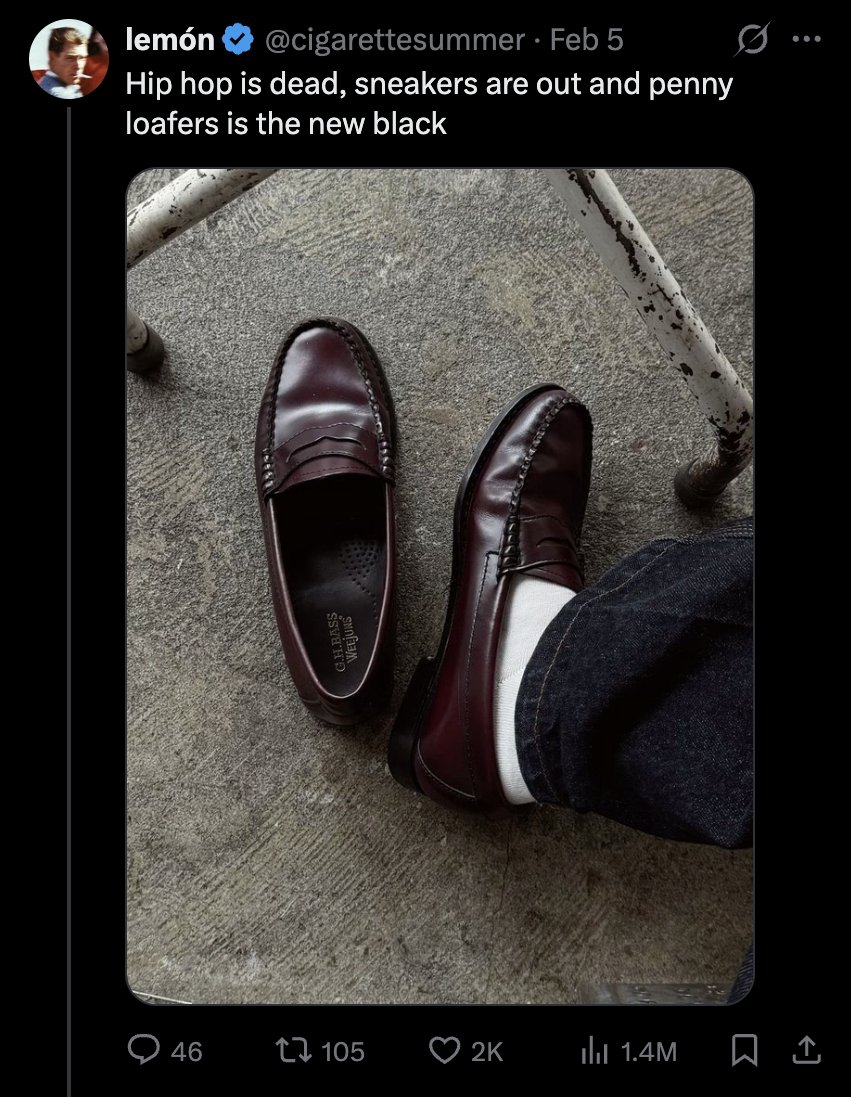
Summer is around the corner and soon you'll read a bunch of tweets about how every man should have a pair of loafers.
I don't think anyone needs anything, but if you're shopping for a pair, let me show you how to think about loafers. This applies to any wardrobe item. 🧵
I don't think anyone needs anything, but if you're shopping for a pair, let me show you how to think about loafers. This applies to any wardrobe item. 🧵

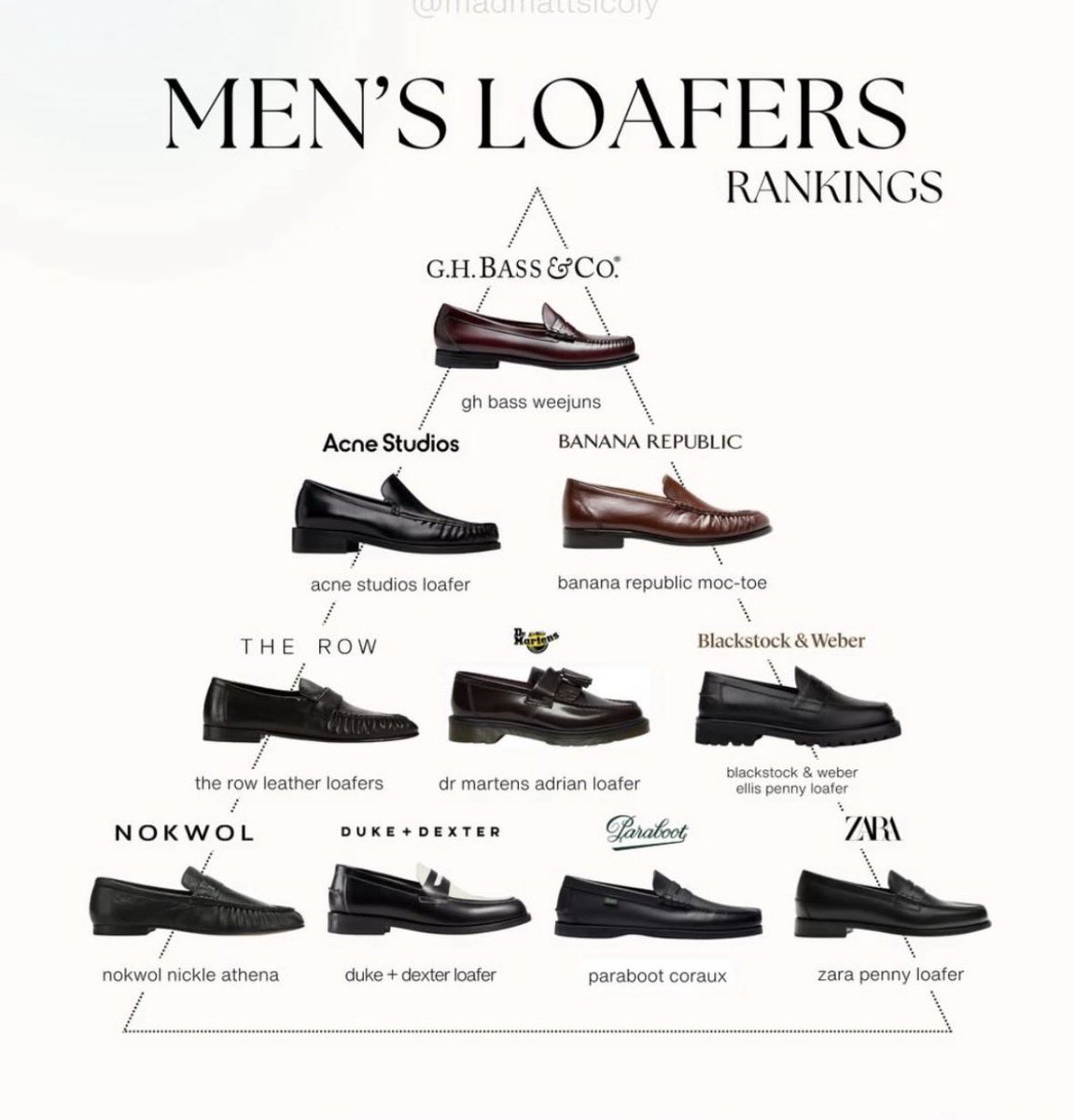
When it comes to choosing loafers, a simple answer will go something like this: "Such-and-such brand makes the best pairs." Or "Here's a hierarchy of loafers." IMO, such approaches are reductive and often devolve into trend or status pursuits.
Let me show you another approach.
Let me show you another approach.
As always, it's helpful to start at the beginning.
There are a few origin stories for loafers, but most lead back to Norway. If menswear lore is to be believed, then the penny loafer comes from a simple slip-on shoe known as the teser, which was once worn by Norwegian peasants.
There are a few origin stories for loafers, but most lead back to Norway. If menswear lore is to be believed, then the penny loafer comes from a simple slip-on shoe known as the teser, which was once worn by Norwegian peasants.


In the early 20th century, a Norwegian man named Nils Tveranger traveled to the United States to learn the craft of shoemaking. While there, he was inspired by Indigenous North American moccasins, where the leather has been gathered around the toe, creating a ripple effect.


Upon returning to Norway, he set up shop in Aurland, where he combined the Norwegian teser with the Indigenous North American shoemaking technique to create the Aurland moccasin. Aurland happened to be a popular destination at the time for European and North American fishermen.


While in Aurland, these anglers picked up a pair of Tveranger's slip-ons and brought them home. With time, the style was copied. In 1936, G.H. Bass — then known for selling rugged boots to workers and outdoorsmen — debuted a slip-on they called the Weejun (short for Norwegian).

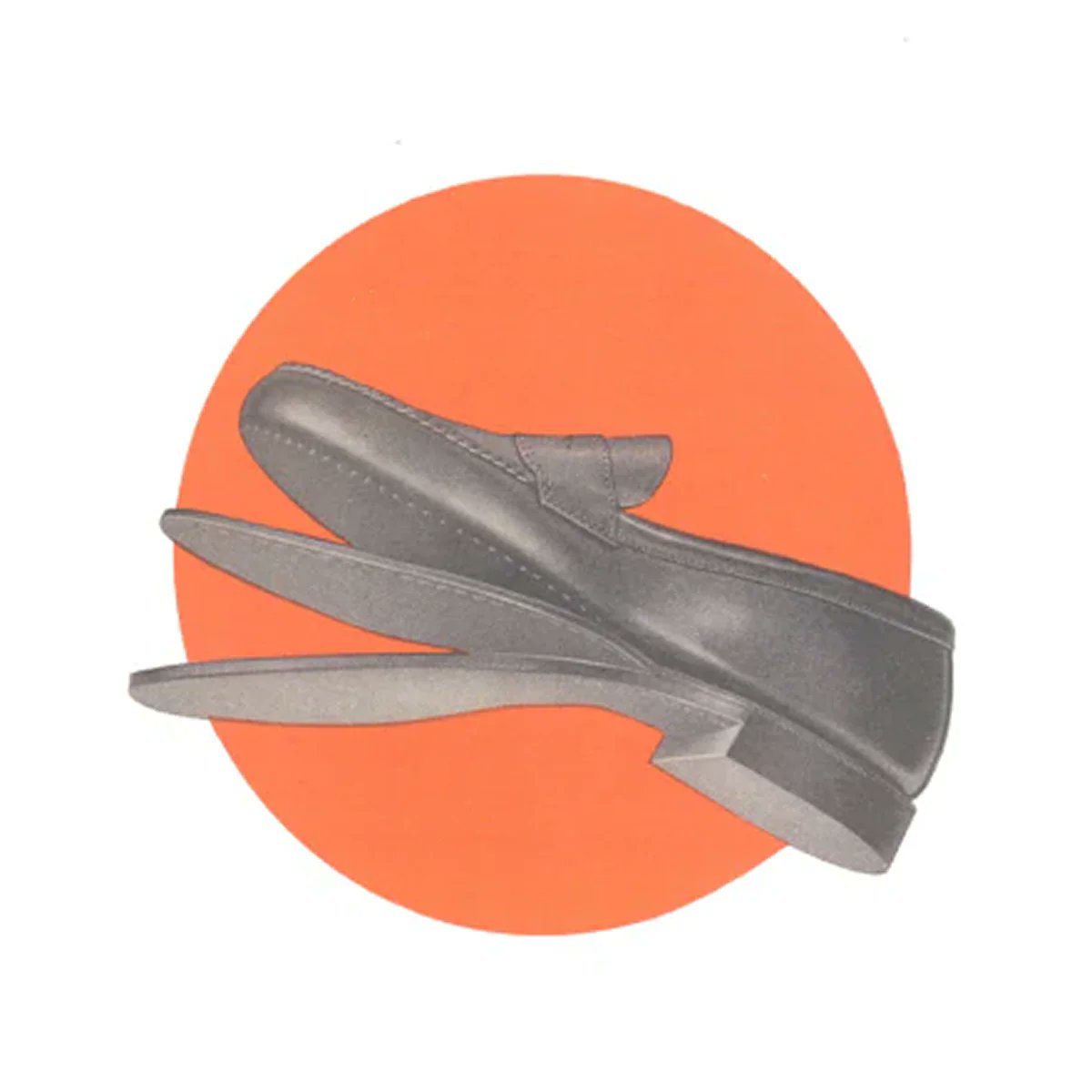
Since Bass was primarily selling shoes to blue collar workers and outdoorsmen, they originally marketed these as something you could slip-on while "loafing in the field." Hence where we get the term loafer. But by the 1940s and 50s, students started wearing the Weejun.
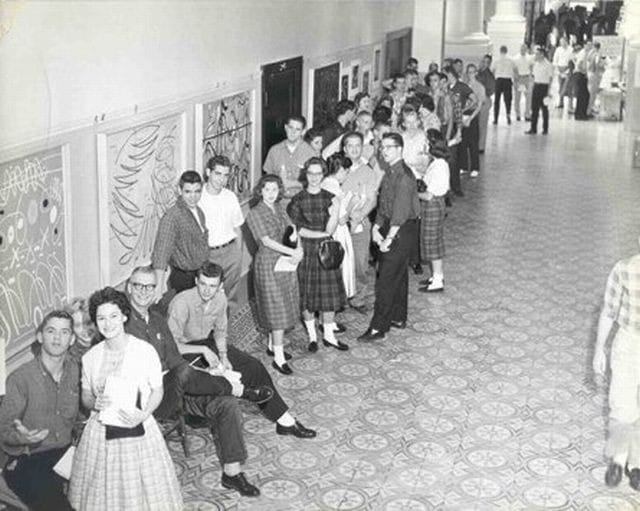

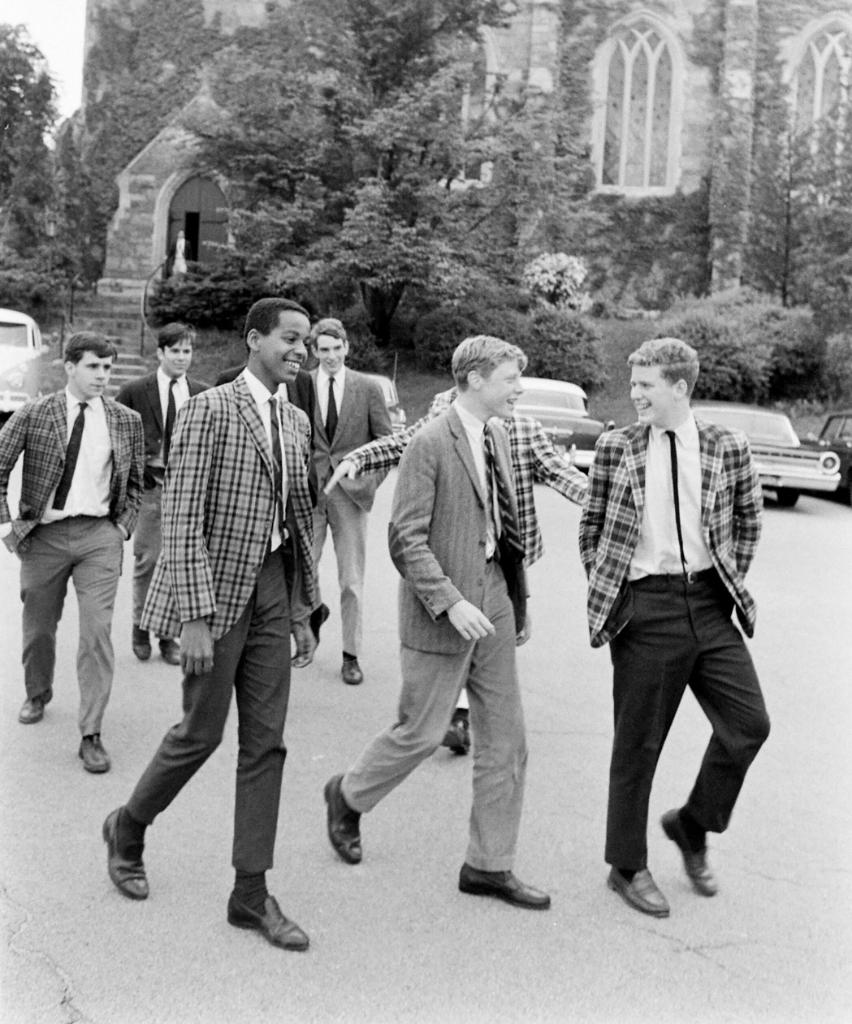
The loafer's popularity on campuses, especially elite institutions such as Harvard and Princeton, transformed this once rugged style derived from Norwegian peasant footwear into something more patrician. People typically wore them with "loafing" clothes (casualwear, sport coats)
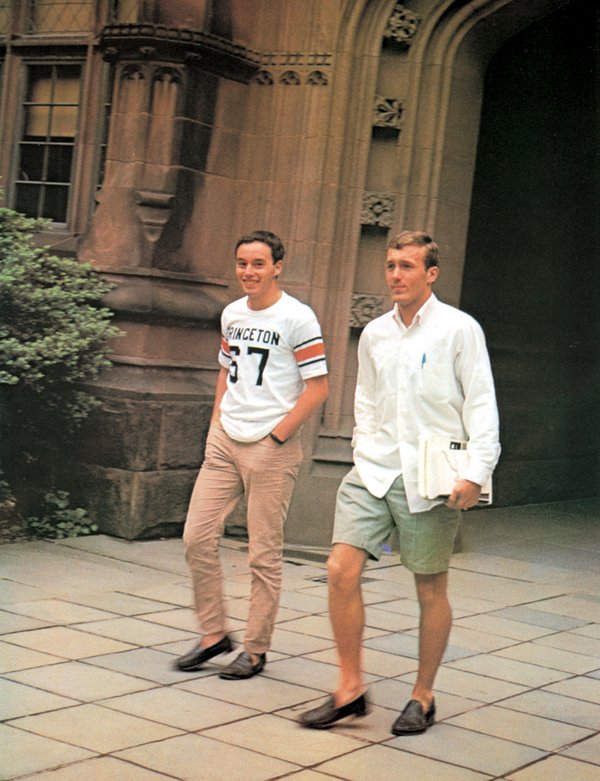


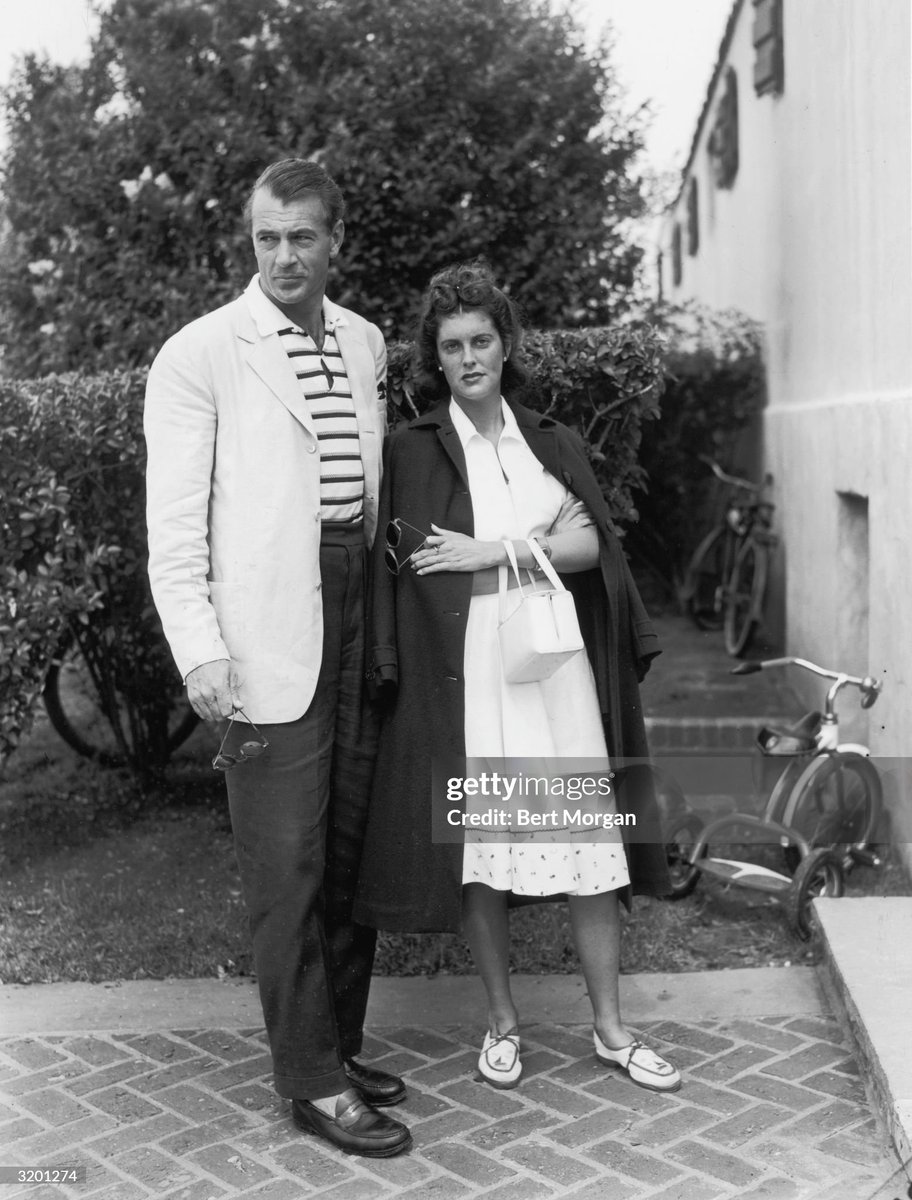
But soon enough, they seeped into business. Men started to team them with more refined clothes, such as business suits. Cary Grant even wore them with a tuxedo! Once Michael Jackson wore them in Thriller, they broke out of their patrician mold and took on new meaning (cool).

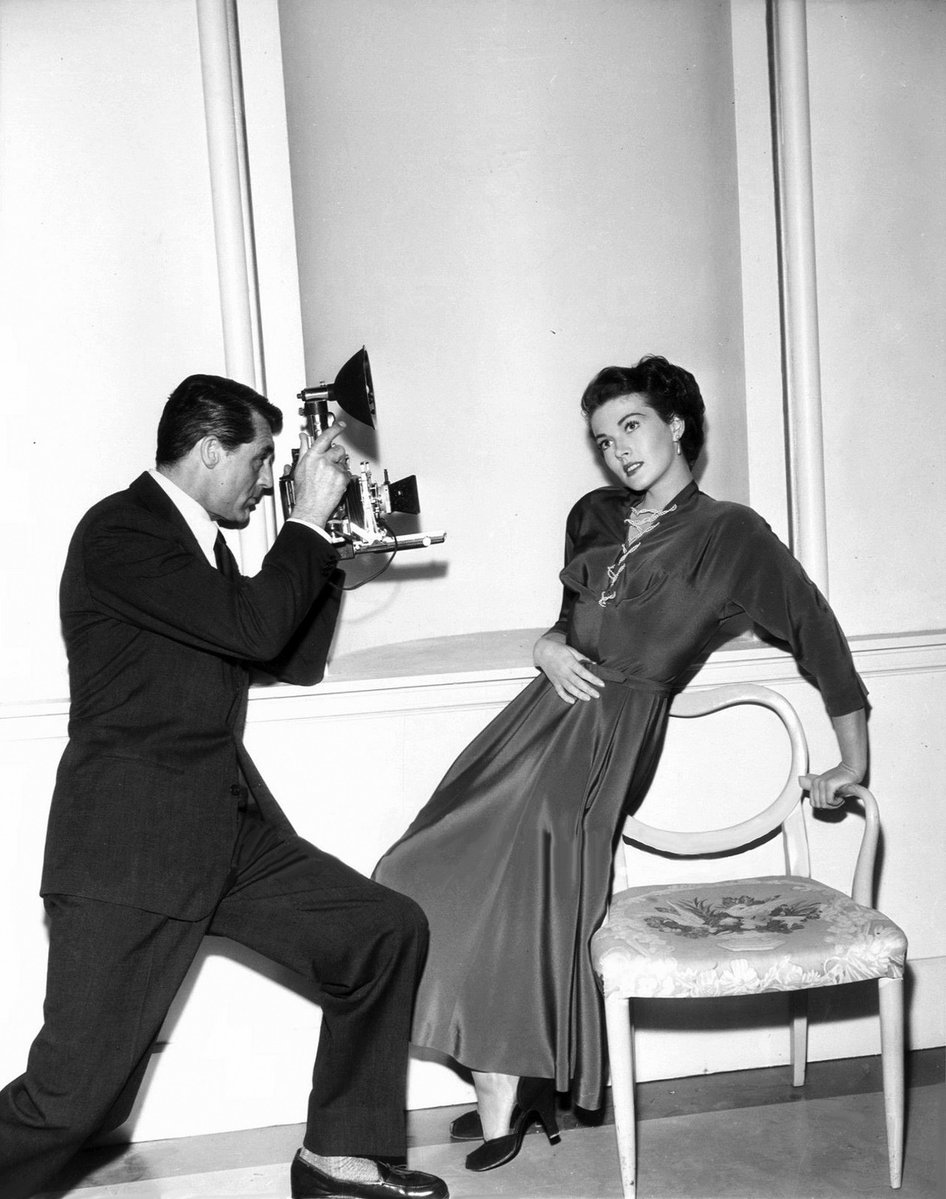


Online, you'll often come across people directing you to buy a certain pair of loafers — GH Bass, Alden, Edward Green, etc.
I don't advocate for buying any particular thing. Rather, I encourage you to think about clothes in a certain way (one informed by history and culture).
I don't advocate for buying any particular thing. Rather, I encourage you to think about clothes in a certain way (one informed by history and culture).
The right pair of loafers for you — should they be right at all — depends on how small, subtle details fit into an overall aesthetic. We can think of this like how letters combine to form a word, which are then ordered in a certain way to form a sentence. This communicates ideas.
Sleek loafers made from a fine calfskin featuring a subtle apron and fine stitching will read "dressy," whereas a rounder toe loafer made from a thicker Chromexcel pull-up leather and feating contrast stitching, a thick lipped apron, and a stitched heel cup will read "casual."


Even the vamp's length can change how a loafer reads. A loafer with a high vamp (coming up higher on your foot) will look dressier than a loafer with a low vamp, as it makes the foot look sleeker. Mark Cho of The Armoury explains here.
IG markchodotcom
IG markchodotcom
These details determine how the loafers are best worn. A European suit will often demand slightly sleeker loafers because this forms a coherent silhouette and sense of formality. Something very casual, such as a sweater teamed with cords, looks better with causal loafers.


Every pair of loafers will be made from a set of design decisions, which creates a certain "word" that's best used in a certain "sentence" (outfit). Leather, apron, stitching, coloring, vamp, sole, etc all combine towards this effect. Pictured below: dressy, casual, in-between.
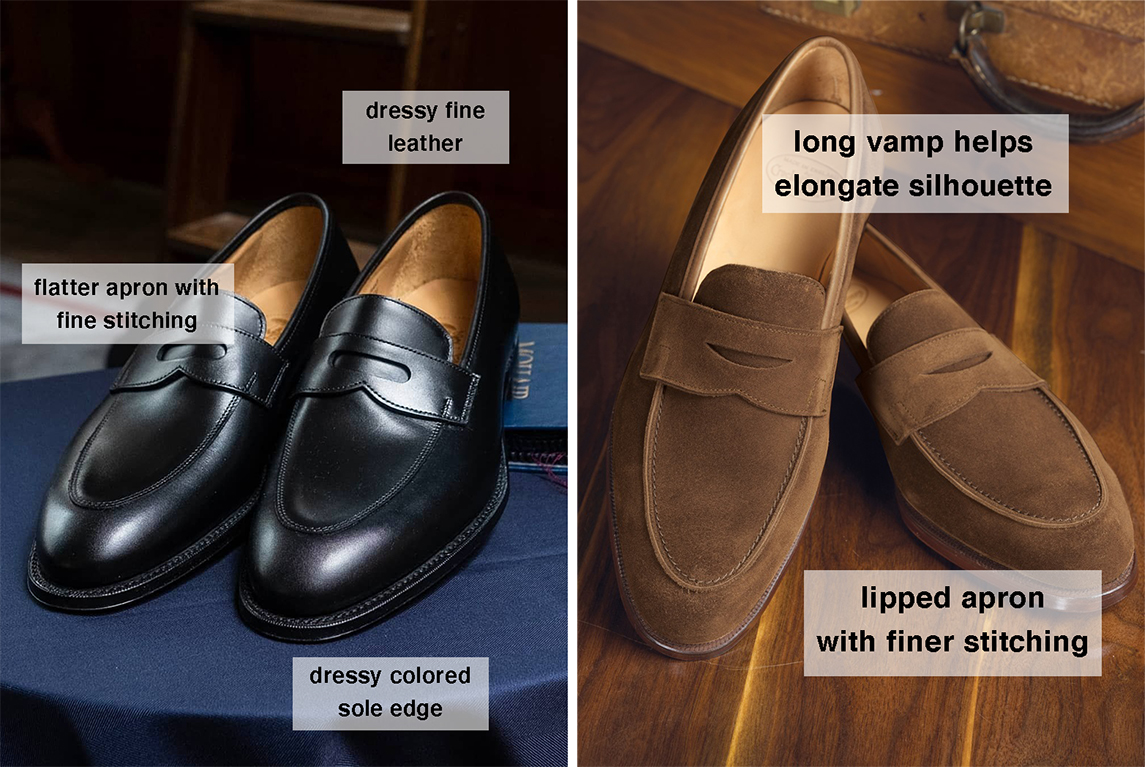


Compare these two loafers: Blackstock & Weber vs Edward Green. Both black loafers, but very different.
B&W: Grained leather, round toe, thicker sole, stitched heel cup. Casual.
EG: Smooth leather, sleeker shape, thinner sole, no heel stitching. Dressy.
B&W: Grained leather, round toe, thicker sole, stitched heel cup. Casual.
EG: Smooth leather, sleeker shape, thinner sole, no heel stitching. Dressy.


Blackstock & Weber makes the kind of loafers you'd wear with a casual or streetwear aesthetic. Edward Green makes the kind of loafers you'd wear with a finely tailored sport coat or suit. If you swap these shoes around, the effects would be very different (not necessarily wrong).


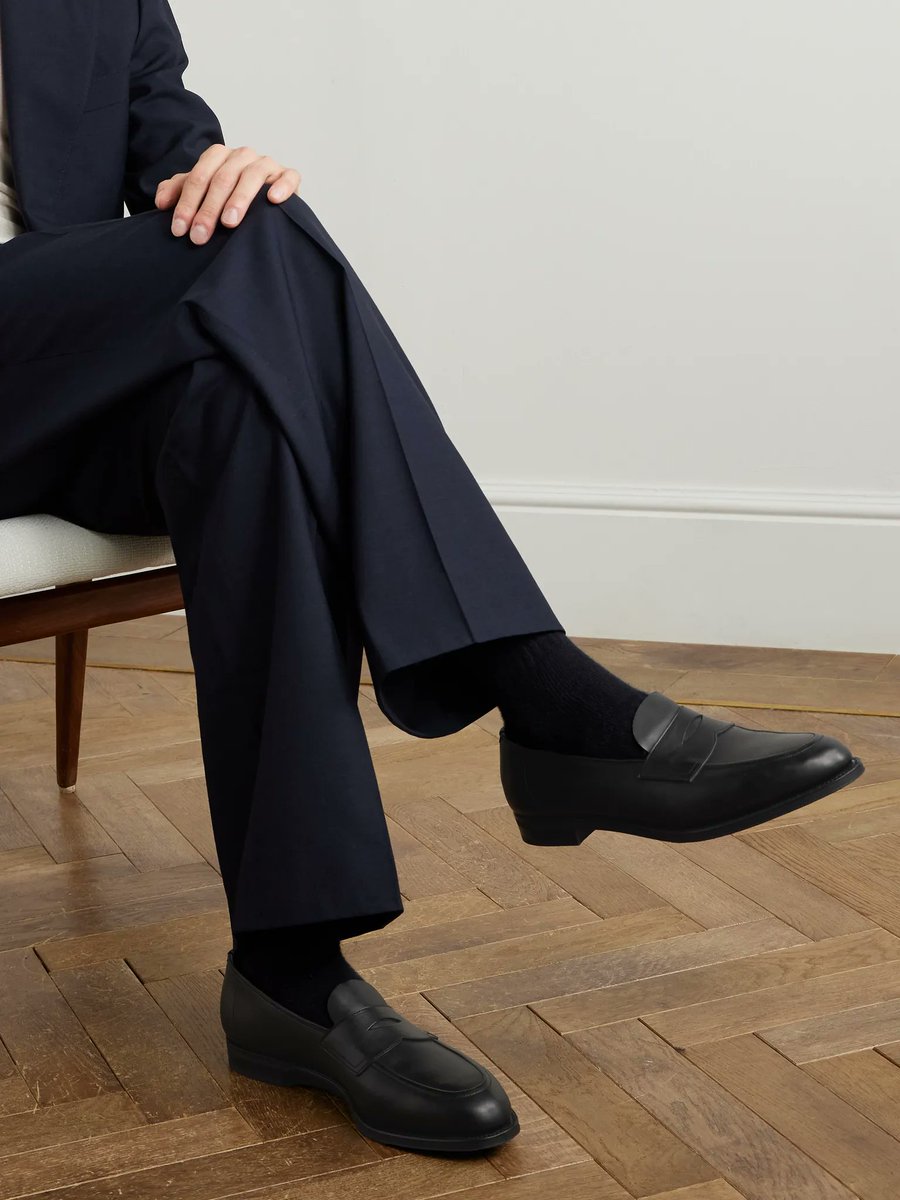

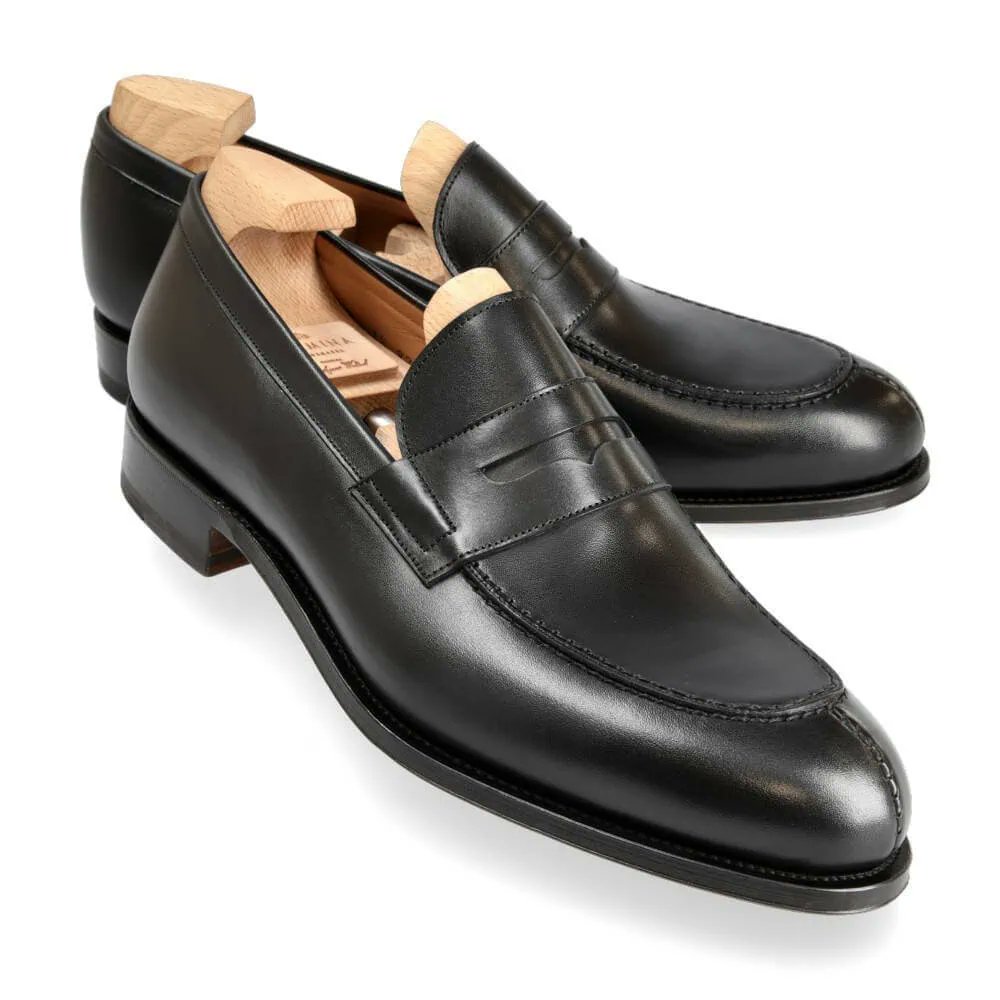
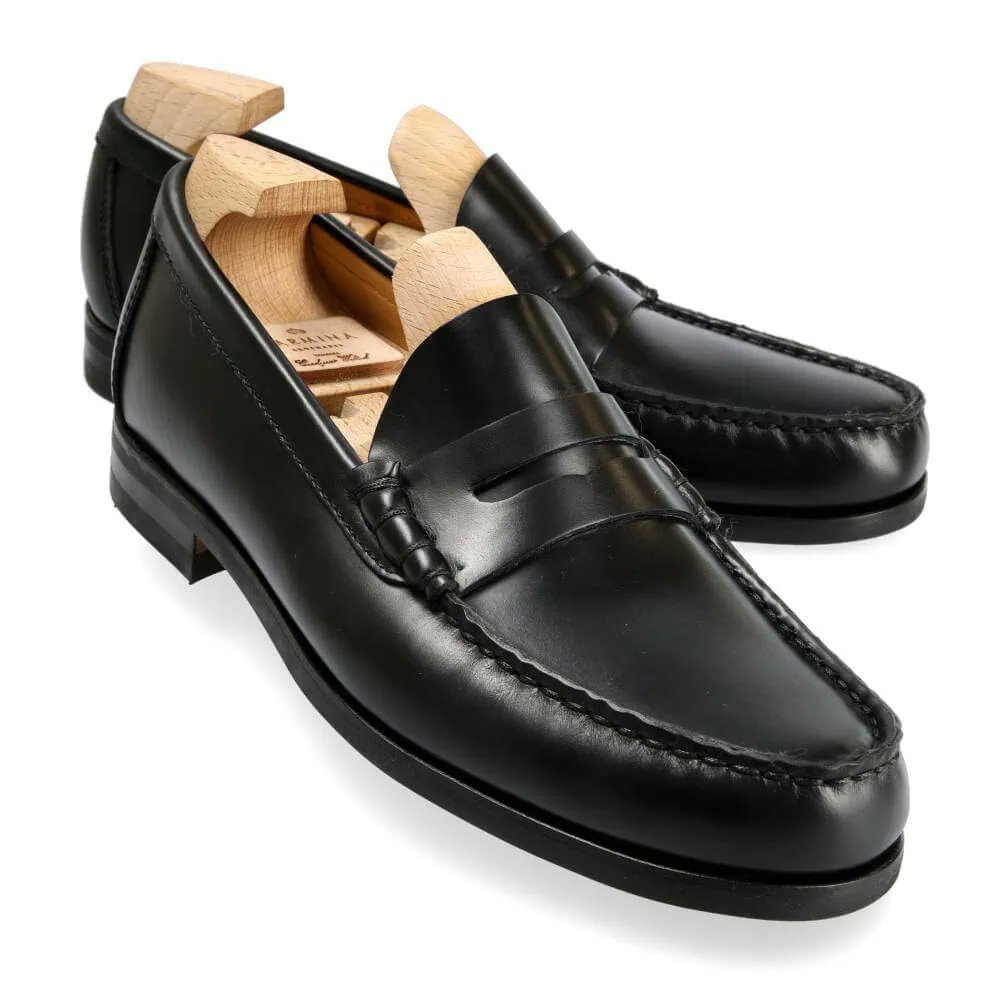
Similarly, here are two pairs of black loafers from Carmina. They are identical in terms of quality. But the shape of the shoes and the design of the apron and heel cup make the first dressier, while the second is more casual.
I should note that this thread assumes you already know some basic things. First, I assume you know how to spot quality in footwear. If you're not familiar with these basics, you can find a short explanation here:
https://x.com/dieworkwear/status/2039107662730920426
Secondly, I assume you know that smooth calfskin is more formal than suede or pebble grain, and black is more formal than dark brown or mid-brown, which in turn are more formal than tan. These are among the most important elements in how a shoe "reads."


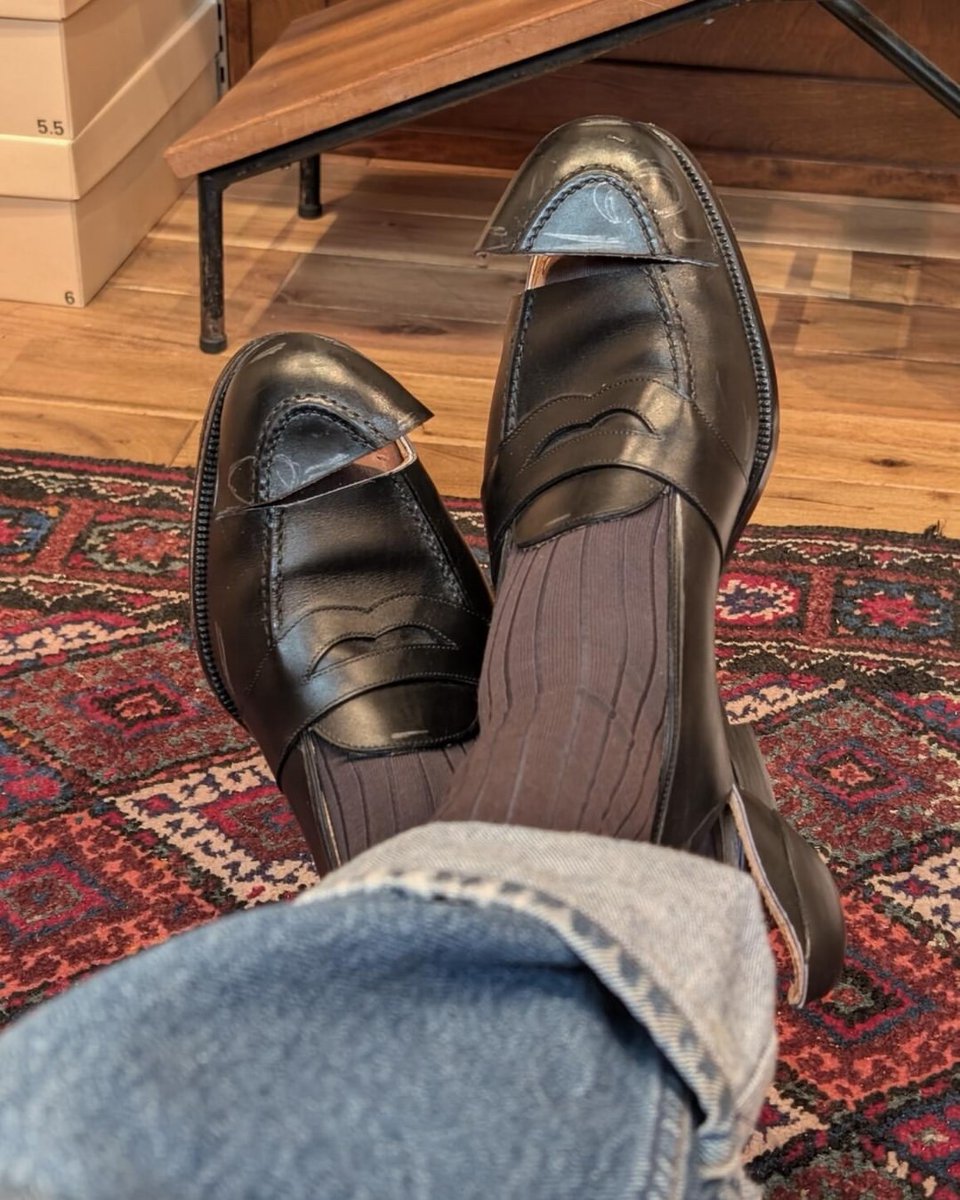
Thirdly, I assume you know how shoes fit. Sleek shoes don't necessarily cramp the toes because men's dress shoes fit differently than sneakers. With sneakers, your toes reach the tip of the shoes. This is not so with dress shoes. Easy to see at a Japanese shoe fitting:

The point of this thread is to move beyond the basics — how to determine quality, the way materials and color communicate formality, and how shoes should fit — and get into even finer details, such as stitching, heel cup, and apron (apron is the U-shape stitching below).

Which pair of loafers you should buy — again, assuming you should buy loafers at all — depends on how you like to dress. Are you mostly in shorts and t-shirts? Chinos and Shetland sweaters? Sport coats and suits? Do you prefer Italian or American style? Classic or contemporary?

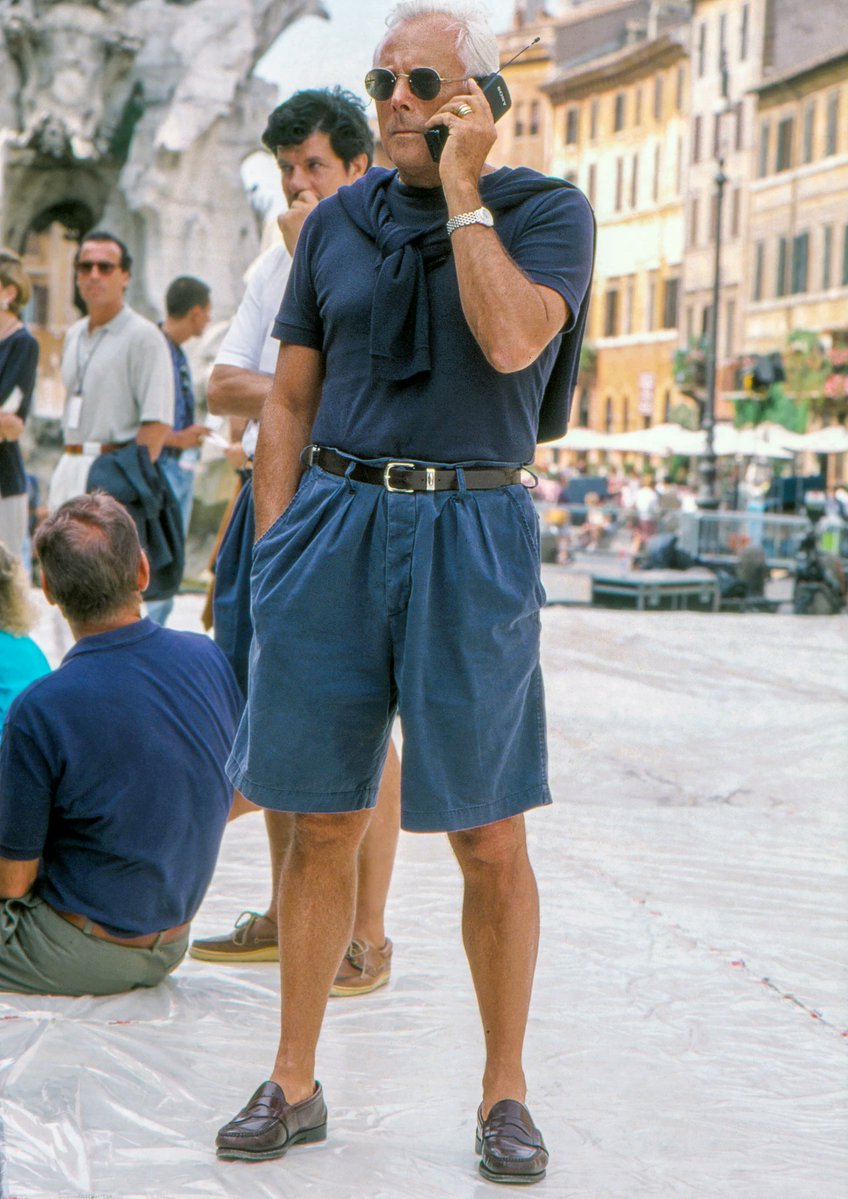

Hierarchies like these, along with declarations like "just go buy Alden," are not useful without a deeper understanding of the semiotical nature of clothing. To determine what kind of shoes (or clothes) to buy, you first have to have an idea of how you want to dress.

You can apply this approach to anything — finding the right jacket, jeans, T-shirt, etc. When repeated enough times, you will then have a coherent wardrobe. Here is a similar breakdown I recently did for chinos.
https://x.com/dieworkwear/status/2044319397272252888
• • •
Missing some Tweet in this thread? You can try to
force a refresh