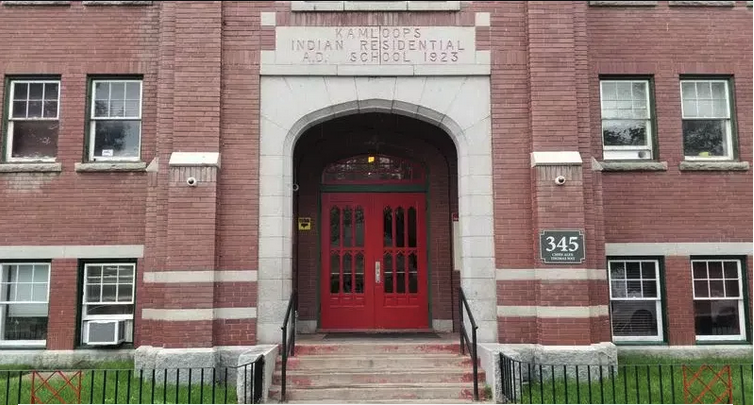
In 1971 Marieval Residential School in Saskatchewan was scheduled to close, but eight Indigenous bands protested the closure, arguing to keep it open
Since then four of the same eight bands have condemned residential schools, pursued legal action, and accepted compensation🧵
Since then four of the same eight bands have condemned residential schools, pursued legal action, and accepted compensation🧵

In Canada, Indigenous oral history has been given parity with the documentary record, on the premise it reliably preserves community knowledge
Marieval shows otherwise, where Indigenous Oral History produced two incompatible accounts of the same school, decades apart
Marieval shows otherwise, where Indigenous Oral History produced two incompatible accounts of the same school, decades apart
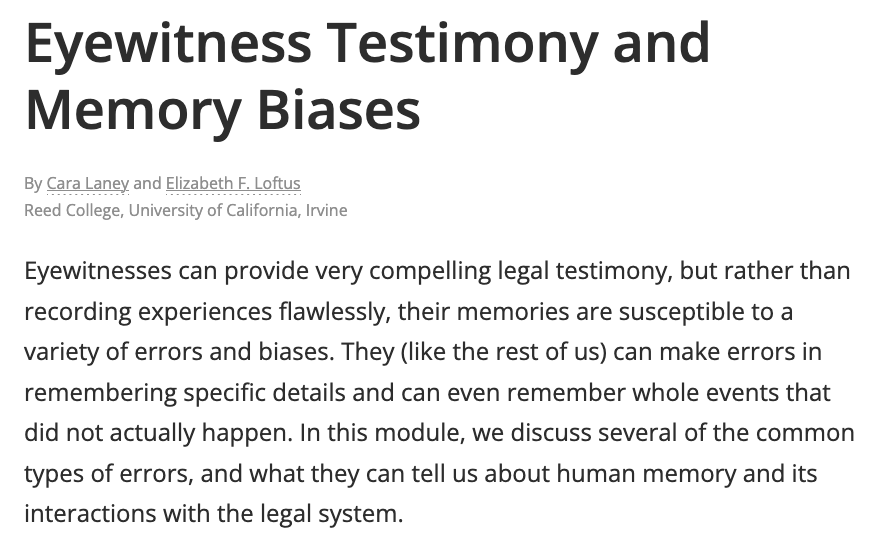
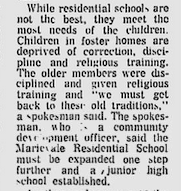
In the 1971 article, the bands shared their Oral history of the Marieval Residential School;
- Meets the most needs of the children
- Serves children who can't be cared for at home
- Religious training and discipline
- Good parental involvement
- more (article at last post)
- Meets the most needs of the children
- Serves children who can't be cared for at home
- Religious training and discipline
- Good parental involvement
- more (article at last post)
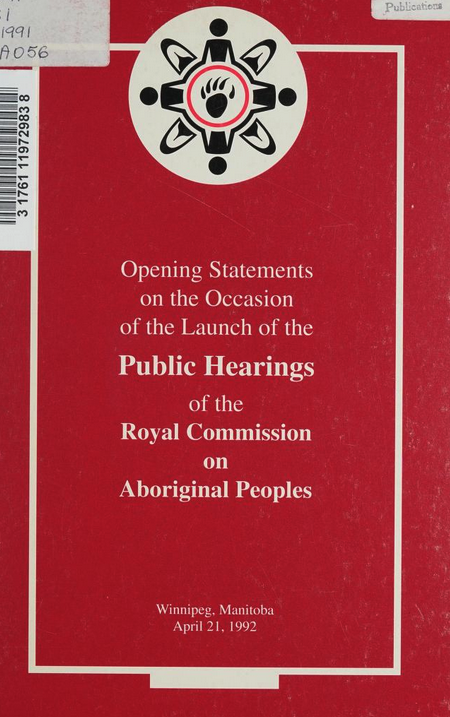
By 2008, four of those same eight bands shared a different oral history of Marieval Residential School:
- Children stripped of identity
- Physical abuse
- Cultural suppression
- Families coerced into compliance
- more
- Children stripped of identity
- Physical abuse
- Cultural suppression
- Families coerced into compliance
- more

Oral history claims to preserve community knowledge across generations
Yet two incompatible accounts of the same Residential School are not equal to a documentary record
Both accounts may reflect sincere truth, but that doesn't rescue oral history, it indicts it
Yet two incompatible accounts of the same Residential School are not equal to a documentary record
Both accounts may reflect sincere truth, but that doesn't rescue oral history, it indicts it
Full article:
Chiefs request school be kept
By RUTH SHAW, Staff Reporter
The Leader-Post, Regina, Saskatchewan — November 19, 1971
YORKTON (Staff) — A resolution asking that the Marieval Residential School be kept open as long as the Indian people want it was passed by the chiefs and councillors of eight Indian bands at a regional meeting held Thursday.
The meeting was held in the Royal Canadian Legion Hall, with Joe Whitehawk of Yorkton district supervisor as chairman.
Various spokesmen said the pupils are generally children from broken homes, orphans, or are from inadequate homes. There is a great need for the school and the need is increasing, rather than diminishing. Many of the children have no other place to stay, as many only have grandparents, who through lack of space, health or age are unable to look after them.
The alternative is foster homes, which will cost just as much money as the residential school, plus a measure of correction, discipline and religious training and this should be taken into consideration when plans are under study for the phasing out of the school, the spokesman said.
While residential schools are not the best, they meet the most needs of the children. Children in foster homes are deprived of correction, discipline and religious training. The older members were disciplined and given religious training and "we must get back to their old traditions," a spokesman said. The spokesman, who is a community development officer, said the Marieval Residential School must be expanded one step further and a junior high school established.
Another spokesman said the Indian people passed a resolution asking that the school remain open and it should not be up to the department to say whether the school should be closed.
Another said that if the request is made, it should remain open and "the people should not be bribed to close the place."
Chief Antoine Cote of the Cote reserve said the people on his reserve are not satisfied with the integration of Indian students at Kamsack. "They claim there is no discrimination, but there is and we realize there is. One of the reasons of phasing out the student residential schools is so our children can be sent to so called integrated schools," he said.
E. Korchinski, regional superintendent of education with the department of Indian affairs, told the delegates it costs approximately $3,840 a student to keep the school open compared with $2,192 in the other eight residential schools.
Marieval operates with 50 students and a staff of 21. An assessment is being made of why each of the 50 students are in the residential school and after the assessment it would be reasonable to sit down with the chiefs and discuss the situation, he said.
He said he knew the school was one area of employment for Indian people.
He said there would be a situation where if the building is on the reserve, it must have alternate uses if it is not used as a residential school. Since Marieval school has a budget of $192,000, if alternate care for the children is found that gives them equal or possibly better care, the money saved could be poured into the education fund for the Indians in the Yorkton district.
He asked where the children go for the two months the school is not in operation and what effect it had on the children to be shunted to possibly four different homes in a year.
Concern was expressed about not being able to become involved in the appointment of a principal at St. Phillips. "This appointment deals with us and our children. We want to say we want this fellow and not have one shunted at us by the Indian Affairs department."
Mr. Korchinski said it was never meant that a principal be shoved at them. There was a representative of the Indian people on the four-member board that selected a candidate. There is no principal at St. Phillips at the present time.
When asked for suggestions, one of the delegates said, "Since we are involved and send our kids to school, we would like to select our principal, rather than have him selected. We are in the position, where we know what we want and if we make a mistake, it's our mistake."
A resolution that each band involved with unit boards should have a representative from the band on the unit board, without the formation of school districts, was carried.
Chief Cote said, "We're interested in the education of our children and what our children are taught in schools. We have no voice in what is being taught at Kamsack. Previous councils wanted a say in what is being taught and I have pursued this since my election. We should tell the unit what we want, not the unit telling us."
He asked why Indian children have to study French, when they could speak their own language.
Chief Cote said there are things that could be taught Indian children, such as Indian history, and how "we have been exploited. That is the kind of history we should look into. We are going ahead. We have people qualified to put on a board."
"We didn't like the idea of forming a school district within two reserves. This is a suggestion. This was suggested two or three years ago and again last month," he said.
The delegates agreed to a member of the Saskatchewan Power Corporation attending a meeting of chiefs to answer questions on electricity and natural gas and to give a talk on safety.
When questioned by the delegates about Indian representation on various boards, a department official said something is being done to broaden the scope of Indian participation within the public service commission.
In comparison with other districts, Saskatchewan has a better system of representation of Indians than any other regional district, he said.
He stressed that when someone is chosen by a board, he is on probation for three, six, nine and 12 months and if the person, who on paper seemed to be the best man, does not work out, he can be rejected.
During the afternoon session the 1972-73 budget was discussed. The budget is in the neighborhood of $3 million for the Yorkton region. The money will be allocated for administration costs, community affairs, education and economic development of the Key, Keeseekoose, Cote, Sakimay, Cowessess, Ochapowace, Kahkewistahaw and White Bear reserves.
Fred Clark of Regina, regional director, said there is a special economic development fund over the next five years of $90 million for Canada for economic development for individuals or groups. For any viable project, any individual or group may borrow up to $25,000. It is hoped to expand the amount to $50,000 within the next six months, he said.
Since authority is being decentralized, applications can be authorized in Regina. This means a cutting of red tape. It is this type of financial arrangement that can be highly beneficial to Indian bands and Indian people, he said.
Officials present from the department of Indian affairs, regional office at Regina, were: Fred Clark, K.J. Gavigan, K.D. Uppel, Emil Korchinski.
Chiefs request school be kept
By RUTH SHAW, Staff Reporter
The Leader-Post, Regina, Saskatchewan — November 19, 1971
YORKTON (Staff) — A resolution asking that the Marieval Residential School be kept open as long as the Indian people want it was passed by the chiefs and councillors of eight Indian bands at a regional meeting held Thursday.
The meeting was held in the Royal Canadian Legion Hall, with Joe Whitehawk of Yorkton district supervisor as chairman.
Various spokesmen said the pupils are generally children from broken homes, orphans, or are from inadequate homes. There is a great need for the school and the need is increasing, rather than diminishing. Many of the children have no other place to stay, as many only have grandparents, who through lack of space, health or age are unable to look after them.
The alternative is foster homes, which will cost just as much money as the residential school, plus a measure of correction, discipline and religious training and this should be taken into consideration when plans are under study for the phasing out of the school, the spokesman said.
While residential schools are not the best, they meet the most needs of the children. Children in foster homes are deprived of correction, discipline and religious training. The older members were disciplined and given religious training and "we must get back to their old traditions," a spokesman said. The spokesman, who is a community development officer, said the Marieval Residential School must be expanded one step further and a junior high school established.
Another spokesman said the Indian people passed a resolution asking that the school remain open and it should not be up to the department to say whether the school should be closed.
Another said that if the request is made, it should remain open and "the people should not be bribed to close the place."
Chief Antoine Cote of the Cote reserve said the people on his reserve are not satisfied with the integration of Indian students at Kamsack. "They claim there is no discrimination, but there is and we realize there is. One of the reasons of phasing out the student residential schools is so our children can be sent to so called integrated schools," he said.
E. Korchinski, regional superintendent of education with the department of Indian affairs, told the delegates it costs approximately $3,840 a student to keep the school open compared with $2,192 in the other eight residential schools.
Marieval operates with 50 students and a staff of 21. An assessment is being made of why each of the 50 students are in the residential school and after the assessment it would be reasonable to sit down with the chiefs and discuss the situation, he said.
He said he knew the school was one area of employment for Indian people.
He said there would be a situation where if the building is on the reserve, it must have alternate uses if it is not used as a residential school. Since Marieval school has a budget of $192,000, if alternate care for the children is found that gives them equal or possibly better care, the money saved could be poured into the education fund for the Indians in the Yorkton district.
He asked where the children go for the two months the school is not in operation and what effect it had on the children to be shunted to possibly four different homes in a year.
Concern was expressed about not being able to become involved in the appointment of a principal at St. Phillips. "This appointment deals with us and our children. We want to say we want this fellow and not have one shunted at us by the Indian Affairs department."
Mr. Korchinski said it was never meant that a principal be shoved at them. There was a representative of the Indian people on the four-member board that selected a candidate. There is no principal at St. Phillips at the present time.
When asked for suggestions, one of the delegates said, "Since we are involved and send our kids to school, we would like to select our principal, rather than have him selected. We are in the position, where we know what we want and if we make a mistake, it's our mistake."
A resolution that each band involved with unit boards should have a representative from the band on the unit board, without the formation of school districts, was carried.
Chief Cote said, "We're interested in the education of our children and what our children are taught in schools. We have no voice in what is being taught at Kamsack. Previous councils wanted a say in what is being taught and I have pursued this since my election. We should tell the unit what we want, not the unit telling us."
He asked why Indian children have to study French, when they could speak their own language.
Chief Cote said there are things that could be taught Indian children, such as Indian history, and how "we have been exploited. That is the kind of history we should look into. We are going ahead. We have people qualified to put on a board."
"We didn't like the idea of forming a school district within two reserves. This is a suggestion. This was suggested two or three years ago and again last month," he said.
The delegates agreed to a member of the Saskatchewan Power Corporation attending a meeting of chiefs to answer questions on electricity and natural gas and to give a talk on safety.
When questioned by the delegates about Indian representation on various boards, a department official said something is being done to broaden the scope of Indian participation within the public service commission.
In comparison with other districts, Saskatchewan has a better system of representation of Indians than any other regional district, he said.
He stressed that when someone is chosen by a board, he is on probation for three, six, nine and 12 months and if the person, who on paper seemed to be the best man, does not work out, he can be rejected.
During the afternoon session the 1972-73 budget was discussed. The budget is in the neighborhood of $3 million for the Yorkton region. The money will be allocated for administration costs, community affairs, education and economic development of the Key, Keeseekoose, Cote, Sakimay, Cowessess, Ochapowace, Kahkewistahaw and White Bear reserves.
Fred Clark of Regina, regional director, said there is a special economic development fund over the next five years of $90 million for Canada for economic development for individuals or groups. For any viable project, any individual or group may borrow up to $25,000. It is hoped to expand the amount to $50,000 within the next six months, he said.
Since authority is being decentralized, applications can be authorized in Regina. This means a cutting of red tape. It is this type of financial arrangement that can be highly beneficial to Indian bands and Indian people, he said.
Officials present from the department of Indian affairs, regional office at Regina, were: Fred Clark, K.J. Gavigan, K.D. Uppel, Emil Korchinski.
Need to thank @Aletheiaholic for sharing this article originally!
/fin
/fin

• • •
Missing some Tweet in this thread? You can try to
force a refresh