🚨UK Net Zero & energy subsidies have exploded to £585 BILLION 🚨
Our taxes funding unreliable renewables, backups, carbon capture & subsidies to use the expensive energy. A new update to the Subsidy Control Database exposes the scale of the madness. (1/11)
Breakdown of the insanity:
- Renewables Obligation (ROCs): £104bn
- Contracts for Difference (CfDs): £102bn inc. £40bn for AR7
- £31bn for FiTs
In total over £260bn to subsidise renewables that don’t produce when we need it most, or FIVE Hinkley Point C’s (2/11)
Wind and solar are intermittent, so we pay another £72bn for the Capacity Market – backup power for when the wind doesn’t blow or sun doesn’t shine. And a further £1bn to subsidise making turbines. (3/11)
Then there's the mad Renewable Heat Incentive: £44bn to pay farmers to burn wood to heat empty sheds until 2040.
Yes, really. One of the most absurd uses of public money you’ll ever see (4/11)
Then there’s £51bn to subsidise Energy Intensive Industries through the British Energy Supercharger to use this expensive energy. A giant tangle of subsidies and cross-subsidies created by the very policies that are supposed to “save” us (5/11)
Carbon Capture (CCUS): £59.7bn total. Includes £30bn to bolt CCUS onto gas plants – making them LESS efficient and MORE expensive - a crime against thermodynamics. (6/11)
Another “thermodynamic war crime” is Green Hydrogen – expensive, inefficient, and heavily subsidised to the tune of £3bn (7/11)
There’s another £4bn to transform industry by electrifying the automotive supply chain. And another £2.6bn to decarbonise social housing and install heat pumps. Another £600m to subsidise ultra-low emission buses (8/11)
Nuclear? Sizewell C gets £62.6bn and is strangled by over-regulation and poor procurement.
Meanwhile unreliable renewables get the lion’s share and create the very problems we then have to subsidise (9/11)
This £585bn web of subsidies is sucking the life out of the economy: higher bills, higher taxes, deterred investment, lost jobs. A completely insane “green gravy train” that achieves nothing for the climate. We need to ditch Net Zero now (10/11)
If you enjoyed this thread, please like and share. You can sign up for free to read the full article on the link below (11/11)
Ember, the people who came up with Miliband's promise to cut bills by £300 have been torturing the data to claim renewables saved money in March. Record CfD subsidies for March of £258m tell a different story. We're witnessing the dying embers of Net Zero propaganda (1/n)
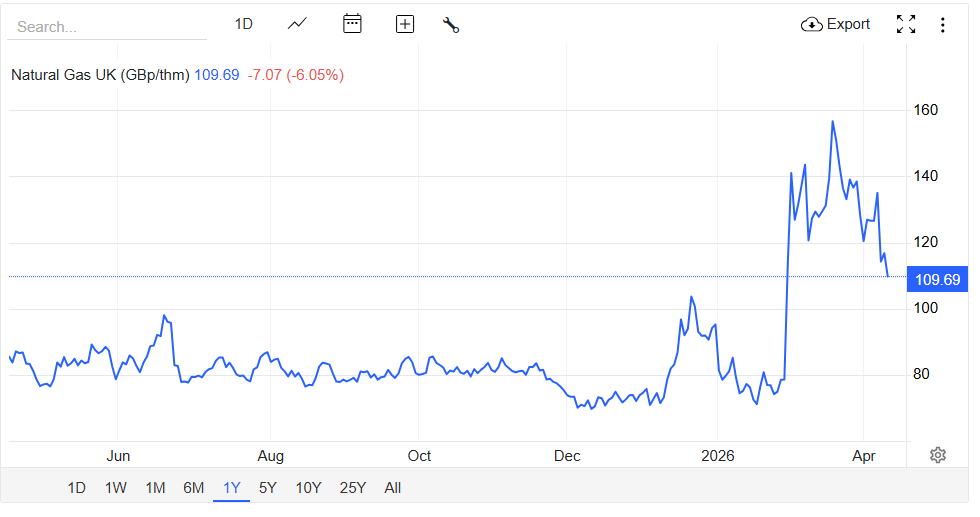
It's true that gas prices spiked in March at the opening of hostilities with Iran, and electricity prices rose too (2/n)
But gas prices didn't rise by as much as 2022, and the impact on electricity prices was muted by a reduction in carbon costs, as Ember should know, because it's in their data (3/n)
Net zero advocates love to claim renewables are cheaper than gas by waving around Levelised Cost of Energy (LCOE) models from Lazard, IRENA, and the UK Government’s Generation Cost 2025 report. But these models are junk. Here’s why. (1/19)
LCOE sums up all capital and operating costs over a plant’s lifetime, discounts them, and divides by total electricity generated. Result: £/MWh or p/kWh in a chart like Lazard's below. Sounds scientific… until you look closer. (2/19)
Classic LCOE compared dispatchable sources (gas, coal, nuclear, hydro) that match demand. Now it’s used for wind & solar, whose output depends on weather, not demand. A midday solar kWh when supply>demand is worthless. Peak-hour gas power is priceless. LCOE ignores this. (3/19)
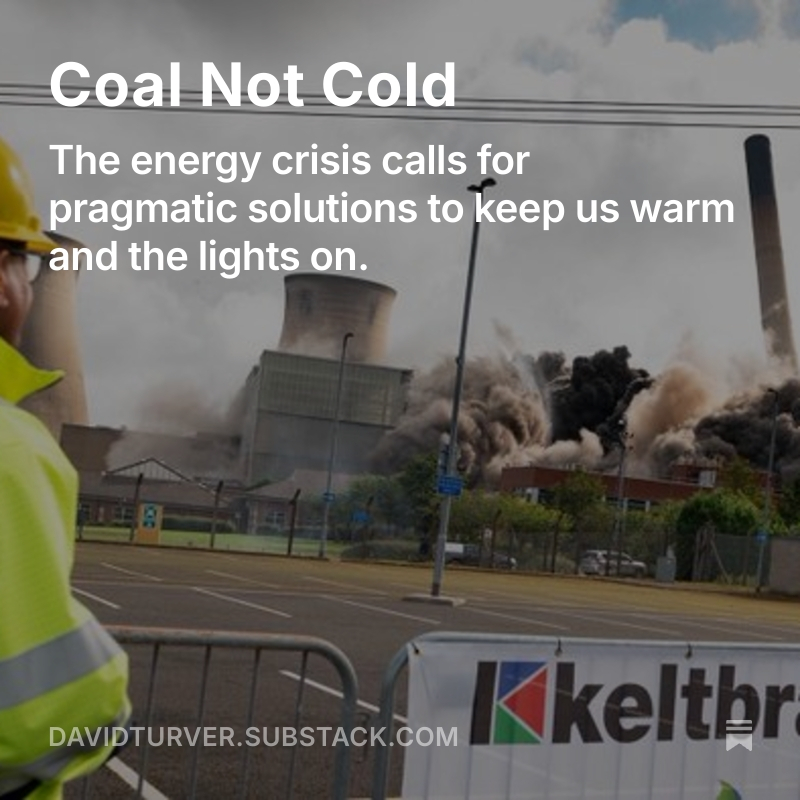
We're facing an energy crisis that is going to require radical solutions to solve. Many countries are ramping up coal-fired electricity generation in response. Is it time for the UK to go for Coal not Cold? A thread (1/n)
Looking first at UK coal reserves and resources. Euracoal has estimated we're sitting on 3,560 million tonnes of hard coal resources & 1,000Mt of lignite. Plus 277Mt of economically recoverable hard coal reserves. Plenty to go at (2/n)
So, what about the benefits of using coal? First, fuel diversification. War in Iran has again demonstrated the fragility of global supply chains, particularly LNG. Using our own coal would give welcome fuel diversification & energy security (3/n)
In a vote tantamount to treason, Parliament decided 297-108 to put Net Zero ideology above Britain's energy security. MPs rejected a Tory motion to scrap the Energy Profits Levy, lift the ban on new North Sea licences & approve the Rosebank & Jackdaw fields. A thread (1/15)
Not a single Labour, Liberal Democrat, SNP, Reform or Restore Britain MP voted in favour. This decision came at a dangerous time – amid a the largest ever energy shock triggered by the war in Iran. (2/15)
Normally ~20% of the world's oil supply passes through the Strait of Hormuz. Since the conflict started, traffic has plunged by over 95%. Brent crude and UK gas prices have risen sharply as a result. (3/15)
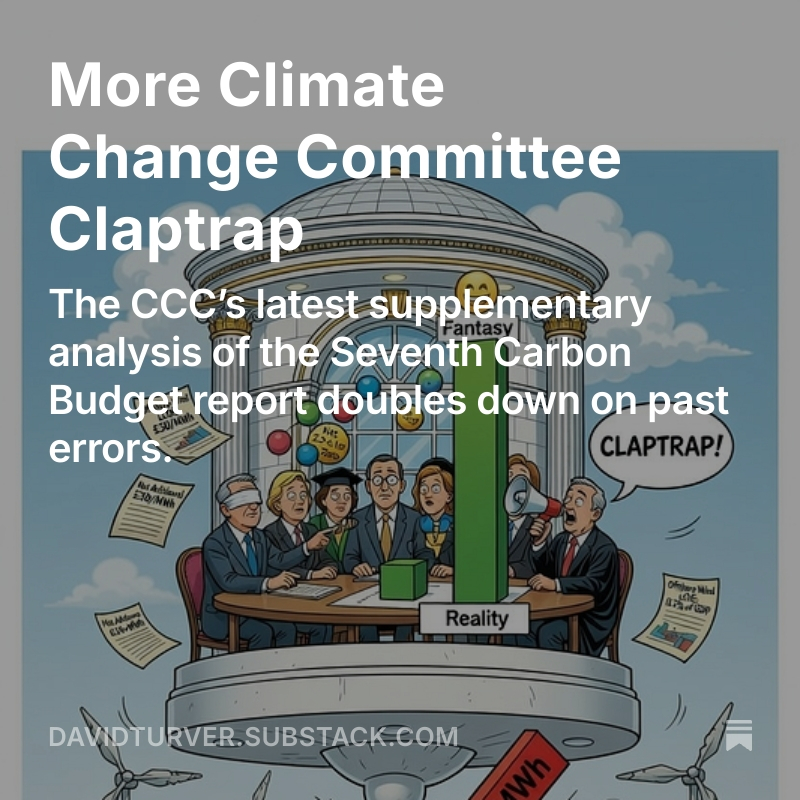
The CCC recently dropped a supplementary analysis of their 7th Carbon Budget, doubling down on past errors. They claim Net Zero costs less than the 2022 fossil fuel price spike & delivers a "net benefit" to society. Let's dismantle the ivory tower claptrap. A thread (1/13)
They also claim achieving Net Zero is “more cost-effective” than continued reliance on fossil fuels in all scenarios (2/13)
To support this, they’ve added “co-impacts” — cleaner air, warmer homes, active travel, “healthier diets” and carbon savings. Sounds impressive… until you examine the numbers and assumptions. (3/13)
New deep dive: "Octopus Smoke and Mirrors" exposes what's really going on behind the hype at Octopus, the UK's biggest energy supplier. Spoiler: a lot of valuation puffery, restated accounts and marketing flim-flam. A thread (1/10)
Recap: Last year I asked if we'd hit "Peak Pink Octopus" after news of spinning off Kraken (their tech platform) at £10bn, valuing the whole group at £15bn. It smelled like hype before a sale which was borne out by the actual valuation of ~£6.7bn. (2/10)
Now the latest FY2025 accounts for Octopus Energy Group Limited show it fell into losses again. Investors were not on hand to provide more funding. Instead they sought to monetise their investment by demerging Kraken (3/10)