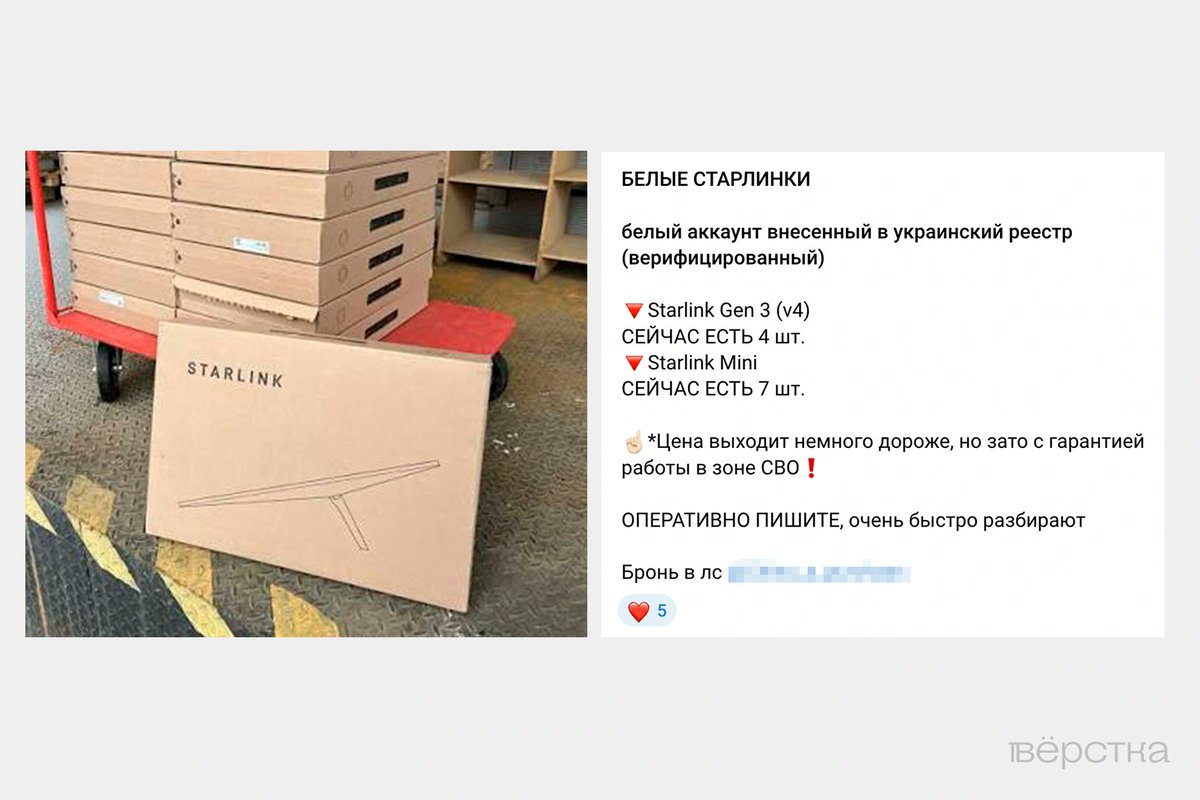
1/ Russian warbloggers are increasingly speculating about what will happen after the war ends and/or the fall of Putin. They predict chaos, disorderly struggles, repression, and not least their own violent elimination. ⬇️
2/ In a since-deleted post, Maxim Kalashnikov sees gloomy prospects ahead for Russia:
3/ “I believe that after the Transition (change of the central figure of power), as a result of this untriumphant war, a period of chaos and instability is inevitable.
No matter what “Sukharev conventions” are signed by the highest beau monde these days. What do I predict?
No matter what “Sukharev conventions” are signed by the highest beau monde these days. What do I predict?
4/ "1. The new candidate will inevitably be weak and indecisive, convenient for the “boyars,” obviously incapable of drastic steps on the international stage, and digestible for the West, with which they will do everything possible to “normalise relations.”
5/ "They will seek the lifting of sanctions.
2. I expect the inevitable inter-clan struggle for the redistribution of spheres of influence, property, and financial flows.
2. I expect the inevitable inter-clan struggle for the redistribution of spheres of influence, property, and financial flows.
6/ "3. Such a struggle (as well as the inevitable economic crisis and weakening funding) will scatter the security forces into different “camps.” Already demoralised by the war's aftermath.
7/ "4. In Russia, they will try to ease tensions at the grassroots level by staging a version of Khrushchev's thaw and lifting internet restrictions. Which is in keeping with Gorbachev's spirit: if I can't provide prosperity, here's an outlet and entertainment.
8/ "5. Convulsive economic reforms will begin, a kind of Gorbachev-style acceleration with perestroika. Because the current bureaucratised, overly monopolised, paralysed by a ton of paperwork and regulations, deindustrialised "model" is incompatible with life.
9/ "Attempts will begin to break up and partially re-privatise state corporations, and remove excessive regulation. This will occur against the backdrop of the Central Bank's idiotic policies, which will continue to stifle production.
10/ "6. In an attempt to somehow stabilise the economy, they will cut military spending, which will ensure both a crisis in the military-industrial complex and extremely painful processes in the army.
11/ "7. A surge in crime is inevitable; in some cases, extremely close-knit communities will return from the war, especially with experience using drones.
12/ "8. I also foresee the danger of escalating interethnic conflicts, and migrants are a huge risk here. But the Caucasus is also a well-known hotbed of problems.
13/ "9. Radicalisation of sentiments at the grassroots level is inevitable, especially with the return of veterans who are unsatisfied with meagre civilian salaries.
All this creates the threat of a resemblance to the late 1980s and early 1990s. For at least a couple of years."
All this creates the threat of a resemblance to the late 1980s and early 1990s. For at least a couple of years."
14/ Russia's warbloggers also face a harsh fate, suggests 'Russian World. Ukraine', which foresees a future in which the unruly 'patriotic community' is eradicated by authorities which fear their influence on society:
15/ "Given the tragic experience of the Russian Spring (and others), we believe it's time for Russia's patriotic public to seriously consider its own fate—at the end of the Special Military Operation, a harsh purge awaits its activists.
16/ "The Russian government's ideal has always been a maximally disunited, passive, voiceless, and submissive society. But against the backdrop of the ongoing "phony war," mounting economic problems, social turbulence, and the marginalisation of the "new elites,"…
17/ …it must endure constant criticism for its ambiguous decisions and obvious mistakes. Calls for radical change—downright seditious ones—have become increasingly frequent.
18/ "Since 2014, Russia has been living in a state of permanently fostering clumps of passionarity [meaning bursts of collective vital energy, drive, or historical dynamism, a reference to a famous theory of the Soviet ethnologist Lev Gumilyov].
19/ "And although, for the time being, the security forces manage to keep Russian society in check, the process of forming new centres of political activism among citizens is intensifying sharply.
20/ "These “unruly” patriots, even the loyalist ones, are frankly irritating and pose a threat to the elites’ comfortable existence.
21/ And given that the authorities lack both qualified specialists in modern socio-political techniques and the technologies themselves, immediately after the end of the “hot phase,”…
22/ …the tried-and-true methods of “dialogue with the people”—police brutality, prohibition, and propaganda—will be put into action.
23/ However, it seems no one is waiting for the end of the Special Military Operation, and the flywheel of violence is set in motion long before peace arrives." /end
Sources:
🔹 t.me/ve4niyvoy/6910
🔹 t.me/russmir09/493
Sources:
🔹 t.me/ve4niyvoy/6910
🔹 t.me/russmir09/493
• • •
Missing some Tweet in this thread? You can try to
force a refresh