
Putin is scared.
His "fortress" is cracking and half his decrees are now secret — so Russians can't see how badly the regime is failing.
Here's what he's hiding 👇 [1/11]
His "fortress" is cracking and half his decrees are now secret — so Russians can't see how badly the regime is failing.
Here's what he's hiding 👇 [1/11]
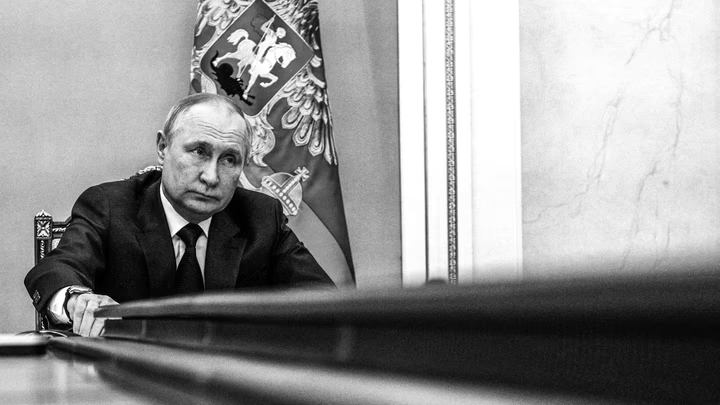
There have been no precedents to this blackout in modern history. In 2023, Putin set a record: 49.5% of presidential decrees were secret. Even last year, almost 45% of his orders remain hidden from public view. Half of the Russian government's actions are now officially "invisible."
[2/11]
[2/11]
What gets classified tells you what they fear. Examples:
➜ The "Cannibal Battalions": Secret decrees likely mask the mass pardoning of murderers and rapists sent to the front. The state calls them heroes but keeps the paperwork hidden because the public would revolt.
[3/11]
➜ The "Cannibal Battalions": Secret decrees likely mask the mass pardoning of murderers and rapists sent to the front. The state calls them heroes but keeps the paperwork hidden because the public would revolt.
[3/11]
➜ Economic Decay: Statistics on oil, gas, and trade — the lifeblood of Putin's war machine — have been scrubbed.
➜ Data on military deaths and casualties is classified to keep the human cost of the invasion out of the public record.
[4/11]
➜ Data on military deaths and casualties is classified to keep the human cost of the invasion out of the public record.
[4/11]
By last year, over 300 datasets were concealed from the public eye. More than 30% of the national budget is now "closed" spending. We no longer know where the money is going, or how many people are actually dying at the front.
[5/11]
[5/11]
Not all of the secrecy hides the war's impact. Much of it protects the elites. Real estate records have been classified, officials' income declarations abolished, and photos of MPs in the State Duma banned outright.
[6/11]
[6/11]
Putin has created an echo chamber so secure that he is losing touch with reality. Generals report "victories" in places like Kupiansk to keep the boss happy, but the situation on the ground is the opposite. He is a leader making decisions based on obsolete or false information.
[7/11]
[7/11]
The peak of the absurdity: secret laws. There are now laws people are bound by but cannot know. Under Secret Decree 605, the FSB can shut down any communications that violate classified rules. You can be arrested for breaking a law you aren't allowed to read.
[8/11]
[8/11]
Most governments classify information to protect it from foreign rivals. Putin's classifications protect the regime from its own citizens. Their function is to cover for incompetence and systemic failure at home.
[9/11]
[9/11]
When a dictator feels the need to hide half of his decisions, it's obvious that even he knows nothing he is doing is going to improve people's lives. This curtain of secrecy is designed to conceal the fragility of the regime's position.
[10/11]
[10/11]
Follow for more on Russia's politics, the war, and what the regime is working hardest to hide.
And subscribe on Substack (it's free):
[11/11]khodorkovsky.substack.com
And subscribe on Substack (it's free):
[11/11]khodorkovsky.substack.com
• • •
Missing some Tweet in this thread? You can try to
force a refresh






