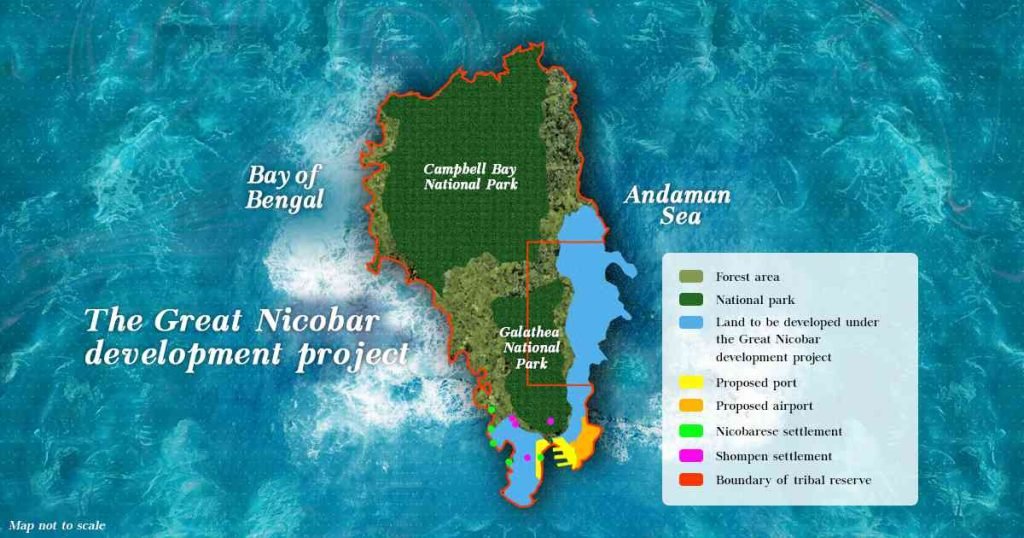
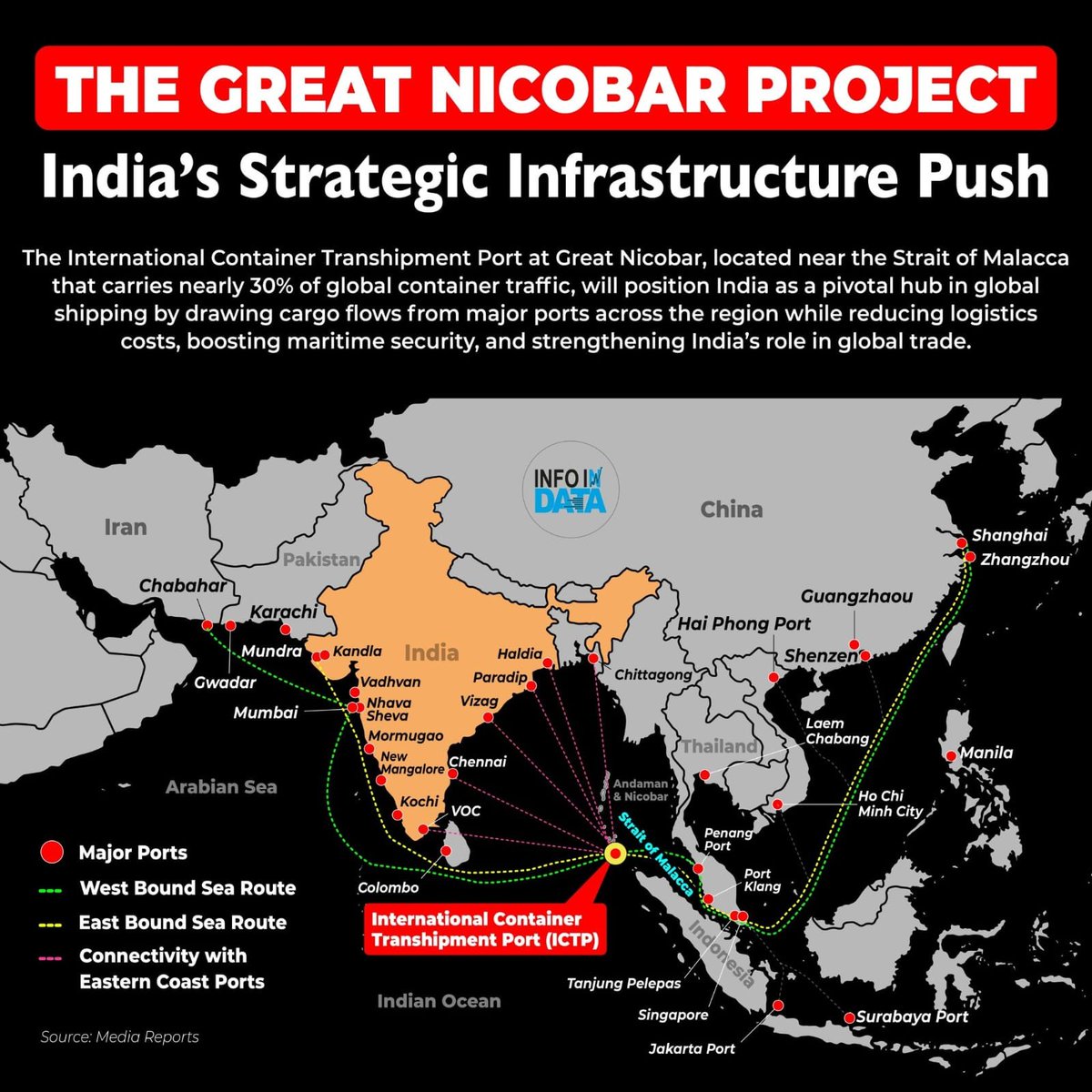
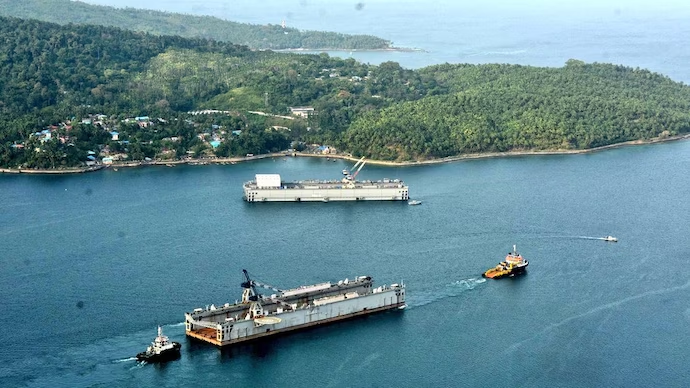
India's ₹1 lakh crore Great Nicobar Project is much more than an infrastructure build; it’s a fundamental shift in India’s maritime and geostrategy. Here’s why this island is becoming the most critical node in the Indo-Pacific.
Great Nicobar sits astride the Six Degree Channel, the western approach to the Malacca Strait. With 30-40% of global container traffic passing through this chokepoint, the island is gateway to the world’s busiest trade routes.
2/9
For years, the "String of Pearls" theory has highlighted the perceived encirclement of India by external maritime bases. The Great Nicobar Project acts as a sovereign break in this chain, providing India with a natural geographic advantage to monitor regional traffic.
3/9
The planned Greenfield International Airport is a "dual-use" powerhouse. With a 4,000m runway and airside operations controlled by the Indian Navy, it will host long-range maritime patrol aircraft (like the P-8I) and fighter jets, expanding India's surveillance arc.
4/9
Economic security is national security. Currently, ~75% of India’s transshipped cargo is handled by foreign ports like Colombo and Singapore. The Galathea Bay ICTP aims to internalize this trade, securing supply chains and reclaiming strategic economic leverage.
5/9
It is the physical spearhead of India’s "Act East Policy." Located just 80 nautical miles (148 km) from Aceh, Indonesia, Great Nicobar bridges the gap between South and Southeast Asia, turning a remote outpost into a central logistics and security gateway.
6/9
This is a "forward bastion" strategy. Combined with the Andaman and Nicobar Tri-Services Command, the project allows for rapid troop deployment and sustained maritime domain awareness across the Bay of Bengal and the Andaman Sea.
7/9
By 2050, the island is projected to host a population of 6.5 lakh. This demographic shift, supported by a 450 MVA gas/solar power plant, ensures that India’s presence in these critical waters is not just a military footprint, but a permanent, self-sustaining strategic hub.
8/9
In summary: The Great Nicobar Project transforms India’s posture from defensive surveillance to active maritime leadership, ensuring the archipelago remains a dominant force in the Indo-Pacific for decades to come.
9/9
• • •
Missing some Tweet in this thread? You can try to
force a refresh

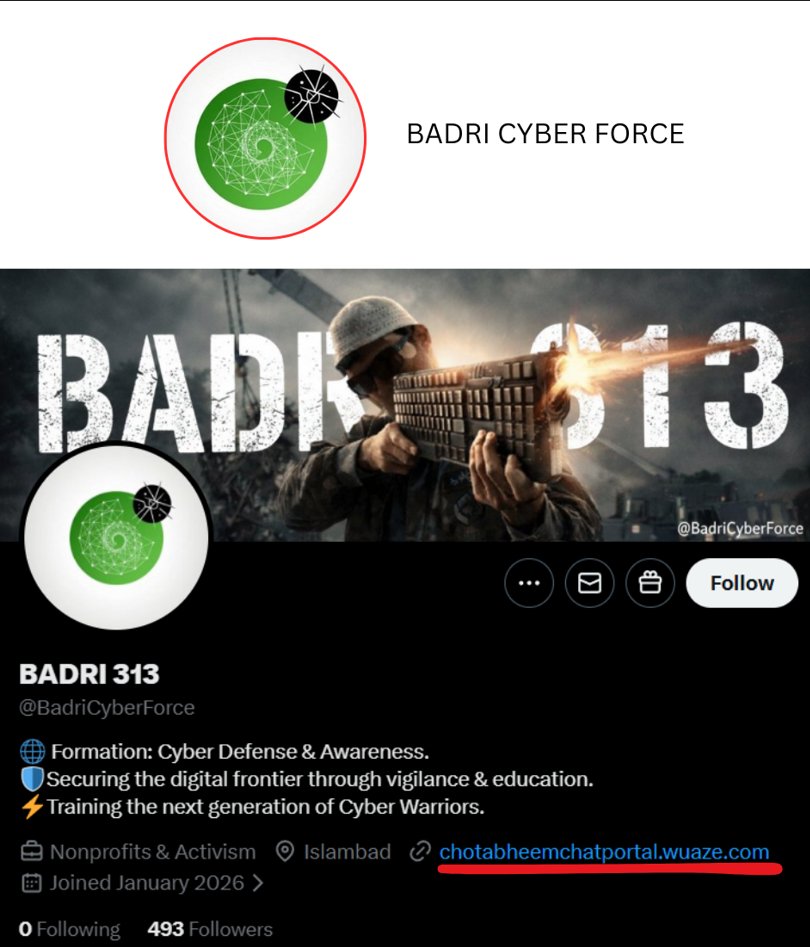
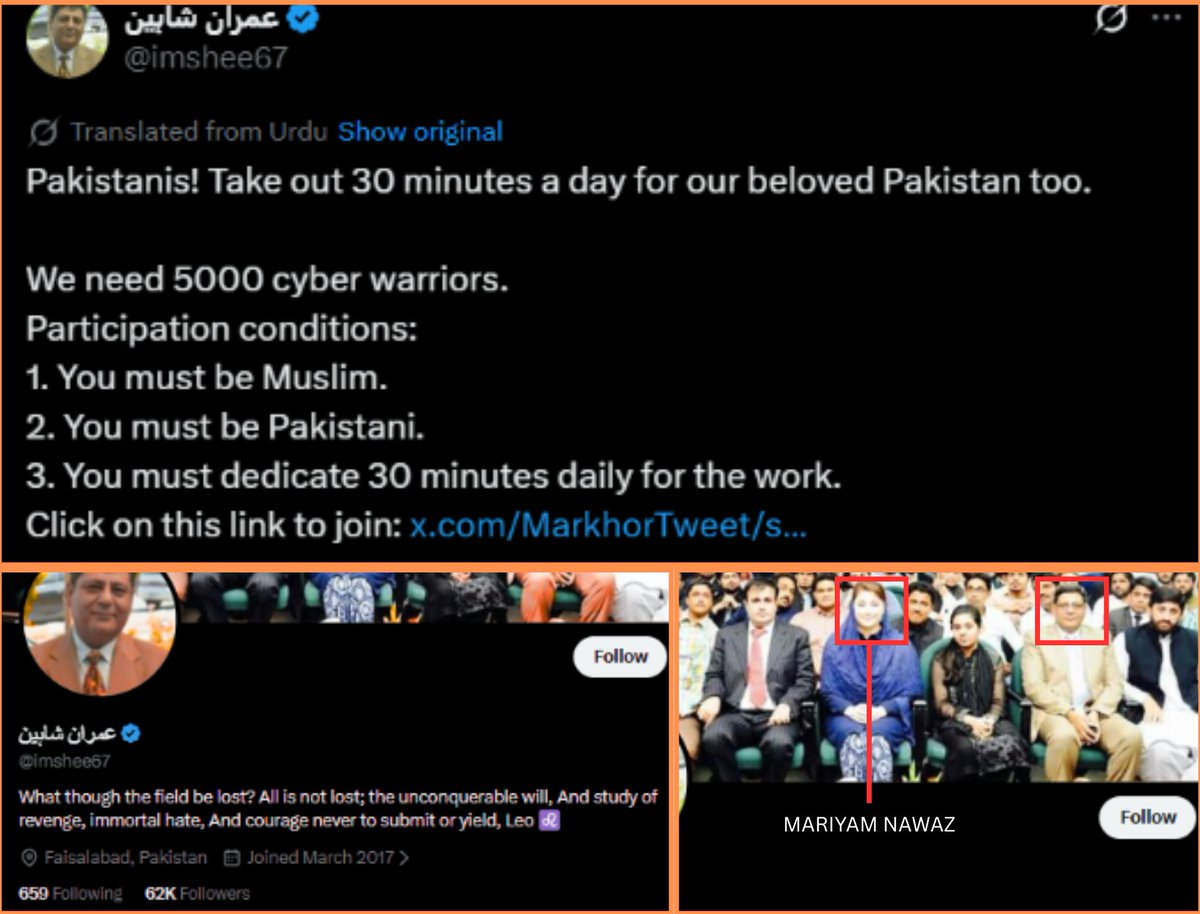
EXCLUSIVE: We studied a Pakistan-based information warfare wing for 3 months. The origins of this operation traces back to August 2025, when Pakistan's Army Chief Field Marshal Asim Munir stated "We'll start from India's East." This marked Pakistan's shift from a western-front-centric posture to exploiting vulnerabilities in India's Northeast.
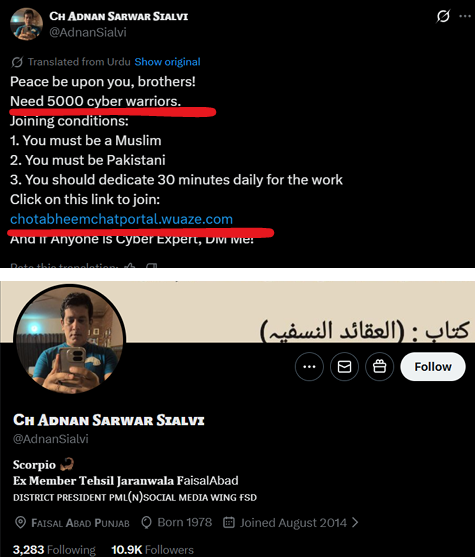
Four months after this statement, in January 2026, the Badri 313 Cyber Brigade (BCB) was formally launched. Operating under the joint direction of the Pakistan Army and the Pakistan Muslim League-Nawaz (PMLN), it functions as a hybrid civil-military information warfare unit.
2/10
PMLN social media coordinators, including Imran Shaheen and Ch Adnan Sialvi, initiated a public recruitment drive for 5,000 "cyber warriors." The mandatory conditions for participation included being a Pakistani Muslim and dedicating 30 minutes to the work daily.
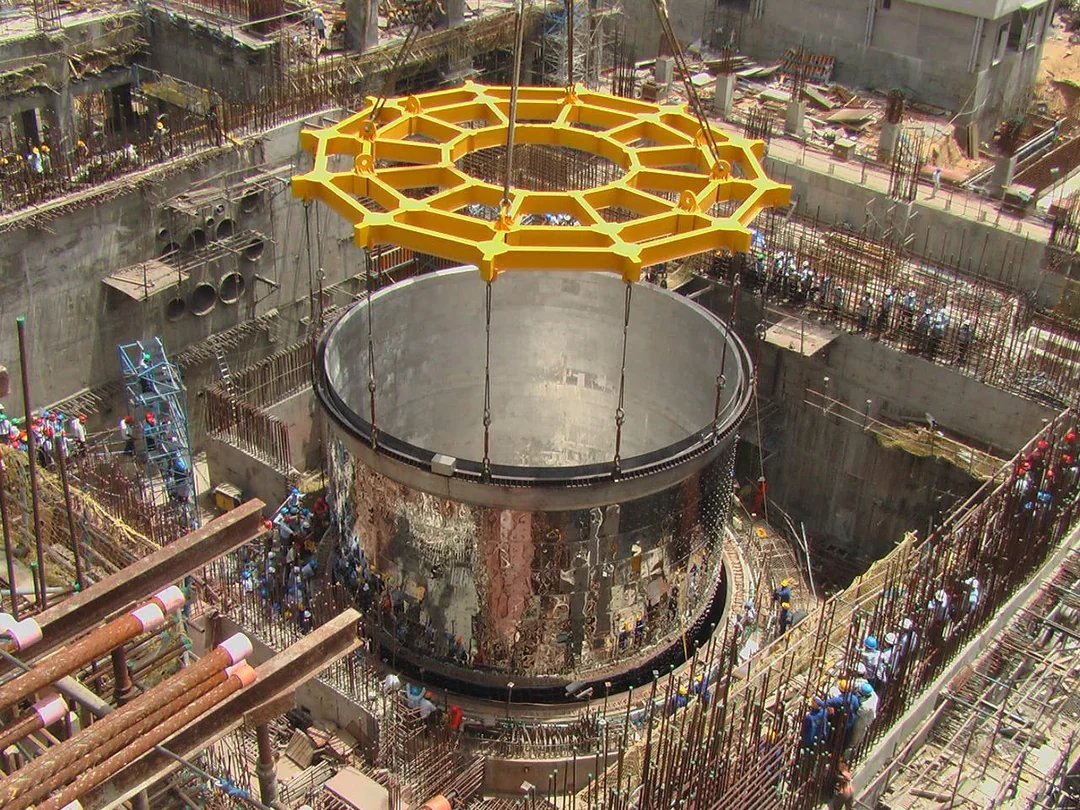
The 500 MW Prototype Fast Breeder Reactor (PFBR) at Kalpakkam has attained criticality. India just achieved something monumental in global nuclear energy.
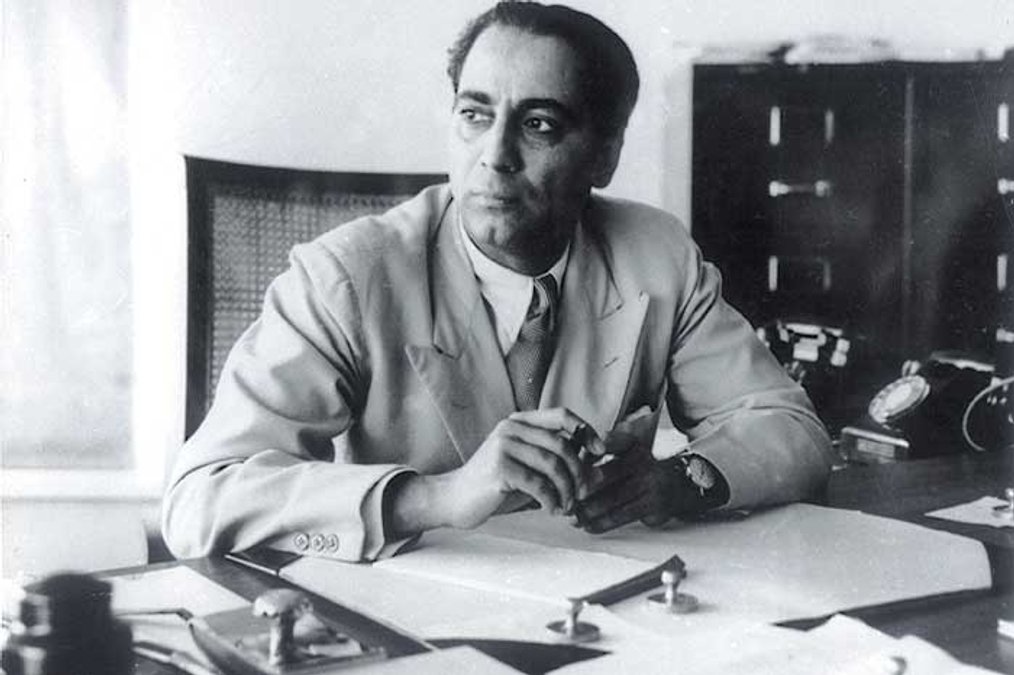
→ 72 years: Time since Homi Bhabha conceived the plan
→ 22 years: Time to build it
→ 100% indigenous
→ ₹7,700 crore total cost
A thread on why this matters.
@NpcilOfficial @mnreindia @DAEIndia
1/7
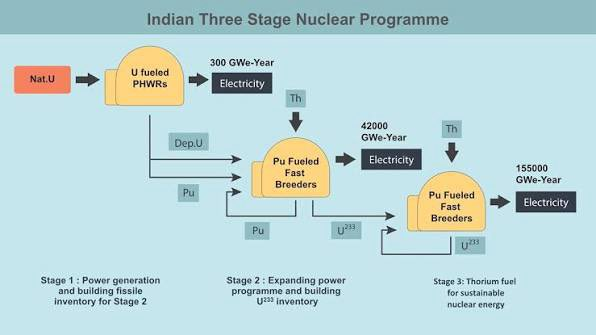
In the 1950s, Dr. Homi Bhabha recognized a geographical reality: India holds barely 1-2% of global uranium, but roughly 25% of the world's thorium reserves.
To ensure energy independence, he designed a highly ambitious, three-stage nuclear programme.
2/7
The 3 Stages:
1️⃣ Use limited uranium in standard reactors to generate power & extract plutonium.
2️⃣ Use that plutonium in "Fast Breeder" reactors to create more fuel and convert our Thorium into usable Uranium-233.
India's military is undergoing its most radical transformation in decades following the intense 88-hour "Operation Sindoor" in May 2025. From sweeping structural reforms to prepping for a potential "Sindoor 2.0," here is a deep dive into how India is rewriting its war doctrine. 👇🏼⬇️
1/11
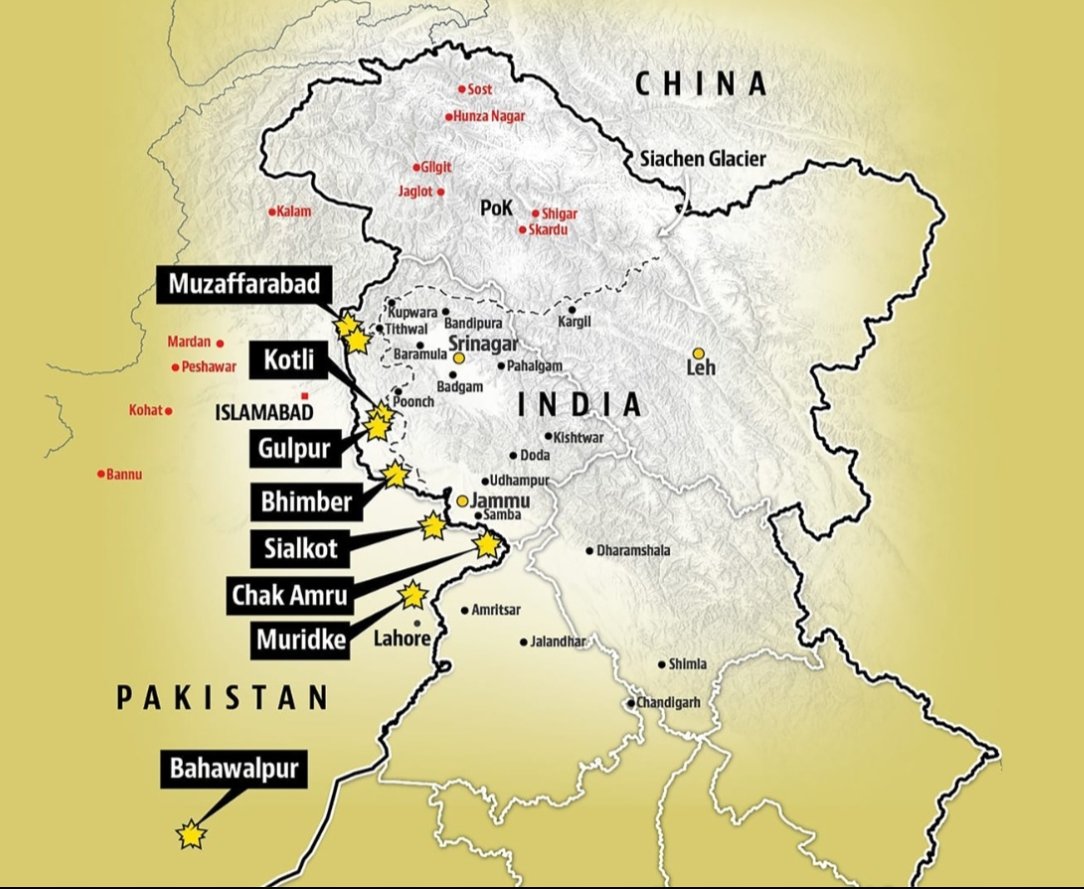
In May 2025, India launched cross-border strikes against 9 terror camps following the Pahalgam attack. It triggered the first-ever drone war between nuclear-armed states, exposing a critical "velocity gap" in India's fragmented decision-making process.
2/11
To fix command bottlenecks, India declared 2025 the 'Year of Reforms' and is currently racing to operationalize Integrated Theatre Commands before Chief of Defence Staff Gen. Anil Chauhan retires in May 2026. The Western Theatre Command in Jaipur will specifically handle the Pakistan frontier.
India's civil society is undergoing a massive structural shift. The new Foreign Contribution (Regulation) Amendment Bill, 2026, marks a transition from simple regulatory oversight to absolute sovereign control over foreign-funded NGOs. Let's dive into the geopolitics of civil society.
The genesis of this crackdown traces back to a 2014 Intelligence Bureau (IB) report. The IB classified certain environmental and human rights advocacy as "economic sabotage," claiming that NGO-led "anti-development" activities cost India 2 to 3% of its annual GDP growth.
2/8
The 2014 IB report explicitly named major international organizations like Greenpeace, Amnesty International, and Action Aid, alongside prominent domestic activists, placing them under state watch for allegedly stalling key nuclear, mining, and infrastructure projects.
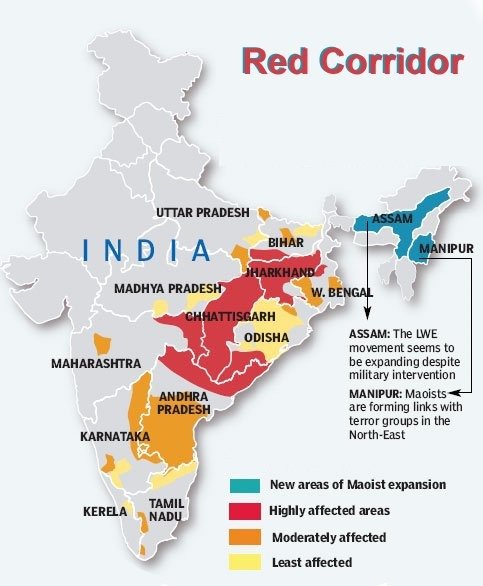
As India approaches the March 31, 2026, deadline for a "Naxal-free" nation, the Lok Sabha is set to review the 60-year history of an insurgency that once claimed to represent the "wretched of the earth" but evolved into the country's greatest internal security challenge. Here is the complete story:
In March 1967, tribal sharecropper Bigul Kisan was beaten by a landlord’s men for claiming his legal land rights in Naxalbari. This spark led to the May 25 police massacre at Bengai Jote, where 11 women and children were killed, transforming a local agrarian dispute into a 60-year national insurgency.
2/11
The early architects were Charu Majumdar and Kanu Sanyal. Majumdar’s "Historic Eight Documents" synthesized Maoist ideology for India, advocating for the "annihilation of class enemies", landlords, police, and politicians, to seize state power.
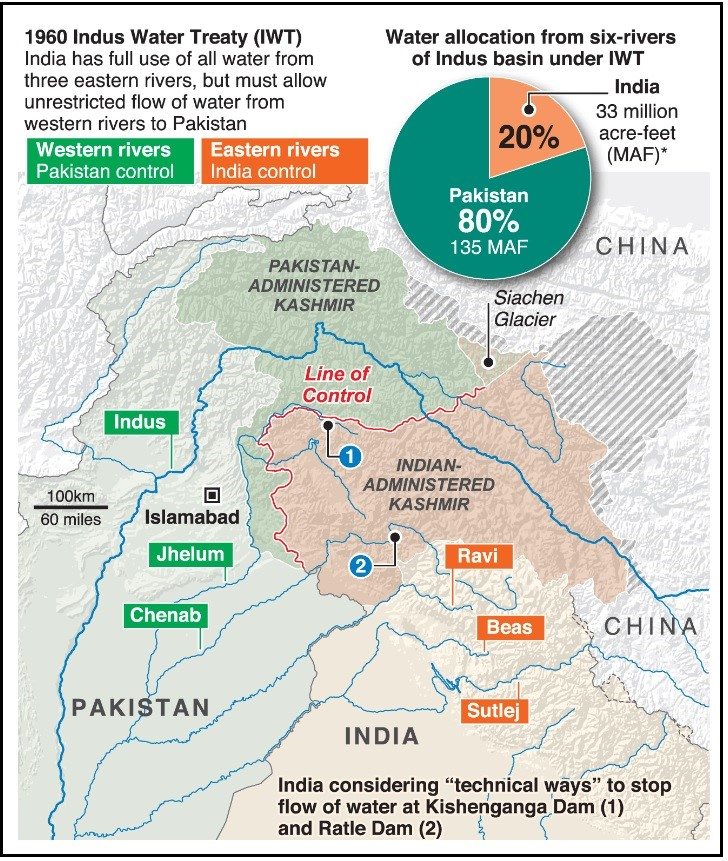
Suspension of Indus Water Treaty: How it can trigger next India-Pakistan conflict.
A thread on India's historic water-sharing and Pakistan's existential dilemma.
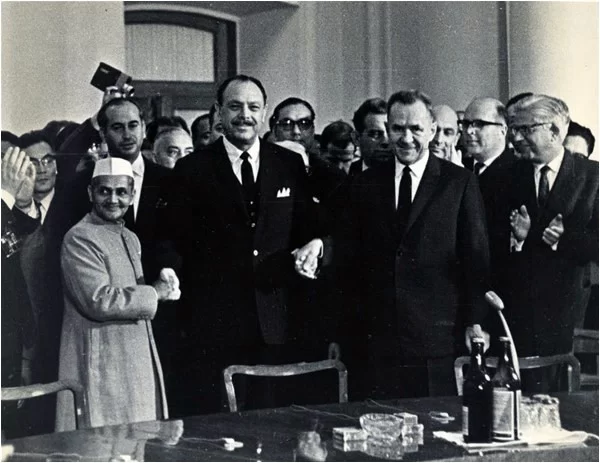
For decades, the IWT was hailed as a miracle of hydro-diplomacy. Remarkably, it survived the major India-Pakistan wars of 1965, 1971, and the 1999 Kargil conflict without India violating the pact. In fact, the Permanent Commission overseeing the treaty met even during the 1965 and 1971 wars.
1/14
India's historical restraint regarding these shared rivers was notable. During the 1965 conflict, India even demonstrated its commitment by paying £62 million for Pakistan's canal systems. For decades, India chose not to invoke the Vienna Convention on the Law of Treaties to withdraw, despite facing repeated cross-border terror attacks.
2/14
That historic accommodation shattered in April 2025 following the Pahalgam attack. India suspended the IWT, after Pakistani terrorists killed 26 innocent civilians in Pahalgam. India launched military strikes and began fast-tracking massive upstream hydroelectric and diversion infrastructure on the western rivers.