
Fighting misinformation, and propaganda against Indian Armed Forces. DM to join our WhatsApp community of digital defenders.

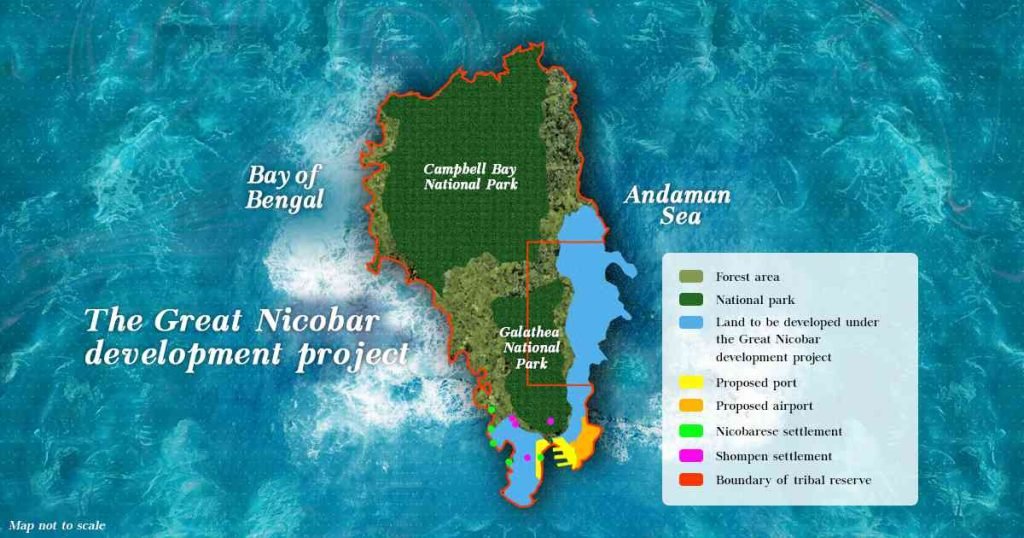 Great Nicobar sits astride the Six Degree Channel, the western approach to the Malacca Strait. With 30-40% of global container traffic passing through this chokepoint, the island is gateway to the world’s busiest trade routes.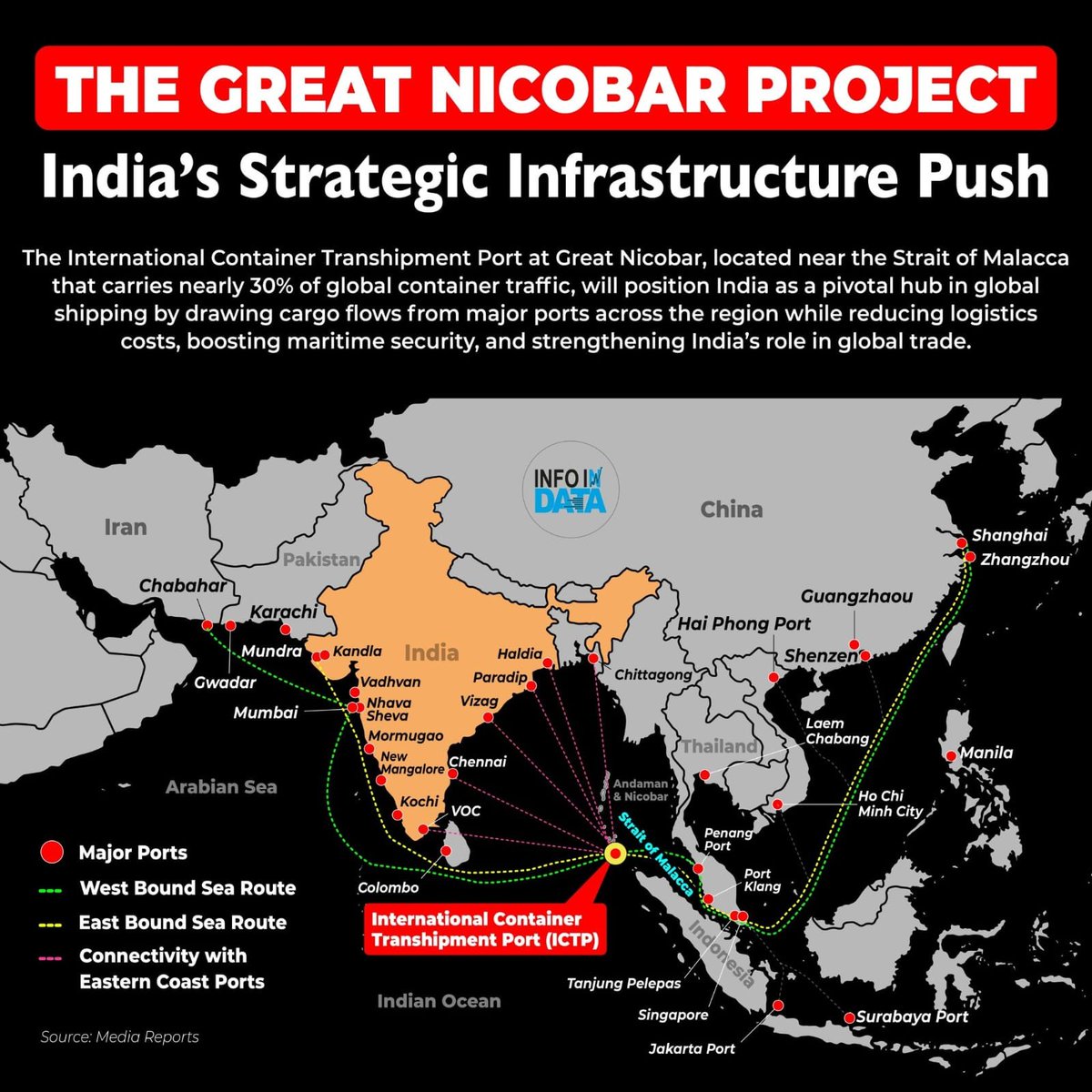
 Four months after this statement, in January 2026, the Badri 313 Cyber Brigade (BCB) was formally launched. Operating under the joint direction of the Pakistan Army and the Pakistan Muslim League-Nawaz (PMLN), it functions as a hybrid civil-military information warfare unit.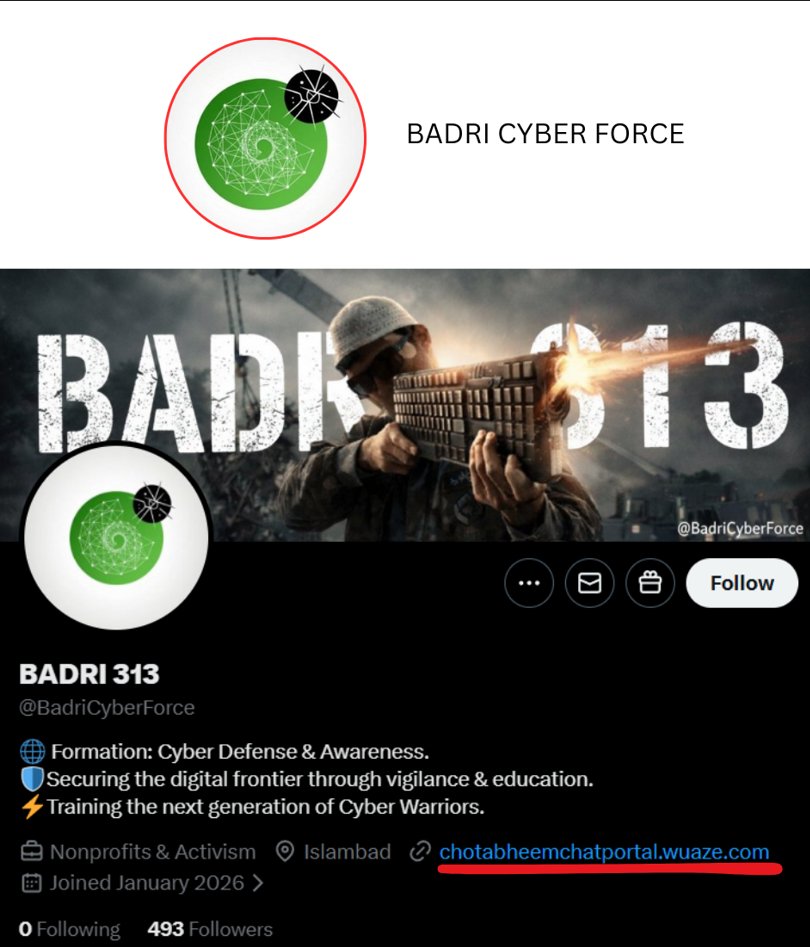
 In the 1950s, Dr. Homi Bhabha recognized a geographical reality: India holds barely 1-2% of global uranium, but roughly 25% of the world's thorium reserves.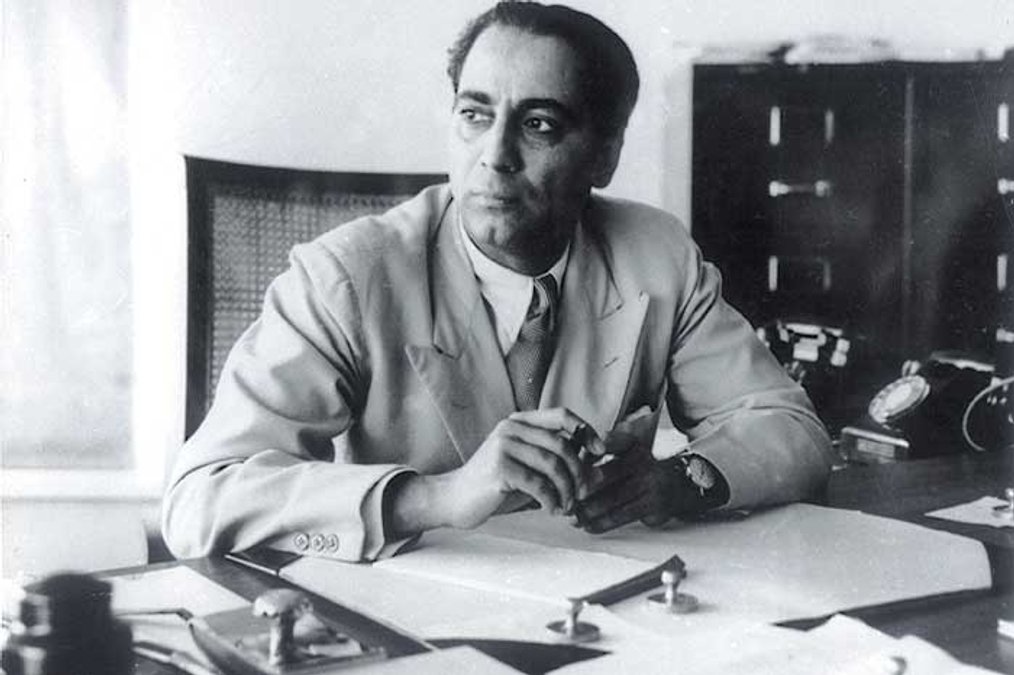
 In May 2025, India launched cross-border strikes against 9 terror camps following the Pahalgam attack. It triggered the first-ever drone war between nuclear-armed states, exposing a critical "velocity gap" in India's fragmented decision-making process.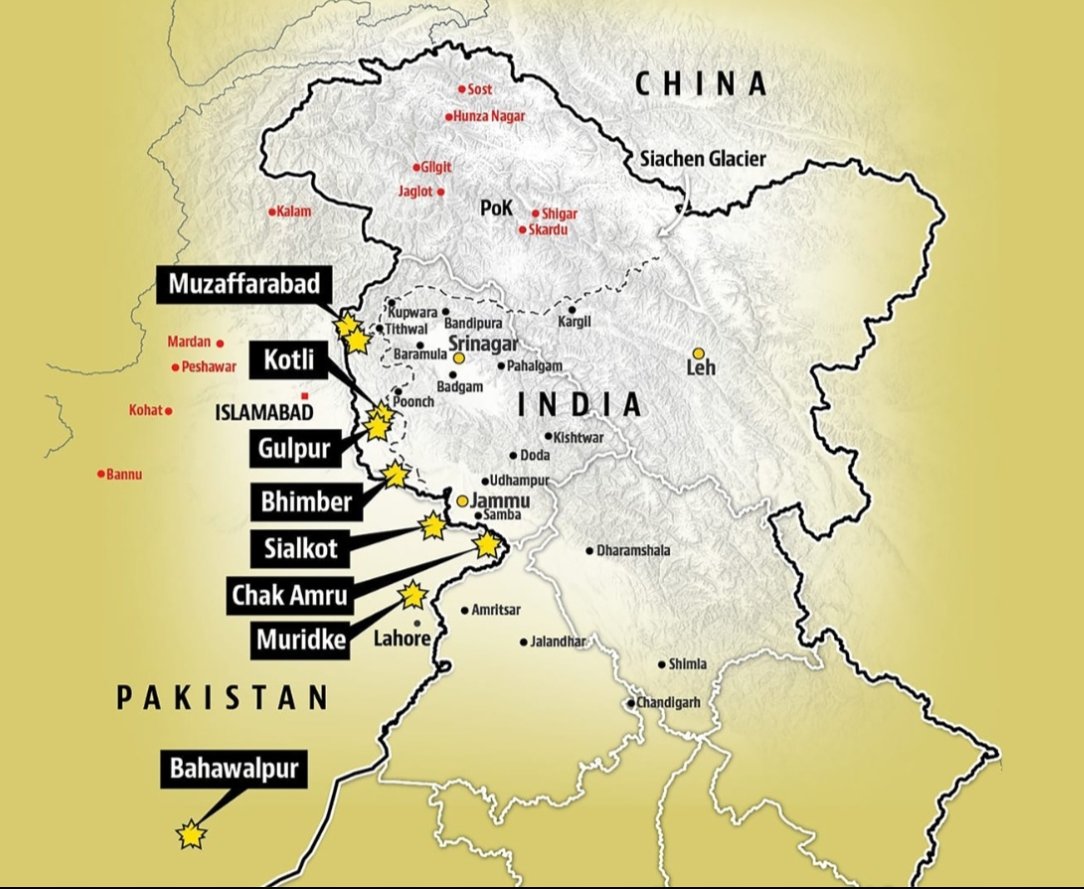
 The genesis of this crackdown traces back to a 2014 Intelligence Bureau (IB) report. The IB classified certain environmental and human rights advocacy as "economic sabotage," claiming that NGO-led "anti-development" activities cost India 2 to 3% of its annual GDP growth.
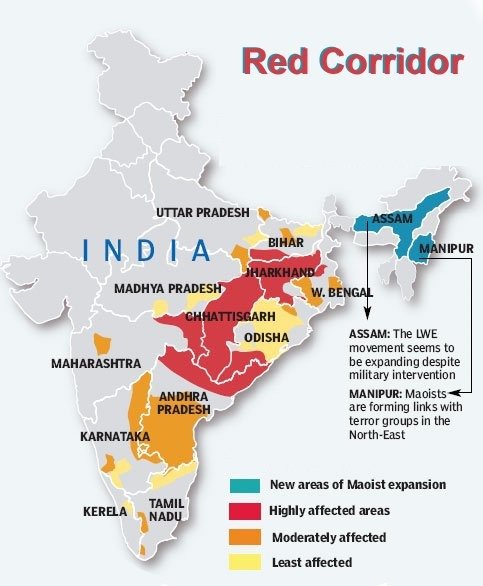 In March 1967, tribal sharecropper Bigul Kisan was beaten by a landlord’s men for claiming his legal land rights in Naxalbari. This spark led to the May 25 police massacre at Bengai Jote, where 11 women and children were killed, transforming a local agrarian dispute into a 60-year national insurgency.
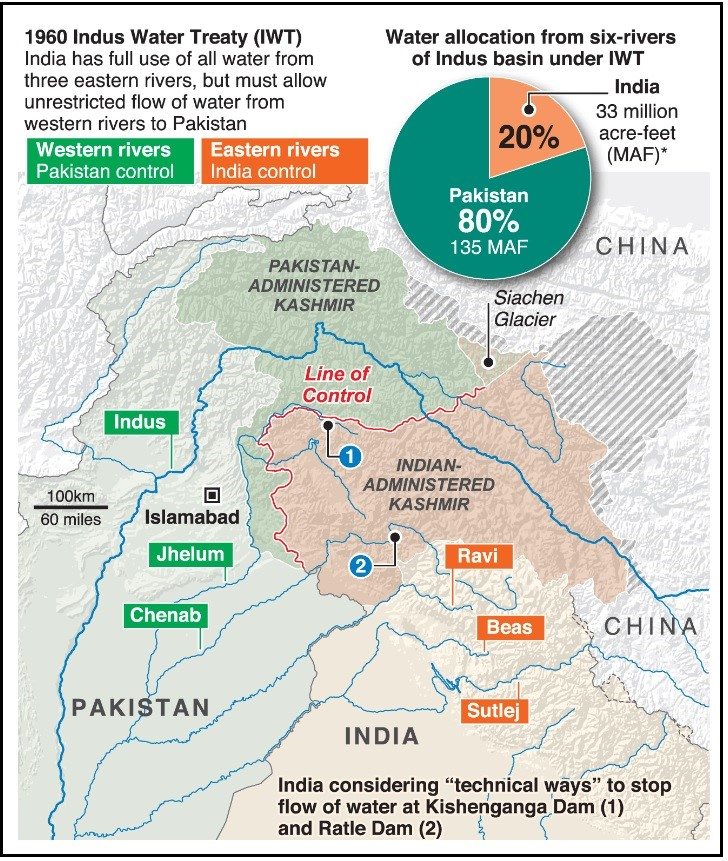 India's historical restraint regarding these shared rivers was notable. During the 1965 conflict, India even demonstrated its commitment by paying £62 million for Pakistan's canal systems. For decades, India chose not to invoke the Vienna Convention on the Law of Treaties to withdraw, despite facing repeated cross-border terror attacks.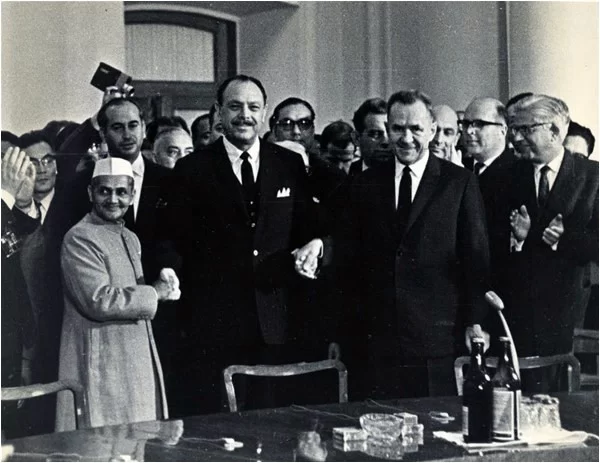
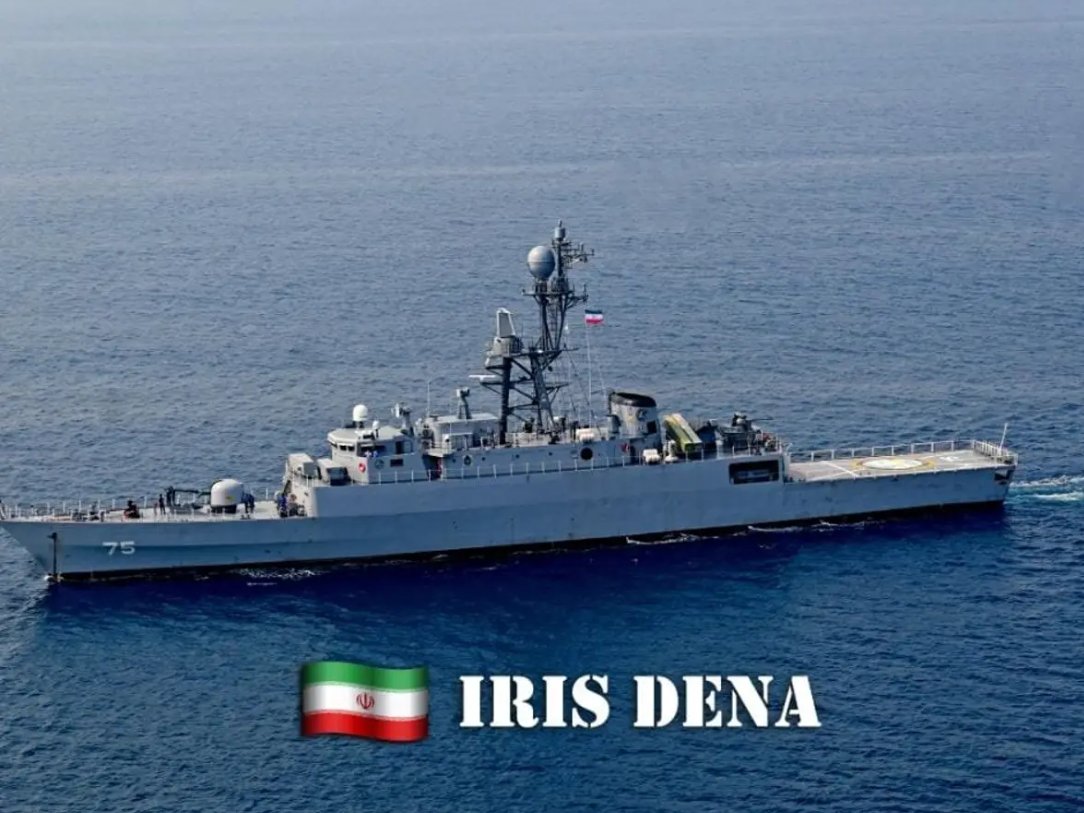 FACT 1: The map clearly shows the IRIS Dena was sunk 46 nautical miles south of Galle, Sri Lanka. This is over 1,247 km away from the Indian naval base at Visakhapatnam where it departed. Expecting the Indian Navy to physically escort every foreign ship across the globe is logistically absurd.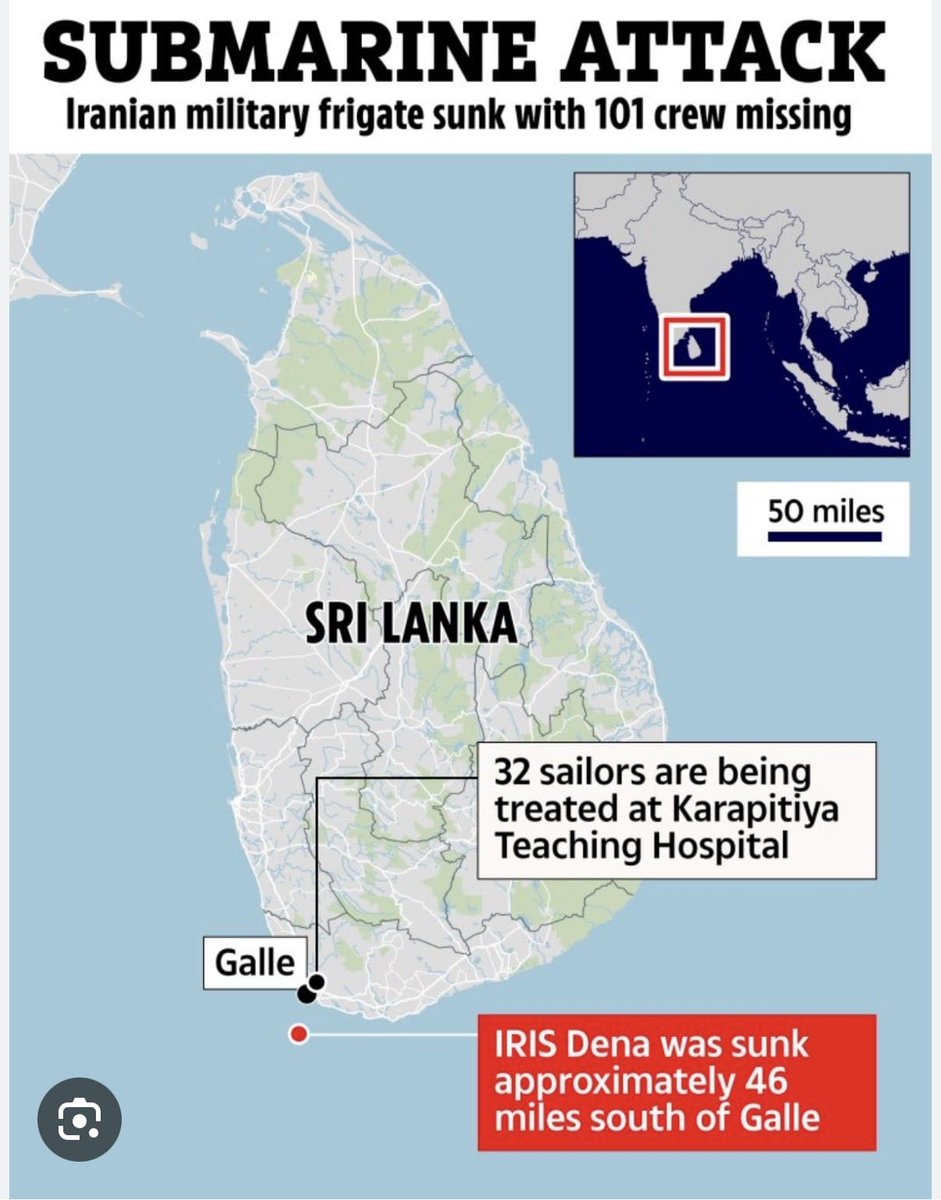
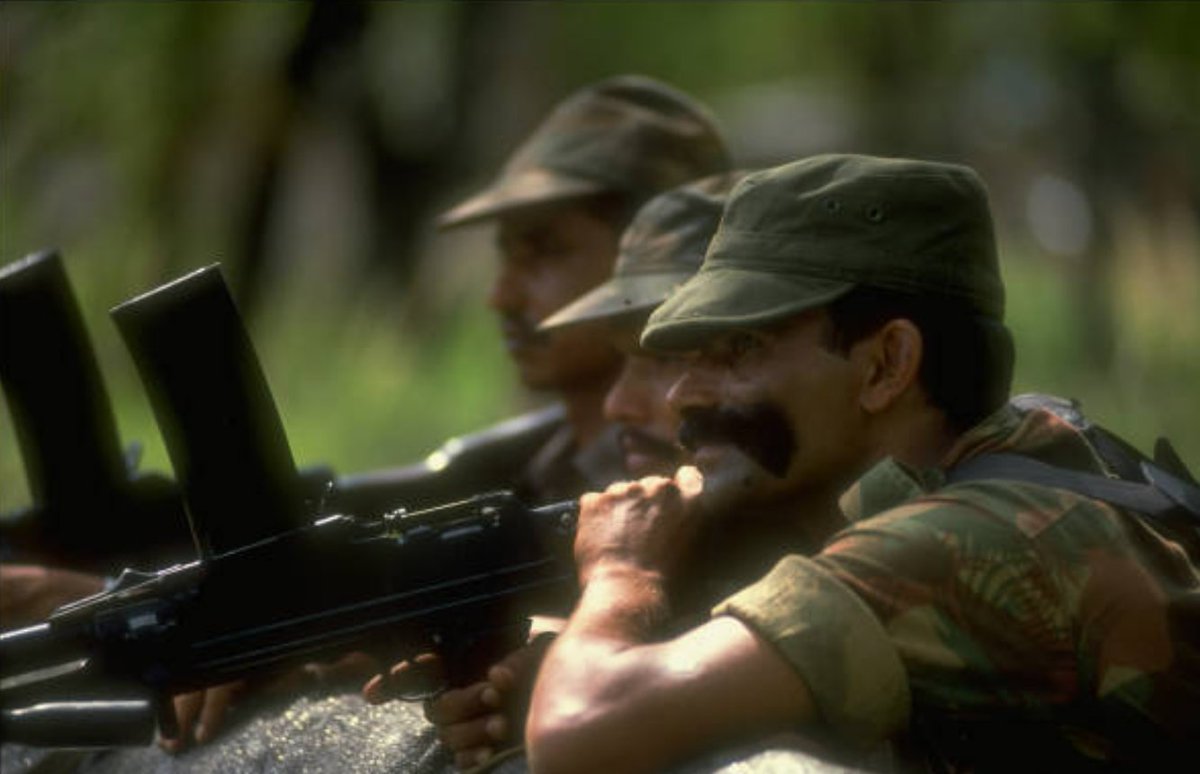 In response to escalating violence, including mortar and machine gun attacks by the LTTE on October 8, a political decision was made to disarm the LTTE, potentially using force. Following a high-level meeting at the Defence Ministry on October 10, the IPKF initiated Operation "Pawan" during the night of October 11-12.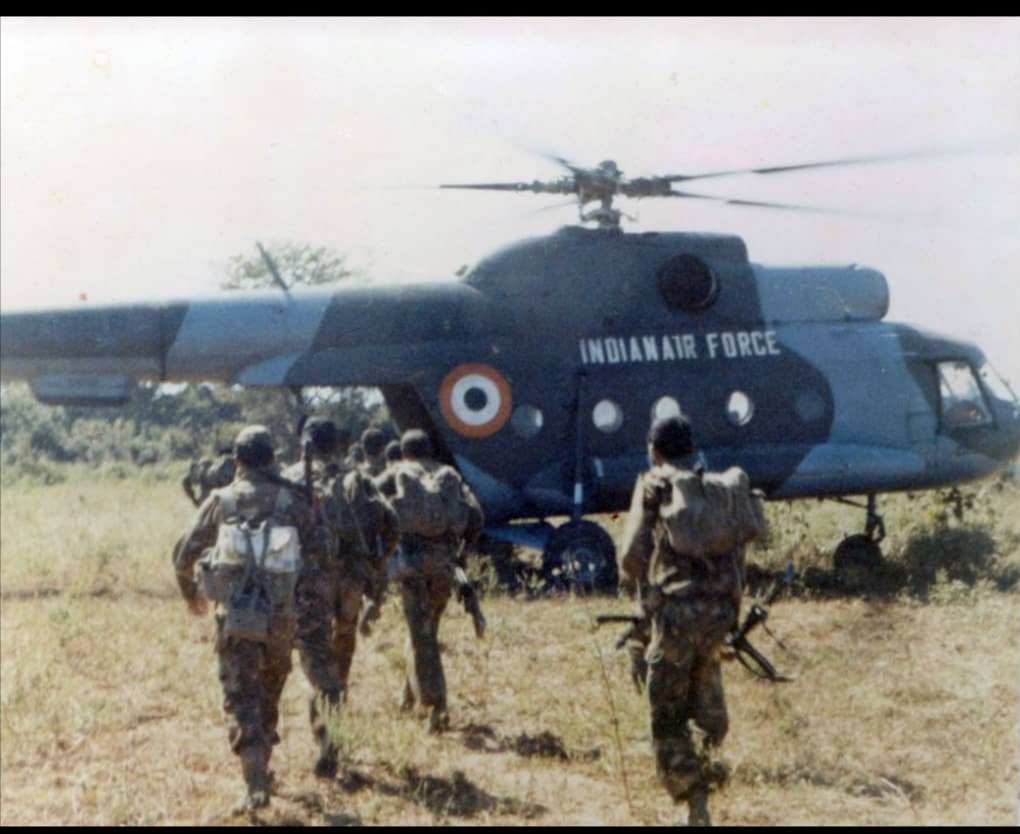
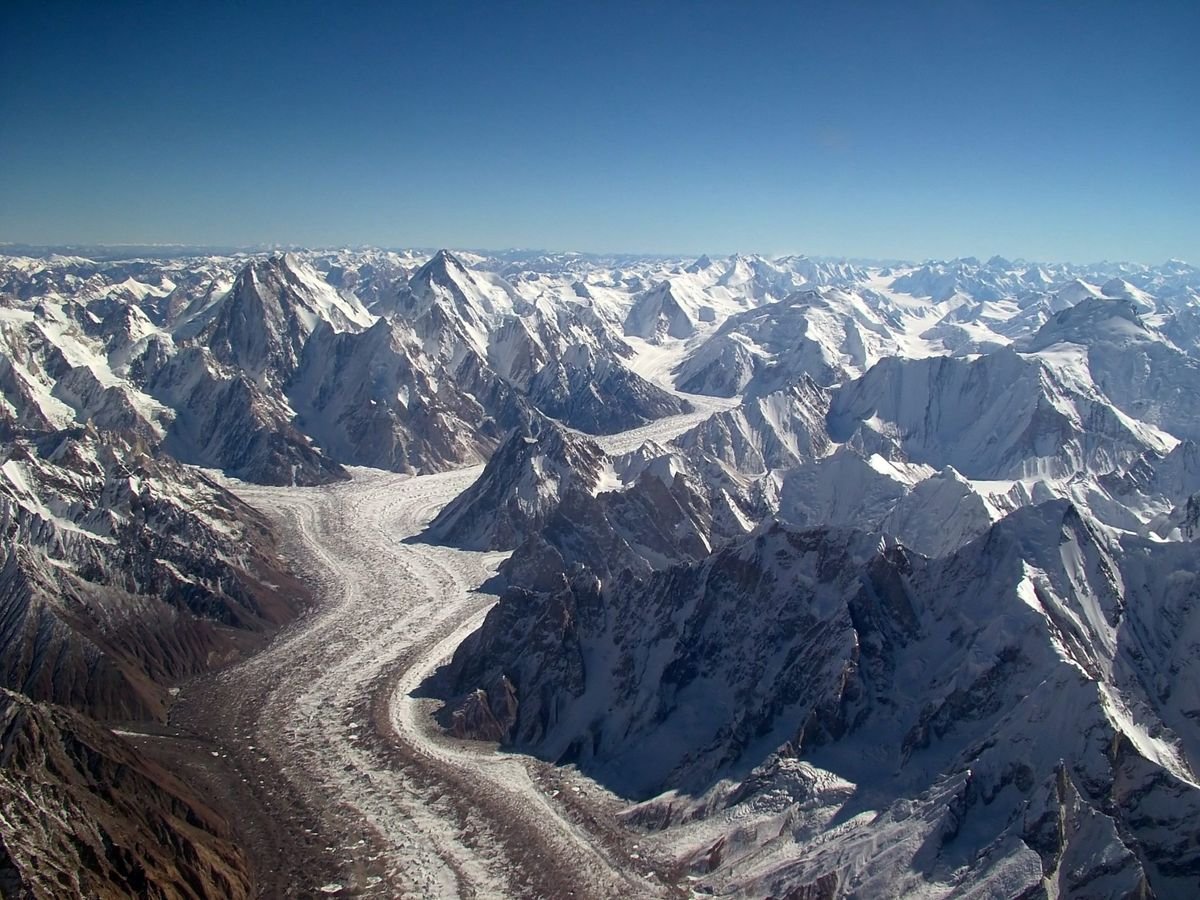 During the conflict over Kashmir escalated following a fierce battle between India and Pakistan from 1947 to 1948, prompting United Nations intervention. This led to the establishment of a Ceasefire Line within Jammu & Kashmir, later recognized as the ‘Line of Control’, mutually agreed upon up to the designated point known as 'NJ9842'. Crucially, the UN did not delineate control over the Siachen Glacier, which lies beyond this point, presuming no significant contention would arise over such an inhospitable terrain. As a result, the Karachi Agreement in 1949 left Siachen unmarked, with India asserting that the ceasefire line “extends north towards the glacier.”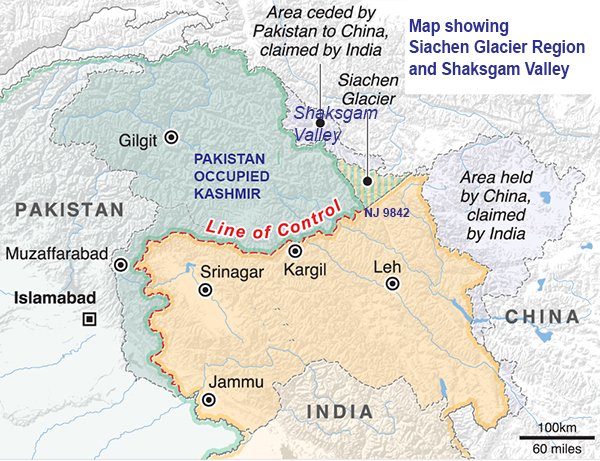
 Defining the Doctrine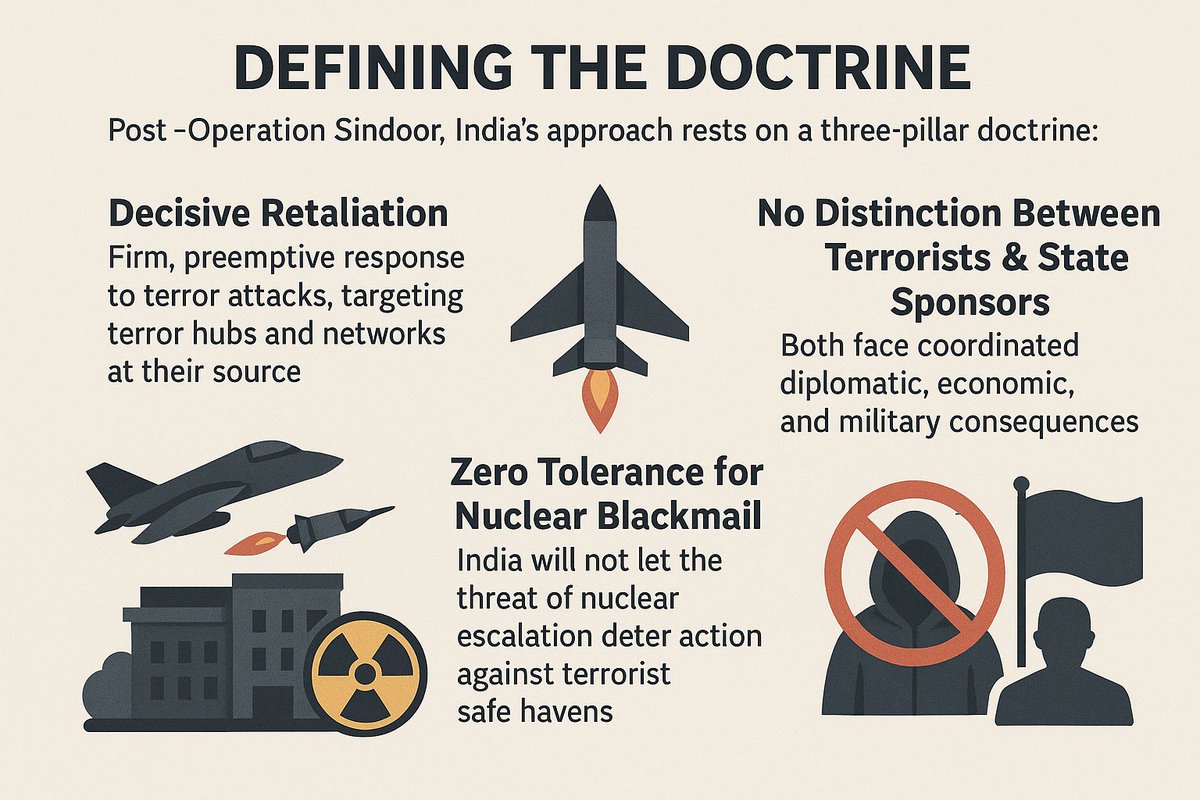
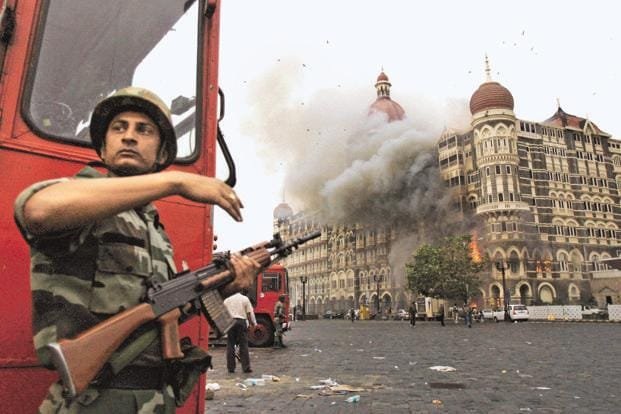 At 8:30 pm, the attackers came ashore at Badhwar Park and split into teams. A 10-member Lashkar-e-Taiba (LeT) squad, trained, armed, and directed from Pakistan, carried out a coordinated, multi-target assault across Mumbai lasting 60 hours.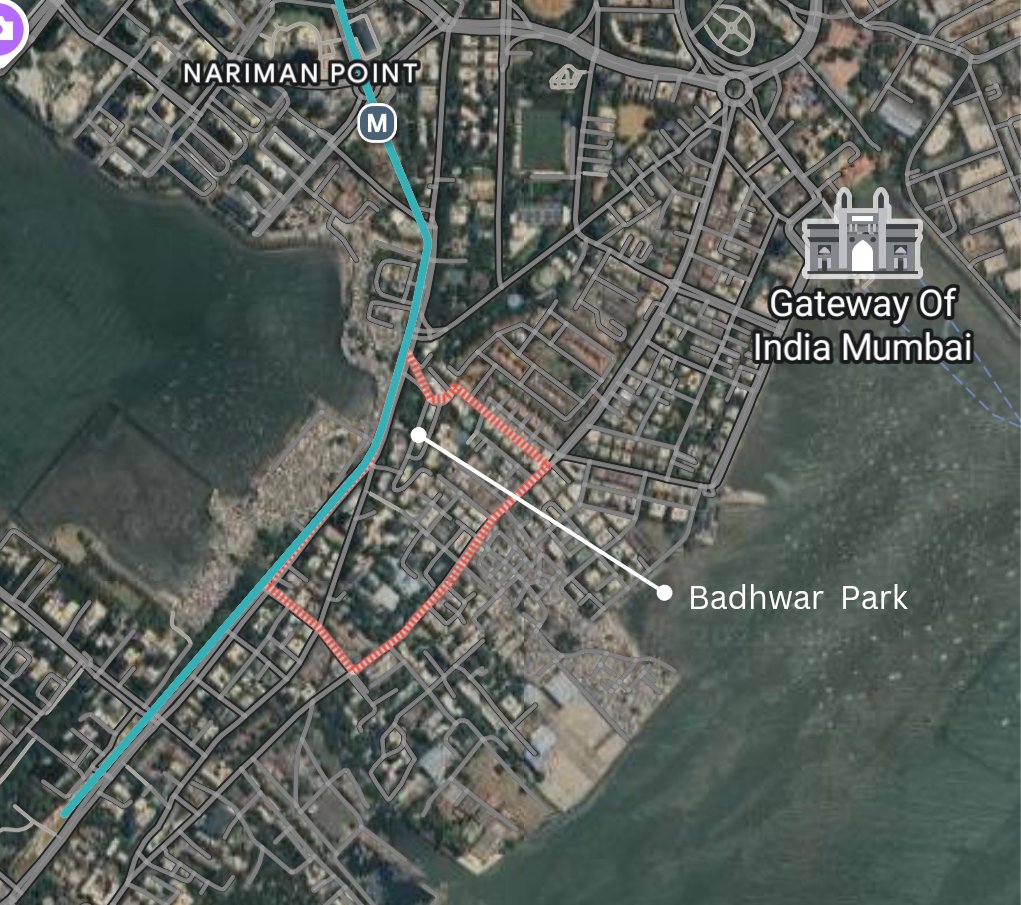
 How Did It Start?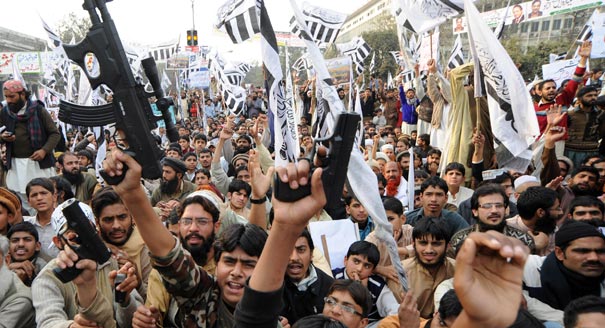
 THE BACKDROP
 On Nov 10, Delhi-NCR, J&K and Haryana Police jointly recovered 2,900 kg of explosives including ammonium nitrate, potassium nitrate, and sulphur from Faridabad. Two suspects Dr Muzammil Ganaie and Dr Adil arrested.
 Traditional accounts blame Nehru’s “Forward Policy” or Beijing’s expansionism. Chinese records cite “Indian imperialism” in Tibet; Indian ones stress “Chinese betrayal.” Yet declassified #ColdWar files reveal the war’s roots lay in Tibet & great power rivalry, not maps alone.

 Kaveri GTX-35VS was designed to produce 52kN of dry thrust and 81kN with afterburner. However, it achieves about 51kN dry and 70-75kN wet thrust. Its weight is 1,180kg, slightly over the 1,100kg target. The Performance gap led to #Tejas delinking in 2008.
 Short-Range Ballistic Missiles (SRBM)
 How they work: Instead of radio waves, FOG-D trail a hair-thin fiber-optic cable behind them as they fly. Control commands and crystal-clear HD video travel as light pulses through this physical connection. No radio emissions = invisible to electronic warfare systems.