NEW: Blue jurisdictions are rationing homeless services based on race.
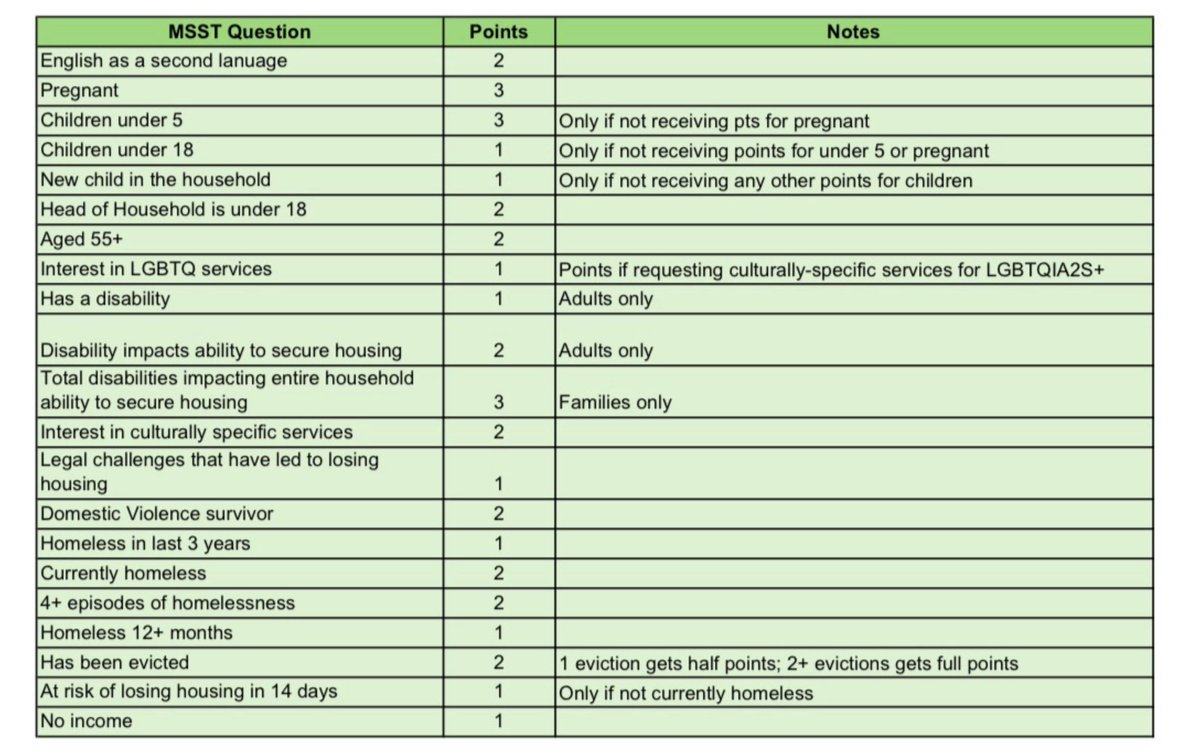
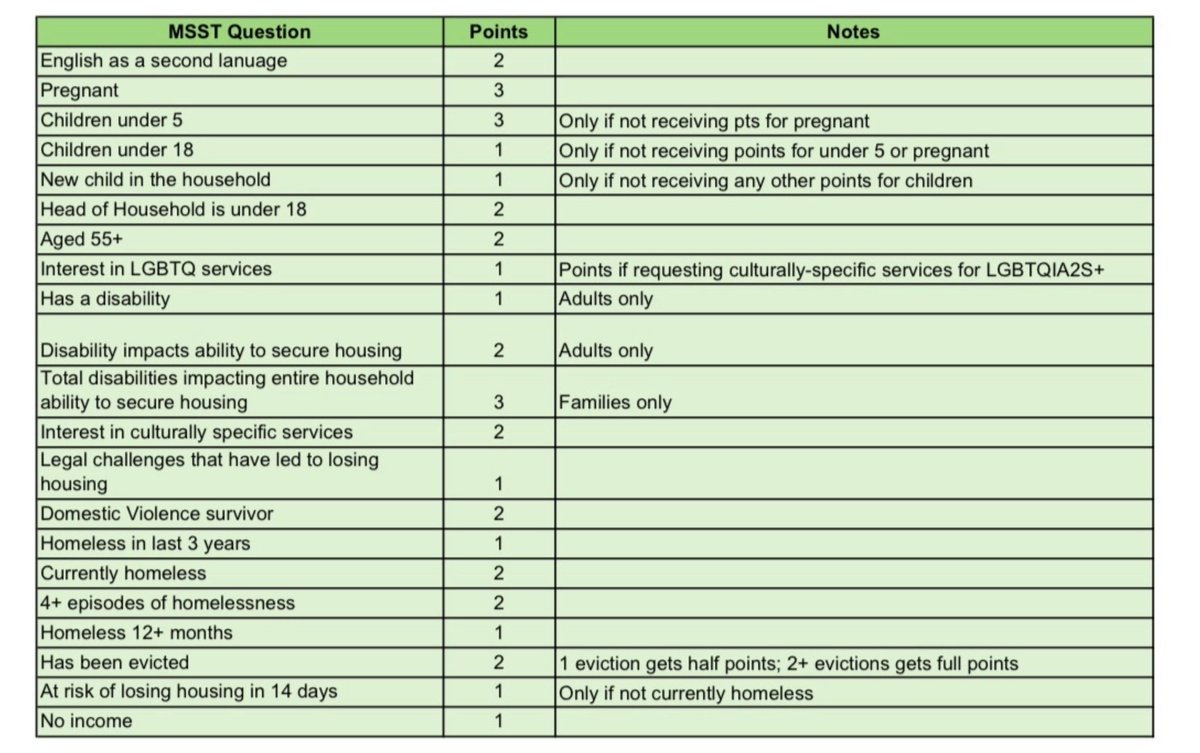
In Portland, a non-white, non-native English speaker who is LGBT would get priority over a domestic violence survivor with a 6 yr old child who's been homeless for 12+ months.
The policies are shocking.🧵
In Portland, a non-white, non-native English speaker who is LGBT would get priority over a domestic violence survivor with a 6 yr old child who's been homeless for 12+ months.
The policies are shocking.🧵
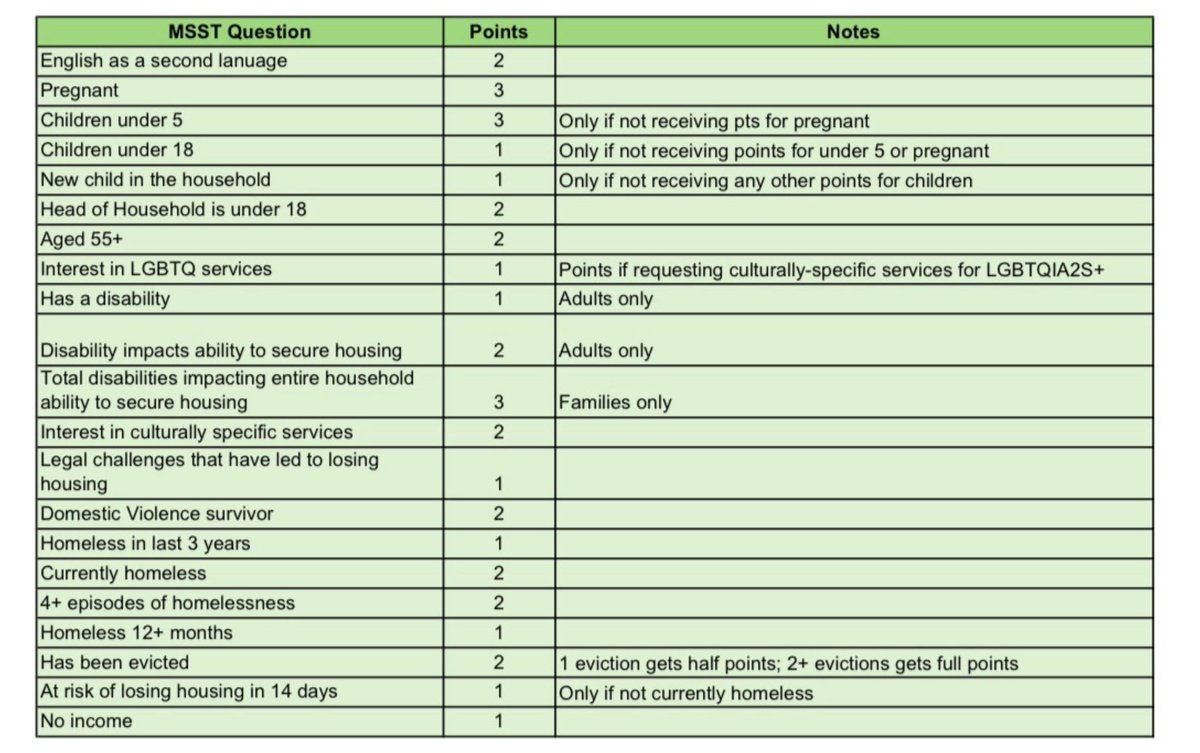
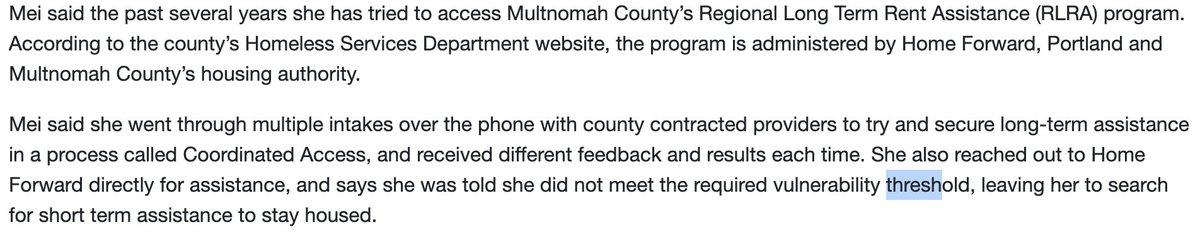
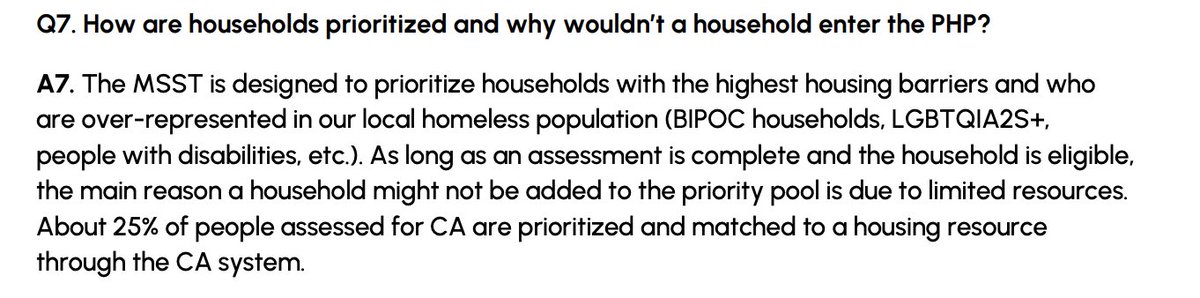
Let's start with Multnomah County, OR, home of deep blue Portland, where deaths of homeless people quadrupled between 2019 and 2023. The county's screening tool for housing services is designed to "prioritize … BIPOC households, LGBTQIA2S+, [and] people with disabilities."
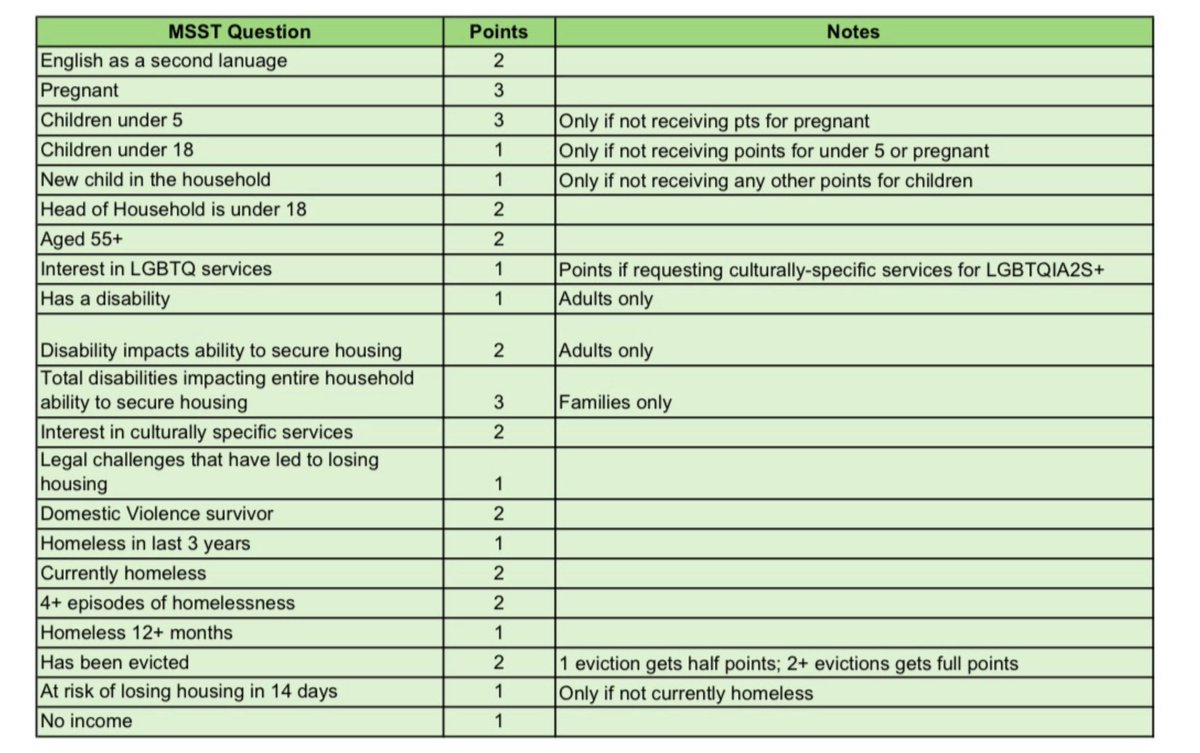
The rubric, obtained via a public records request, wards 1 point for "interest in LGBTQ services," 2 points for "English as a second language," and another 2 points for "interest in culturally specific services," a catch-all term for Portland's race-based housing programs.
Those programs include the county's "BIPOC CHAT line," which offers a "culturally specific" intake process for homeless minorities, as well as two "financial fitness" classes—Getting Your House in Order and Decide Tu Futuro—for African Americans and Latinos, respectively.


Households that score high enough on the rubric are assigned a case manager who places them in supportive housing. Several placements are reserved for racial minorities, creating a two-tiered system in which more housing is available to "BIPOC" families than white ones.
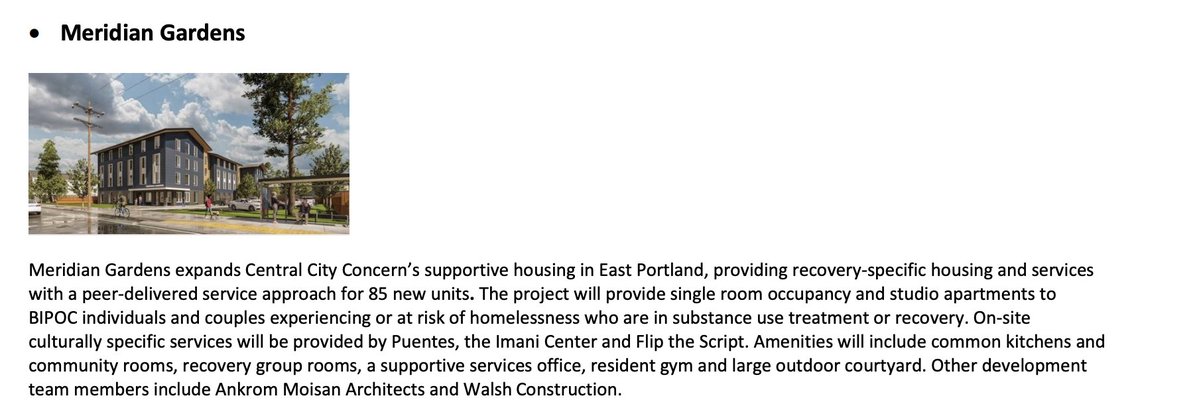
That housing includes 6 different buildings that say they provide "culturally specific housing" to "BIPOC" residents: Hattie Redmond Apartments, the Kathleen Saadat Apartments, the Julia West House, the Aldea at Glisan Landing, the Beacon at Glisan Landing, and Meridian Gardens.
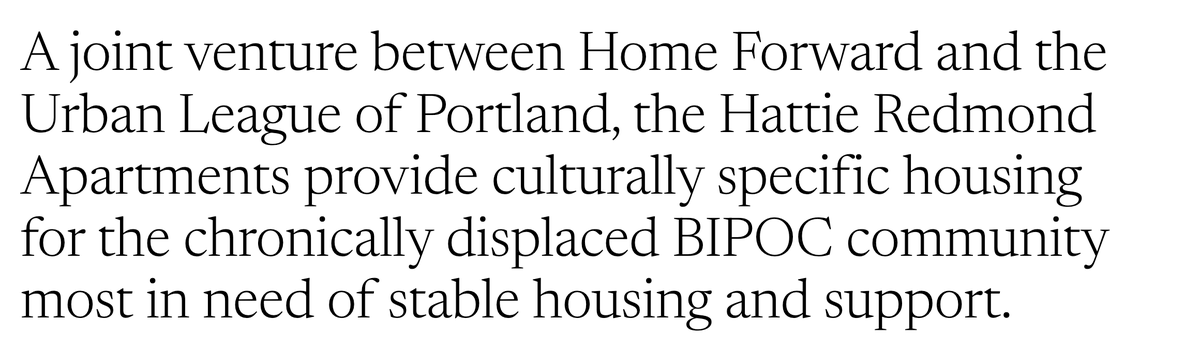
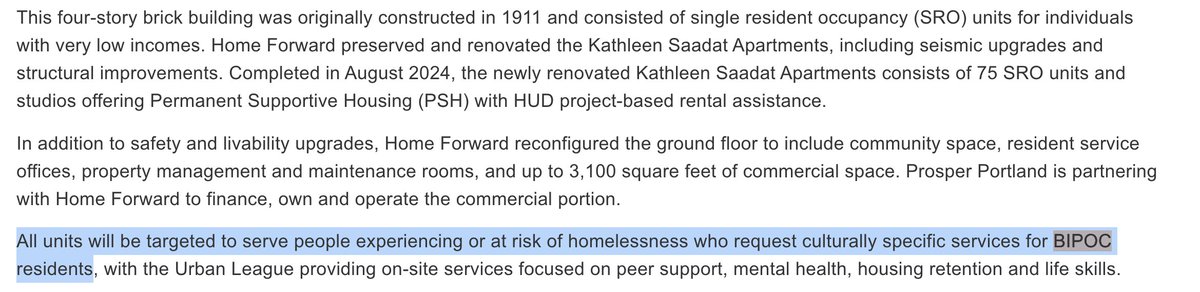

Completed over the past four years, those buildings collectively contain 447 apartments—29 percent of the 1,541 apartments that the county has built for long-term housing since 2021.
Another development, the Barbur apartments, has "a focus on … immigrant, refugee, East African and Muslim households" when it opens next year.
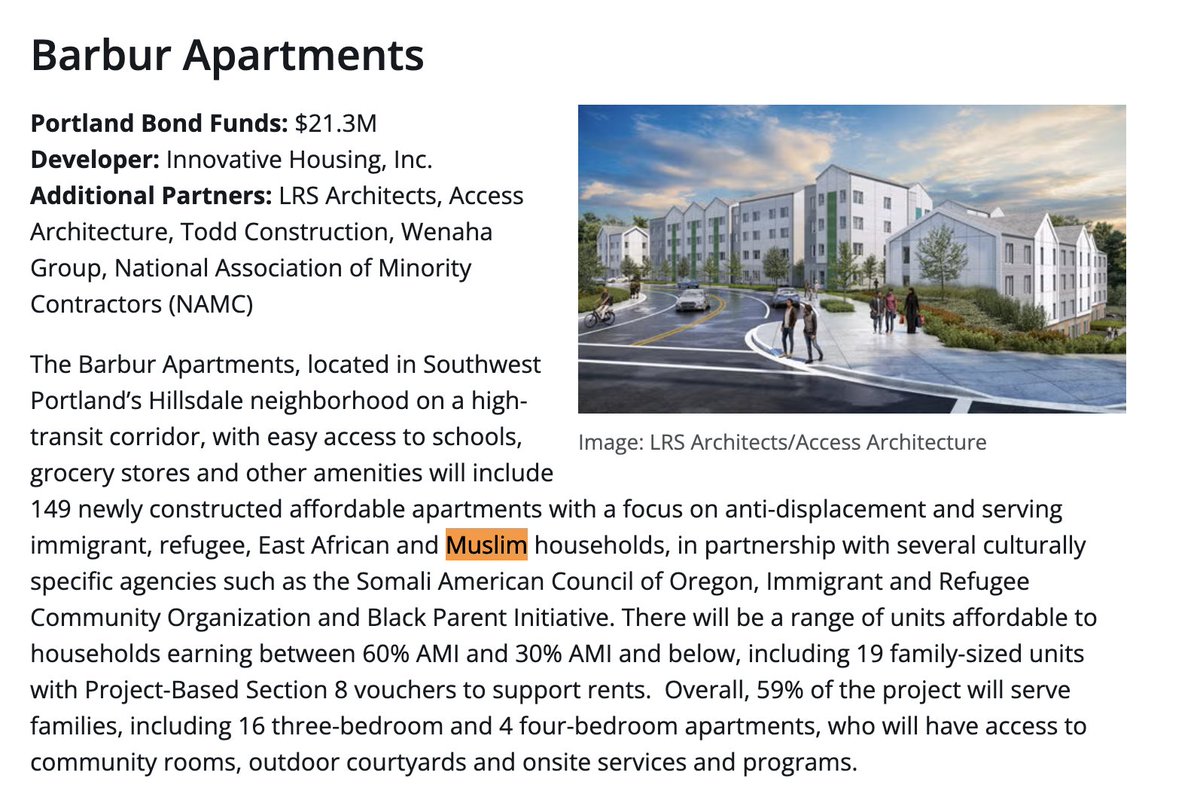
All of these programs sound "very unconstitutional," said @MorenoffDan, the executive director of the American Civil Rights Project. And even if they are technically open to all, the Fair Housing Act bans housing advertisements that indicate "any preference" based on race.
But that has not stopped housing authorities in a host of Democratic jurisdictions from rolling out their own race-based systems—even in counties, like Multnomah, where the majority of homeless people are white.
We identified five states and dozens of cities that have incorporated racial preferences into their housing programs. The preferences operate through various mechanisms, including grant requirements and funding formulas, and could imperil many publicly financed projects.
Several use points-based rubrics similar to Multnomah County's, giving race more weight than poverty or unemployment.
In at least two states, Maryland and Minnesota, race appears to be the single largest factor in allocating rent relief.
In at least two states, Maryland and Minnesota, race appears to be the single largest factor in allocating rent relief.
"The identitarian left really took the same approach Iran did," Morenoff said of the race-based programs: "Fire off enough at the same time that some will make it through the interceptors."
Some of the most extreme policies are based on an index developed by the Urban Institute, a center-left think tank with federal funding, which uses "equity" indicators—including a neighborhood's share of "people of color"—to prioritize housing assistance across census tracts.
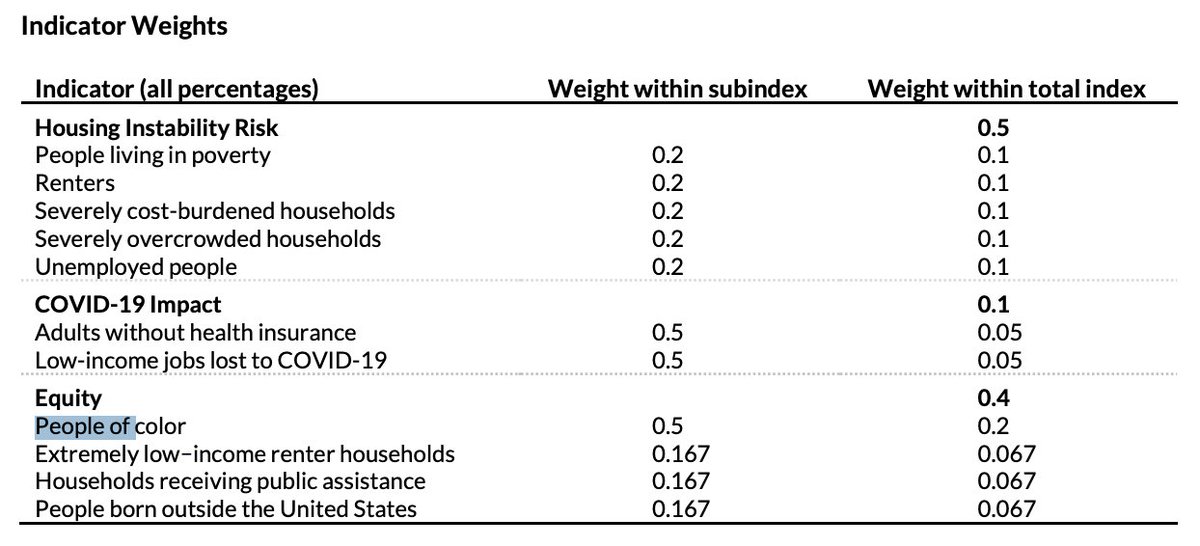
Race is the single most important indicator, receiving twice as much weight as "people living in poverty" and four times as much weight as "adults without health insurance."
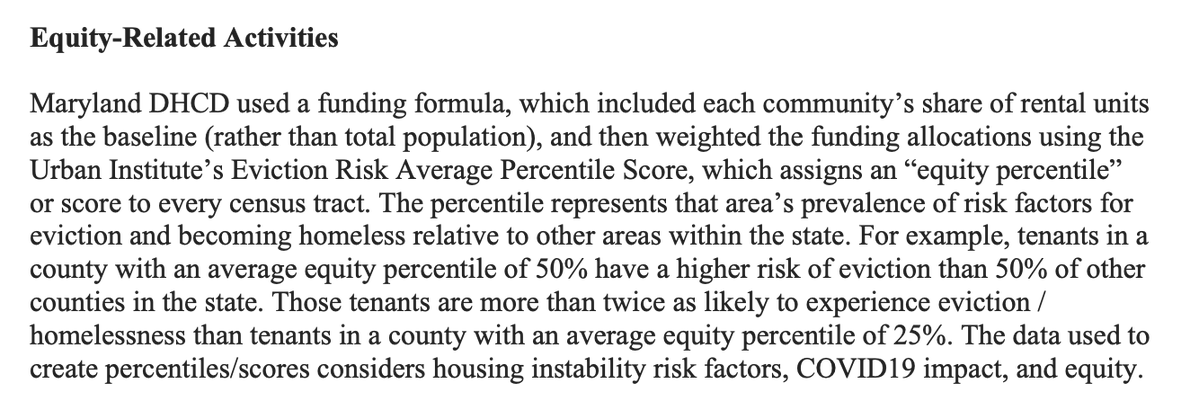
Maryland and Minnesota use the index to allocate funds for housing, rental assistance, and, in Maryland's case, street outreach and emergency shelters, according to documents from both states. A third state, Oregon, used the index to allocate rental assistance from 2021 to 2023.

Though Maryland's department of housing claimed claimed it "does not use race in its funding formula for its homelessness programs," a 2025 state report said that Maryland had used the race-based index to promote "equity."
Other programs do not use numerical rubrics but require service providers to target minorities. Rhode Island says applicants for a homeless prevention grant "must have an intentional focus on eliminating racial inequities … by prioritizing communities of color."

The Oregon Rehousing Initiative, which has dispersed $39 million since 2023, requires projects to give "priority placement" to "BIPOC" and "LGBTQ+ youth."

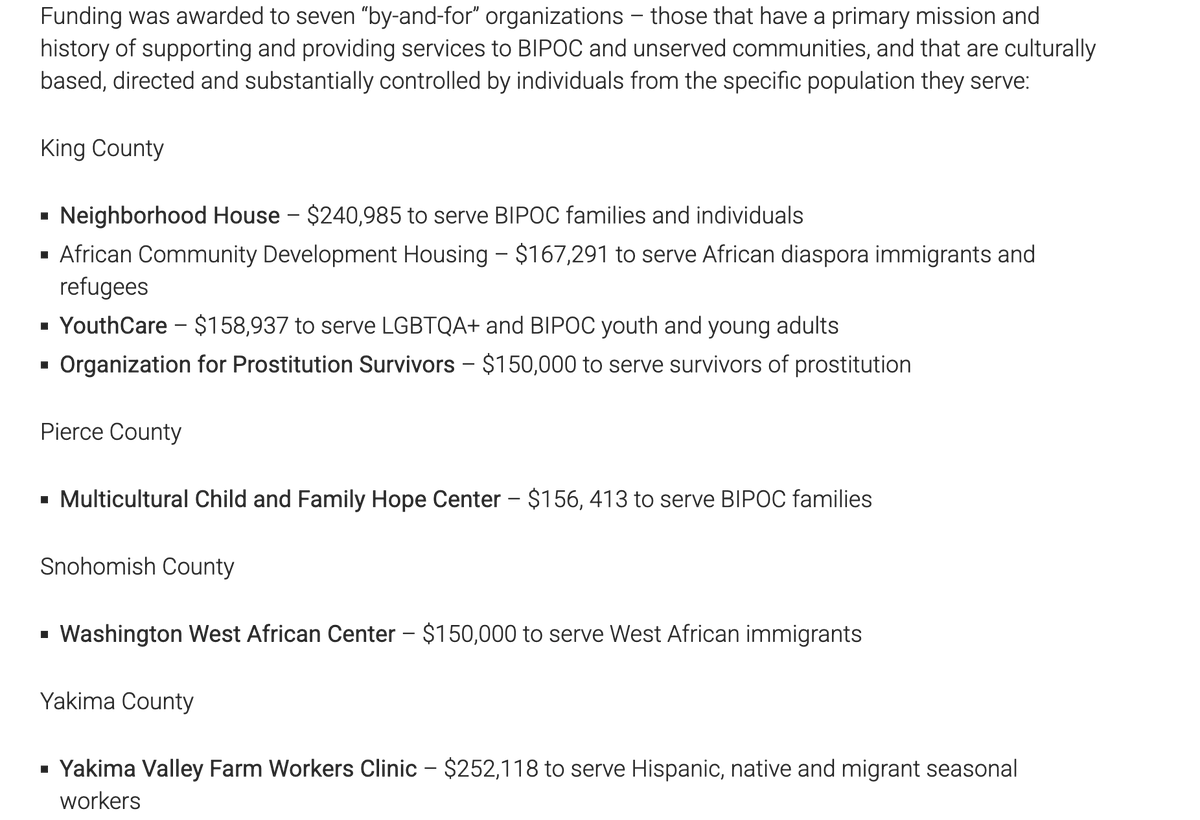
Washington State set aside $1.2 million for "'by-and-for' organizations" that "have a primary mission" of "providing services to BIPOC … communities"—including "$167,291 to serve African diaspora immigrants" and "$252,118 to serve Hispanic, native and migrant seasonal workers."
The state also requires that 10 percent of rent relief grants go to organizations that "serve and are substantially governed by marginalized populations."

And it funds a private grant program, the Washington Youth and Families Fund, that "prioritizes BIPOC and LGBTQ2+ families" for housing assistance.
State officials in Oregon, Washington, and Rhode Island did not respond to a request for comment.
State officials in Oregon, Washington, and Rhode Island did not respond to a request for comment.

Aaron Yared, the director of policy at Building Changes, which administers the Washington Youth & Families Fund, claimed that "assistance is based on need and is available to all youth and families seeking support."
WYFF "does not prioritize who is eligible for housing assistance based on race, ethnicity, or identity," he said of the program, which describes itself as "supporting Black, Indigenous, immigrant, and refugee families with trauma-informed healing services."

Quotas also appear in the continuum of care (CoC) programs funded by HUD, which coordinate shelter access and transitional housing. Los Angeles's CoC pledged in 2022 that "at least 500 Black and Hispanic/Latino" people would be moved from interim to permanent housing each year.

San Francisco promised to "increase the percentage of Hispanic/Latinx population accessing services while experiencing homelessness to 30%." Oakland said its goal was to ensure that 59 percent of people receiving homeless services were "Black or African American" by 2025.


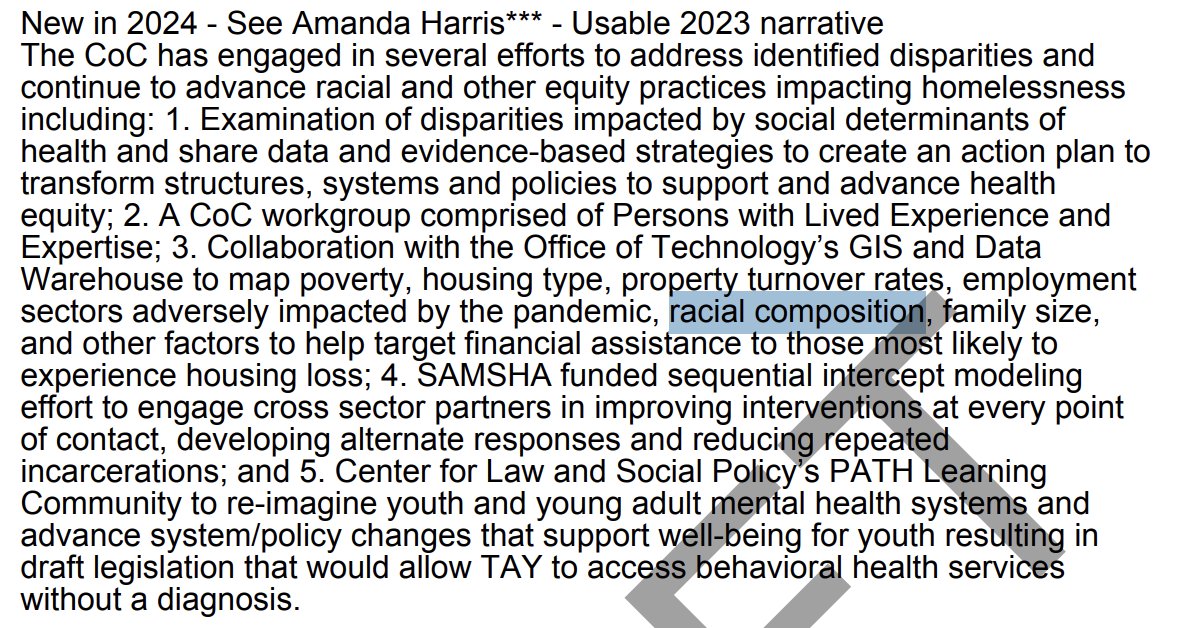
In Prince George's County, Maryland, the CoC uses an area's "racial composition" to "help target financial assistance to those most likely to experience housing loss."
Tldr: Blue states and cities are allocating homeless services based on race, in many cases by using points-based systems or numerical quotas.
This is almost certainly illegal and a veritable kick-me sign for the Trump admin.
Read the full story here: freebeacon.com/america/exclus…
This is almost certainly illegal and a veritable kick-me sign for the Trump admin.
Read the full story here: freebeacon.com/america/exclus…
• • •
Missing some Tweet in this thread? You can try to
force a refresh