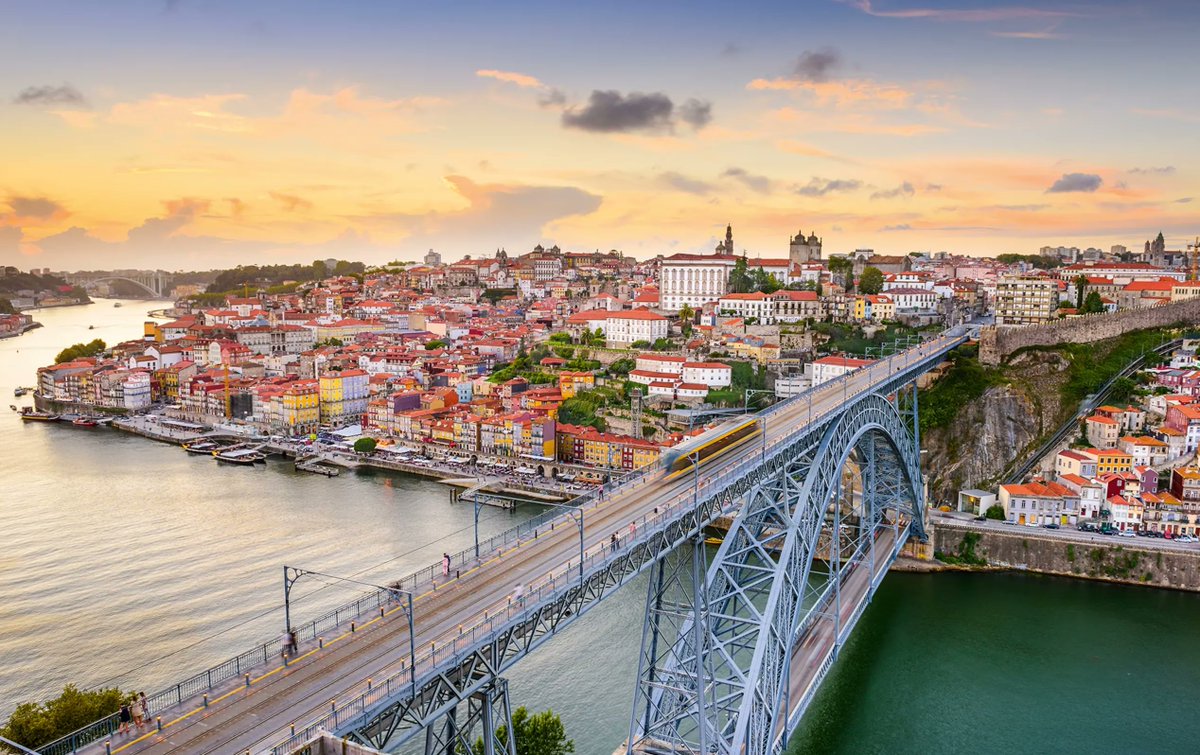
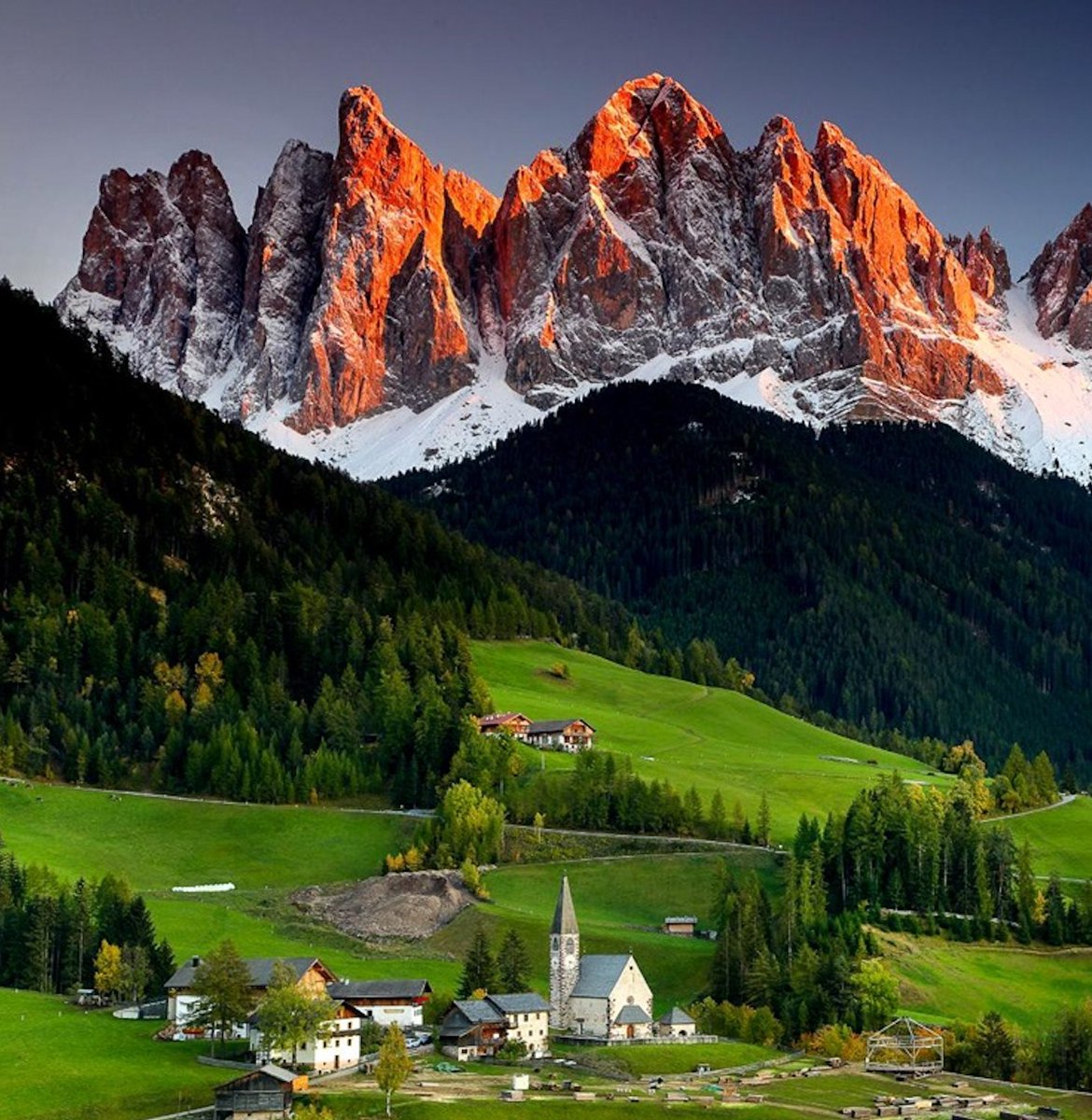
Everyone praises the Swiss Alps.
Almost nobody talks about the Italian ones. Which is strange. The Dolomites are on the Italian side.
Same Mont Blanc and Matterhorn views. Better food. Better wine. Top-tier healthcare. Real working towns where Italians actually live year-round.
And property at a third of the Swiss price.
One of the most underpriced retirement lifestyles in Europe.
Here are 11 alpine towns to actually retire to.
6 in the Dolomites, 5 in the Western Alps.
🧵
Almost nobody talks about the Italian ones. Which is strange. The Dolomites are on the Italian side.
Same Mont Blanc and Matterhorn views. Better food. Better wine. Top-tier healthcare. Real working towns where Italians actually live year-round.
And property at a third of the Swiss price.
One of the most underpriced retirement lifestyles in Europe.
Here are 11 alpine towns to actually retire to.
6 in the Dolomites, 5 in the Western Alps.
🧵
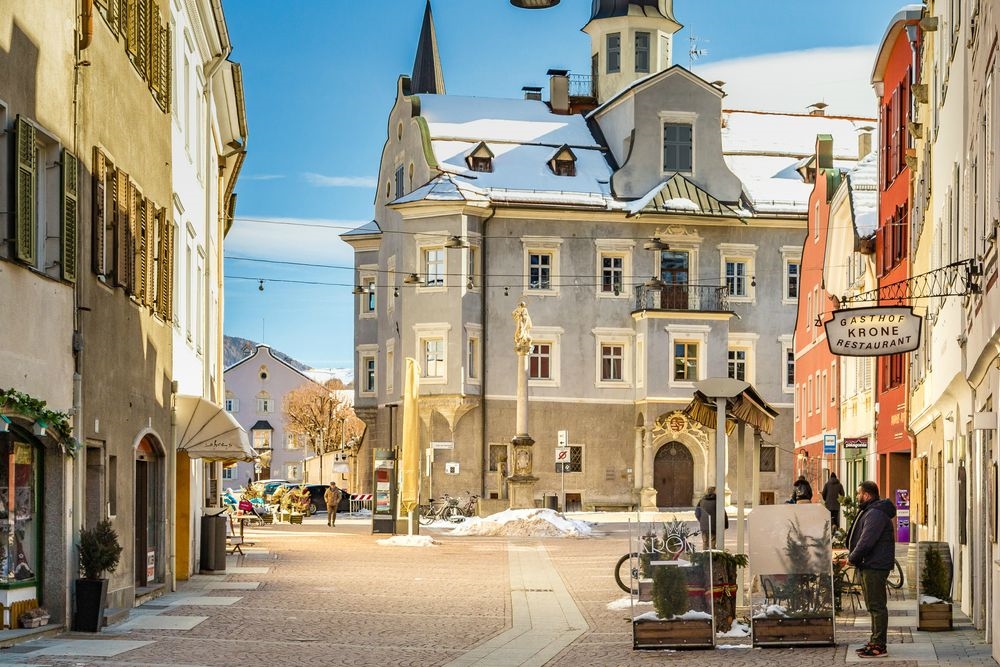

First, why that? It's mostly a marketing story.
To be clear: the Swiss reputation is fully earned. World-class healthcare, infrastructure, public services, the Alps as national identity. They built something extraordinary, and they deserve every bit of it. The point isn't that Switzerland is overrated.
The point is that Italian alpine country sits at almost the same level on most lifestyle dimensions, and almost nobody outside Italy talks about it.
Switzerland and Austria spent the 20th century branding themselves as alpine destinations. Italy never did. Italians treat their mountains as a place to live, not a product to sell.
The asymmetry is striking. The Italian Dolomites (UNESCO heritage, 18 mountain groups, hundreds of peaks above 3,000m) see a fraction of the international attention of a single Swiss canton. Mont Blanc has two sides: the French (Chamonix) marketed globally for a century, the Italian (Aosta Valley, Courmayeur) quieter, cheaper, equivalent views.
For a retiree, that asymmetry is a gift. World-class alpine without world-class prices.
How I built this list: I called friends from the North for ground-truth on what daily life actually looks like (bakery hours in February, which hospitals work, where the locals send their parents). Merged with my own years in the Italian Alps and Dolomites. Cross-checked against the data: Sole 24 Ore Qualità della Vita rankings, ISTAT population, regional healthcare scores, real estate platforms.
11 towns. The output of those findings.
To be clear: the Swiss reputation is fully earned. World-class healthcare, infrastructure, public services, the Alps as national identity. They built something extraordinary, and they deserve every bit of it. The point isn't that Switzerland is overrated.
The point is that Italian alpine country sits at almost the same level on most lifestyle dimensions, and almost nobody outside Italy talks about it.
Switzerland and Austria spent the 20th century branding themselves as alpine destinations. Italy never did. Italians treat their mountains as a place to live, not a product to sell.
The asymmetry is striking. The Italian Dolomites (UNESCO heritage, 18 mountain groups, hundreds of peaks above 3,000m) see a fraction of the international attention of a single Swiss canton. Mont Blanc has two sides: the French (Chamonix) marketed globally for a century, the Italian (Aosta Valley, Courmayeur) quieter, cheaper, equivalent views.
For a retiree, that asymmetry is a gift. World-class alpine without world-class prices.
How I built this list: I called friends from the North for ground-truth on what daily life actually looks like (bakery hours in February, which hospitals work, where the locals send their parents). Merged with my own years in the Italian Alps and Dolomites. Cross-checked against the data: Sole 24 Ore Qualità della Vita rankings, ISTAT population, regional healthcare scores, real estate platforms.
11 towns. The output of those findings.
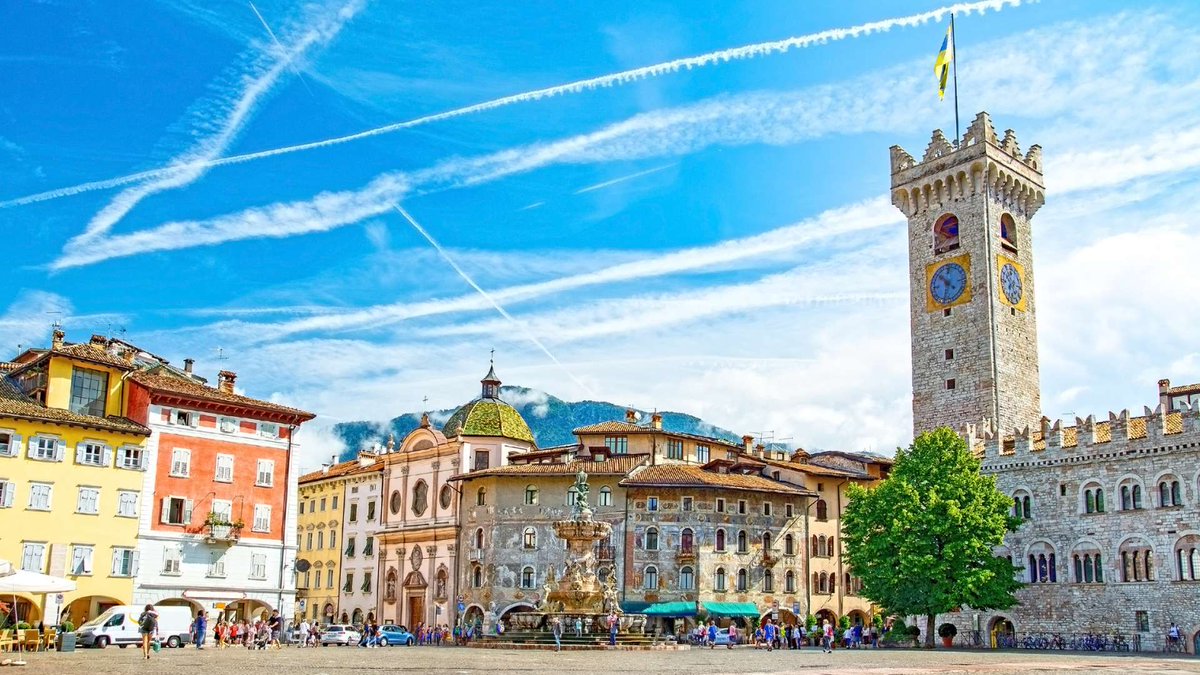


What you get:
Real year-round working towns where Italians actually retire. Food and wine cultures intact (Teroldego in Trentino, Lagrein in Alto Adige, Nebbiolo at altitude in Valtellina). Some of the best regional healthcare in Italy, more on that below. Train connections to Munich, Zurich, Vienna, and Milan in 2-4 hours.
11 towns. 6 in the Dolomites, 5 in the Western Alps. Cortina and Courmayeur excluded (too touristy, too expensive, too seasonal).
For each: prices, airport, hospital, population, who it's for, and what's not perfect.
Starting with the Dolomites.
Real year-round working towns where Italians actually retire. Food and wine cultures intact (Teroldego in Trentino, Lagrein in Alto Adige, Nebbiolo at altitude in Valtellina). Some of the best regional healthcare in Italy, more on that below. Train connections to Munich, Zurich, Vienna, and Milan in 2-4 hours.
11 towns. 6 in the Dolomites, 5 in the Western Alps. Cortina and Courmayeur excluded (too touristy, too expensive, too seasonal).
For each: prices, airport, hospital, population, who it's for, and what's not perfect.
Starting with the Dolomites.
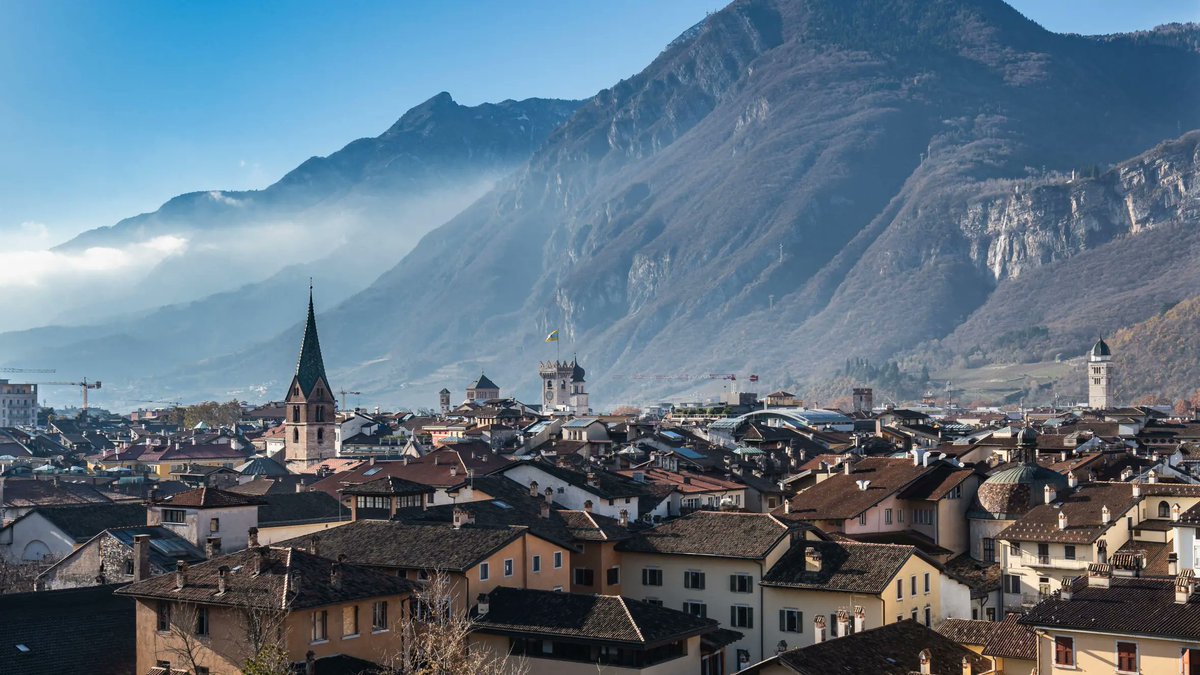
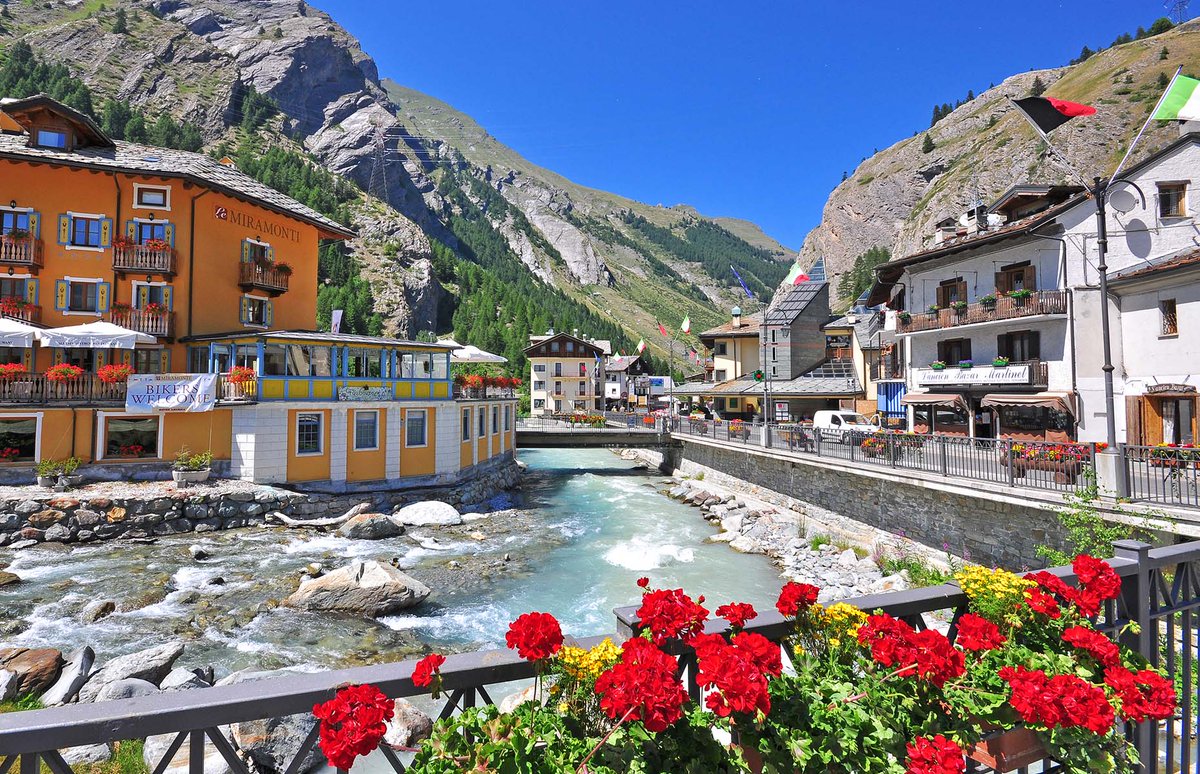

1/ BOLZANO/BOZEN, Italy's Most Livable Mountain City 🇮🇹
Population 107,000.
Bolzano tops the Sole 24 Ore Qualità della Vita ranking and the Italia Oggi index more years than any Italian city over the last decade. For a retirement stress test (healthcare, walkability, services, transit, public space, safety), nothing else in the Alps comes close.
The setting is the headline. Mountains visible from every street. Cable cars from the city center to alpine plateaus (Renon, San Genesio). Vineyards inside the city limits (Santa Maddalena DOC). The Catinaccio massif lights up pink at sunset above the town.
And Bolzano puts you inside the best mountain country in Europe. Val Gardena (Ortisei, Selva, Ladin culture, UNESCO Dolomites) 45 minutes. Alta Badia and Corvara within an hour. San Candido and Val Pusteria 1h30 east. Lago di Braies, Tre Cime di Lavaredo, the Sella, the Sciliar: all weekend trips from your front door. The kind of mountain experiences and lifestyles that retirees spend their lives chasing. Here, they're a Saturday.
€4,500-7,000/sqm in the historic center. €3,500-4,500 in the residential periphery. The most expensive city on this list, by a margin.
Bolzano's edge:
Bolzano Airport 5 minutes (small, growing). Verona 1h45. Innsbruck 1h45. Munich 4h. The Brenner railway line runs direct to Innsbruck, Munich, and Vienna.
The town is fully bilingual (Italian + German, with a Ladin minority in surrounding valleys). Healthcare at Northern European standards. Public transit works. Cycling infrastructure rivals Copenhagen. Christmas market and summer festival are both world-class.
Bolzano truth:
It's a real city, not a small alpine village. If you wanted quiet mountain quiet, this isn't it. Bilingualism is a feature for some retirees and a friction for others. German is harder than Italian and you'll meet both daily.
Best for: retirees who want urban quality + immediate mountains + best-in-Italy services. The premium pick if budget allows.
Population 107,000.
Bolzano tops the Sole 24 Ore Qualità della Vita ranking and the Italia Oggi index more years than any Italian city over the last decade. For a retirement stress test (healthcare, walkability, services, transit, public space, safety), nothing else in the Alps comes close.
The setting is the headline. Mountains visible from every street. Cable cars from the city center to alpine plateaus (Renon, San Genesio). Vineyards inside the city limits (Santa Maddalena DOC). The Catinaccio massif lights up pink at sunset above the town.
And Bolzano puts you inside the best mountain country in Europe. Val Gardena (Ortisei, Selva, Ladin culture, UNESCO Dolomites) 45 minutes. Alta Badia and Corvara within an hour. San Candido and Val Pusteria 1h30 east. Lago di Braies, Tre Cime di Lavaredo, the Sella, the Sciliar: all weekend trips from your front door. The kind of mountain experiences and lifestyles that retirees spend their lives chasing. Here, they're a Saturday.
€4,500-7,000/sqm in the historic center. €3,500-4,500 in the residential periphery. The most expensive city on this list, by a margin.
Bolzano's edge:
Bolzano Airport 5 minutes (small, growing). Verona 1h45. Innsbruck 1h45. Munich 4h. The Brenner railway line runs direct to Innsbruck, Munich, and Vienna.
The town is fully bilingual (Italian + German, with a Ladin minority in surrounding valleys). Healthcare at Northern European standards. Public transit works. Cycling infrastructure rivals Copenhagen. Christmas market and summer festival are both world-class.
Bolzano truth:
It's a real city, not a small alpine village. If you wanted quiet mountain quiet, this isn't it. Bilingualism is a feature for some retirees and a friction for others. German is harder than Italian and you'll meet both daily.
Best for: retirees who want urban quality + immediate mountains + best-in-Italy services. The premium pick if budget allows.


2/ MERANO/MERAN, The Polished One 🇮🇹
Population 41,000.
Northern Europeans have been retiring to Merano for 150 years. Sissi, the Habsburg empress, recovered her health here. Ezra Pound spent his last years near here. The microclimate is unusually warm for mountain Italy: palm trees grow in town, frost is rare in the city center.
Beyond town: Val Senales (where Ötzi the iceman was found in glacial ice), Stelvio National Park (one of Italy's largest), the Ortler/Ortles range (the highest peak in the Eastern Alps), and the apple-orchard length of Val Venosta running west toward the Swiss border.
€4,500-6,000/sqm in the historic center. €3,500 in the residential periphery.
Merano's edge:
Bolzano Airport 30 minutes. Innsbruck 1h20. Verona 2h. Munich 4h by car. Hospital in town (one of the best in Italy). Train to Bolzano in 35 minutes, to Verona in 2 hours.
The town is fully bilingual (Italian + German). Most residents speak English too. Established retiree infrastructure: English-speaking doctors, dentists, lawyers. Spa culture (Terme Merano) is part of daily life, not a tourist add-on.
Merano truth:
Pricier than every Southern town on the coastal list, except the Liguria picks. The spa-and-pension demographic is real, which can feel either soothing or sleepy depending on your taste. Winters are colder than coastal but milder than the rest of Alto Adige.
Best for: retirees who want the most polished mountain retirement Italy offers, an English-speaking professional network already in place, and an unusually warm microclimate for the altitude. If budget allows, this is where to start.
Population 41,000.
Northern Europeans have been retiring to Merano for 150 years. Sissi, the Habsburg empress, recovered her health here. Ezra Pound spent his last years near here. The microclimate is unusually warm for mountain Italy: palm trees grow in town, frost is rare in the city center.
Beyond town: Val Senales (where Ötzi the iceman was found in glacial ice), Stelvio National Park (one of Italy's largest), the Ortler/Ortles range (the highest peak in the Eastern Alps), and the apple-orchard length of Val Venosta running west toward the Swiss border.
€4,500-6,000/sqm in the historic center. €3,500 in the residential periphery.
Merano's edge:
Bolzano Airport 30 minutes. Innsbruck 1h20. Verona 2h. Munich 4h by car. Hospital in town (one of the best in Italy). Train to Bolzano in 35 minutes, to Verona in 2 hours.
The town is fully bilingual (Italian + German). Most residents speak English too. Established retiree infrastructure: English-speaking doctors, dentists, lawyers. Spa culture (Terme Merano) is part of daily life, not a tourist add-on.
Merano truth:
Pricier than every Southern town on the coastal list, except the Liguria picks. The spa-and-pension demographic is real, which can feel either soothing or sleepy depending on your taste. Winters are colder than coastal but milder than the rest of Alto Adige.
Best for: retirees who want the most polished mountain retirement Italy offers, an English-speaking professional network already in place, and an unusually warm microclimate for the altitude. If budget allows, this is where to start.

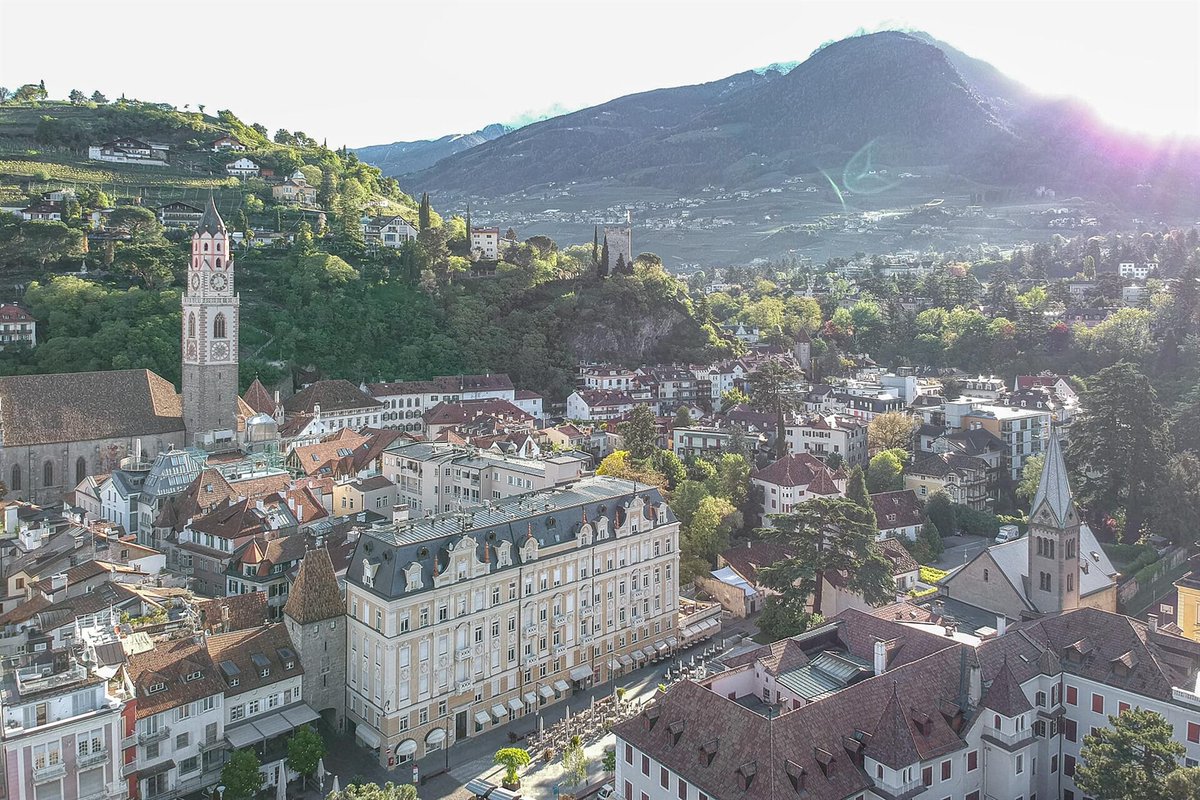
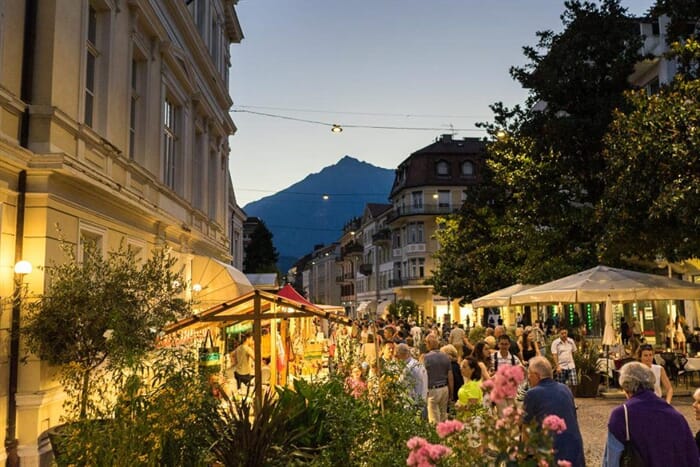

3/ BRESSANONE/BRIXEN, The Tyrolean Cathedral Town 🇮🇹
Population 22,500.
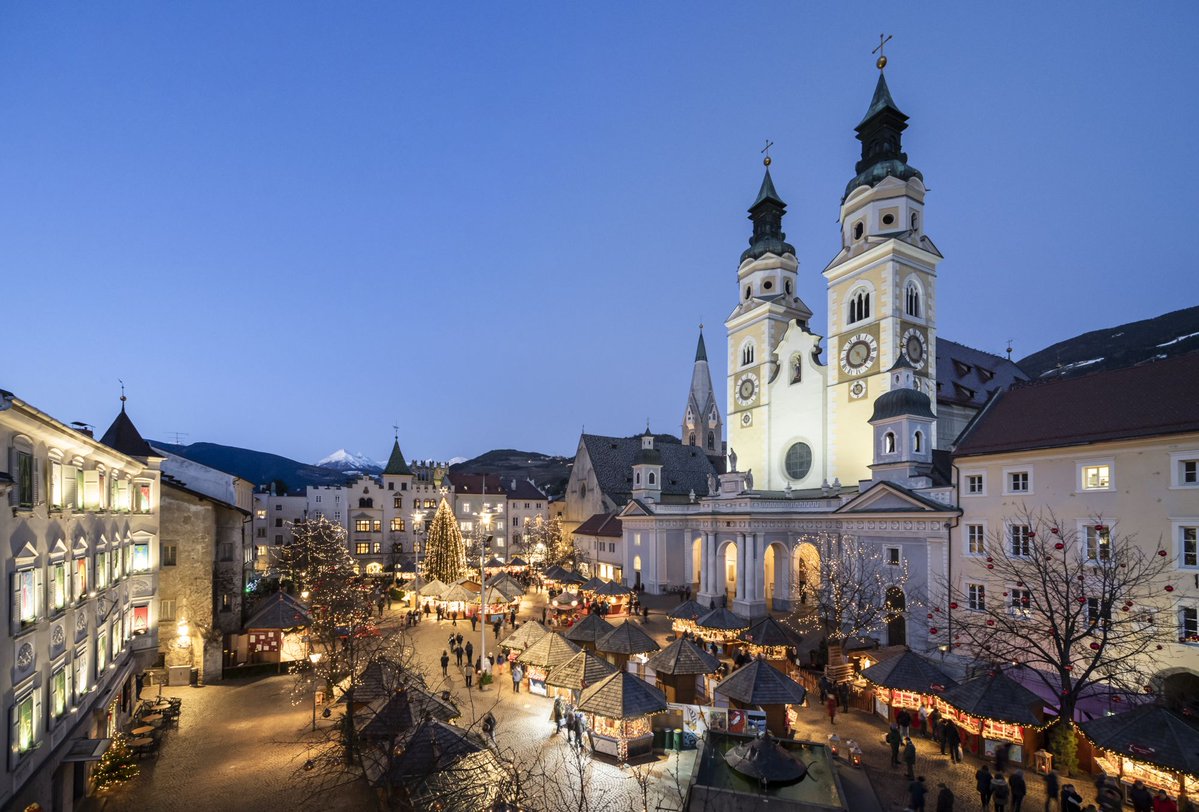
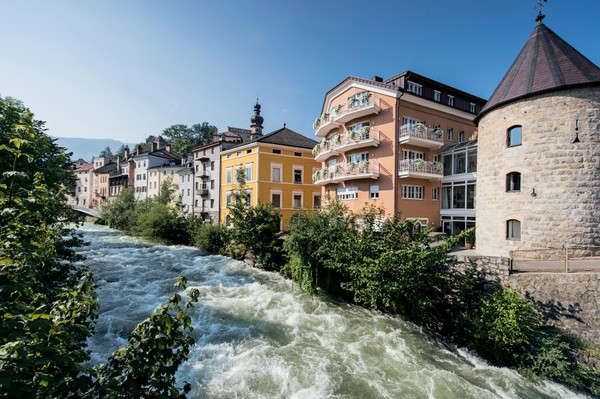
The oldest town in Tyrol. A medieval bishopric, a Romanesque cathedral, a spectacular cloister with 14th-century frescoes. Smaller than Merano, more compact, walkable in 20 minutes end to end.
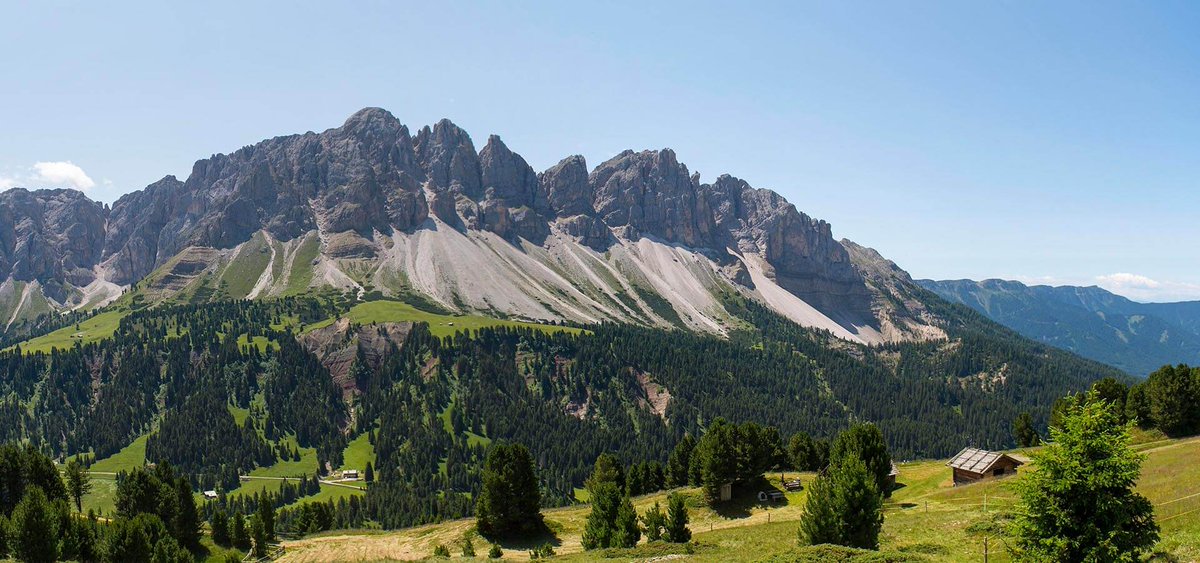
Beyond town: Val di Funes / Villnöss with the Geisler/Odle group (one of the most photographed valleys in the Dolomites), Plose mountain by cable car directly from town, Alpe di Siusi (the largest high alpine plateau in Europe), and Val Gardena 30 minutes south.
€3,800-5,200/sqm. €350K buys a comfortable home in a residential zone.
Bressanone's edge:
Brenner Pass 30 minutes north, with a direct rail line to Innsbruck (1 hour). Verona 2h15. Munich 4h. Hospital in town.
A real working Tyrolean town with full year-round services. The cathedral square is one of the prettiest in Italy. The food (apple-orchard-and-speck country) is remarkable: Eisacktaler whites, Vinschger curd dumplings, and a generation of young chefs reinventing Tyrolean cuisine.
Bressanone truth:
Smaller than Merano and Bolzano means thinner cultural calendar in the off-season. Bilingual but tilted German, more so than Bolzano or Merano. If you don't speak any German, you'll lean on the Italian half of the town more heavily.
Best for: retirees who want Alto Adige quality at a slightly lower price point than Merano or Bolzano, in a more compact and walkable town.
Population 22,500.
The oldest town in Tyrol. A medieval bishopric, a Romanesque cathedral, a spectacular cloister with 14th-century frescoes. Smaller than Merano, more compact, walkable in 20 minutes end to end.
Beyond town: Val di Funes / Villnöss with the Geisler/Odle group (one of the most photographed valleys in the Dolomites), Plose mountain by cable car directly from town, Alpe di Siusi (the largest high alpine plateau in Europe), and Val Gardena 30 minutes south.
€3,800-5,200/sqm. €350K buys a comfortable home in a residential zone.
Bressanone's edge:
Brenner Pass 30 minutes north, with a direct rail line to Innsbruck (1 hour). Verona 2h15. Munich 4h. Hospital in town.
A real working Tyrolean town with full year-round services. The cathedral square is one of the prettiest in Italy. The food (apple-orchard-and-speck country) is remarkable: Eisacktaler whites, Vinschger curd dumplings, and a generation of young chefs reinventing Tyrolean cuisine.
Bressanone truth:
Smaller than Merano and Bolzano means thinner cultural calendar in the off-season. Bilingual but tilted German, more so than Bolzano or Merano. If you don't speak any German, you'll lean on the Italian half of the town more heavily.
Best for: retirees who want Alto Adige quality at a slightly lower price point than Merano or Bolzano, in a more compact and walkable town.

By the way, on May 5th I'm hosting a 2-hour webinar on how to actually relocate to Italy in 2026.
All three tax regimes, the €250K Investor Visa, and where to live based on your profile. With my Italian immigration lawyer. Full Q&A.
Recording sent to all registrants if you can't make it live.
Now, 7 more towns.italy-webinar.alepalombo.com/?utm_source=x&…
All three tax regimes, the €250K Investor Visa, and where to live based on your profile. With my Italian immigration lawyer. Full Q&A.
Recording sent to all registrants if you can't make it live.
Now, 7 more towns.italy-webinar.alepalombo.com/?utm_source=x&…
4/ BRUNICO/BRUNECK, The Active Tyrolean 🇮🇹
Population 17,000.
The capital of Val Pusteria, the broad alpine valley running east toward the Eastern Dolomites and Austria. A pedestrianized historic center, a hilltop castle, and some of the most beautiful mountain views in the Italian Alps directly from the town.
Beyond town: Lago di Braies (the most photographed Dolomites lake), Plan de Corones / Kronplatz with Reinhold Messner's mountain museum at the summit, San Candido and the rest of Val Pusteria east, Tre Cime di Lavaredo and the Sennes-Fanes-Braies natural park within an hour. Some of the best Dolomites scenery is your backyard.
€3,500-4,800/sqm.
Brunico's edge:
Innsbruck 2h. Verona 3h. Local hospital. The Pusteria train line connects to Lienz (Austria, 1h) and Bolzano (1h45).
The active-retirement pick. Skiing 15 minutes (Plan de Corones). Hiking from town. The cultural calendar runs all year: December markets, summer festivals, harvest events.
Brunico truth:
Cooler than Merano. Drier than Bressanone. The smallest of the Alto Adige picks, which means thinner services for a retiree base than the bigger three. If 70+ healthcare proximity is critical, factor in the drive to Bolzano's larger hospital.
Best for: active retirees who want hiking, skiing, and lakes from town, and don't mind smaller-town services in exchange for a tighter Tyrolean culture.
Population 17,000.
The capital of Val Pusteria, the broad alpine valley running east toward the Eastern Dolomites and Austria. A pedestrianized historic center, a hilltop castle, and some of the most beautiful mountain views in the Italian Alps directly from the town.
Beyond town: Lago di Braies (the most photographed Dolomites lake), Plan de Corones / Kronplatz with Reinhold Messner's mountain museum at the summit, San Candido and the rest of Val Pusteria east, Tre Cime di Lavaredo and the Sennes-Fanes-Braies natural park within an hour. Some of the best Dolomites scenery is your backyard.
€3,500-4,800/sqm.
Brunico's edge:
Innsbruck 2h. Verona 3h. Local hospital. The Pusteria train line connects to Lienz (Austria, 1h) and Bolzano (1h45).
The active-retirement pick. Skiing 15 minutes (Plan de Corones). Hiking from town. The cultural calendar runs all year: December markets, summer festivals, harvest events.
Brunico truth:
Cooler than Merano. Drier than Bressanone. The smallest of the Alto Adige picks, which means thinner services for a retiree base than the bigger three. If 70+ healthcare proximity is critical, factor in the drive to Bolzano's larger hospital.
Best for: active retirees who want hiking, skiing, and lakes from town, and don't mind smaller-town services in exchange for a tighter Tyrolean culture.


5/ TRENTO, City With Mountains on Every Horizon 🇮🇹
Population 120,000.
Trento sits #2-3 on most Italian livability rankings, just behind Bolzano. A real city: university, theater, cathedral, the MUSE science museum (designed by Renzo Piano), full hospital network. Surrounded by the Dolomites di Brenta, the Lagorai range, and the Adamello.
Beyond town: the Dolomiti di Brenta (UNESCO, with Madonna di Campiglio at the heart), Lago di Garda 30 minutes south, the Adamello-Presanella glacier, Val di Non apple country, Val di Fiemme and Val di Fassa for the Dolomites proper. Trento is the most central base in mountain Italy.
€3,000-4,500/sqm in town. €2,200-3,000 in the surrounding hills. Notably cheaper than Bolzano.
Trento's edge:
Verona Airport 1h. Munich 4h. High-speed train to Verona, regional connections to every valley.
A city that feels properly Italian rather than imported. Sunday passeggiate on Piazza Duomo. Trentodoc sparkling at every aperitivo (for locals it counts as non-alcoholic), Teroldego reds with dinner, Val di Non apples in every market. Renzo Piano's MUSE folded into the cityscape like glass and steel architecture trying to be a glacier.
Cultural calendar dense for a city this size.
Trento truth:
Italian-only, no bilingual infrastructure to lean on. If German is a hard pass for you, this is the better Alto Adige-region pick than Bolzano or Merano. But it's still a city of 120,000. Louder, more functional, less alpine-quiet than Bressanone or Brunico.
Best for: retirees who want services + culture + mountains in a warmer, fully-Italian register, with healthcare almost matching Bolzano's at a meaningful discount.
Population 120,000.
Trento sits #2-3 on most Italian livability rankings, just behind Bolzano. A real city: university, theater, cathedral, the MUSE science museum (designed by Renzo Piano), full hospital network. Surrounded by the Dolomites di Brenta, the Lagorai range, and the Adamello.
Beyond town: the Dolomiti di Brenta (UNESCO, with Madonna di Campiglio at the heart), Lago di Garda 30 minutes south, the Adamello-Presanella glacier, Val di Non apple country, Val di Fiemme and Val di Fassa for the Dolomites proper. Trento is the most central base in mountain Italy.
€3,000-4,500/sqm in town. €2,200-3,000 in the surrounding hills. Notably cheaper than Bolzano.
Trento's edge:
Verona Airport 1h. Munich 4h. High-speed train to Verona, regional connections to every valley.
A city that feels properly Italian rather than imported. Sunday passeggiate on Piazza Duomo. Trentodoc sparkling at every aperitivo (for locals it counts as non-alcoholic), Teroldego reds with dinner, Val di Non apples in every market. Renzo Piano's MUSE folded into the cityscape like glass and steel architecture trying to be a glacier.
Cultural calendar dense for a city this size.
Trento truth:
Italian-only, no bilingual infrastructure to lean on. If German is a hard pass for you, this is the better Alto Adige-region pick than Bolzano or Merano. But it's still a city of 120,000. Louder, more functional, less alpine-quiet than Bressanone or Brunico.
Best for: retirees who want services + culture + mountains in a warmer, fully-Italian register, with healthcare almost matching Bolzano's at a meaningful discount.


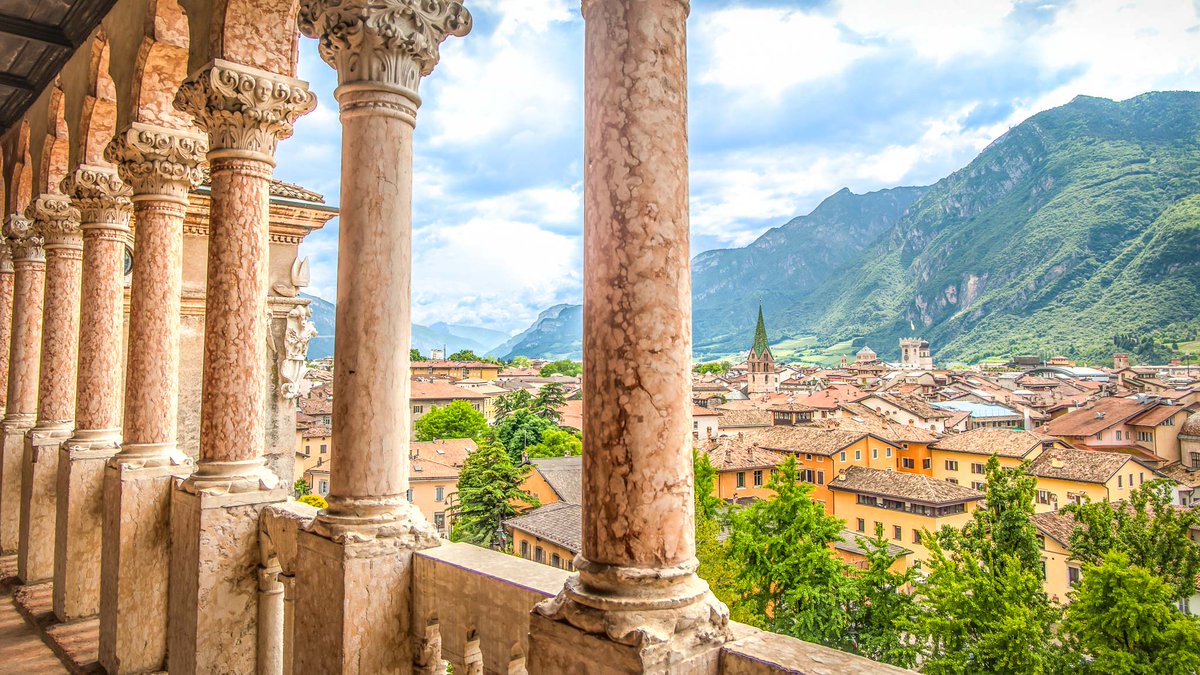
6/ BELLUNO, Dolomites at Po-Valley Prices 🇮🇹
Population 35,000.
The unofficial gateway to the Eastern Dolomites. A walled medieval city on a promontory, with the Pelmo and the Schiara visible from the main piazza. Belluno consistently ranks top 15-20 on Italian livability indexes. High, considering the city's size.
Beyond town: the heart of the Veneto Dolomites. Cortina and the Tofane an hour east. Marmolada, queen of the Dolomites. Lago di Misurina, Lago di Alleghe, the Cinque Torri, Tre Cime di Lavaredo all within 1h30. Belluno is the practical base for all of it.
€1,500-2,500/sqm. Among the cheapest "real city" picks on this list.
Belluno's edge:
Venice Airport 1h30. Treviso 1h15. Local hospital. Train to Venice in 2h.
Dolomites lifestyle at a Po-Valley price point. Cortina is 1 hour east (great for day trips, terrible for daily life). Lago di Santa Croce 20 minutes south. The Val Belluna runs into farmland. You're at the seam between mountain and plain, with both readily accessible.
Belluno truth:
Healthcare quality is good but a notch below Trentino-Alto Adige's. Winters are cold and gray (Po Valley fog reaches up here). The town has lost population to Treviso and Venice over the last 30 years, which is why prices stayed reasonable.
Best for: retirees who want Dolomites access without the German. Po-Valley prices, year-round Italian life.
Population 35,000.
The unofficial gateway to the Eastern Dolomites. A walled medieval city on a promontory, with the Pelmo and the Schiara visible from the main piazza. Belluno consistently ranks top 15-20 on Italian livability indexes. High, considering the city's size.
Beyond town: the heart of the Veneto Dolomites. Cortina and the Tofane an hour east. Marmolada, queen of the Dolomites. Lago di Misurina, Lago di Alleghe, the Cinque Torri, Tre Cime di Lavaredo all within 1h30. Belluno is the practical base for all of it.
€1,500-2,500/sqm. Among the cheapest "real city" picks on this list.
Belluno's edge:
Venice Airport 1h30. Treviso 1h15. Local hospital. Train to Venice in 2h.
Dolomites lifestyle at a Po-Valley price point. Cortina is 1 hour east (great for day trips, terrible for daily life). Lago di Santa Croce 20 minutes south. The Val Belluna runs into farmland. You're at the seam between mountain and plain, with both readily accessible.
Belluno truth:
Healthcare quality is good but a notch below Trentino-Alto Adige's. Winters are cold and gray (Po Valley fog reaches up here). The town has lost population to Treviso and Venice over the last 30 years, which is why prices stayed reasonable.
Best for: retirees who want Dolomites access without the German. Po-Valley prices, year-round Italian life.


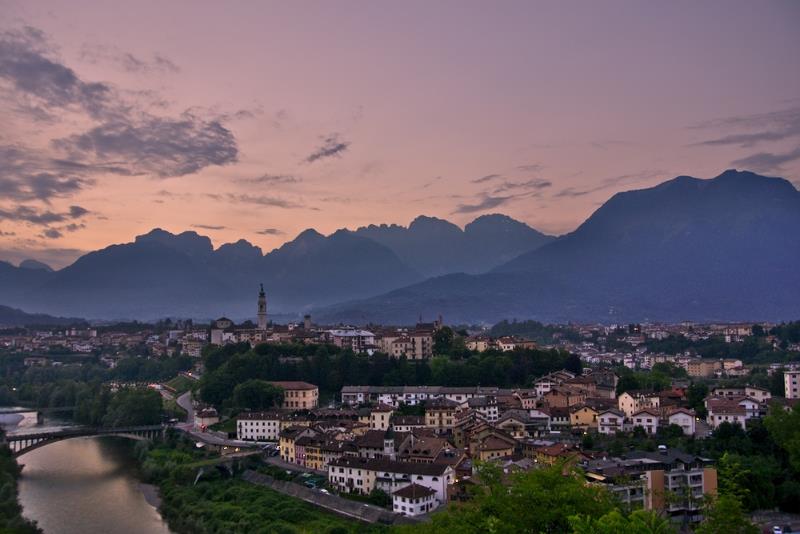

7/ AOSTA, Alps Plus Roman Heritage 🇮🇹
Population 34,000.
The capital of Italy's smallest region, surrounded by Mont Blanc, the Matterhorn, and Gran Paradiso. A Roman city (the Augustan arch, the Roman theater, the original city walls) sitting in an alpine valley. Aosta consistently ranks top 10 on Italian livability indexes.
Beyond town: Skyway Monte Bianco (the cable car from Courmayeur to Punta Helbronner with full Mont Blanc views), Gran Paradiso National Park (Italy's oldest, established 1922), Cervinia and the Matterhorn from Breuil, Cogne and the Lillaz waterfalls, Val Veny and Val Ferret. Some of the highest alpine experiences in Europe are 30 minutes from your apartment.
€2,000-3,200/sqm. Cheaper than Alto Adige, more "real Italian" in feel.
Aosta's edge:
Geneva Airport 1h45. Turin 1h30. Hospital in town. Train connection to Turin and Milan.
Italian-French bilingual (regional autonomy). The autonomy means lower local taxes, casino-funded public services, French-Italian school options, and an interesting cultural mix. Skiing 30 minutes (Pila above town). Cervinia and Courmayeur within an hour for day-trip access. I have many friends who would choose Aosta only because of this.
Aosta truth:
The valley itself is narrow and the climate gets harsh in midwinter (icy Mont Blanc winds, short daylight). The bilingualism is more cultural-administrative than daily-functional. Most retirees lean Italian and let the French add color rather than depending on it.
Best for: retirees who want alpine quality, Roman heritage, regional-autonomy benefits, and prices well below Alto Adige.
Population 34,000.
The capital of Italy's smallest region, surrounded by Mont Blanc, the Matterhorn, and Gran Paradiso. A Roman city (the Augustan arch, the Roman theater, the original city walls) sitting in an alpine valley. Aosta consistently ranks top 10 on Italian livability indexes.
Beyond town: Skyway Monte Bianco (the cable car from Courmayeur to Punta Helbronner with full Mont Blanc views), Gran Paradiso National Park (Italy's oldest, established 1922), Cervinia and the Matterhorn from Breuil, Cogne and the Lillaz waterfalls, Val Veny and Val Ferret. Some of the highest alpine experiences in Europe are 30 minutes from your apartment.
€2,000-3,200/sqm. Cheaper than Alto Adige, more "real Italian" in feel.
Aosta's edge:
Geneva Airport 1h45. Turin 1h30. Hospital in town. Train connection to Turin and Milan.
Italian-French bilingual (regional autonomy). The autonomy means lower local taxes, casino-funded public services, French-Italian school options, and an interesting cultural mix. Skiing 30 minutes (Pila above town). Cervinia and Courmayeur within an hour for day-trip access. I have many friends who would choose Aosta only because of this.
Aosta truth:
The valley itself is narrow and the climate gets harsh in midwinter (icy Mont Blanc winds, short daylight). The bilingualism is more cultural-administrative than daily-functional. Most retirees lean Italian and let the French add color rather than depending on it.
Best for: retirees who want alpine quality, Roman heritage, regional-autonomy benefits, and prices well below Alto Adige.

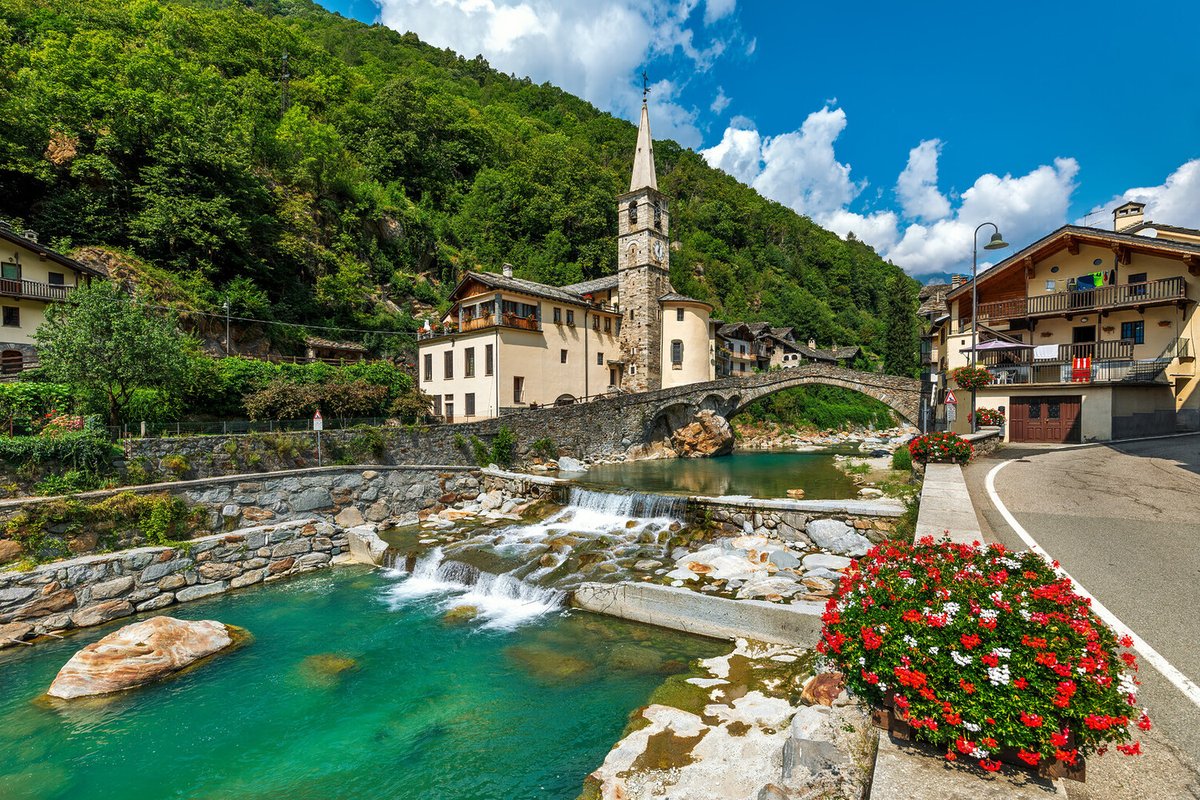

8/ DOMODOSSOLA, The Alpine Train Hub 🇮🇹
Population 18,000.
The Italian alpine town that sits at the apex of three valleys (Toce, Antigorio, Vigezzo) and is one of the great train hubs of the Alps. The Cisalpino through the Sempione tunnel runs direct to Brig, Bern, and Geneva. The Centovalli line crosses to Locarno (Switzerland) on one of the most beautiful narrow-gauge train rides in Europe.
Beyond town: Val Vigezzo (the "valley of painters"), Alpe Devero, Val Formazza with the Cascata del Toce (among the tallest waterfalls in the Alps), Macugnaga at the foot of the east face of Monte Rosa. Quietly, one of the richest alpine zones in Italy.
€1,300-2,000/sqm. Among the cheapest on this list. One of the most underrated options available.
Domodossola's edge:
Milan Malpensa Airport 1h. Hospital in town. Train to Milan in 1h30, to Geneva in 2h30.
A Roman cobblestone center. A UNESCO sacred mountain (Sacro Monte Calvario) above it. A small Walser cultural minority in the surrounding higher valleys (the Walser are a German-Swiss alpine people who settled here in the 13th century). The Vigezzo Valley above is one of the most underrated corners of Italy.
Domodossola truth:
This is a working alpine town, not a retirement destination. No expat infrastructure, very little English. The valley is rainier and grayer than Alto Adige. Healthcare is solid but local; for specialist care you're heading to Novara or Milan.
Best for: retirees who want a real alpine town that connects easily to Switzerland and Milan, at a price point Alto Adige can't match. Italian fluency required, not optional.
Population 18,000.
The Italian alpine town that sits at the apex of three valleys (Toce, Antigorio, Vigezzo) and is one of the great train hubs of the Alps. The Cisalpino through the Sempione tunnel runs direct to Brig, Bern, and Geneva. The Centovalli line crosses to Locarno (Switzerland) on one of the most beautiful narrow-gauge train rides in Europe.
Beyond town: Val Vigezzo (the "valley of painters"), Alpe Devero, Val Formazza with the Cascata del Toce (among the tallest waterfalls in the Alps), Macugnaga at the foot of the east face of Monte Rosa. Quietly, one of the richest alpine zones in Italy.
€1,300-2,000/sqm. Among the cheapest on this list. One of the most underrated options available.
Domodossola's edge:
Milan Malpensa Airport 1h. Hospital in town. Train to Milan in 1h30, to Geneva in 2h30.
A Roman cobblestone center. A UNESCO sacred mountain (Sacro Monte Calvario) above it. A small Walser cultural minority in the surrounding higher valleys (the Walser are a German-Swiss alpine people who settled here in the 13th century). The Vigezzo Valley above is one of the most underrated corners of Italy.
Domodossola truth:
This is a working alpine town, not a retirement destination. No expat infrastructure, very little English. The valley is rainier and grayer than Alto Adige. Healthcare is solid but local; for specialist care you're heading to Novara or Milan.
Best for: retirees who want a real alpine town that connects easily to Switzerland and Milan, at a price point Alto Adige can't match. Italian fluency required, not optional.

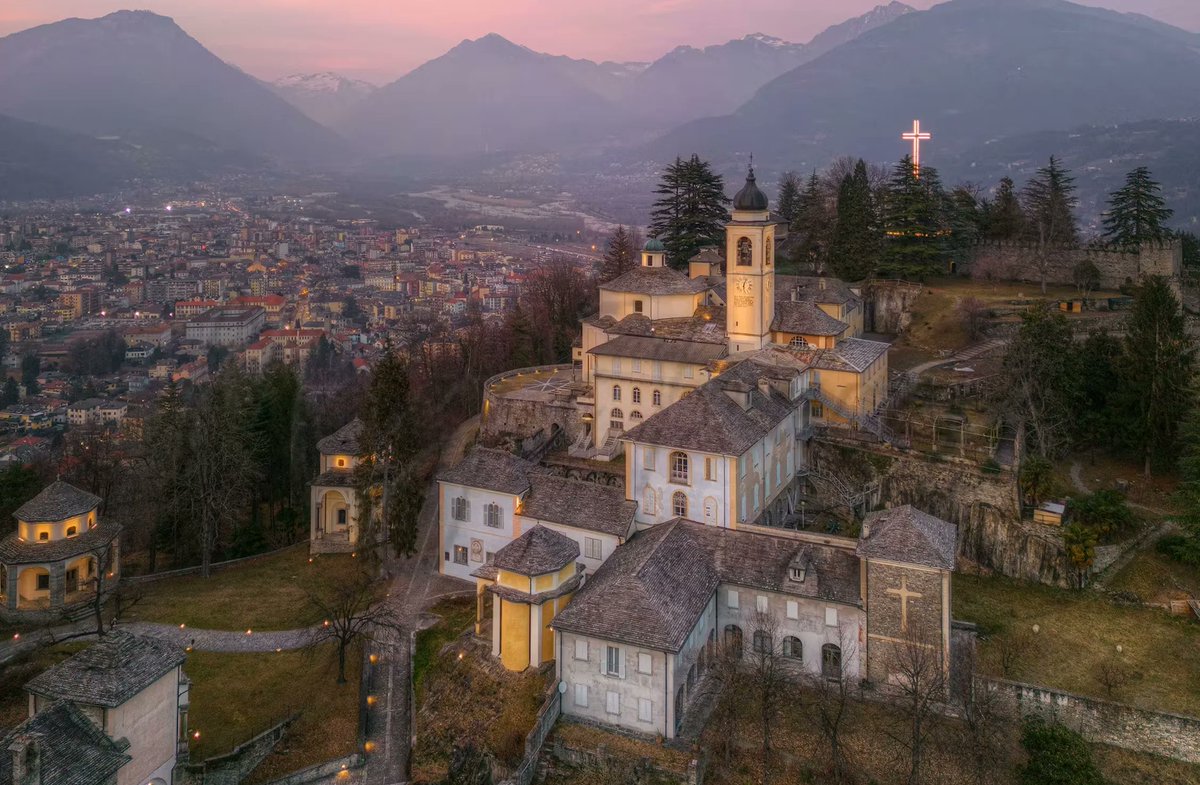

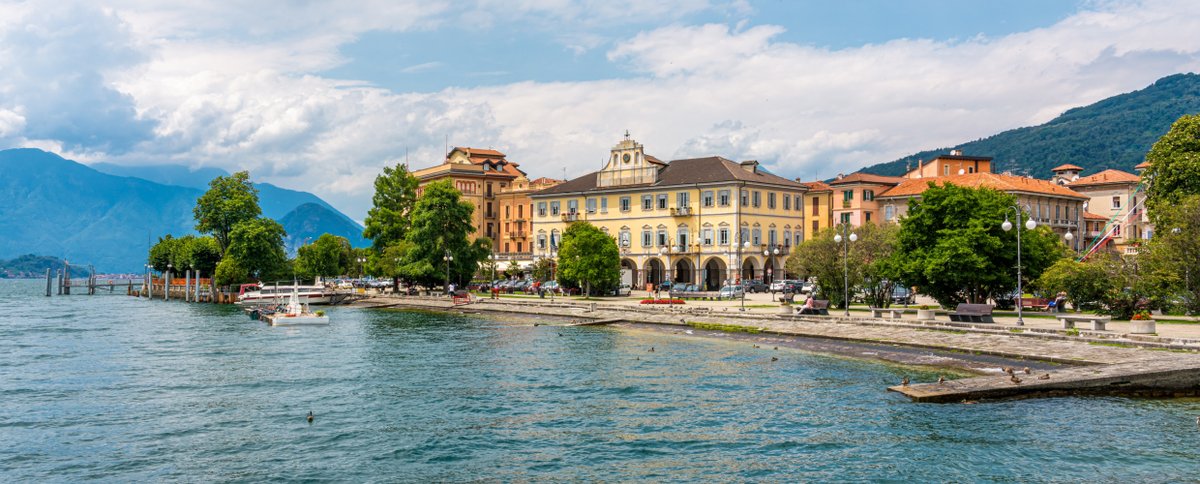
9/ VERBANIA, The Lake-Alpine Hybrid 🇮🇹
Population 30,000.
The largest town on Lake Maggiore, sitting at the lake's alpine head where the mountains rise directly behind the city. A real city with services, hospital, and schools, with one of Italy's most beautiful lakes in front and proper alpine valleys (Ossola, Cannobina) immediately behind.
Beyond town: the Borromean Islands directly off the lakefront (Isola Bella, Isola Madre, Isola dei Pescatori), Val Grande National Park (the largest wilderness area in Italy), Mottarone for the panorama over Lake Maggiore plus the entire alpine arc, Lake Orta 30 minutes west.
€2,500-3,800/sqm. Higher than the foothills, lower than Alto Adige.
Verbania's edge:
Milan Malpensa Airport 1h. Local hospital. Train to Milan via Stresa-Arona in 1h15. Boat connections across the lake to Switzerland.
Verbania's botanical gardens (Villa Taranto, Isola Madre) draw visitors from across Europe. Less Germanic than Riva del Garda. More Italian-feeling. Less famous than Stresa just to the south, which means less tourist drag and more year-round local life.
Verbania truth:
Lake-side weather: humid summers, gray-and-foggy winters, more Po Valley than alpine in climate terms. The town is sometimes accused of being "too quiet" by younger residents. For retirees, that's a feature.
Best for: retirees who want a lake-and-mountain hybrid: Borromean Islands lifestyle in front, alpine valleys behind, and a real city with services holding it all together.
Population 30,000.
The largest town on Lake Maggiore, sitting at the lake's alpine head where the mountains rise directly behind the city. A real city with services, hospital, and schools, with one of Italy's most beautiful lakes in front and proper alpine valleys (Ossola, Cannobina) immediately behind.
Beyond town: the Borromean Islands directly off the lakefront (Isola Bella, Isola Madre, Isola dei Pescatori), Val Grande National Park (the largest wilderness area in Italy), Mottarone for the panorama over Lake Maggiore plus the entire alpine arc, Lake Orta 30 minutes west.
€2,500-3,800/sqm. Higher than the foothills, lower than Alto Adige.
Verbania's edge:
Milan Malpensa Airport 1h. Local hospital. Train to Milan via Stresa-Arona in 1h15. Boat connections across the lake to Switzerland.
Verbania's botanical gardens (Villa Taranto, Isola Madre) draw visitors from across Europe. Less Germanic than Riva del Garda. More Italian-feeling. Less famous than Stresa just to the south, which means less tourist drag and more year-round local life.
Verbania truth:
Lake-side weather: humid summers, gray-and-foggy winters, more Po Valley than alpine in climate terms. The town is sometimes accused of being "too quiet" by younger residents. For retirees, that's a feature.
Best for: retirees who want a lake-and-mountain hybrid: Borromean Islands lifestyle in front, alpine valleys behind, and a real city with services holding it all together.

10/ SONDRIO, The Mountain Burgundy 🇮🇹
Population 21,500.
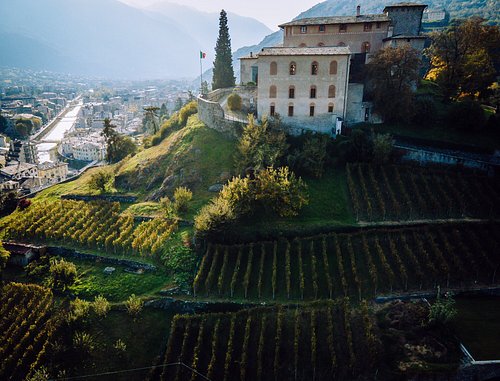
The capital of Valtellina, a long alpine valley running east-west between the Bernina range (Switzerland) and the Bergamasque Alps. Italy's most underrated wine region: Nebbiolo grown at altitude, sometimes called "the Burgundy of the mountains."
Beyond town: the Bernina massif and the Bernina Express (UNESCO heritage railway crossing into Switzerland), Val Masino and Val di Mello (the "Italian Yosemite"), Stelvio National Park to the east, Monte Disgrazia. The valley runs east toward Bormio with proper alpine scenery the whole way.
€1,800-2,800/sqm.
Sondrio's edge:
Bergamo Airport 2h (Ryanair hub for Northern Europe). Milan 2h. Local hospital. Train station with regional and Milan connections.
Valtellina cuisine is its own register: pizzoccheri (buckwheat pasta), bresaola (air-cured beef), bitto cheese, Sforzato wines made from semi-dried Nebbiolo. The valley has its own micro-economy and the strongest "actually live here" energy of the Western Alps.
Sondrio truth:
Connectivity is the weakest of the Western Alps picks. No nearby major airport: Bergamo is 2 hours, Milan 2 hours, Geneva or Munich much further. The valley is gray in winter (north-facing slopes hold cloud) and the train line into Milan is regional, not high-speed.
Best for: retirees who care about food and wine more than international airport access, and who want to live in a working Italian alpine valley with its own culture intact.
Population 21,500.
The capital of Valtellina, a long alpine valley running east-west between the Bernina range (Switzerland) and the Bergamasque Alps. Italy's most underrated wine region: Nebbiolo grown at altitude, sometimes called "the Burgundy of the mountains."
Beyond town: the Bernina massif and the Bernina Express (UNESCO heritage railway crossing into Switzerland), Val Masino and Val di Mello (the "Italian Yosemite"), Stelvio National Park to the east, Monte Disgrazia. The valley runs east toward Bormio with proper alpine scenery the whole way.
€1,800-2,800/sqm.
Sondrio's edge:
Bergamo Airport 2h (Ryanair hub for Northern Europe). Milan 2h. Local hospital. Train station with regional and Milan connections.
Valtellina cuisine is its own register: pizzoccheri (buckwheat pasta), bresaola (air-cured beef), bitto cheese, Sforzato wines made from semi-dried Nebbiolo. The valley has its own micro-economy and the strongest "actually live here" energy of the Western Alps.
Sondrio truth:
Connectivity is the weakest of the Western Alps picks. No nearby major airport: Bergamo is 2 hours, Milan 2 hours, Geneva or Munich much further. The valley is gray in winter (north-facing slopes hold cloud) and the train line into Milan is regional, not high-speed.
Best for: retirees who care about food and wine more than international airport access, and who want to live in a working Italian alpine valley with its own culture intact.


11/ BORMIO, The Properly-Alpine Pick 🇮🇹
Population 4,000.
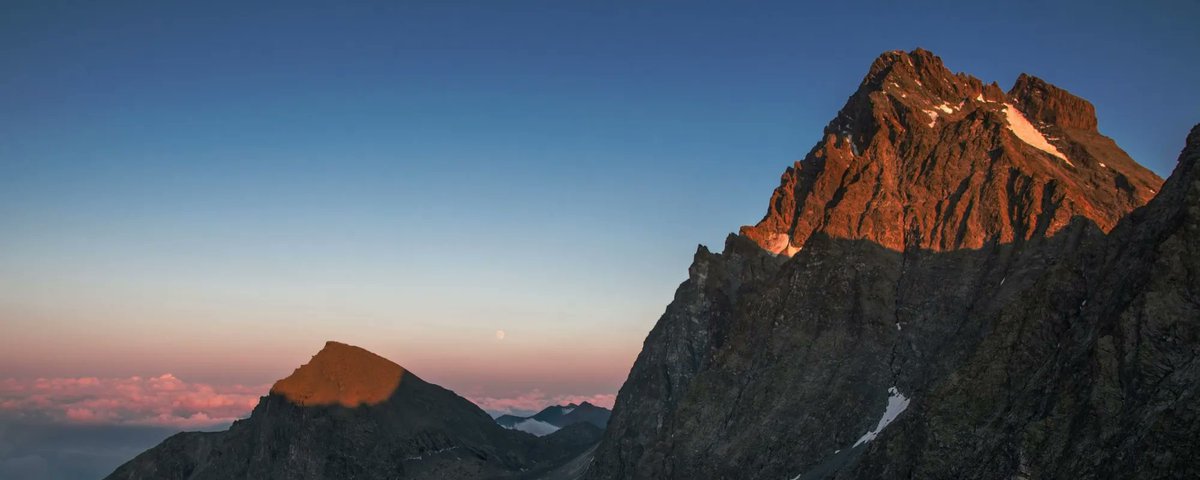
A medieval town at 1,200 meters elevation, wrapped around three Roman thermal springs, with Stelvio Pass (one of Europe's great alpine drives) starting from the town.
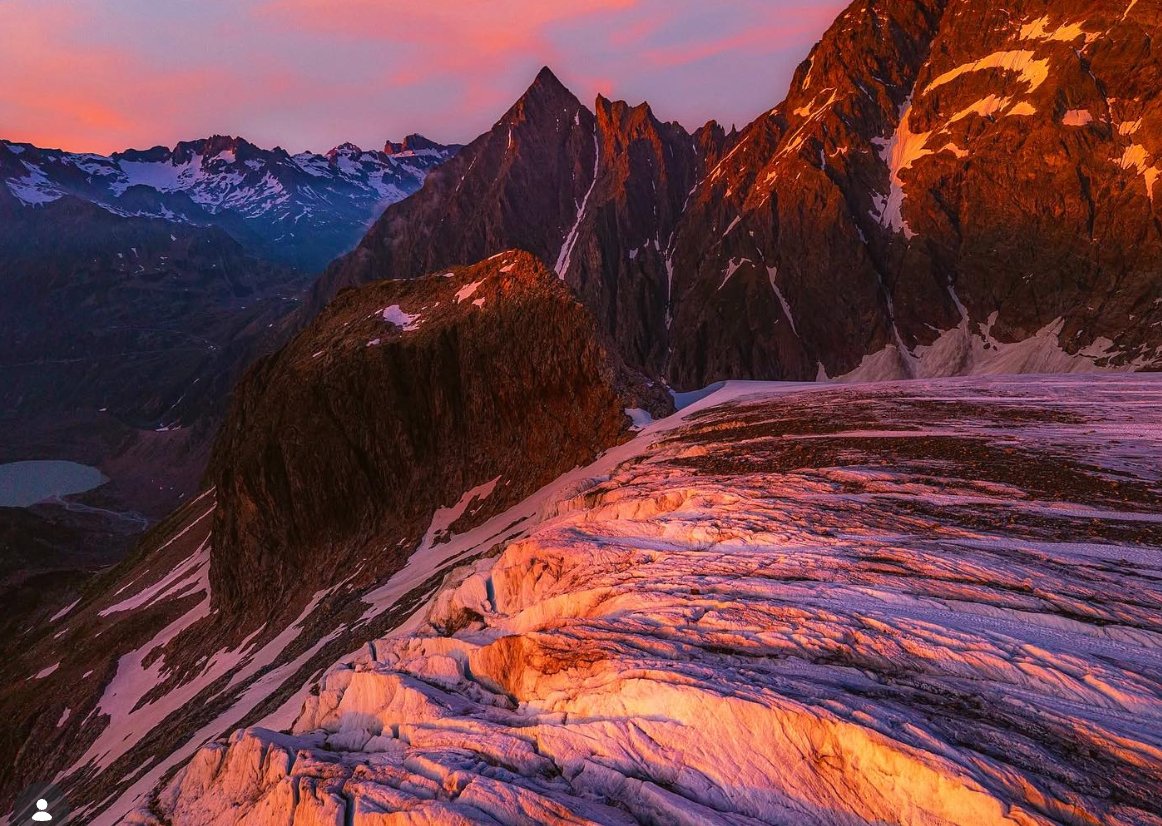
Beyond town: Stelvio National Park surrounding everything, the Cancano lakes (one of the most photogenic alpine reservoirs in Italy), Livigno for the duty-free run 1h away, Santa Caterina Valfurva for skiing and hiking, the Cevedale glacier. You're in the deepest alpine country Italy has.
€3,500-5,000/sqm. Higher than valley Valtellina, lower than Alto Adige.
Bormio's edge:
Bormio is small but punches above its weight on services because of two industries that run year-round: thermal tourism (Bagni Vecchi, Bagni Nuovi, Terme di Bormio) and alpine sports (skiing in winter, hiking and cycling in summer). The town has restaurants, shops, and a working economy in February as well as August.
Bergamo Airport 3h. Milan 3h30. Local hospital, with Sondrio's bigger one 1h away. Train to Tirano (45 min) plus bus.
Bormio truth:
The access is the trade-off. Buses and a longer drive to airports and cities. Real altitude means real winter. Heating costs run higher than valley towns.
Best for: the alpine immersion pick. Thermal springs as part of daily life, Stelvio Pass starts from your doorstep, and February still has a pulse.
Population 4,000.
A medieval town at 1,200 meters elevation, wrapped around three Roman thermal springs, with Stelvio Pass (one of Europe's great alpine drives) starting from the town.
Beyond town: Stelvio National Park surrounding everything, the Cancano lakes (one of the most photogenic alpine reservoirs in Italy), Livigno for the duty-free run 1h away, Santa Caterina Valfurva for skiing and hiking, the Cevedale glacier. You're in the deepest alpine country Italy has.
€3,500-5,000/sqm. Higher than valley Valtellina, lower than Alto Adige.
Bormio's edge:
Bormio is small but punches above its weight on services because of two industries that run year-round: thermal tourism (Bagni Vecchi, Bagni Nuovi, Terme di Bormio) and alpine sports (skiing in winter, hiking and cycling in summer). The town has restaurants, shops, and a working economy in February as well as August.
Bergamo Airport 3h. Milan 3h30. Local hospital, with Sondrio's bigger one 1h away. Train to Tirano (45 min) plus bus.
Bormio truth:
The access is the trade-off. Buses and a longer drive to airports and cities. Real altitude means real winter. Heating costs run higher than valley towns.
Best for: the alpine immersion pick. Thermal springs as part of daily life, Stelvio Pass starts from your doorstep, and February still has a pulse.


The comparative picture by region:
DOLOMITES
Most livable overall: Bolzano (tops every Italian QoL ranking)
Most polished retirement: Merano (150 years of practice, English-speaking infrastructure)
Best Tyrolean for less: Bressanone (cathedral, services, real town)
Best for active retirees: Brunico (hiking, skiing, lakes from town)
Best Italian-register city + mountains: Trento (warmer, more affordable than Bolzano)
Best Dolomites at a discount: Belluno (real city, lower price)
WESTERN ALPS
Best alpine + Roman heritage: Aosta (bilingual, autonomous, affordable)
Best train-hub alpine: Domodossola (direct to Switzerland, low prices)
Best lake-alpine hybrid: Verbania (Lake Maggiore + immediate alpine)
Best for food and wine: Sondrio / Valtellina (the mountain Burgundy)
Best alpine altitude + thermal: Bormio (real alpine immersion, year-round)
If you want best-in-Italy services at any price: Bolzano. Without German: Trento.
If you want maximum alpine immersion at value: Domodossola or Bormio.
If I had to pick one for a parent: Trento. City + mountains + healthcare + train, in a warmer Italian register. Or Bolzano if pure services trump everything else.
DOLOMITES
Most livable overall: Bolzano (tops every Italian QoL ranking)
Most polished retirement: Merano (150 years of practice, English-speaking infrastructure)
Best Tyrolean for less: Bressanone (cathedral, services, real town)
Best for active retirees: Brunico (hiking, skiing, lakes from town)
Best Italian-register city + mountains: Trento (warmer, more affordable than Bolzano)
Best Dolomites at a discount: Belluno (real city, lower price)
WESTERN ALPS
Best alpine + Roman heritage: Aosta (bilingual, autonomous, affordable)
Best train-hub alpine: Domodossola (direct to Switzerland, low prices)
Best lake-alpine hybrid: Verbania (Lake Maggiore + immediate alpine)
Best for food and wine: Sondrio / Valtellina (the mountain Burgundy)
Best alpine altitude + thermal: Bormio (real alpine immersion, year-round)
If you want best-in-Italy services at any price: Bolzano. Without German: Trento.
If you want maximum alpine immersion at value: Domodossola or Bormio.
If I had to pick one for a parent: Trento. City + mountains + healthcare + train, in a warmer Italian register. Or Bolzano if pure services trump everything else.

The single strongest argument for Italian mountain retirement is healthcare quality.
Trentino-Alto Adige has consistently ranked #1 in Italian regional healthcare for years. Aosta Valley, Lombardy, Veneto, and Piedmont round out the top six.
For a retiree at 65+, this matters more than tax savings or property prices. Specialist appointments in 1-2 weeks (vs. 6-8 weeks in small Southern towns). Hospital quality at Northern European standards. Private supplementary insurance is optional, not necessary.
The retirees I know who chose Bolzano or Trento say the same thing within ten minutes of any conversation: in London they waited three months for a specialist. Here it's ten days. New York charges $400 cash for a checkup. Here it's free under the SSN. After 20 years of retirement, the math gets serious.
This is the part hardest to model in a spreadsheet. It's also the part that matters most.
(Note on Bormio: at 4,000 residents, the local hospital is small. For 70+ retirees, factor in the 1-hour drive to Sondrio's bigger one.)
Trentino-Alto Adige has consistently ranked #1 in Italian regional healthcare for years. Aosta Valley, Lombardy, Veneto, and Piedmont round out the top six.
For a retiree at 65+, this matters more than tax savings or property prices. Specialist appointments in 1-2 weeks (vs. 6-8 weeks in small Southern towns). Hospital quality at Northern European standards. Private supplementary insurance is optional, not necessary.
The retirees I know who chose Bolzano or Trento say the same thing within ten minutes of any conversation: in London they waited three months for a specialist. Here it's ten days. New York charges $400 cash for a checkup. Here it's free under the SSN. After 20 years of retirement, the math gets serious.
This is the part hardest to model in a spreadsheet. It's also the part that matters most.
(Note on Bormio: at 4,000 residents, the local hospital is small. For 70+ retirees, factor in the 1-hour drive to Sondrio's bigger one.)
The financial picture:
Quick numbers for context.
Mountain retirement in Trento, normal Italian rates:
€60K foreign pension → ~€18,000 tax (roughly 30% effective)
Cost of living: €1,800/month for a couple
Heating: ~€3,000/year additional
Healthcare: SSN free, no supplementary needed in Trentino
Total annual: ~€42,600 ($46,000)
Versus Pizzo Calabro under the 7% regime: ~€19,000 ($20,500) annual.
The mountain costs ~€23,600/year more. Over 10 years, ~€236K. Real money.
You're paying for a tier of healthcare, services, and infrastructure that the 7% regime can't match. Both are valid trades. Different people will choose differently.
Quick numbers for context.
Mountain retirement in Trento, normal Italian rates:
€60K foreign pension → ~€18,000 tax (roughly 30% effective)
Cost of living: €1,800/month for a couple
Heating: ~€3,000/year additional
Healthcare: SSN free, no supplementary needed in Trentino
Total annual: ~€42,600 ($46,000)
Versus Pizzo Calabro under the 7% regime: ~€19,000 ($20,500) annual.
The mountain costs ~€23,600/year more. Over 10 years, ~€236K. Real money.
You're paying for a tier of healthcare, services, and infrastructure that the 7% regime can't match. Both are valid trades. Different people will choose differently.
Italy mountains vs Switzerland and Austria:
The other obvious option is retiring in the Swiss or Austrian Alps. Quick comparison.
🇮🇹 ITALY (Alps + Dolomites)
Property €1,300-7,000/sqm
Cost of living €1,400-2,200/month
Public healthcare top-tier (Alto Adige) to good (Piedmont)
Tax 25-30% effective on pension, or €300K non-dom regime
Visa easy as EU; ERV (Elective Residence Visa) for non-EU
🇨🇭 SWITZERLAND
Property €8,000-15,000/sqm in retirement-quality towns
Cost of living €3,500-5,000/month
Healthcare excellent but private (€500-800/month premiums per person)
Tax high in cities; lump-sum (forfait) deal possible for foreigners with sufficient income
Visa difficult for non-EU, slow even for EU
🇦🇹 AUSTRIA
Property €4,000-7,000/sqm in Tyrol
Cost of living €2,000-3,000/month
Healthcare excellent
Tax high (top rate up to 55%)
Visa easy as EU; harder as non-EU
Italy mountains gives you 70-80% of Swiss quality at 30-40% of Swiss cost. The healthcare gap with Switzerland is small, arguably nonexistent in Alto Adige. The tax is friendlier than Austria's.
The under-the-radar play, especially since few Anglophone retirees consider it.
The other obvious option is retiring in the Swiss or Austrian Alps. Quick comparison.
🇮🇹 ITALY (Alps + Dolomites)
Property €1,300-7,000/sqm
Cost of living €1,400-2,200/month
Public healthcare top-tier (Alto Adige) to good (Piedmont)
Tax 25-30% effective on pension, or €300K non-dom regime
Visa easy as EU; ERV (Elective Residence Visa) for non-EU
🇨🇭 SWITZERLAND
Property €8,000-15,000/sqm in retirement-quality towns
Cost of living €3,500-5,000/month
Healthcare excellent but private (€500-800/month premiums per person)
Tax high in cities; lump-sum (forfait) deal possible for foreigners with sufficient income
Visa difficult for non-EU, slow even for EU
🇦🇹 AUSTRIA
Property €4,000-7,000/sqm in Tyrol
Cost of living €2,000-3,000/month
Healthcare excellent
Tax high (top rate up to 55%)
Visa easy as EU; harder as non-EU
Italy mountains gives you 70-80% of Swiss quality at 30-40% of Swiss cost. The healthcare gap with Switzerland is small, arguably nonexistent in Alto Adige. The tax is friendlier than Austria's.
The under-the-radar play, especially since few Anglophone retirees consider it.
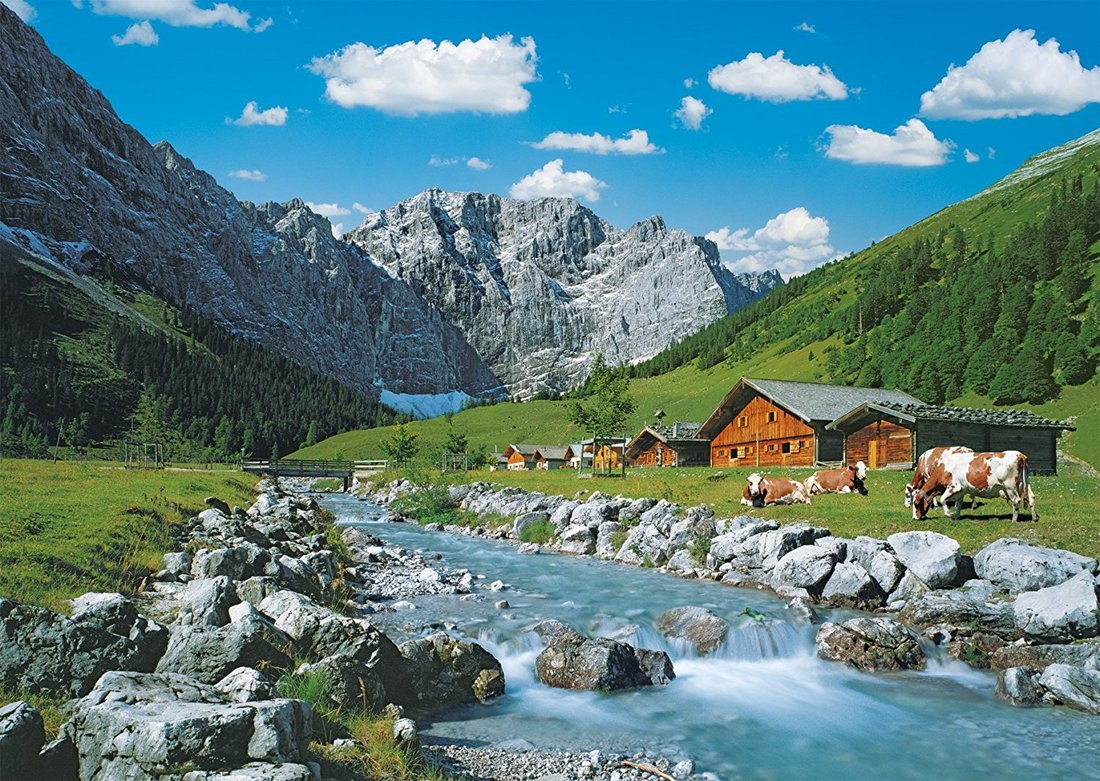

The honest reality:
Italian mountain retirement isn't for everyone. It costs more than the coast. Tax is 25-30% effective on pension, with no 7% safety net. Winter is real winter. Snow, short days, heating bills 2-3x higher than the coast.
What you get: working towns where Italians actually retire, food and wine cultures intact, healthcare at Northern European standards, and trains that put Munich, Zurich, Vienna, and Milan in 2-4 hours.
Pick the town first. The lifestyle follows.
If you're seriously considering a move, three rules:
1. Visit in February. If the bakery is open, the streets are cleared, and the town doesn't feel half-empty, it's a real year-round place.
2. Hire a commercialista before you arrive. €100-150/month. Especially non-negotiable if you're modeling the €300K non-dom regime.
3. Pick your language battle. Italian gets you everywhere. German is essential in Alto Adige if you want full integration. French is helpful in Aosta but Italian is enough. Trento, Belluno, Domodossola, Verbania, Sondrio, and Bormio are Italian-only.
That's the case.
Swiss-tier alpine, Italian prices. Real working towns. Healthcare that competes with the best in Europe. One of the most underpriced retirement lifestyles left on the continent.
Italian mountain retirement isn't for everyone. It costs more than the coast. Tax is 25-30% effective on pension, with no 7% safety net. Winter is real winter. Snow, short days, heating bills 2-3x higher than the coast.
What you get: working towns where Italians actually retire, food and wine cultures intact, healthcare at Northern European standards, and trains that put Munich, Zurich, Vienna, and Milan in 2-4 hours.
Pick the town first. The lifestyle follows.
If you're seriously considering a move, three rules:
1. Visit in February. If the bakery is open, the streets are cleared, and the town doesn't feel half-empty, it's a real year-round place.
2. Hire a commercialista before you arrive. €100-150/month. Especially non-negotiable if you're modeling the €300K non-dom regime.
3. Pick your language battle. Italian gets you everywhere. German is essential in Alto Adige if you want full integration. French is helpful in Aosta but Italian is enough. Trento, Belluno, Domodossola, Verbania, Sondrio, and Bormio are Italian-only.
That's the case.
Swiss-tier alpine, Italian prices. Real working towns. Healthcare that competes with the best in Europe. One of the most underpriced retirement lifestyles left on the continent.

I write about this every week on Substack. Deep dives on where to live, relocate, and build a life in Europe and beyond.
I'm building the best intelligence resource on these topics on the internet.
Subscribe and you'll also receive The Ultimate Guide to Citizenship & Residency Programs in 2026:
→ palombo.substack.com
I'm building the best intelligence resource on these topics on the internet.
Subscribe and you'll also receive The Ultimate Guide to Citizenship & Residency Programs in 2026:
→ palombo.substack.com

Thank you for reading!
For more posts and insights like this, follow @thealepalombo
And repost this to share with your audience:
For more posts and insights like this, follow @thealepalombo
And repost this to share with your audience:
https://twitter.com/953352286255886338/status/2050557864960540891
• • •
Missing some Tweet in this thread? You can try to
force a refresh