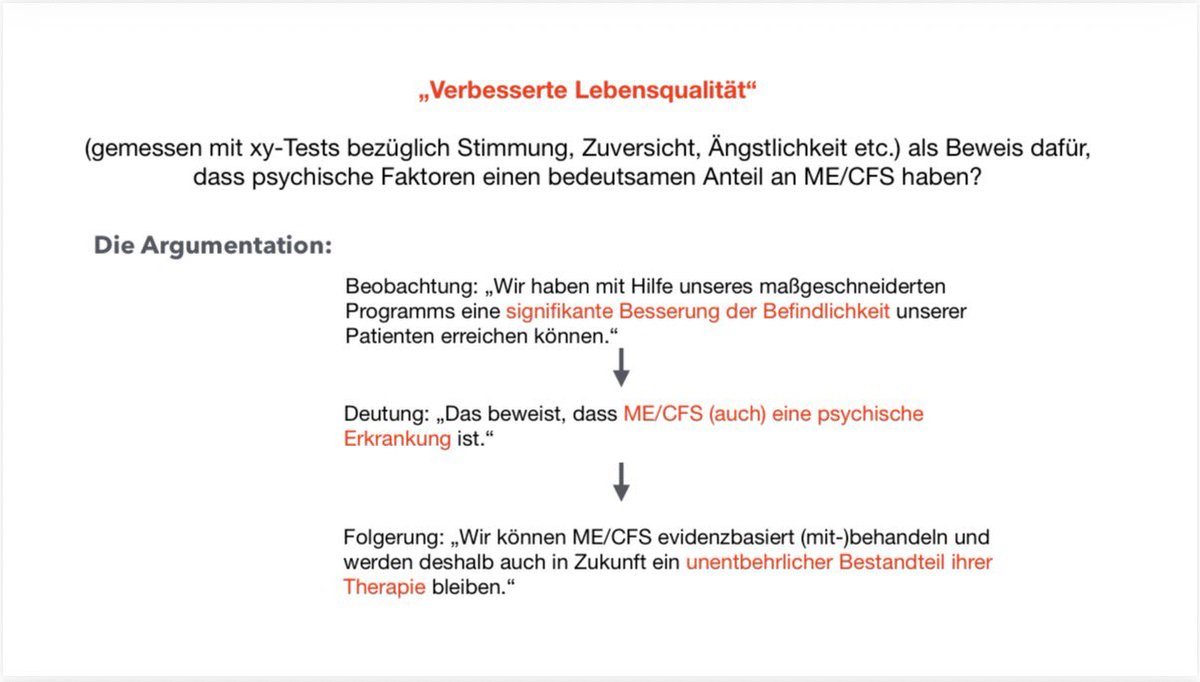
Die
International ME/CFS Conference
ist eröffnet!
„speakers and chairs - 10 countries
54 scientific posters - 9 countries
273 participants on site- 17 countr.
6,000+ participants online -
55 countries“
#MECFS #PEM #Berlin
events.mecfs-research.org/en/events/conf…
International ME/CFS Conference
ist eröffnet!
„speakers and chairs - 10 countries
54 scientific posters - 9 countries
273 participants on site- 17 countr.
6,000+ participants online -
55 countries“
#MECFS #PEM #Berlin
events.mecfs-research.org/en/events/conf…


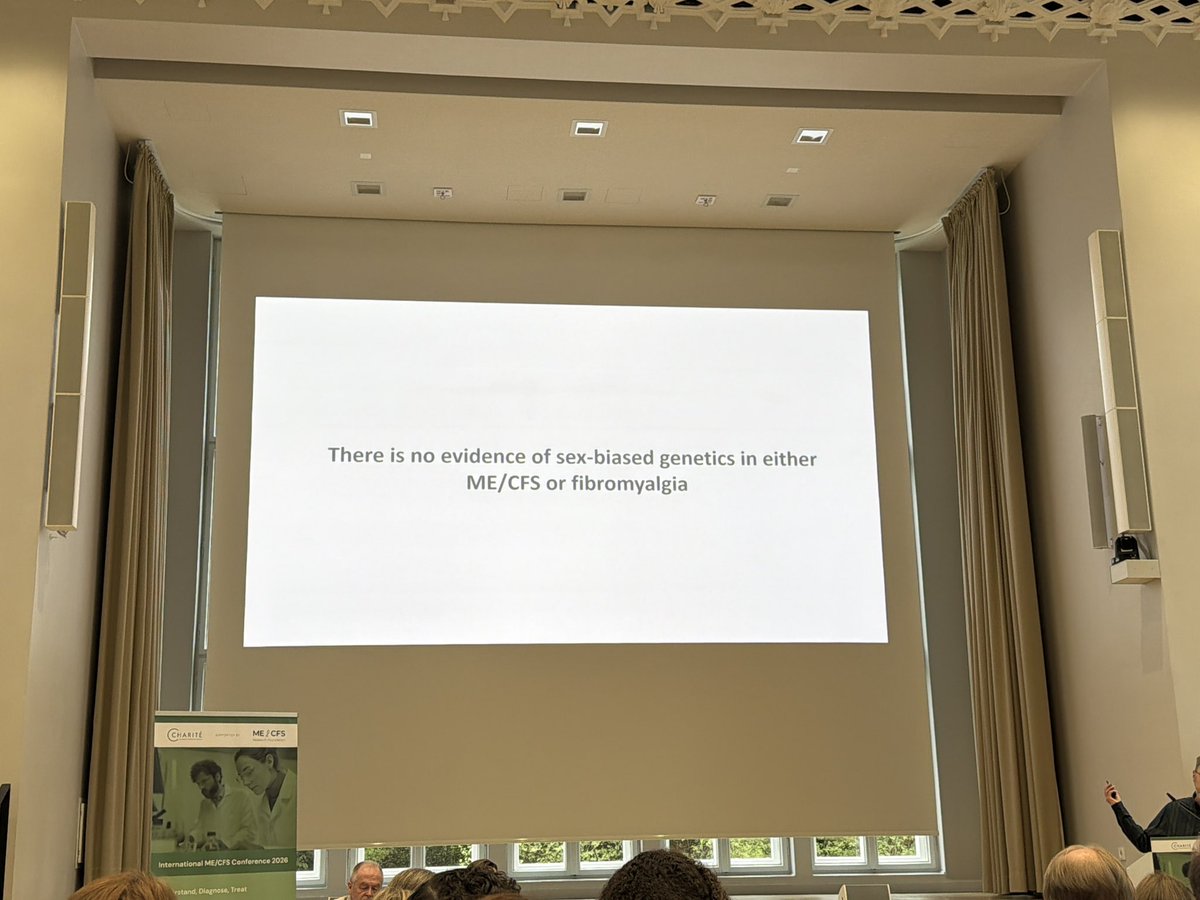
Chris Ponting, University of Edinburgh, presented new evidence that ME/CFS is a biologically measurable, polygenic disease with genetic signals enriched in neural tissues.
Further replication, HLA analyses and whole-genome sequencing studies are ongoing.
#MECFS #DecodeME
Further replication, HLA analyses and whole-genome sequencing studies are ongoing.
#MECFS #DecodeME



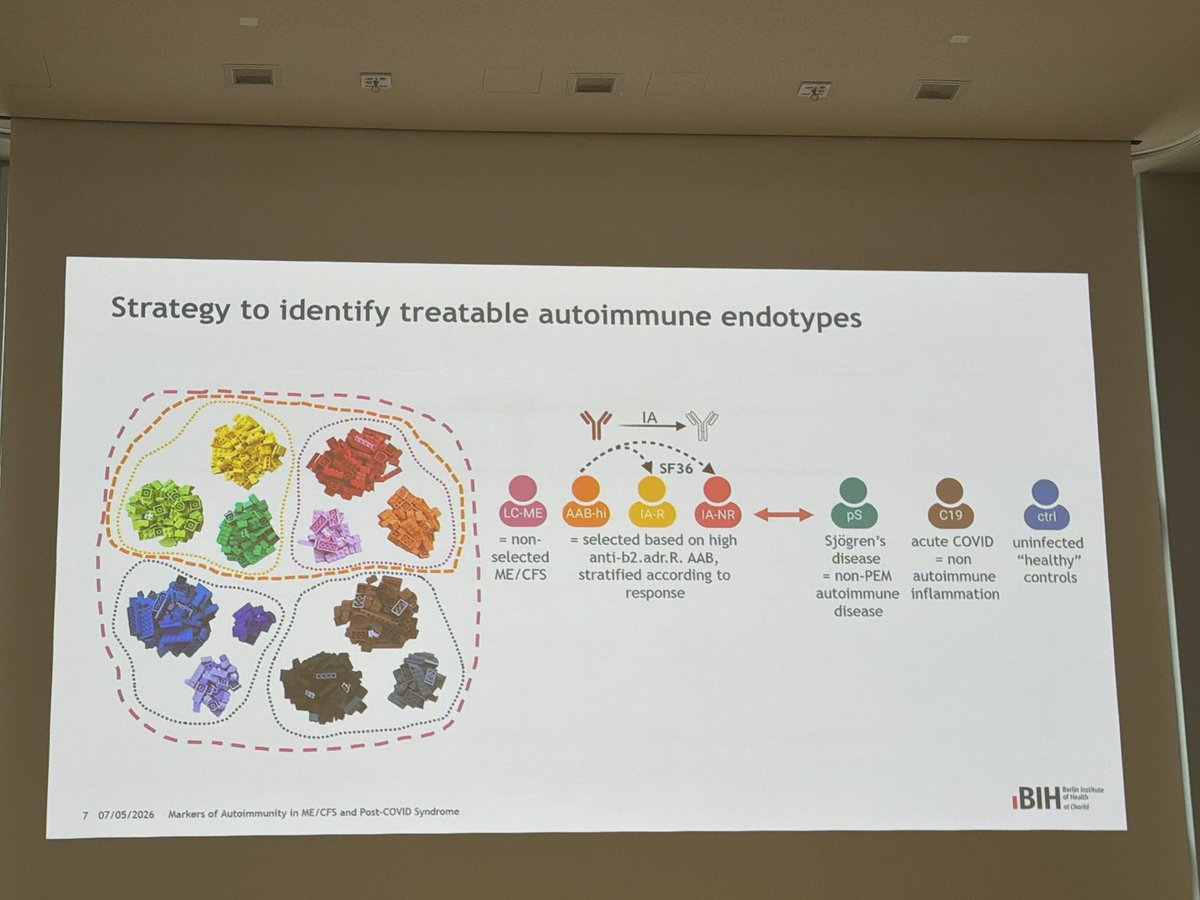
Birgit Sawitzki /Charite Berlin showed evidence for distinct inflammatory/autoimmune endotypes in ME/CFS and PCS: some subgroups overlap with autoimmune diseases such as Sjögren’s, others do not.
Implication: stratified, biomarker-guided treatment approaches. #MECFS
Implication: stratified, biomarker-guided treatment approaches. #MECFS


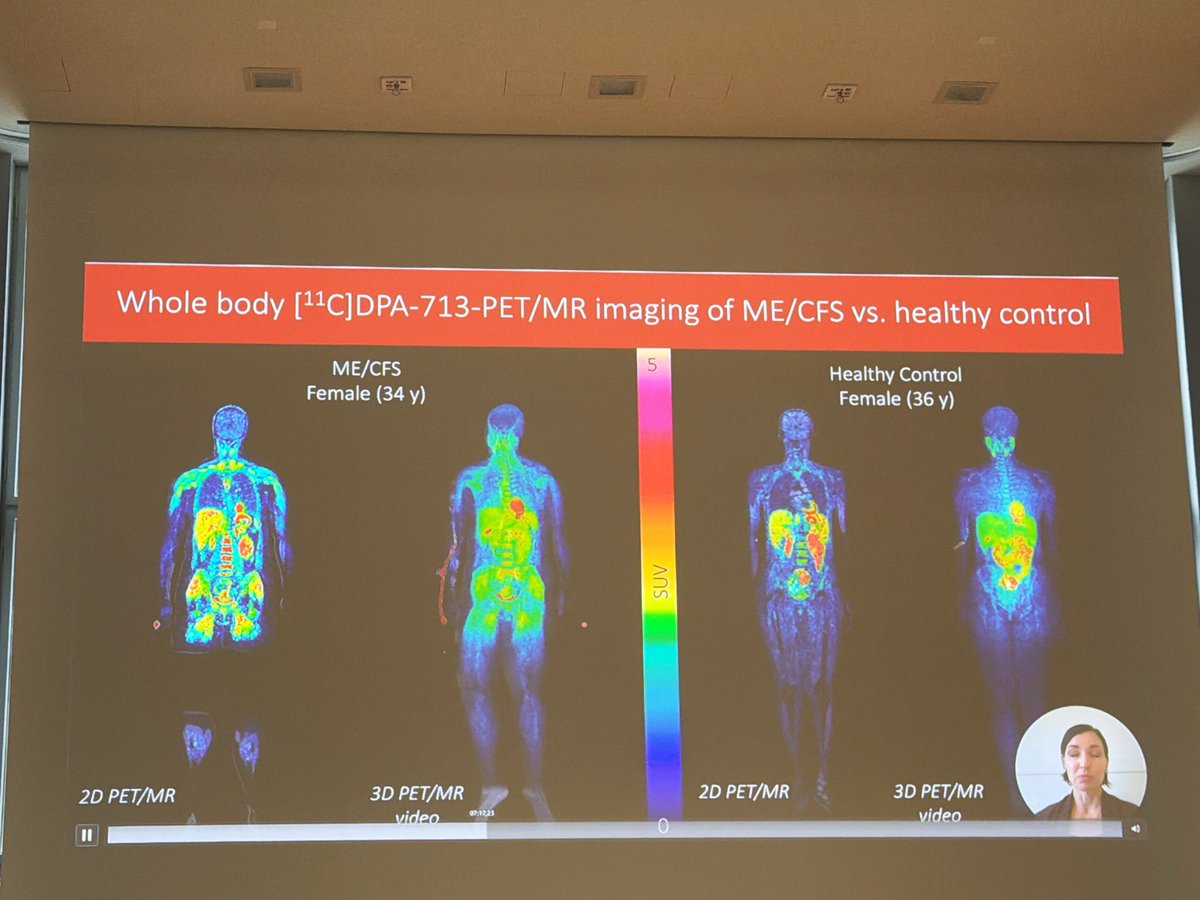
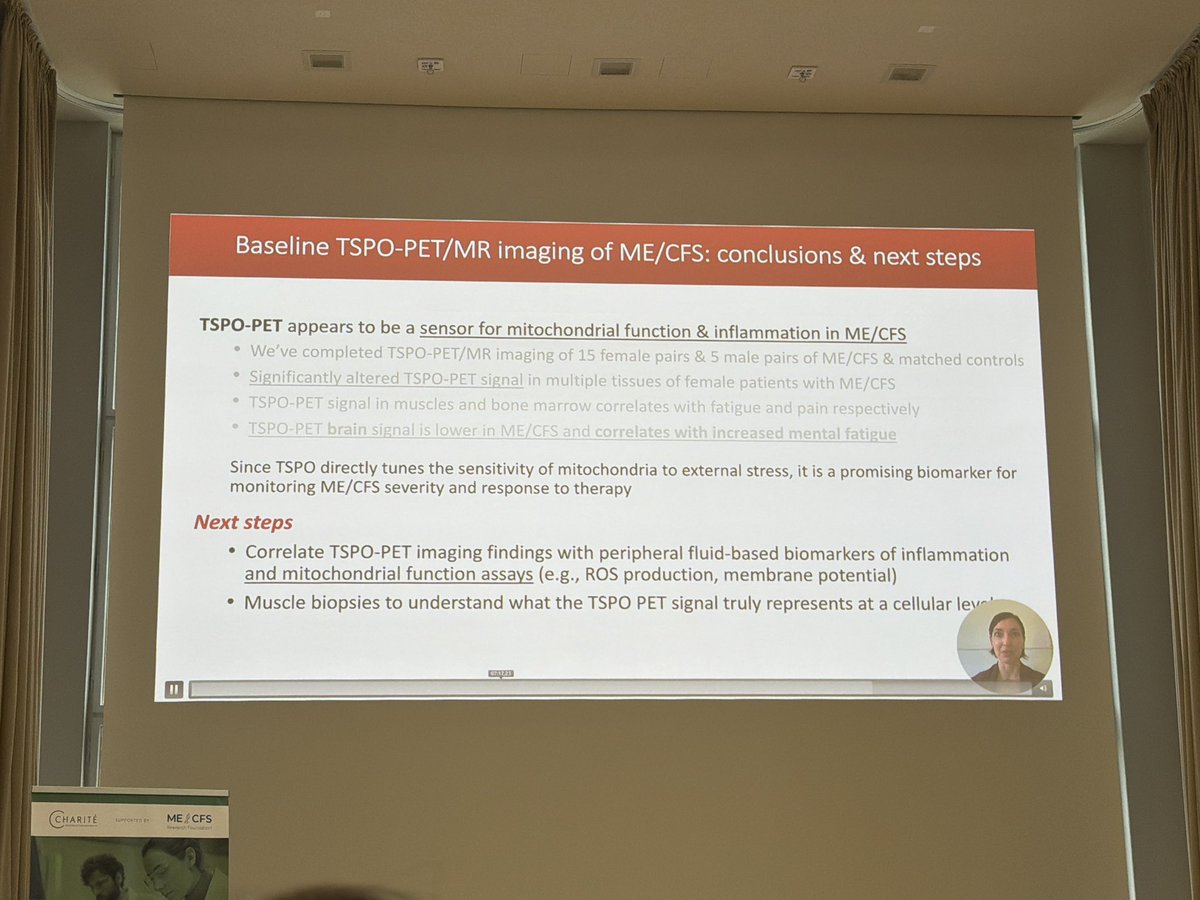
Michelle James (Stanford University) presented new TSPO-PET/MR imaging data suggesting measurable biological alterations in ME/CFS. Signals linked to mitochondrial function and inflammation differed between #MECFS patients & healthy controls, including in the brain.
#Mitochondria
#Mitochondria


Dr Qiang Yu,Australia,
presented advanced MRI data suggesting white matter neuroinflammation in #MECFS, with widespread abnormalities potentially reflecting cellular swelling,microglial changes& axonal reorganisation-possible imaging markers for validation and future diagnostics.
presented advanced MRI data suggesting white matter neuroinflammation in #MECFS, with widespread abnormalities potentially reflecting cellular swelling,microglial changes& axonal reorganisation-possible imaging markers for validation and future diagnostics.


Prof Carsten Finke presented multimodal MRI findings in #MECFS and Long COVID: altered brain connectivity, reduced grey matter volume and white matter abnormalities linked to cognitive impairment and fatigue. Thalamo-cortical dysfunction emerged as a key mechanism. #Neuroimaging


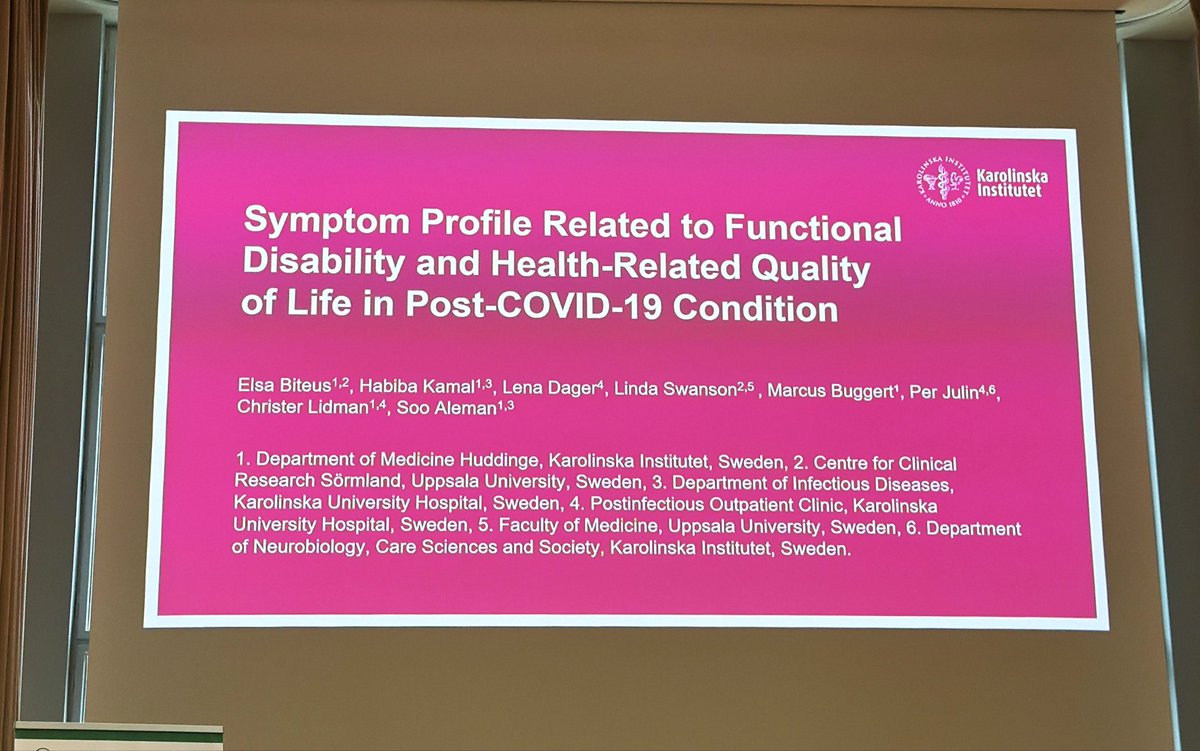
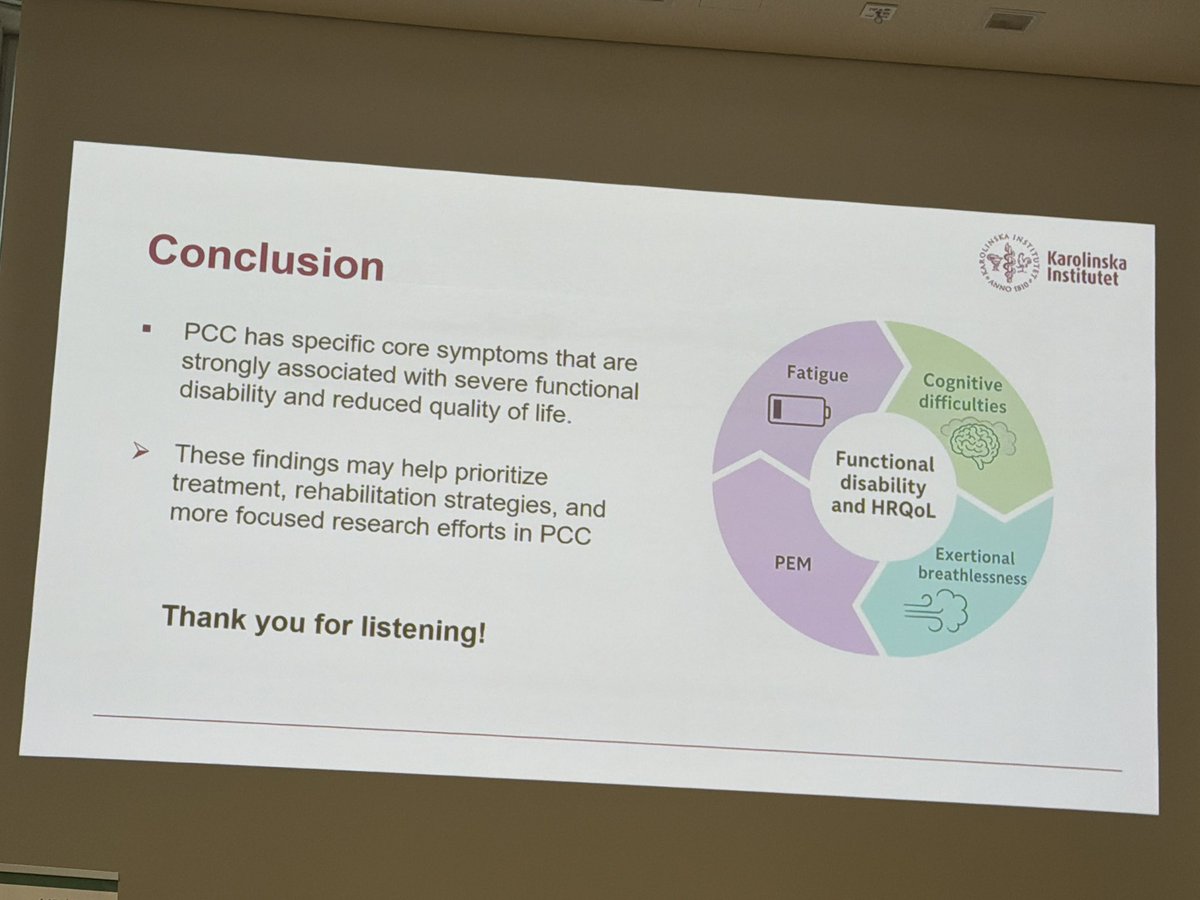
Dr Elsa Biteus presented PCC (!) data showing that fatigue, cognitive difficulties, PEM (?) and exertional breathlessness are core symptoms strongly linked to severe functional disability and reduced quality of life. 97% reported PEM(!). #LongCovid #PostCovid


Elisabeth Schieffer presented MIRACLE study data showing reduced mtDNA copy numbers (-26%) and partially reduced inflammatory potential of HDL in ME/CFS patients.
Findings may point to altered immune responses and impaired cellular energy metabolism in #MECFS.
Findings may point to altered immune responses and impaired cellular energy metabolism in #MECFS.


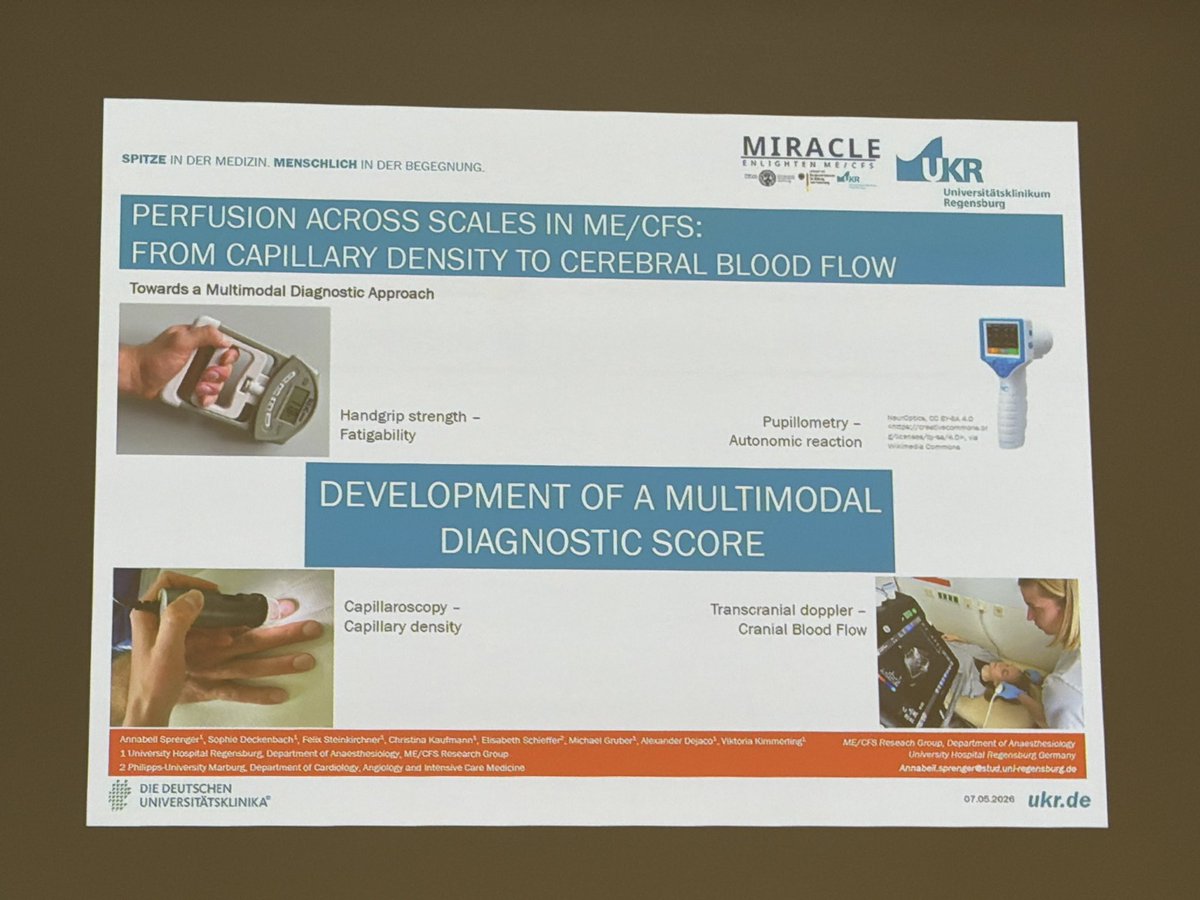
Annabell Sprenger (University Hospital Regensburg) presented multimodal perfusion research in #MECFS:
reduced capillary density, altered cerebral blood flow after standing, autonomic abnormalities and fatigability measures may contribute to a future multimodal diagnostic score.
reduced capillary density, altered cerebral blood flow after standing, autonomic abnormalities and fatigability measures may contribute to a future multimodal diagnostic score.


Isabelle Lethen (TUM Hospital) presented data linking NK-cell exhaustion and activation to symptom burden in Post-COVID syndrome. Exhausted NK cells correlated with fatigue, cognitive/autonomic symptoms and overall severity, pointing to persistent immune dysregulation in PCS.


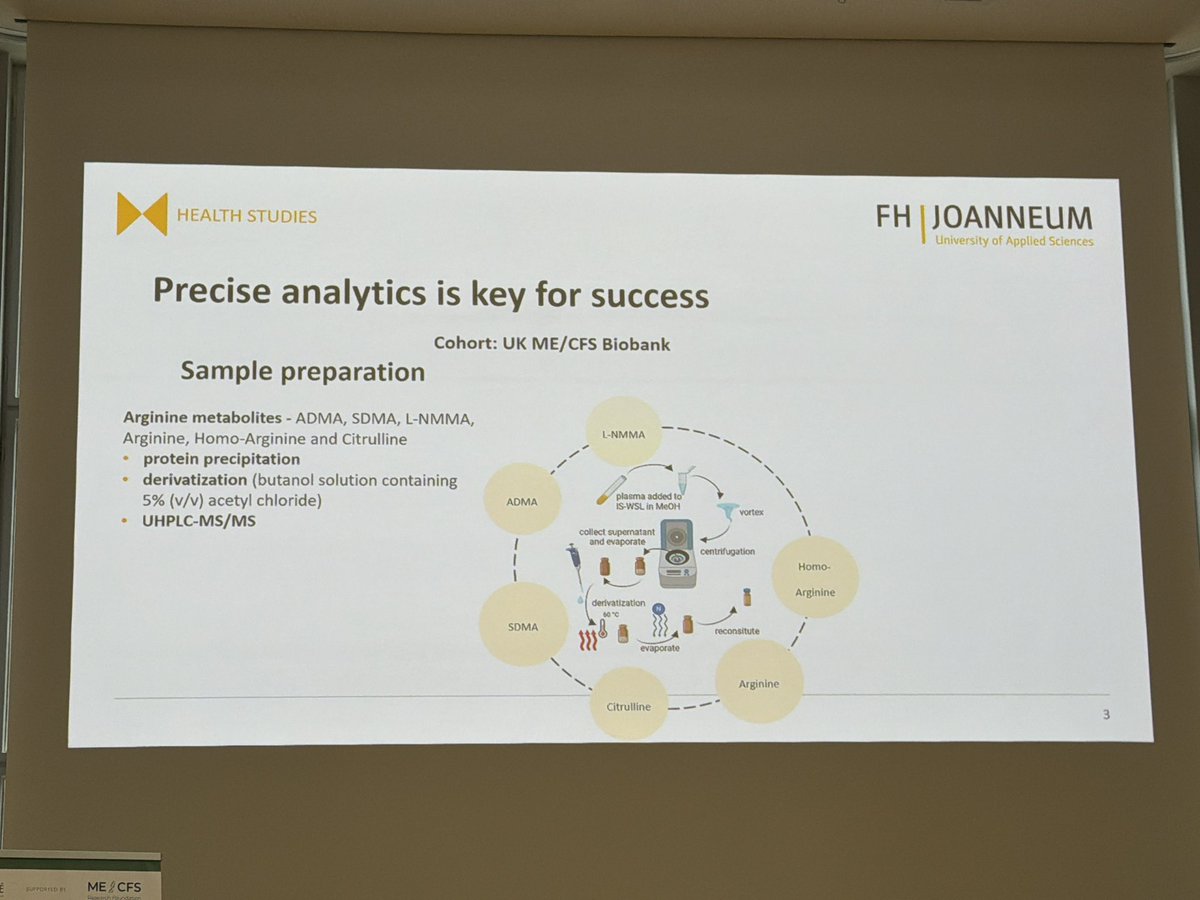
Cornelia Pipper-Krampl
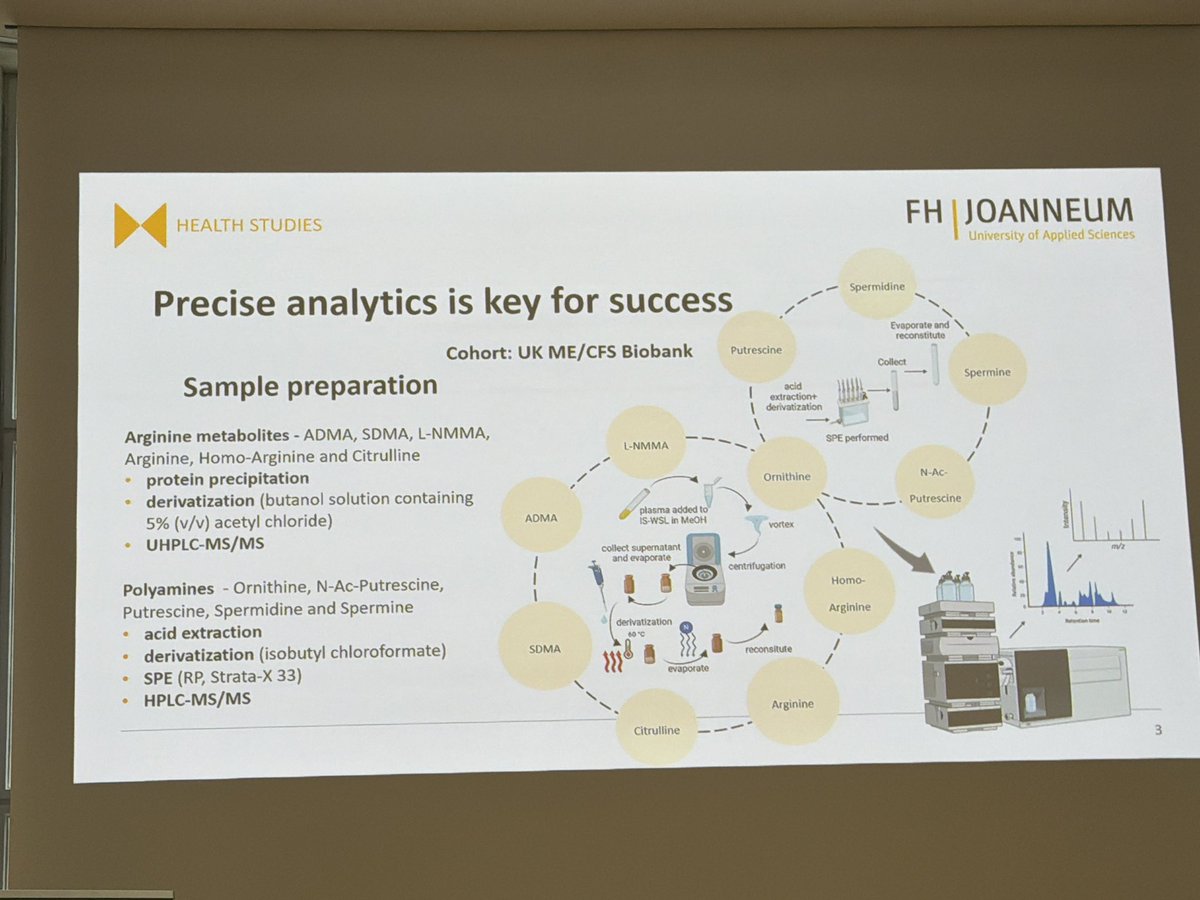
(FH JOANNEUM, Austria) presented data on sex-specific arginine and polyamine metabolism in ME/CFS. Male patients showed significant alterations linked to vascular regulation and immunometabolism, suggesting dysregulation of NO/polyamine pathways in ME/CFS.
(FH JOANNEUM, Austria) presented data on sex-specific arginine and polyamine metabolism in ME/CFS. Male patients showed significant alterations linked to vascular regulation and immunometabolism, suggesting dysregulation of NO/polyamine pathways in ME/CFS.

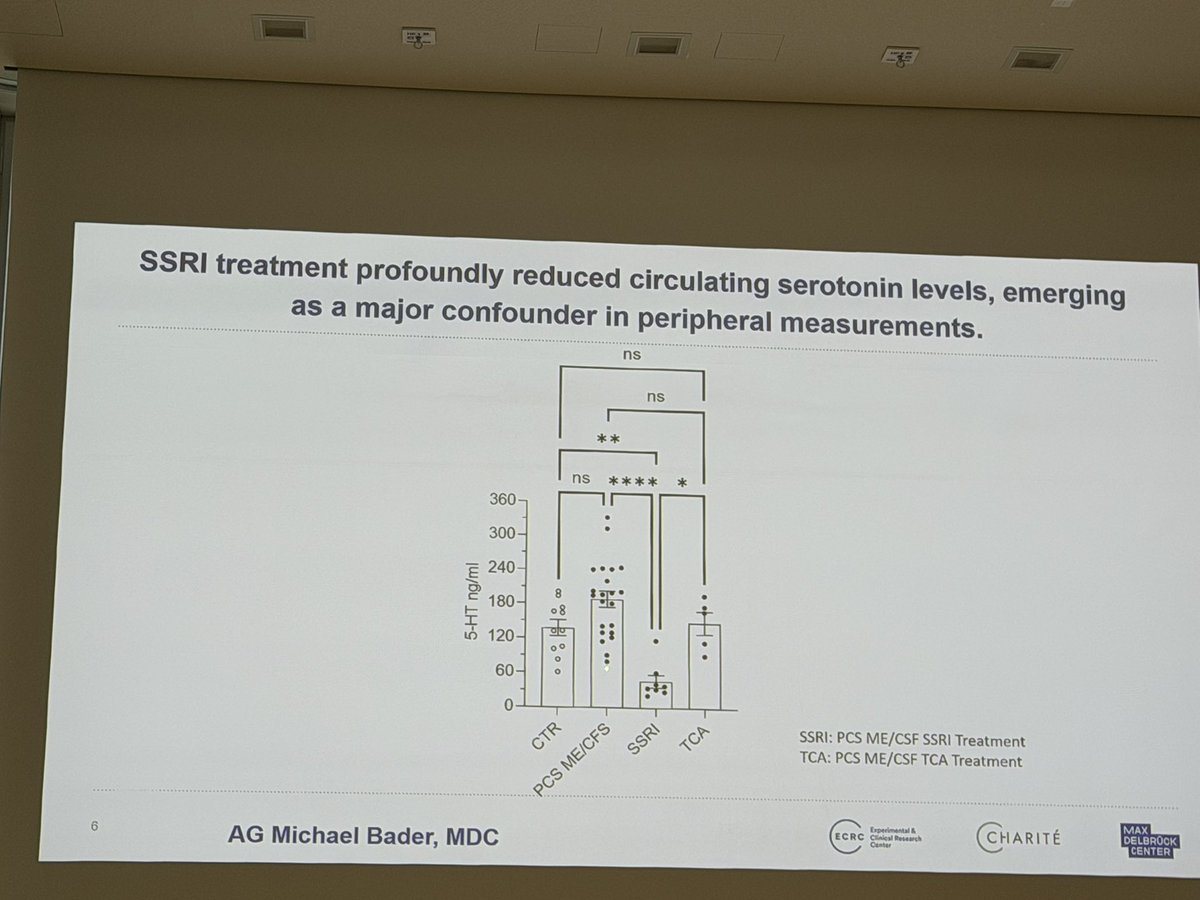
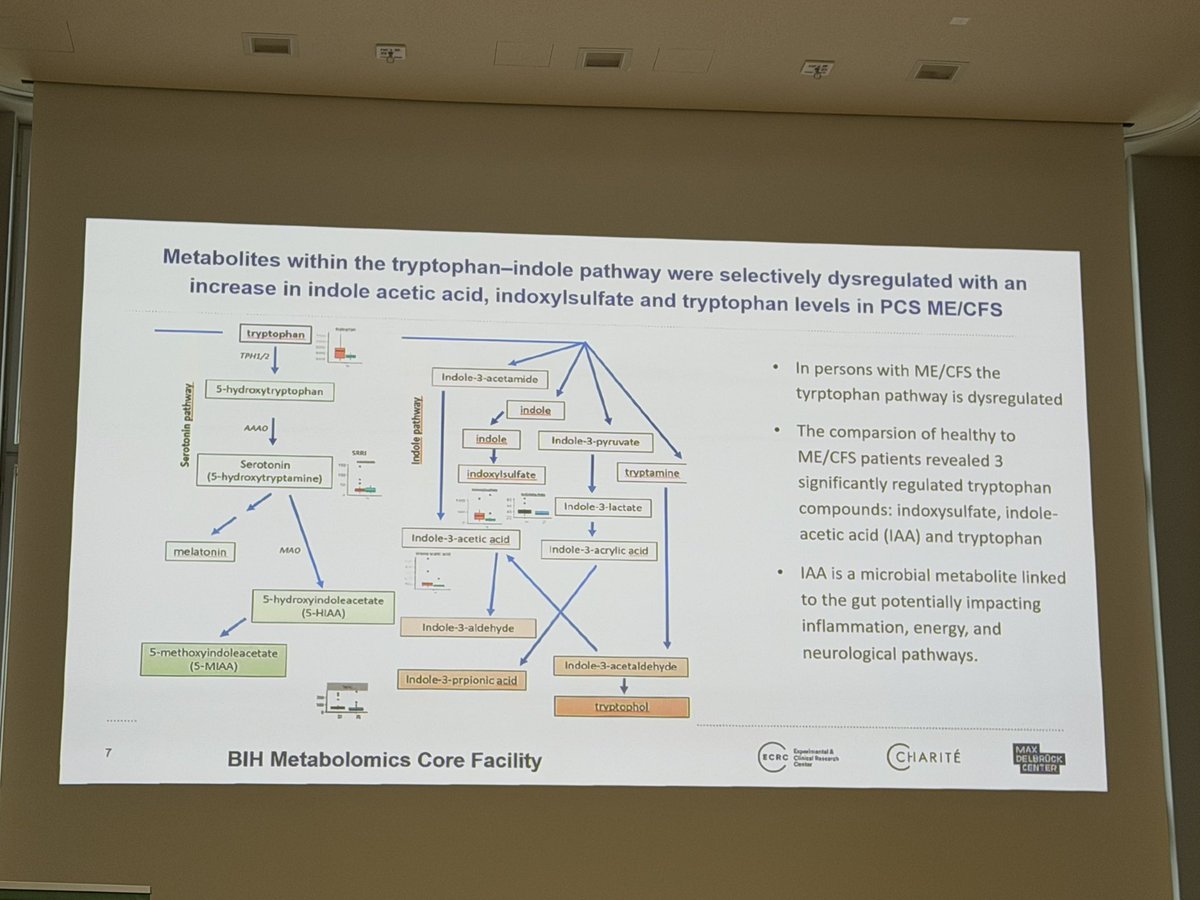
Felix Wohlrab, Charité Berlin,presented data showing dysregulation of the tryptophan–indole pathway in PCS/ME/CFS. While serotonin levels were unchanged,microbial metabolites including indole acetic acid &indoxyl sulfate were altered, pointing to gut–immune–metabolic involvement.


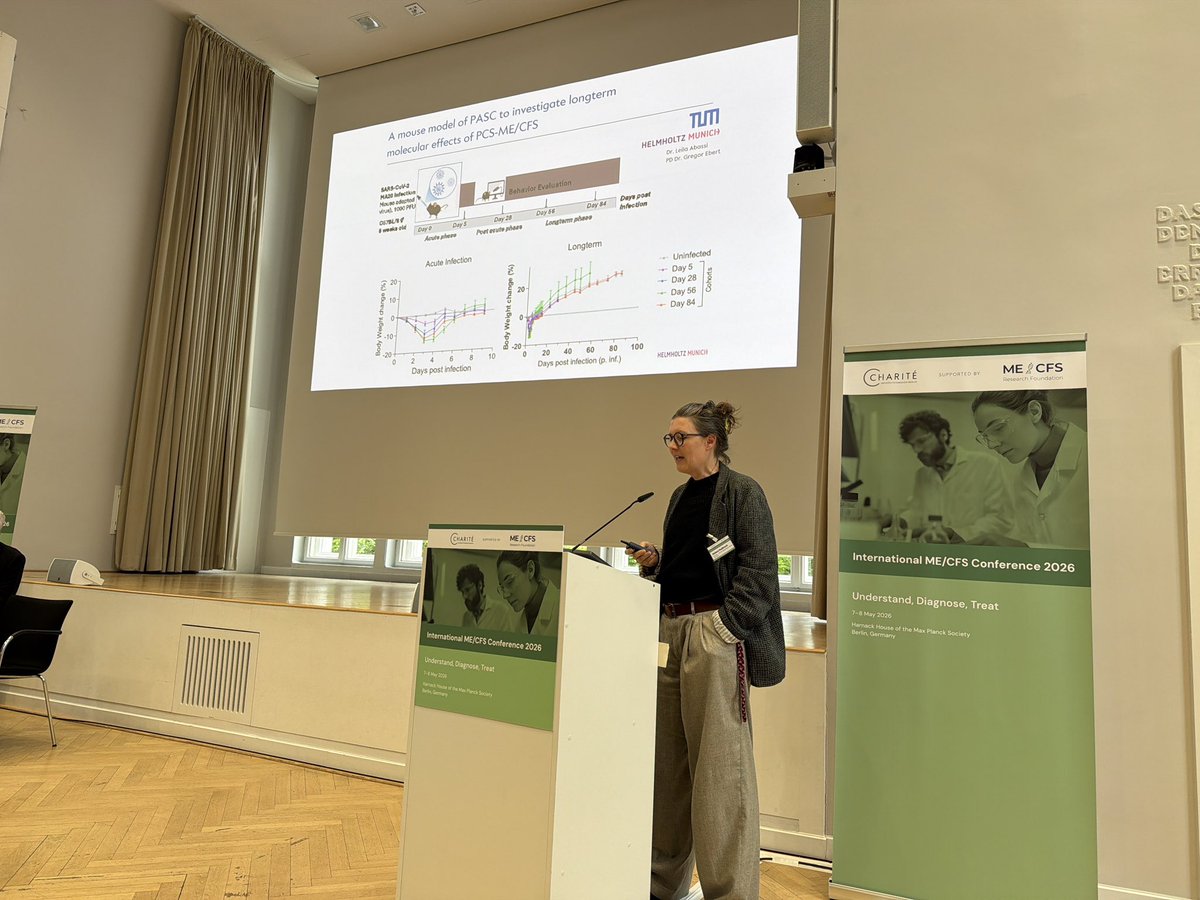
Helena Radbruch, Charité, presented post-viral ME/CFS animal models showing long-term behavioral,metabolic vascular alterations after SARS-CoV-2 infection. Findings included dysregulated tryptophan metabolism, reduced exercise capacity, brainstem changes& capillary abnormalities.


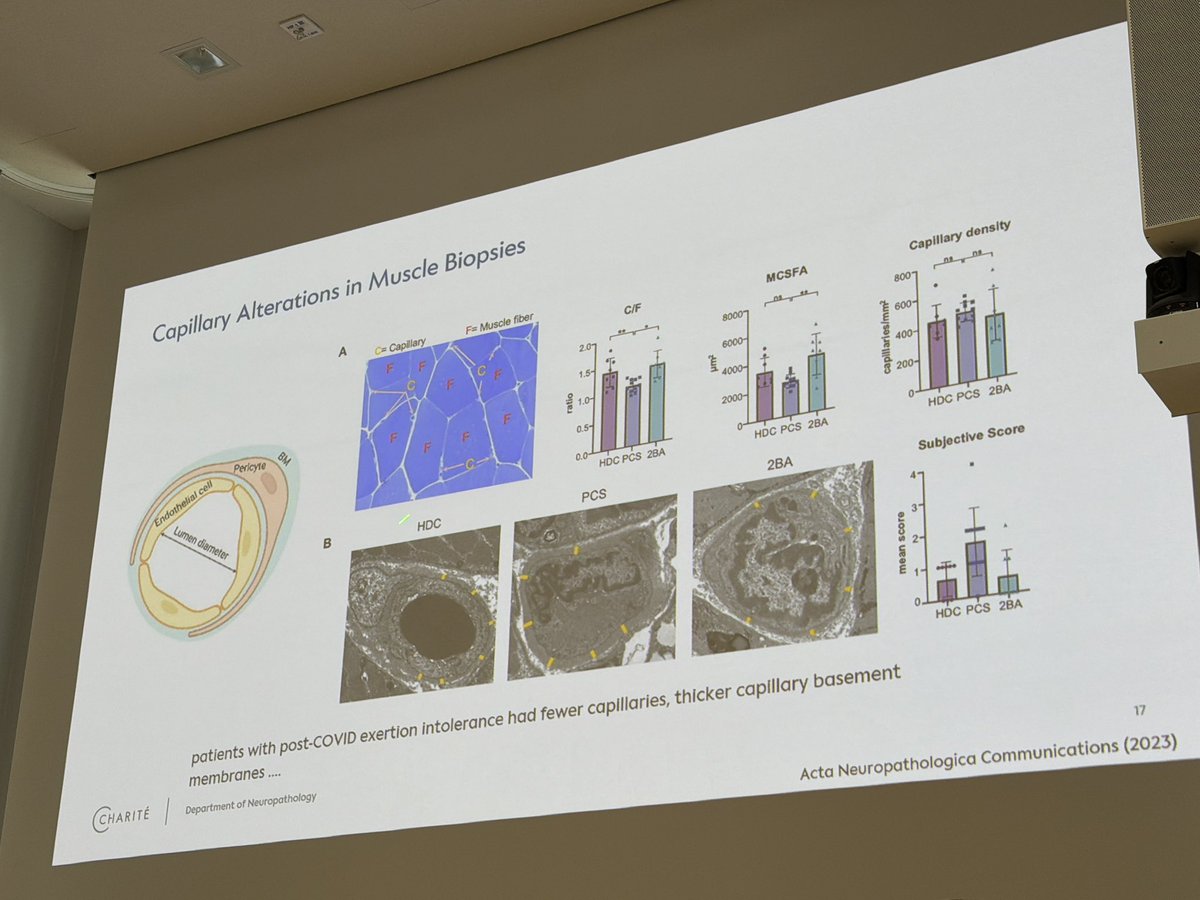
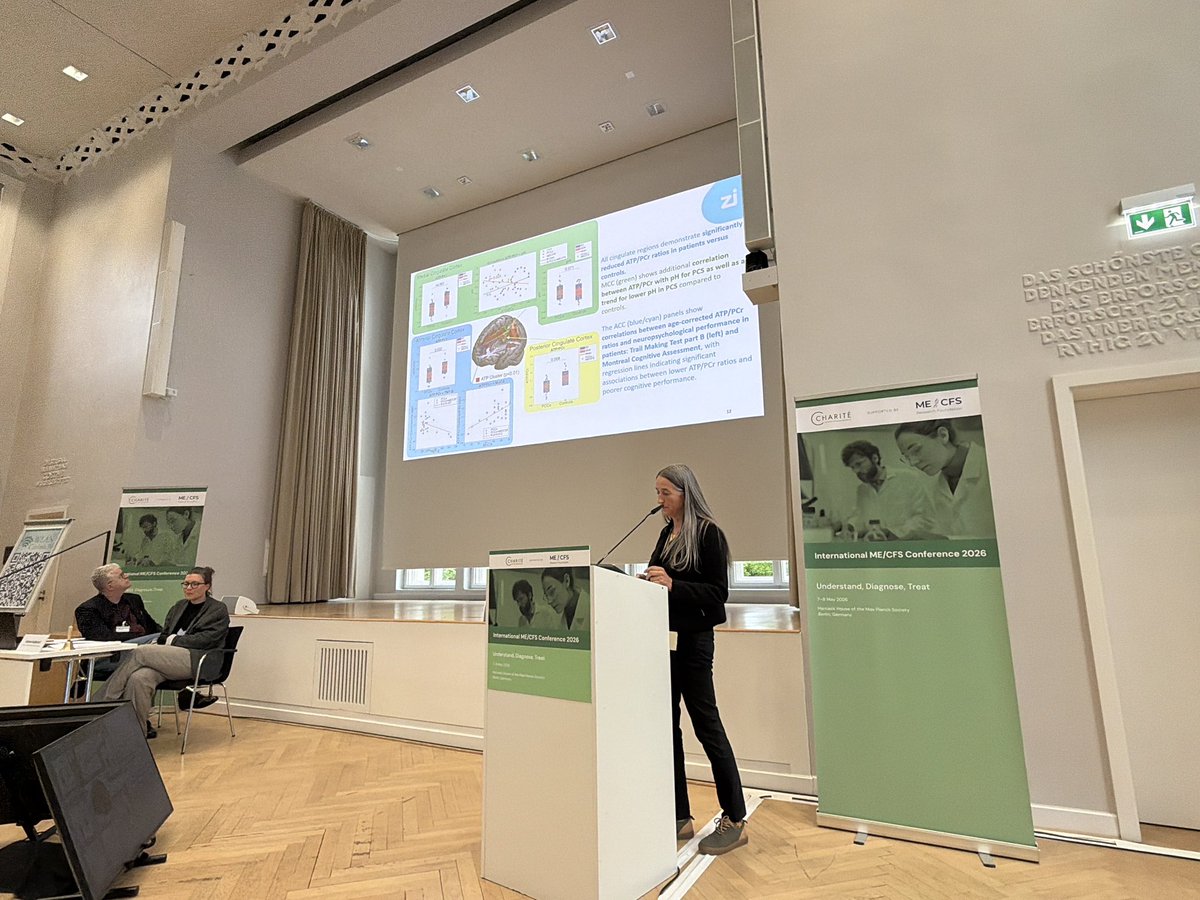
Gabriele Ende (ZI Mannheim)
presented 31P-MRS data showing reduced ATP/PCr ratios in PCS/ME/CFS, especially around the cingulate gyrus.
The findings point to impaired brain energy metabolism and may help explain cognitive symptoms.
#MECFS #PostCOVID #Mitochondria
presented 31P-MRS data showing reduced ATP/PCr ratios in PCS/ME/CFS, especially around the cingulate gyrus.
The findings point to impaired brain energy metabolism and may help explain cognitive symptoms.
#MECFS #PostCOVID #Mitochondria



Claudia Schilling (ZI Mannheim) presented data linking sleep disturbance in ME/CFS/PAIS to inflammation, blood-brain barrier dysfunction and altered brain network activity. Sleep changes may be both a symptom and a pathophysiological window into the disease itself.
#MECFS #PAIS
#MECFS #PAIS


Keyla Sá (Yale) presented data on autoantibodies in Long COVID and ME/CFS: increased autoreactivity, binding to neurological tissues, symptom-linked patterns
and Long COVID IgG inducing pain-related changes in mice.
#MECFS #LongCOVID #Autoimmunity
and Long COVID IgG inducing pain-related changes in mice.
#MECFS #LongCOVID #Autoimmunity


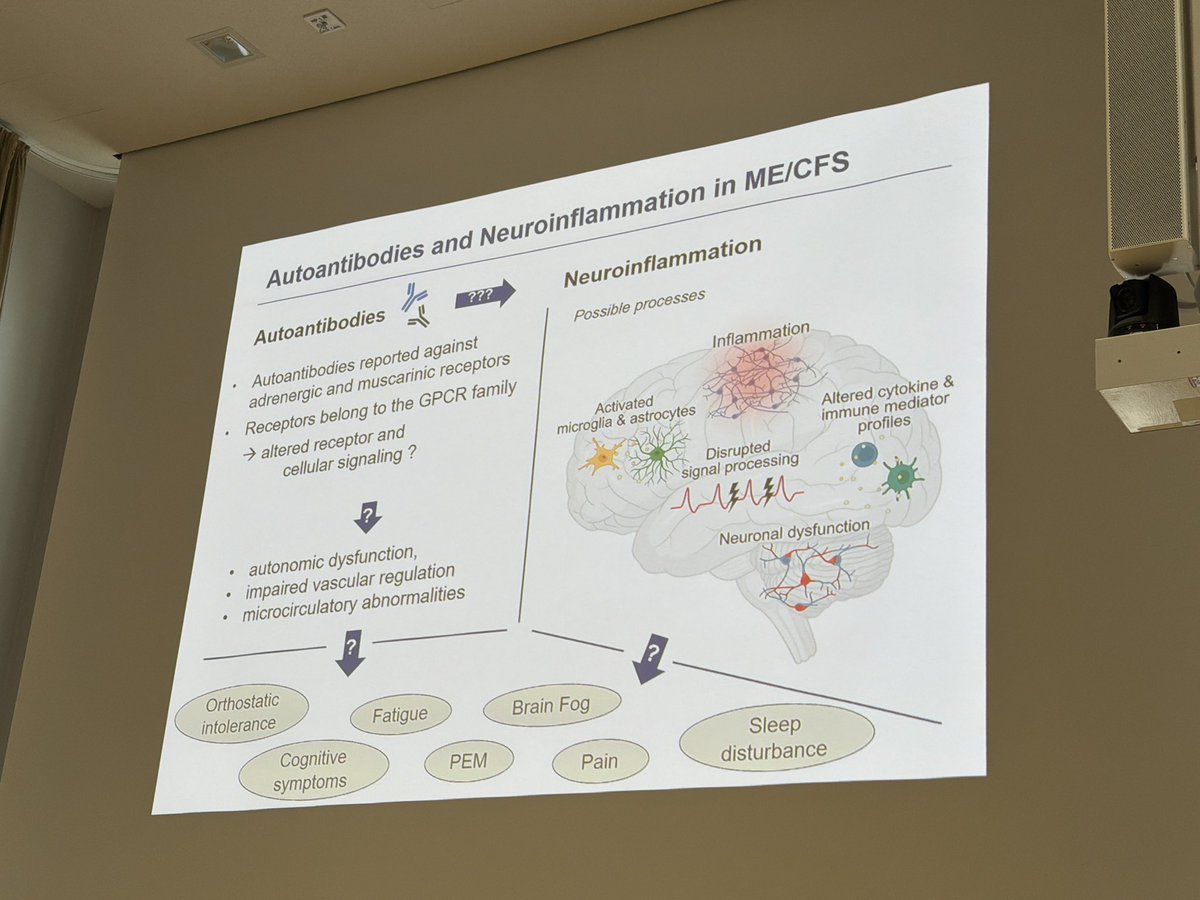
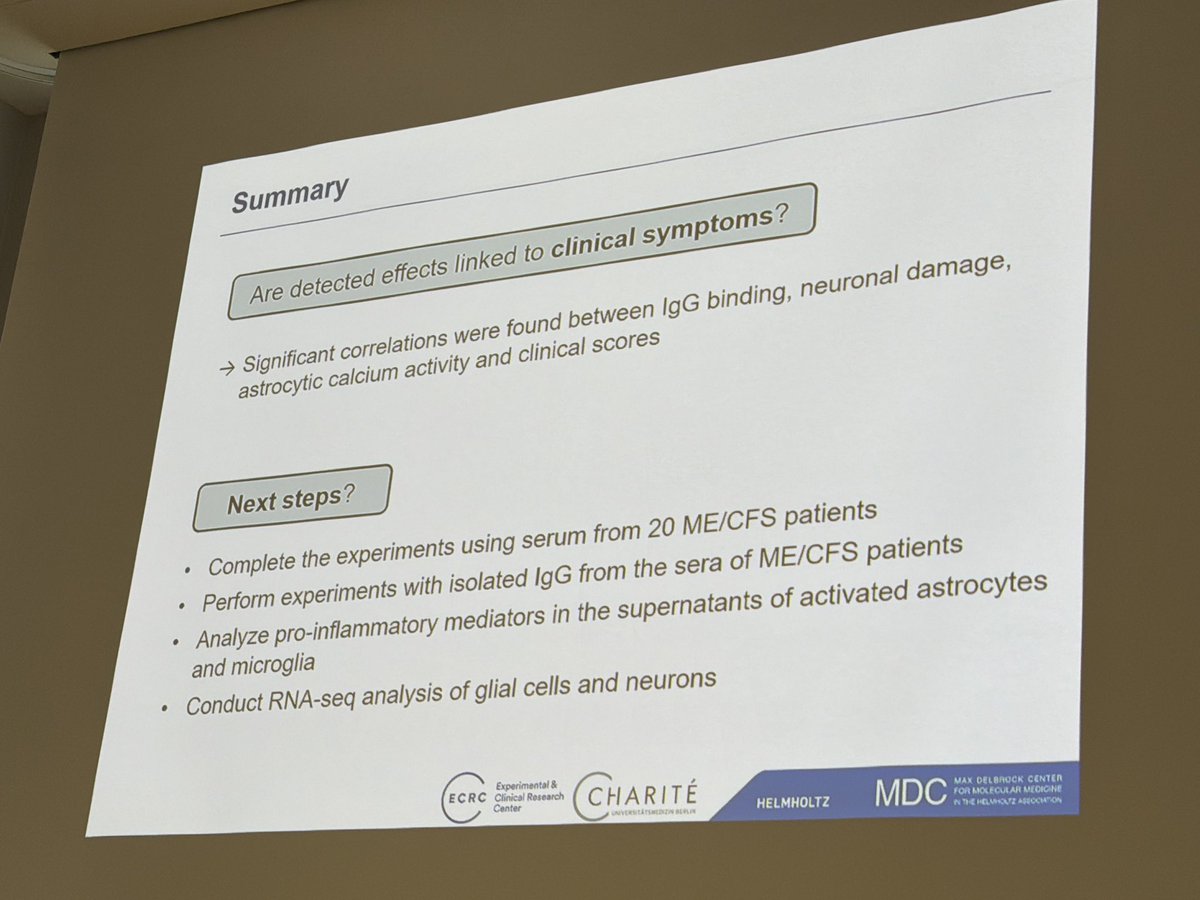
Marlen Alisch (Charité)presented early data on serum autoantibodies in #MECFS: binding to neurons and glial cells,signs of neuronal damage,astrocyte activation & altered calcium signaling
with correlations to clinical symptoms. Neuroinflammation remains a key focus.
#Autoimmunity
with correlations to clinical symptoms. Neuroinflammation remains a key focus.
#Autoimmunity


Nina Babel (Ruhr University Bochum) presented striking overlaps between Post-COVID (PACS) and Post-Vaccination Syndrome (PACVS): similar symptom patterns, immune signatures and autonomic autoantibodies. Spike protein was detectable in subsets of both groups.
#LongCovid #PACVS
#LongCovid #PACVS


Christian Puta (Jena) presented Bio-SIG PEM data showing that just 1 minute of exercise produces three distinct lactate recovery trajectories. The findings support biologically different PEM/recovery phenotypes in ME/CFS and PAIS.
#MECFS #PEM #LongCovid
#MECFS #PEM #LongCovid


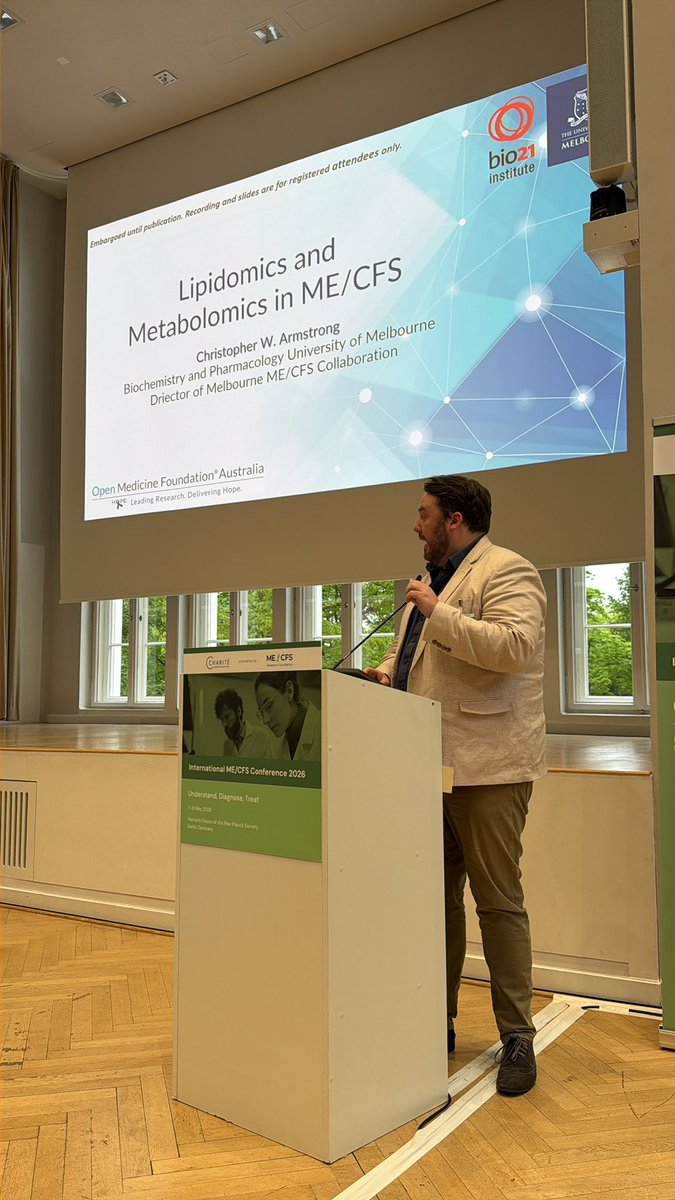
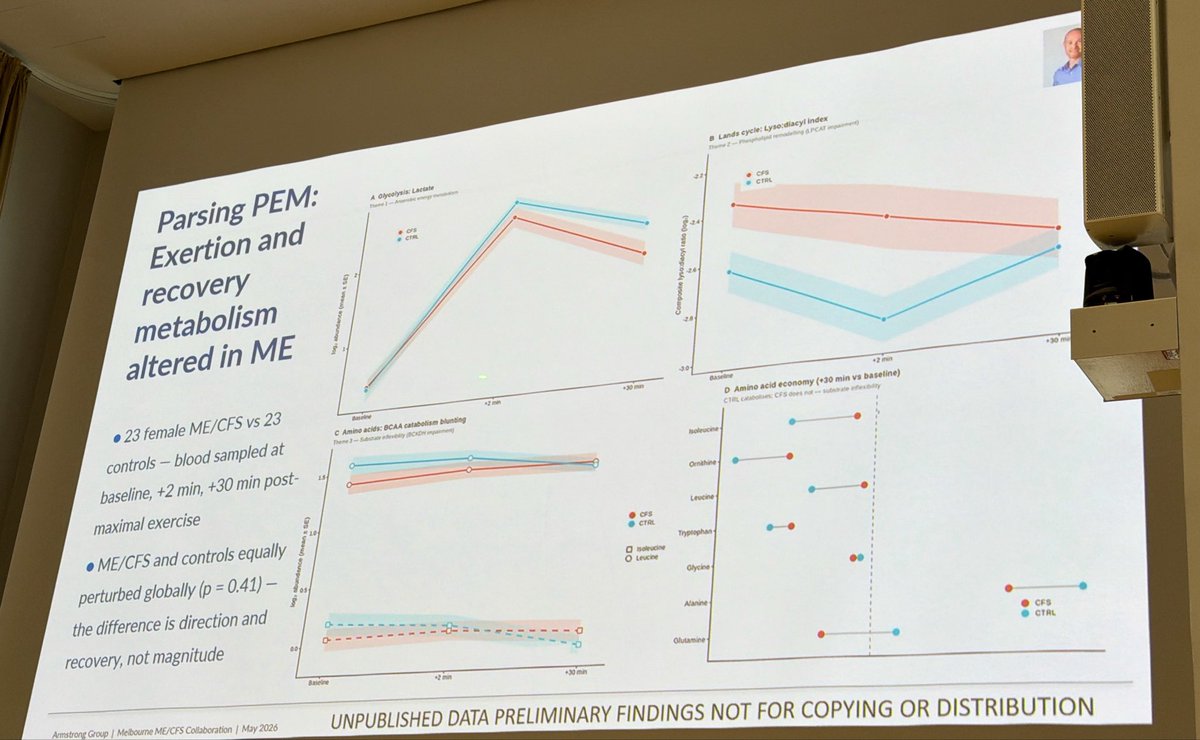
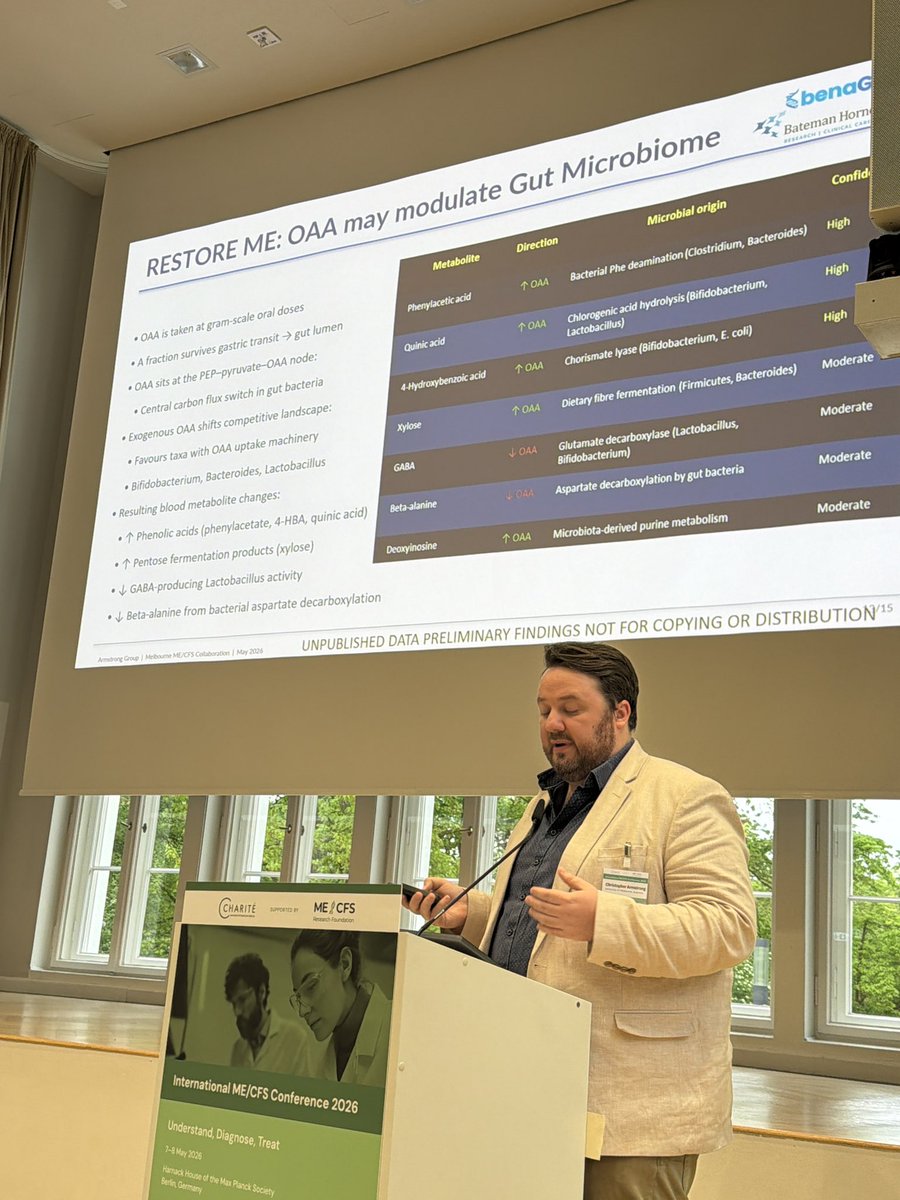
Christopher Armstrong showed converging lipidomic/metabolomic abnormalities across ME/CFS cohorts: altered plasma/RBC lipids, impaired post-exertional recovery metabolism, mitochondrial dysfunction and possible gut microbiome involvement. Biology converges across studies.
• • •
Missing some Tweet in this thread? You can try to
force a refresh