World War I devastated Britain and likely slowed down its technological progress🧵
The reason being, the youth are the engine of innovation.
Areas that saw more deaths saw larger declines in patenting in the years following the war.
The reason being, the youth are the engine of innovation.
Areas that saw more deaths saw larger declines in patenting in the years following the war.

To figure out the innovation effects of losing a large portion of a generation's young men who were just coming into the primes of their lives, the authors needed four pieces of data.
The first were the numbers and pre-war locations of soldiers who died.
The first were the numbers and pre-war locations of soldiers who died.

The next components were the numbers and locations of patent filings.
If you look at both graphs, you see obvious total population effects. So, areas must be normalized.
If you look at both graphs, you see obvious total population effects. So, areas must be normalized.

With this data in hand, it's possible to estimate the effects of losing more or fewer young men on patenting.
As we saw in the OP, greater losses in the war were unrelated to pre-war patenting trends, but after the deaths happened, areas diverged.
Death made innovation fall.
As we saw in the OP, greater losses in the war were unrelated to pre-war patenting trends, but after the deaths happened, areas diverged.
Death made innovation fall.

Using the wording similarity to future parents divided by the similarity to past patents, we can also see if there are larger effects on more novel, potentially innovative patenting.
The answer is, unfortunately, yes: more deaths reduces patent novelty more.
The answer is, unfortunately, yes: more deaths reduces patent novelty more.

The same result applies to 'breakthrough' and highly-cited patents.
Deaths in World War I also had larger effects on more technical specializations.
For example, there was no effect on human necessities and a comparatively major effect on innovations related to electricity.
Deaths in World War I also had larger effects on more technical specializations.
For example, there was no effect on human necessities and a comparatively major effect on innovations related to electricity.

This ranking is close, but not exactly, the ranking of the proportion of engineers among those patent holders.
Perhaps people who are more likely to have been engineers were more likely to die in the war due to their roles or their valor (sort of like sons of Lords).
Perhaps people who are more likely to have been engineers were more likely to die in the war due to their roles or their valor (sort of like sons of Lords).

Moreover, more deaths meant a decline in the complexity of patents in terms of their inventors, their text, their novelty, and a principal component of all of the above.

We can attempt to tease apart how World War I reduced rates of innovation in a few ways.
We know that it had effects via loss of human capital, but it also changed how existing innovators did their work.
In most cases, it hurt patenting, excepting those willing to move.
We know that it had effects via loss of human capital, but it also changed how existing innovators did their work.
In most cases, it hurt patenting, excepting those willing to move.

WWI stripped a generation of the flower of its youth and threw Europe into tumult.
It slowed rates of technical progress by killing off the talented, hardworking, and youthful on a massive scale.
And the more highly-skilled the person lost, the larger the harms.
War robbed us.
It slowed rates of technical progress by killing off the talented, hardworking, and youthful on a massive scale.
And the more highly-skilled the person lost, the larger the harms.
War robbed us.

We ought to hate war.
There's a myth that it promotes rates of innovation in its own right, but that's supported by a myopic focus on military technologies.
It's a myth because it misses the much broader harm. Unfortunately, Britain proved this point quite strongly.
There's a myth that it promotes rates of innovation in its own right, but that's supported by a myopic focus on military technologies.
It's a myth because it misses the much broader harm. Unfortunately, Britain proved this point quite strongly.
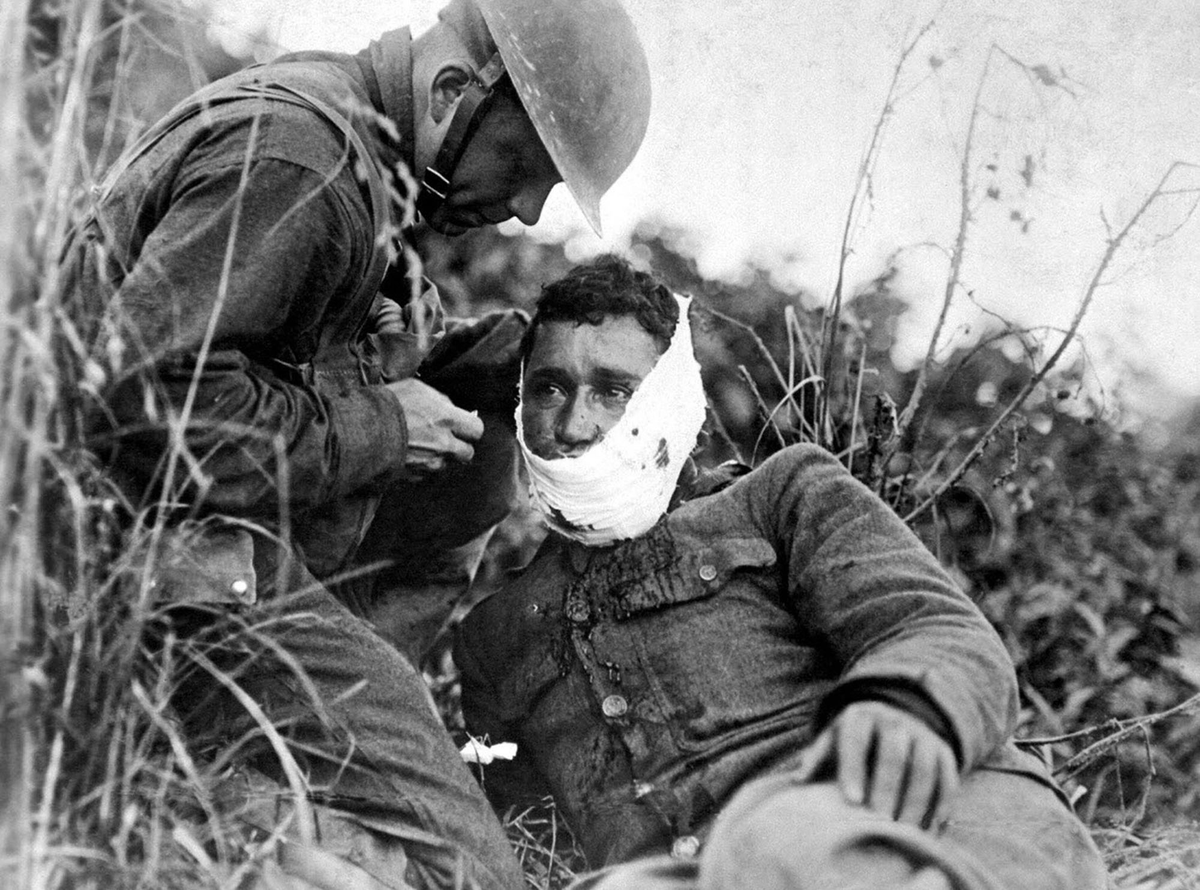
And World War I was perhaps the worst war, if not directly, due to its downstream consequences, particularly in the form of WWII.
To learn more, see:
cepr.org/voxeu/columns/…
ifo.de/DocDL/cesifo1_…
To learn more, see:
cepr.org/voxeu/columns/…
ifo.de/DocDL/cesifo1_…
• • •
Missing some Tweet in this thread? You can try to
force a refresh