Yesterday, @EnergyUKcomms caught a bad case of Net Zero Derangement Syndrome by claiming that removing carbon taxes will increase bills. A thread (1/n)
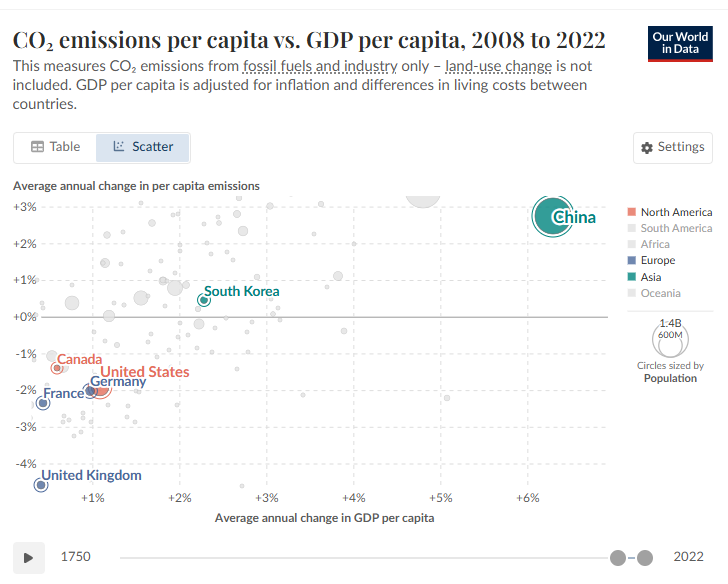
They first claimed that decarbonisation and economic growth go hand-in-hand. But data from OWID shows that faster decarbonisation leads to slower growth (2/n)
They went on to claim that scrapping the Emissions Trading Scheme (ETS) would increase gas demand by 25%. This claim would mean almost doubling the amount of gas used for electricity, which is implausible (3/n)
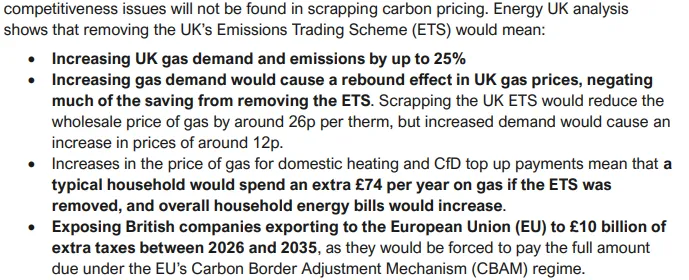
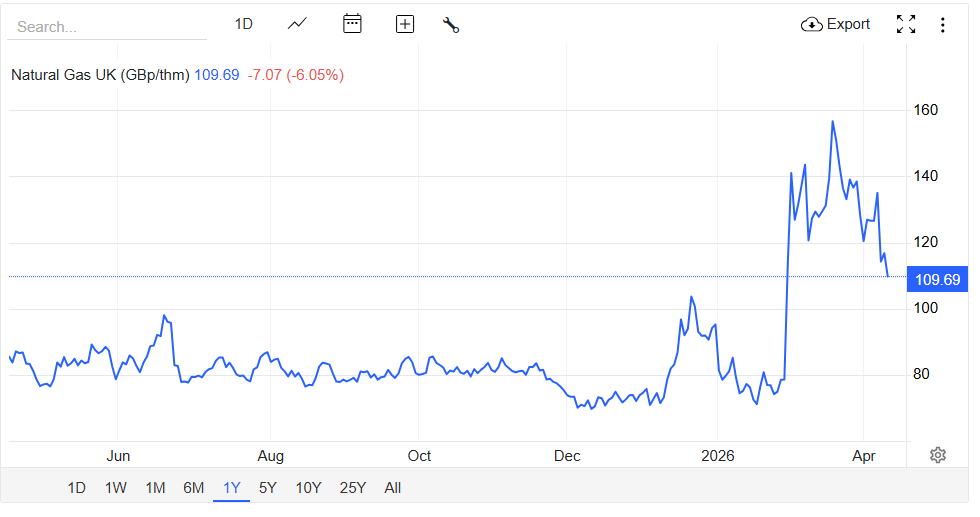
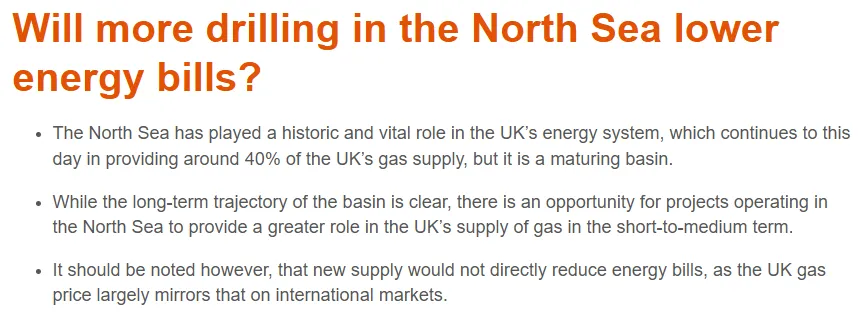
Then they claimed that an increase in gas demand would cause a rebound in gas prices - higher demand means higher prices. The same Energy UK claimed last month that increased supply from the North Sea would not reduce prices. They can't have it both ways (4/n)
They went on to contradict themselves by saying lower electricity prices would lead to higher CfD subsidies. It would, but bills would be unaffected because CfD generators receive the strike price anyway (5/n)
They also want the UK to join the EU Carbon Border Adjustment Mechanism (CBAM) and align to the EU ETS. Trouble is, EU carbon prices are even higher than in the UK which would definitely send energy prices even higher (6/n)
Overall a poor effort by Energy UK which shows that once the spotlight is turned on crazy energy policies, the proponents catch Net Zero Derangement Syndrome (7/n)
If you enjoyed this thread, please like and share. Yu can sign up for free to read the full article on the link below (8/8) open.substack.com/pub/davidturve…
Hi @threadreaderapp unroll please.
• • •
Missing some Tweet in this thread? You can try to
force a refresh

Renewables funds like Greencoat UK Wind (UKW), Octopus Renewables (ORIT) & The Renewables Infrastructure Group (TRIG) market themselves as low-risk investments. But plunging share prices and wide discounts to NAV suggest management in denial. A thread (1/11)
Labour govt changes: ROC indexation cut (RPI to CPI) & Carbon Price Support removal in 2028. Funds took NAV hits but downplayed them. New Wholesale CfDs offered as partial offset. These are minor vs. what could come from Reform & Tories. (2/11)
Bigger risks: Tories & Reform pledge to scrap Net Zero elements. Remove CPS + ETS (carbon taxes boosting wholesale prices), abolish ROC scheme early. This would slash revenues for ROC-dependent assets far more than current tweaks, further impacting NAV & share prices. (3/11)
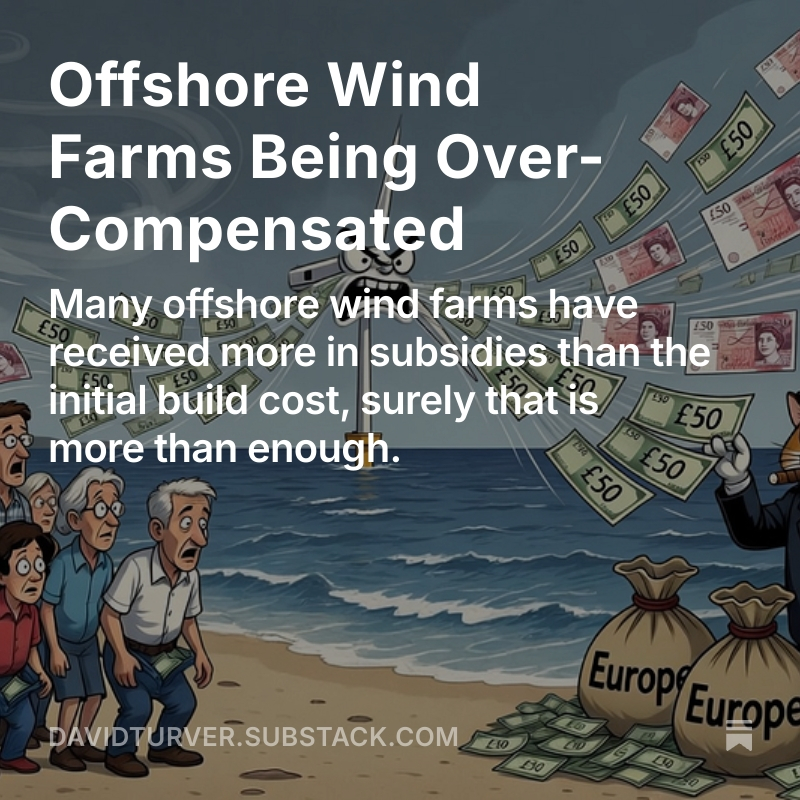
The Government said they reduced the indexation rate for renewables because they'd been over-compensated. That's not even half the story.
New analysis shows wind farms have already received more in subsidy than the build cost, enriching overseas investors. A thread (1/n)
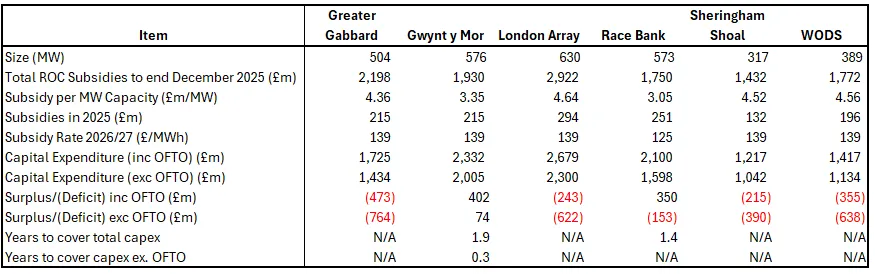
Starting with the six offshore wind farms that have received most subsidies under the ROC scheme: Greater Gabbard, Gwynt y Mor, London Array, Race Bank, Sheringham Shoal and West of Duddon Sands (WODS). (2/n)
Greater Gabbard has received £2.2bn in subsidies but it only cost £1.4bn to build it (exc. OFTO sale proceeds). London Array has received £2.9bn in subsidies but net cost as ~£2.3bn. WODS received £1.8bn subsidies vs £1.1bn net cost (3/n)
🚨UK Net Zero & energy subsidies have exploded to £585 BILLION 🚨
Our taxes funding unreliable renewables, backups, carbon capture & subsidies to use the expensive energy. A new update to the Subsidy Control Database exposes the scale of the madness. (1/11)
Breakdown of the insanity:
- Renewables Obligation (ROCs): £104bn
- Contracts for Difference (CfDs): £102bn inc. £40bn for AR7
- £31bn for FiTs
In total over £260bn to subsidise renewables that don’t produce when we need it most, or FIVE Hinkley Point C’s (2/11)
Wind and solar are intermittent, so we pay another £72bn for the Capacity Market – backup power for when the wind doesn’t blow or sun doesn’t shine. And a further £1bn to subsidise making turbines. (3/11)
Ember, the people who came up with Miliband's promise to cut bills by £300 have been torturing the data to claim renewables saved money in March. Record CfD subsidies for March of £258m tell a different story. We're witnessing the dying embers of Net Zero propaganda (1/n)
It's true that gas prices spiked in March at the opening of hostilities with Iran, and electricity prices rose too (2/n)
But gas prices didn't rise by as much as 2022, and the impact on electricity prices was muted by a reduction in carbon costs, as Ember should know, because it's in their data (3/n)
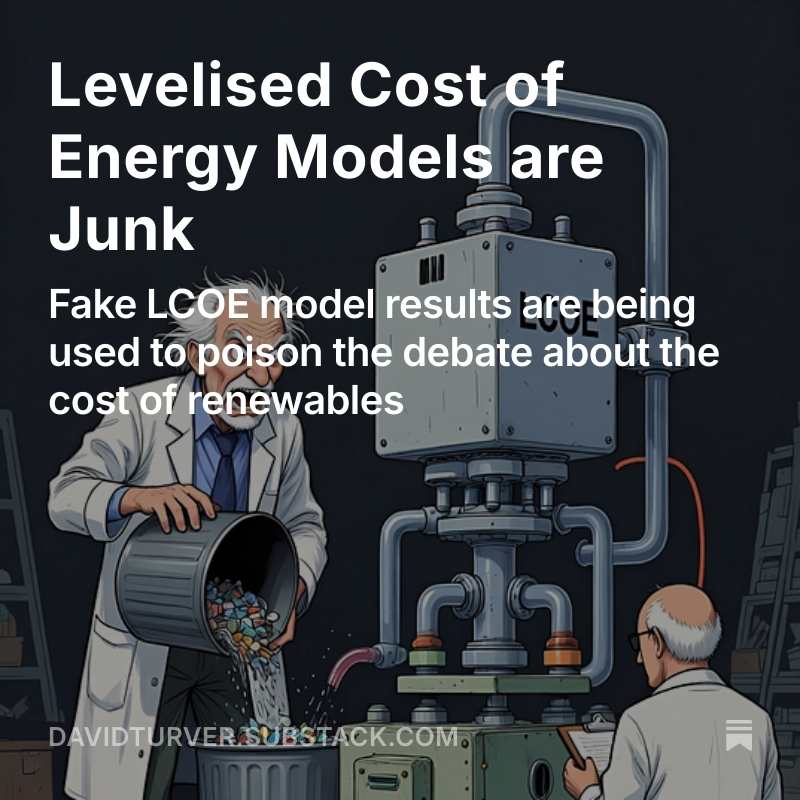
Net zero advocates love to claim renewables are cheaper than gas by waving around Levelised Cost of Energy (LCOE) models from Lazard, IRENA, and the UK Government’s Generation Cost 2025 report. But these models are junk. Here’s why. (1/19)
LCOE sums up all capital and operating costs over a plant’s lifetime, discounts them, and divides by total electricity generated. Result: £/MWh or p/kWh in a chart like Lazard's below. Sounds scientific… until you look closer. (2/19)
Classic LCOE compared dispatchable sources (gas, coal, nuclear, hydro) that match demand. Now it’s used for wind & solar, whose output depends on weather, not demand. A midday solar kWh when supply>demand is worthless. Peak-hour gas power is priceless. LCOE ignores this. (3/19)
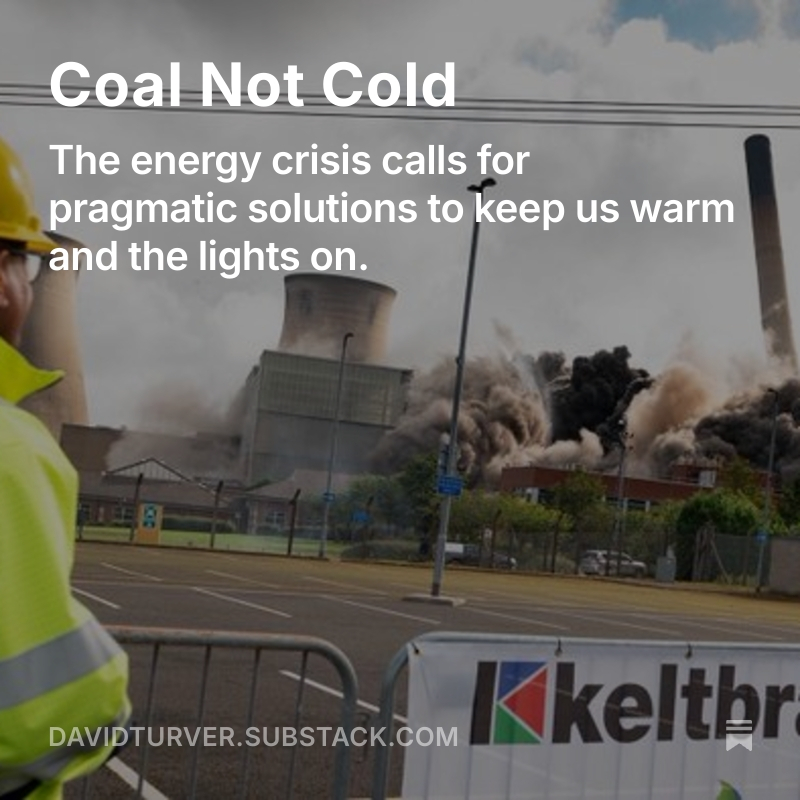
We're facing an energy crisis that is going to require radical solutions to solve. Many countries are ramping up coal-fired electricity generation in response. Is it time for the UK to go for Coal not Cold? A thread (1/n)
Looking first at UK coal reserves and resources. Euracoal has estimated we're sitting on 3,560 million tonnes of hard coal resources & 1,000Mt of lignite. Plus 277Mt of economically recoverable hard coal reserves. Plenty to go at (2/n)
So, what about the benefits of using coal? First, fuel diversification. War in Iran has again demonstrated the fragility of global supply chains, particularly LNG. Using our own coal would give welcome fuel diversification & energy security (3/n)