The sorry state of Russian surface warship construction is exemplified by the long-delayed commissioning of the small 800-ton missile ship Burya.
Laid down in December 2016 and launched in October 2018, it then sat idle for years awaiting its diesel engines. 1/
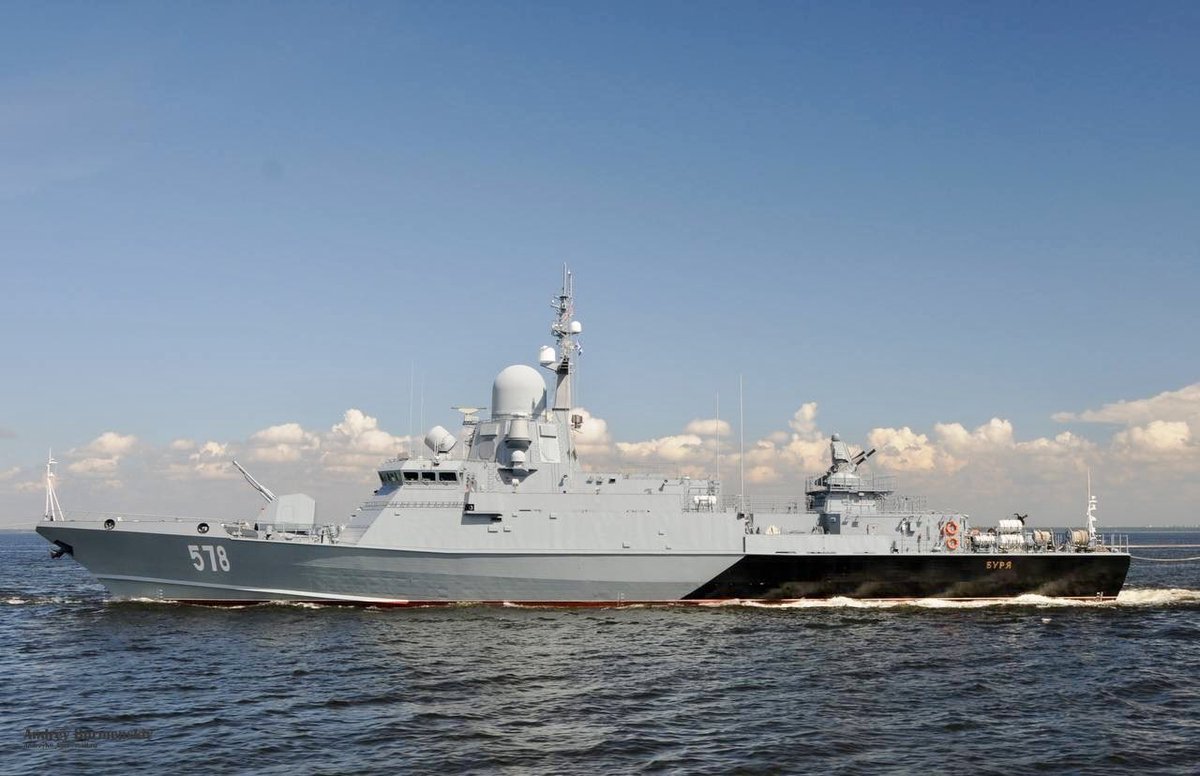
Even then, sea trials dragged on for another three-and-a-half years due to chronic engine problems.
Originally, German high-speed diesel engines had been intended, but sanctions imposed after the 2014 annexation of Crimea cut off supplies.
2/
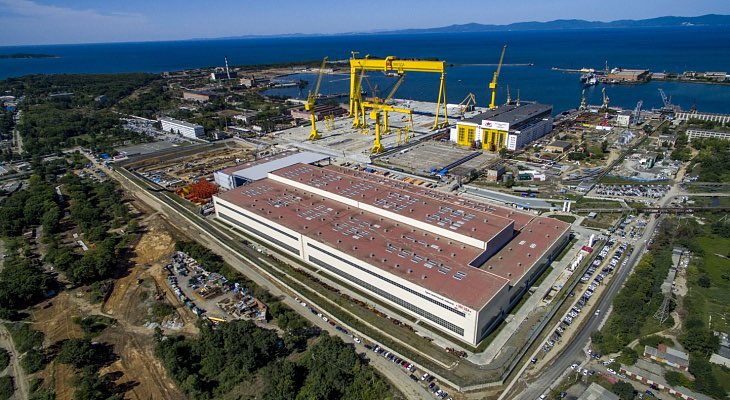
Russia shifted to domestic “import substitution,” but the Zvezda factory in St. Petersburg has lacked the capacity, facilities, and supply chain to keep up with demand.
When engines have finally been delivered, they have been plagued by breakdowns and warranty disputes. 3/
Burya is typical, having taken ten years to enter service, and many other hulls still sit pierside without engines. Larger warships such as the Admiral Gorshkov-class (5,500 tons) have suffered similar delays after the loss of access to Ukrainian gas-turbine engines in 2014. 4/
Russia has had to develop domestic replacements from scratch at NPO Saturn in Rybinsk (the M90FR gas turbines and M55R CODAG plants) which took years and caused multi-year slips.
The Admiral Gorshkov-class program continues to advance, but at a very slow pace.
5/5
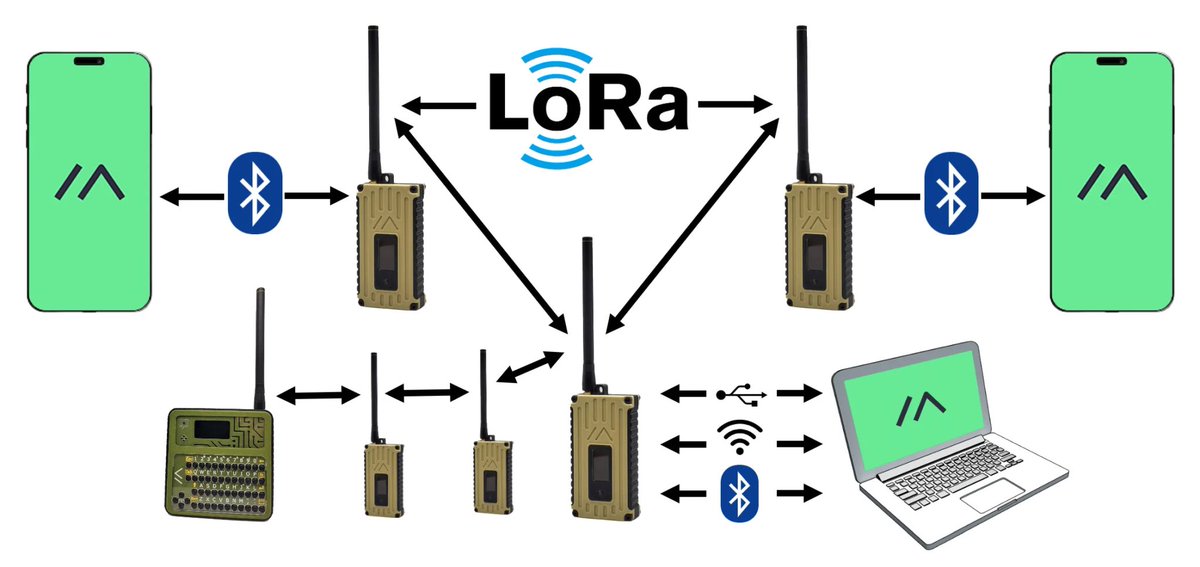
The Russians have developed a new radio reconnaissance system called the “Meshtastic-Sniffer” for detecting and analyzing Ukrainian Meshtastic/LoRa mesh networks.
Using multiple synchronized receivers, it can geolocate transmitting nodes via TDOA (Time Difference of Arrival). 1/
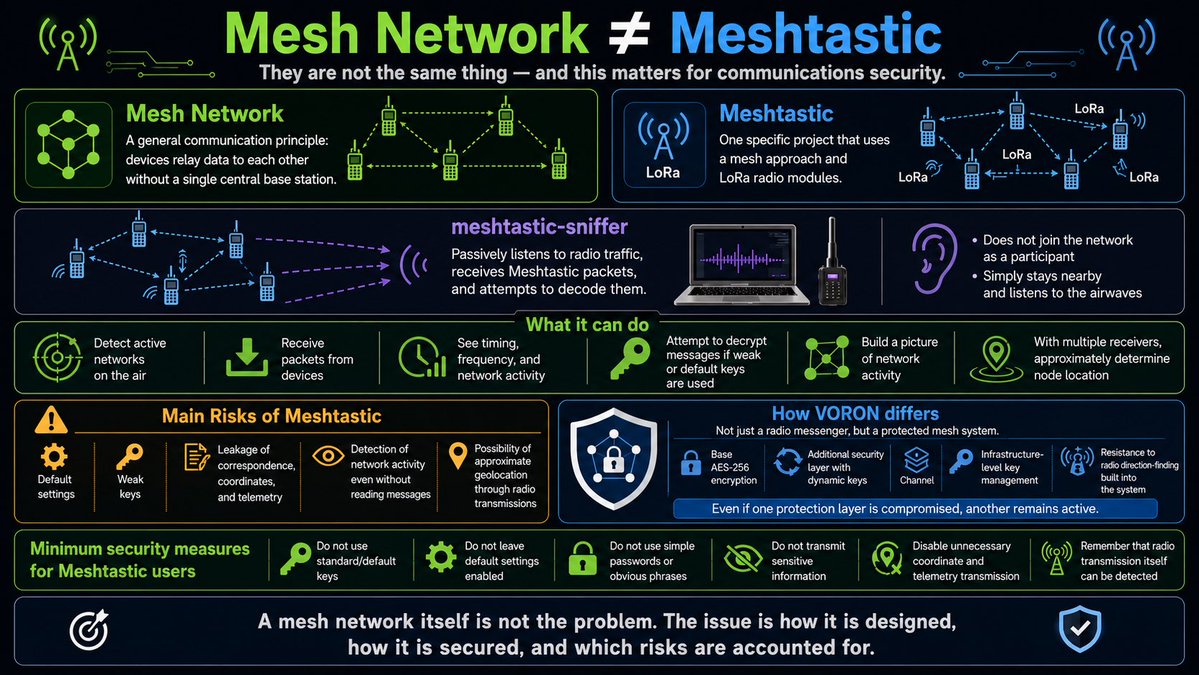
It is important to note that mesh networks and Meshtastic are different.
A mesh network is a general communications architecture in which devices relay data to one another without a central base station.
Meshtastic is one specific implementation that uses LoRa radio modules. 2/
The “Meshtastic-Sniffer” can exploit the security risks of poorly configured Meshtastic networks.
It passively listens to radio traffic, intercepts packets, analyzes network activity, and attempts to decrypt messages using default or weak keys.
3/
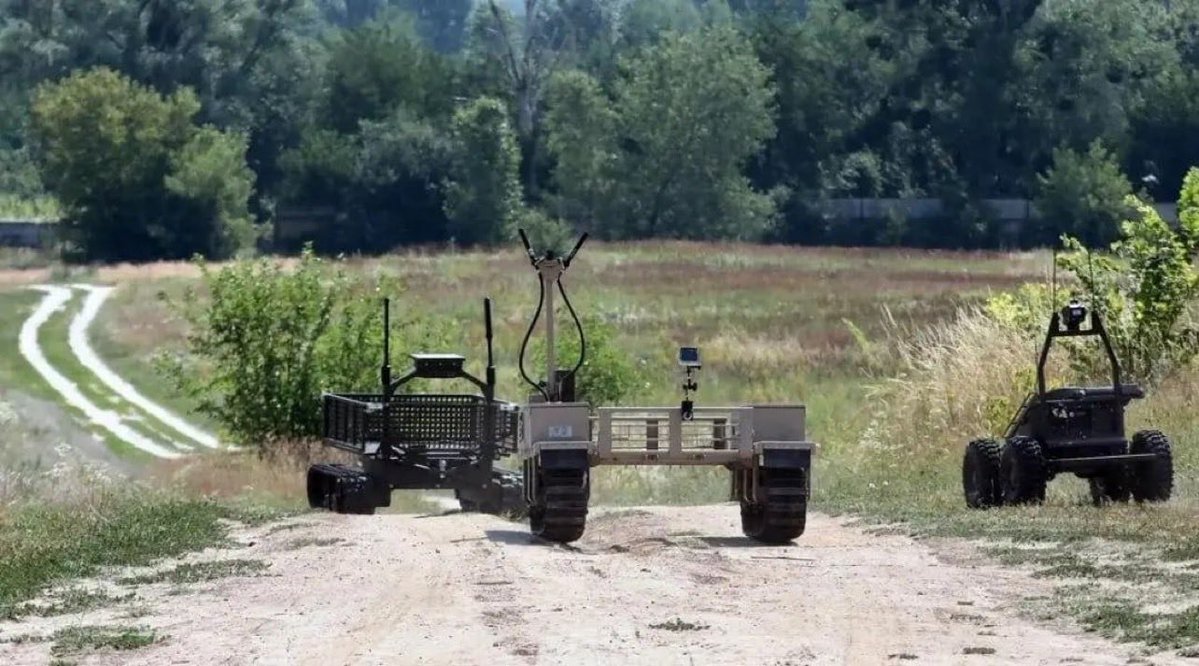
Ukrainian EW and radio expert Serhii “Flash” Beskrestnov was an early supporter of the importance of UGVs.
Here are excerpts from an interesting interview with him by ArmyInform.com.ua 1/ x.com/grandparoy2/st…
“If we’re touching on the topic of robots, including UGVs, it should be understood that someone has to control these robots, operate them, support them, and repair them. So humans are indispensable here.
2/
“But we are trying to make sure that the robots themselves take the first hit and work where it is most dangerous. Thanks to this, people will be able to stay further back — ‘pulled back’ — and, accordingly, in much greater safety. 3/
“Forget neat schemes. In reality, everything is simpler and tougher: you go, do the task, and at some point someone shouts ‘air!’, or you hear the sound yourself. Then you have no options, only seconds.
2/
“And it's not the one who knows the theory who survives, but the one who already has a reflex reaction.
The first thing that breaks people is the delay. Half a second to understand, another second to look and that's it. FPV is already on the way out.
3/
The Russians have failed to develop an equivalent of Ukraine’s successful Sky Fortress acoustic system that detects and tracks Shahed UAVs
Russian bloggers are angry that a recent 1,800 km Ukrainian UAV strike past the Ural Mountains went undetected by Russian air defenses. 1/
Sky Fortress is a system of microphones mounted on cellular towers connected to central processing nodes.
AI algorithms detect the distinctive sound of Geran-2 (Shahed) engines, enabling mobile ground fire teams to be dispatched and stationed ahead of the UAV's flight path. 2/
“We have been proposing this [acoustic] option constantly since 2023. But the Aerospace Forces command has also ignored this option. As a result - the current situation.
3/
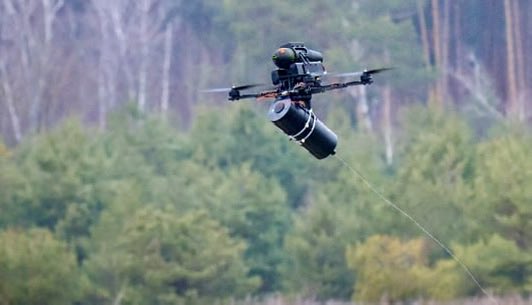
Russian blogger “Military Manager” has described the tactics of Russian “Molniya” strike UAVs used to minimize the heavy losses occurring to Ukrainian interceptor FPVs.
“1. Your target is in a forest belt in the enemy's notional rear area. 10-15km from the front line. 1/
“Several villages behind the LBS [Line of Contact] are directly on the route. How will you fly? The answer is obvious. Of course, we will bypass all NP [settlements] and the forest strips that are part of it.
2/
“Air-defense positions are always placed next to the enemy’s key assets.
For reference: the target is only 17 km away from us in a straight line, but we are taking a detour route 27 km long.
3/
I just reread Adam Tooze's magisterial The Wages of Destruction: The Making and Breaking of the Nazi Economy, and the parallels with Russia's deteriorating wartime economy are striking.
By the late 1930s, Hitler's massive rearmament program consumed 20% of national income.
1/
The result was a civilian sector starved of labor, materials, and capital.
Consumer goods production was squeezed, infrastructure lagged, and bottlenecks spread across the country.
Despite headline armaments growth, overall productivity was undermined. 2/
This imbalance drove hidden deficits, liquidity strain, and chronic shortages.
With domestic consumption suppressed and foreign exchange limited, the German system became increasingly unstable.
This perversely supported the Nazi ideology of the necessity of conquest.
3/