Please stop neglecting the health of your kidneys.
A scary amount of people have kidney issues and most didn't even consider that this is the case despite symptoms such as fatigue, high blood pressure, intolerance to amino acid and mineral supplements, urine changes etc.
In fact, almost 1 in 5 Americans has kidney disease.
Kidney failure is, after all, one of the most common diseases today.
So let's talk about how to take care of your kidneys (tests, dietary interventions, supplements, etc) .
Thread 🧵
*Yes, i'll also mention gout.
A scary amount of people have kidney issues and most didn't even consider that this is the case despite symptoms such as fatigue, high blood pressure, intolerance to amino acid and mineral supplements, urine changes etc.
In fact, almost 1 in 5 Americans has kidney disease.
Kidney failure is, after all, one of the most common diseases today.
So let's talk about how to take care of your kidneys (tests, dietary interventions, supplements, etc) .
Thread 🧵
*Yes, i'll also mention gout.

*Standard disclaimer that nothing in this thread should be used as a substitute for medical advice*
It's George and today we will talk about the kidneys.
A quite important, yet neglected organ.
As always the structure of this thread will follow my typical writing style which is:
-A basic breakdown of the organs
-Why they are important
-Tests you can take in order to assess their function
-What our kidneys need by default in order to be healthy
-Supplements/tools overall you can use for certain conditions
-Genetic factors
Why all these?
Well, because by understanding the main functions of an organ for example, you will immediately understand why its dysfunction causes certain symptoms that you might be experiencing.
Let's dive in.
It's George and today we will talk about the kidneys.
A quite important, yet neglected organ.
As always the structure of this thread will follow my typical writing style which is:
-A basic breakdown of the organs
-Why they are important
-Tests you can take in order to assess their function
-What our kidneys need by default in order to be healthy
-Supplements/tools overall you can use for certain conditions
-Genetic factors
Why all these?
Well, because by understanding the main functions of an organ for example, you will immediately understand why its dysfunction causes certain symptoms that you might be experiencing.
Let's dive in.
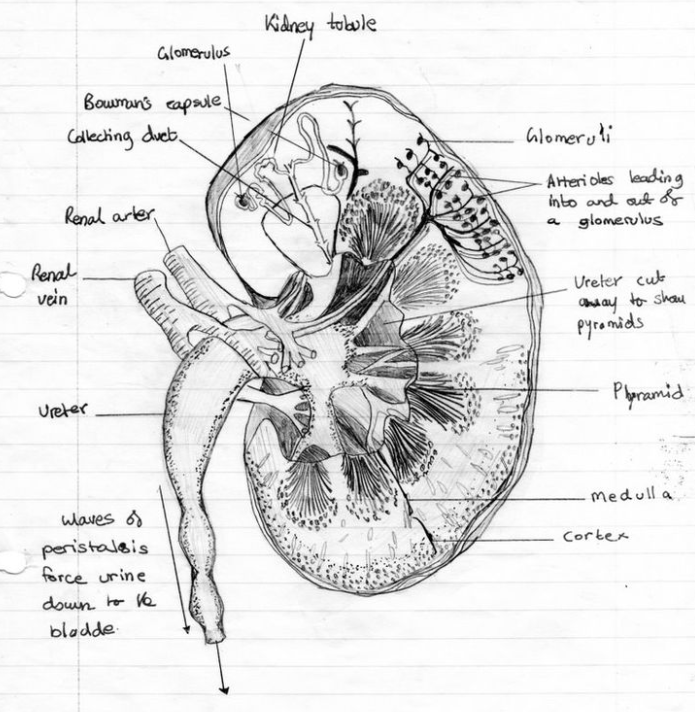
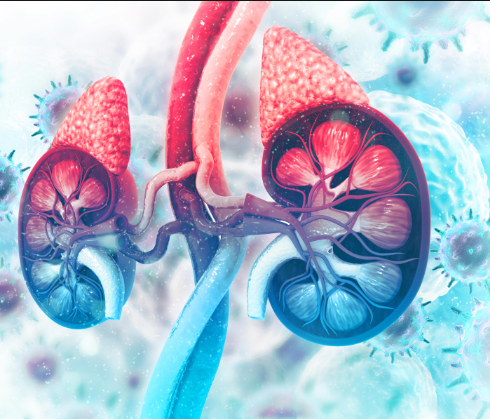
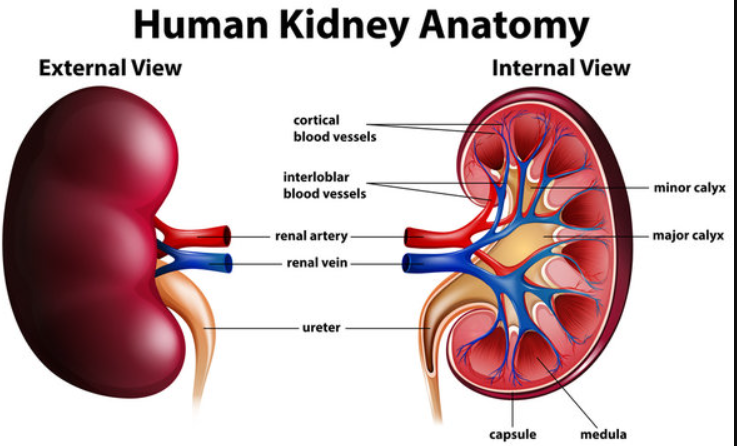
Now under the lower ribs in the posterior abdomen behind the peritoneum (if you are familiar with vertebrae, your kidneys extend from T12 to L3) we have these bean shaped organs that weigh roughly 130-140 grams and have a 10-14 cm long if you are a man and weigh 110 grams and are 9-13 cm long if you are a woman (this does not mean that they can weigh more and for someone to still have healthy kidneys since someone's height weight and so on will affect the size of them) called the kidneys that are also usually around 2-3 cm thick and 5-7cm in wide.
As we will see very soon these little organs are vital for our health and paying more attention to them could be the missing puzzle piece/link that will allow you to further improve your health.
As we will see very soon these little organs are vital for our health and paying more attention to them could be the missing puzzle piece/link that will allow you to further improve your health.

The kidneys are "covered" by layers of fat and fascia that include (starting at the top of the kidneys) the renal capsule, the perirenal fat, the renal fascia and finally the pararenal fat.
-The renal (or kidney) cortex (the outer layer) which creates EPO, surrounds the medulla and is the starting place for nephrons (each kidney contains millions of them that contain blood vessels called glomerulus that filter the blood)
-The renal medulla (the inner part) that contains the majority of the nephrons.
-The renal capsule (layers of fat and connective tissue that cover the kidneys).
-The renal artery is a blood vessel that controls the blood flow towards the kidneys.
-The renal pelvis that gathers and passes urine towards the ureters.
-The renal vein is a blood vessel that carries the blood that's been filtered back to the heart.
-The renal papilla that also transfers urine to the ureters as well.
-The renal (or kidney) cortex (the outer layer) which creates EPO, surrounds the medulla and is the starting place for nephrons (each kidney contains millions of them that contain blood vessels called glomerulus that filter the blood)
-The renal medulla (the inner part) that contains the majority of the nephrons.
-The renal capsule (layers of fat and connective tissue that cover the kidneys).
-The renal artery is a blood vessel that controls the blood flow towards the kidneys.
-The renal pelvis that gathers and passes urine towards the ureters.
-The renal vein is a blood vessel that carries the blood that's been filtered back to the heart.
-The renal papilla that also transfers urine to the ureters as well.
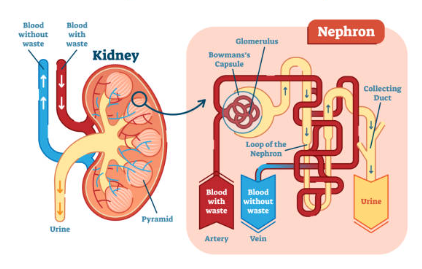
So blood enters the kidneys through the renal arteries then smaller arteries and eventually the blood vessels called afferent arterioles that supply blood to the nephrons.
The nephrons have this tube-like structure and are very small (their ranges from 35-55mm) we have over 2 millions of them in total.
They are the functional units of the kidneys but also the structural.
We have two types.
The main ones (meaning that they comprise almost 80% of the total nephrons) are called cortical nephrons (they are present within the cortex) and the rest are called juxtamedullary nephrons.
When you see the term "renal corpuscle" that's just the glomerulus and the Bowman's capsule and when you see the term "renal tubule" that's the proximal convoluted tubule, loop of Henle, distal convoluted tubule, and collecting duct which are components of the nephron.
The renal corpuscle and tubule are also often referred to as the major portions of the nephron so keep that in mind as well. In the beginning of the nephron we have the glomerulus which is a network of small blood vessels.
When it comes to the Bowman's capsule, each nephron has a network of capillaries called glomerulus that Bowman's capsule covers.
It's also made from podocytes and simple squamous epithelium.
The nephrons have this tube-like structure and are very small (their ranges from 35-55mm) we have over 2 millions of them in total.
They are the functional units of the kidneys but also the structural.
We have two types.
The main ones (meaning that they comprise almost 80% of the total nephrons) are called cortical nephrons (they are present within the cortex) and the rest are called juxtamedullary nephrons.
When you see the term "renal corpuscle" that's just the glomerulus and the Bowman's capsule and when you see the term "renal tubule" that's the proximal convoluted tubule, loop of Henle, distal convoluted tubule, and collecting duct which are components of the nephron.
The renal corpuscle and tubule are also often referred to as the major portions of the nephron so keep that in mind as well. In the beginning of the nephron we have the glomerulus which is a network of small blood vessels.
When it comes to the Bowman's capsule, each nephron has a network of capillaries called glomerulus that Bowman's capsule covers.
It's also made from podocytes and simple squamous epithelium.
The proximal convoluted tubule helps with PH regulation, reabsorption and secretion of various solutes and water such as the filtered bicarbonate, glucose, proteins and amino acids for example.
The loop of Henle basically helps us regulate the volume of extracellular fluids and regulate the composition of the urinary protein.
The distal convoluted tubule is the final part of the nephron (it sends its content to the collecting ducts) and also helps us regulate the volume of extracellular fluids and with the homeostasis of electrolytes and especially magnesium.
And the collecting duct also plays a part in the reabsorption of fluids but also their excretion.
For example, it collects urine from the nephrons and sends it to the ureters and the renal pelvis.
Now if you are going to remember just one thing regarding the nephrons, keep in mind that kidneys filter blood with their help and that the first step is been done through the glomeruli and that diffusion is done through the renal tubules.
So: Blood -> renal artery -> kidneys/renal hilum -> nephrons -> the filtered blood goes back to the bloodstream through the renal vein -> the waste goes to the urine.
The loop of Henle basically helps us regulate the volume of extracellular fluids and regulate the composition of the urinary protein.
The distal convoluted tubule is the final part of the nephron (it sends its content to the collecting ducts) and also helps us regulate the volume of extracellular fluids and with the homeostasis of electrolytes and especially magnesium.
And the collecting duct also plays a part in the reabsorption of fluids but also their excretion.
For example, it collects urine from the nephrons and sends it to the ureters and the renal pelvis.
Now if you are going to remember just one thing regarding the nephrons, keep in mind that kidneys filter blood with their help and that the first step is been done through the glomeruli and that diffusion is done through the renal tubules.
So: Blood -> renal artery -> kidneys/renal hilum -> nephrons -> the filtered blood goes back to the bloodstream through the renal vein -> the waste goes to the urine.
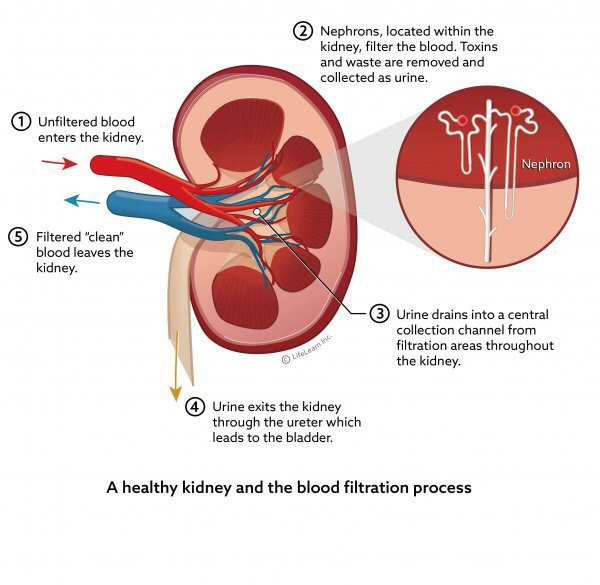
Now the main functions of the kidneys include:
-The production of glucose.
Even though our liver is responsible for this for the most part, the kidneys play a part in this process as well and we started with this since it's the most underrated/neglected one of their functions.
-Filtering our blood supply (every 1/2 an hour our entire blood supply gets filtered) and helping us excrete waste products that come from stuff such as the foods we eat and nitrogen from urea for example.
-Controlling the PH balance of our blood.
-Making hormones such as renin (a hormone that helps us regulate our blood pressure), erythropoietin (a hormone that stimulates the bone marrow to make red blood cells) and calcitriol (which is the active form of vitamin D).
-Regulating the amount of fluids that are outside the cells and balancing fluids overall.
-Balancing calcium and phosphate.
-Helping in the metabolism and clearance of leptin.
-Helping (a tiny bit/still not very well understood) the metabolism of histamine.
So if we have unhealthy kidneys, all of these take are negatively impacted and imagine for example the chronic impact that not being able to remove waste products or properly regulate our blood pressure has on our health for example.
-The production of glucose.
Even though our liver is responsible for this for the most part, the kidneys play a part in this process as well and we started with this since it's the most underrated/neglected one of their functions.
-Filtering our blood supply (every 1/2 an hour our entire blood supply gets filtered) and helping us excrete waste products that come from stuff such as the foods we eat and nitrogen from urea for example.
-Controlling the PH balance of our blood.
-Making hormones such as renin (a hormone that helps us regulate our blood pressure), erythropoietin (a hormone that stimulates the bone marrow to make red blood cells) and calcitriol (which is the active form of vitamin D).
-Regulating the amount of fluids that are outside the cells and balancing fluids overall.
-Balancing calcium and phosphate.
-Helping in the metabolism and clearance of leptin.
-Helping (a tiny bit/still not very well understood) the metabolism of histamine.
So if we have unhealthy kidneys, all of these take are negatively impacted and imagine for example the chronic impact that not being able to remove waste products or properly regulate our blood pressure has on our health for example.
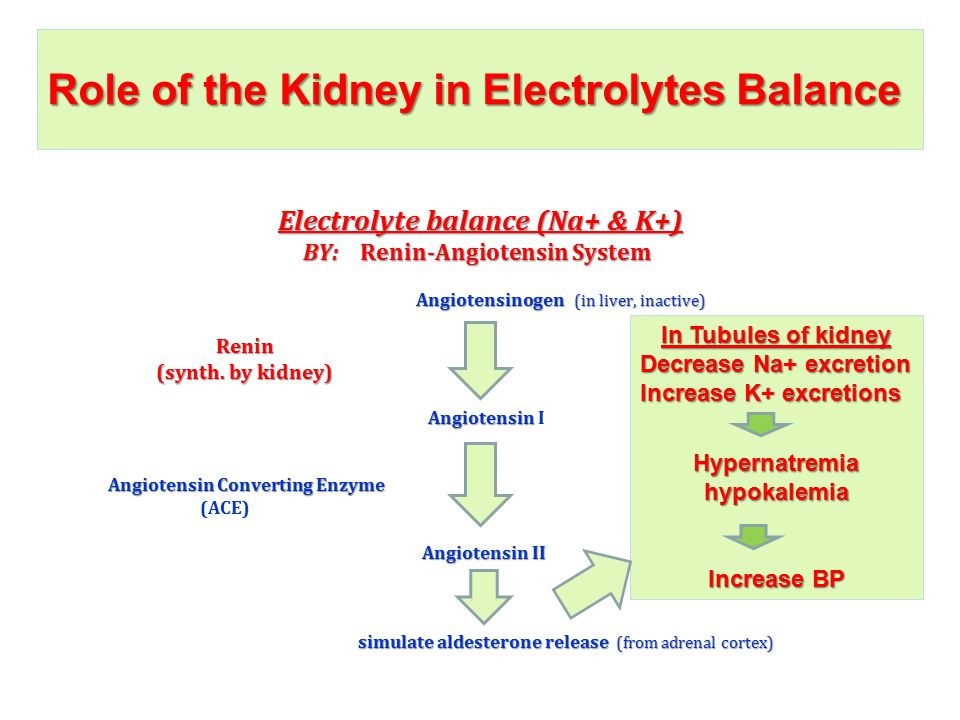
So what should a person do?
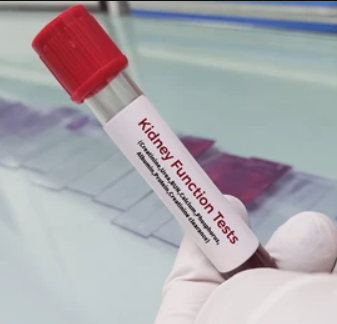
First, go and test.
What should you test?
Here's a basic panel (do not workout for 2 days prior of getting this):
-OAT
-EGFR
-Cystatin C
-BUN
-Albumin
-Globulin
These are non negotiable, now other things that you can add include:
-Calcium
- Phosphorus
- Calcium
-Sodium
-Potassium
-Bicarbonate
-Chloride
-Magnesium
-Glucose
*Do not exercise intensely for 72 hours before getting a test (yes, you can also wait for 48 hours).
First, go and test.
What should you test?
Here's a basic panel (do not workout for 2 days prior of getting this):
-OAT
-EGFR
-Cystatin C
-BUN
-Albumin
-Globulin
These are non negotiable, now other things that you can add include:
-Calcium
- Phosphorus
- Calcium
-Sodium
-Potassium
-Bicarbonate
-Chloride
-Magnesium
-Glucose
*Do not exercise intensely for 72 hours before getting a test (yes, you can also wait for 48 hours).
Now let's move on to what will harm the kidneys in general (every one of them is kind of linked to the rest so view it as a lifestyle approach).
DISCLAIMER: You will need to keep these in mind for gout as well.
Ground zero: Dehydration.
This should be obvious.
Number 1: Glyphosate
We will start with this one since it is unfortunately not mentioned even to the people who have some form of kidney disease but it's a very important one and this study simple to go through.
Besides this, glyphosate also contributes to the oxalate load and also negatively affects our gut health so it harms the kidneys both in direct ways but also indirect but equally dangerous.
DISCLAIMER: You will need to keep these in mind for gout as well.
Ground zero: Dehydration.
This should be obvious.
Number 1: Glyphosate
We will start with this one since it is unfortunately not mentioned even to the people who have some form of kidney disease but it's a very important one and this study simple to go through.
Besides this, glyphosate also contributes to the oxalate load and also negatively affects our gut health so it harms the kidneys both in direct ways but also indirect but equally dangerous.

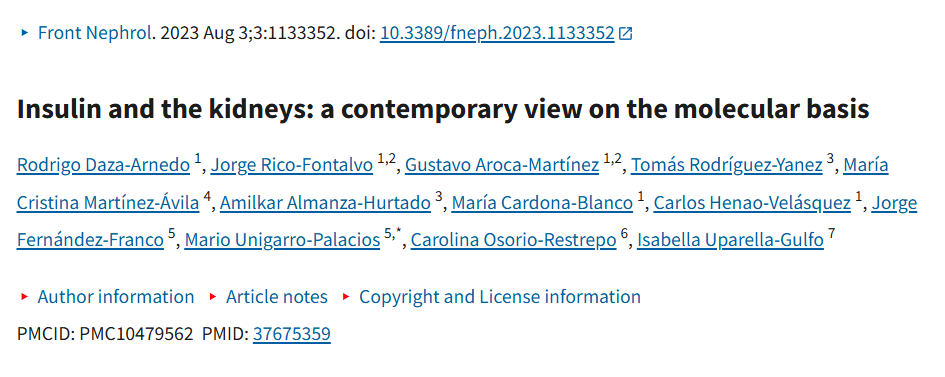
Number 2: Insulin resistance
I can't summarize everything about insulin resistance in a single tweet, so read this:
healthlibrary.substack.com/p/the-idiots-g…
I can't summarize everything about insulin resistance in a single tweet, so read this:
healthlibrary.substack.com/p/the-idiots-g…
Number 3: Certain deficiencies
Tens of thousands of processes in the human body are based on micronutrients so if we don’t provide enough of them problems will happen.
Something as sleep as a zinc deficiency for example can negatively affect our hormones but also even our sleep.
Now, the main nutrients that if we don’t get enough will negatively affects the kidneys are:
-Magnesium
-Potassium
-Sodium (yes, you need sodium in order to not aldosterone max)
-B vitamins
-Calcium
-Molybdenum
-Vitamin D
Regarding B6 for example, it is required for the conversion of glyoxalate to glycine.
Then selenium is crucial for glutathione when intracellular glutathione is depleted the formation of oxalate increases quite a lot.
Regarding molybdenum we need it in order to detoxify uric acid.
So on and so forth.
Tens of thousands of processes in the human body are based on micronutrients so if we don’t provide enough of them problems will happen.
Something as sleep as a zinc deficiency for example can negatively affect our hormones but also even our sleep.
Now, the main nutrients that if we don’t get enough will negatively affects the kidneys are:
-Magnesium
-Potassium
-Sodium (yes, you need sodium in order to not aldosterone max)
-B vitamins
-Calcium
-Molybdenum
-Vitamin D
Regarding B6 for example, it is required for the conversion of glyoxalate to glycine.
Then selenium is crucial for glutathione when intracellular glutathione is depleted the formation of oxalate increases quite a lot.
Regarding molybdenum we need it in order to detoxify uric acid.
So on and so forth.
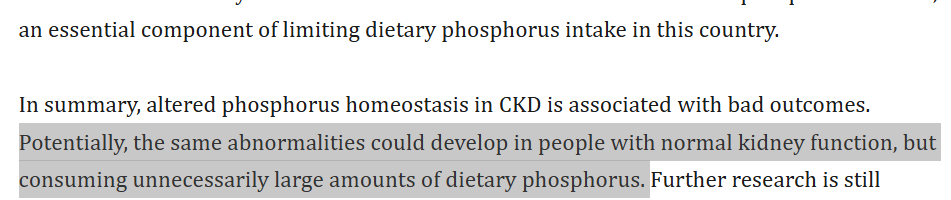
Number 4: Overdoing it with phosphorus sources such as coke, grains and especially whole grains.
You don’t need 6 servings of grains per day or what the recommended amount is these days.
That’s ridiculous and you’ll end up consuming too much phosphorus that needs to be balanced with calcium not to mention that if we are talking about stuff such as wheat, we could be facing more problems.
You don’t need 6 servings of grains per day or what the recommended amount is these days.
That’s ridiculous and you’ll end up consuming too much phosphorus that needs to be balanced with calcium not to mention that if we are talking about stuff such as wheat, we could be facing more problems.
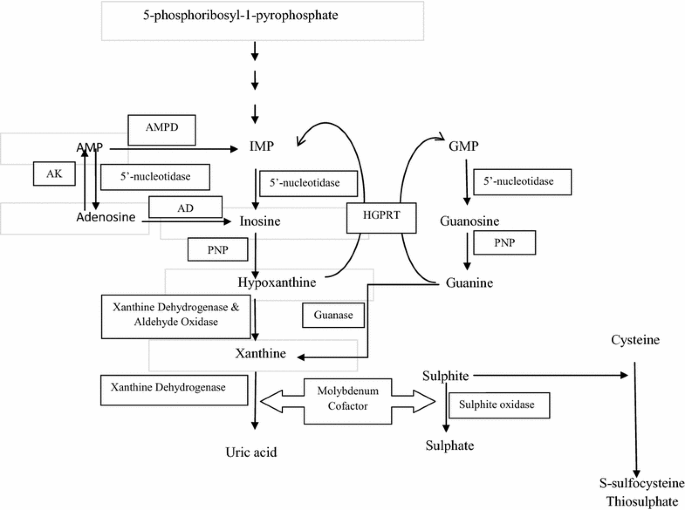
Number 5: The over-use of antibiotics and not taking care of the gut overall.
Let’s approach this from two angles.
The first one will be issues such as candida since they are very common but they will add to the total oxalate production and then harming beneficial bacteria such as lactobacillus will also create problems since they degrade purines in the blood
Let’s approach this from two angles.
The first one will be issues such as candida since they are very common but they will add to the total oxalate production and then harming beneficial bacteria such as lactobacillus will also create problems since they degrade purines in the blood

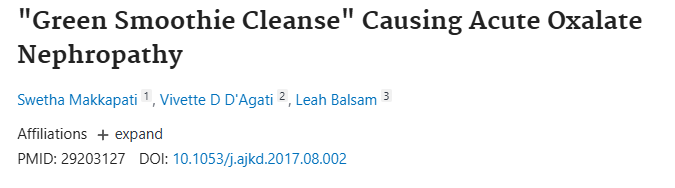
Number 6: Consuming way way too many oxalates.
Now i eat foods that are high in oxalates such as kiwis and berries since they are great micronutrient sources, but things such as green supplements that have way way too many oxalates and also overdoing it with all foods are very popular these days and both of these will causes issues.
If you for example, eat a pound of berries, 3 handfuls of almonds or something similar, ¼ of a pound of cacao, put turmeric on everything and take a green supplement, then the total amount of oxalates is insane.
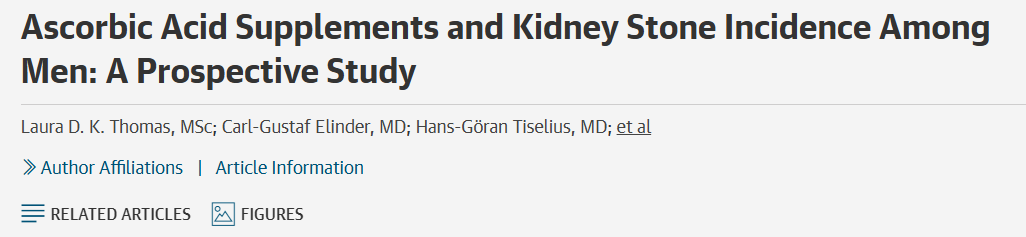
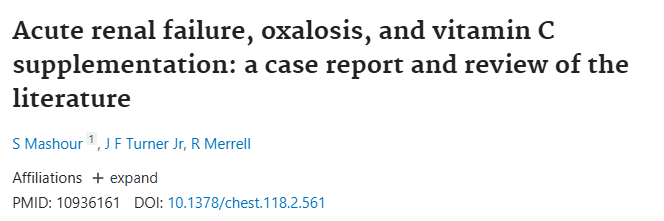
Number 7: The wrong supplements such as ascorbic acid/high dose vitamin C and pyridoxine.
Now i eat foods that are high in oxalates such as kiwis and berries since they are great micronutrient sources, but things such as green supplements that have way way too many oxalates and also overdoing it with all foods are very popular these days and both of these will causes issues.
If you for example, eat a pound of berries, 3 handfuls of almonds or something similar, ¼ of a pound of cacao, put turmeric on everything and take a green supplement, then the total amount of oxalates is insane.
Number 7: The wrong supplements such as ascorbic acid/high dose vitamin C and pyridoxine.
Number 8: Harmed bile flow
Poor bile flow is a very underrated cause of reacting badly to oxalates since one of the functions of conjugated bile acids is preventing the reabsorption of oxalates.
The easiest first steps you can take in order to secure proper bile flow include:
-Movement believe it or not
-Getting enough choline
-Getting enough whole food vitamin C
-Getting enough taurine
-Getting enough glycine
-Not “fasting” with black coffee daily
-Respecting your circadian rhythm
-Eat some bitters
Poor bile flow is a very underrated cause of reacting badly to oxalates since one of the functions of conjugated bile acids is preventing the reabsorption of oxalates.
The easiest first steps you can take in order to secure proper bile flow include:
-Movement believe it or not
-Getting enough choline
-Getting enough whole food vitamin C
-Getting enough taurine
-Getting enough glycine
-Not “fasting” with black coffee daily
-Respecting your circadian rhythm
-Eat some bitters
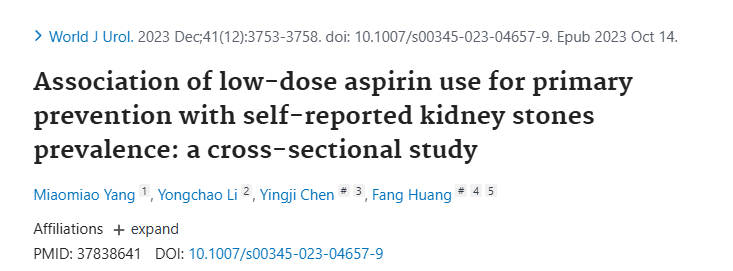
Number 9: Using NSAIDs/aspirin for no real reason
It is in fact that aspirin can have benefits but when something has benefits we should as ourselves if there’s something safer that has the same benefits and in the case of aspirin we have things such as cistanche or thiamine.
It is in fact that aspirin can have benefits but when something has benefits we should as ourselves if there’s something safer that has the same benefits and in the case of aspirin we have things such as cistanche or thiamine.
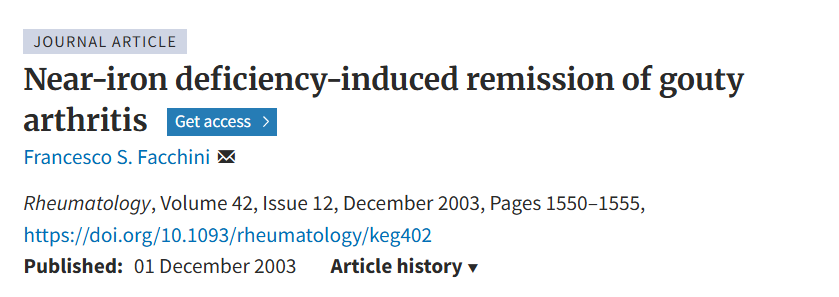
Number 10: Not taking into consideration hereditary hemochromatosis.
Number 12: SNPs in the AGXT or Alanine-Glyoxylate Aminotransferase.
Why is this important? Well, this gene basically controls how your body handles glyoxylate, a compound that can become oxalate.
Specifically, the AGXT gene gives instructions for making the enzyme alanine-glyoxylate aminotransferase, which is found mainly in the liver.
This enzyme's job is to turn glyoxylate into glycine, preventing it from being turned into oxalate.
Mutations here can cause primary hyperoxaluria type 1, leading to kidney stones or even kidney failure because of oxalate buildup.
If you have these mutations, you face a higher risk of kidney stones since it causes hyperoxaluria type 1(PH1), a rare disorder that messes up oxalate breakdown.
With too much oxalate floating around, it starts binding to calcium, forming hard, sharp crystals.
At first, these crystals pile up in the kidneys and urinary tract, causing damage over time.
And in the worst cases, the oxalate build up doesn’t stop there. As kidney function declines, those crystals can spread throughout the body, a condition called systemic oxalosis.
Too many oxalates can also deplete glutathione.
Additional testing wise consider:
-Oxalic acid
-Pyridoxic acid
-Ascorbic acid
-Glyceric acid
-Arabinose
-Glycolic acid
Finally after addressing what was just mentioned, tools/tips to keep in mind include:
-Lactobacillus strains (they help degrade purines).
-Clostridium which is low in people with hyperuricemia.
-Ground/sleep grounded since inflammatory cytokines are increased a lot before and during a gout attack.
-Low carb or even ketogenic diets
-Taurine
-NMN (pair with TMG)
-Thiamine
-Topical magnesium
-Lemon juice
-Quercetin
Why is this important? Well, this gene basically controls how your body handles glyoxylate, a compound that can become oxalate.
Specifically, the AGXT gene gives instructions for making the enzyme alanine-glyoxylate aminotransferase, which is found mainly in the liver.
This enzyme's job is to turn glyoxylate into glycine, preventing it from being turned into oxalate.
Mutations here can cause primary hyperoxaluria type 1, leading to kidney stones or even kidney failure because of oxalate buildup.
If you have these mutations, you face a higher risk of kidney stones since it causes hyperoxaluria type 1(PH1), a rare disorder that messes up oxalate breakdown.
With too much oxalate floating around, it starts binding to calcium, forming hard, sharp crystals.
At first, these crystals pile up in the kidneys and urinary tract, causing damage over time.
And in the worst cases, the oxalate build up doesn’t stop there. As kidney function declines, those crystals can spread throughout the body, a condition called systemic oxalosis.
Too many oxalates can also deplete glutathione.
Additional testing wise consider:
-Oxalic acid
-Pyridoxic acid
-Ascorbic acid
-Glyceric acid
-Arabinose
-Glycolic acid
Finally after addressing what was just mentioned, tools/tips to keep in mind include:
-Lactobacillus strains (they help degrade purines).
-Clostridium which is low in people with hyperuricemia.
-Ground/sleep grounded since inflammatory cytokines are increased a lot before and during a gout attack.
-Low carb or even ketogenic diets
-Taurine
-NMN (pair with TMG)
-Thiamine
-Topical magnesium
-Lemon juice
-Quercetin
Now gout is a (if not the most) common form of inflammatory arthritis caused by uric acid crystals building up in the joints from high uric acid levels in the blood.
So the body makes too much uric acid or can't get rid of it fast enough.
Overall, uric acid is basically the waste product your body makes when it breaks down purines.
Purine production is:
-70% endogenous: Coming from normal cell death and turnover.
-30% exogenous: Coming from the foods we eat.
When it comes to healthy levels, most agree that 5.5-6mg/dL for men and 4 mg/dL for women is the sweet spot (depending on your age (as we get older, ABCG2 declines)).
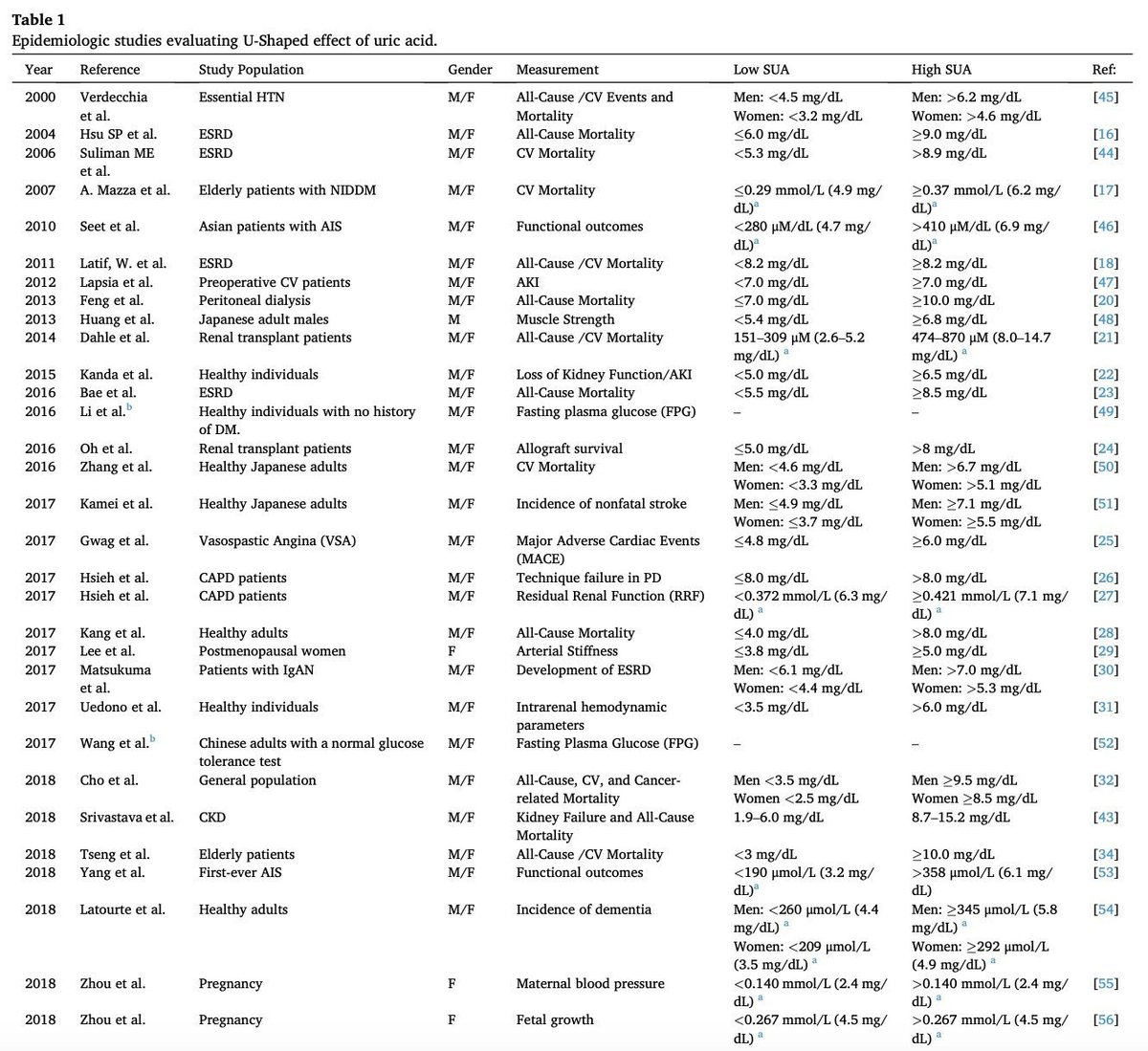
Bryan Johnson says that his 2.6 or 2.7mg/dl is ideal but this is easily disproven (tap in the pics). You can also get a FEUA: (Urine UA × Blood Creatinine) / (Blood UA × Urine Creatinine) × 100.
So the body makes too much uric acid or can't get rid of it fast enough.
Overall, uric acid is basically the waste product your body makes when it breaks down purines.
Purine production is:
-70% endogenous: Coming from normal cell death and turnover.
-30% exogenous: Coming from the foods we eat.
When it comes to healthy levels, most agree that 5.5-6mg/dL for men and 4 mg/dL for women is the sweet spot (depending on your age (as we get older, ABCG2 declines)).
Bryan Johnson says that his 2.6 or 2.7mg/dl is ideal but this is easily disproven (tap in the pics). You can also get a FEUA: (Urine UA × Blood Creatinine) / (Blood UA × Urine Creatinine) × 100.
The kidneys filter all blood uric acid, but reabsorb 90% leaving us with a net excretion of 10%.
Transporters like GLUT9 and URAT1 reabsorb uric acid and OAT1, OAT3, and ABCG2 control its excretion in the kidneys and intestines.
Elevated levels of uric acid are of course responsible for other health issues besides gout such as CVD (why allopurinol use often causes a sudden decrease in LDL).
Now in order to monitor our uric acid levels, we have to:
-Pay attention to our body weight.
-Pay attention to how many and what types of carbs we consume.
Even though a lot of people with kidney issues try to avoid meat altogether (which can be a mistake) because of purines, they forget that when our bodies break down fructose for example, the amount of purines that’s released is WAY larger than the one from a piece of meat.
-Take care of our kidneys and our gut health overall
-Avoid insulin resistance (blocks excretion)
-Monitor the amount of alcohol we consume (in some cases beer consumption has increased UA by up to 1.5 mg/dl)
-Avoid excessive sources of oxidative stress (high O6 low O3 diets, smoking etc)
-Getting enough magnesium, potassium and calcium
-Get a hair mineral analysis (mainly for arsenic)
-Staying hydrated
-Cut out nicotine (especially in the case of vaping, zyns etc)
Now bonus tools that can help include:
-Benfotiamine
-Quercetin
-Taurine
-Resveratrol
-Cherries
-Potassium citrate
Transporters like GLUT9 and URAT1 reabsorb uric acid and OAT1, OAT3, and ABCG2 control its excretion in the kidneys and intestines.
Elevated levels of uric acid are of course responsible for other health issues besides gout such as CVD (why allopurinol use often causes a sudden decrease in LDL).
Now in order to monitor our uric acid levels, we have to:
-Pay attention to our body weight.
-Pay attention to how many and what types of carbs we consume.
Even though a lot of people with kidney issues try to avoid meat altogether (which can be a mistake) because of purines, they forget that when our bodies break down fructose for example, the amount of purines that’s released is WAY larger than the one from a piece of meat.
-Take care of our kidneys and our gut health overall
-Avoid insulin resistance (blocks excretion)
-Monitor the amount of alcohol we consume (in some cases beer consumption has increased UA by up to 1.5 mg/dl)
-Avoid excessive sources of oxidative stress (high O6 low O3 diets, smoking etc)
-Getting enough magnesium, potassium and calcium
-Get a hair mineral analysis (mainly for arsenic)
-Staying hydrated
-Cut out nicotine (especially in the case of vaping, zyns etc)
Now bonus tools that can help include:
-Benfotiamine
-Quercetin
-Taurine
-Resveratrol
-Cherries
-Potassium citrate
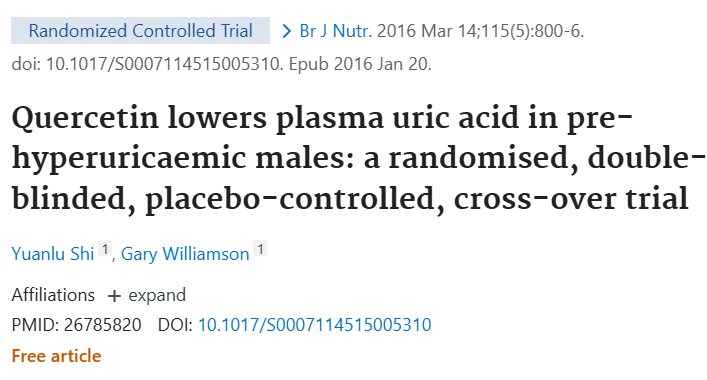
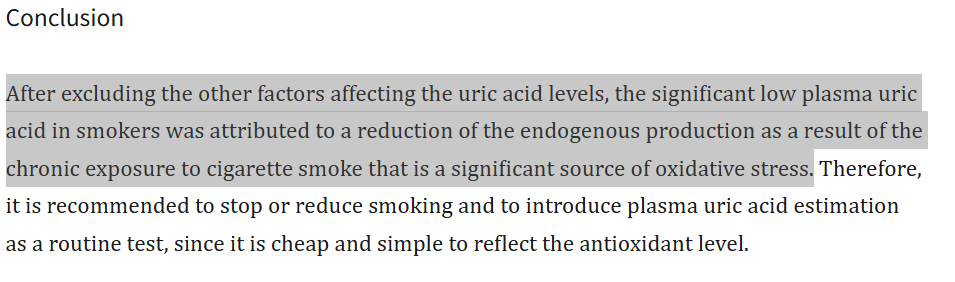


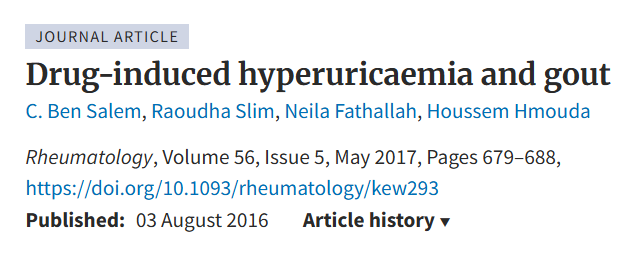
P.S: Nicotinic acid/B3 can decrease the urinary excretion of uric acid by 10-15% so try to avoid supplement if you have gout (unless your doctor advises otherwise).
This study is interesting in case you have access to it.
This study is interesting in case you have access to it.
That's all.
I hope that you learned something from this thread.
If you did, make sure to leave a like/RT.
I hope that you learned something from this thread.
If you did, make sure to leave a like/RT.
https://x.com/Helios_Movement/status/2053139501300518939
For more, go here:
It has 97 articles on a variety of different topics, ranging from gut health and skin health, all the way to peptides, mental health issues and more.healthlibrary.substack.com/archive
It has 97 articles on a variety of different topics, ranging from gut health and skin health, all the way to peptides, mental health issues and more.healthlibrary.substack.com/archive
• • •
Missing some Tweet in this thread? You can try to
force a refresh