Most supplements over-promise and under-deliver.
Here are some supplements that don't and can actually help you in a variety of areas, ranging from your brain and gut health all the way to your hormones and skin health.
Thread🧵
Here are some supplements that don't and can actually help you in a variety of areas, ranging from your brain and gut health all the way to your hormones and skin health.
Thread🧵


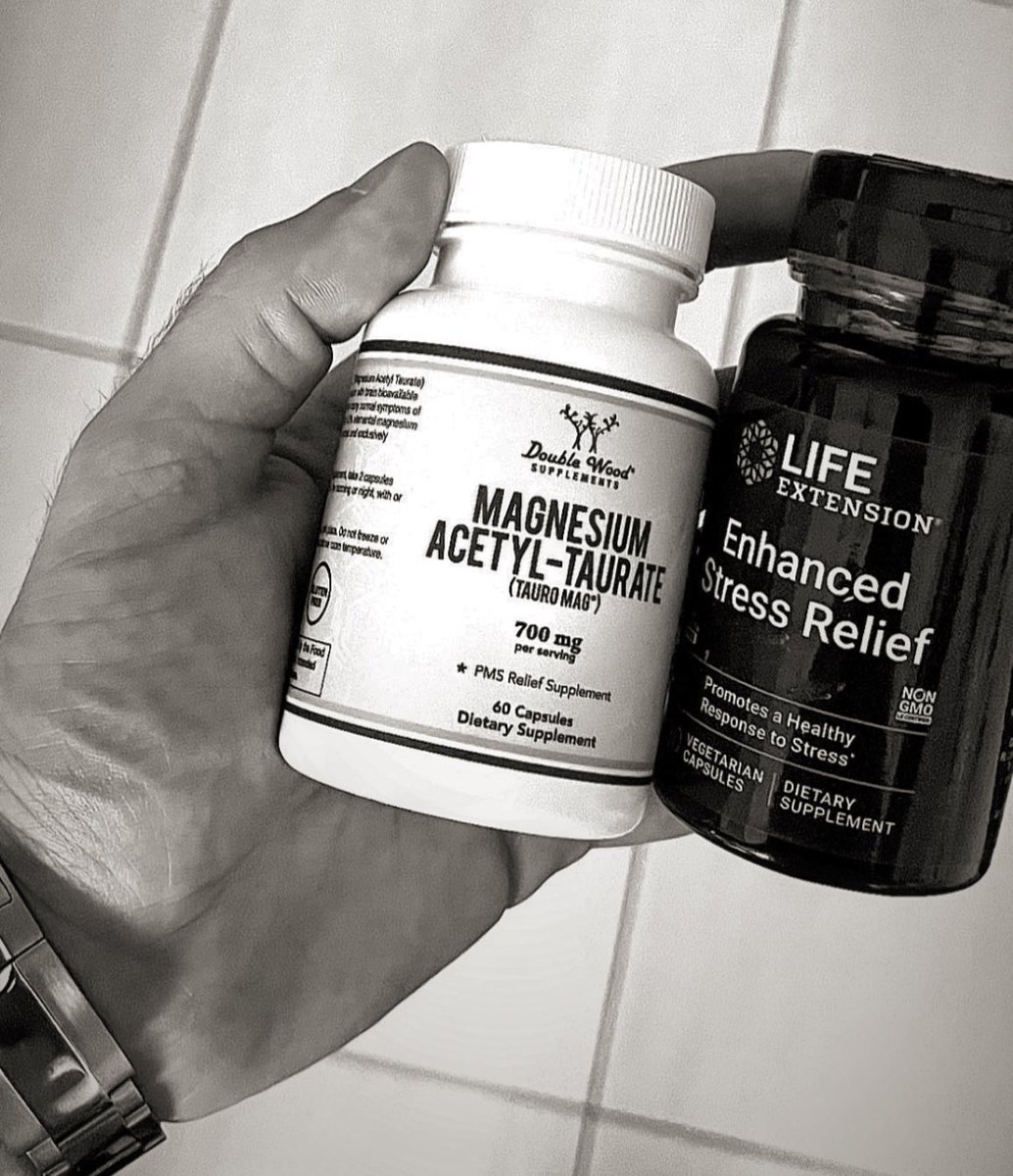
*Standard disclaimer that nothing in this thread should be used as a substitute for medical advice*
Note: This is about supplements indeed but if you do not get sunlight, exercise, eat whole foods, try to avoid vices such as excessive alcohol consumption and so on, then supplements will not save you.
Plenty of foods have more benefits that not only compared to the supplements at a low/medium price point but a very high as well. If a supplement, had the history and benefits of kefir for example, it would sell a lot. It’s just that you can only make so much profit from foods. I can’t sell you for example a $30 bottle of kefir yet i can very easily sell someone a $30 bottle of probiotics.
The right supplements CAN be useful and maybe even life saving. I am not dismissing them. At all. This is why we will talk about them.
This is just about having the right priorities.
Also, every single of these supplements that are mentioned will backfire for some people.
It's mathematically impossible not to.
If only 3.000 people read this and out of them 300 choose to use one, it's impossible for one of them to not react badly to it.
Does this fact make the supplement bad? No.
It makes it bad within a certain context.
So, read the studies that are linked.
Now let's talk about the supplements (not presented by order of importance).
Note: This is about supplements indeed but if you do not get sunlight, exercise, eat whole foods, try to avoid vices such as excessive alcohol consumption and so on, then supplements will not save you.
Plenty of foods have more benefits that not only compared to the supplements at a low/medium price point but a very high as well. If a supplement, had the history and benefits of kefir for example, it would sell a lot. It’s just that you can only make so much profit from foods. I can’t sell you for example a $30 bottle of kefir yet i can very easily sell someone a $30 bottle of probiotics.
The right supplements CAN be useful and maybe even life saving. I am not dismissing them. At all. This is why we will talk about them.
This is just about having the right priorities.
Also, every single of these supplements that are mentioned will backfire for some people.
It's mathematically impossible not to.
If only 3.000 people read this and out of them 300 choose to use one, it's impossible for one of them to not react badly to it.
Does this fact make the supplement bad? No.
It makes it bad within a certain context.
So, read the studies that are linked.
Now let's talk about the supplements (not presented by order of importance).
Number 1: Magnesium.
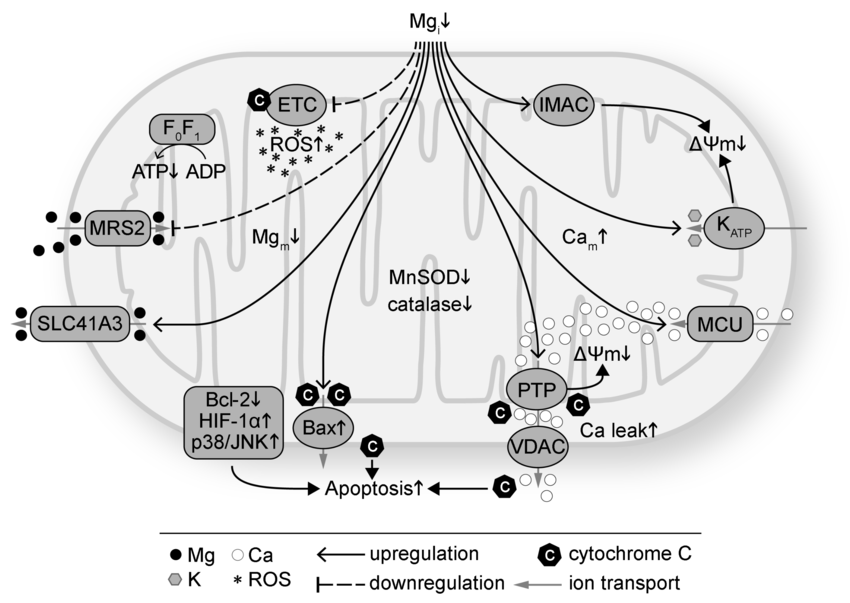
Magnesium is involved in over 3700 enzymatic reactions in the body.
So without enough magnesium, nothing really works. But supplement wise, which form should you pick?
Here's a basic breakdown
Form 1: Magnesium citrate
This is a quite bioavailable form (not as much as glycinate or malate though in many cases) that combines magnesium with citric acid but because of this (most commercial citric acid comes from Aspergillus species), you should only use it to resolve constipation and if you have MCAS or histamine intolerance you should not use it.
Form 2: Magnesium oxide.
Throw this in the trash.
This is just a cheap form that results in the creation of pro-oxidant compounds (obviously) with a 4% bioavailability (to put this into perspective, glycinate can reach up to 40% in some cases).
Form 3: Magnesium glycinate.
This is a form where magnesium is bound to glycine and the form that most people should start with since it’s pretty bioavailable, cheap and it’s great for supporting sleep and stress reduction.
Form 4: Magnesium malate.
This is a form where magnesium is paired with malic acid (a compound that’s found in apples).
It’s perfect for people who either battle aluminum toxicity or just focus on overall detoxing.
All forms of magnesium can help by lowering aluminum retention in bones and tissues overall but malic acid can also bind certain heavy metals such as aluminum.
The effects are mild and you can not rely just on this for aluminum toxicity, but it’s something good to know in my opinion. Compared to other oral forms, it seems to be better for muscle recovery as well and support the krebs cycle more.
Form 5: Magnesium threonate
This form, has gained a lot of popularity for the overall benefits it can have on the brain and that’s because it crosses the blood-brain barrier. It’s a form where magnesium is bound to threonic acid (a metabolite of vitamin C).
Form 6: Magnesium acetyl taurate
If you have high blood pressure, anxiety and want to focus on your overall CVD health, this form is for you.
Form 7: Magnesium chloride
This form where magnesium is bound to chloride, is typically used for muscle recovery but it’s also great for people who have serious digestive issues and can’t absorb a lot of things.
Disclaimer: If you are extremely deficient in magnesium and decide to use MgCl, it will sting, a lot.
From 8: Magnesium sulfate (Epsom salts)
This from where magnesium is paired with sulfate is also great for muscle recovery but not ideal for increasing the levels within our bodies.
Note 1: If you have profound gut issues and for whatever reason you also react badly to topical forms of magnesium. Magnesium l aspartate hydrochloride is your best bet since it does not really alter gastric pH or binds hydrochloric acid.
Note 2: When it come to bicarb, it could reduce calcium buildup in soft tissues a bit and help with constipation. But it's quite expensive and if you choose to make it yourself, make sure that it stays cold, not overconsuming in order to not dilute my stomach acid etc.
Magnesium is involved in over 3700 enzymatic reactions in the body.
So without enough magnesium, nothing really works. But supplement wise, which form should you pick?
Here's a basic breakdown
Form 1: Magnesium citrate
This is a quite bioavailable form (not as much as glycinate or malate though in many cases) that combines magnesium with citric acid but because of this (most commercial citric acid comes from Aspergillus species), you should only use it to resolve constipation and if you have MCAS or histamine intolerance you should not use it.
Form 2: Magnesium oxide.
Throw this in the trash.
This is just a cheap form that results in the creation of pro-oxidant compounds (obviously) with a 4% bioavailability (to put this into perspective, glycinate can reach up to 40% in some cases).
Form 3: Magnesium glycinate.
This is a form where magnesium is bound to glycine and the form that most people should start with since it’s pretty bioavailable, cheap and it’s great for supporting sleep and stress reduction.
Form 4: Magnesium malate.
This is a form where magnesium is paired with malic acid (a compound that’s found in apples).
It’s perfect for people who either battle aluminum toxicity or just focus on overall detoxing.
All forms of magnesium can help by lowering aluminum retention in bones and tissues overall but malic acid can also bind certain heavy metals such as aluminum.
The effects are mild and you can not rely just on this for aluminum toxicity, but it’s something good to know in my opinion. Compared to other oral forms, it seems to be better for muscle recovery as well and support the krebs cycle more.
Form 5: Magnesium threonate
This form, has gained a lot of popularity for the overall benefits it can have on the brain and that’s because it crosses the blood-brain barrier. It’s a form where magnesium is bound to threonic acid (a metabolite of vitamin C).
Form 6: Magnesium acetyl taurate
If you have high blood pressure, anxiety and want to focus on your overall CVD health, this form is for you.
Form 7: Magnesium chloride
This form where magnesium is bound to chloride, is typically used for muscle recovery but it’s also great for people who have serious digestive issues and can’t absorb a lot of things.
Disclaimer: If you are extremely deficient in magnesium and decide to use MgCl, it will sting, a lot.
From 8: Magnesium sulfate (Epsom salts)
This from where magnesium is paired with sulfate is also great for muscle recovery but not ideal for increasing the levels within our bodies.
Note 1: If you have profound gut issues and for whatever reason you also react badly to topical forms of magnesium. Magnesium l aspartate hydrochloride is your best bet since it does not really alter gastric pH or binds hydrochloric acid.
Note 2: When it come to bicarb, it could reduce calcium buildup in soft tissues a bit and help with constipation. But it's quite expensive and if you choose to make it yourself, make sure that it stays cold, not overconsuming in order to not dilute my stomach acid etc.
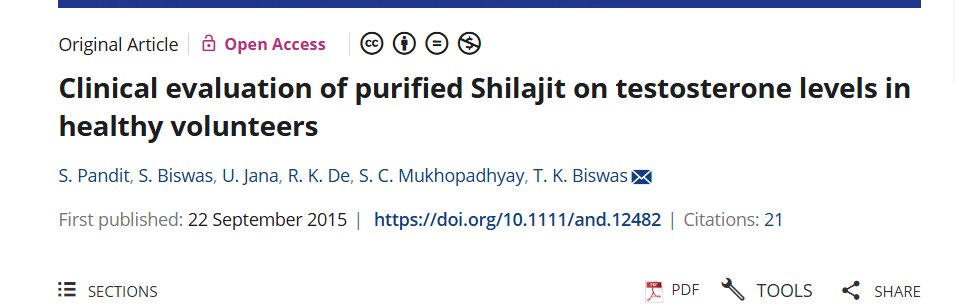
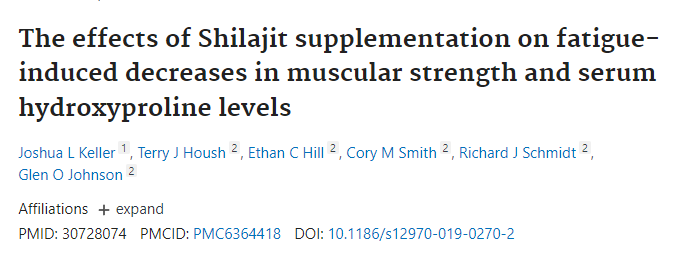
Number 2: Shilajit (you will need a brand that does 3rd party testing).
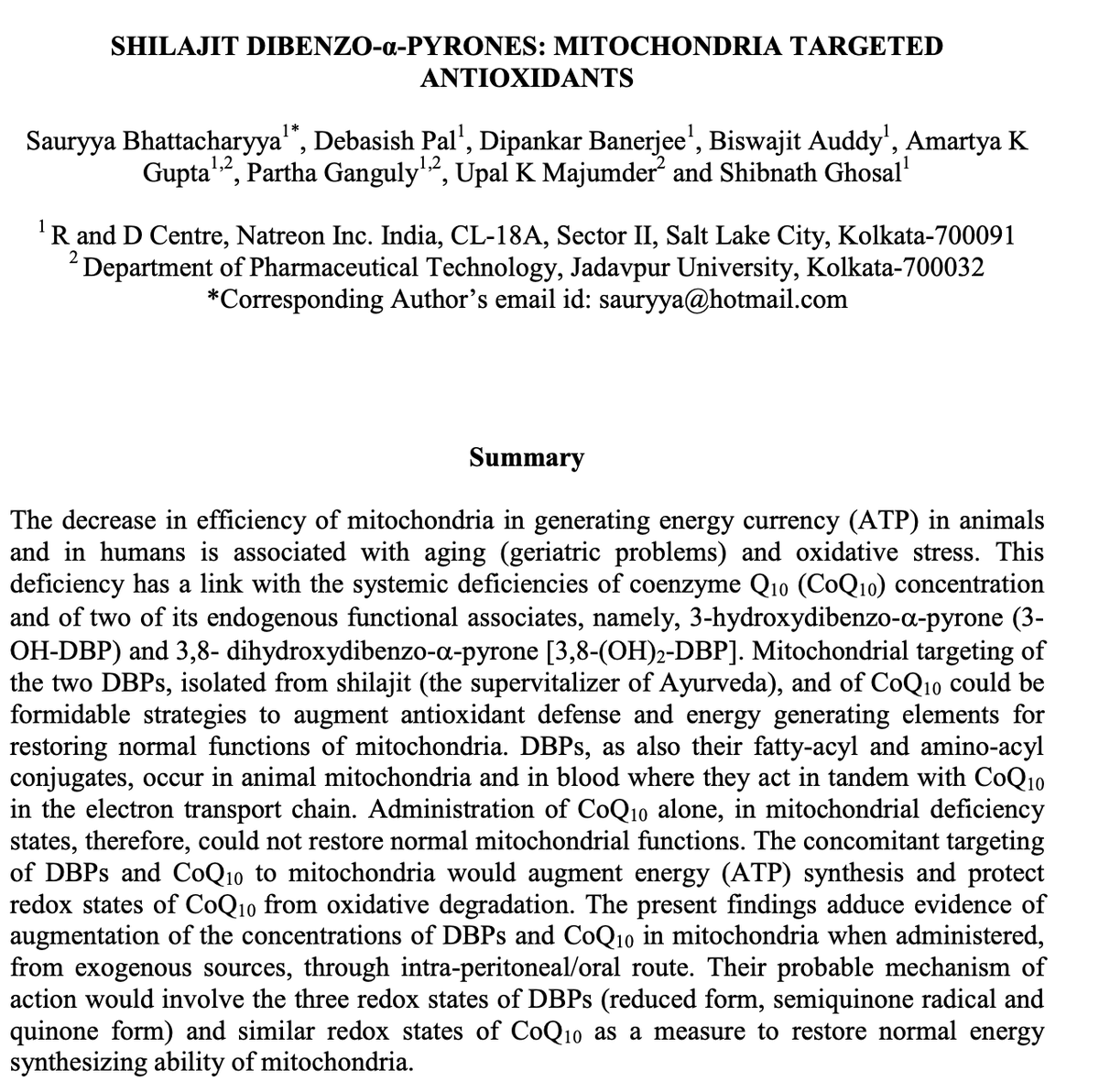
A great tool that can help with fatigue, detoxing, mitochondrial health, heart health by preventing tau protein accumulation, testosterone, free testosterone and DHEA.
The humic substances are also great bonuses for detoxing but overall health support as well.
Fulvic acid for example in case you are struggling with issues such as fatigue can serve as an electron donor.
A great tool that can help with fatigue, detoxing, mitochondrial health, heart health by preventing tau protein accumulation, testosterone, free testosterone and DHEA.
The humic substances are also great bonuses for detoxing but overall health support as well.
Fulvic acid for example in case you are struggling with issues such as fatigue can serve as an electron donor.

Number 3: PHGG
Partially Hydrolyzed Guar Gum (PHGG) is a water-soluble dietary fiber derived from the endosperm of the guar bean.
Unlike regular guar gum, PHGG is enzymatically broken down to reduce its viscosity while retaining its prebiotic properties.
It is primarily composed of galactomannan, a polysaccharide consisting of a mannose backbone with galactose side chains.
The hydrolysis process reduces the chain length, resulting in:
-High solubility
-Low fermentability (it's low-FODMAP)
-Stimulating beneficial bacteria like Bifidobacterium and Lactobacillus which produce short-chain fatty acids (SCFAs) like butyrate, acetate, and propionate all of which create an acidic gut environment less favorable to Candida as well.
-Improving mucus production and tight junction integrity
-Increasing stool bulk
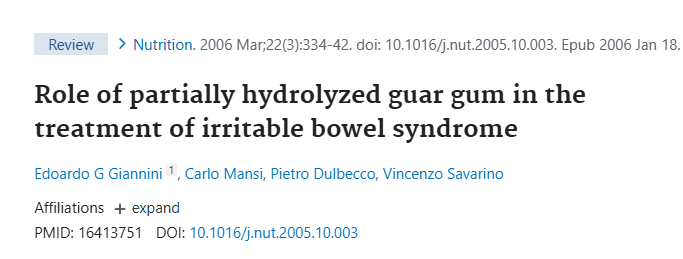
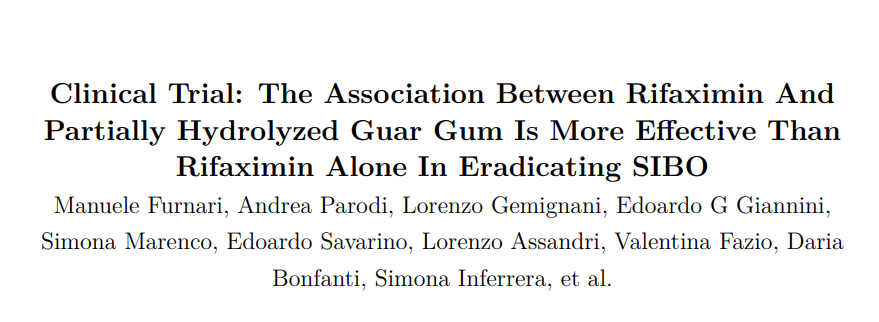
-Plus it's well studied for people with IBS-C (constipation-predominant), IBS-D (diarrhea-predominant) and SIBO.
Partially Hydrolyzed Guar Gum (PHGG) is a water-soluble dietary fiber derived from the endosperm of the guar bean.
Unlike regular guar gum, PHGG is enzymatically broken down to reduce its viscosity while retaining its prebiotic properties.
It is primarily composed of galactomannan, a polysaccharide consisting of a mannose backbone with galactose side chains.
The hydrolysis process reduces the chain length, resulting in:
-High solubility
-Low fermentability (it's low-FODMAP)
-Stimulating beneficial bacteria like Bifidobacterium and Lactobacillus which produce short-chain fatty acids (SCFAs) like butyrate, acetate, and propionate all of which create an acidic gut environment less favorable to Candida as well.
-Improving mucus production and tight junction integrity
-Increasing stool bulk
-Plus it's well studied for people with IBS-C (constipation-predominant), IBS-D (diarrhea-predominant) and SIBO.
Number 4: Creapure
Most people are already familiar with this "bro" supplements but don't underestimate the impact that it can have in regards to your energy levels, brain and androgen health.
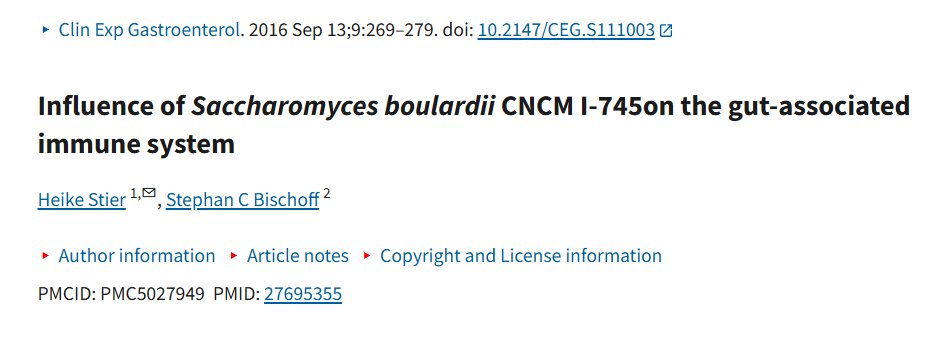
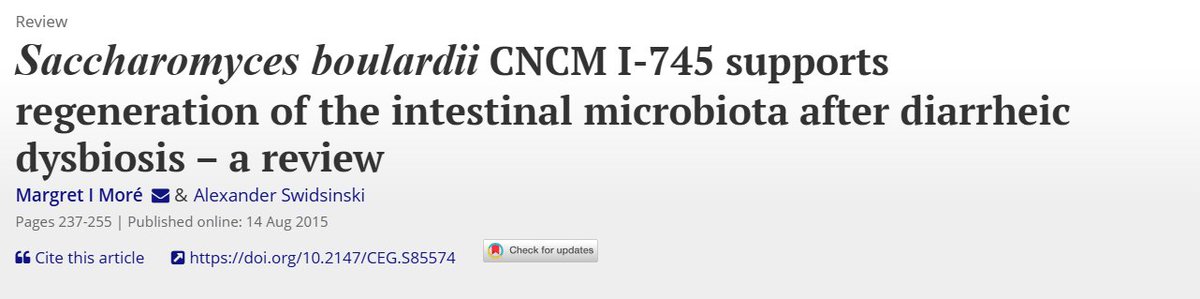
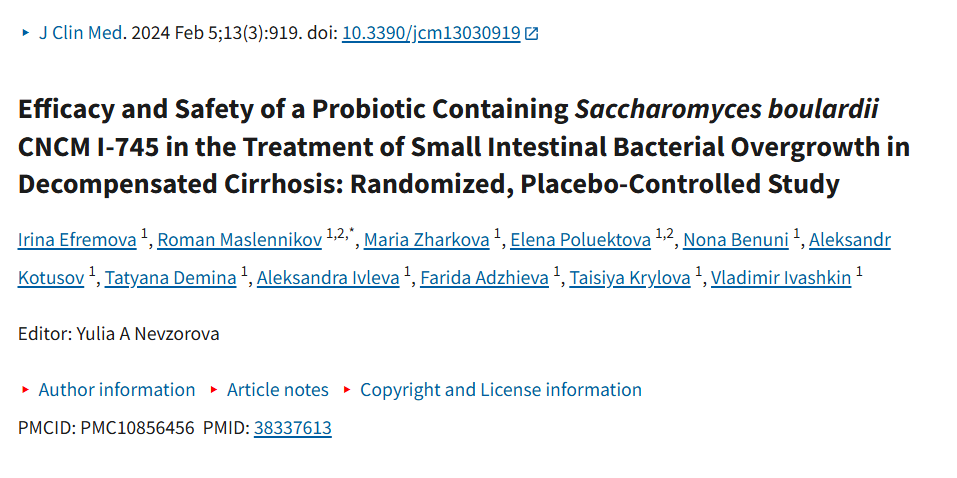
Number 5: Saccharomyces boulardii (CNCM I-745).
This non-pathogenic yeast has been extensively studied for 50+ years for its ability to support gut health, particularly in preventing and treating diarrhea caused by antibiotics and infections.
For example, it inhibits chloride secretion and water loss into the gut lumen, counteracting the effects of pathogens like Vibrio cholerae and rotavirus, produces substances that neutralize toxins from harmful bacteria (through enzymes like a 63 kDa alkaline phosphatase and a 54 kDa serine protease) and reduces their ability to attach to gut cells mainly by "trapping" them in the gut lumen.
It also lowers pro-inflammatory molecules, such as IL-8 and TNF-α, while boosting anti-inflammatory signals like IL-10, helps maintain or restore the integrity of tight junctions by inhibiting for example the phosphorylation of myosin light chain, and promotes the recycling of E-cadherin.
Plus it secretes an anti-inflammatory factor (SAIF, <1 kDa) that inhibits pathways like NF-κB, enhances the expression of digestive enzymes such as sucrase and maltase and also enhances IgA production.
It can also be beneficial for IBS-D, some types of SIBO except hydrogen sulfide-dominant and even LPS.
Note: In case you use it and it causes you constipation, use myo-inositol.
Most people are already familiar with this "bro" supplements but don't underestimate the impact that it can have in regards to your energy levels, brain and androgen health.
Number 5: Saccharomyces boulardii (CNCM I-745).
This non-pathogenic yeast has been extensively studied for 50+ years for its ability to support gut health, particularly in preventing and treating diarrhea caused by antibiotics and infections.
For example, it inhibits chloride secretion and water loss into the gut lumen, counteracting the effects of pathogens like Vibrio cholerae and rotavirus, produces substances that neutralize toxins from harmful bacteria (through enzymes like a 63 kDa alkaline phosphatase and a 54 kDa serine protease) and reduces their ability to attach to gut cells mainly by "trapping" them in the gut lumen.
It also lowers pro-inflammatory molecules, such as IL-8 and TNF-α, while boosting anti-inflammatory signals like IL-10, helps maintain or restore the integrity of tight junctions by inhibiting for example the phosphorylation of myosin light chain, and promotes the recycling of E-cadherin.
Plus it secretes an anti-inflammatory factor (SAIF, <1 kDa) that inhibits pathways like NF-κB, enhances the expression of digestive enzymes such as sucrase and maltase and also enhances IgA production.
It can also be beneficial for IBS-D, some types of SIBO except hydrogen sulfide-dominant and even LPS.
Note: In case you use it and it causes you constipation, use myo-inositol.
Number 6: Some of the Lactobacillus genus
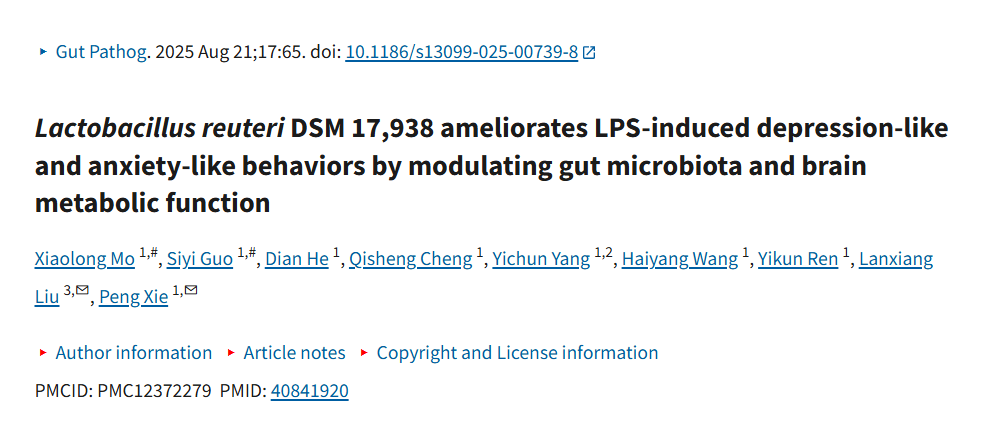
These species produce lactic acid and primarily colonize the small intestine.
The main species include:
-Lactobacillus acidophilus with strains such as NCFM, LA-14, CL1285, DDS-1 and UALa-01
These strains should be avoided with people who struggle with pathogen overgrowths and especially for people who have SIBO (why plenty of people who have SIBO can start having fruit without many issues after they start addressing it, but as soon as they eat yogurt for example, all hell breaks loose (especially if they go for some brands such as activia)) BUT they can have certain benefits in case you are not struggling with an overgrowth with the main one being helping antibiotic-associated diarrhea and supporting the immune system.
-Lactobacillus rhamnosus with strains such as GG (LGG), HRVD113-US, SD-GG-BE, LRH020
Now this one, is a great species that has all the benefits that probiotics are supposed to have but can also help with IBS way more than other probiotic genus, help us excrete mycotoxins better and has even shown to reduce atopic dermatitis.
*If you want to try one, the first one is the GG (LGG) strain.
- Lactobacillus plantarum with strains such as PS128, SD-LP1-IT, UALp-05, PPLP-217, SD-LPLDL-UK, TWK10. This one is weird. It works great for histamine intolerance and supporting the brain but only if you have addressed the main things first.
By this i mean that if your histamine intolerance springs from gut dysbiosis and certain nutrient deficiencies for example, then adding plantarum won't do much by itself and you will feel that you've wasted your money.
But if you have addressed these, experienced improvements and are looking for an extra 20% improvement in symptoms, it can be a great addition. (This is true for all supplement of course but not to this extent).
It's also an underrated tool for improving nutrient absorption.
-Lactobacillus casei with strains such as DN-114 001, HRVD300-US, UALc-03, Lbc80r, SD-CECT9104-SP
Now this has actually been shown to improve IBD, BUT, only if it's not paired with an overgrowth since strains such as DN-114 001 ferment sugars very efficiently. It's also shown to reduce respiratory infections but not as effective as Lactobacillus paracasei (it's mainly advertised for allergic rhinitis symptoms after all).
-Lactobacillus reuteri with strains such as ATCC 55730, PBS072, RD830-FR, SD-LRE2-IT
This one is quite popular and for good reasons.
But MOST products have a ridiculous amount (we are talking about more than 50 billion CFUs) and even though it can reduce methane production in methane-dominant SIBO, improving constipation by producing antimicrobial compounds such as reuterin, these high doses can overwhelm the small intestine, increasing bacterial load.
This simple and underrated reasons is why so many people with SIBO praise this genus while others hate it.
Now of course it has plenty of benefits such as promoting mucus production, balancing lipids, reducing ulcer and even supporting androgens. -Lactobacillus crispatus with strains such as SD-LCR01-IT
The main benefit for this is helping prevent bacterial vaginosis and yeast infections by maintaining vaginal pH.
-Lactobacillus fermentum with strains such as SD-LF8-IT
This will have some benefits for a niche issue but overall it's not worth it especially if you have any bacterial overgrwoth.
-Lactobacillus salivarius with strains such as SD-LS1-IT
This is quite interesting for reducing plaque and bacteria related to gum disease.
-Lactobacillus bulgaricus
Don't like it. It can help lactose intolerance but it's even that effective for it and it make pathogen overgrowths way worse.
These species produce lactic acid and primarily colonize the small intestine.
The main species include:
-Lactobacillus acidophilus with strains such as NCFM, LA-14, CL1285, DDS-1 and UALa-01
These strains should be avoided with people who struggle with pathogen overgrowths and especially for people who have SIBO (why plenty of people who have SIBO can start having fruit without many issues after they start addressing it, but as soon as they eat yogurt for example, all hell breaks loose (especially if they go for some brands such as activia)) BUT they can have certain benefits in case you are not struggling with an overgrowth with the main one being helping antibiotic-associated diarrhea and supporting the immune system.
-Lactobacillus rhamnosus with strains such as GG (LGG), HRVD113-US, SD-GG-BE, LRH020
Now this one, is a great species that has all the benefits that probiotics are supposed to have but can also help with IBS way more than other probiotic genus, help us excrete mycotoxins better and has even shown to reduce atopic dermatitis.
*If you want to try one, the first one is the GG (LGG) strain.
- Lactobacillus plantarum with strains such as PS128, SD-LP1-IT, UALp-05, PPLP-217, SD-LPLDL-UK, TWK10. This one is weird. It works great for histamine intolerance and supporting the brain but only if you have addressed the main things first.
By this i mean that if your histamine intolerance springs from gut dysbiosis and certain nutrient deficiencies for example, then adding plantarum won't do much by itself and you will feel that you've wasted your money.
But if you have addressed these, experienced improvements and are looking for an extra 20% improvement in symptoms, it can be a great addition. (This is true for all supplement of course but not to this extent).
It's also an underrated tool for improving nutrient absorption.
-Lactobacillus casei with strains such as DN-114 001, HRVD300-US, UALc-03, Lbc80r, SD-CECT9104-SP
Now this has actually been shown to improve IBD, BUT, only if it's not paired with an overgrowth since strains such as DN-114 001 ferment sugars very efficiently. It's also shown to reduce respiratory infections but not as effective as Lactobacillus paracasei (it's mainly advertised for allergic rhinitis symptoms after all).
-Lactobacillus reuteri with strains such as ATCC 55730, PBS072, RD830-FR, SD-LRE2-IT
This one is quite popular and for good reasons.
But MOST products have a ridiculous amount (we are talking about more than 50 billion CFUs) and even though it can reduce methane production in methane-dominant SIBO, improving constipation by producing antimicrobial compounds such as reuterin, these high doses can overwhelm the small intestine, increasing bacterial load.
This simple and underrated reasons is why so many people with SIBO praise this genus while others hate it.
Now of course it has plenty of benefits such as promoting mucus production, balancing lipids, reducing ulcer and even supporting androgens. -Lactobacillus crispatus with strains such as SD-LCR01-IT
The main benefit for this is helping prevent bacterial vaginosis and yeast infections by maintaining vaginal pH.
-Lactobacillus fermentum with strains such as SD-LF8-IT
This will have some benefits for a niche issue but overall it's not worth it especially if you have any bacterial overgrwoth.
-Lactobacillus salivarius with strains such as SD-LS1-IT
This is quite interesting for reducing plaque and bacteria related to gum disease.
-Lactobacillus bulgaricus
Don't like it. It can help lactose intolerance but it's even that effective for it and it make pathogen overgrowths way worse.
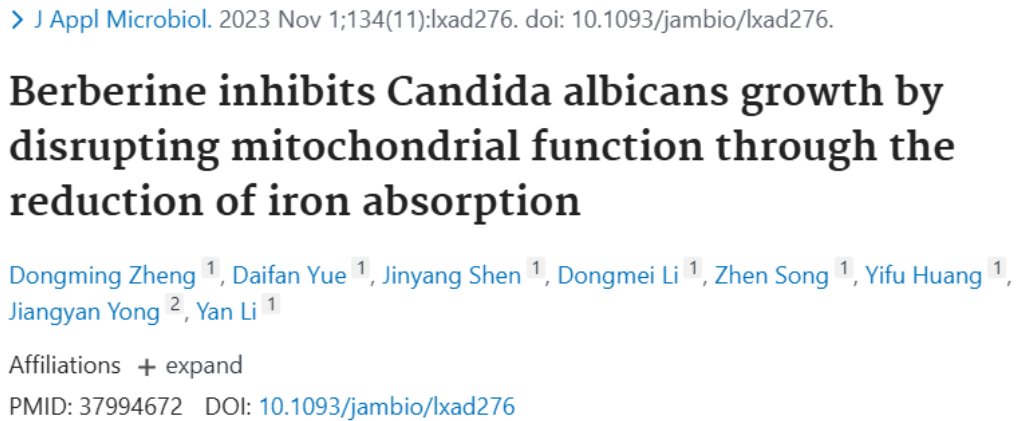
Number 7: Berberine.
Now plenty of people reffer to as "nature's Ozempic" and it does have a lot of benefit when it comes to blood sugar regulation and insulin, but it's still heavily under-appreciated when it comes to gut issues.
Let's say that you are struggling with candida overgrowth for example.
Then, for its price, berberine is probably the best supplement for dealing with candida overgrowth.
Berberine:
-Binds to CDR1’s substrate-binding site, competitively inhibiting its efflux activity, increasing intracellular antifungal concentrations.
-Binds to the heme-binding site or substrate pocket of lanosterol 14-α-demethylase, inhibiting its catalytic activity.
This disrupts ergosterol synthesis and increases membrane permeability.
-Inhibits ALS3 expression by targeting Efg1 and Bcr1 transcription factors.
-Inhibits BCR1 expression by targeting Efg1 and other transcription factors, reducing ALS3 and HWP1 expression, which weakens biofilm formation.
What exactly are these?
Well:
-CDR1 encodes an ATP-binding cassette (ABC) efflux pump that expels a wide range of antifungals reducing their intracellular concentration.
-ERG11 encodes lanosterol 14-α-demethylase (a cytochrome P450 enzyme) essential for ergosterol synthesis (a component of the fungal cell membrane).
-ALS3 encodes a cell wall adhesin, a glycoprotein critical for initiating biofilm formation and tissue invasion.
-BCR1 encodes a transcription factor that regulates biofilm formation by controlling expression of adhesins (ALS3, HWP1) and extracellular matrix genes.
Now plenty of people reffer to as "nature's Ozempic" and it does have a lot of benefit when it comes to blood sugar regulation and insulin, but it's still heavily under-appreciated when it comes to gut issues.
Let's say that you are struggling with candida overgrowth for example.
Then, for its price, berberine is probably the best supplement for dealing with candida overgrowth.
Berberine:
-Binds to CDR1’s substrate-binding site, competitively inhibiting its efflux activity, increasing intracellular antifungal concentrations.
-Binds to the heme-binding site or substrate pocket of lanosterol 14-α-demethylase, inhibiting its catalytic activity.
This disrupts ergosterol synthesis and increases membrane permeability.
-Inhibits ALS3 expression by targeting Efg1 and Bcr1 transcription factors.
-Inhibits BCR1 expression by targeting Efg1 and other transcription factors, reducing ALS3 and HWP1 expression, which weakens biofilm formation.
What exactly are these?
Well:
-CDR1 encodes an ATP-binding cassette (ABC) efflux pump that expels a wide range of antifungals reducing their intracellular concentration.
-ERG11 encodes lanosterol 14-α-demethylase (a cytochrome P450 enzyme) essential for ergosterol synthesis (a component of the fungal cell membrane).
-ALS3 encodes a cell wall adhesin, a glycoprotein critical for initiating biofilm formation and tissue invasion.
-BCR1 encodes a transcription factor that regulates biofilm formation by controlling expression of adhesins (ALS3, HWP1) and extracellular matrix genes.
Number 8: Bovine colostrum
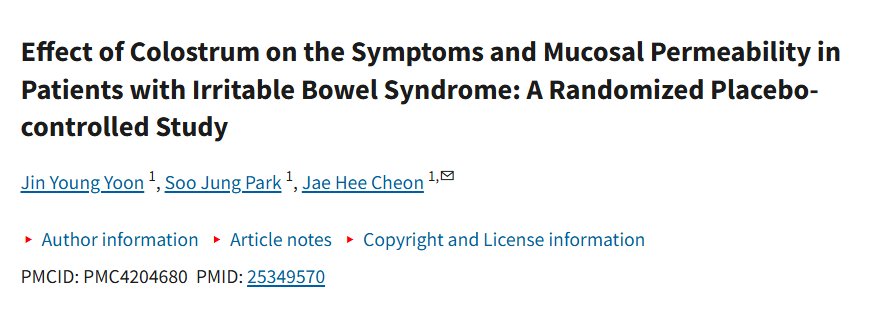
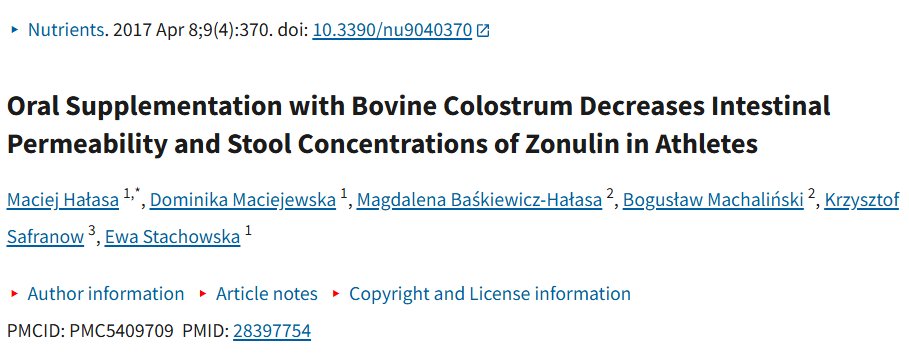
Bovine colostrum is an antibody-rich fluid produced by animal such as cows in the first 24–48 hours after giving birth.
It's packed with immunoglobulins, growth factors, antimicrobial peptides and essential nutrients.
For example, immunoglobulins such as IgG, IgA and IgM help our bodies neutralize pathogens like Escherichia coli, Clostridium difficile, Shigella, and rotavirus in the gut.
It also contains lactoferrin which is a potent antimicrobial and anti-inflammatory protein.
Growth factors such as IGF-1, TGF-β and EGF also help strengthen TJs and thus reduce intestinal permeability.
The proline-rich polypeptides (PRPs) also serve as immune-modulating compounds and are shown to reduce autoimmune-driven inflammation in conditions like ulcerative colitis (UC).
Bovine colostrum is an antibody-rich fluid produced by animal such as cows in the first 24–48 hours after giving birth.
It's packed with immunoglobulins, growth factors, antimicrobial peptides and essential nutrients.
For example, immunoglobulins such as IgG, IgA and IgM help our bodies neutralize pathogens like Escherichia coli, Clostridium difficile, Shigella, and rotavirus in the gut.
It also contains lactoferrin which is a potent antimicrobial and anti-inflammatory protein.
Growth factors such as IGF-1, TGF-β and EGF also help strengthen TJs and thus reduce intestinal permeability.
The proline-rich polypeptides (PRPs) also serve as immune-modulating compounds and are shown to reduce autoimmune-driven inflammation in conditions like ulcerative colitis (UC).
Number 9: ALCAR
Carnitine is produced endogenously in the human body mainly in the liver through hepatocytes and kidneys in proximal tubule cells (in the cytoplasm and mitochondria of these).
The overall process starts with L-lycine and L-methionine with the latter providing methyl groups via S-adenosylmethionine (SAM).
Cofactors in this process are B6, iron, vitamin C and NAD+ each one affecting different steps, whether that’s called hydroxylation, methyl transfer or redox reactions where basically trimethyllysine (TML) is formed as step 1 through methylation, step 2 is transforming it into 3-Hydroxy-Trimethyllysine (HTML) through hydroxylation, step 3 is its cleavage of to glycine and 4-Trimethylaminobutyraldehyde, with oxidation to γ-Butyrobetaine following right after which is then hydroxylated to L-Canritine.
Once carnitine is synthesised, it is released into the bloodstream and taken up by tissues with the help of the OCTN2 transporter.
How does it enter the mitochondria?
It binds to the fatty acyl group using CPT1 to form acylcarnitines, which enter the inner mitochondrial membrane by CACT.
If these are too complicated basically think that carnitine is essential for energy production from fat within the mitochondria.
Number 10: Glycine
This one is crucial for gut health and our nervous system, protects the liver, supports energy metabolism, protects against muscle loss, lowers stress hormones/protects the adrenals and of course support our skin, nails and hair.
Number 11: Cordyceps (sinensis and militaris)
This is quite expensive, but damn, does it work when it comes to improving athletic performance.
Cordyceps improves the way our bodies use oxygen, reduces bone loss, has anti-aging properties, improves kidney function, skyrockets libido and can help battle certain types of cancer.
Carnitine is produced endogenously in the human body mainly in the liver through hepatocytes and kidneys in proximal tubule cells (in the cytoplasm and mitochondria of these).
The overall process starts with L-lycine and L-methionine with the latter providing methyl groups via S-adenosylmethionine (SAM).
Cofactors in this process are B6, iron, vitamin C and NAD+ each one affecting different steps, whether that’s called hydroxylation, methyl transfer or redox reactions where basically trimethyllysine (TML) is formed as step 1 through methylation, step 2 is transforming it into 3-Hydroxy-Trimethyllysine (HTML) through hydroxylation, step 3 is its cleavage of to glycine and 4-Trimethylaminobutyraldehyde, with oxidation to γ-Butyrobetaine following right after which is then hydroxylated to L-Canritine.
Once carnitine is synthesised, it is released into the bloodstream and taken up by tissues with the help of the OCTN2 transporter.
How does it enter the mitochondria?
It binds to the fatty acyl group using CPT1 to form acylcarnitines, which enter the inner mitochondrial membrane by CACT.
If these are too complicated basically think that carnitine is essential for energy production from fat within the mitochondria.
Number 10: Glycine
This one is crucial for gut health and our nervous system, protects the liver, supports energy metabolism, protects against muscle loss, lowers stress hormones/protects the adrenals and of course support our skin, nails and hair.
Number 11: Cordyceps (sinensis and militaris)
This is quite expensive, but damn, does it work when it comes to improving athletic performance.
Cordyceps improves the way our bodies use oxygen, reduces bone loss, has anti-aging properties, improves kidney function, skyrockets libido and can help battle certain types of cancer.
Number 13: Quercetin
Quercetin is a naturally occurring flavonoid found in a variety of plant-based foods, such as onions, apples, berries, grapes, broccoli and green tea.
It inhibits pro-inflammatory pathways, such as nuclear factor-κB (NF-κB) and mitogen-activated protein kinase (MAPK), reducing the production of cytokines like IL-6, IL-8, and TNF-α, enhances the expression and stability of TJ proteins like zonula occludens-1 (ZO-1), occludin, and claudins, inhibits myosin light chain kinase (MLCK) (a protein that disrupts TJs), exhibits some antibacterial, antiviral, and antifungal effects, reducing the growth of pathogens like Escherichia coli, Clostridium difficile and Helicobacter pylori and it also might be more effective that colostrum when it comes to protecting us against exercise-induced gut permeability.
Number 14: Nattokinase.
You've probably heard about this one recently so i will skip the details in this thread (i have broke it down in previous ones).
Point being, it works.
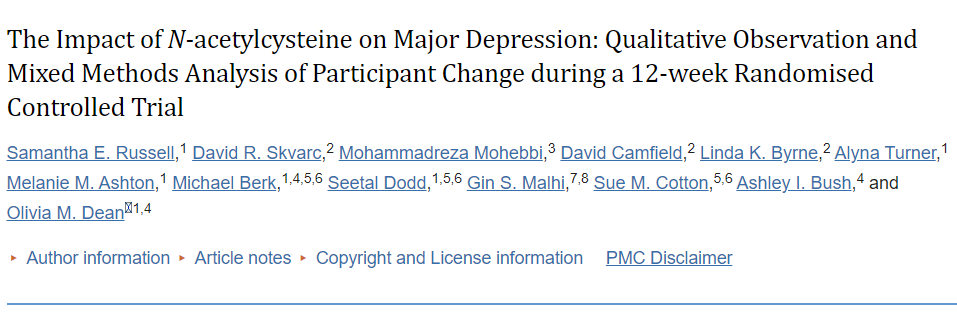
Number 15: NAC (under 1200mg)
From helping our lungs, immune system, liver and brain all the way to fertility, NAC can have a lot of benefits.
It of course has a huge impact on the antioxidant system since it's a precursor to glutathione so just like everything else needs to be cycled.
Quercetin is a naturally occurring flavonoid found in a variety of plant-based foods, such as onions, apples, berries, grapes, broccoli and green tea.
It inhibits pro-inflammatory pathways, such as nuclear factor-κB (NF-κB) and mitogen-activated protein kinase (MAPK), reducing the production of cytokines like IL-6, IL-8, and TNF-α, enhances the expression and stability of TJ proteins like zonula occludens-1 (ZO-1), occludin, and claudins, inhibits myosin light chain kinase (MLCK) (a protein that disrupts TJs), exhibits some antibacterial, antiviral, and antifungal effects, reducing the growth of pathogens like Escherichia coli, Clostridium difficile and Helicobacter pylori and it also might be more effective that colostrum when it comes to protecting us against exercise-induced gut permeability.
Number 14: Nattokinase.
You've probably heard about this one recently so i will skip the details in this thread (i have broke it down in previous ones).
Point being, it works.
Number 15: NAC (under 1200mg)
From helping our lungs, immune system, liver and brain all the way to fertility, NAC can have a lot of benefits.
It of course has a huge impact on the antioxidant system since it's a precursor to glutathione so just like everything else needs to be cycled.
Number 16: Zinc carnosine.
Zinc is crucial for our well being.
Without zinc, the body can not:
-Inhibit viral replication
-Lower ACE-2’s affinity to viruses
-Activate thymulin and DNA synthesis in thymocytes
-Cleave off glycoproteins from certain viruses (even COVID)
-Produce and utilize macrophages, DC, NK, MMPs, B and T cells effectively but also proteins such as A20
This is why you have downstream effects, such as that if your blood zinc levels are below 50 mcg/dl, you can have up to 59% higher levels of IL-6 or a shift of the Th1/Th2 ratio towards Th2.
Zinc is also non-negotiable for human fertility and low zinc status is now a well-documented reversible cause of infertility in both men and women.
Here are some basic examples:
-It is essential for normal testicular development and the entire process of sperm production and maturation.
-It plays a vital role in stabilizing the sperm cell membrane and nuclear chromatin, which is crucial for maintaining genomic integrity and proper morphology.
-It is highly concentrated in mature sperm tails and is involved in the mechanisms that enable sperm motility and the acrosome reaction (essential for fertilization).
-It is indispensable for the maturation of egg cells (oocytes), particularly for the completion of meiosis I.
A zinc deficiency can also cause skin issues through loss of keratinocyte control, impaired fatty-acid metabolism, excess inflammation, and overgrowth of skin pathogens.
For example, it normally helps us block pro-inflammatory cytokines (TNF-a, IL-1b, IL-6, IL-8) inside skin cells.
But when our zinc levels are low, the keratinocytes go into overdrive and pump out these cytokines.
It’s also crucial for collagen processing through metalloproteinases that remove propeptides and is a cofactor for other enzymes like carbonic anhydrase.
Zinc is crucial for our well being.
Without zinc, the body can not:
-Inhibit viral replication
-Lower ACE-2’s affinity to viruses
-Activate thymulin and DNA synthesis in thymocytes
-Cleave off glycoproteins from certain viruses (even COVID)
-Produce and utilize macrophages, DC, NK, MMPs, B and T cells effectively but also proteins such as A20
This is why you have downstream effects, such as that if your blood zinc levels are below 50 mcg/dl, you can have up to 59% higher levels of IL-6 or a shift of the Th1/Th2 ratio towards Th2.
Zinc is also non-negotiable for human fertility and low zinc status is now a well-documented reversible cause of infertility in both men and women.
Here are some basic examples:
-It is essential for normal testicular development and the entire process of sperm production and maturation.
-It plays a vital role in stabilizing the sperm cell membrane and nuclear chromatin, which is crucial for maintaining genomic integrity and proper morphology.
-It is highly concentrated in mature sperm tails and is involved in the mechanisms that enable sperm motility and the acrosome reaction (essential for fertilization).
-It is indispensable for the maturation of egg cells (oocytes), particularly for the completion of meiosis I.
A zinc deficiency can also cause skin issues through loss of keratinocyte control, impaired fatty-acid metabolism, excess inflammation, and overgrowth of skin pathogens.
For example, it normally helps us block pro-inflammatory cytokines (TNF-a, IL-1b, IL-6, IL-8) inside skin cells.
But when our zinc levels are low, the keratinocytes go into overdrive and pump out these cytokines.
It’s also crucial for collagen processing through metalloproteinases that remove propeptides and is a cofactor for other enzymes like carbonic anhydrase.
Number 17: Some type of a binder.
Here's the 101 for the most common ones.
Number 1: Activated charcoal (AC).
This one binds LPS/plenty of bacteria metabolites, aflatoxin B1, ochratoxin A, zearalenone, some pesticides like glyphosate and drugs such as acetaminophen.
Upsides: Very effective, usually cheap, broad effects.
Downsides: Will cause constipation to a lot of people who haven't resolved dysbiosis, traps plenty of fatty acids and minerals as well, needs to be taken 2 hours before a meal or medication.
Number 2: Modified citrus pectin (MCP).
This one greatly binds lead, arsenic, cadmium and galectin-3.
Upsides: Quite effective for these heavy metals (in a study down in 111 kids, when used for 4 weeks it helped drop lead by something like 70%), interesting effects on some cancer types.
Downsides: Expensive, can't be used before resolving a pathogen overgrowth to a great extent.
Number 3: Cholestyramine (CSM)/colesevelam.
These are just mentioned because they are advocated in the shoemaker protocol (at least they were the last time i checked).
It can help with lipophilic toxins/mycotoxins (the quaternary ammonium groups exchange Cl⁻ for bile acids) but they cause constipation in a lot of people, you need a prescription and in the long run they trap a lot of fatty acids as well.
Number 4: Bentonite clay.
This one binds AFB1, ochratoxin, zearalenone, fumonisin and some heavy metals (Pb/Cd).
Upsides: Cheap, gentle on the gut, broad effects.
Downsides: Plenty are contaminated with heavy metals, can cause constiptation.
Number 5: Micronized zeolite.
This one is great for binding ammonium, lead, cadmium, aluminum, cesium and some aflatoxins.
Upsides: The best binder for UREA cycle issues, great for cadmium, low constipation risk.
Downsides: Plenty are contaminated, can be expensive.
Number 6: Chlorella.
This algae is a good general addition for heavy metals like mercury/lead/arsenic and some dioxins/PCBs.
Upsides: Relatively cheap and safe.
Downsides: Not that effective for severe cases.
Number 7:Humic and fulvic acids.
These are the go to for herbicides such as glyphosate but also pesticides.
They can also be used for chromium toxicity.
Upsides: The safest OTC ones for herbicides and pesticides, fulvic acid is also great for mitochondrial health.
Downsides: Expensive.
Number 8: Enterosgel (there's also a German one called silicea but it's derived from silicon dioxide so it's not the same as enterosgel).
This one is great for binding endotoxins, uremic toxins and bilirubin.
Upsides: Pretty safe and effective for endotoxins and uremic toxins.
Downsides: Doesn't do much besides this, it has a constipation risk.
Here's the 101 for the most common ones.
Number 1: Activated charcoal (AC).
This one binds LPS/plenty of bacteria metabolites, aflatoxin B1, ochratoxin A, zearalenone, some pesticides like glyphosate and drugs such as acetaminophen.
Upsides: Very effective, usually cheap, broad effects.
Downsides: Will cause constipation to a lot of people who haven't resolved dysbiosis, traps plenty of fatty acids and minerals as well, needs to be taken 2 hours before a meal or medication.
Number 2: Modified citrus pectin (MCP).
This one greatly binds lead, arsenic, cadmium and galectin-3.
Upsides: Quite effective for these heavy metals (in a study down in 111 kids, when used for 4 weeks it helped drop lead by something like 70%), interesting effects on some cancer types.
Downsides: Expensive, can't be used before resolving a pathogen overgrowth to a great extent.
Number 3: Cholestyramine (CSM)/colesevelam.
These are just mentioned because they are advocated in the shoemaker protocol (at least they were the last time i checked).
It can help with lipophilic toxins/mycotoxins (the quaternary ammonium groups exchange Cl⁻ for bile acids) but they cause constipation in a lot of people, you need a prescription and in the long run they trap a lot of fatty acids as well.
Number 4: Bentonite clay.
This one binds AFB1, ochratoxin, zearalenone, fumonisin and some heavy metals (Pb/Cd).
Upsides: Cheap, gentle on the gut, broad effects.
Downsides: Plenty are contaminated with heavy metals, can cause constiptation.
Number 5: Micronized zeolite.
This one is great for binding ammonium, lead, cadmium, aluminum, cesium and some aflatoxins.
Upsides: The best binder for UREA cycle issues, great for cadmium, low constipation risk.
Downsides: Plenty are contaminated, can be expensive.
Number 6: Chlorella.
This algae is a good general addition for heavy metals like mercury/lead/arsenic and some dioxins/PCBs.
Upsides: Relatively cheap and safe.
Downsides: Not that effective for severe cases.
Number 7:Humic and fulvic acids.
These are the go to for herbicides such as glyphosate but also pesticides.
They can also be used for chromium toxicity.
Upsides: The safest OTC ones for herbicides and pesticides, fulvic acid is also great for mitochondrial health.
Downsides: Expensive.
Number 8: Enterosgel (there's also a German one called silicea but it's derived from silicon dioxide so it's not the same as enterosgel).
This one is great for binding endotoxins, uremic toxins and bilirubin.
Upsides: Pretty safe and effective for endotoxins and uremic toxins.
Downsides: Doesn't do much besides this, it has a constipation risk.
Number 18: B. thiamine/allithiamine.
In case you're not aware of what thiamine is, it's vitamin B1 and a 101 is that it's important for helping the body's cells "turn" carbohydrates into energy, muscle contraction, the conduction of nerve signals the metabolism of pyruvate, GABA, preventing complications in the nervous system, brain, muscles, heart, stomach, intestines, the flow of electrolytes into and out of muscle and nerve cells.
It's important in general and the problems with thiamine is that:
-Is hard to get where other B vitamins such as B12, B9 are not that hard to get
-Most people consume too much alcohol, stimulants and carbs for the current amount that they are consuming
Number 19: TMG
This is a water soluble glycine analog with three methyl groups attached to its nitrogen atom.
Our liver and kidneys synthesize TMG from oxidizing choline into betaine aldehyde and then into TMG with the help of enzymes like choline oxidase and betaine aldehyde dehydrogenase but it’s also a naturally occurring compound found in foods like beets.
Its an osmoprotectant and a powerful methyl donor that’s involved in DNA repair, gene expression and detoxification.
But when it comes to it being a methyl donor, it donates methyl groups to homocysteine through the enzyme betaine-homocysteine methyltransferase (BHMT), unlike other methyl donors like folate or vitamin B12.
Who could benefit from its usage and why its basically mentioned: People with SNPs in MTHFR, people with high homocysteine levels especially if they are paired with high blood pressure, elevated liver enzymes (it’s especially great for alcohol-induced hepatic steatosis), people who want to use niacin, NMN or other NAD+ boosters, people who want to increase the production of SAMe and people who want to to support hydrochloric acid production in the gut.
In case you're not aware of what thiamine is, it's vitamin B1 and a 101 is that it's important for helping the body's cells "turn" carbohydrates into energy, muscle contraction, the conduction of nerve signals the metabolism of pyruvate, GABA, preventing complications in the nervous system, brain, muscles, heart, stomach, intestines, the flow of electrolytes into and out of muscle and nerve cells.
It's important in general and the problems with thiamine is that:
-Is hard to get where other B vitamins such as B12, B9 are not that hard to get
-Most people consume too much alcohol, stimulants and carbs for the current amount that they are consuming
Number 19: TMG
This is a water soluble glycine analog with three methyl groups attached to its nitrogen atom.
Our liver and kidneys synthesize TMG from oxidizing choline into betaine aldehyde and then into TMG with the help of enzymes like choline oxidase and betaine aldehyde dehydrogenase but it’s also a naturally occurring compound found in foods like beets.
Its an osmoprotectant and a powerful methyl donor that’s involved in DNA repair, gene expression and detoxification.
But when it comes to it being a methyl donor, it donates methyl groups to homocysteine through the enzyme betaine-homocysteine methyltransferase (BHMT), unlike other methyl donors like folate or vitamin B12.
Who could benefit from its usage and why its basically mentioned: People with SNPs in MTHFR, people with high homocysteine levels especially if they are paired with high blood pressure, elevated liver enzymes (it’s especially great for alcohol-induced hepatic steatosis), people who want to use niacin, NMN or other NAD+ boosters, people who want to increase the production of SAMe and people who want to to support hydrochloric acid production in the gut.
Number 20: Phosphatidylserine (PS).
PS is a naturally occurring phospholipid, a critical fat compound that forms the backbone of cell membranes.
While present in every cell, PS is particularly abundant in the brain, especially in neurons, where it accounts for roughly 15% of the brain’s total 60 grams of phospholipids.
PS supports brain health through multiple mechanisms:
Membrane Fluidity: Ensures neurons remain flexible and permeable, optimizing nutrient and signal exchange.
Neurotransmitter Support: Enhances the release and function of acetylcholine and dopamine, critical for cognitive processes and mood regulation.
Neuroprotection: Acts as an antioxidant, reducing oxidative stress and protecting neurons from damage. Apoptosis Regulation: Helps remove damaged cells, promoting the growth of healthy ones.
Energy Metabolism: Supports glucose uptake and utilization in brain cells, providing energy for cognitive tasks.
Anti-Inflammatory Effects: Modulates immune responses in the brain, reducing harmful inflammation.
PS is a naturally occurring phospholipid, a critical fat compound that forms the backbone of cell membranes.
While present in every cell, PS is particularly abundant in the brain, especially in neurons, where it accounts for roughly 15% of the brain’s total 60 grams of phospholipids.
PS supports brain health through multiple mechanisms:
Membrane Fluidity: Ensures neurons remain flexible and permeable, optimizing nutrient and signal exchange.
Neurotransmitter Support: Enhances the release and function of acetylcholine and dopamine, critical for cognitive processes and mood regulation.
Neuroprotection: Acts as an antioxidant, reducing oxidative stress and protecting neurons from damage. Apoptosis Regulation: Helps remove damaged cells, promoting the growth of healthy ones.
Energy Metabolism: Supports glucose uptake and utilization in brain cells, providing energy for cognitive tasks.
Anti-Inflammatory Effects: Modulates immune responses in the brain, reducing harmful inflammation.
Number 21: Astragalus.
This root that’s maintly used in traditional Chinese medicine is an adaptogen whose main active compounds are polysaccharides, saponins (astragalosides) and flavonoids.
It has immune-boosting properties (it can stimulate the production and activity of white blood cells, increase antibody production and activate T-cells), it can reduce proteinuria (excess protein in urine), it has a mild supportive effect on the adrenals, it can improve insulin sensitivity, lower blood sugar levels, lower blood pressure and it has antiviral properties.
Number 22: Tributyrin.
This can help with gut lining/colonocyte health, improve insulin secretion, can help people with IBS-C, it is pro dopamine, BDNF, GDNF and NGF.
Number 23: Cistanche.
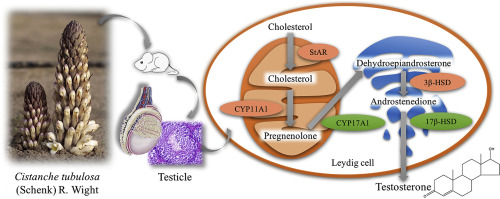
If you are man that's looking for something that actually works and can help you with your fertility, libido but also mood and testosterone a bit, look no further.
Number 24: Taurine.
Don't let energy drinks give a bad reputation to taurine.
This very cheap supplement could do more for your:
-Mitochondria (did you know that ATP generation can drop up to 25% if we don't get/produce enough taurine?)
-Blood sugar levels
-Fertility
-Liver
-Heart
-Kidneys
-Gut and issues such as SIBO
-Eyesight
-Recovery
-Brain/mood
Than most of the fancy supplements.
Number 24: Silica.
Silica is a natural mineral that can:
-Assist in aluminum detoxification since it competes with aluminum for binding sites in the body, mobilizing it from tissues like the brain and kidneys.
-Protects against alzheimer’s risk, a 2008 study found that consuming 10 mg/day of silica from drinking water was associated with a reduced risk of dementia, counteracting the effects of aluminum-rich water.
-Support skin and hair health since it is essential for collagen formation.
This root that’s maintly used in traditional Chinese medicine is an adaptogen whose main active compounds are polysaccharides, saponins (astragalosides) and flavonoids.
It has immune-boosting properties (it can stimulate the production and activity of white blood cells, increase antibody production and activate T-cells), it can reduce proteinuria (excess protein in urine), it has a mild supportive effect on the adrenals, it can improve insulin sensitivity, lower blood sugar levels, lower blood pressure and it has antiviral properties.
Number 22: Tributyrin.
This can help with gut lining/colonocyte health, improve insulin secretion, can help people with IBS-C, it is pro dopamine, BDNF, GDNF and NGF.
Number 23: Cistanche.
If you are man that's looking for something that actually works and can help you with your fertility, libido but also mood and testosterone a bit, look no further.
Number 24: Taurine.
Don't let energy drinks give a bad reputation to taurine.
This very cheap supplement could do more for your:
-Mitochondria (did you know that ATP generation can drop up to 25% if we don't get/produce enough taurine?)
-Blood sugar levels
-Fertility
-Liver
-Heart
-Kidneys
-Gut and issues such as SIBO
-Eyesight
-Recovery
-Brain/mood
Than most of the fancy supplements.
Number 24: Silica.
Silica is a natural mineral that can:
-Assist in aluminum detoxification since it competes with aluminum for binding sites in the body, mobilizing it from tissues like the brain and kidneys.
-Protects against alzheimer’s risk, a 2008 study found that consuming 10 mg/day of silica from drinking water was associated with a reduced risk of dementia, counteracting the effects of aluminum-rich water.
-Support skin and hair health since it is essential for collagen formation.
Number 25: Lithium orotate.
Lithium is often misunderstood, conjured up as a heavy-duty drug for bipolar disorder with a laundry list of side effects but lithium is just a naturally occurring trace alkali metal.
Our bodies contain about 7 mg of lithium, and while it’s not officially classified as an essential nutrient (yet), animal studies suggest that a lithium-deficient diet can lead to problems in the spleen, immune system, reproduction and the brain.
Lithium orotate, the form that will be in your trace mineral supplement, combines lithium with orotic acid, a compound involved in DNA and RNA synthesis.
Unlike lithium carbonate, the pharmaceutical form used in high doses (400–1200 mg/day) to treat bipolar disorder, lithium orotate is typically taken in much smaller doses (5–20 mg/day), delivering elemental lithium in the range of 0.2–1 mg per dose.
Why the difference?
Lithium orotate is thought to cross the blood-brain barrier more efficiently, meaning you need less to achieve therapeutic effects in the brain.
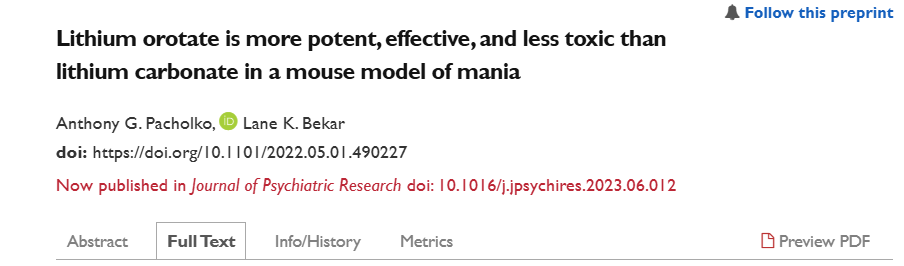
Fun fact: A study found that lithium orotate (1.5 mg/kg) was more effective than lithium carbonate (15–20 mg/kg) at blocking amphetamine-induced hyperlocomotion, a model of mania.
This suggests lithium orotate punches above its weight due to its superior brain penetration.
Here’s why this matters: lithium deficiency, even at subtle levels, may contribute to mood instability, cognitive decline and even neurodegenerative diseases.
A 2018 study in Nature found that, out of 27 metals analyzed, lithium was the only metal significantly reduced in the prefrontal cortex (PFC) of patients with mild cognitive impairment (MCI) and Alzheimer’s disease (AD).
This same study showed that lithium orotate reduced amyloid-beta (Aβ) plaque burden by ~70% and tau phosphorylation in AD mouse models.
Lithium’s effects on the brain are multifaceted, influencing neurotransmitters, enzymes, inflammation and even the brain’s ability to repair itself.
Here are some examples/MOAs:
1. GSK3β inhibition.
Glycogen synthase kinase-3 beta (GSK3β) is a serine-threonine kinase that plays a central role in several brain disorders, including Alzheimer’s, bipolar disorder, and depression.
Overactive GSK3β promotes amyloid-beta aggregation, tau protein phosphorylation and neuroinflammation.
2. IMPase inhibition
Inositol monophosphatase (IMPase) is an enzyme in the phosphoinositol cycle, which regulates inositol levels.
Dysregulated inositol is implicated in bipolar disorder, where mania is associated with elevated inositol and depression with reduced levels.
Lithium inhibits IMPase, which helps stabilize our mood.
It's also great for reducing IP3-mediated calcium release from ER stores.
A word of caution: combining lithium with inositol supplements can be tricky.
In unipolar depression, inositol may enhance lithium’s antidepressant effects, but in bipolar disorder, it could trigger mania if taken during a manic phase.
Always consult a healthcare provider before combining these.
3. General anti-inflammatory effects.
Lithium orotate reduces neuroinflammation by modulating microglial function—the brain’s immune cells.
In the Nature study, lithium deficiency increased microglial expression of pro-inflammatory markers like CD68, Apoe, and GPNMB, impairing Aβ clearance.
Lithium supplementation reversed this, enhancing the brain’s ability to clear toxic proteins.
Lithium also:
Lowers cytokine levels: It reduces IL-6, TNF-α, and other inflammatory molecules, creating a less hostile environment for neurons.
Protects against oxidative stress: Lithium counteracts oxidative damage, which is linked to neuronal death in conditions like Alzheimer’s and Parkinson’s.
4. Neurotransmitter modulation.
Serotonin: Lithium enhances serotonin receptor sensitivity.
Dopamine and Norepinephrine: Lithium stabilizes these neurotransmitters, boosting them during depressive phases and dampening them during mania.
GABA: While lithium may enhance GABA activity, its effects on anxiety are less pronounced in clinical practice.
5. Boosting neuroplasticity.
*Mainly BDNF.
And of course we can add more niche effects such as reduced suicidality where:
A 1990 study in Texas found significantly higher suicide rates in counties with low or no lithium in drinking water.
A 2013 follow-up confirmed these findings across 226 counties.
A 2017 study of 51,000 patients showed a 14% reduction in suicide-related events in bipolar patients treated with lithium compared to other drugs.
Or improved B12 absorption (some individuals with high B12 blood levels despite not supplementing may have a lithium deficiency, as lithium appears to facilitate B12 transport into cells).
Lithium is often misunderstood, conjured up as a heavy-duty drug for bipolar disorder with a laundry list of side effects but lithium is just a naturally occurring trace alkali metal.
Our bodies contain about 7 mg of lithium, and while it’s not officially classified as an essential nutrient (yet), animal studies suggest that a lithium-deficient diet can lead to problems in the spleen, immune system, reproduction and the brain.
Lithium orotate, the form that will be in your trace mineral supplement, combines lithium with orotic acid, a compound involved in DNA and RNA synthesis.
Unlike lithium carbonate, the pharmaceutical form used in high doses (400–1200 mg/day) to treat bipolar disorder, lithium orotate is typically taken in much smaller doses (5–20 mg/day), delivering elemental lithium in the range of 0.2–1 mg per dose.
Why the difference?
Lithium orotate is thought to cross the blood-brain barrier more efficiently, meaning you need less to achieve therapeutic effects in the brain.
Fun fact: A study found that lithium orotate (1.5 mg/kg) was more effective than lithium carbonate (15–20 mg/kg) at blocking amphetamine-induced hyperlocomotion, a model of mania.
This suggests lithium orotate punches above its weight due to its superior brain penetration.
Here’s why this matters: lithium deficiency, even at subtle levels, may contribute to mood instability, cognitive decline and even neurodegenerative diseases.
A 2018 study in Nature found that, out of 27 metals analyzed, lithium was the only metal significantly reduced in the prefrontal cortex (PFC) of patients with mild cognitive impairment (MCI) and Alzheimer’s disease (AD).
This same study showed that lithium orotate reduced amyloid-beta (Aβ) plaque burden by ~70% and tau phosphorylation in AD mouse models.
Lithium’s effects on the brain are multifaceted, influencing neurotransmitters, enzymes, inflammation and even the brain’s ability to repair itself.
Here are some examples/MOAs:
1. GSK3β inhibition.
Glycogen synthase kinase-3 beta (GSK3β) is a serine-threonine kinase that plays a central role in several brain disorders, including Alzheimer’s, bipolar disorder, and depression.
Overactive GSK3β promotes amyloid-beta aggregation, tau protein phosphorylation and neuroinflammation.
2. IMPase inhibition
Inositol monophosphatase (IMPase) is an enzyme in the phosphoinositol cycle, which regulates inositol levels.
Dysregulated inositol is implicated in bipolar disorder, where mania is associated with elevated inositol and depression with reduced levels.
Lithium inhibits IMPase, which helps stabilize our mood.
It's also great for reducing IP3-mediated calcium release from ER stores.
A word of caution: combining lithium with inositol supplements can be tricky.
In unipolar depression, inositol may enhance lithium’s antidepressant effects, but in bipolar disorder, it could trigger mania if taken during a manic phase.
Always consult a healthcare provider before combining these.
3. General anti-inflammatory effects.
Lithium orotate reduces neuroinflammation by modulating microglial function—the brain’s immune cells.
In the Nature study, lithium deficiency increased microglial expression of pro-inflammatory markers like CD68, Apoe, and GPNMB, impairing Aβ clearance.
Lithium supplementation reversed this, enhancing the brain’s ability to clear toxic proteins.
Lithium also:
Lowers cytokine levels: It reduces IL-6, TNF-α, and other inflammatory molecules, creating a less hostile environment for neurons.
Protects against oxidative stress: Lithium counteracts oxidative damage, which is linked to neuronal death in conditions like Alzheimer’s and Parkinson’s.
4. Neurotransmitter modulation.
Serotonin: Lithium enhances serotonin receptor sensitivity.
Dopamine and Norepinephrine: Lithium stabilizes these neurotransmitters, boosting them during depressive phases and dampening them during mania.
GABA: While lithium may enhance GABA activity, its effects on anxiety are less pronounced in clinical practice.
5. Boosting neuroplasticity.
*Mainly BDNF.
And of course we can add more niche effects such as reduced suicidality where:
A 1990 study in Texas found significantly higher suicide rates in counties with low or no lithium in drinking water.
A 2013 follow-up confirmed these findings across 226 counties.
A 2017 study of 51,000 patients showed a 14% reduction in suicide-related events in bipolar patients treated with lithium compared to other drugs.
Or improved B12 absorption (some individuals with high B12 blood levels despite not supplementing may have a lithium deficiency, as lithium appears to facilitate B12 transport into cells).
Number 26: Boron
This one helps our bodies metabolize vitamins and minerals, has a key role in bone health and brain health, lowers excessive estrogen and SHBG, boosts free and total testosterone levels, extends the half life of vitamin D, removes sodium fluoride.
Number 27: Gotu kola
This is often used topically for hair loss and orally mainly for brain health (great benefits for TBIs) since it boosts BDNF and anxiety since it's a GABA-B agonist.
It can also be a decent choice for boosting collagen and skin health.
There are more benefits, but these are the most noticeable ones.
Number 28: Saffron
This might seem more expensive, BUT, you really don't need much and it's really great for:
-Stomach ulcers
-Hypertension
-Low libido
-Coronary heart disease
-Depression
-Brain fog
-PMs
-Seizures
-Alzheimer
-Withdrawals
Its main compounds are crocin, picrocrocin and safranal which have been shown to have anti-inflammatory, anti-atherosclerotic, antigenotoxic and cytotoxic activities.
*I'm running out of space now so the only things that i don't have any space for are injectable glutathione, glutamine and NMN that you can find in other threads (use the search function in my profile).
This one helps our bodies metabolize vitamins and minerals, has a key role in bone health and brain health, lowers excessive estrogen and SHBG, boosts free and total testosterone levels, extends the half life of vitamin D, removes sodium fluoride.
Number 27: Gotu kola
This is often used topically for hair loss and orally mainly for brain health (great benefits for TBIs) since it boosts BDNF and anxiety since it's a GABA-B agonist.
It can also be a decent choice for boosting collagen and skin health.
There are more benefits, but these are the most noticeable ones.
Number 28: Saffron
This might seem more expensive, BUT, you really don't need much and it's really great for:
-Stomach ulcers
-Hypertension
-Low libido
-Coronary heart disease
-Depression
-Brain fog
-PMs
-Seizures
-Alzheimer
-Withdrawals
Its main compounds are crocin, picrocrocin and safranal which have been shown to have anti-inflammatory, anti-atherosclerotic, antigenotoxic and cytotoxic activities.
*I'm running out of space now so the only things that i don't have any space for are injectable glutathione, glutamine and NMN that you can find in other threads (use the search function in my profile).

That's it.
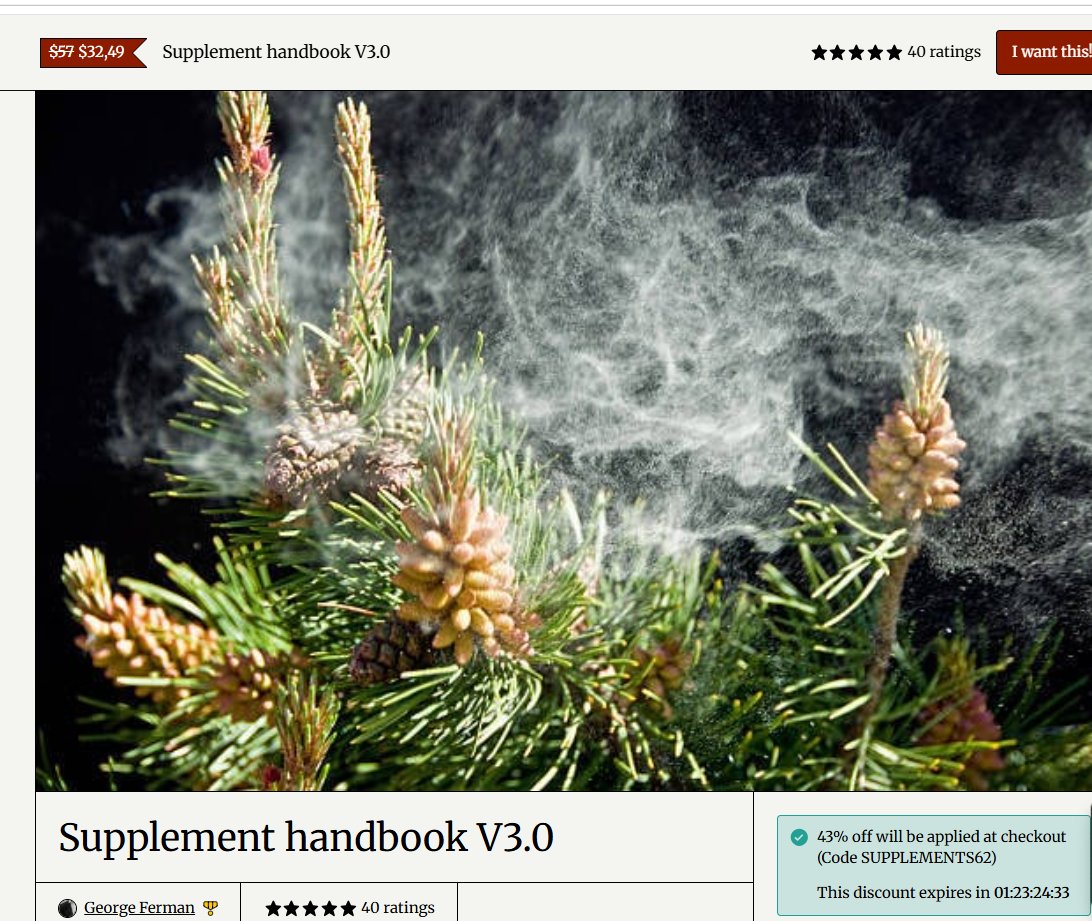
For more on supplements and peptides, you can check this guide that's on discount:
fitandball.gumroad.com/l/Supplements2…
For more on supplements and peptides, you can check this guide that's on discount:
fitandball.gumroad.com/l/Supplements2…
And if you learned something from this thread, make sure to leave a like/RT.
https://x.com/Helios_Movement/status/2055306694226260014
• • •
Missing some Tweet in this thread? You can try to
force a refresh