Give me 2.5 minutes and i will give you the best peptide guide you've ever read.
Thread🧵
Thread🧵

It's George.
Peptides can legitimately help with almost every goal people chase today:
-Extreme fat loss
-Improved memory recall, mood, mental clarity, focus etc
-Healing gut issues
-Healing common gym injuries
-Restoring libido and sexual function
-Rebuilding a broken immune system
-Slowing biological aging
And many more…
BUT, peptides are also one of the deepest, most confusing rabbit holes in modern health and performance.
So take 10 minutes to read this entire thing before you buy a single vial.
Peptides can legitimately help with almost every goal people chase today:
-Extreme fat loss
-Improved memory recall, mood, mental clarity, focus etc
-Healing gut issues
-Healing common gym injuries
-Restoring libido and sexual function
-Rebuilding a broken immune system
-Slowing biological aging
And many more…
BUT, peptides are also one of the deepest, most confusing rabbit holes in modern health and performance.
So take 10 minutes to read this entire thing before you buy a single vial.

First, the non-negotiable disclaimers:
1. Nothing here is medical advice.
2. Target the root cause of your issues as well.
Peptides are amplifiers, not magic wands.
3. Scams are everywhere in 2025.
4. Talk to an actual doctor.
5. Stacking 5–10 peptides with no bloodwork is playing Russian roulette with expensive water.
Different peptides need different environments (PHs etc), have different half-lives and act on different receptors/sites.
Idiot’s rules of thumb:
-You don’t need more than 3 peptides at a time, most likely.
-If the liquid in your syringe turns cloudy once you mix your peptides, they are ruined.
-Space injections at least 30 minutes apart.
-Use different pins for different peptides (usually)
1. Nothing here is medical advice.
2. Target the root cause of your issues as well.
Peptides are amplifiers, not magic wands.
3. Scams are everywhere in 2025.
4. Talk to an actual doctor.
5. Stacking 5–10 peptides with no bloodwork is playing Russian roulette with expensive water.
Different peptides need different environments (PHs etc), have different half-lives and act on different receptors/sites.
Idiot’s rules of thumb:
-You don’t need more than 3 peptides at a time, most likely.
-If the liquid in your syringe turns cloudy once you mix your peptides, they are ruined.
-Space injections at least 30 minutes apart.
-Use different pins for different peptides (usually)


But what are peptides?
Peptides are short chains of 2–50 amino acids that are linked together by peptide bonds where the carboxyl group of one amino acid reacts with the amino group of another and serve as signaling molecules, hormones or structural components in the body.
How do they do this?
By binding to receptors on cell surfaces to trigger specific biological responses, whether that’s called growth, general repair or immune modulation for example.
They can of course influence gene transcription, inhibit or activate enzymes and so on.
Now, we have:
-Endogenous peptides such as insulin, thymosin beta 4 and PRPs that are naturally produced by the body to regulate physiological processes such as blood sugar for example.
-Synthetic peptides that mimic or enhance natural endogenous peptides, often with greater potency such as BPC-157, tesamorelin, thymosin A1, ipamorelin or PT-141
*There are also some bioactive peptides in foods such as colostrum for example that contains bioactive peptides like PRPs and growth factors such as IGF-1 or TGF-β that are released from larger proteins during digestion or processing.
There are two primary approaches to peptide synthesis:
1. Chemical synthesis
2. Ecombinant DNA technology.
The first one, particularly solid-phase peptide synthesis (SPPS), is the most common method for producing short peptides and recombinant methods are used for longer peptides.
Now, here’s a common misconception: Peptide use is NOT something news.
SPPS for example was developed in 1963 by Robert Bruce Merrifield
Peptides are short chains of 2–50 amino acids that are linked together by peptide bonds where the carboxyl group of one amino acid reacts with the amino group of another and serve as signaling molecules, hormones or structural components in the body.
How do they do this?
By binding to receptors on cell surfaces to trigger specific biological responses, whether that’s called growth, general repair or immune modulation for example.
They can of course influence gene transcription, inhibit or activate enzymes and so on.
Now, we have:
-Endogenous peptides such as insulin, thymosin beta 4 and PRPs that are naturally produced by the body to regulate physiological processes such as blood sugar for example.
-Synthetic peptides that mimic or enhance natural endogenous peptides, often with greater potency such as BPC-157, tesamorelin, thymosin A1, ipamorelin or PT-141
*There are also some bioactive peptides in foods such as colostrum for example that contains bioactive peptides like PRPs and growth factors such as IGF-1 or TGF-β that are released from larger proteins during digestion or processing.
There are two primary approaches to peptide synthesis:
1. Chemical synthesis
2. Ecombinant DNA technology.
The first one, particularly solid-phase peptide synthesis (SPPS), is the most common method for producing short peptides and recombinant methods are used for longer peptides.
Now, here’s a common misconception: Peptide use is NOT something news.
SPPS for example was developed in 1963 by Robert Bruce Merrifield
But while much early global peptide work (like Merrifield’s SPPS) was Western-led, the USSR developed unique programs focused on peptide bioregulators.
These are short peptides (often di-, tri-, or tetrapeptides) derived from animal tissues or synthesized to mimic natural signaling molecules.
These were pursued for military, space, and gerontology applications.
During the Cold War, Soviet authorities tasked researchers with protecting troops, submariners, and cosmonauts from extreme conditions (think radiation exposure, laser weapons (potential battlefield use), combat trauma, toxic substances, and accelerated aging).
This led to secret Ministry of Defence programs exploring peptides as bioregulators that could modulate gene expression, restore organ function, and enhance resilience.
These are short peptides (often di-, tri-, or tetrapeptides) derived from animal tissues or synthesized to mimic natural signaling molecules.
These were pursued for military, space, and gerontology applications.
During the Cold War, Soviet authorities tasked researchers with protecting troops, submariners, and cosmonauts from extreme conditions (think radiation exposure, laser weapons (potential battlefield use), combat trauma, toxic substances, and accelerated aging).
This led to secret Ministry of Defence programs exploring peptides as bioregulators that could modulate gene expression, restore organ function, and enhance resilience.

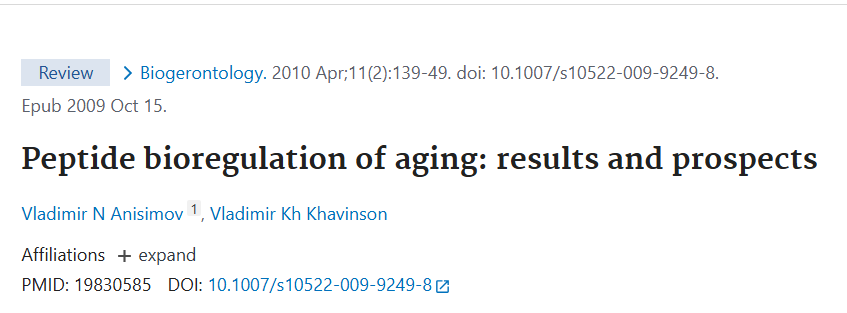
Professor Khavinson was a military physician and later a prominent gerontologist and was central to this effort.
Starting in the 1970s, his team extracted and studied tissue-specific peptide complexes.
By the 1980s–1990s, they developed and registered several peptide drugs approved for use in the USSR/Russia, primarily for military and medical services.
These included:
-Thymalin (from thymus)
-Thymogen
-Epithalamin
-Cortexin
-Retinalamin
-Prostatilen/Samprost
These were often organ-derived extracts or short synthetic analogs.
Khavinson’s work emphasized how these small peptides interact with DNA to “switch on” repair mechanisms in specific tissues, potentially extending lifespan and reducing age-related decline in animal studies (20–40% increases in some models).
Starting in the 1970s, his team extracted and studied tissue-specific peptide complexes.
By the 1980s–1990s, they developed and registered several peptide drugs approved for use in the USSR/Russia, primarily for military and medical services.
These included:
-Thymalin (from thymus)
-Thymogen
-Epithalamin
-Cortexin
-Retinalamin
-Prostatilen/Samprost
These were often organ-derived extracts or short synthetic analogs.
Khavinson’s work emphasized how these small peptides interact with DNA to “switch on” repair mechanisms in specific tissues, potentially extending lifespan and reducing age-related decline in animal studies (20–40% increases in some models).
Point being: Peptides are not new and a LOT of money has been spent on their research before your local influencer got an affiliate code for Chinese reta.
Now let’s analyze the most popular peptides.
Number 1: BPC-157 (Body Protection Compound-157)
This is derived from a protein found in human gastric juice and has the following 15 amino acid sequence:
Gly-Glu-Pro-Pro-Pro-Gly-Lys-Pro-Ala-Asp-Asp-Ala-Gly-Leu-Val
Primary uses (all these are based on preclinical and limited human data):
Accelerated healing of common gym/overuse injuries, such as elbow tendinitis, tendon/ligament tears, muscle strains, and post-surgical recovery.
Gastrointestinal tract protection and repair (ulcers, inflammatory bowel conditions, leaky gut).
Neuroprotection and potential nerve regeneration.
Support for chronic joint/connective tissue disorders (osteoarthritis-like models).
Cardiovascular benefits (improved blood flow, endothelial protection).
Liver protection in toxin-induced damage models.
Ongoing research areas: Spinal cord injury regeneration, corneal healing, and interstitial cystitis/bladder pain.
Other areas such as spinal cord regeneration, are under ongoing research.
Now let’s analyze the most popular peptides.
Number 1: BPC-157 (Body Protection Compound-157)
This is derived from a protein found in human gastric juice and has the following 15 amino acid sequence:
Gly-Glu-Pro-Pro-Pro-Gly-Lys-Pro-Ala-Asp-Asp-Ala-Gly-Leu-Val
Primary uses (all these are based on preclinical and limited human data):
Accelerated healing of common gym/overuse injuries, such as elbow tendinitis, tendon/ligament tears, muscle strains, and post-surgical recovery.
Gastrointestinal tract protection and repair (ulcers, inflammatory bowel conditions, leaky gut).
Neuroprotection and potential nerve regeneration.
Support for chronic joint/connective tissue disorders (osteoarthritis-like models).
Cardiovascular benefits (improved blood flow, endothelial protection).
Liver protection in toxin-induced damage models.
Ongoing research areas: Spinal cord injury regeneration, corneal healing, and interstitial cystitis/bladder pain.
Other areas such as spinal cord regeneration, are under ongoing research.

Primary uses (all these are based on preclinical and limited human data):
Accelerated healing of common gym/overuse injuries, such as elbow tendinitis, tendon/ligament tears, muscle strains, and post-surgical recovery.
Gastrointestinal tract protection and repair (ulcers, inflammatory bowel conditions, leaky gut).
Neuroprotection and potential nerve regeneration.
Support for chronic joint/connective tissue disorders (osteoarthritis-like models).
Cardiovascular benefits (improved blood flow, endothelial protection).
Liver protection in toxin-induced damage models.
Ongoing research areas: Spinal cord injury regeneration, corneal healing, and interstitial cystitis/bladder pain.
Other areas such as spinal cord regeneration, are under ongoing research.
The main mechanisms of action include:
Upregulates vascular endothelial growth factor (VEGF) expression (a protein that promotes new blood vessel formation) by activating the VEGF receptor 2 (VEGFR2) pathway that triggers the Akt-eNOS pathway, which increases production of nitric oxide (NO) in the blood vessel walls, resulting in enhanced tissue perfusion, aiding repair of muscles, tendons, ligaments and even bones since without adequate blood supply, injured tissues cannot heal properly.
Stimulates fibroblast proliferation and collagen deposition (which is also crucial for healing the gut lining).
Protects and repairs gastrointestinal mucosa by modulating tight junction proteins.
Downregulates Nos2 and Nfkb and thus reduces inflammatory responses.
Downregulates pro-inflammatory cytokines such as TNF-α, IL-6 and upregulates anti-inflammatory pathways.
Influences serotonin and dopamine systems in the gut-brain axis and it may promote nerve regeneration via growth factor pathways (JAK2 signaling).
Activates focal adhesion kinase (FAK)-paxillin complexes that move cells into the damaged areas to begin rebuilding tissue and early growth response gene 1 (Egr-1) is also activated (involved in cell growth, survival and blood vessel formation).
Accelerated healing of common gym/overuse injuries, such as elbow tendinitis, tendon/ligament tears, muscle strains, and post-surgical recovery.
Gastrointestinal tract protection and repair (ulcers, inflammatory bowel conditions, leaky gut).
Neuroprotection and potential nerve regeneration.
Support for chronic joint/connective tissue disorders (osteoarthritis-like models).
Cardiovascular benefits (improved blood flow, endothelial protection).
Liver protection in toxin-induced damage models.
Ongoing research areas: Spinal cord injury regeneration, corneal healing, and interstitial cystitis/bladder pain.
Other areas such as spinal cord regeneration, are under ongoing research.
The main mechanisms of action include:
Upregulates vascular endothelial growth factor (VEGF) expression (a protein that promotes new blood vessel formation) by activating the VEGF receptor 2 (VEGFR2) pathway that triggers the Akt-eNOS pathway, which increases production of nitric oxide (NO) in the blood vessel walls, resulting in enhanced tissue perfusion, aiding repair of muscles, tendons, ligaments and even bones since without adequate blood supply, injured tissues cannot heal properly.
Stimulates fibroblast proliferation and collagen deposition (which is also crucial for healing the gut lining).
Protects and repairs gastrointestinal mucosa by modulating tight junction proteins.
Downregulates Nos2 and Nfkb and thus reduces inflammatory responses.
Downregulates pro-inflammatory cytokines such as TNF-α, IL-6 and upregulates anti-inflammatory pathways.
Influences serotonin and dopamine systems in the gut-brain axis and it may promote nerve regeneration via growth factor pathways (JAK2 signaling).
Activates focal adhesion kinase (FAK)-paxillin complexes that move cells into the damaged areas to begin rebuilding tissue and early growth response gene 1 (Egr-1) is also activated (involved in cell growth, survival and blood vessel formation).

Administration forms:
Oral: Highly stable in human gastric juice (>24 hours intact), making it effective for gut-focused issues (IBD models, ulcers).
Injectable (subcutaneous, intramuscular, or intra-articular): Preferred for localized tissue repair (near injury site) due to direct delivery and potentially higher local concentrations.
Potential risks:
Angiogenesis promotion could potentially exacerbate undiagnosed tumors.
Modulating tissue growth and repair mechanisms can ALWAYS, no matter the COMPOUND, negatively affect some autoimmune cases.
It’s also banned by WADA.
Noteworthy combinations:
BPC-157 + TB-500 (Thymosin Beta-4): Synergistic for gym injuries, tendon/muscle repair, and post-surgical recovery (TB-500 enhances actin remodeling/migration).
BPC-157 + KPV: For chronic inflammation (autoimmune gut/joint issues, KPV is an anti-inflammatory peptide fragment).
Number 2: TB-500
This one is derived from thymosin beta-4 (Tβ4), a naturally occurring 43-amino-acid protein found in nearly all human and animal cells that is encoded by the TMSB4X gene.
The full Tβ4 sequence is: Ac-Ser-Asp-Lys-Pro-Asp-Met-Ala-Glu-Ile-Glu-Lys-Phe-Asp-Lys-Ser-Lys-Leu-Lys-Lys-Thr-Glu-Thr-Gln-Glu-Lys-Asn-Pro-Leu-Pro-Ser-Lys-Glu-Thr-Ile-Glu-Gln-Glu-Lys-Gln-Ala-Gly-Glu-Ser.
TB-500 specifically refers to a shorter, active fragment, typically the N-acetylated heptapeptide Ac-LKKTETQ (amino acids 17–23 of Tβ4), which contains the core actin-binding motif.
This fragment is designed to mimic key regenerative effects of the “parent” molecule while offering greater stability.
Oral: Highly stable in human gastric juice (>24 hours intact), making it effective for gut-focused issues (IBD models, ulcers).
Injectable (subcutaneous, intramuscular, or intra-articular): Preferred for localized tissue repair (near injury site) due to direct delivery and potentially higher local concentrations.
Potential risks:
Angiogenesis promotion could potentially exacerbate undiagnosed tumors.
Modulating tissue growth and repair mechanisms can ALWAYS, no matter the COMPOUND, negatively affect some autoimmune cases.
It’s also banned by WADA.
Noteworthy combinations:
BPC-157 + TB-500 (Thymosin Beta-4): Synergistic for gym injuries, tendon/muscle repair, and post-surgical recovery (TB-500 enhances actin remodeling/migration).
BPC-157 + KPV: For chronic inflammation (autoimmune gut/joint issues, KPV is an anti-inflammatory peptide fragment).
Number 2: TB-500
This one is derived from thymosin beta-4 (Tβ4), a naturally occurring 43-amino-acid protein found in nearly all human and animal cells that is encoded by the TMSB4X gene.
The full Tβ4 sequence is: Ac-Ser-Asp-Lys-Pro-Asp-Met-Ala-Glu-Ile-Glu-Lys-Phe-Asp-Lys-Ser-Lys-Leu-Lys-Lys-Thr-Glu-Thr-Gln-Glu-Lys-Asn-Pro-Leu-Pro-Ser-Lys-Glu-Thr-Ile-Glu-Gln-Glu-Lys-Gln-Ala-Gly-Glu-Ser.
TB-500 specifically refers to a shorter, active fragment, typically the N-acetylated heptapeptide Ac-LKKTETQ (amino acids 17–23 of Tβ4), which contains the core actin-binding motif.
This fragment is designed to mimic key regenerative effects of the “parent” molecule while offering greater stability.

Primary uses (based on preclinical data):
Accelerated repair of damaged muscles, tendons, ligaments, skin wounds,corneal injuries and post-surgical healing.
Reduction of inflammation and pain in chronic conditions like tendonitis, arthritis or overuse injuries.
Improved joint mobility, flexibility, and reduced stiffness.
Promotion of angiogenesis for better nutrient/oxygen delivery to tissues.
Emerging areas: Cardiac repair post-myocardial infarction, neuroprotection/nerve regeneration, hair regrowth stimulation and potential benefits in sepsis or dry eye models.
Mechanisms (the main reasons when it comes to why it stacks so well with BPC-157). TB-500 primarily acts by regulating actin (a key cellular protein for structure and movement), with broad regenerative effects:
Actin Sequestration and cytoskeletal reorganization: Binds G-actin (monomeric form) to prevent premature polymerization, promoting cell migration, proliferatio and differentiation.
Angiogenesis promotion: Upregulates VEGF and stimulates endothelial cell migration/tube formation, leading to new blood vessel growth and improved perfusion in ischemic or damaged tissues.
Anti-Inflammatory effects: Downregulates pro-inflammatory cytokines (IL-1β, TNF-α) and inhibits NF-κB signaling, reducing swelling and pain while minimizing scarring/fibrosis.
Cell migration enhancement: Promotes fibroblast, keratinocyte, and stem/progenitor cell movement to injury sites; also supports extracellular matrix remodeling via matrix metalloproteinases (MMPs).
Additional protective effects: Reduces oxidative stress, supports collagen deposition with less scarring, and may mobilize epicardial progenitors for heart repair.
Administration forms:
Primarily injectable (subcutaneous or intramuscular): Systemic distribution for broad effects, site-specific near injuries for targeted repair.
Less common: Nasal sprays or topical in some research contexts, but injectable is standard for regenerative goals.
Theoretical risk:
Angiogenesis promotion could potentially exacerbate undiagnosed tumors.
It’s also banned by WADA.
Accelerated repair of damaged muscles, tendons, ligaments, skin wounds,corneal injuries and post-surgical healing.
Reduction of inflammation and pain in chronic conditions like tendonitis, arthritis or overuse injuries.
Improved joint mobility, flexibility, and reduced stiffness.
Promotion of angiogenesis for better nutrient/oxygen delivery to tissues.
Emerging areas: Cardiac repair post-myocardial infarction, neuroprotection/nerve regeneration, hair regrowth stimulation and potential benefits in sepsis or dry eye models.
Mechanisms (the main reasons when it comes to why it stacks so well with BPC-157). TB-500 primarily acts by regulating actin (a key cellular protein for structure and movement), with broad regenerative effects:
Actin Sequestration and cytoskeletal reorganization: Binds G-actin (monomeric form) to prevent premature polymerization, promoting cell migration, proliferatio and differentiation.
Angiogenesis promotion: Upregulates VEGF and stimulates endothelial cell migration/tube formation, leading to new blood vessel growth and improved perfusion in ischemic or damaged tissues.
Anti-Inflammatory effects: Downregulates pro-inflammatory cytokines (IL-1β, TNF-α) and inhibits NF-κB signaling, reducing swelling and pain while minimizing scarring/fibrosis.
Cell migration enhancement: Promotes fibroblast, keratinocyte, and stem/progenitor cell movement to injury sites; also supports extracellular matrix remodeling via matrix metalloproteinases (MMPs).
Additional protective effects: Reduces oxidative stress, supports collagen deposition with less scarring, and may mobilize epicardial progenitors for heart repair.
Administration forms:
Primarily injectable (subcutaneous or intramuscular): Systemic distribution for broad effects, site-specific near injuries for targeted repair.
Less common: Nasal sprays or topical in some research contexts, but injectable is standard for regenerative goals.
Theoretical risk:
Angiogenesis promotion could potentially exacerbate undiagnosed tumors.
It’s also banned by WADA.
Number 3: KPV
KPV is a synthetic tripeptide consisting of three amino acids: Lysine (K), Proline (P), and Valine (V) ( (Lys-Pro-Val)).
It is derived from the C-terminal region of alpha-melanocyte-stimulating hormone (α-MSH), a naturally occurring peptide hormone involved in immune regulation and inflammation control.
KPV is a synthetic tripeptide consisting of three amino acids: Lysine (K), Proline (P), and Valine (V) ( (Lys-Pro-Val)).
It is derived from the C-terminal region of alpha-melanocyte-stimulating hormone (α-MSH), a naturally occurring peptide hormone involved in immune regulation and inflammation control.

Unlike the full α-MSH molecule, KPV retains potent anti-inflammatory, immunomodulatory, and antimicrobial properties without causing pigmentation changes or broader hormonal effects, making it a targeted tool in regenerative and anti-inflammatory research.
Primary uses:
Potent reduction of chronic and acute inflammation (systemic or localized).
Gastrointestinal health: Investigated for inflammatory bowel diseases (IBD) like ulcerative colitis and Crohn’s disease, reducing mucosal inflammation and supporting barrier function.
Skin disorders: Potential in psoriasis, eczema, atopic dermatitis, and acne due to soothing and immune-balancing effects.
Wound healing: Accelerates tissue repair, reduces scarring/fibrosis, and fights infection.
Other areas: Antimicrobial effects against pathogens (mainly staphylococcus aureus and candida albicans) potential in autoimmune conditions, arthritis, and oxidative stress-related damage.
Mechanisms of action.
KPV exerts broad, multi-targeted effects primarily through immune modulation and inflammation suppression, with strong evidence from in vitro, in vivo (mostly rodent), and some ex vivo human cell studies:
Melanocortin receptor binding: High affinity for MC1R (anti-inflammatory in skin/immune cells) and MC3R (key in gut/brain axis), activating downstream signals that suppress immune overactivation without pigmentation side effects.
NF-κB pathway inhibition: Directly blocks nuclear translocation and activation of NF-κB, a master regulator of inflammation, reducing transcription of pro-inflammatory genes.
Cytokine downregulation: Potently inhibits TNF-α, IL-6, IL-1β, and other cytokines; promotes anti-inflammatory signals like IL-10.
Oxidative stress reduction: Scavenges reactive oxygen species (ROS) and enhances antioxidant defenses, protecting cells during inflammation.
Gut-specific effects: Transported via PepT1 transporter into intestinal cells; stabilizes mast cells, reduces histamine release, and strengthens epithelial tight junctions for better barrier integrity.
Antimicrobial activity: Directly disrupts microbial membranes and reduces pathogen viability/adhesion.
Tissue repair support: Promotes collagen remodeling, epithelial migration, and reduces excessive fibrosis for higher-quality healing.
These effects are often comparable to (or stronger than) full α-MSH in models, with no apparent toxicity at therapeutic doses in animals.
Administration forms:
Oral (capsules, spray): Effective for gut/systemic inflammation due to PepT1-mediated uptake and stability.
Injectable (subcutaneous): For broader systemic anti-inflammatory effects.
Topical (cream/gel): Ideal for skin conditions and localized wounds.
Versatile across routes, with preclinical data supporting efficacy orally, IV, SC, and transdermally.
Potential risks:
Occasional digestive upset (higher oral doses), transient injection site irritation, or mild skin redness (topical).
Hyperpigmentation: Rare at high doses (unlike full α-MSH).
Likely falls under WADA S0 (unapproved substances) for athletes, similar to other research peptides.
Primary uses:
Potent reduction of chronic and acute inflammation (systemic or localized).
Gastrointestinal health: Investigated for inflammatory bowel diseases (IBD) like ulcerative colitis and Crohn’s disease, reducing mucosal inflammation and supporting barrier function.
Skin disorders: Potential in psoriasis, eczema, atopic dermatitis, and acne due to soothing and immune-balancing effects.
Wound healing: Accelerates tissue repair, reduces scarring/fibrosis, and fights infection.
Other areas: Antimicrobial effects against pathogens (mainly staphylococcus aureus and candida albicans) potential in autoimmune conditions, arthritis, and oxidative stress-related damage.
Mechanisms of action.
KPV exerts broad, multi-targeted effects primarily through immune modulation and inflammation suppression, with strong evidence from in vitro, in vivo (mostly rodent), and some ex vivo human cell studies:
Melanocortin receptor binding: High affinity for MC1R (anti-inflammatory in skin/immune cells) and MC3R (key in gut/brain axis), activating downstream signals that suppress immune overactivation without pigmentation side effects.
NF-κB pathway inhibition: Directly blocks nuclear translocation and activation of NF-κB, a master regulator of inflammation, reducing transcription of pro-inflammatory genes.
Cytokine downregulation: Potently inhibits TNF-α, IL-6, IL-1β, and other cytokines; promotes anti-inflammatory signals like IL-10.
Oxidative stress reduction: Scavenges reactive oxygen species (ROS) and enhances antioxidant defenses, protecting cells during inflammation.
Gut-specific effects: Transported via PepT1 transporter into intestinal cells; stabilizes mast cells, reduces histamine release, and strengthens epithelial tight junctions for better barrier integrity.
Antimicrobial activity: Directly disrupts microbial membranes and reduces pathogen viability/adhesion.
Tissue repair support: Promotes collagen remodeling, epithelial migration, and reduces excessive fibrosis for higher-quality healing.
These effects are often comparable to (or stronger than) full α-MSH in models, with no apparent toxicity at therapeutic doses in animals.
Administration forms:
Oral (capsules, spray): Effective for gut/systemic inflammation due to PepT1-mediated uptake and stability.
Injectable (subcutaneous): For broader systemic anti-inflammatory effects.
Topical (cream/gel): Ideal for skin conditions and localized wounds.
Versatile across routes, with preclinical data supporting efficacy orally, IV, SC, and transdermally.
Potential risks:
Occasional digestive upset (higher oral doses), transient injection site irritation, or mild skin redness (topical).
Hyperpigmentation: Rare at high doses (unlike full α-MSH).
Likely falls under WADA S0 (unapproved substances) for athletes, similar to other research peptides.
Number 4: PT-141 (Bremelanotide)
PT-141, also known as bremelanotide, is a cyclic heptapeptide and an active metabolite of Melanotan II.
Its chemical structure is: Ac-Nle-cyclo[Asp-His-D-Phe-Arg-Trp-Lys]-OH.
It acts as a non-selective agonist of melanocortin receptors (primarily MC3R and MC4R, with some activity at MC1R, MC3R, MC4R, and MC5R.
Originally developed from research on α-melanocyte-stimulating hormone (α-MSH) analogs for sunless tanning, it was found to induce sexual arousal as a side effect.
Primary approved use:
FDA-approved (since June 2019) under the brand name Vyleesi for the treatment of generalized acquired hypoactive sexual desire disorder (HSDD) in premenopausal women, where the low desire is not due to medical, psychiatric, relationship, or substance-related issues.
Administered as a subcutaneous autoinjector (1.75 mg dose) at least 45 minutes before anticipated sexual activity.
Off-label and investigational uses:
Broad off-label use in men for erectile dysfunction (ED), particularly in PDE5 inhibitor (Viagra, Cialis) non-responders and for low libido.
Potential benefits in both sexes for psychogenic or mixed-origin sexual dysfunction, where vascular treatments fall short.
Unlike PDE5 inhibitors that enhance penile blood flow via peripheral nitric oxide pathways, PT-141 acts centrally in the brain:
Primarily agonizes MC4R (and MC3R) in hypothalamic regions, triggering neural circuits for sexual motivation and arousal.
Enhances dopamine release in key areas (e.g., medial preoptic area), boosting desire, mood, and sexual confidence.
Indirectly increases genital blood flow through CNS effects, without direct vascular action.
May improve subjective arousal, orgasm intensity, and overall sexual satisfaction by modulating pleasure/reward pathways.
This central mechanism makes it effective for desire-driven issues, even when vascular health is intact.
Core benefits:
Significantly increases sexual desire and arousal in approved (women) and off-label (men/women) populations.
Restores erectile function in difficult cases, including PDE5 non-responders (synergistic when combined).
Elevates mood, reduces performance anxiety and intensifies pleasurable sensations/orgasms via dopaminergic effects.
Works regardless of underlying vascular limitations; valuable for psychological, hormonal, or stress-related low libido.
Administration:
FDA-approved: Vyleesi subcutaneous autoinjector (thigh or abdomen).
Research/off-label: Often supplied as lyophilized powder (10 mg vials) reconstituted with bacteriostatic water for subcutaneous injection; some compounding pharmacies offer nasal sprays (though intranasal was discontinued early due to BP variability).
Potential risks:
Most common: Nausea (40%, often worst on first dose; may require anti-nausea meds like ondansetron), flushing (20%), headache (11%), injection site reactions (13%), transient blood pressure increase (systolic ~6 mmHg, diastolic ~3 mmHg), fatigue, dizziness.
Hyperpigmentation: Focal skin darkening (face, gums, breasts) – rare at recommended dosing (<8/month), but occurs in >1/3 with daily/high-frequency use; may be permanent in some cases, higher risk in darker skin tones.
Cardiovascular: Contraindicated in uncontrolled hypertension or significant heart disease.
Other: Vomiting, nasal congestion (if nasal form), no alcohol interaction (unlike flibanserin).
Long-term data limited: No fertility issues in animal studies, modest weight loss noted in some trials (via MC4R appetite effects).
Drug interactions: Slows gastric emptying, reducing oral absorption of some meds (naltrexone, indomethacin).
PT-141, also known as bremelanotide, is a cyclic heptapeptide and an active metabolite of Melanotan II.
Its chemical structure is: Ac-Nle-cyclo[Asp-His-D-Phe-Arg-Trp-Lys]-OH.
It acts as a non-selective agonist of melanocortin receptors (primarily MC3R and MC4R, with some activity at MC1R, MC3R, MC4R, and MC5R.
Originally developed from research on α-melanocyte-stimulating hormone (α-MSH) analogs for sunless tanning, it was found to induce sexual arousal as a side effect.
Primary approved use:
FDA-approved (since June 2019) under the brand name Vyleesi for the treatment of generalized acquired hypoactive sexual desire disorder (HSDD) in premenopausal women, where the low desire is not due to medical, psychiatric, relationship, or substance-related issues.
Administered as a subcutaneous autoinjector (1.75 mg dose) at least 45 minutes before anticipated sexual activity.
Off-label and investigational uses:
Broad off-label use in men for erectile dysfunction (ED), particularly in PDE5 inhibitor (Viagra, Cialis) non-responders and for low libido.
Potential benefits in both sexes for psychogenic or mixed-origin sexual dysfunction, where vascular treatments fall short.
Unlike PDE5 inhibitors that enhance penile blood flow via peripheral nitric oxide pathways, PT-141 acts centrally in the brain:
Primarily agonizes MC4R (and MC3R) in hypothalamic regions, triggering neural circuits for sexual motivation and arousal.
Enhances dopamine release in key areas (e.g., medial preoptic area), boosting desire, mood, and sexual confidence.
Indirectly increases genital blood flow through CNS effects, without direct vascular action.
May improve subjective arousal, orgasm intensity, and overall sexual satisfaction by modulating pleasure/reward pathways.
This central mechanism makes it effective for desire-driven issues, even when vascular health is intact.
Core benefits:
Significantly increases sexual desire and arousal in approved (women) and off-label (men/women) populations.
Restores erectile function in difficult cases, including PDE5 non-responders (synergistic when combined).
Elevates mood, reduces performance anxiety and intensifies pleasurable sensations/orgasms via dopaminergic effects.
Works regardless of underlying vascular limitations; valuable for psychological, hormonal, or stress-related low libido.
Administration:
FDA-approved: Vyleesi subcutaneous autoinjector (thigh or abdomen).
Research/off-label: Often supplied as lyophilized powder (10 mg vials) reconstituted with bacteriostatic water for subcutaneous injection; some compounding pharmacies offer nasal sprays (though intranasal was discontinued early due to BP variability).
Potential risks:
Most common: Nausea (40%, often worst on first dose; may require anti-nausea meds like ondansetron), flushing (20%), headache (11%), injection site reactions (13%), transient blood pressure increase (systolic ~6 mmHg, diastolic ~3 mmHg), fatigue, dizziness.
Hyperpigmentation: Focal skin darkening (face, gums, breasts) – rare at recommended dosing (<8/month), but occurs in >1/3 with daily/high-frequency use; may be permanent in some cases, higher risk in darker skin tones.
Cardiovascular: Contraindicated in uncontrolled hypertension or significant heart disease.
Other: Vomiting, nasal congestion (if nasal form), no alcohol interaction (unlike flibanserin).
Long-term data limited: No fertility issues in animal studies, modest weight loss noted in some trials (via MC4R appetite effects).
Drug interactions: Slows gastric emptying, reducing oral absorption of some meds (naltrexone, indomethacin).
Number 5: Melanotan I (Afamelanotide / Scenesse)
Melanotan I, also known as afamelanotide (brand name Scenesse), is a synthetic tridecapeptide (13 amino acid chain) analog of α-melanocyte-stimulating hormone (α-MSH).
Its sequence is: Ac-Ser-Tyr-Ser-Nle-Glu-His-D-Phe-Arg-Trp-Gly-Lys-Pro-Val-NH2 (also denoted as [Nle⁴, D-Phe⁷]-α-MSH or NDP-α-MSH).
Originally developed in the 1980s at the University of Arizona as a sunless tanning agent, it was later refined into a controlled-release implant formulation.
Afamelanotide is highly selective for the melanocortin-1 receptor (MC1R), with prolonged binding affinity and resistance to enzymatic degradation compared to natural α-MSH.
Melanotan I, also known as afamelanotide (brand name Scenesse), is a synthetic tridecapeptide (13 amino acid chain) analog of α-melanocyte-stimulating hormone (α-MSH).
Its sequence is: Ac-Ser-Tyr-Ser-Nle-Glu-His-D-Phe-Arg-Trp-Gly-Lys-Pro-Val-NH2 (also denoted as [Nle⁴, D-Phe⁷]-α-MSH or NDP-α-MSH).
Originally developed in the 1980s at the University of Arizona as a sunless tanning agent, it was later refined into a controlled-release implant formulation.
Afamelanotide is highly selective for the melanocortin-1 receptor (MC1R), with prolonged binding affinity and resistance to enzymatic degradation compared to natural α-MSH.

Primary approved use:
Prevention of phototoxicity and increased pain-free light exposure in adults with erythropoietic protoporphyria (EPP), a rare genetic disorder causing severe pain and skin reactions from visible light/UV exposure due to protoporphyrin IX accumulation.
Investigational uses:
Vitiligo: Systemic repigmentation therapy, especially in darker skin types (Fitzpatrick III–VI).
Phase III trial (CUV105) completed enrollment of >200 patients in 2025; early case reports show repigmentation in facial/back lesions after 4 weeks, combined with narrowband UVB (NB-UVB).
Xeroderma pigmentosum (XP) and variegate porphyria: Ongoing trials for photoprotection and DNA repair enhancement.
Other explored areas: Polymorphous light eruption, solar urticaria, Hailey-Hailey disease, acne vulgaris, and actinic keratosis prevention in organ transplant recipients (some trials unpublished or discontinued).
Mechanisms of action.
Afamelanotide primarily acts as a potent agonist at MC1R on melanocytes, with weaker binding to MC3R, MC4R, and MC5R (unlike Melanotan II, which strongly activates central receptors):
Pigmentation and Photoprotection: Binds MC1R → activates adenylate cyclase → increases cAMP → upregulates tyrosinase and melanogenesis pathways, preferentially producing eumelanin (dark, photoprotective pigment) over pheomelanin.
This provides UV absorption, reduces DNA damage (cyclobutane pyrimidine dimers), and enhances antioxidant defenses.
Anti-Inflammatory Effects: MC1R activation suppresses pro-inflammatory cytokines (IL-1, TNF-α), promotes IL-10 secretion, modulates neutrophil/lymphocyte activity, and reduces oxidative stress.
DNA repair and additional protection: Stimulates antioxidant pathways, enhances DNA repair mechanisms, and may inhibit apoptosis in stressed cells.
Minimal central effects: Does not significantly cross the blood-brain barrier or strongly activate MC3R/MC4R (no notable appetite suppression, libido enhancement, or dopamine/serotonin modulation seen with Melanotan II).
These effects occur independently of UV exposure but are amplified by light.
Potential risks:
Pigmentary changes: Generalized skin darkening; darkening or new development of moles (nevi), freckles, and ephelides common and expected due to mechanism.
Requires twice-yearly full-body skin exams to monitor for atypical changes.
Melanoma risk: No evidence from clinical trials or long-term observational data (>12,000 doses) that afamelanotide causes or promotes melanoma. Primary risk factor remains UV exposure; eumelanin shift may be protective.
However, theoretical concern in high-risk individuals is contraindicated in history of melanoma.
Common adverse effects: Nausea, headache, fatigue, flushing, decreased appetite, and dizziness.
Compared to Melanotan II: Safer profile/no significant sexual, appetite, or mood side effects + more selective for MC1R.
Prevention of phototoxicity and increased pain-free light exposure in adults with erythropoietic protoporphyria (EPP), a rare genetic disorder causing severe pain and skin reactions from visible light/UV exposure due to protoporphyrin IX accumulation.
Investigational uses:
Vitiligo: Systemic repigmentation therapy, especially in darker skin types (Fitzpatrick III–VI).
Phase III trial (CUV105) completed enrollment of >200 patients in 2025; early case reports show repigmentation in facial/back lesions after 4 weeks, combined with narrowband UVB (NB-UVB).
Xeroderma pigmentosum (XP) and variegate porphyria: Ongoing trials for photoprotection and DNA repair enhancement.
Other explored areas: Polymorphous light eruption, solar urticaria, Hailey-Hailey disease, acne vulgaris, and actinic keratosis prevention in organ transplant recipients (some trials unpublished or discontinued).
Mechanisms of action.
Afamelanotide primarily acts as a potent agonist at MC1R on melanocytes, with weaker binding to MC3R, MC4R, and MC5R (unlike Melanotan II, which strongly activates central receptors):
Pigmentation and Photoprotection: Binds MC1R → activates adenylate cyclase → increases cAMP → upregulates tyrosinase and melanogenesis pathways, preferentially producing eumelanin (dark, photoprotective pigment) over pheomelanin.
This provides UV absorption, reduces DNA damage (cyclobutane pyrimidine dimers), and enhances antioxidant defenses.
Anti-Inflammatory Effects: MC1R activation suppresses pro-inflammatory cytokines (IL-1, TNF-α), promotes IL-10 secretion, modulates neutrophil/lymphocyte activity, and reduces oxidative stress.
DNA repair and additional protection: Stimulates antioxidant pathways, enhances DNA repair mechanisms, and may inhibit apoptosis in stressed cells.
Minimal central effects: Does not significantly cross the blood-brain barrier or strongly activate MC3R/MC4R (no notable appetite suppression, libido enhancement, or dopamine/serotonin modulation seen with Melanotan II).
These effects occur independently of UV exposure but are amplified by light.
Potential risks:
Pigmentary changes: Generalized skin darkening; darkening or new development of moles (nevi), freckles, and ephelides common and expected due to mechanism.
Requires twice-yearly full-body skin exams to monitor for atypical changes.
Melanoma risk: No evidence from clinical trials or long-term observational data (>12,000 doses) that afamelanotide causes or promotes melanoma. Primary risk factor remains UV exposure; eumelanin shift may be protective.
However, theoretical concern in high-risk individuals is contraindicated in history of melanoma.
Common adverse effects: Nausea, headache, fatigue, flushing, decreased appetite, and dizziness.
Compared to Melanotan II: Safer profile/no significant sexual, appetite, or mood side effects + more selective for MC1R.
Number 6: Retatrutide (LY3437943)
Retatrutide functions as a triple agonist that simultaneously activates three key hormone receptors:
GLP-1 (glucagon-like peptide-1)
GIP (glucose-dependent insulinotropic polypeptide)
Glucagon (GCGR)
This multi-receptor approach represents a significant advancement over single-agonist or dual-agonist (think semaglutide or tirzepatide) therapies, aiming for superior weight loss, glycemic control and overall metabolic improvements.
It is a synthetic 39-amino-acid peptide with the sequence: YA¹QGTFTSDYSIL²LDKK⁴AQA¹AFIEYLLEGGPSSGAPPPS³
Key chemical modifications include:
A¹ → 2-aminoisobutyric acid (Aib) at positions 2 and 13 for enhanced stability against enzymatic degradation.
L² → α-methylleucine (MeL) for improved receptor selectivity.
K⁴ → Lysine at position 17 modified with a fatty diacid chain via a spacer (e.g., AEEA-γ-Glu-C20 diacid) for albumin binding and prolonged half-life (~6 days).
S³ → L-serinamide at the C-terminus for stability.
These modifications enable balanced activation across the three receptors and extended pharmacokinetics.
Primary uses.
Retatrutide is used for:
Obesity and overweight with weight-related comorbidities.
Type 2 diabetes (T2D).
Metabolic dysfunction-associated steatotic liver disease (MASLD, formerly NAFLD).
Obstructive sleep apnea (OSA).
Knee osteoarthritis (pain and functional improvement).
Potential future applications: Cardiovascular/renal outcomes, chronic low back pain and other metabolic conditions.
In general, some of its net effects include appetite suppression, elevated basal metabolic rate, better nutrient partitioning, visceral/hepatic fat clearance and cardiometabolic benefits such as reduced triglycerides, non-HDL cholesterol, hsCRP, blood pressure.
But it’s mainly used for weight loss since that’s where it achieves greater absolute weight loss than existing therapies.
Also unlike some GLP-1 agonists, retatrutide shows favorable body composition (glucagon agonism promotes fat oxidation while incretin balance mitigates catabolism).
Mechanisms of action.
Retatrutide synergistically targets three pathways for comprehensive metabolic recalibration:
GLP-1 receptor agonism: Glucose-dependent insulin secretion, glucagon suppression (when glucose is high), delayed gastric emptying, reduced appetite, and enhanced satiety via central hypothalamic signaling.
GIP receptor agonism: Post-meal insulin potentiation, improved insulin sensitivity, better glucose uptake in muscle/adipose tissue, and potential buffering against hypoglycemia.
Glucagon receptor agonism: Increased energy expenditure (via thermogenesis and fat oxidation), hepatic/adipose lipolysis, and reduced liver fat counterbalanced by GLP-1/GIP to prevent hyperglycemia or excessive muscle breakdown.
Potential risk:
Common (mostly GI, dose-dependent): Nausea, vomiting, diarrhea, constipation (higher at upper doses; often transient with slow titration).
Other: Mild tachycardia (heart rate +5–10 bpm, peaks early then declines); injection-site reactions.
Rare/Serious: Pancreatitis, cholelithiasis, hypersensitivity. Low hypoglycemia risk.
Contraindications: Personal/family history of medullary thyroid carcinoma or MEN2.
Retatrutide functions as a triple agonist that simultaneously activates three key hormone receptors:
GLP-1 (glucagon-like peptide-1)
GIP (glucose-dependent insulinotropic polypeptide)
Glucagon (GCGR)
This multi-receptor approach represents a significant advancement over single-agonist or dual-agonist (think semaglutide or tirzepatide) therapies, aiming for superior weight loss, glycemic control and overall metabolic improvements.
It is a synthetic 39-amino-acid peptide with the sequence: YA¹QGTFTSDYSIL²LDKK⁴AQA¹AFIEYLLEGGPSSGAPPPS³
Key chemical modifications include:
A¹ → 2-aminoisobutyric acid (Aib) at positions 2 and 13 for enhanced stability against enzymatic degradation.
L² → α-methylleucine (MeL) for improved receptor selectivity.
K⁴ → Lysine at position 17 modified with a fatty diacid chain via a spacer (e.g., AEEA-γ-Glu-C20 diacid) for albumin binding and prolonged half-life (~6 days).
S³ → L-serinamide at the C-terminus for stability.
These modifications enable balanced activation across the three receptors and extended pharmacokinetics.
Primary uses.
Retatrutide is used for:
Obesity and overweight with weight-related comorbidities.
Type 2 diabetes (T2D).
Metabolic dysfunction-associated steatotic liver disease (MASLD, formerly NAFLD).
Obstructive sleep apnea (OSA).
Knee osteoarthritis (pain and functional improvement).
Potential future applications: Cardiovascular/renal outcomes, chronic low back pain and other metabolic conditions.
In general, some of its net effects include appetite suppression, elevated basal metabolic rate, better nutrient partitioning, visceral/hepatic fat clearance and cardiometabolic benefits such as reduced triglycerides, non-HDL cholesterol, hsCRP, blood pressure.
But it’s mainly used for weight loss since that’s where it achieves greater absolute weight loss than existing therapies.
Also unlike some GLP-1 agonists, retatrutide shows favorable body composition (glucagon agonism promotes fat oxidation while incretin balance mitigates catabolism).
Mechanisms of action.
Retatrutide synergistically targets three pathways for comprehensive metabolic recalibration:
GLP-1 receptor agonism: Glucose-dependent insulin secretion, glucagon suppression (when glucose is high), delayed gastric emptying, reduced appetite, and enhanced satiety via central hypothalamic signaling.
GIP receptor agonism: Post-meal insulin potentiation, improved insulin sensitivity, better glucose uptake in muscle/adipose tissue, and potential buffering against hypoglycemia.
Glucagon receptor agonism: Increased energy expenditure (via thermogenesis and fat oxidation), hepatic/adipose lipolysis, and reduced liver fat counterbalanced by GLP-1/GIP to prevent hyperglycemia or excessive muscle breakdown.
Potential risk:
Common (mostly GI, dose-dependent): Nausea, vomiting, diarrhea, constipation (higher at upper doses; often transient with slow titration).
Other: Mild tachycardia (heart rate +5–10 bpm, peaks early then declines); injection-site reactions.
Rare/Serious: Pancreatitis, cholelithiasis, hypersensitivity. Low hypoglycemia risk.
Contraindications: Personal/family history of medullary thyroid carcinoma or MEN2.

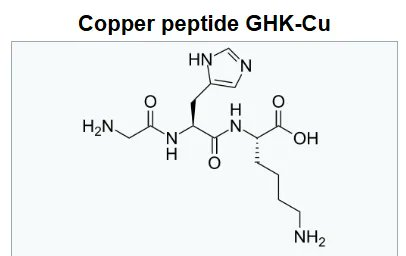
Number 7: GHK-Cu (Copper Tripeptide-1)
GHK-Cu is a naturally occurring tripeptide with the sequence Gly-His-Lys tightly bound to a copper(II) ion (Cu²⁺), forming the stable complex GHK-Cu.
So it’s one of several naturally occurring copper-peptide complexes with pleiotropic effects.
Its levels peak in youth (200 ng/mL at age 20) and decline significantly with age (80 ng/mL by age 60).
It’s mainly used for:
Accelerated wound healing (skin, burns, diabetic ulcers, post-surgical recovery).
Anti-aging and skin rejuvenation (reducing wrinkles, improving firmness, elasticity and thickness).
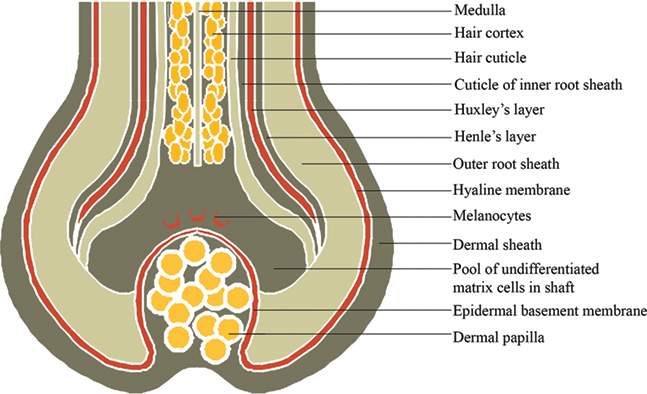
Hair growth support (improving follicle health, density and reducing inflammation on the scalp).
Anti-inflammatory and antioxidant effects (reducing cytokines like IL-6, TNF-α).
Potential neuroprotection and cognitive support.
Tissue remodeling and fibrosis reduction (scar minimization, matrix repair).
Now GHK-Cu acts as a copper chaperone and gene modulator, influencing thousands of genes (up to 31-32% significantly altered, often resetting to youthful patterns).
Key effects include:
Copper delivery: Binds Cu²⁺ with high affinity (log K ~16.4), delivering non-toxic copper to enzymes like superoxide dismutase (SOD), lysyl oxidase (collagen cross-linking), and cytochrome c oxidase (mitochondrial energy).
Gene expression modulation: Activates genes for repair, stem cell signaling, and regeneration while suppressing pro-inflammatory and pro-fibrotic ones.
Fibroblast stimulation: Increases collagen, elastin, glycosaminoglycans (GAGs), and decorin synthesis; regulates metalloproteinases (MMPs) and inhibitors for balanced remodeling.
Angiogenesis and cell migration: Upregulates VEGF, bFGF, BMP-2, and BDNF for blood vessel growth and tissue perfusion.
Anti-Inflammatory/Antioxidant: Lowers IL-6, TNF-α, and ROS, boosts SOD and glutathione.
Administration forms:
Topical (creams, serums, foams): Ideal for skin/hair.
Injectable (subcutaneous): For systemic regenerative effects (wound healing, anti-aging).
Oral: Lower bioavailability.
Potential risks:
Angiogenesis Concern: VEGF upregulation could theoretically promote undiagnosed tumors (cancer risk via blood supply to solid tumors) but there’s no direct human evidence of causation.
Copper toxicity.
GHK-Cu is a naturally occurring tripeptide with the sequence Gly-His-Lys tightly bound to a copper(II) ion (Cu²⁺), forming the stable complex GHK-Cu.
So it’s one of several naturally occurring copper-peptide complexes with pleiotropic effects.
Its levels peak in youth (200 ng/mL at age 20) and decline significantly with age (80 ng/mL by age 60).
It’s mainly used for:
Accelerated wound healing (skin, burns, diabetic ulcers, post-surgical recovery).
Anti-aging and skin rejuvenation (reducing wrinkles, improving firmness, elasticity and thickness).
Hair growth support (improving follicle health, density and reducing inflammation on the scalp).
Anti-inflammatory and antioxidant effects (reducing cytokines like IL-6, TNF-α).
Potential neuroprotection and cognitive support.
Tissue remodeling and fibrosis reduction (scar minimization, matrix repair).
Now GHK-Cu acts as a copper chaperone and gene modulator, influencing thousands of genes (up to 31-32% significantly altered, often resetting to youthful patterns).
Key effects include:
Copper delivery: Binds Cu²⁺ with high affinity (log K ~16.4), delivering non-toxic copper to enzymes like superoxide dismutase (SOD), lysyl oxidase (collagen cross-linking), and cytochrome c oxidase (mitochondrial energy).
Gene expression modulation: Activates genes for repair, stem cell signaling, and regeneration while suppressing pro-inflammatory and pro-fibrotic ones.
Fibroblast stimulation: Increases collagen, elastin, glycosaminoglycans (GAGs), and decorin synthesis; regulates metalloproteinases (MMPs) and inhibitors for balanced remodeling.
Angiogenesis and cell migration: Upregulates VEGF, bFGF, BMP-2, and BDNF for blood vessel growth and tissue perfusion.
Anti-Inflammatory/Antioxidant: Lowers IL-6, TNF-α, and ROS, boosts SOD and glutathione.
Administration forms:
Topical (creams, serums, foams): Ideal for skin/hair.
Injectable (subcutaneous): For systemic regenerative effects (wound healing, anti-aging).
Oral: Lower bioavailability.
Potential risks:
Angiogenesis Concern: VEGF upregulation could theoretically promote undiagnosed tumors (cancer risk via blood supply to solid tumors) but there’s no direct human evidence of causation.
Copper toxicity.
Number 8: Thymosin Alpha-1 (Tα1 or Thymalfasin)
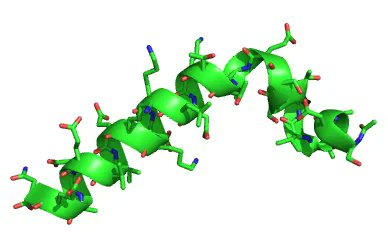
Thymosin Alpha-1 is a 28-amino-acid peptide (acetylated at the N-terminus) originally isolated from thymic tissue and derived from the precursor protein prothymosin alpha (encoded by the PTMA gene).
Its sequence is: Ac-Ser-Asp-Ala-Ala-Val-Asp-Thr-Ser-Ser-Glu-Ile-Thr-Thr-Lys-Asp-Leu-Lys-Glu-Lys-Lys-Glu-Val-Val-Glu-Glu-Ala-Glu-Asn (also known as Zadaxin or thymalfasin).
Unlike the unrelated β-thymosins (Thymosin Beta-4/TB-500), Tα1 is genetically and chemically distinct and focuses primarily on immune modulation rather than actin-binding or tissue repair.
It’s primarily used for:
Hepatitis B and C (approved in over 35 countries (primarily developing/under-developed) as Zadaxin).
Adjunct in cancer immunotherapy (melanoma, hepatocellular carcinoma/HCC, non-small cell lung cancer/NSCLC, often with chemotherapy or checkpoint inhibitors).
Boosting immune response in immunocompromised states (post-chemotherapy, elderly, vaccine non-responders).
Chronic viral infections, bacterial/fungal infections and sepsis.
Then it’s investigated in cystic fibrosis, septic shock, ARDS, critically ill lung infections and autoimmune conditions (rheumatoid arthritis/RA, psoriasis).
Tα1 is a pleiotropic immune modulator with a strong safety profile in clinical use:
Acts as an agonist for Toll-like receptors 2 and 9 (TLR2/TLR9) on myeloid and plasmacytoid dendritic cells, triggering maturation and antigen presentation.
Enhances T-cell differentiation/maturation (CD4+/CD8+), promoting cell-mediated immunity.
Increases cytokine production (primarily IL-2, IFN-γ, IL-10, IL-12) while balancing Th1/Th2 responses, shifting toward Th1 in deficiency states and reducing excessive Th2/autoimmune activity.
Boosts natural killer (NK) cell cytotoxicity and dendritic cell function.
Stimulates antibody production and improves vaccine efficacy.
Reduces excessive inflammation in sepsis/cytokine storms by modulating pathways without immunosuppression.
Potential anti-tumor effects: Enhances tumor surveillance, reverses M2 macrophage polarization, and synergizes with immunotherapies.
These effects restore immune homeostasis in deficient or dysregulated states, with consistent results across thousands of patients in trials.
Administration Forms:
Primarily subcutaneous injection (standard clinical route; well-absorbed, convenient).
Reconstituted lyophilized powder (Zadaxin vials: 1.6 mg).
Potential risks:
Needs caution in active autoimmunity (theoretical flare risk, though often beneficial for rebalancing).
Thymosin Alpha-1 is a 28-amino-acid peptide (acetylated at the N-terminus) originally isolated from thymic tissue and derived from the precursor protein prothymosin alpha (encoded by the PTMA gene).
Its sequence is: Ac-Ser-Asp-Ala-Ala-Val-Asp-Thr-Ser-Ser-Glu-Ile-Thr-Thr-Lys-Asp-Leu-Lys-Glu-Lys-Lys-Glu-Val-Val-Glu-Glu-Ala-Glu-Asn (also known as Zadaxin or thymalfasin).
Unlike the unrelated β-thymosins (Thymosin Beta-4/TB-500), Tα1 is genetically and chemically distinct and focuses primarily on immune modulation rather than actin-binding or tissue repair.
It’s primarily used for:
Hepatitis B and C (approved in over 35 countries (primarily developing/under-developed) as Zadaxin).
Adjunct in cancer immunotherapy (melanoma, hepatocellular carcinoma/HCC, non-small cell lung cancer/NSCLC, often with chemotherapy or checkpoint inhibitors).
Boosting immune response in immunocompromised states (post-chemotherapy, elderly, vaccine non-responders).
Chronic viral infections, bacterial/fungal infections and sepsis.
Then it’s investigated in cystic fibrosis, septic shock, ARDS, critically ill lung infections and autoimmune conditions (rheumatoid arthritis/RA, psoriasis).
Tα1 is a pleiotropic immune modulator with a strong safety profile in clinical use:
Acts as an agonist for Toll-like receptors 2 and 9 (TLR2/TLR9) on myeloid and plasmacytoid dendritic cells, triggering maturation and antigen presentation.
Enhances T-cell differentiation/maturation (CD4+/CD8+), promoting cell-mediated immunity.
Increases cytokine production (primarily IL-2, IFN-γ, IL-10, IL-12) while balancing Th1/Th2 responses, shifting toward Th1 in deficiency states and reducing excessive Th2/autoimmune activity.
Boosts natural killer (NK) cell cytotoxicity and dendritic cell function.
Stimulates antibody production and improves vaccine efficacy.
Reduces excessive inflammation in sepsis/cytokine storms by modulating pathways without immunosuppression.
Potential anti-tumor effects: Enhances tumor surveillance, reverses M2 macrophage polarization, and synergizes with immunotherapies.
These effects restore immune homeostasis in deficient or dysregulated states, with consistent results across thousands of patients in trials.
Administration Forms:
Primarily subcutaneous injection (standard clinical route; well-absorbed, convenient).
Reconstituted lyophilized powder (Zadaxin vials: 1.6 mg).
Potential risks:
Needs caution in active autoimmunity (theoretical flare risk, though often beneficial for rebalancing).
Number 9: Thymalin (thymus peptide complex (VERY VERY VERY RARE))
Note: There is frequent confusion between Thymalin and Thymulin.
Thymalin is a polypeptide extract derived from the calf thymus, consisting of a complex mixture of short peptides (primarily 2–8 amino acids, molecular weight 1–10 kDa).
Its key active components include the dipeptide Glu-Trp (EW, also known as Thymogen), dipeptide KE and tripeptide EDP.
Thymulin, in contrast, is a specific nonapeptide (9 amino acids) with the sequence: Pyr-Ala-Lys-Ser-Gln-Gly-Gly-Ser-Asn (also written as Pyr-Glu-Ala-Lys-Ser-Gln-Gly-Gly-Ser-Asn in some sources), a natural thymic hormone requiring zinc for full activity.
Primary uses:
Restoration of immune function in immunodeficiency states (primary/secondary, age-related decline).
Adjunct therapy for chronic viral/bacterial infections (hepatitis, herpes, influenza).
Support during/after chemotherapy/radiotherapy (reduces immunosuppression, aids hematopoiesis recovery).
Management of acute respiratory infections, including severe cases (COVID-19 adjunct in trials).
Age-related immune decline and geroprotection (reduced mortality/infections in elderly).
Potential in autoimmune regulation, chronic inflammation, and regeneration support.
Mechanisms of action.
Thymalin acts as an epigenetic regulator and immunomodulator via its short peptides:
Gene expression modulation: Short peptides (EW, KE, EDP) penetrate cells, bind to DNA/histones, altering chromatin structure and regulating transcription of genes involved in immunity, stress response, and aging (gerontogenes).
T-Cell enhancement: Promotes differentiation, maturation, and proliferation of T-lymphocytes (especially Th1 subset), restores T/B cell ratios, and enhances cellular immunity.
Anti-inflammatory effects: Reduces proinflammatory cytokines (IL-6, TNF-α) while normalizing anti-inflammatory signals; modulates NF-κB pathways to dampen excessive inflammation (observed in sepsis/COVID models). Lowers acute-phase markers like CRP.
Cytokine balance and stress response: Stimulates heat-shock proteins (e.g., HSP70/72), fibrinolysis, and cytokine production in balanced ways.
Hematopoiesis and regeneration: Supports stem cell differentiation toward lymphoid lineages, aids bone marrow recovery post-suppression.
Geroprotective: Normalizes apoptosis/proliferation in immune cells, potentially extending healthspan.
Potential risks:
Immune stimulation could exacerbate active autoimmune diseases or undiagnosed cancer (though no evidence in trials).So caution is required in immunosuppressed transplant patients.
Note: There is frequent confusion between Thymalin and Thymulin.
Thymalin is a polypeptide extract derived from the calf thymus, consisting of a complex mixture of short peptides (primarily 2–8 amino acids, molecular weight 1–10 kDa).
Its key active components include the dipeptide Glu-Trp (EW, also known as Thymogen), dipeptide KE and tripeptide EDP.
Thymulin, in contrast, is a specific nonapeptide (9 amino acids) with the sequence: Pyr-Ala-Lys-Ser-Gln-Gly-Gly-Ser-Asn (also written as Pyr-Glu-Ala-Lys-Ser-Gln-Gly-Gly-Ser-Asn in some sources), a natural thymic hormone requiring zinc for full activity.
Primary uses:
Restoration of immune function in immunodeficiency states (primary/secondary, age-related decline).
Adjunct therapy for chronic viral/bacterial infections (hepatitis, herpes, influenza).
Support during/after chemotherapy/radiotherapy (reduces immunosuppression, aids hematopoiesis recovery).
Management of acute respiratory infections, including severe cases (COVID-19 adjunct in trials).
Age-related immune decline and geroprotection (reduced mortality/infections in elderly).
Potential in autoimmune regulation, chronic inflammation, and regeneration support.
Mechanisms of action.
Thymalin acts as an epigenetic regulator and immunomodulator via its short peptides:
Gene expression modulation: Short peptides (EW, KE, EDP) penetrate cells, bind to DNA/histones, altering chromatin structure and regulating transcription of genes involved in immunity, stress response, and aging (gerontogenes).
T-Cell enhancement: Promotes differentiation, maturation, and proliferation of T-lymphocytes (especially Th1 subset), restores T/B cell ratios, and enhances cellular immunity.
Anti-inflammatory effects: Reduces proinflammatory cytokines (IL-6, TNF-α) while normalizing anti-inflammatory signals; modulates NF-κB pathways to dampen excessive inflammation (observed in sepsis/COVID models). Lowers acute-phase markers like CRP.
Cytokine balance and stress response: Stimulates heat-shock proteins (e.g., HSP70/72), fibrinolysis, and cytokine production in balanced ways.
Hematopoiesis and regeneration: Supports stem cell differentiation toward lymphoid lineages, aids bone marrow recovery post-suppression.
Geroprotective: Normalizes apoptosis/proliferation in immune cells, potentially extending healthspan.
Potential risks:
Immune stimulation could exacerbate active autoimmune diseases or undiagnosed cancer (though no evidence in trials).So caution is required in immunosuppressed transplant patients.
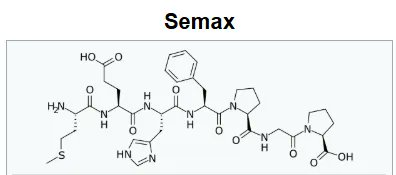
Number 10: NA-Semax (N-Acetyl Semax)
NA-Semax is a modified version of the synthetic heptapeptide Semax, with an N-acetyl group added for enhanced stability and potentially improved blood-brain barrier penetration.
The base Semax sequence is: Met-Glu-His-Phe-Pro-Gly-Pro (MEHFPGP), an analogue of ACTH(4-10).
Its primary uses include:
Treatment and recovery from stroke, transient ischemic attacks and cerebrovascular insufficiency.
Management of traumatic brain injury (TBI), head trauma and post-concussive symptoms.
Cognitive disorders, memory deficits and attention issues.
Optic nerve disease and glaucomatous neuropathy.
Peptic ulcers (anti-ulcer effects observed in some trials).
General neuroprotection.
Semax exhibits multi-faceted neurotrophic and neuromodulatory effects such as:
Upregulation of neurotrophic factors: Rapidly increases brain-derived neurotrophic factor (BDNF) protein levels and expression, along with its receptor TrkB (tropomyosin receptor kinase B), particularly in the hippocampus and basal forebrain.
This promotes neuroplasticity, synaptic repair, neuron survival and new neuron growth.
Nerve growth factor (NGF) support: Enhances NGF expression, aiding nerve regeneration and protection.
Monoamine system modulation: Activates serotonergic and dopaminergic pathways, increasing dopamine and serotonin signaling for improved motivation, mood balance and stress response.
Melanocortin eeceptor interaction: Likely acts as a partial agonist/antagonist at MC4 and MC5 receptors (competitively antagonizes α-MSH); potential involvement of MC3, though unclear for MC1/MC2.
Enkephalinase inhibition: Inhibits the degradation of enkephalins and other regulatory peptides, potentially contributing to analgesic and mood-enhancing effects.
Improves cerebral blood flow, exerts antioxidant action, reduces oxidative stress/inflammation and protects against ischemic/hypoxic damage.
Administration forms:
Nasal Spray/Drops: Preferred route due to direct blood-brain barrier access and rapid onset (effects within hours).Standard formulations: 0.1% (mild) or 1% (for acute conditions).
Subcutaneous Injection: Used in some clinical settings or for potentially higher bioavailability; less common in nootropic use.
NA-Semax is a modified version of the synthetic heptapeptide Semax, with an N-acetyl group added for enhanced stability and potentially improved blood-brain barrier penetration.
The base Semax sequence is: Met-Glu-His-Phe-Pro-Gly-Pro (MEHFPGP), an analogue of ACTH(4-10).
Its primary uses include:
Treatment and recovery from stroke, transient ischemic attacks and cerebrovascular insufficiency.
Management of traumatic brain injury (TBI), head trauma and post-concussive symptoms.
Cognitive disorders, memory deficits and attention issues.
Optic nerve disease and glaucomatous neuropathy.
Peptic ulcers (anti-ulcer effects observed in some trials).
General neuroprotection.
Semax exhibits multi-faceted neurotrophic and neuromodulatory effects such as:
Upregulation of neurotrophic factors: Rapidly increases brain-derived neurotrophic factor (BDNF) protein levels and expression, along with its receptor TrkB (tropomyosin receptor kinase B), particularly in the hippocampus and basal forebrain.
This promotes neuroplasticity, synaptic repair, neuron survival and new neuron growth.
Nerve growth factor (NGF) support: Enhances NGF expression, aiding nerve regeneration and protection.
Monoamine system modulation: Activates serotonergic and dopaminergic pathways, increasing dopamine and serotonin signaling for improved motivation, mood balance and stress response.
Melanocortin eeceptor interaction: Likely acts as a partial agonist/antagonist at MC4 and MC5 receptors (competitively antagonizes α-MSH); potential involvement of MC3, though unclear for MC1/MC2.
Enkephalinase inhibition: Inhibits the degradation of enkephalins and other regulatory peptides, potentially contributing to analgesic and mood-enhancing effects.
Improves cerebral blood flow, exerts antioxidant action, reduces oxidative stress/inflammation and protects against ischemic/hypoxic damage.
Administration forms:
Nasal Spray/Drops: Preferred route due to direct blood-brain barrier access and rapid onset (effects within hours).Standard formulations: 0.1% (mild) or 1% (for acute conditions).
Subcutaneous Injection: Used in some clinical settings or for potentially higher bioavailability; less common in nootropic use.
Number 11: Adamax (N-Acetyl Semax Adamantane Amide)
Adamax is a nonapeptide and an advanced nootropic analogue of Semax.
Its modified structure is: Ac-Met-Glu-His-Phe-Pro-Gly-Pro-Ala-Gly-(adamantane)-NH₂ (N-terminal acetylation + C-terminal adamantane capping, derived from modifications in Peptide 021/P21).
So it’s created by taking Semax and adding the P21’s adamantane group to its structure.
It incorporates an acetyl group at the N-terminus for enzymatic resistance and an adamantane moiety at the C-terminus for enhanced lipophilicity.
These changes dramatically improve blood-brain barrier (BBB) penetration, stability, half-life, and potency—making it reportedly 2–3x more effective than standard Semax or N-Acetyl Semax.
Primary uses:
Enhanced cognitive performance: Improved focus, mental clarity, processing speed, learning, and memory consolidation.
Neuroprotection and neurogenesis promotion.
Mood stabilization, reduced anxiety/stress, increased motivation and emotional resilience.
Potential physical endurance boost (claimed 2–3x over Semax analogs in some vendor descriptions).
Support in models of neurological conditions (stroke recovery, Alzheimer’s-like pathology via BDNF pathways).
Mechanisms of action:
Strong BDNF upregulation: Potently increases brain-derived neurotrophic factor (BDNF) levels and enhances TrkB receptor sensitivity in the hippocampus.
Some sources also suggest modest elevation of nerve growth factor (NGF), supporting neurogenesis and nerve repair (though less pronounced than BDNF effects).
Neurotransmitter modulation: Amplifies Semax’s effects on dopamine, serotonin, and norepinephrine systems, promoting motivation, mood elevation, and focus without overstimulation.
Enhanced BBB crossing and stability: The adamantane group increases lipid solubility and protects against degradation, allowing lower doses and longer-lasting effects (up to 8–10 hours in anecdotal reports).
Reduces brain inflammation and oxidative stress, similar to Semax.
Microtubule stabilization: Indirect influences via ADNP-like pathways (from P21 inspiration) for neuronal structure support.
Administration forms:
Intranasal Spray: Most popular for rapid BBB delivery and ease of use (bypasses digestion/liver).
Subcutaneous injection: For potentially higher systemic exposure.
Oral bioavailability is low.
Potential risks/side effects:
Headaches, overstimulation, insomnia, heart palpitations and even hair loss.
Adamax is a nonapeptide and an advanced nootropic analogue of Semax.
Its modified structure is: Ac-Met-Glu-His-Phe-Pro-Gly-Pro-Ala-Gly-(adamantane)-NH₂ (N-terminal acetylation + C-terminal adamantane capping, derived from modifications in Peptide 021/P21).
So it’s created by taking Semax and adding the P21’s adamantane group to its structure.
It incorporates an acetyl group at the N-terminus for enzymatic resistance and an adamantane moiety at the C-terminus for enhanced lipophilicity.
These changes dramatically improve blood-brain barrier (BBB) penetration, stability, half-life, and potency—making it reportedly 2–3x more effective than standard Semax or N-Acetyl Semax.
Primary uses:
Enhanced cognitive performance: Improved focus, mental clarity, processing speed, learning, and memory consolidation.
Neuroprotection and neurogenesis promotion.
Mood stabilization, reduced anxiety/stress, increased motivation and emotional resilience.
Potential physical endurance boost (claimed 2–3x over Semax analogs in some vendor descriptions).
Support in models of neurological conditions (stroke recovery, Alzheimer’s-like pathology via BDNF pathways).
Mechanisms of action:
Strong BDNF upregulation: Potently increases brain-derived neurotrophic factor (BDNF) levels and enhances TrkB receptor sensitivity in the hippocampus.
Some sources also suggest modest elevation of nerve growth factor (NGF), supporting neurogenesis and nerve repair (though less pronounced than BDNF effects).
Neurotransmitter modulation: Amplifies Semax’s effects on dopamine, serotonin, and norepinephrine systems, promoting motivation, mood elevation, and focus without overstimulation.
Enhanced BBB crossing and stability: The adamantane group increases lipid solubility and protects against degradation, allowing lower doses and longer-lasting effects (up to 8–10 hours in anecdotal reports).
Reduces brain inflammation and oxidative stress, similar to Semax.
Microtubule stabilization: Indirect influences via ADNP-like pathways (from P21 inspiration) for neuronal structure support.
Administration forms:
Intranasal Spray: Most popular for rapid BBB delivery and ease of use (bypasses digestion/liver).
Subcutaneous injection: For potentially higher systemic exposure.
Oral bioavailability is low.
Potential risks/side effects:
Headaches, overstimulation, insomnia, heart palpitations and even hair loss.

Number 12: Selank (TP-7)
Selank is a heptapeptide with the sequence: Thr-Lys-Pro-Arg-Pro-Gly-Pro (TKPRPGP).
It is a stabilized analog of the naturally occurring immunomodulatory tetrapeptide tuftsin (Thr-Lys-Pro-Arg), extended with Pro-Gly-Pro for enhanced metabolic stability and longer duration of action.
Primary uses include:
Reduction of anxiety and stress without sedation or cognitive impairment.
Improvement in focus, memory, learning, and executive function.
Mood stabilization and potential support for depression-like symptoms or anhedonia.
Adjunctive role in PTSD, stress-related disorders, and recovery from neurochemical imbalances.
Potential benefits in alcohol withdrawal symptom alleviation, immune modulation, antiviral effects (in some influenza models), and neuroprotection against stress-induced damage.
Mechanisms of action:
BDNF upregulation: Rapidly elevates brain-derived neurotrophic factor (BDNF) expression in the hippocampus and cortex, promoting neuroplasticity, synaptic strengthening, memory formation, and neuronal survival.
Neurotransmitter modulation: Influences serotonin metabolism and levels, dopamine, and GABAergic systems (allosteric modulation of GABAA receptors for calming effects without benzodiazepine-like impairment).
Enkephalin preservation: Inhibits enzymes like enkephalin-degrading peptidases that break down endogenous enkephalins, prolonging their opioid-like effects on mood, pain perception, and stress response.
Immunomodulation and Anti-Inflammatory: Modulates IL-6 expression, balances T-helper cell cytokines, reduces pro-inflammatory markers and exhibits antiviral properties in models.
Administration forms:
Intranasal (preferred): rapid onset (minutes), direct brain delivery via olfactory pathways, high bioavailability (200-400 mcg per dose (1-2 sprays per nostril), 1-3x daily).
Injectable (Subcutaneous): Alternative for precise dosing, slower systemic release but potentially stronger for immune effects
Potential side effects:
Transient headache, fatigue, dizziness, or insomnia if dosed late.
Selank is a heptapeptide with the sequence: Thr-Lys-Pro-Arg-Pro-Gly-Pro (TKPRPGP).
It is a stabilized analog of the naturally occurring immunomodulatory tetrapeptide tuftsin (Thr-Lys-Pro-Arg), extended with Pro-Gly-Pro for enhanced metabolic stability and longer duration of action.
Primary uses include:
Reduction of anxiety and stress without sedation or cognitive impairment.
Improvement in focus, memory, learning, and executive function.
Mood stabilization and potential support for depression-like symptoms or anhedonia.
Adjunctive role in PTSD, stress-related disorders, and recovery from neurochemical imbalances.
Potential benefits in alcohol withdrawal symptom alleviation, immune modulation, antiviral effects (in some influenza models), and neuroprotection against stress-induced damage.
Mechanisms of action:
BDNF upregulation: Rapidly elevates brain-derived neurotrophic factor (BDNF) expression in the hippocampus and cortex, promoting neuroplasticity, synaptic strengthening, memory formation, and neuronal survival.
Neurotransmitter modulation: Influences serotonin metabolism and levels, dopamine, and GABAergic systems (allosteric modulation of GABAA receptors for calming effects without benzodiazepine-like impairment).
Enkephalin preservation: Inhibits enzymes like enkephalin-degrading peptidases that break down endogenous enkephalins, prolonging their opioid-like effects on mood, pain perception, and stress response.
Immunomodulation and Anti-Inflammatory: Modulates IL-6 expression, balances T-helper cell cytokines, reduces pro-inflammatory markers and exhibits antiviral properties in models.
Administration forms:
Intranasal (preferred): rapid onset (minutes), direct brain delivery via olfactory pathways, high bioavailability (200-400 mcg per dose (1-2 sprays per nostril), 1-3x daily).
Injectable (Subcutaneous): Alternative for precise dosing, slower systemic release but potentially stronger for immune effects
Potential side effects:
Transient headache, fatigue, dizziness, or insomnia if dosed late.
Number 13: Orforglipron (LY3502970)
Orforglipron is a GLP-1 receptor agonist that unlike traditional peptide-based GLP-1 analogs such as semaglutide and liraglutide, which require injections, is a compact, highly bioavailable molecule that can be taken as a simple tablet.
It acts as a partial agonist at the GLP-1 receptor (GLP-1R), a class B G protein-coupled receptor expressed on pancreatic beta cells, alpha cells, hypothalamic satiety centers (such as POMC/CART neurons), vagal afferents, brainstem nuclei, and gastrointestinal tissues.
Key signaling effects include:
Strong activation of the Gs-protein/cAMP/PKA pathway, promoting glucose-dependent insulin secretion from beta cells and glucagon suppression from alpha cells, reducing hepatic glucose production.
Central nervous system effects: Enhanced satiety signaling, delayed gastric emptying, and reduced food intake via hypothalamic and brainstem pathways.
Partial agonism profile: Preferential cAMP stimulation with reduced β-arrestin recruitment, potentially minimizing receptor internalization/desensitization and supporting sustained efficacy over long-term use.
Preclinical and pharmacokinetic studies show:
Weight Loss: In ATTAIN-1 (non-diabetic obesity/overweight, 72 weeks), the highest dose achieved 12.4% mean reduction (27 lbs). In ATTAIN-2 (obesity + T2D), ~10.5–11% reduction.
Glycemic control: In ACHIEVE trials (40 weeks), A1C reductions of 1.3–2.1% across doses, often superior to comparators like dapagliflozin, oral semaglutide, or insulin add-on. Many patients reached A1C <7% or ≤6.5%.
Improvements in fasting glucose, blood pressure, non-HDL cholesterol, triglycerides, and other cardiometabolic markers.
The most common side effects are: nausea, vomiting, diarrhea and constipation.
Rare: Pancreatitis, gallbladder events (cholecystitis/cholelithiasis).
There’s also a thyroid concern since rodent studies showed C-cell tumors (medullary thyroid carcinoma, MTC).
Orforglipron is a GLP-1 receptor agonist that unlike traditional peptide-based GLP-1 analogs such as semaglutide and liraglutide, which require injections, is a compact, highly bioavailable molecule that can be taken as a simple tablet.
It acts as a partial agonist at the GLP-1 receptor (GLP-1R), a class B G protein-coupled receptor expressed on pancreatic beta cells, alpha cells, hypothalamic satiety centers (such as POMC/CART neurons), vagal afferents, brainstem nuclei, and gastrointestinal tissues.
Key signaling effects include:
Strong activation of the Gs-protein/cAMP/PKA pathway, promoting glucose-dependent insulin secretion from beta cells and glucagon suppression from alpha cells, reducing hepatic glucose production.
Central nervous system effects: Enhanced satiety signaling, delayed gastric emptying, and reduced food intake via hypothalamic and brainstem pathways.
Partial agonism profile: Preferential cAMP stimulation with reduced β-arrestin recruitment, potentially minimizing receptor internalization/desensitization and supporting sustained efficacy over long-term use.
Preclinical and pharmacokinetic studies show:
Weight Loss: In ATTAIN-1 (non-diabetic obesity/overweight, 72 weeks), the highest dose achieved 12.4% mean reduction (27 lbs). In ATTAIN-2 (obesity + T2D), ~10.5–11% reduction.
Glycemic control: In ACHIEVE trials (40 weeks), A1C reductions of 1.3–2.1% across doses, often superior to comparators like dapagliflozin, oral semaglutide, or insulin add-on. Many patients reached A1C <7% or ≤6.5%.
Improvements in fasting glucose, blood pressure, non-HDL cholesterol, triglycerides, and other cardiometabolic markers.
The most common side effects are: nausea, vomiting, diarrhea and constipation.
Rare: Pancreatitis, gallbladder events (cholecystitis/cholelithiasis).
There’s also a thyroid concern since rodent studies showed C-cell tumors (medullary thyroid carcinoma, MTC).
Number 14: AHK-Cu (Alanine-Histidine-Lysine Copper Tripeptide-3)
Unlike GHK-Cu, which is naturally occurring and used for various purposes such as broad skin rejuvenation, wound healing, collagen/elastin production, and in general everything discussed in part 2, AHK-Cu is lab-engineered specifically for targeted hair follicle stimulation, scalp microcirculation and hair growth cycle support.
It consists of the amino acids L-alanine, L-histidine and L-lysine bound to a bioactive copper (Cu²⁺) ion.
Its chemical name is often listed as [L-Alanyl-κN-L-histidyl-κN,κN³-L-lysinato(2-)]copper, with a distinctive vibrant blue colour due to the copper coordination (absorption peaks around 595 nm).
Mechanisms of action:
Stimulates DPC (Dermal Papilla Cell) proliferation and survival, prolonging the anagen (growth) phase and enlarging follicles.
Upregulates vascular endothelial growth factor (VEGF), enhancing nutrient/oxygen delivery through new capillary formation around follicles.
basically has anti-apoptotic effects/prevents programmed cell death in DPCs.Increases Bcl-2/Bax ratio, reduces cleaved caspase-3 andPARP.
It may downregulate transforming growth factor-beta1 (TGF-β1) secretion.
It boosts collagen/elastin production for dermal density and scalp barrier strength.
It protects the follicles from free radical damage.
Usage:
Serums/Solutions: Applied directly to scalp (1–2x daily) at 0.1–2% concentration (start as low as possible to assess tolerance).
Injections are not recommended or even validated.
Potential risks:
Theoretical copper overload risk with excessive use (though topical absorption is low).
Scalp irritation.
Unlike GHK-Cu, which is naturally occurring and used for various purposes such as broad skin rejuvenation, wound healing, collagen/elastin production, and in general everything discussed in part 2, AHK-Cu is lab-engineered specifically for targeted hair follicle stimulation, scalp microcirculation and hair growth cycle support.
It consists of the amino acids L-alanine, L-histidine and L-lysine bound to a bioactive copper (Cu²⁺) ion.
Its chemical name is often listed as [L-Alanyl-κN-L-histidyl-κN,κN³-L-lysinato(2-)]copper, with a distinctive vibrant blue colour due to the copper coordination (absorption peaks around 595 nm).
Mechanisms of action:
Stimulates DPC (Dermal Papilla Cell) proliferation and survival, prolonging the anagen (growth) phase and enlarging follicles.
Upregulates vascular endothelial growth factor (VEGF), enhancing nutrient/oxygen delivery through new capillary formation around follicles.
basically has anti-apoptotic effects/prevents programmed cell death in DPCs.Increases Bcl-2/Bax ratio, reduces cleaved caspase-3 andPARP.
It may downregulate transforming growth factor-beta1 (TGF-β1) secretion.
It boosts collagen/elastin production for dermal density and scalp barrier strength.
It protects the follicles from free radical damage.
Usage:
Serums/Solutions: Applied directly to scalp (1–2x daily) at 0.1–2% concentration (start as low as possible to assess tolerance).
Injections are not recommended or even validated.
Potential risks:
Theoretical copper overload risk with excessive use (though topical absorption is low).
Scalp irritation.
Number 15: CJC-1295
CJC-1295 is a synthetic 29-amino-acid peptide analogue of growth hormone-releasing hormone (GHRH) designed to stimulate the pituitary gland for increased growth hormone (GH) secretion and subsequent insulin-like growth factor-1 (IGF-1) production in the liver.
Full sequence (CJC-1295 with DAC):Tyr-D-Ala-Asp-Ala-Ile-Phe-Thr-Gln-Ser-Tyr-Arg-Lys-Val-Leu-Ala-Gln-Leu-Ser-Ala-Arg-Lys-Leu-Leu-Gln-Asp-Ile-Leu-Ser-Arg.
The “no DAC” version (also known as Modified GRF 1-29 or Mod GRF 1-29) has a sequence of:Tyr-D-Ala-Asp-Ala-Ile-Phe-Thr-Gln-Ser-Tyr-Arg-Lys-Val-Leu-Ala-Gln-Leu-Ser-Ala-Arg-Lys-Leu-Leu-Gln-Asp-Ile-Leu-Ser-Arg-NH2
These substitutions (at positions 2, 8, 15, 27) enhance stability against enzymatic degradation while preserving potent GHRH receptor binding.
Point being:
With DAC: Long-acting (half-life ~6–8 days), provides sustained GH/IGF-1 elevation.
No DAC: Short-acting (half-life ~30 minutes (this mimics natural pulsatile GH)).
Mechanisms of action/traits:
Binds to GHRH receptors on pituitary somatotropes, amplifying endogenous GH release in a dose-dependent manner (especially preserved with the no DAC version).
Elevates baseline and mean GH levels, leading to increased hepatic IGF-1 production.
Avoids complete suppression of natural feedback loops compared to exogenous GH.
Primary uses:
Muscle growth and preservation.
Enhanced lipolysis.
Accelerated recovery.
Improved deep/slow-wave sleep.
Potential anti-ageing benefits (skin elasticity, bone density etc)
When it comes to dosing:
The no DAC version is usually dosed at 100–300 mcg 1–3x daily (morning, post-workout, bedtime).
If you are going to use the full version, then probably 125–250 mcg/kg weekly.
Do not use it for more than 4-6 weeks at a time.
Common side effects:
Water retention/edema
Reduced insulin sensitivity
Flushing
Bloating
Nausea
DO NOT use it if you have ANY CVD, history of acne or cancer unless your doctor advises otherwise (in one study, one patient even died from myocardial infarction).
And keep in mind that the DAC version may cause more prolonged effects ( sustained bloating).
CJC-1295 is a synthetic 29-amino-acid peptide analogue of growth hormone-releasing hormone (GHRH) designed to stimulate the pituitary gland for increased growth hormone (GH) secretion and subsequent insulin-like growth factor-1 (IGF-1) production in the liver.
Full sequence (CJC-1295 with DAC):Tyr-D-Ala-Asp-Ala-Ile-Phe-Thr-Gln-Ser-Tyr-Arg-Lys-Val-Leu-Ala-Gln-Leu-Ser-Ala-Arg-Lys-Leu-Leu-Gln-Asp-Ile-Leu-Ser-Arg.
The “no DAC” version (also known as Modified GRF 1-29 or Mod GRF 1-29) has a sequence of:Tyr-D-Ala-Asp-Ala-Ile-Phe-Thr-Gln-Ser-Tyr-Arg-Lys-Val-Leu-Ala-Gln-Leu-Ser-Ala-Arg-Lys-Leu-Leu-Gln-Asp-Ile-Leu-Ser-Arg-NH2
These substitutions (at positions 2, 8, 15, 27) enhance stability against enzymatic degradation while preserving potent GHRH receptor binding.
Point being:
With DAC: Long-acting (half-life ~6–8 days), provides sustained GH/IGF-1 elevation.
No DAC: Short-acting (half-life ~30 minutes (this mimics natural pulsatile GH)).
Mechanisms of action/traits:
Binds to GHRH receptors on pituitary somatotropes, amplifying endogenous GH release in a dose-dependent manner (especially preserved with the no DAC version).
Elevates baseline and mean GH levels, leading to increased hepatic IGF-1 production.
Avoids complete suppression of natural feedback loops compared to exogenous GH.
Primary uses:
Muscle growth and preservation.
Enhanced lipolysis.
Accelerated recovery.
Improved deep/slow-wave sleep.
Potential anti-ageing benefits (skin elasticity, bone density etc)
When it comes to dosing:
The no DAC version is usually dosed at 100–300 mcg 1–3x daily (morning, post-workout, bedtime).
If you are going to use the full version, then probably 125–250 mcg/kg weekly.
Do not use it for more than 4-6 weeks at a time.
Common side effects:
Water retention/edema
Reduced insulin sensitivity
Flushing
Bloating
Nausea
DO NOT use it if you have ANY CVD, history of acne or cancer unless your doctor advises otherwise (in one study, one patient even died from myocardial infarction).
And keep in mind that the DAC version may cause more prolonged effects ( sustained bloating).
Number 16: Ipamorelin
This one is a pentapeptide with the amino acid sequence: Aib-His-D-2-Nal-D-Phe-Lys-NH2 (derived from GHRP-1) that is a highly selective agonist of the ghrelin/growth hormone secretagogue receptor (GHSR-1a).
It has a rapid absorption and short half-life (around 2 hours).
It’s primarily used for:
Lean muscle growth and improved body composition overall.
Accelerated fat loss via enhanced lipolysis.
Faster recovery from training, injuries, or surgery.
Improved sleep quality (deeper REM and slow-wave sleep).
It mimics ghrelin but with high specificity for GHSR-1a receptors in the hypothalamus and pituitary so we have:
Selective GH release: Potently stimulates pulsatile GH secretion while inhibiting somatostatin (a GH suppressor).Unlike GHRP-2 or GHRP-6, it does not significantly elevate prolactin, ACTH, cortisol, FSH, LH, or TSH even at high doses.
The increased GH leads to hepatic IGF-1 production, enhancing protein synthesis, nitrogen retention, lipolysis and insulin sensitivity.
Enhanced gastric motility (studied for postoperative ileus) in some cases.
When it comes to dosing:
Beginners should probably stick to 100 mcg once daily (pre-bed).
Advanced can do 200 mcg in split doses (AM + PM/pre-bed).
Cycle length: 8 weeks on followed by 8 weeks off
Side effects:
Increased hunger
Water retention/edema
Reduced insulin sensitivity in some cases
Flushing
Acne
Bloating
Nausea
It’s also banned by WADA.
This one is a pentapeptide with the amino acid sequence: Aib-His-D-2-Nal-D-Phe-Lys-NH2 (derived from GHRP-1) that is a highly selective agonist of the ghrelin/growth hormone secretagogue receptor (GHSR-1a).
It has a rapid absorption and short half-life (around 2 hours).
It’s primarily used for:
Lean muscle growth and improved body composition overall.
Accelerated fat loss via enhanced lipolysis.
Faster recovery from training, injuries, or surgery.
Improved sleep quality (deeper REM and slow-wave sleep).
It mimics ghrelin but with high specificity for GHSR-1a receptors in the hypothalamus and pituitary so we have:
Selective GH release: Potently stimulates pulsatile GH secretion while inhibiting somatostatin (a GH suppressor).Unlike GHRP-2 or GHRP-6, it does not significantly elevate prolactin, ACTH, cortisol, FSH, LH, or TSH even at high doses.
The increased GH leads to hepatic IGF-1 production, enhancing protein synthesis, nitrogen retention, lipolysis and insulin sensitivity.
Enhanced gastric motility (studied for postoperative ileus) in some cases.
When it comes to dosing:
Beginners should probably stick to 100 mcg once daily (pre-bed).
Advanced can do 200 mcg in split doses (AM + PM/pre-bed).
Cycle length: 8 weeks on followed by 8 weeks off
Side effects:
Increased hunger
Water retention/edema
Reduced insulin sensitivity in some cases
Flushing
Acne
Bloating
Nausea
It’s also banned by WADA.
Number 17: MOTS-c.
MOTS-c is a unique 16-amino-acid peptide encoded directly in the mitochondrial DNA (mtDNA) within the 12S rRNA region.
Its human sequence is: Met-Arg-Trp-Gln-Glu-Met-Gly-Tyr-Ile-Phe-Tyr-Pro-Arg-Lys-Leu-Arg (MRWQEMGYIFYPRKLR).
As one of the first discovered “mitokines” (mitochondrial-derived signaling peptides), MOTS-c acts as an endocrine-like regulator of whole-body metabolism, stress adaptation, and cellular resilience.
Unlike nearly all other peptides (encoded in nuclear DNA), MOTS-c’s origin in mtDNA underscores the emerging role of mitochondria as active communicators influencing systemic health beyond energy production.
Endogenous MOTS-c levels rise acutely in response to metabolic stressors like exercise, fasting, or caloric restriction and decline with age.
MOTS-c exerts broad, adaptive effects primarily through energy-sensing pathways such as:
AMPK activation: Rapidly phosphorylates and activates AMP-activated protein kinase (AMPK), the cell’s primary energy sensor.
This shifts metabolism from anabolic (growth/storage) to catabolic (energy-producing) modes: enhancing GLUT4 translocation for insulin-independent glucose uptake (especially in skeletal muscle), boosting glycolysis and fatty acid oxidation while also suppressing gluconeogenesis.
Nuclear translocation and gene regulation: Under stress, MOTS-c relocates to the nucleus (AMPK-dependent) where it binds transcription factors like ATF7, regulating antioxidant response elements (ARE) via NRF2 pathways.This upregulates genes for stress resistance, antioxidant defense (think HO-1, SOD), and mitochondrial biogenesis (think PGC-1α, SIRT1).
ER/JNK stress reduction: Directly mitigates endoplasmic reticulum stress and JNK signaling (key drivers of insulin resistance).
mTOR Modulation: Temporarily inhibits mTORC1 to prioritize repair over growth during stress.
Influences folate/purine metabolism (accumulating AICAR, a natural AMPK activator) and enhances NAD+ levels.
Risks:
Experimental status.
Theoretical risks: Excessive/chronic use could disrupt natural adaptive responses or energy sensing, potential tumor progression in vulnerable individuals (unsubstantiated but cautioned in reviews).
Anecdotal side effects: Insomnia.
Banned by WADA.
Number 18: SS-31 (Elamipretide)
SS-31, also known as elamipretide is a tetrapeptide with the amino acid sequence: D-Arg-2’,6’-dimethylTyr-Lys-Phe-NH₂ (often abbreviated as D-Arg-Dmt-Lys-Phe-NH₂).
It is a water-soluble, cell-permeable compound explicitly engineered to selectively target and accumulate in the inner mitochondrial membrane (IMM), concentrating up to 5,000-fold in mitochondria due to its aromatic-cationic structure and the negative membrane potential.
Unlike conventional broad-spectrum antioxidants that act diffusely throughout the cell, SS-31 homes in on the site of greatest oxidative stress, the mitochondria.
It exerts its effects primarily by binding to cardiolipin, a unique phospholipid almost exclusively found in the IMM that is essential for cristae structure, supercomplex formation in the electron transport chain (ETC), and efficient oxidative phosphorylation.
Key actions include:
Stabilizing cardiolipin: Prevents peroxidative damage and maintains optimal curvature of cristae membranes, preserving ETC supercomplex organization and electron flow efficiency.
Reducing mitochondrial ROS: Acts as a targeted scavenger of reactive oxygen species (superoxide, hydrogen peroxide) at their source, inhibiting propagation of oxidative damage without overly depleting physiological ROS signaling.
Inhibiting cytochrome c peroxidase activity: By binding cardiolipin, SS-31 prevents cytochrome c from converting into a peroxidase (which amplifies ROS), while preserving its role in electron transport.
Enhancing ATP synthesis: Improves mitochondrial bioenergetics, restores membrane potential (ΔΨm), prevents swelling/fragmentation, and optimizes ADP sensitivity via interactions with the adenine nucleotide translocator (ANT).
Anti-apoptotic effects: Reduces mitochondrial permeability transition pore (mPTP) opening, calcium overload, and cytochrome c release.
In preclinical models and clinical trials, SS-31 rapidly restores mitochondrial function in high-energy-demand tissues:
Cardiovascular: Protects against ischemia-reperfusion injury (heart, kidneys), improves cardiac output in heart failure models.
Neurological: Neuroprotection in models of Parkinson’s, Alzheimer’s and TBIs.
Musculoskeletal: Reduces age-related decline; improves muscle endurance and fatigue resistance in aged rodents.
Renal: Accelerates ATP recovery post-ischemia, reduces fibrosis/apoptosis in diabetic nephropathy.
Ophthalmic: Potential in dry age-related macular degeneration (geographic atrophy).
Metabolic: Supports insulin sensitivity, reduces inflammation in type 2 diabetes models.
MOTS-c is a unique 16-amino-acid peptide encoded directly in the mitochondrial DNA (mtDNA) within the 12S rRNA region.
Its human sequence is: Met-Arg-Trp-Gln-Glu-Met-Gly-Tyr-Ile-Phe-Tyr-Pro-Arg-Lys-Leu-Arg (MRWQEMGYIFYPRKLR).
As one of the first discovered “mitokines” (mitochondrial-derived signaling peptides), MOTS-c acts as an endocrine-like regulator of whole-body metabolism, stress adaptation, and cellular resilience.
Unlike nearly all other peptides (encoded in nuclear DNA), MOTS-c’s origin in mtDNA underscores the emerging role of mitochondria as active communicators influencing systemic health beyond energy production.
Endogenous MOTS-c levels rise acutely in response to metabolic stressors like exercise, fasting, or caloric restriction and decline with age.
MOTS-c exerts broad, adaptive effects primarily through energy-sensing pathways such as:
AMPK activation: Rapidly phosphorylates and activates AMP-activated protein kinase (AMPK), the cell’s primary energy sensor.
This shifts metabolism from anabolic (growth/storage) to catabolic (energy-producing) modes: enhancing GLUT4 translocation for insulin-independent glucose uptake (especially in skeletal muscle), boosting glycolysis and fatty acid oxidation while also suppressing gluconeogenesis.
Nuclear translocation and gene regulation: Under stress, MOTS-c relocates to the nucleus (AMPK-dependent) where it binds transcription factors like ATF7, regulating antioxidant response elements (ARE) via NRF2 pathways.This upregulates genes for stress resistance, antioxidant defense (think HO-1, SOD), and mitochondrial biogenesis (think PGC-1α, SIRT1).
ER/JNK stress reduction: Directly mitigates endoplasmic reticulum stress and JNK signaling (key drivers of insulin resistance).
mTOR Modulation: Temporarily inhibits mTORC1 to prioritize repair over growth during stress.
Influences folate/purine metabolism (accumulating AICAR, a natural AMPK activator) and enhances NAD+ levels.
Risks:
Experimental status.
Theoretical risks: Excessive/chronic use could disrupt natural adaptive responses or energy sensing, potential tumor progression in vulnerable individuals (unsubstantiated but cautioned in reviews).
Anecdotal side effects: Insomnia.
Banned by WADA.
Number 18: SS-31 (Elamipretide)
SS-31, also known as elamipretide is a tetrapeptide with the amino acid sequence: D-Arg-2’,6’-dimethylTyr-Lys-Phe-NH₂ (often abbreviated as D-Arg-Dmt-Lys-Phe-NH₂).
It is a water-soluble, cell-permeable compound explicitly engineered to selectively target and accumulate in the inner mitochondrial membrane (IMM), concentrating up to 5,000-fold in mitochondria due to its aromatic-cationic structure and the negative membrane potential.
Unlike conventional broad-spectrum antioxidants that act diffusely throughout the cell, SS-31 homes in on the site of greatest oxidative stress, the mitochondria.
It exerts its effects primarily by binding to cardiolipin, a unique phospholipid almost exclusively found in the IMM that is essential for cristae structure, supercomplex formation in the electron transport chain (ETC), and efficient oxidative phosphorylation.
Key actions include:
Stabilizing cardiolipin: Prevents peroxidative damage and maintains optimal curvature of cristae membranes, preserving ETC supercomplex organization and electron flow efficiency.
Reducing mitochondrial ROS: Acts as a targeted scavenger of reactive oxygen species (superoxide, hydrogen peroxide) at their source, inhibiting propagation of oxidative damage without overly depleting physiological ROS signaling.
Inhibiting cytochrome c peroxidase activity: By binding cardiolipin, SS-31 prevents cytochrome c from converting into a peroxidase (which amplifies ROS), while preserving its role in electron transport.
Enhancing ATP synthesis: Improves mitochondrial bioenergetics, restores membrane potential (ΔΨm), prevents swelling/fragmentation, and optimizes ADP sensitivity via interactions with the adenine nucleotide translocator (ANT).
Anti-apoptotic effects: Reduces mitochondrial permeability transition pore (mPTP) opening, calcium overload, and cytochrome c release.
In preclinical models and clinical trials, SS-31 rapidly restores mitochondrial function in high-energy-demand tissues:
Cardiovascular: Protects against ischemia-reperfusion injury (heart, kidneys), improves cardiac output in heart failure models.
Neurological: Neuroprotection in models of Parkinson’s, Alzheimer’s and TBIs.
Musculoskeletal: Reduces age-related decline; improves muscle endurance and fatigue resistance in aged rodents.
Renal: Accelerates ATP recovery post-ischemia, reduces fibrosis/apoptosis in diabetic nephropathy.
Ophthalmic: Potential in dry age-related macular degeneration (geographic atrophy).
Metabolic: Supports insulin sensitivity, reduces inflammation in type 2 diabetes models.
That's all.
If you want to learn more about peptides and supplements, go here: fitandball.gumroad.com/l/Supplements2…
If you want to learn more about peptides and supplements, go here: fitandball.gumroad.com/l/Supplements2…
And if you enjoyed this thread, make sure to leave a like/RT.
https://x.com/Helios_Movement/status/2055598125012672518
• • •
Missing some Tweet in this thread? You can try to
force a refresh