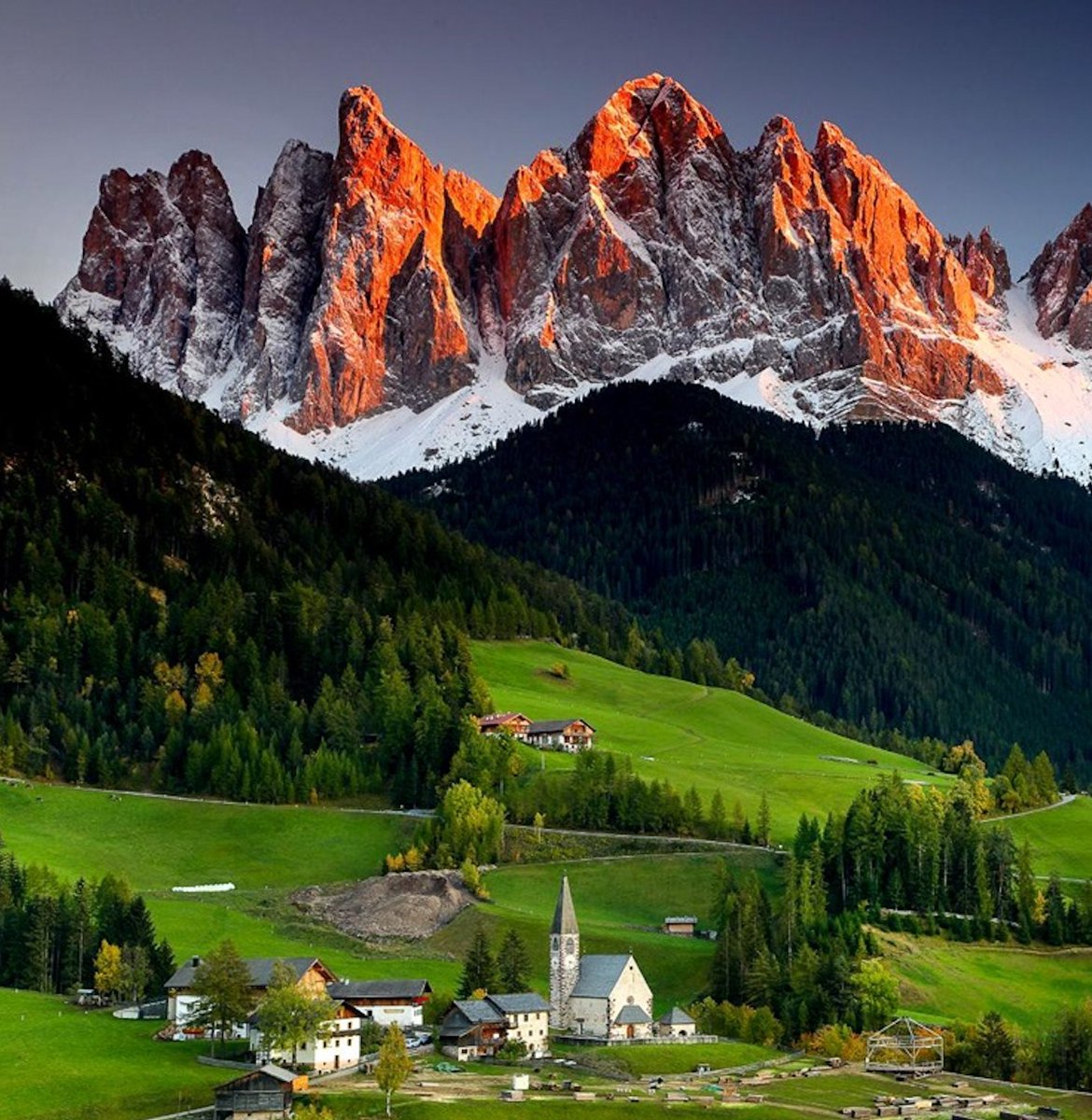
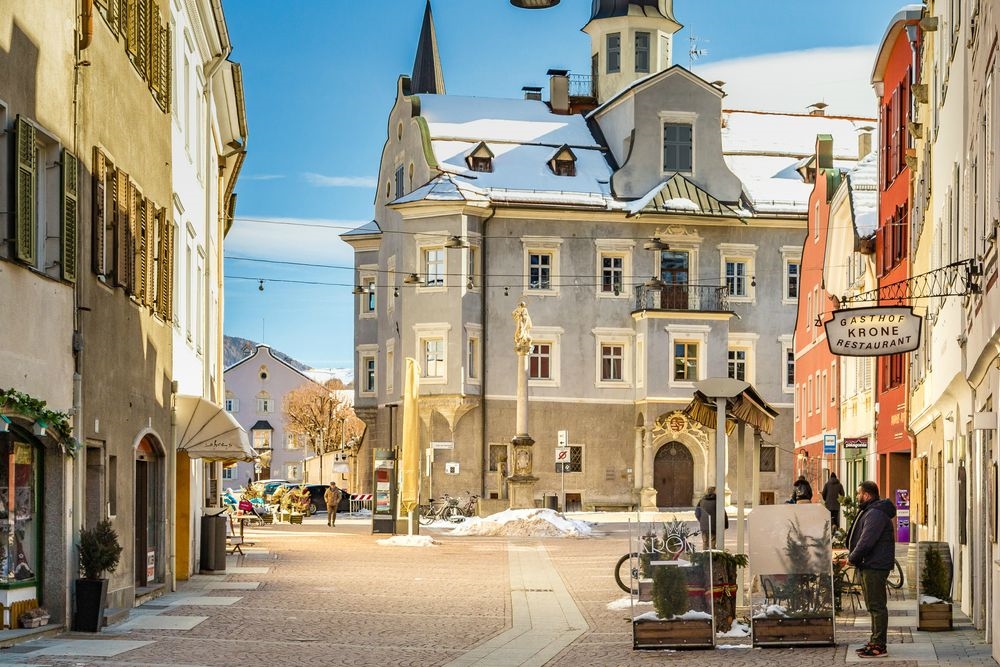
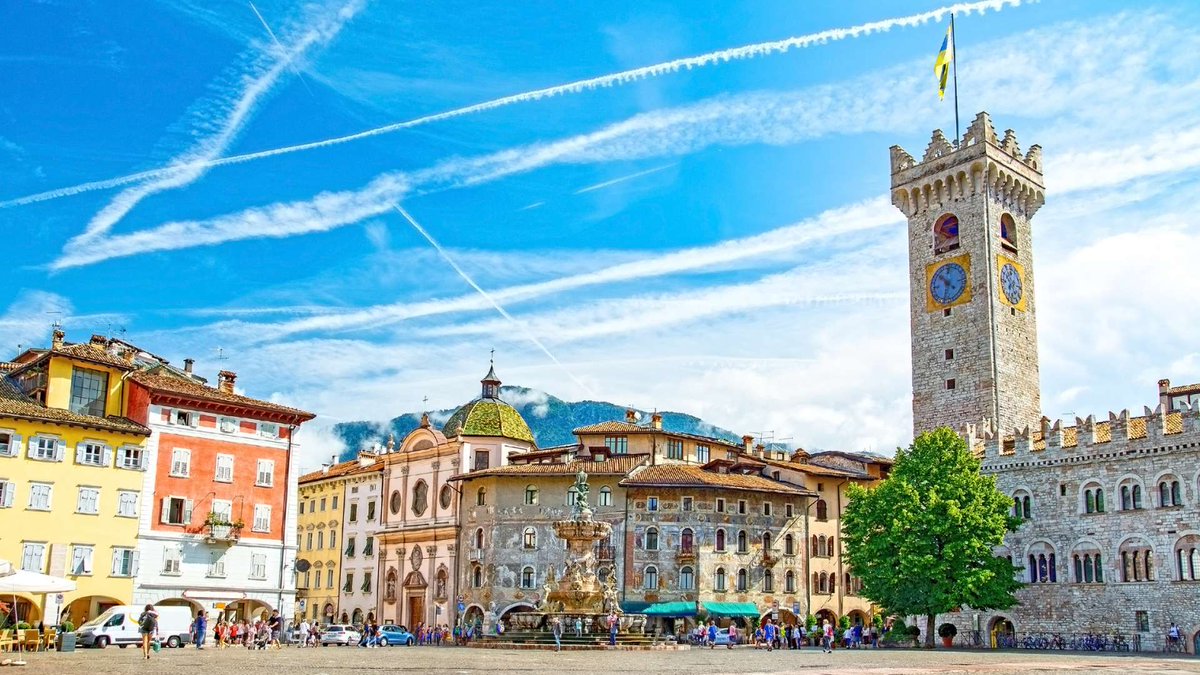
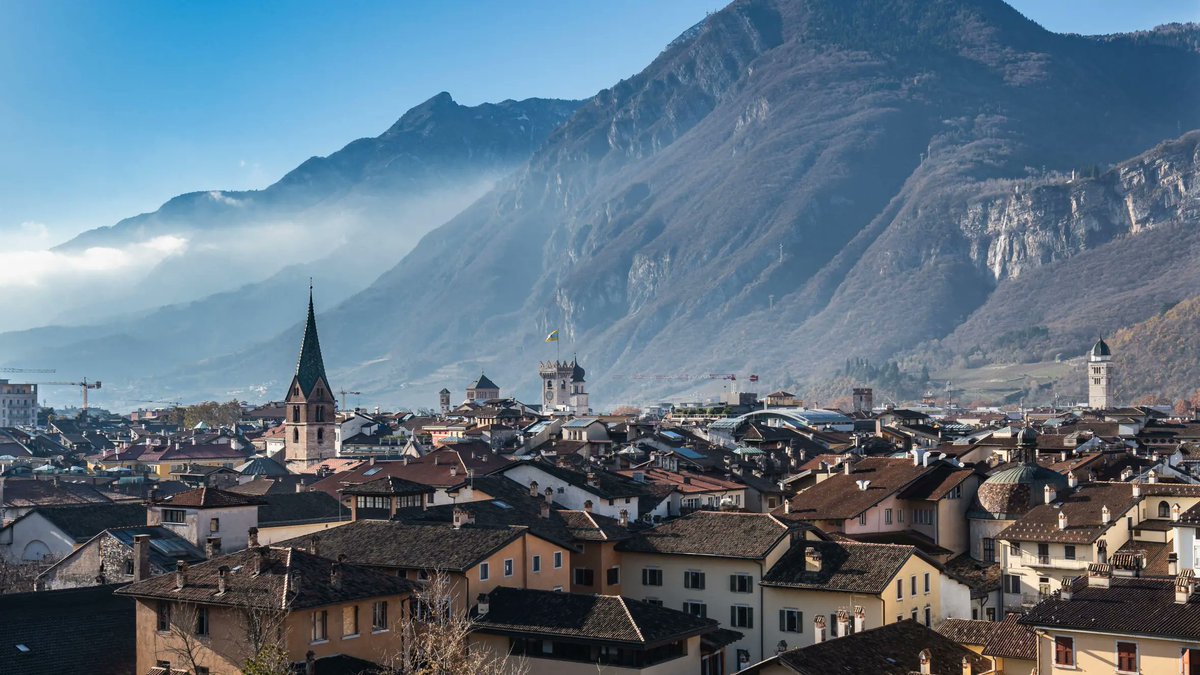
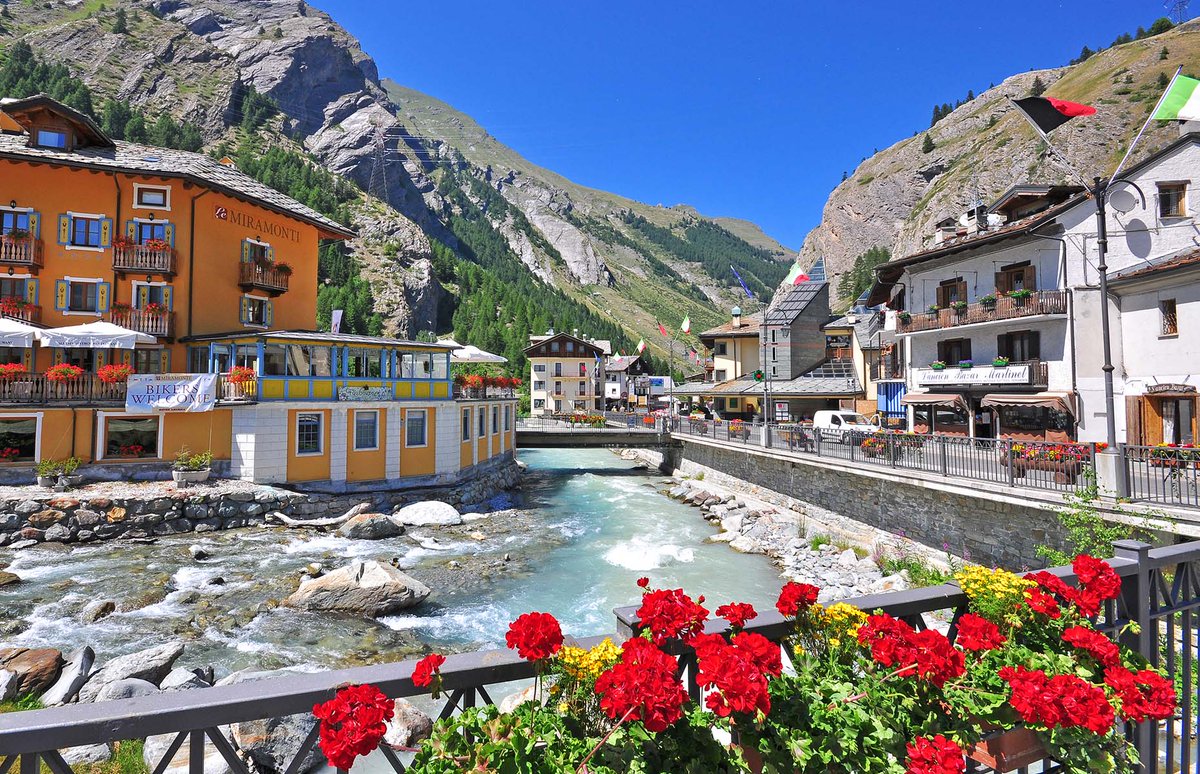
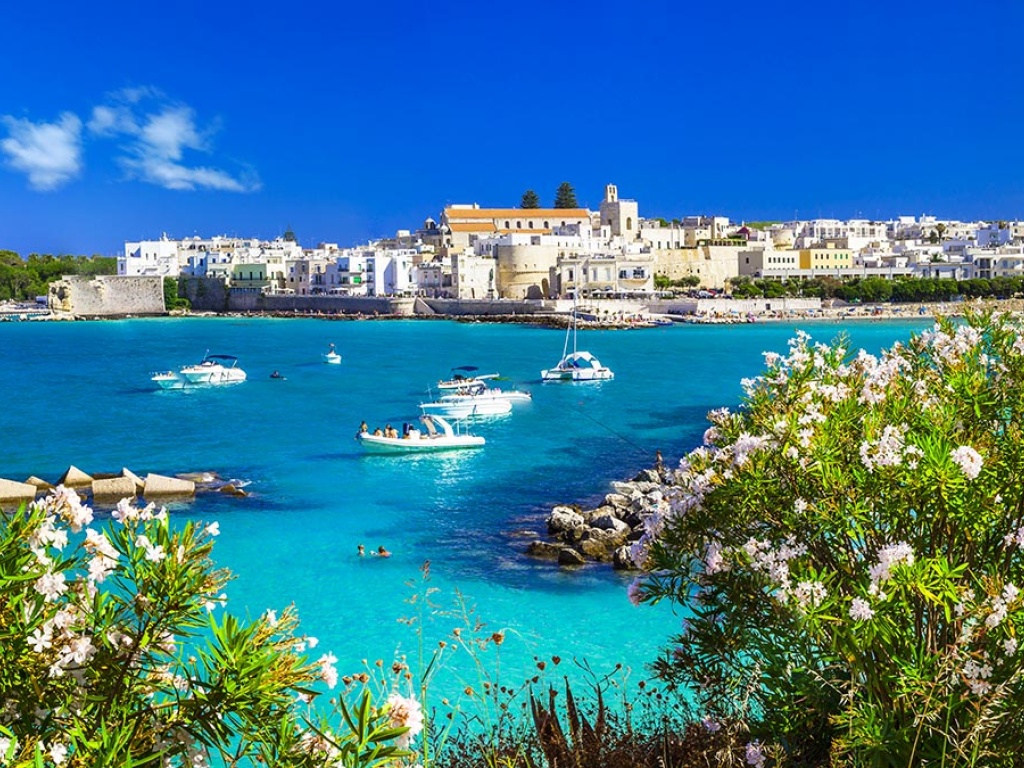
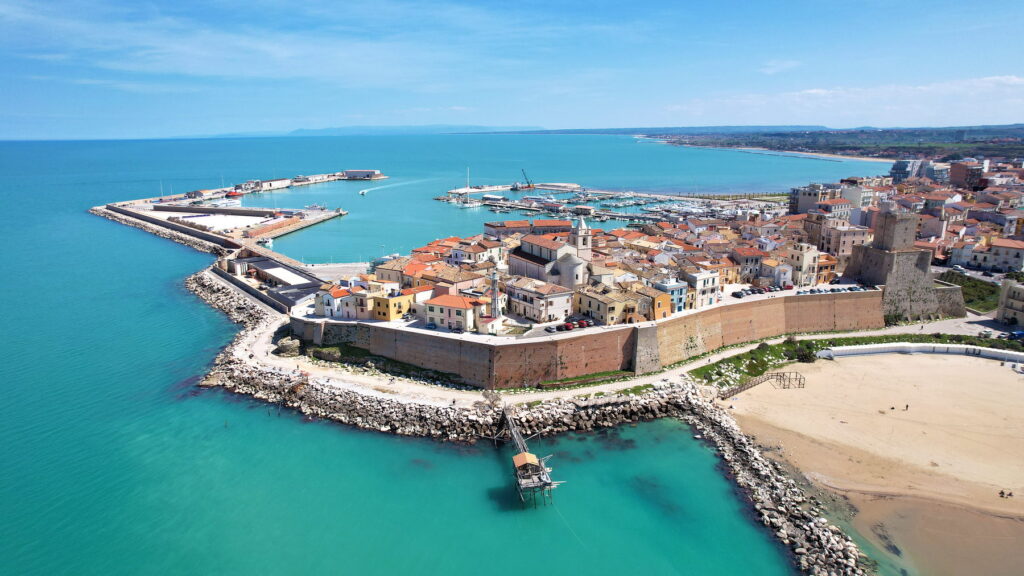
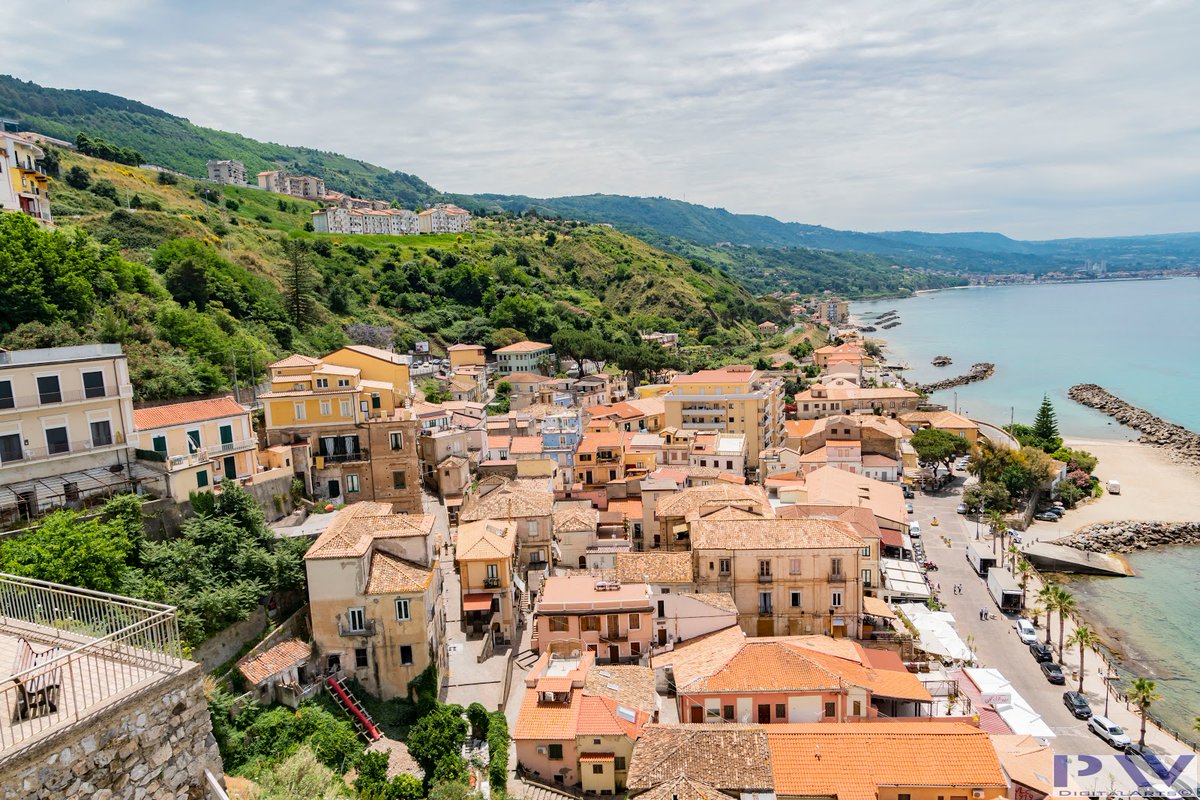
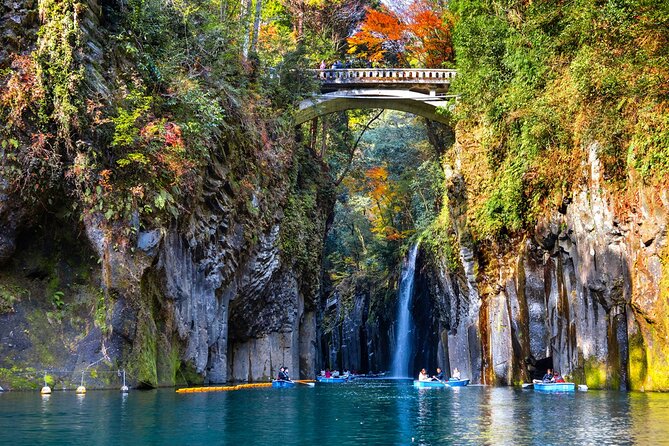
A glass of red wine at lunch, cheese with every meal, almost no fish, even on the coast.
This is what people in the world's longest-living region eat. Men there reach 100 at ten times the global rate. Not the Mediterranean diet we've all heard about.
I'm Italian. Longevity isn't my expertise, but the Blue Zone research caught me. I went deep on one question: which other Italian regions have the same patterns, and which qualify for the 7% retirement tax.
Below: Italy's full Blue Zone map. 1 certified, 6 candidates. 6 of 7 also 7% eligible. Plus a livable town for each.
🧵
This is what people in the world's longest-living region eat. Men there reach 100 at ten times the global rate. Not the Mediterranean diet we've all heard about.
I'm Italian. Longevity isn't my expertise, but the Blue Zone research caught me. I went deep on one question: which other Italian regions have the same patterns, and which qualify for the 7% retirement tax.
Below: Italy's full Blue Zone map. 1 certified, 6 candidates. 6 of 7 also 7% eligible. Plus a livable town for each.
🧵


Quick reality check on what "Blue Zone" actually means before we get into it. It wasn't coined by a wellness app. Two demographers found it.
In 2004, Italian Gianni Pes and Belgian Michel Poulain were studying Sardinian centenarians. They drew blue circles on a map of villages where the centenarian rate was abnormally high. Dan Buettner picked up the brand and made the term global.
The criteria are stricter than most articles imply: rates around 50% above the national average, verified across church, civil, and military records, sustained for decades.
By that bar: Ogliastra is Italy's only certified Blue Zone. Cilento and the Sicilian Madonie have peer-reviewed studies showing similar patterns. Four other Italian regions are reported longevity hotspots but haven't been academically validated yet.
I'll mark each by evidence tier as we go. And by 7% eligibility at the end.
Let’s go.
In 2004, Italian Gianni Pes and Belgian Michel Poulain were studying Sardinian centenarians. They drew blue circles on a map of villages where the centenarian rate was abnormally high. Dan Buettner picked up the brand and made the term global.
The criteria are stricter than most articles imply: rates around 50% above the national average, verified across church, civil, and military records, sustained for decades.
By that bar: Ogliastra is Italy's only certified Blue Zone. Cilento and the Sicilian Madonie have peer-reviewed studies showing similar patterns. Four other Italian regions are reported longevity hotspots but haven't been academically validated yet.
I'll mark each by evidence tier as we go. And by 7% eligibility at the end.
Let’s go.


1/ Ogliastra (Sardinia). Officially certified Blue Zone.
Pes and Poulain's original 2004 map covered 14 mountain villages in southeastern Sardinia: Villagrande Strisaili, Arzana, Baunei, Talana, Urzulei, Perdasdefogu, and others.
Stats: highest concentration of male centenarians on earth. The Melis family of Perdasdefogu holds the Guinness World Record for the longest combined sibling lifespan, awarded in 2012 with nine siblings whose combined age was 818 years and 205 days.
Diet: pane carasau, pecorino sardo, cannonau wine, fava beans, almost no fish despite the coast.
Lifestyle: shepherds walked 5-10 miles a day on mountain slopes into their 80s.
Livable nearby: Tortolì (10K, coastal, hospital, airport 15 min, 7% eligible). No big city within an hour. Nuoro (35K, 1h15 inland) is the closest provincial capital.
The gold standard. If you're going to see one Italian longevity zone, see this one first
Pes and Poulain's original 2004 map covered 14 mountain villages in southeastern Sardinia: Villagrande Strisaili, Arzana, Baunei, Talana, Urzulei, Perdasdefogu, and others.
Stats: highest concentration of male centenarians on earth. The Melis family of Perdasdefogu holds the Guinness World Record for the longest combined sibling lifespan, awarded in 2012 with nine siblings whose combined age was 818 years and 205 days.
Diet: pane carasau, pecorino sardo, cannonau wine, fava beans, almost no fish despite the coast.
Lifestyle: shepherds walked 5-10 miles a day on mountain slopes into their 80s.
Livable nearby: Tortolì (10K, coastal, hospital, airport 15 min, 7% eligible). No big city within an hour. Nuoro (35K, 1h15 inland) is the closest provincial capital.
The gold standard. If you're going to see one Italian longevity zone, see this one first

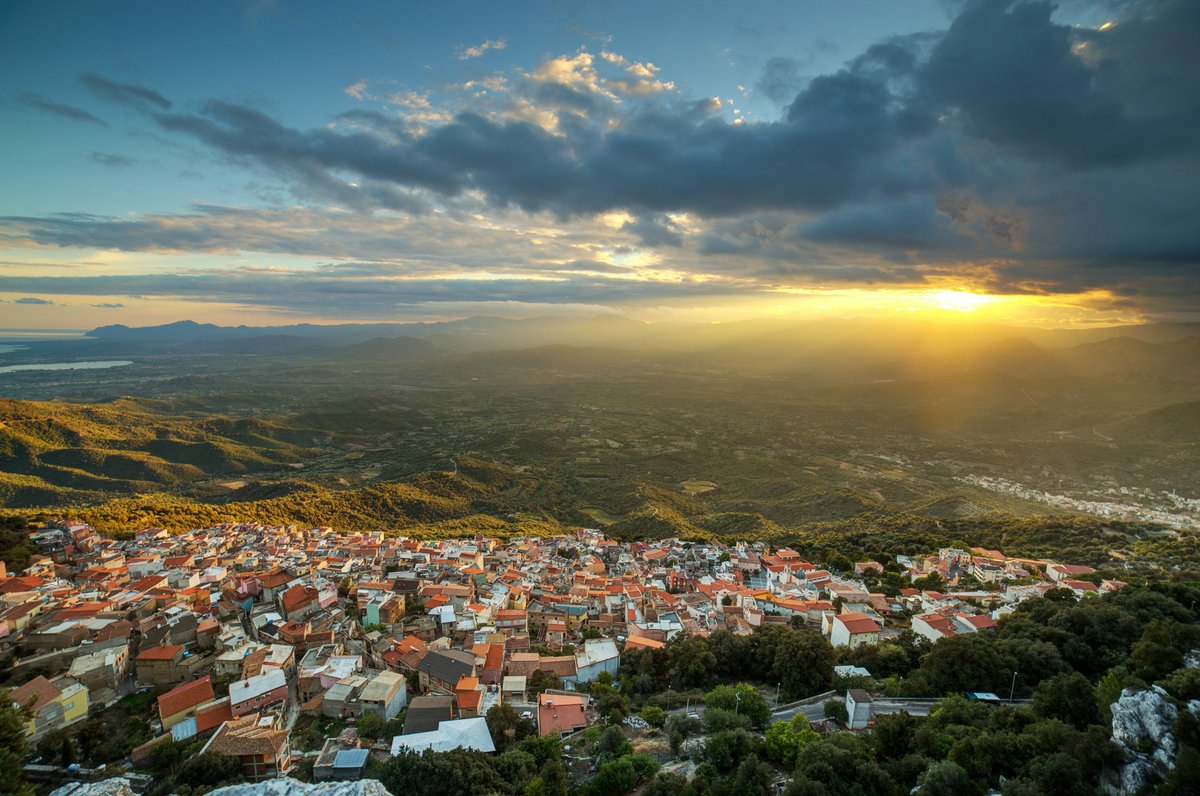

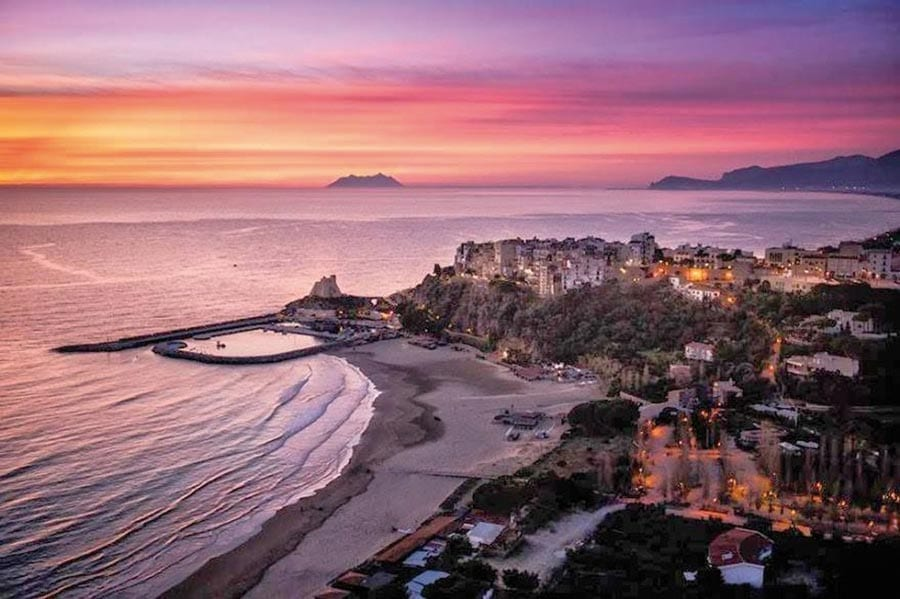
2/ Cilento (Campania). Peer-reviewed candidate.
The Mediterranean diet was named here. American physiologist Ancel Keys lived in Pioppi from 1963 to 1998, studied the local food, and defined the term in the 1960s. He died at 100.
In 2016, a joint UCSD and Sapienza study (the CIAO study) found Acciaroli, a fishing village of about 700 in the Pollica municipality, had one of the highest centenarian rates in Italy. Roughly 1 in 10 residents reach 100.
What they eat: rosemary in everything, anchovies, fava beans, garlic, olive oil.
What they do: walk the steep coastal hills, sit at long tables, fish.
Livable nearby: Castellabate (8K, coastal, 7% eligible) or Salerno (130K, port + university, 1h north, no 7%).
Cilento is what Ogliastra would look like if Ogliastra had a coast.
The Mediterranean diet was named here. American physiologist Ancel Keys lived in Pioppi from 1963 to 1998, studied the local food, and defined the term in the 1960s. He died at 100.
In 2016, a joint UCSD and Sapienza study (the CIAO study) found Acciaroli, a fishing village of about 700 in the Pollica municipality, had one of the highest centenarian rates in Italy. Roughly 1 in 10 residents reach 100.
What they eat: rosemary in everything, anchovies, fava beans, garlic, olive oil.
What they do: walk the steep coastal hills, sit at long tables, fish.
Livable nearby: Castellabate (8K, coastal, 7% eligible) or Salerno (130K, port + university, 1h north, no 7%).
Cilento is what Ogliastra would look like if Ogliastra had a coast.


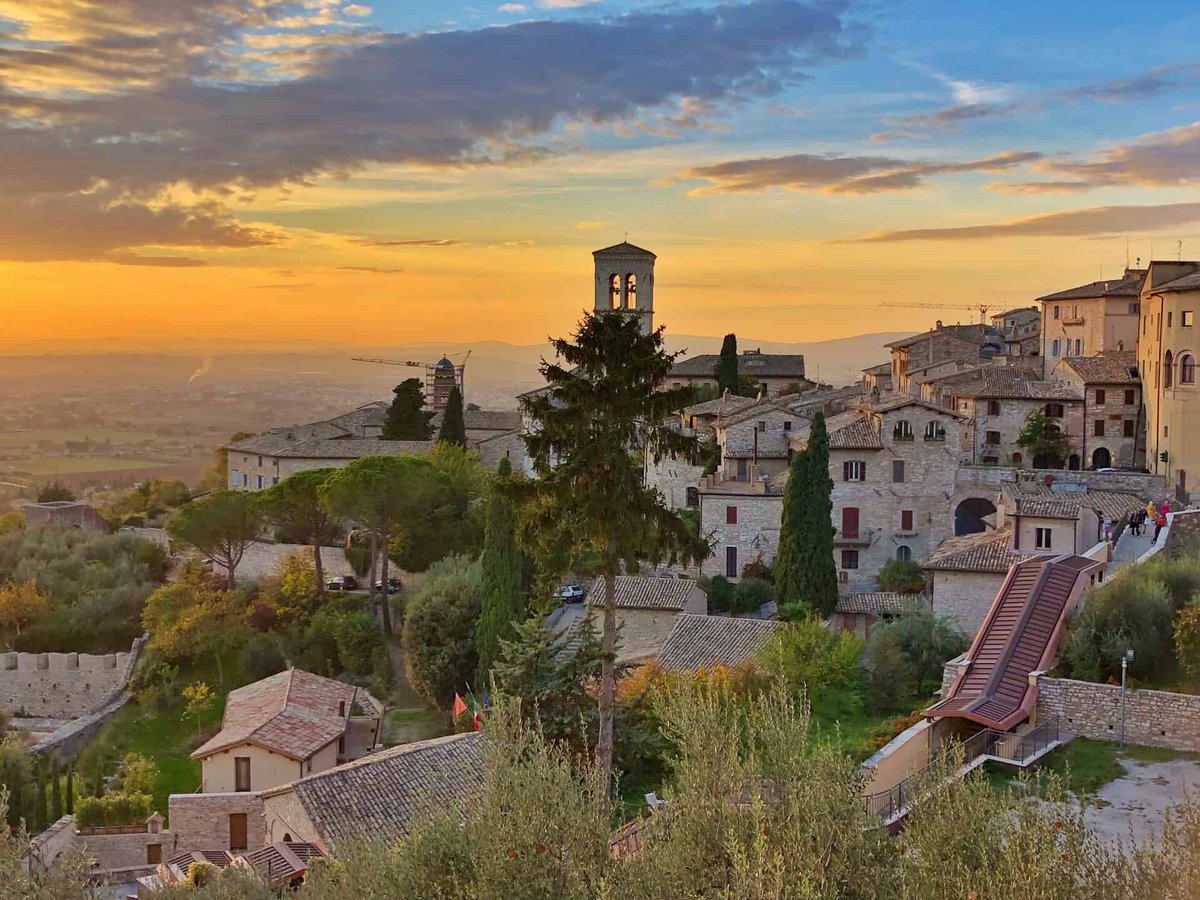
3/ Sibillini (Marche / Umbria). Reported, no academic studies.
The Apennine longevity belt by reputation. Visso, Castelluccio, Norcia, Acquasanta Terme. Italian press and local doctors describe centenarian rates above the national average, but no peer-reviewed Blue Zone-style study has been published on the region.
Castelluccio sits at 1,452m, the highest inhabited village in the Italian Apennines. The 2016 earthquake destroyed most of it. The longevity cohort had already aged out, and whether the next generation inherits the pattern is an open question nobody is rigorously studying.
Diet: Castelluccio lentils (PGI, eaten daily), saffron, pecorino, wild herbs from the alpine plateau, salumi.
Livable nearby: Sarnano (3K, hot springs, 7% via the seismic-zone exception) or Macerata (40K, university town, 1h east, no 7%).
The science on longevity hasn't arrived. The area itself, regardless of centenarian claims, is one of the most underrated mountain regions in central Italy. Lago di Pilato, Piano Grande, Monte Vettore. I keep going back.
The Apennine longevity belt by reputation. Visso, Castelluccio, Norcia, Acquasanta Terme. Italian press and local doctors describe centenarian rates above the national average, but no peer-reviewed Blue Zone-style study has been published on the region.
Castelluccio sits at 1,452m, the highest inhabited village in the Italian Apennines. The 2016 earthquake destroyed most of it. The longevity cohort had already aged out, and whether the next generation inherits the pattern is an open question nobody is rigorously studying.
Diet: Castelluccio lentils (PGI, eaten daily), saffron, pecorino, wild herbs from the alpine plateau, salumi.
Livable nearby: Sarnano (3K, hot springs, 7% via the seismic-zone exception) or Macerata (40K, university town, 1h east, no 7%).
The science on longevity hasn't arrived. The area itself, regardless of centenarian claims, is one of the most underrated mountain regions in central Italy. Lago di Pilato, Piano Grande, Monte Vettore. I keep going back.


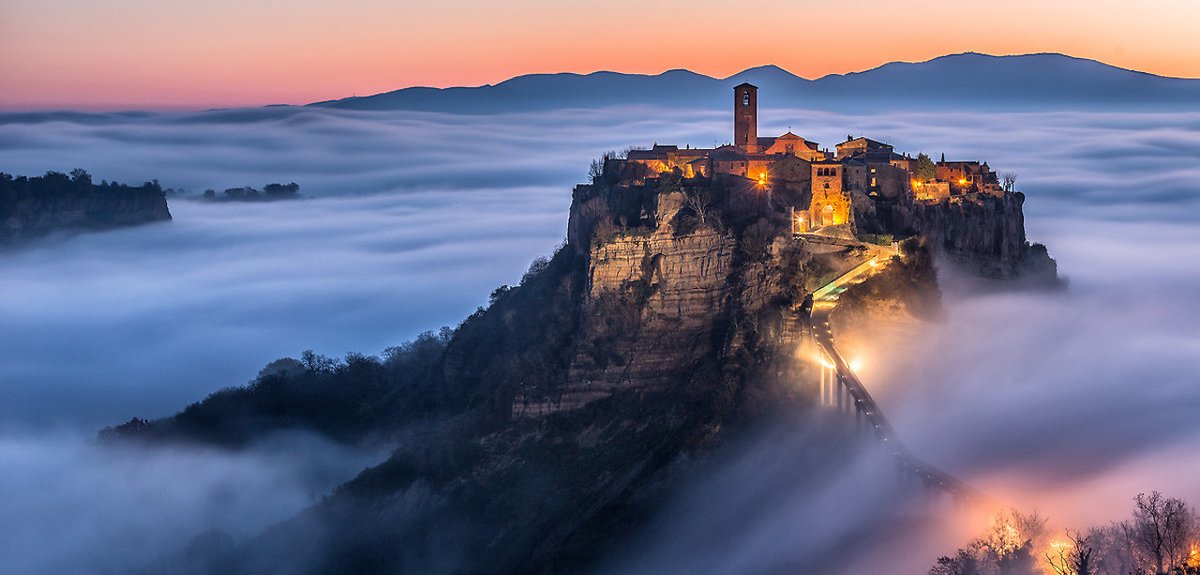
4/ Pollino (Calabria / Basilicata). Reported, no academic studies.
Calabria's deep interior. The Pollino National Park area. Villages: Acquaformosa, Plataci, Civita.
Notable: several Arbëreshë communities (Italian-Albanian, descended from 15th-century refugees who fled Ottoman expansion). Tight genetic isolate, intact language and cuisine after 500 years.
No peer-reviewed Blue Zone study has been published on Pollino specifically. Italian press has written about local longevity for years; the genetic-isolate-plus-mountain-diet hypothesis is plausible but unverified at the village level.
Diet: 'nduja in moderation, peperoncino, legumes daily, olive oil, wild fennel.
Livable nearby: Castrovillari (22K, hospital, 7% eligible) or Cosenza (66K, university city, 1h south, no 7%).
The Arbëreshë cuisine alone is reason to come, regardless of how the longevity claim plays out.
Calabria's deep interior. The Pollino National Park area. Villages: Acquaformosa, Plataci, Civita.
Notable: several Arbëreshë communities (Italian-Albanian, descended from 15th-century refugees who fled Ottoman expansion). Tight genetic isolate, intact language and cuisine after 500 years.
No peer-reviewed Blue Zone study has been published on Pollino specifically. Italian press has written about local longevity for years; the genetic-isolate-plus-mountain-diet hypothesis is plausible but unverified at the village level.
Diet: 'nduja in moderation, peperoncino, legumes daily, olive oil, wild fennel.
Livable nearby: Castrovillari (22K, hospital, 7% eligible) or Cosenza (66K, university city, 1h south, no 7%).
The Arbëreshë cuisine alone is reason to come, regardless of how the longevity claim plays out.


By the way, I publish long in-depth guides on Substack, some about mobility, others purely technical. I'm building the best jurisdictional intelligence on the internet.
→
Three more regions, then the three factors that explain all of them. palombo.substack.com
→
Three more regions, then the three factors that explain all of them. palombo.substack.com

5/ Carnia (Friuli Venezia Giulia). Reported, no academic studies.
The pre-Alps north of Udine. Villages: Sutrio, Paluzza, Forni Avoltri, Tolmezzo. Friuli regionally has high centenarian density (especially Trieste), but no Carnia-specific longevity studies have been published.
Distinctive: most villages between 700 and 1,200m elevation, polenta-and-frico diet (potato, cheese, smoked meats), walking on slopes, intense small-village community bonds. The Carnian dialect is itself a marker of cultural-genetic isolation.
Livable nearby: Tolmezzo (10K, the main Carnian town) or Udine (98K, 40 min by fast train). Neither 7% eligible (Friuli excluded from the regime).The
Italian Alps' answer to the Mediterranean longevity story, by reputation.
Not by published study.
The pre-Alps north of Udine. Villages: Sutrio, Paluzza, Forni Avoltri, Tolmezzo. Friuli regionally has high centenarian density (especially Trieste), but no Carnia-specific longevity studies have been published.
Distinctive: most villages between 700 and 1,200m elevation, polenta-and-frico diet (potato, cheese, smoked meats), walking on slopes, intense small-village community bonds. The Carnian dialect is itself a marker of cultural-genetic isolation.
Livable nearby: Tolmezzo (10K, the main Carnian town) or Udine (98K, 40 min by fast train). Neither 7% eligible (Friuli excluded from the regime).The
Italian Alps' answer to the Mediterranean longevity story, by reputation.
Not by published study.


6/ Madonie (Sicilia). Peer-reviewed candidate.
Sicily's main mountain range, interior. Polizzi Generosa, Castelbuono, Petralia Sottana, Geraci Siculo. Recent 2025 papers flag the Madonie and the adjacent Sicani Mountains as emerging longevity hotspots with documented centenarian density above the Sicilian average.
Distinctive: manna (ash tree sap, harvested only here and in Pollina, used as a sweetener for centuries), wild fennel, olive oil, lemons, fava beans. The Madonie diet is essentially Mediterranean with mountain isolation.
Livable nearby: Castelbuono (9K, 7% eligible) or Cefalù (14K, coast, also 7%) or Palermo (640K, the capital, 1h15, no 7%).
The longevity story Sicilians know about. The science is now catching up.
Sicily's main mountain range, interior. Polizzi Generosa, Castelbuono, Petralia Sottana, Geraci Siculo. Recent 2025 papers flag the Madonie and the adjacent Sicani Mountains as emerging longevity hotspots with documented centenarian density above the Sicilian average.
Distinctive: manna (ash tree sap, harvested only here and in Pollina, used as a sweetener for centuries), wild fennel, olive oil, lemons, fava beans. The Madonie diet is essentially Mediterranean with mountain isolation.
Livable nearby: Castelbuono (9K, 7% eligible) or Cefalù (14K, coast, also 7%) or Palermo (640K, the capital, 1h15, no 7%).
The longevity story Sicilians know about. The science is now catching up.


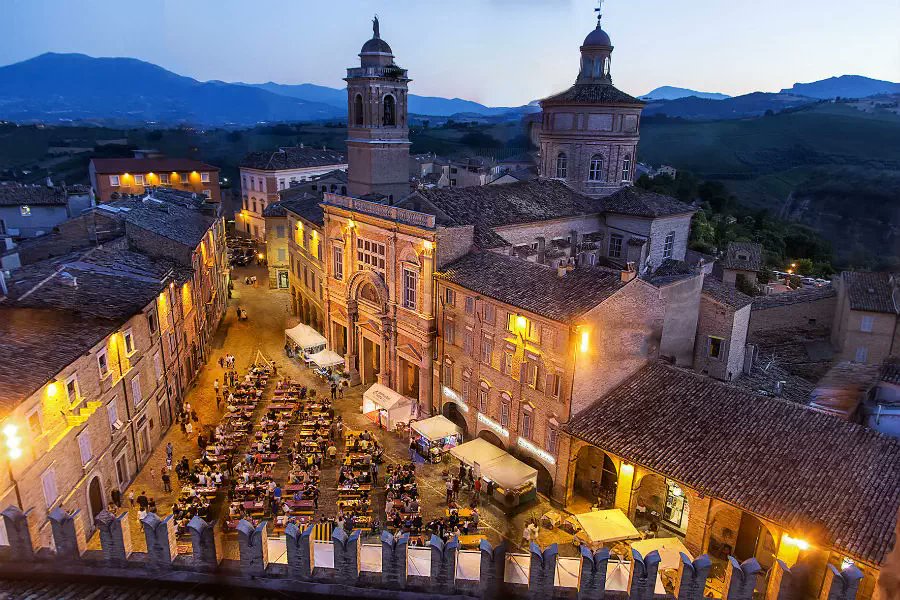
7/ Molise interior. Reported, no academic studies.
Italy's smallest mainland region, often joked about as not existing ("Molise non esiste"). It does. And Italian journalism has reported centenarian density above the national average, particularly in the high villages.
No peer-reviewed Blue Zone study has been published on Molise. The claim sits in the same category as Sibillini, Pollino, and Carnia: local reputation, plausible mechanism, no academic validation.
Villages: Capracotta (1,421m, one of the highest in the Apennines), Agnone, Pietrabbondante. Diet: lard, sheep cheese, polenta, mountain legumes, scamorza. Fewer vegetables than Cilento or Madonie, almost no fish.
Livable nearby: Agnone itself (5K, artisan economy, 7% eligible) or Campobasso (50K, regional capital, 1h south, no 7%).
If Molise is real, so might its longevity be.
Italy's smallest mainland region, often joked about as not existing ("Molise non esiste"). It does. And Italian journalism has reported centenarian density above the national average, particularly in the high villages.
No peer-reviewed Blue Zone study has been published on Molise. The claim sits in the same category as Sibillini, Pollino, and Carnia: local reputation, plausible mechanism, no academic validation.
Villages: Capracotta (1,421m, one of the highest in the Apennines), Agnone, Pietrabbondante. Diet: lard, sheep cheese, polenta, mountain legumes, scamorza. Fewer vegetables than Cilento or Madonie, almost no fish.
Livable nearby: Agnone itself (5K, artisan economy, 7% eligible) or Campobasso (50K, regional capital, 1h south, no 7%).
If Molise is real, so might its longevity be.


What these regions have in common, factor 1: genetic isolation.
Until 60 years ago, each was effectively cut off. Endogamy (marriages within the same village) averaged around 80% in 20 Sardinian Barbagia villages studied 1800-1974, peaking above 90% in places like Baunei. Similar dynamics, less rigorously measured, applied in Pollino, Carnia, Madonie, Molise.
The result: founder effects. Certain alleles concentrated in small populations. The most studied case in Sardinia is G6PD deficiency, present in 12-24% of the population versus under 1% in mainland Italy.
The longevity link is complex (early hypotheses suggested protection; recent data associates the variant with higher cardiovascular risk in older adults), and not all genetic concentration is advantageous.
You can't replicate the genetics. But you can stop thinking the diet alone explains the longevity. Genetics is part of it, in ways researchers are still untangling...
Until 60 years ago, each was effectively cut off. Endogamy (marriages within the same village) averaged around 80% in 20 Sardinian Barbagia villages studied 1800-1974, peaking above 90% in places like Baunei. Similar dynamics, less rigorously measured, applied in Pollino, Carnia, Madonie, Molise.
The result: founder effects. Certain alleles concentrated in small populations. The most studied case in Sardinia is G6PD deficiency, present in 12-24% of the population versus under 1% in mainland Italy.
The longevity link is complex (early hypotheses suggested protection; recent data associates the variant with higher cardiovascular risk in older adults), and not all genetic concentration is advantageous.
You can't replicate the genetics. But you can stop thinking the diet alone explains the longevity. Genetics is part of it, in ways researchers are still untangling...


Factor 2: the diet. This is where I got most confused.
I went in expecting the standard "Mediterranean diet": olive oil, fish, vegetables, the picture every wellness blog has run for 30 years. That's not what the longevity data shows.
What these regions actually share, looking at the studies:
- Legumes daily (fava beans, lentils, chickpeas), not weekly.
- Bread that's whole grain and locally milled, not industrial.
- Wine in moderation, every day, always with food, always with people. One or two small glasses. This contradicts current public health advice pushing zero alcohol. The Blue Zone data has stayed consistent on this.
- Sheep dairy more than cow dairy. Pecorino, ricotta, casu axedu. Omega-3 richer because of pasture, not grain.
- Wild greens gathered, not bought.
- Minimal red meat. Almost no fish in interior regions, despite half of these places sitting on coasts. That surprised me most.
What's missing: pasta as a daily staple, processed snacks, sugar.
So what is it, if not "Mediterranean"? A rural-shepherd diet of mountain populations who happen to live near the Mediterranean.
I went in expecting the standard "Mediterranean diet": olive oil, fish, vegetables, the picture every wellness blog has run for 30 years. That's not what the longevity data shows.
What these regions actually share, looking at the studies:
- Legumes daily (fava beans, lentils, chickpeas), not weekly.
- Bread that's whole grain and locally milled, not industrial.
- Wine in moderation, every day, always with food, always with people. One or two small glasses. This contradicts current public health advice pushing zero alcohol. The Blue Zone data has stayed consistent on this.
- Sheep dairy more than cow dairy. Pecorino, ricotta, casu axedu. Omega-3 richer because of pasture, not grain.
- Wild greens gathered, not bought.
- Minimal red meat. Almost no fish in interior regions, despite half of these places sitting on coasts. That surprised me most.
What's missing: pasta as a daily staple, processed snacks, sugar.
So what is it, if not "Mediterranean"? A rural-shepherd diet of mountain populations who happen to live near the Mediterranean.
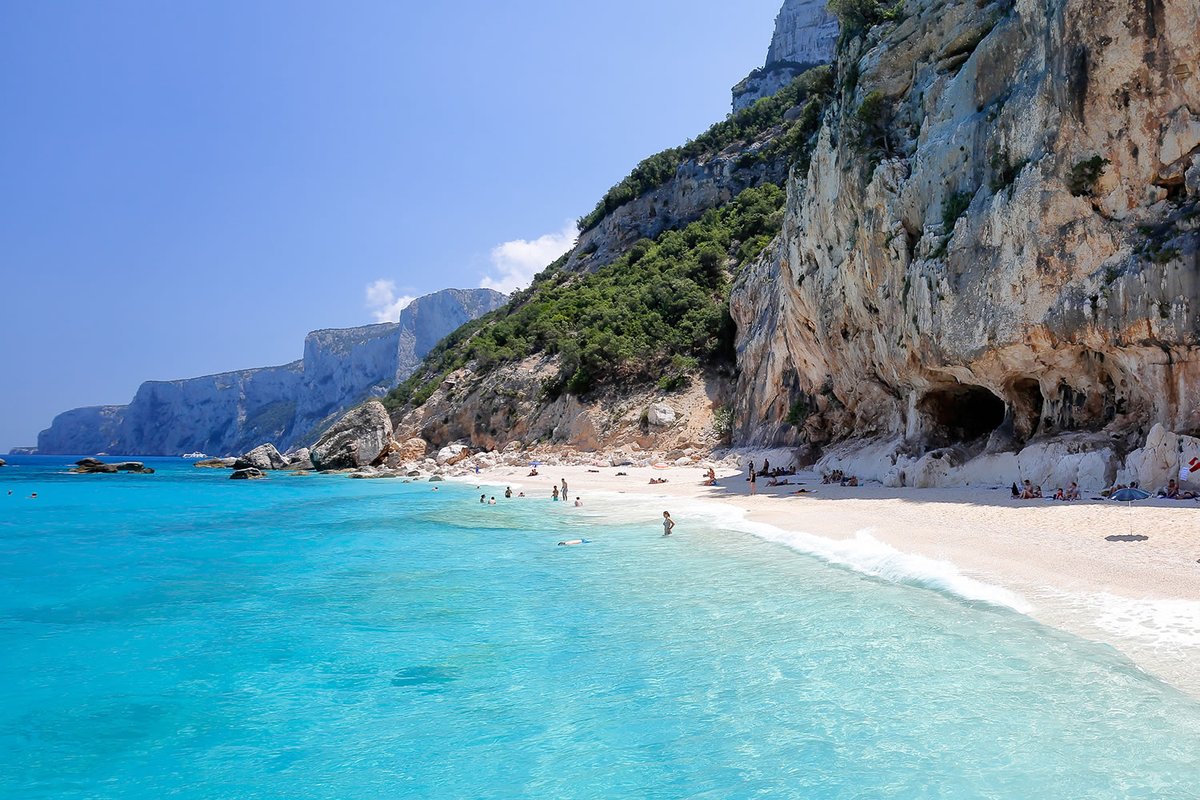


Factor 3: walking, family, purpose.
The boring one. Nobody sells supplements, nor blueprints for it:
- Walking on inclines, 5-10 miles a day. Not step goals. Lifestyle.
- Multigenerational households. Grandparents had purpose.
- Social embedding. Piazzas, churches, festivals. Loneliness essentially absent.
- Wine with people, not alone.
- Work into old age. Shepherds didn't retire. They did less, but worked.
The reality is that stress was low because the social fabric absorbed shocks.
The boring one. Nobody sells supplements, nor blueprints for it:
- Walking on inclines, 5-10 miles a day. Not step goals. Lifestyle.
- Multigenerational households. Grandparents had purpose.
- Social embedding. Piazzas, churches, festivals. Loneliness essentially absent.
- Wine with people, not alone.
- Work into old age. Shepherds didn't retire. They did less, but worked.
The reality is that stress was low because the social fabric absorbed shocks.

Six things I'm trying to copy myself, even without the genes or the village:
- Walk on inclines, not flat. Stairs over treadmills (I am particularly long on stairsteppers).
- Legumes daily, not weekly.
- One-two small glasses of red wine occasionally, always with food, always with people.
- Eat with three generations whenever you can.
- Keep a purpose. Volunteer, mentor, work part-time, pursue your own passions.
- Stay embedded in a place where people know your name. Sometimes, a smaller place = better.
The diet matters less than I used to think. Community matters more.
What's your view on this?
- Walk on inclines, not flat. Stairs over treadmills (I am particularly long on stairsteppers).
- Legumes daily, not weekly.
- One-two small glasses of red wine occasionally, always with food, always with people.
- Eat with three generations whenever you can.
- Keep a purpose. Volunteer, mentor, work part-time, pursue your own passions.
- Stay embedded in a place where people know your name. Sometimes, a smaller place = better.
The diet matters less than I used to think. Community matters more.
What's your view on this?


Honest truth: the lifestyles that built these populations are disappearing.
The centenarians who made these regions famous were born between 1900 and 1925. Their grandchildren don't eat pane carasau and pecorino.
They eat pasta, pizza, processed snacks. They drive instead of walk. They watch TV instead of talking in the piazza.
Pes and Poulain have warned the Ogliastra Blue Zone may not survive another generation in its current form. The same lifestyle erosion is visible across the other six Italian longevity regions, regardless of whether the academic studies have caught up yet.
If you want to see them, go now. In 2050 they will be museums of how people used to live.
The centenarians who made these regions famous were born between 1900 and 1925. Their grandchildren don't eat pane carasau and pecorino.
They eat pasta, pizza, processed snacks. They drive instead of walk. They watch TV instead of talking in the piazza.
Pes and Poulain have warned the Ogliastra Blue Zone may not survive another generation in its current form. The same lifestyle erosion is visible across the other six Italian longevity regions, regardless of whether the academic studies have caught up yet.
If you want to see them, go now. In 2050 they will be museums of how people used to live.


The scouting principle, summarized.
None of the actual Blue Zone villages are realistic year-round residences (most are under 2,000 people, limited services and connectivity). For each region above, I've flagged two options inline:
A smaller Blue Zone-adjacent town, mostly 7% eligible. The retiree pick.
A bigger gateway city within an hour, mostly above the 30K cap and not 7% eligible. The remote-worker pick.
If you want to visit instead of live:
- The only certified Blue Zone: Ogliastra.
- Coastal + Mediterranean Diet origin: Cilento.
- Sicilian interior: Madonie.
- Mountain solitude: Sibillini, Pollino, Carnia, or Molise.
For retirees, the small-town + 7% combo is usually the move. For remote workers, the bigger gateway city may be the better trade: lose the tax break, gain real urban infrastructure.
Either way: live near, not in.
None of the actual Blue Zone villages are realistic year-round residences (most are under 2,000 people, limited services and connectivity). For each region above, I've flagged two options inline:
A smaller Blue Zone-adjacent town, mostly 7% eligible. The retiree pick.
A bigger gateway city within an hour, mostly above the 30K cap and not 7% eligible. The remote-worker pick.
If you want to visit instead of live:
- The only certified Blue Zone: Ogliastra.
- Coastal + Mediterranean Diet origin: Cilento.
- Sicilian interior: Madonie.
- Mountain solitude: Sibillini, Pollino, Carnia, or Molise.
For retirees, the small-town + 7% combo is usually the move. For remote workers, the bigger gateway city may be the better trade: lose the tax break, gain real urban infrastructure.
Either way: live near, not in.

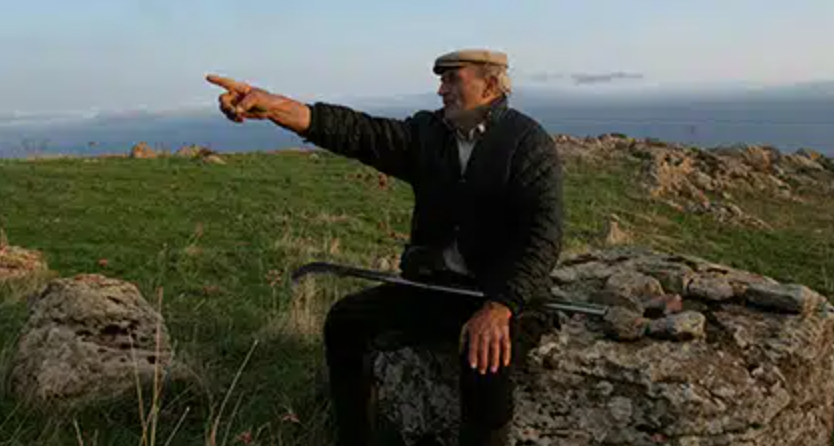

Italy isn't "the Mediterranean diet." It's a Blue Zone (Ogliastra), two peer-reviewed candidates (Cilento, Madonie), and four regions where the rumor is older than the research.
All seven have people who did the same thing for a century: walked on hills, ate what their grandparents ate, drank wine at long lunches, and refused to die when actuarial tables said they should.
Modern medicine extends life by months. These regions extended life by decades, with cheese, walking, wine, and family.
You can't move there at 65 and inherit their grandparents. But you can copy the parts that matter, anywhere. And if you do move, six of these regions cut your pension tax to 7%.
All seven have people who did the same thing for a century: walked on hills, ate what their grandparents ate, drank wine at long lunches, and refused to die when actuarial tables said they should.
Modern medicine extends life by months. These regions extended life by decades, with cheese, walking, wine, and family.
You can't move there at 65 and inherit their grandparents. But you can copy the parts that matter, anywhere. And if you do move, six of these regions cut your pension tax to 7%.


If you enjoyed this, you'll love my Substack. Long in-depth guides, some about mobility, others purely technical. I'm building the best jurisdictional intelligence on the internet.
→ palombo.substack.com
→ palombo.substack.com

Thank you for reading!
For more posts and insights like this, follow @thealepalombo
And repost this to share with your audience:
For more posts and insights like this, follow @thealepalombo
And repost this to share with your audience:
https://twitter.com/953352286255886338/status/2056004782939324829
• • •
Missing some Tweet in this thread? You can try to
force a refresh