David and Brenda McDowell got their triplets vaccinated with the pneumococcal shot, only for all three children to “shut off on the SAME DAY.”
The first child to get jabbed was their daughter Claire, who “never really stopped screaming after that.” Within hours post-vax, Claire “shut completely off.”
By 2 p.m., Claire’s brother Richie “shut off,” too. And his raspberry-blowing and furniture walking suddenly disappeared.
“Robbie looked like he was hit by a bus. Robbie, from that moment on, had a stunned look on his face. If you asked or said his name, he still acted deaf and acted like he couldn’t hear.”
All three were later diagnosed with severe autism. Only one, Robbie, showed partial recovery after years of therapy.
These injuries aren’t random. They happen when multiple core systems in the body fail at the same time.
Vaccine injuries make that breakdown visible, pointing to a root cause of disease almost no one is taught to look for. 🧵
The first child to get jabbed was their daughter Claire, who “never really stopped screaming after that.” Within hours post-vax, Claire “shut completely off.”
By 2 p.m., Claire’s brother Richie “shut off,” too. And his raspberry-blowing and furniture walking suddenly disappeared.
“Robbie looked like he was hit by a bus. Robbie, from that moment on, had a stunned look on his face. If you asked or said his name, he still acted deaf and acted like he couldn’t hear.”
All three were later diagnosed with severe autism. Only one, Robbie, showed partial recovery after years of therapy.
These injuries aren’t random. They happen when multiple core systems in the body fail at the same time.
Vaccine injuries make that breakdown visible, pointing to a root cause of disease almost no one is taught to look for. 🧵
Most chronic diseases aren’t mysterious. They’re misunderstood.
When symptoms don’t fit neatly into a known diagnosis, doctors are taught to rule things out, not step back, ask what systems might be failing, and find out why.
When nothing obvious shows up on a scan or lab test, the explanation often shifts toward stress, anxiety, or something “psychological.”
Vaccine injuries quietly expose this flaw, because they don’t damage one system at a time. They disrupt multiple systems at once, making the real problem impossible to ignore.
And when it happens to infant triplets at the exact same time, it couldn’t be more obvious.
When symptoms don’t fit neatly into a known diagnosis, doctors are taught to rule things out, not step back, ask what systems might be failing, and find out why.
When nothing obvious shows up on a scan or lab test, the explanation often shifts toward stress, anxiety, or something “psychological.”
Vaccine injuries quietly expose this flaw, because they don’t damage one system at a time. They disrupt multiple systems at once, making the real problem impossible to ignore.
And when it happens to infant triplets at the exact same time, it couldn’t be more obvious.

Complex illness rarely looks the same from person to person. After all, we’re all pretty different. Different bodies, different medical histories, different environments—so many different variables.
So it should come as no surprise that one person develops fatigue and pain, another develops neurological symptoms, and another experiences mood changes or cognitive decline.
Medicine tends to treat these symptoms as separate diseases. But what if the symptoms stem from the same internal breakdown?
That’s why conditions like autoimmune disease, chronic fatigue, fibromyalgia, long COVID, and post-vaccine syndromes overlap so much.
Different symptoms don’t always mean different causes. They simply reflect different parts of the body struggling under the same underlying stress.
And unfortunately, one-size-fits all medicine isn’t able to see it.
So it should come as no surprise that one person develops fatigue and pain, another develops neurological symptoms, and another experiences mood changes or cognitive decline.
Medicine tends to treat these symptoms as separate diseases. But what if the symptoms stem from the same internal breakdown?
That’s why conditions like autoimmune disease, chronic fatigue, fibromyalgia, long COVID, and post-vaccine syndromes overlap so much.
Different symptoms don’t always mean different causes. They simply reflect different parts of the body struggling under the same underlying stress.
And unfortunately, one-size-fits all medicine isn’t able to see it.

This information comes from the work of medical researcher @MidwesternDoc.
For all the sources and details, read the full report below:
midwesterndoctor.com/p/what-vaccine…
For all the sources and details, read the full report below:
midwesterndoctor.com/p/what-vaccine…
This confusion isn’t new. For more than 200 years, vaccine injuries have puzzled physicians.
Early doctors lumped them under broad terms like “encephalitis.” Today, they’re fragmented into dozens of diagnoses that hide their shared origin.
The injury itself isn’t random. The variability comes from where the damage shows up first. Once you understand that, the chaos starts to make sense.
The symptoms stop looking unrelated. In fact, they even become easy to see. You just have to know what you’re looking for.
Early doctors lumped them under broad terms like “encephalitis.” Today, they’re fragmented into dozens of diagnoses that hide their shared origin.
The injury itself isn’t random. The variability comes from where the damage shows up first. Once you understand that, the chaos starts to make sense.
The symptoms stop looking unrelated. In fact, they even become easy to see. You just have to know what you’re looking for.

Andrew Moulden, a Canadian neuroscientist, noticed young children showing subtle neurological signs of strokes—signs that his colleagues were missing.
He found these strokes often occurred soon after vaccination and could lead to severe neurological disorders—like autism.
But subtle signs of stroke in infants are often missed because they’re not even being looked for.
Moulden found that cranial nerves in the brainstem were vulnerable to strokes.
Here are some key cranial nerves issues that indicate vaccine-induced microstrokes:
- Cranial Nerve VI: inward eye resting, jerky side-to-side eye movements
- Cranial Nerve VII: facial drooping or asymmetry (including Bell’s Palsy)
- Cranial Nerve IV: uneven eye height resulting in head tilting
He found these strokes often occurred soon after vaccination and could lead to severe neurological disorders—like autism.
But subtle signs of stroke in infants are often missed because they’re not even being looked for.
Moulden found that cranial nerves in the brainstem were vulnerable to strokes.
Here are some key cranial nerves issues that indicate vaccine-induced microstrokes:
- Cranial Nerve VI: inward eye resting, jerky side-to-side eye movements
- Cranial Nerve VII: facial drooping or asymmetry (including Bell’s Palsy)
- Cranial Nerve IV: uneven eye height resulting in head tilting

Once you know what you’re looking for, these symptoms are actually easy to spot. But first, you have to admit that they can even happen.
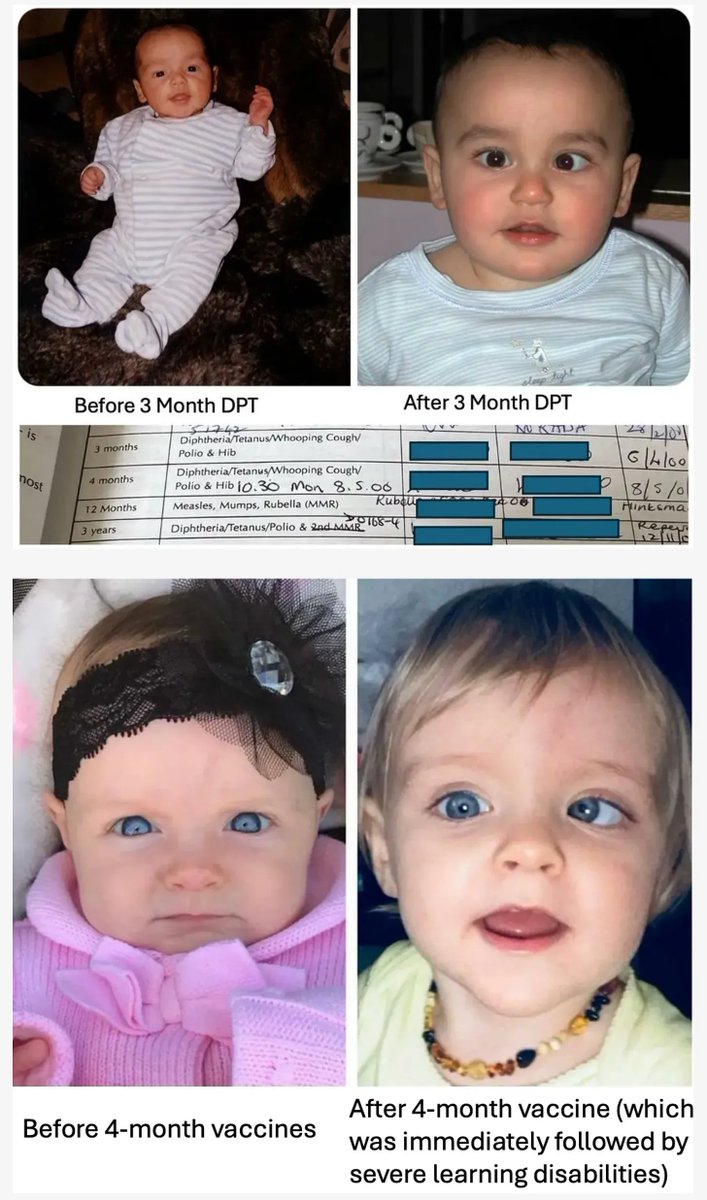
Readers have shared before and after photos of their children with @MidwesternDoc that show the damage.
Readers have shared before and after photos of their children with @MidwesternDoc that show the damage.
Three main mechanisms sit at the center of the chronic disease epidemic:
- Immune dysfunction
- Impaired circulation
- A persistent cellular stress response
These mechanisms don’t operate in isolation. Everything in the body is connected.
They feed into each other, amplify one another, and can trap the body in a long-term disease state if the root cause isn’t addressed.
Treating symptoms without addressing these failures is like painting a house that has a crumbling foundation. Everything looks fine for a while, but the structure keeps deteriorating underneath.
And when it collapses, it takes everything else with it.
- Immune dysfunction
- Impaired circulation
- A persistent cellular stress response
These mechanisms don’t operate in isolation. Everything in the body is connected.
They feed into each other, amplify one another, and can trap the body in a long-term disease state if the root cause isn’t addressed.
Treating symptoms without addressing these failures is like painting a house that has a crumbling foundation. Everything looks fine for a while, but the structure keeps deteriorating underneath.
And when it collapses, it takes everything else with it.
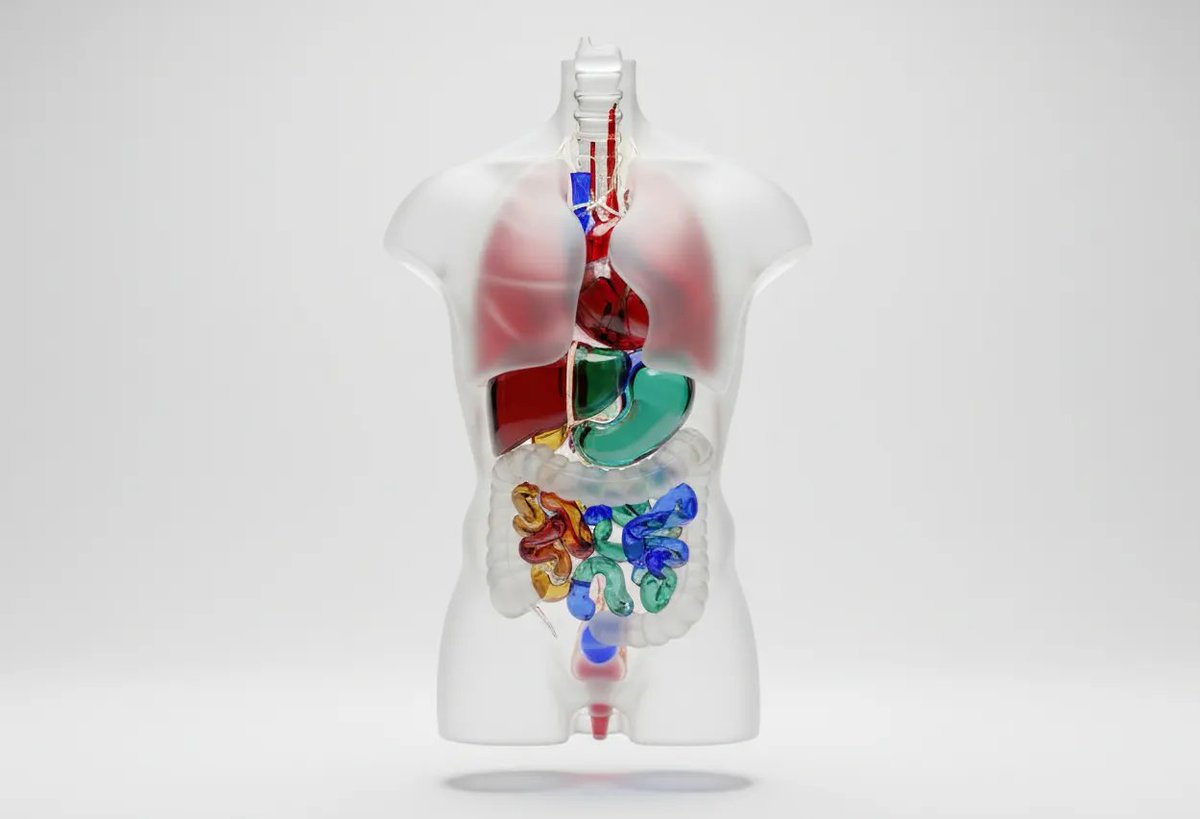
Immune dysfunction is the most familiar piece.
Vaccines can overstimulate or suppress immune function, sometimes pushing it toward chronic inflammation or autoimmunity. That explains why so many vaccine injuries resemble autoimmune disease.
But immune disruption alone doesn’t explain sudden neurological regression, cognitive decline, or psychiatric changes.
For that, you have to look at circulation. No cell, nerve, or organ can function without consistent blood flow.
Once circulation is impaired, damage can show up almost anywhere.
Vaccines can overstimulate or suppress immune function, sometimes pushing it toward chronic inflammation or autoimmunity. That explains why so many vaccine injuries resemble autoimmune disease.
But immune disruption alone doesn’t explain sudden neurological regression, cognitive decline, or psychiatric changes.
For that, you have to look at circulation. No cell, nerve, or organ can function without consistent blood flow.
Once circulation is impaired, damage can show up almost anywhere.

This is where the conversation usually stops with modern medicine, but it shouldn’t.
Blood isn’t just a liquid. It’s a carefully balanced suspension of cells that must repel each other electrically in order to flow freely through tiny vessels inside the entire body.
When that balance is disrupted, blood can thicken—or sludge. When cells begin to clump, microclots form. Capillaries become obstructed, and oxygen delivery drops. Tissues and organs begin to suffer, long before anything dramatic shows up on imaging.
This kind of damage accumulates slowly. And if you’re not looking for it, you’ll never see it.
Blood isn’t just a liquid. It’s a carefully balanced suspension of cells that must repel each other electrically in order to flow freely through tiny vessels inside the entire body.
When that balance is disrupted, blood can thicken—or sludge. When cells begin to clump, microclots form. Capillaries become obstructed, and oxygen delivery drops. Tissues and organs begin to suffer, long before anything dramatic shows up on imaging.
This kind of damage accumulates slowly. And if you’re not looking for it, you’ll never see it.

In the mid-20th century, Melvin Knisely, Ph. D, discovered that severe illness could trigger blood sludging. The problem was typically fatal unless prevented with an anticoagulant.
Knisely discovered something remarkable. The thickness of the blood could be observed in an easy, non-invasive way—through the eyes.
Knisely discovered something remarkable. The thickness of the blood could be observed in an easy, non-invasive way—through the eyes.
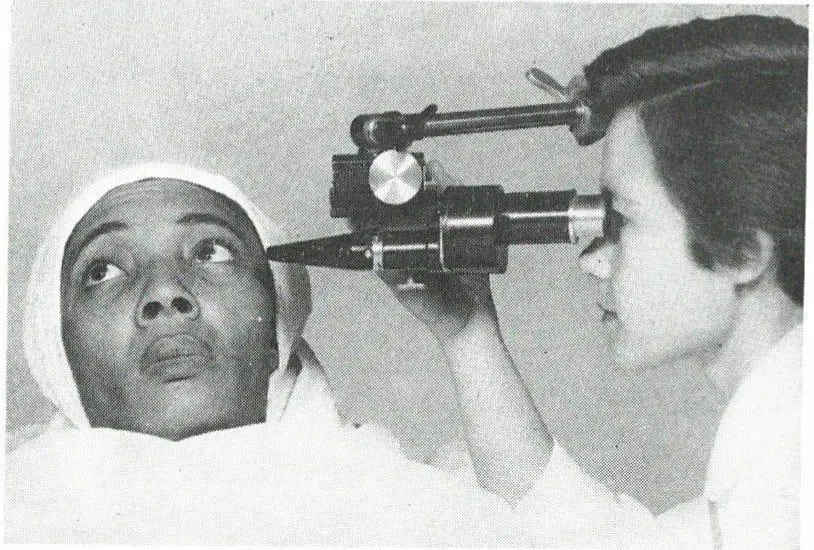
Many years ago, Knisely observed that the greatest blood sludging was seen in critically ill patients.
Today, Dr. Pierre Kory observed the same thing with point-of-care ultrasound.
Knisely's grading scale for blood sludging severity directly correlated with disease prognosis. That same sludging is visible in the video below, taken from the eyes of a COVID-19 vaccine-injured patient.
If only modern medicine would have listened to Knisely 80 years ago.
Today, Dr. Pierre Kory observed the same thing with point-of-care ultrasound.
Knisely's grading scale for blood sludging severity directly correlated with disease prognosis. That same sludging is visible in the video below, taken from the eyes of a COVID-19 vaccine-injured patient.
If only modern medicine would have listened to Knisely 80 years ago.
Once circulation breaks down, symptoms depend on the location, not the cause.
If nerves lose blood flow, neurological symptoms appear.
If immune organs are affected, autoimmune patterns emerge.
If the brain is impacted, cognitive or behavioral changes follow.
This explains why vaccine injuries can look so different from person to person while still coming from the same underlying disruption.
The injury isn’t random. The body’s weakest link simply shows itself first.
If nerves lose blood flow, neurological symptoms appear.
If immune organs are affected, autoimmune patterns emerge.
If the brain is impacted, cognitive or behavioral changes follow.
This explains why vaccine injuries can look so different from person to person while still coming from the same underlying disruption.
The injury isn’t random. The body’s weakest link simply shows itself first.

A concept almost no one talks about helps explain this perfect: zeta potential.
Zeta potential is the electrical repulsion that keeps particles in fluid from sticking to each other. Blood cells rely on it to stay evenly dispersed.
When zeta potential drops, clumping begins.
At first, it’s subtle and reversible. But if it continues to fall, circulation slows dramatically, and microvascular flow can collapse altogether.
Once that threshold is crossed, recovery becomes much harder.
Zeta potential is the electrical repulsion that keeps particles in fluid from sticking to each other. Blood cells rely on it to stay evenly dispersed.
When zeta potential drops, clumping begins.
At first, it’s subtle and reversible. But if it continues to fall, circulation slows dramatically, and microvascular flow can collapse altogether.
Once that threshold is crossed, recovery becomes much harder.
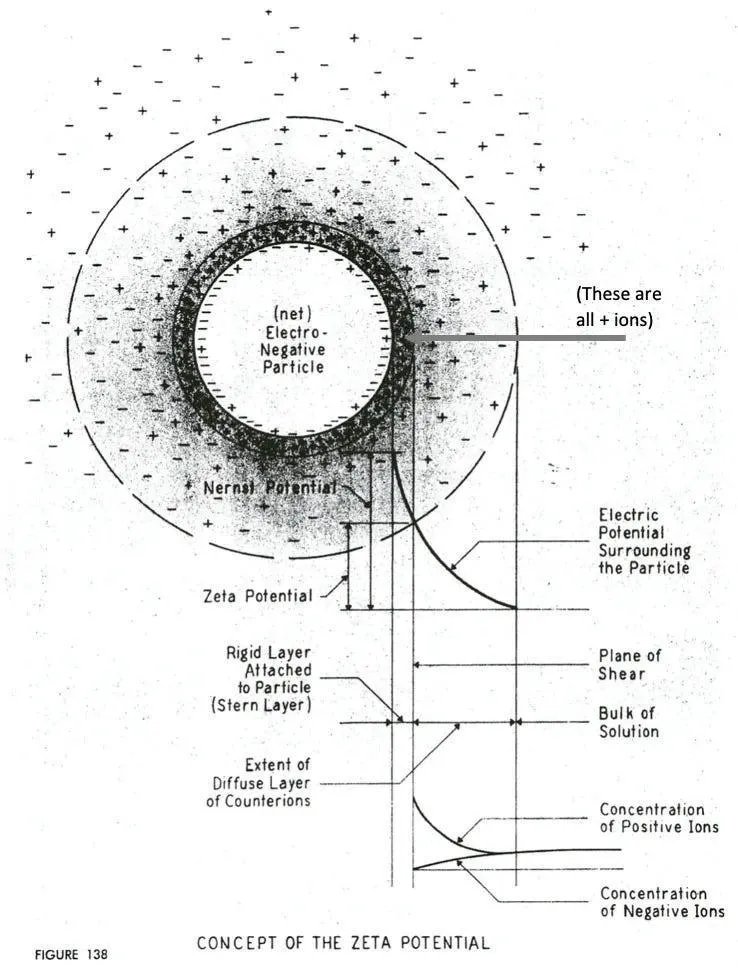
Here’s what makes zeta potential collapse especially concerning.
The body intentionally keeps blood close to the clumping threshold because sometimes it needs to clump. Like blood clotting right after injury.
What that means is even small disturbances can push it into dangerous territory. Positive charges are especially disruptive.
And do you know what has a positive charge? Aluminum. Certain inflammatory proteins. Some viral proteins.
Once electrical repulsion fails, circulation becomes a physics problem that medicine is largely unequipped to recognize, let alone treat.
The body intentionally keeps blood close to the clumping threshold because sometimes it needs to clump. Like blood clotting right after injury.
What that means is even small disturbances can push it into dangerous territory. Positive charges are especially disruptive.
And do you know what has a positive charge? Aluminum. Certain inflammatory proteins. Some viral proteins.
Once electrical repulsion fails, circulation becomes a physics problem that medicine is largely unequipped to recognize, let alone treat.
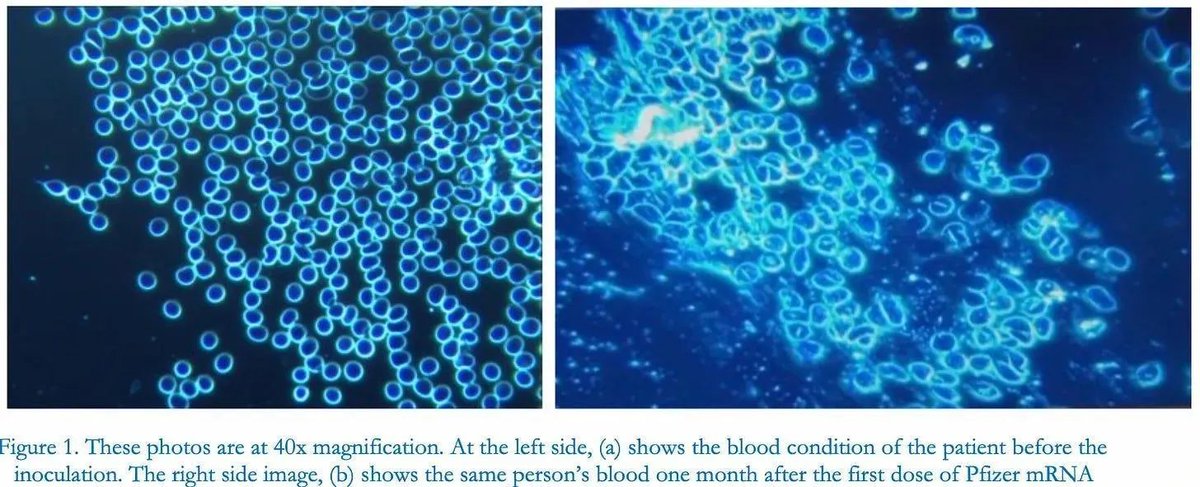
This concept connects vaccine injury, long COVID, aging, and chronic disease in a way most people have never seen.
@MidwesternDoc's full article explains it step by step. You’re not going to want to miss this. midwesterndoctor.com/p/what-vaccine…
@MidwesternDoc's full article explains it step by step. You’re not going to want to miss this. midwesterndoctor.com/p/what-vaccine…
Circulatory impairment doesn’t stop at blood. The body is full of fluids.
It affects lymphatic drainage, cerebrospinal fluid movement, venous outflow, the body’s ability to remove waste, and more. When those systems slow down, toxins accumulate and inflammation becomes trapped. Uh oh.
That’s why neurological symptoms often worsen over time, even when inflammation markers look “normal.” The cleanup system itself is compromised, so damage keeps quietly building.
And again, if you don’t know what you’re looking for, you’ll never see it.
Treating chemistry without restoring flow leaves the root problem untouched. It’s a temporary fix that may not even fix anything at all. In fact, it may make the problem worse.
It affects lymphatic drainage, cerebrospinal fluid movement, venous outflow, the body’s ability to remove waste, and more. When those systems slow down, toxins accumulate and inflammation becomes trapped. Uh oh.
That’s why neurological symptoms often worsen over time, even when inflammation markers look “normal.” The cleanup system itself is compromised, so damage keeps quietly building.
And again, if you don’t know what you’re looking for, you’ll never see it.
Treating chemistry without restoring flow leaves the root problem untouched. It’s a temporary fix that may not even fix anything at all. In fact, it may make the problem worse.

This leads directly into the concept of a prolonged cellular stress response.
When cells lose blood flow or encounter toxins, they can enter survival mode. And as a result, energy production drops, inflammation rises, and normal function is put on hold.
This response is meant to be temporary. But when circulation isn’t restored, the danger signal never shuts off.
So the body stays stuck in crisis mode, and treatments that ignore this often fail—or even make symptoms worse!
When cells lose blood flow or encounter toxins, they can enter survival mode. And as a result, energy production drops, inflammation rises, and normal function is put on hold.
This response is meant to be temporary. But when circulation isn’t restored, the danger signal never shuts off.
So the body stays stuck in crisis mode, and treatments that ignore this often fail—or even make symptoms worse!

One of the most overlooked and often tragic consequences is how often neurological injury gets mislabeled as psychiatric illness.
Mood changes, anxiety, depression, behavioral shifts, and cognitive decline can all arise from nervous system damage. But medicine often treats them as causes rather than symptoms.
When blood flow to the brain is impaired, personality and emotional changes are biological responses, not character flaws.
Mislabeling them delays real healing and compounds the damage.
Mood changes, anxiety, depression, behavioral shifts, and cognitive decline can all arise from nervous system damage. But medicine often treats them as causes rather than symptoms.
When blood flow to the brain is impaired, personality and emotional changes are biological responses, not character flaws.
Mislabeling them delays real healing and compounds the damage.

Protein misfolding fits neatly into this picture, too.
Proteins behave like colloids—just like blood cells. When electrical balance collapses, proteins can misfold and then aggregate together.
This is actually a known feature of Alzheimer’s disease, amyloid disorders, and the unusual clot formations observed after COVID vaccination.
Once misfolded proteins accumulate, the body struggles to clear them, especially when circulation and lymphatic flow are already impaired.
The damage just compounds.
Proteins behave like colloids—just like blood cells. When electrical balance collapses, proteins can misfold and then aggregate together.
This is actually a known feature of Alzheimer’s disease, amyloid disorders, and the unusual clot formations observed after COVID vaccination.
Once misfolded proteins accumulate, the body struggles to clear them, especially when circulation and lymphatic flow are already impaired.
The damage just compounds.
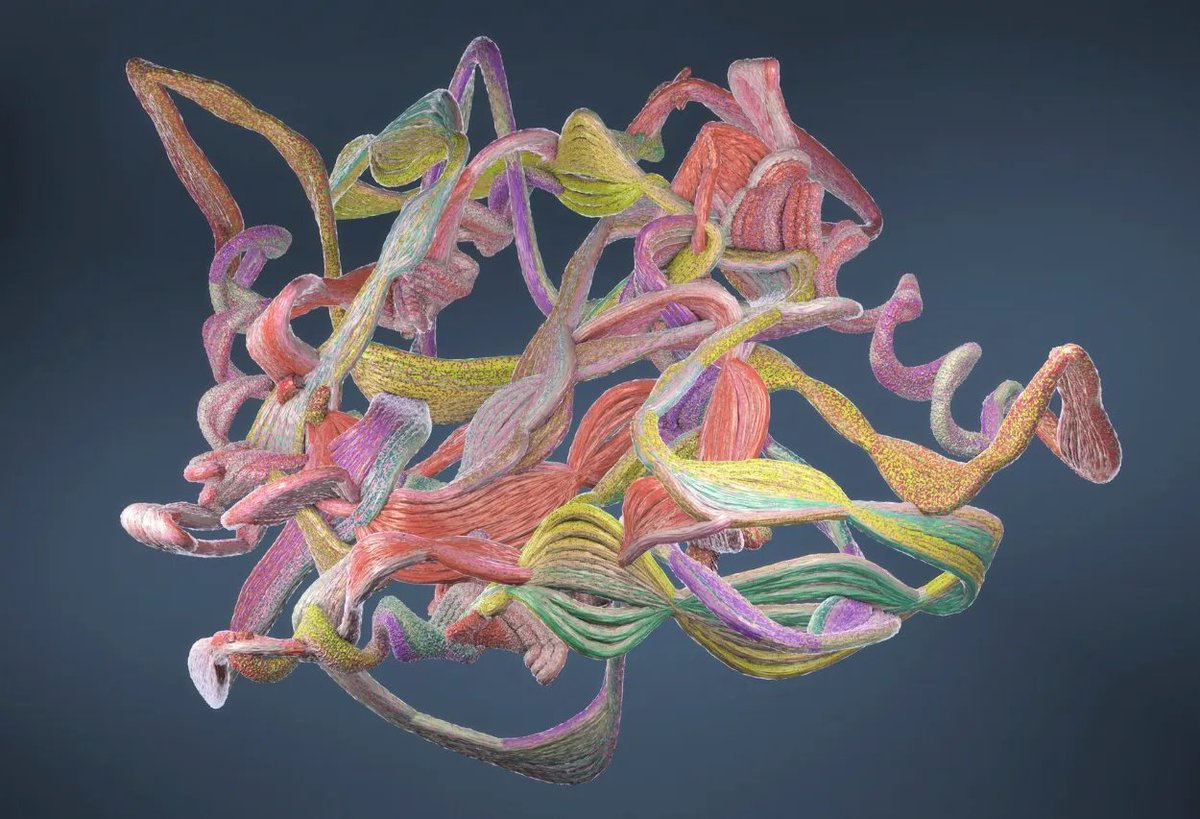
If chronic disease feels disconnected and confusing, this model explains exactly why.
@MidwesternDoc pulls it all together in a way modern medicine never does and provides tips on how to tackle issues mentioned here and improve our zeta potential.
midwesterndoctor.com/p/what-vaccine…
@MidwesternDoc pulls it all together in a way modern medicine never does and provides tips on how to tackle issues mentioned here and improve our zeta potential.
midwesterndoctor.com/p/what-vaccine…
This framework also explains why damage tends to be cumulative.
Each disruption has an effect. Each new insult pushes circulation closer to failure. Over time, systems that once compensated can no longer keep up.
That’s why reactions vary. That’s why injuries often worsen instead of resolving. That’s why some people tolerate exposures until they suddenly can’t.
Unfortunately, the system doesn’t reset between hits.
This is why it’s so important that we carefully consider what we expose ourselves to. Whether it’s what we eat, what we put on our skin, or what we inject into our bodies. You may not notice damage until years down the road, when it finally reaches the tipping point.
Each disruption has an effect. Each new insult pushes circulation closer to failure. Over time, systems that once compensated can no longer keep up.
That’s why reactions vary. That’s why injuries often worsen instead of resolving. That’s why some people tolerate exposures until they suddenly can’t.
Unfortunately, the system doesn’t reset between hits.
This is why it’s so important that we carefully consider what we expose ourselves to. Whether it’s what we eat, what we put on our skin, or what we inject into our bodies. You may not notice damage until years down the road, when it finally reaches the tipping point.
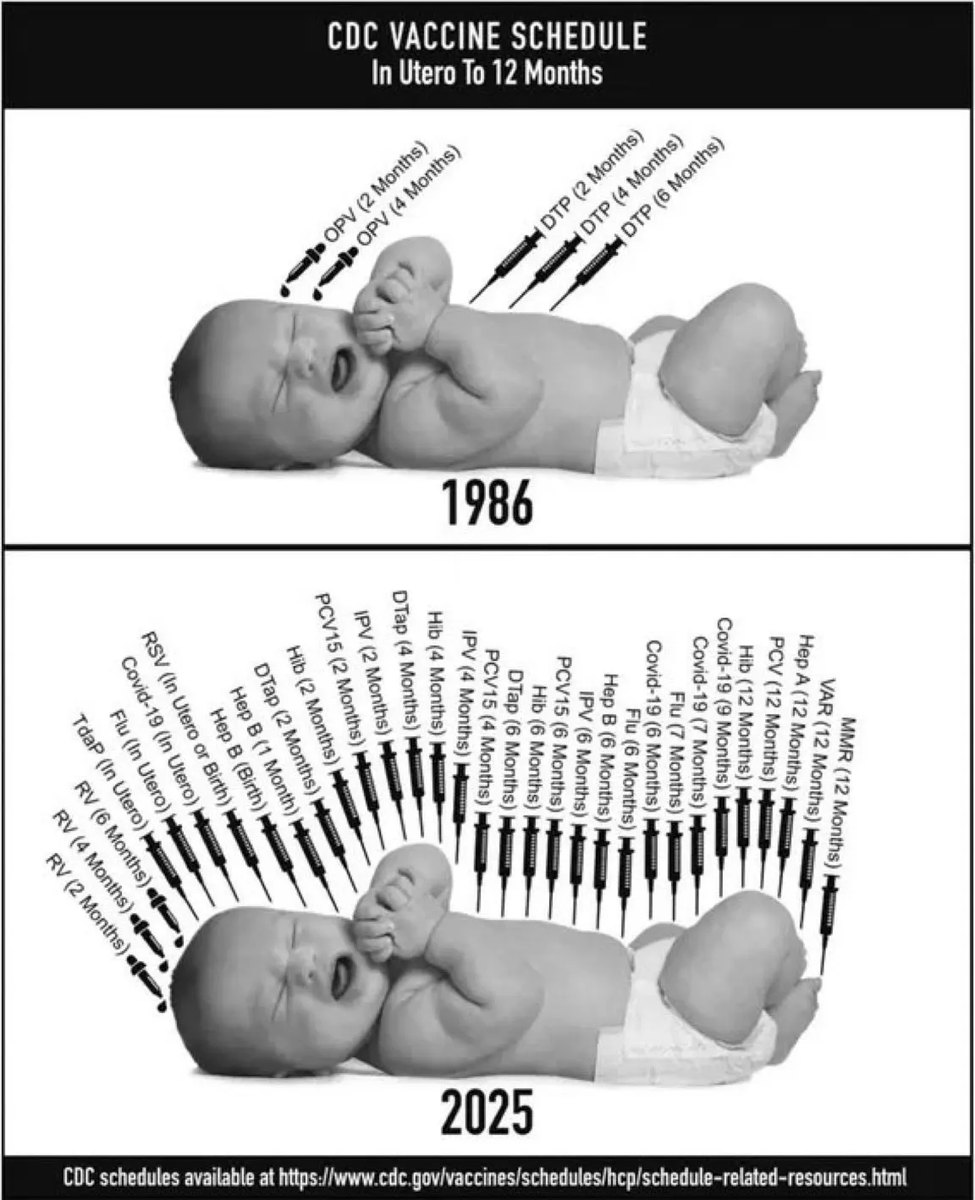
This concept even explains what we see as people age.
As kidney function declines, and the body struggles to maintain electrical balance. Circulation slows. Waste removal falters. Cognitive function declines.
Frailty and dementia aren’t random features of aging. They’re the long-term consequences of impaired fluid dynamics.
When circulation improves, many so-called age-related symptoms improve with it, sometimes dramatically!
As kidney function declines, and the body struggles to maintain electrical balance. Circulation slows. Waste removal falters. Cognitive function declines.
Frailty and dementia aren’t random features of aging. They’re the long-term consequences of impaired fluid dynamics.
When circulation improves, many so-called age-related symptoms improve with it, sometimes dramatically!

The takeaway is both simple and unsettling. When fluid circulation fails, disease follows.
Vaccines didn’t invent this vulnerability. But they expose it by placing sudden stress on systems that are already operating near their limits.
Once circulation, immune dysfunction, and cellular stress are understood as one interconnected loop, the confusion disappears.
And what remains is a question modern medicine still avoids, even as patients continue to suffer.
But today you can take control of your health, and begin improving your zeta potential.
Vaccines didn’t invent this vulnerability. But they expose it by placing sudden stress on systems that are already operating near their limits.
Once circulation, immune dysfunction, and cellular stress are understood as one interconnected loop, the confusion disappears.
And what remains is a question modern medicine still avoids, even as patients continue to suffer.
But today you can take control of your health, and begin improving your zeta potential.

Thanks for reading!
This information was based on a report originally published by @MidwesternDoc.
Key details were streamlined and editorialized for clarity and impact.
Read the original report here:
midwesterndoctor.com/p/what-vaccine…
This information was based on a report originally published by @MidwesternDoc.
Key details were streamlined and editorialized for clarity and impact.
Read the original report here:
midwesterndoctor.com/p/what-vaccine…
@MidwesternDoc For a deeper dive into what modern medicine has overlooked—or intentionally buried—check out these other eye-opening reports by @MidwesternDoc:
The FDA’s 50-Year War on the Safest Painkiller Ever Discovered
midwesterndoctor.com/p/the-remarkab…
The FDA’s 50-Year War on the Safest Painkiller Ever Discovered
midwesterndoctor.com/p/the-remarkab…
@MidwesternDoc What Really Happens to Your Body When You Suppress a Fever With Tylenol?
midwesterndoctor.com/p/why-does-nat…
midwesterndoctor.com/p/why-does-nat…
@MidwesternDoc While you’re at it, give @MidwesternDoc a follow.
No one brings more research, clinical insight, or historical context when it comes to exposing the health myths we’ve all been fed.
This is easily one of the most valuable accounts you’ll ever follow.
--> @MidwesternDoc
No one brings more research, clinical insight, or historical context when it comes to exposing the health myths we’ve all been fed.
This is easily one of the most valuable accounts you’ll ever follow.
--> @MidwesternDoc

• • •
Missing some Tweet in this thread? You can try to
force a refresh