CardiovascularCorner Profile picture
May 20 11 tweets 4 min read Read on X
How the ECG Tells You Where VT Is Coming From

1️⃣ When a rhythm comes from the ventricles, it travels slowly across muscle instead of racing through the Purkinje system. That’s why VT is wide, fast, and regular. Image
2️⃣ Next trick: look at the bundle-branch pattern.

- VT that looks like LBBB usually started in the right ventricle.
- VT that looks like RBBB usually started in the left ventricle.
Impulse travels away from its origin as if the opposite bundle is blocked. Image
3️⃣ VT comes from the RVOT =most common idiopathic VT
It has LBBB shape with a strong inferior axis (big positive in II, III, aVF).
These patients often feel palpitations during exercise or stress. Image
4️⃣ If the QRS looks RBBB with an inferior axis, think LVOT i.e near the aortic valve or left ventricular outflow. Image
5️⃣ There’s a special one called fascicular VT.
Young patient, no structural disease, heart suddenly takes off at 150–180 bpm.
ECG: RBBB pattern + left axis deviation.
And here’s the magic: it usually stops with Verapamil. Image
6️⃣ In patients with an old MI or cardiomyopathy, the ventricles have scar tissue.
That scar becomes a little electrical maze.
The circuit keeps spinning in the same path--) monomorphic VT with a stable QRS every beat. Image
7️⃣ Torsades de Pointes is a different beast.
The QRS keeps changing direction it literally "twists."
You’ll almost always find a long QT before the episode. Image
8️⃣ When the QRS is polymorphic but the QT is normal, think acute ischemia, especially if there are ST changes. Image
9️⃣ There’s even a VT that forms its own race track inside the bundle branches: bundle-branch reentry VT.
Very wide QRS, looks like a classic BBB, but going way too fast Image
Image
🔟 So here’s a quick summary clinicians rely on:
◾Monomorphic VT: usually scar or idiopathic outflow/fascicular origin
◾Polymorphic VT: usually ischemia, long QT,..
The ECG won’t pinpoint the exact millimeter, but it gets you surprisingly close to the neighborhood.
References:
Braunwald’s Heart Disease, 12th edition
Zipes & Jalife: Cardiac Electrophysiology

• • •

Missing some Tweet in this thread? You can try to force a refresh

 

Keep Current with CardiovascularCorner

CardiovascularCorner Profile picture

Stay in touch and get notified when new unrolls are available from this author!

Read all threads

This Thread may be Removed Anytime!

PDF

Twitter may remove this content at anytime! Save it as PDF for later use!

Try unrolling a thread yourself!

how to unroll video
  1. Follow @ThreadReaderApp to mention us!

  2. From a Twitter thread mention us with a keyword "unroll"
@threadreaderapp unroll

Practice here first or read more on our help page!

More from @TrackYourHeart

May 17
A dramatic ST-elevation ECG in the ICU.

Acute STEMI?
Not always.
An important ECG mimic every clinician should recognize: the shark fin pattern. 🧵🧵🧵 Image
A 54-year-old woman was admitted with septic shock secondary to an intra-abdominal infection.

On presentation:
- Temperature: 38.6°C
- BP: 82/56 mmHg
- HR: 109 bpm
- RR: 26/min

Cardiac biomarkers:
- Troponin I: 2.02 ng/mL
- NT-proBNP: 5300 pg/mL
The admission ECG was alarming.

Findings:
⚪ Diffuse ST-segment elevation in leads I, II, III, aVF, and V3–V6
⚪ Giant triangular complexes in the precordial leads

At first glance, this appears consistent with a large anterior-inferior STEMI Image
Read 16 tweets
May 11
Aortic Stenosis (AS): essential clinical pearls every clinician should know🧵 🧵 🧵
A concise thread on pathophysiology, diagnosis, prognosis, and management.

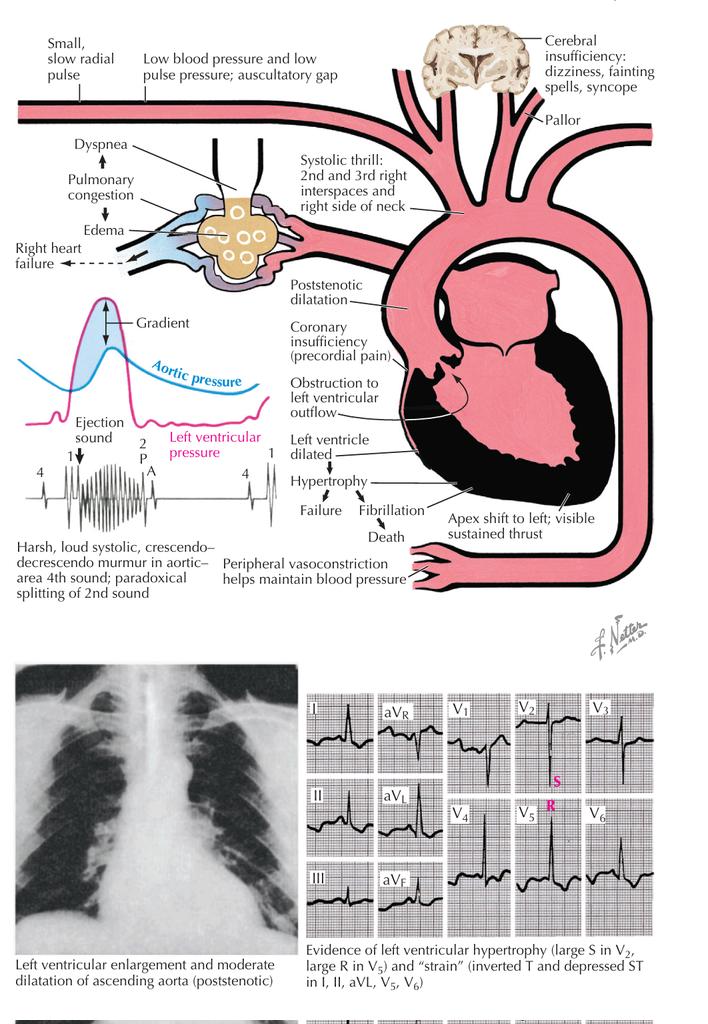
1/ Aortic stenosis is a progressive valvular disease causing obstruction to left ventricular outflow. Image
2/ Main causes of AS:
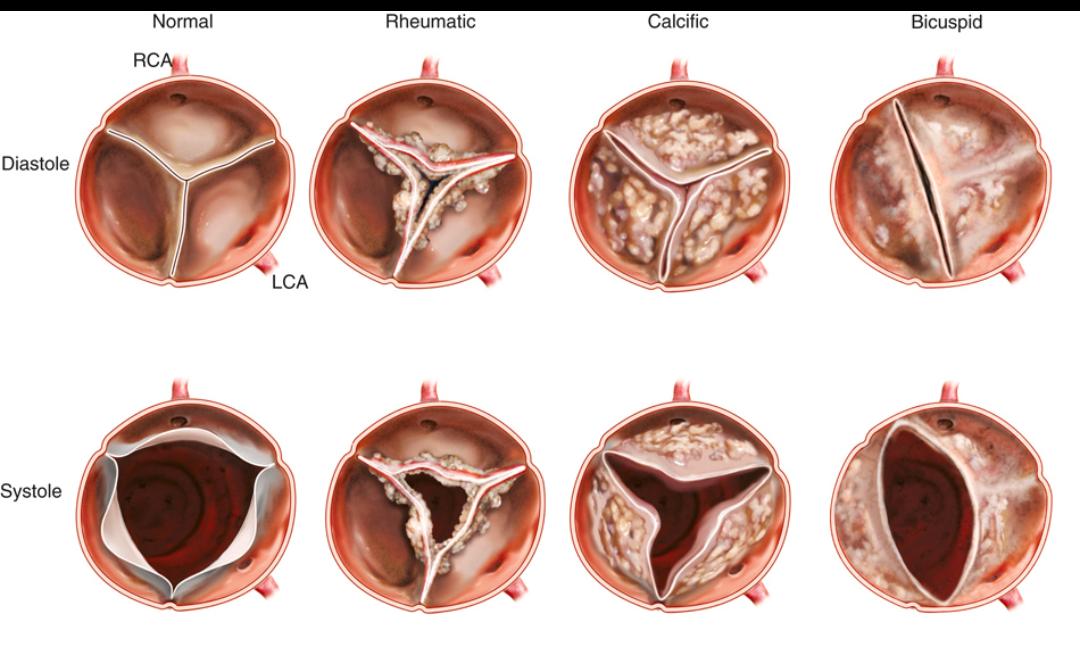
🔵 Degenerative calcific disease remains the leading cause in older adults.
🔵Bicuspid aortic valve is the most common cause in younger patients
🔵Rheumatic disease remains an important cause in developing regions. Causes of aortic stenosis.This illustration shows the aortic valve viewed from above in a TTE parasternal short-axis image orientation in diastole (top) and systole (bottom) for a normal valve (left) and the three main causes of aortic stenosis. The diagnostic features of rheumatic stenosis are commissural fusion and mitral valve involvement, with the characteristic triangular aortic valve opening in systole. Calcific aortic stenosis is characterized by fibrocalcific masses on the aortic side of the leaflet that result in increased leaflet stiffness without commissural fusion, with a stella...
3/ Pathophysiology:

Aortic valve narrowing
⬇️
Fixed LV outflow obstruction
⬇️
↑ LV systolic pressure
⬇️
↑ Afterload
⬇️
Concentric LVH
⬇️
↓ LV compliance
⬇️
Diastolic dysfx
⬇️
↑ LV filling pressure
⬇️
Pulmonary congestion
⬇️
Progressive LV decompensation
⬇️
Systolic dysfx Image
Read 17 tweets
Apr 26
Right Ventricular (RV) Infarction: A Must-Know ECG Pattern.

RV infarction often coexists with inferior MI but is frequently overlooked. Missing it can be dangerous, as treatment differs from LV infarcts!

Here’s how to detect it on ECG ⬇️ Image
1️⃣ When to Suspect RV Infarction?
🔹 Any inferior MI (ST ↑ in II, III, aVF)
🔹 Hypotension + JVD + clear lungs
🔹 Bradycardia, AV block

A simple rule that works well in practice: inferior MI + hypotension = look for RV involvement Image
Why a standard ECG isn’t enough

The usual 12-lead ECG doesn’t adequately see the right ventricle. That’s why right-sided leads matter.
You mirror the chest leads to the right side (V3R–V6R), keeping V1 as it is.

Among these, V4R is the most useful. Image
Read 7 tweets
Apr 13
Abdominal aortic aneurysm (AAA) is one of the most dangerous silent conditions in medicine.
Most patients don’t know they have it.
Many never get a second chance once it presents.
🧵 Image
1/
An AAA is a localized dilation of the abdominal aorta, reaching at least 150% of its normal diameter.
It sounds simple, but the implication is serious:
as the vessel enlarges, the wall weakens, and rupture becomes inevitable if it progresses. Image
2/
The real danger of AAA isn’t just the disease.
It’s the way it behaves.
It stays quiet for years…
and then presents as a catastrophe.
Read 21 tweets
Mar 30
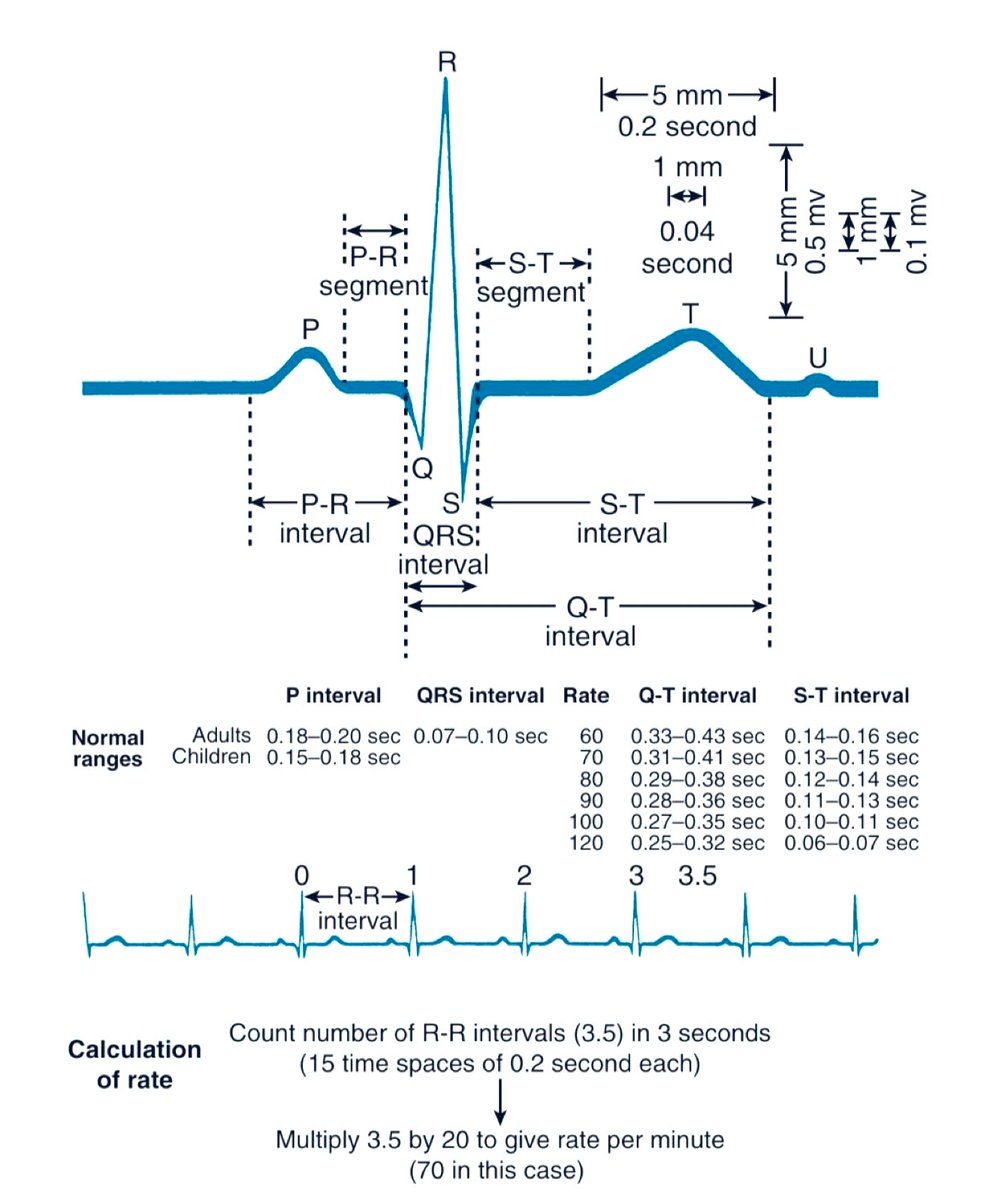
Interpreting an #ECG can seem overwhelming at first, but with a structured approach, it becomes far more manageable.

In this thread, I’ll walk you through how to analyze an ECG like a professional, step by step.

Let’s begin.🧵 Image
Step 0: Initial Checks
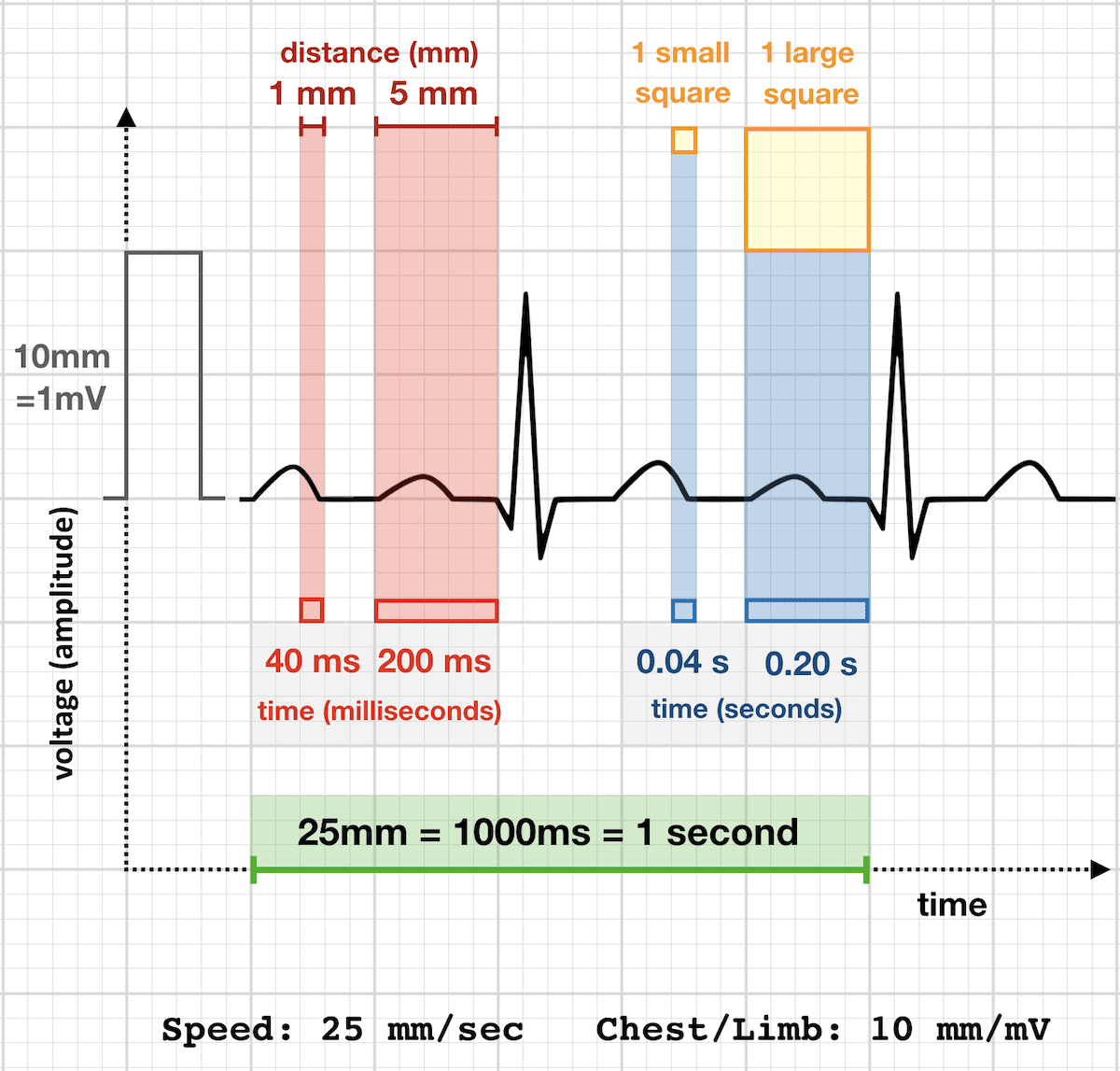
1. Paper Speed
The standard ECG paper speed is 25 mm/s, meaning:
◾1 small square = 0.04 s
◾1 large square = 0.20 s (5 small squares)
2. Calibration
This determines the amplitude of the waves:
⏺️ 1 mV = 10 mm (i.e., 2 large squares vertically. Image
Step 1: Heart Rate (HR)

If rhythm is regular:
Use the formula
Heart Rate = 300 / number of large squares between R waves

Alternatively, memorize the sequence:
300 → 150 → 100 → 75 → 60 → 50
Estimate HR by seeing where the next R wave falls in this pattern. Image
Read 15 tweets
Mar 19
Acute coronary syndrome management extends far beyond revascularization.

Optimal outcomes depend on a structured, evidence-based strategy before, during, and after intervention.
A concise summary of the 2025 guideline approach: 🧵 Image
1/
Dual antiplatelet therapy (DAPT) remains foundational in ACS.
In patients undergoing PCI, ticagrelor or prasugrel is preferred over clopidogrel due to superior ischemic protection.
2/
In NSTE-ACS with a planned invasive strategy delayed beyond 24 hours, early administration of clopidogrel or ticagrelor may be considered to reduce major adverse cardiovascular events. Image
Read 13 tweets

Did Thread Reader help you today?

Support us! We are indie developers!


This site is made by just two indie developers on a laptop doing marketing, support and development! Read more about the story.

Become a Premium Member ($3/month or $30/year) and get exclusive features!

Become Premium

Don't want to be a Premium member but still want to support us?

Make a small donation by buying us coffee ($5) or help with server cost ($10)

Donate via Paypal

Or Donate anonymously using crypto!

Ethereum

0xfe58350B80634f60Fa6Dc149a72b4DFbc17D341E copy

Bitcoin

3ATGMxNzCUFzxpMCHL5sWSt4DVtS8UqXpi copy

Thank you for your support!

Follow Us!

:(