CardiovascularCorner Profile picture
Your guide to a healthy heart and body. Evidence-based cardiology content.. Tweets are only for educational purposes.
Dec 21 9 tweets 4 min read
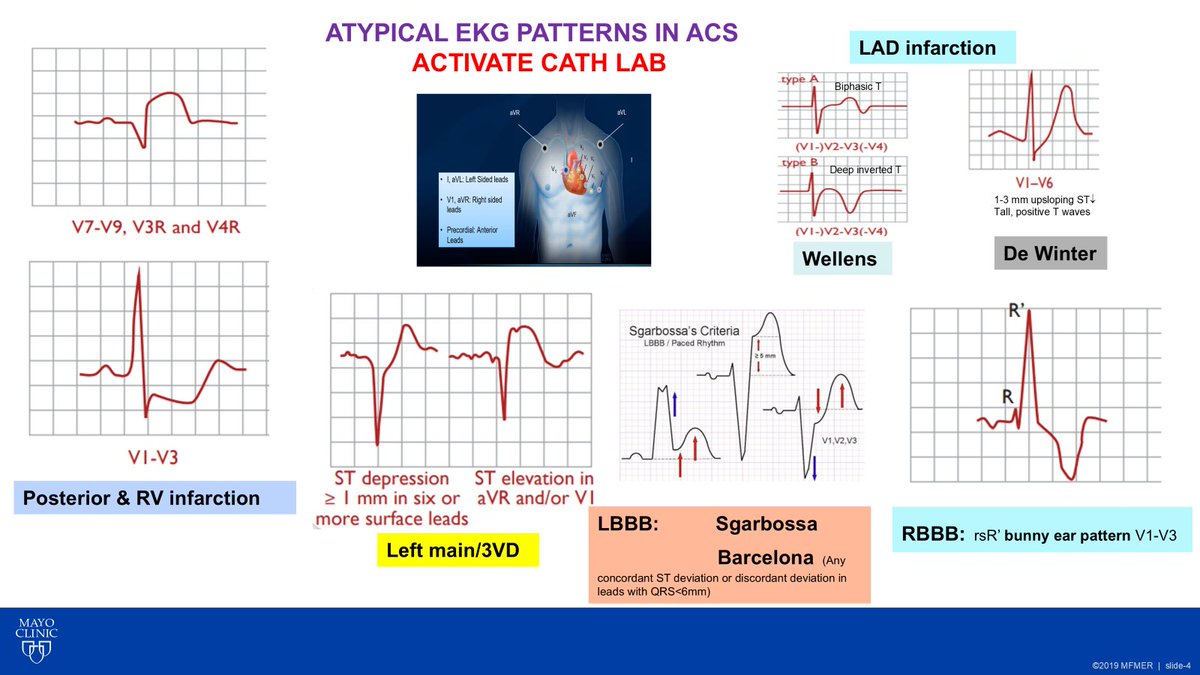
Activate the Cath Lab: ECG patterns that matter even without classic STEMI
Not every coronary occlusion announces itself with obvious ST-segment elevation.
Some ECG patterns are quieter, atypical, and easy to miss, yet they represent the same emergency.
Thread below ⬇️ Image 🔵 Posterior MI & Right Ventricular MI
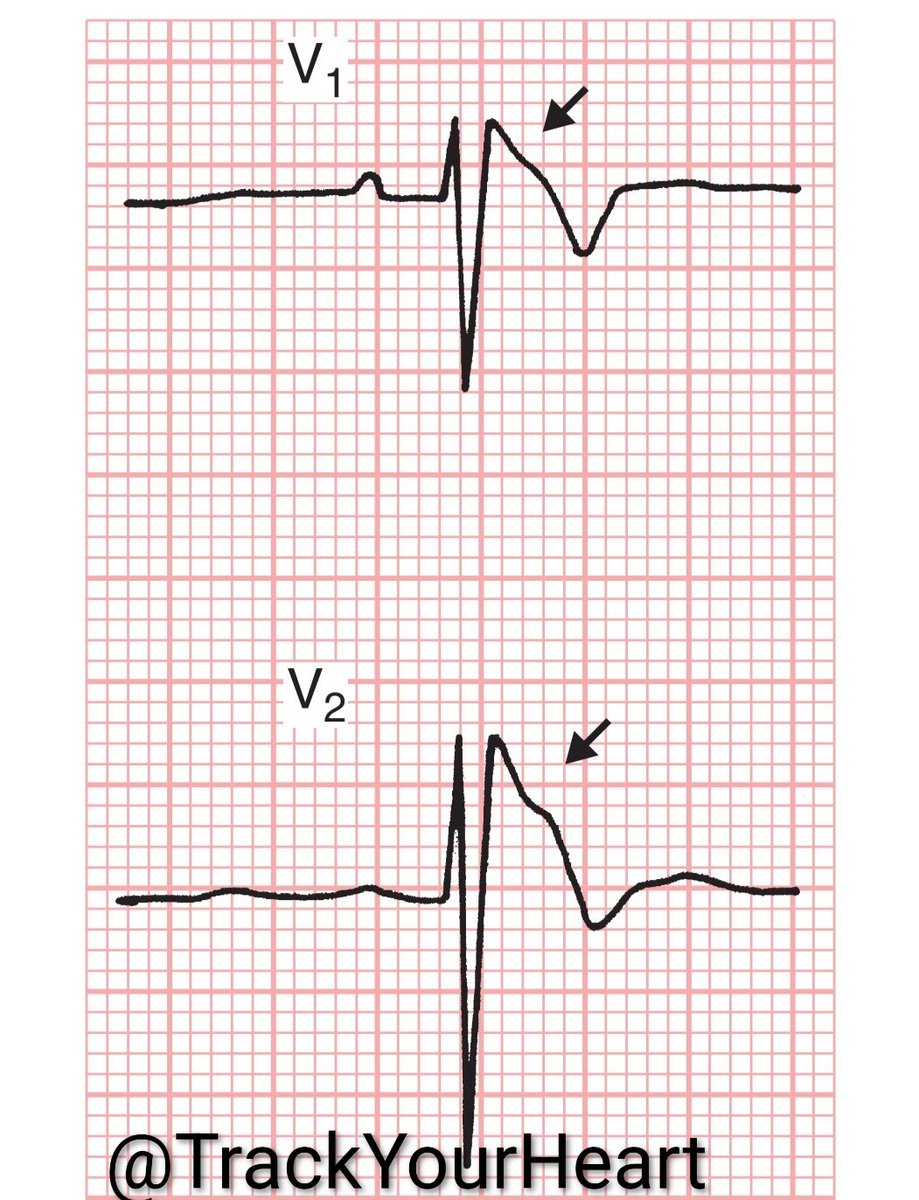
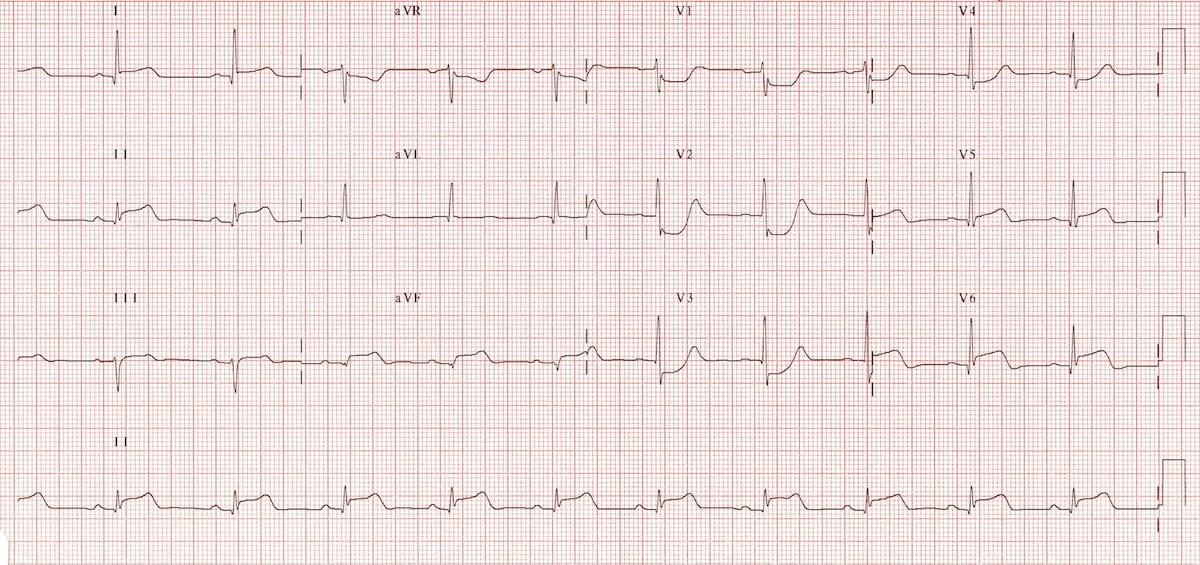
Posterior infarction often presents as ST depression in V1–V3 with tall R waves.
Posterior leads (V7–V9) may reveal the missing ST ⬆️.
RV infarction shows ST⬆️ in right-sided leads (V3R–V4R)
Both require urgent reperfusion. Image
Image
Dec 11 13 tweets 6 min read
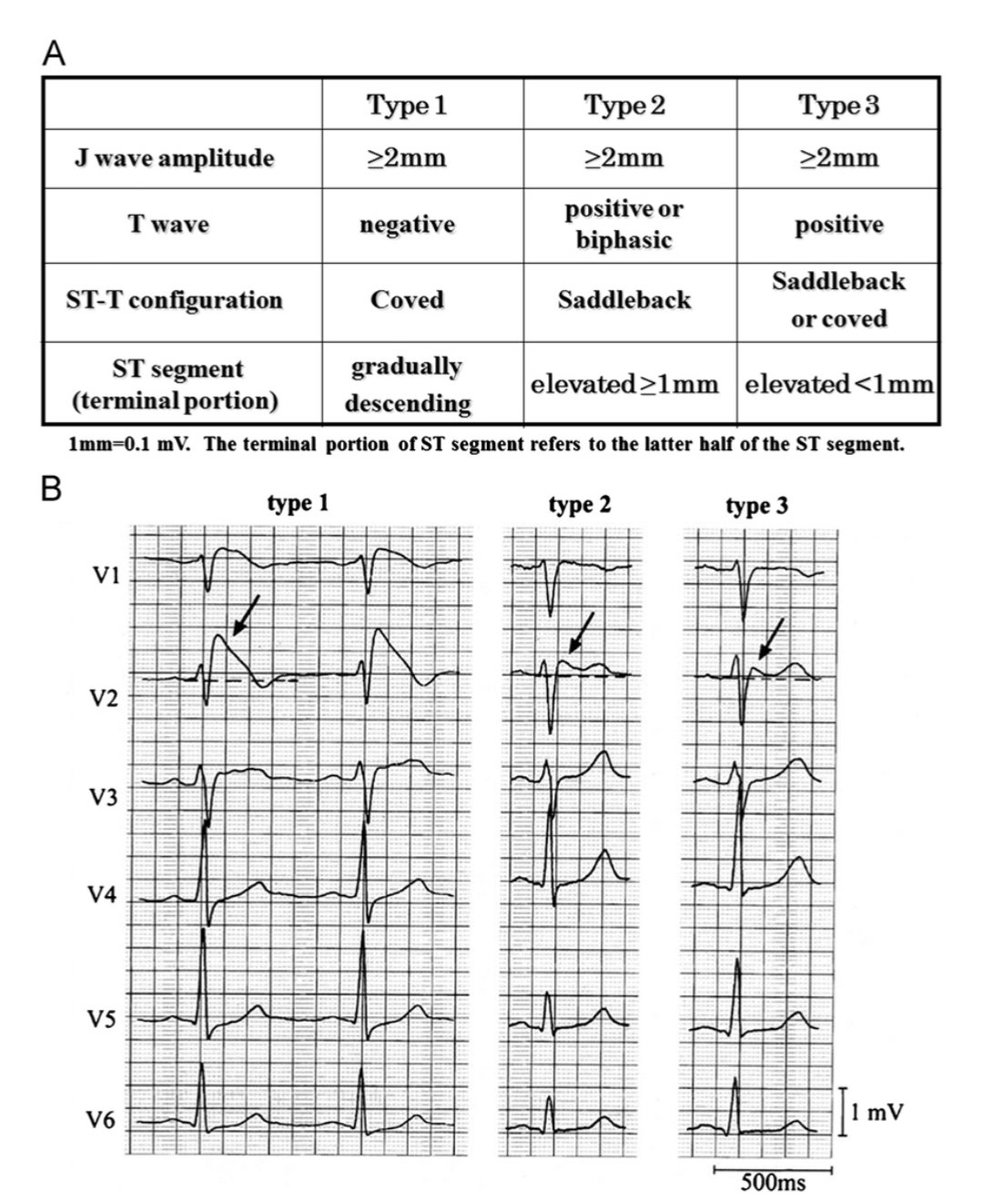
What Makes V1–V3 Unique?
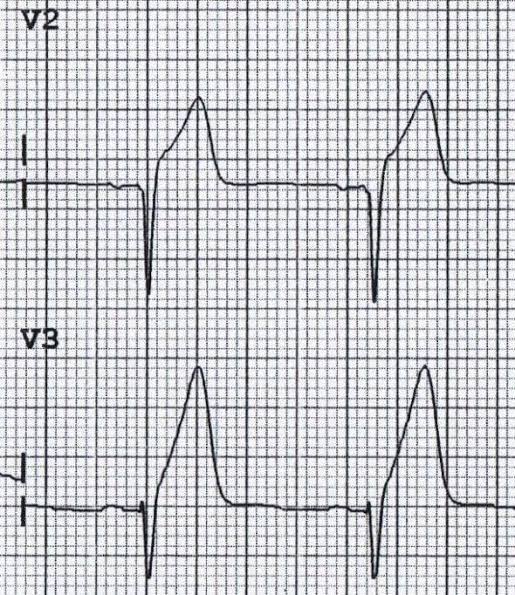
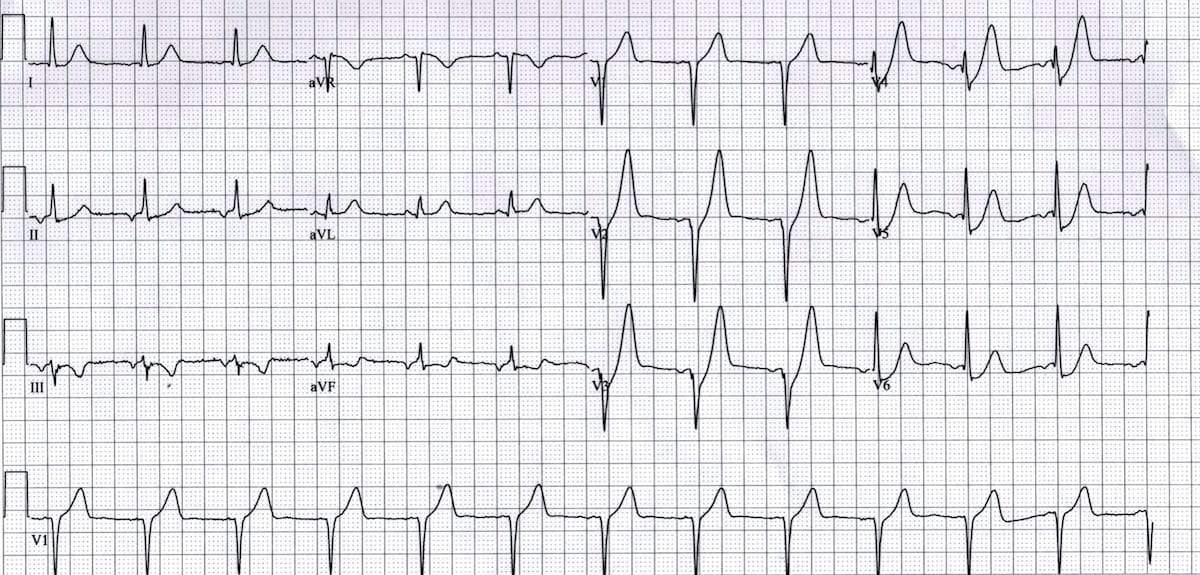
Although every ECG should be read systematically, V1–V3 deserve special attention because they capture patterns that may remain subtle or even invisible in other leads. Their position over the RV, septum, and RVOT gives them unique diagnostic value
A 🧵 🔵Early Anterior Ischemia
These leads are the earliest to show anterior ischemia. Subtle hyperacute T waves, loss of R-wave progression, ST elevation, and the de Winter pattern often appear in V2–V3 long before other leads show convincing changes. Image
Image
Image
Dec 8 14 tweets 6 min read
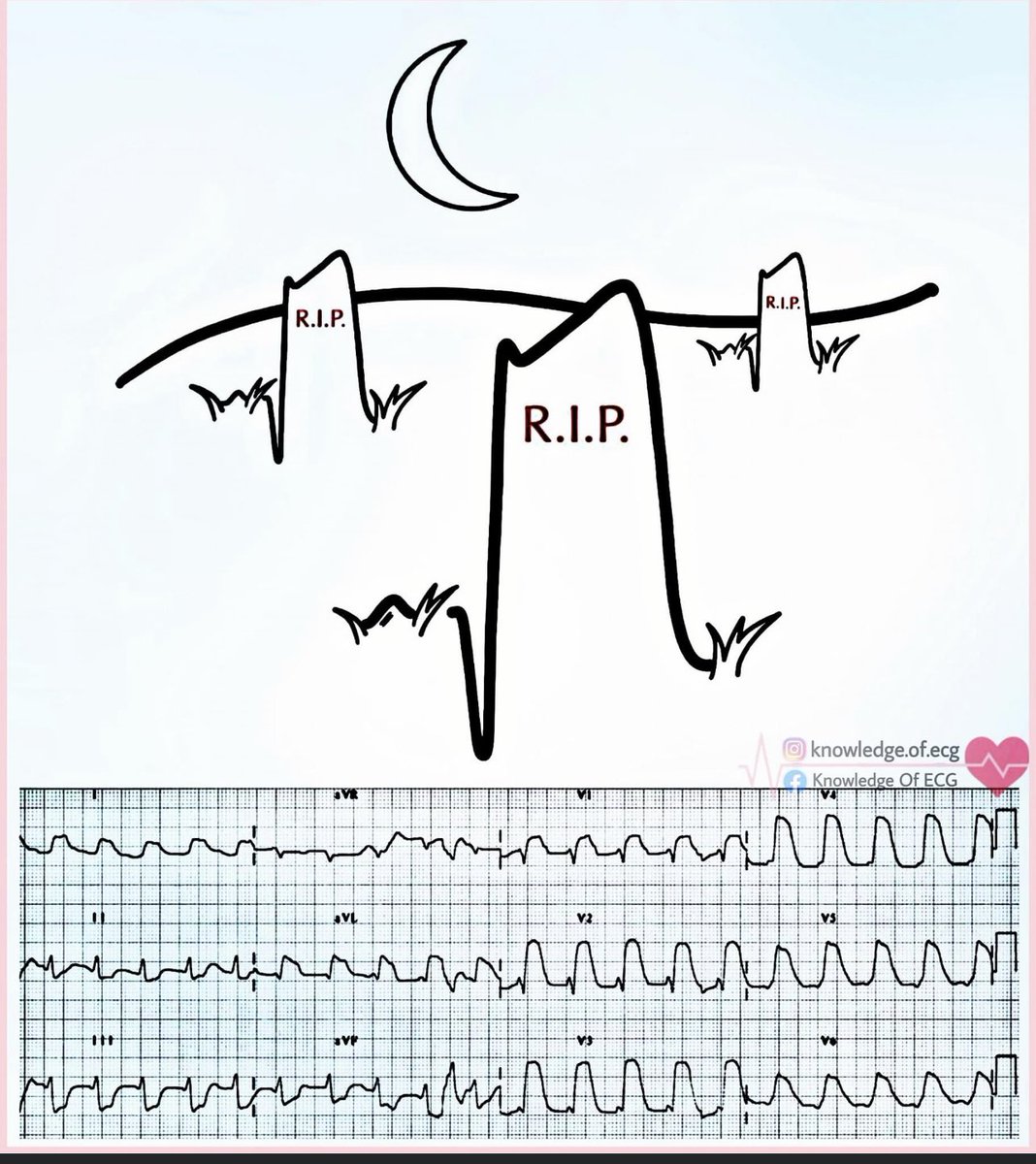
Why ST Elevation Isn’t Always a STEMI.

Every clinician has felt that moment…

You see an ST elevation on #ECG and your heart rate goes up before the patient’s does. STEMI? Cath lab activation? Thrombolysis?

But here’s the reality:
Not every ST elevation means ACS
A 🧵 Image 1️⃣ Acute Coronary Occlusion (STEMI)

The classic cause. When a coronary artery is blocked, transmural myocardial ischemia develops and the ST segment elevates.

Time = muscle.
Reperfusion therapy (PCI or thrombolysis) has greatest benefit when done early. Image
Nov 29 15 tweets 6 min read
Interpreting an #ECG can seem overwhelming at first, but with a structured approach, it becomes far more manageable.

In this thread, I’ll walk you through how to analyze an ECG like a professional, step by step.

Let’s begin.🧵 Image Step 0: Initial Checks
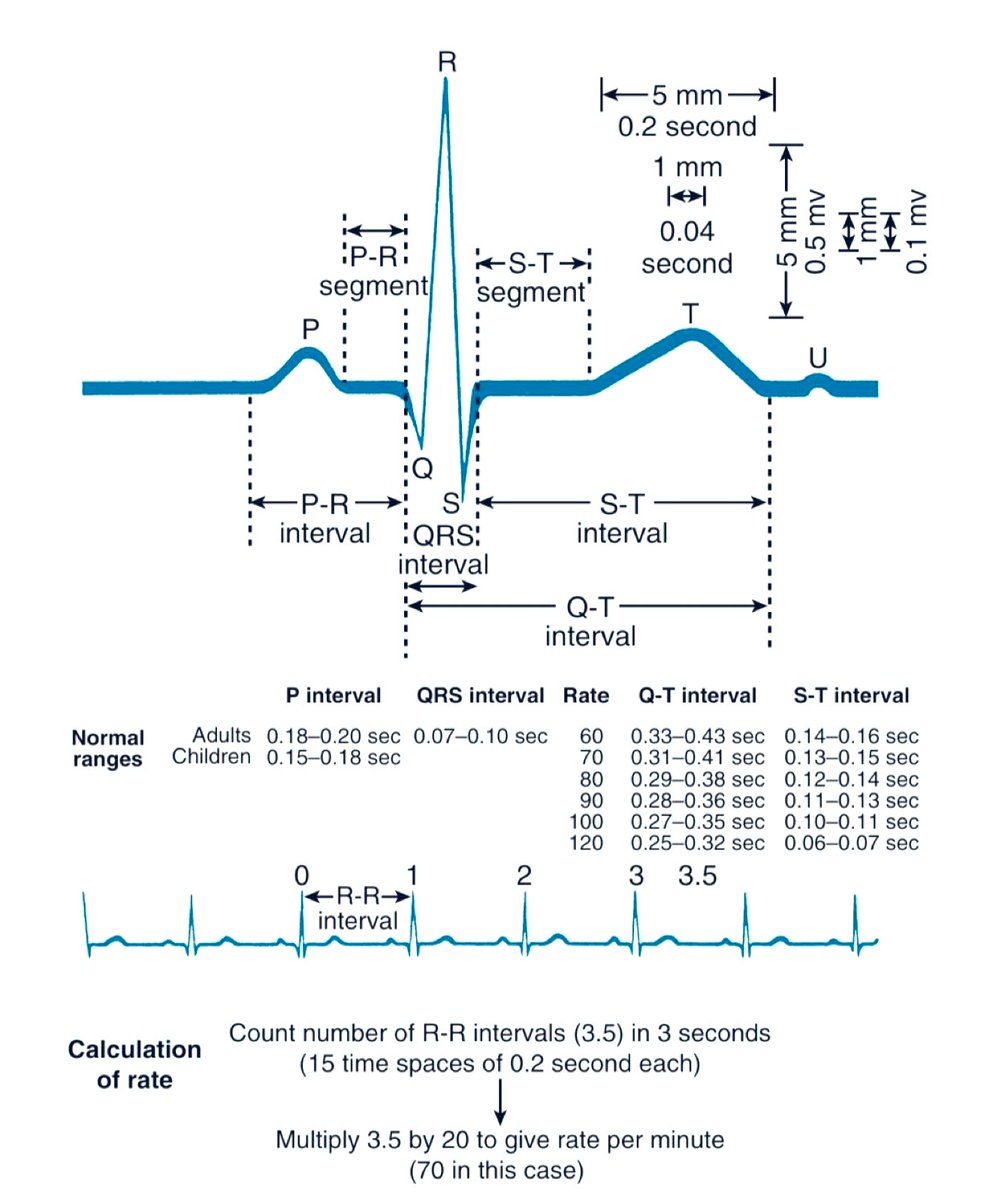
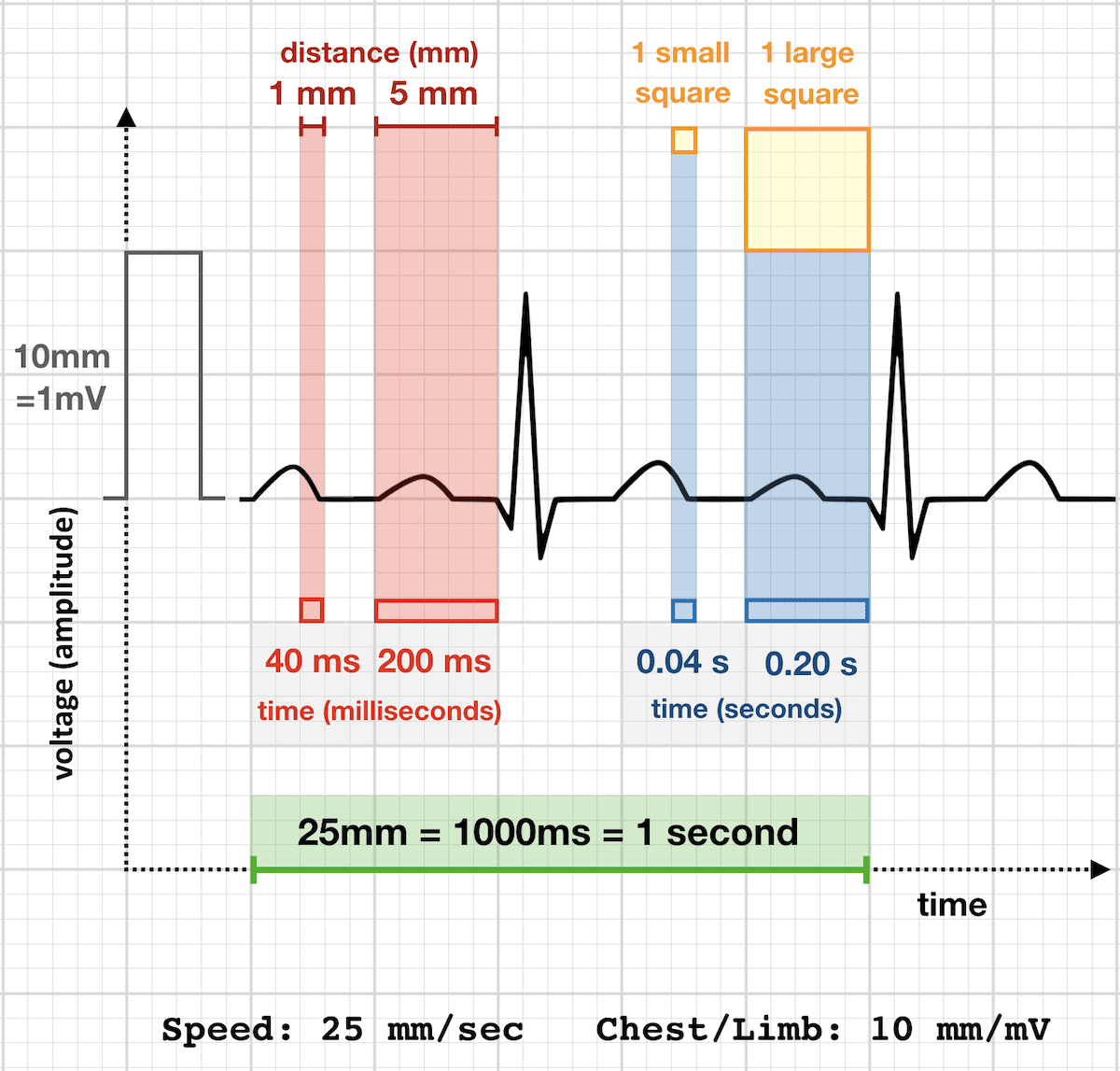
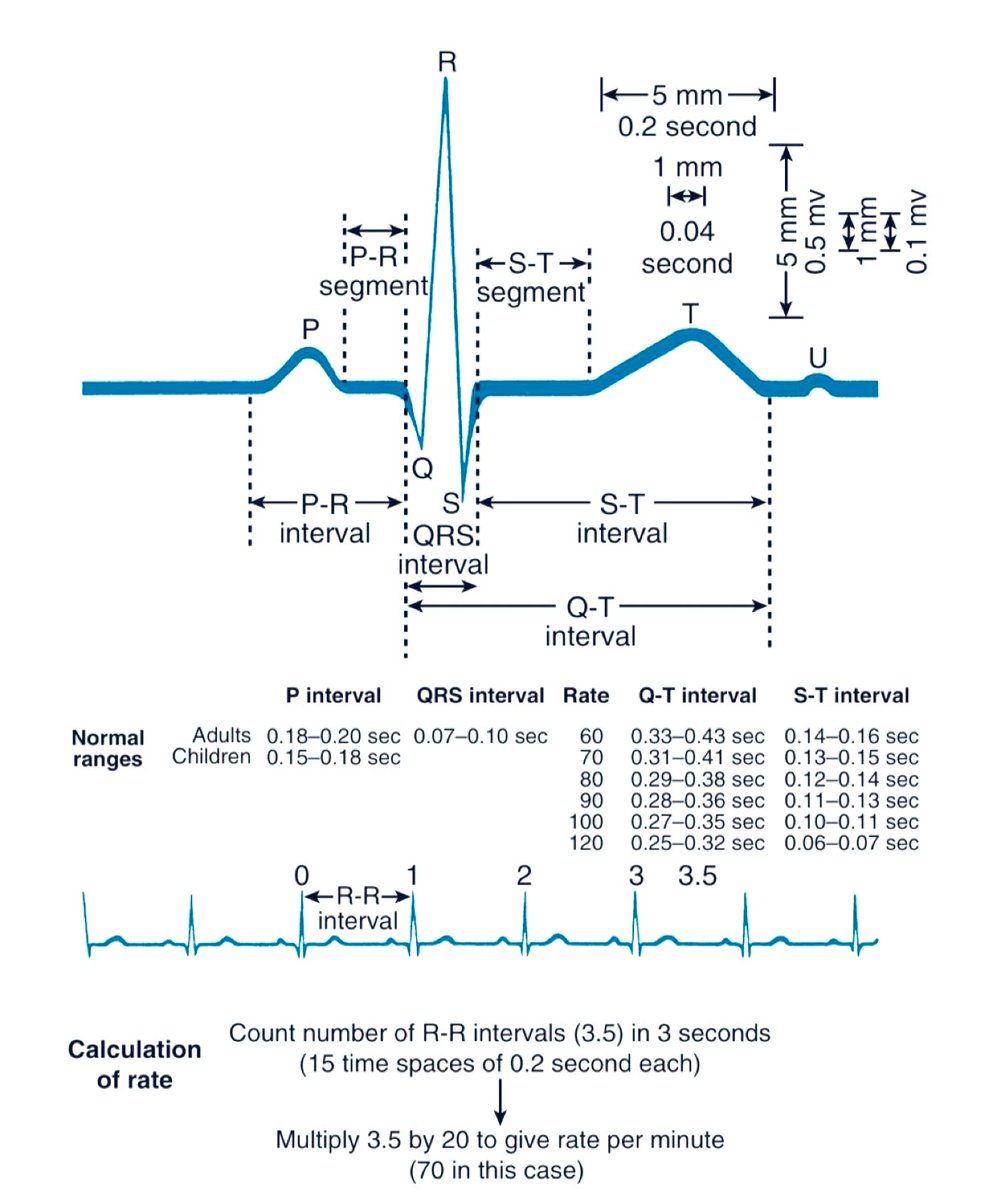
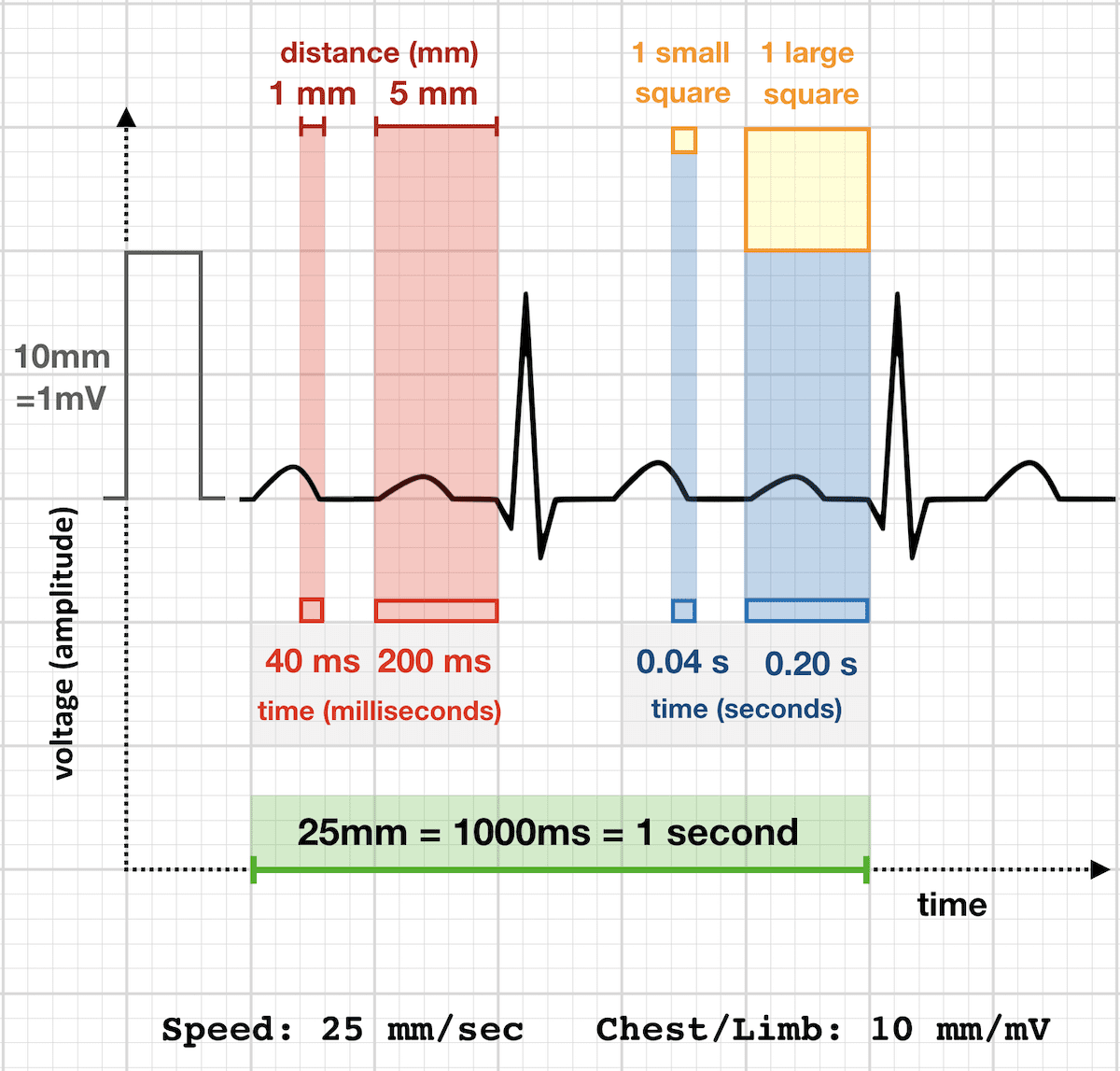
1. Paper Speed
The standard ECG paper speed is 25 mm/s, meaning:
◾1 small square = 0.04 s
◾1 large square = 0.20 s (5 small squares)
2. Calibration
This determines the amplitude of the waves:
⏺️ 1 mV = 10 mm (i.e., 2 large squares vertically) Image
Nov 7 11 tweets 4 min read
How the ECG Tells You Where VT Is Coming From

1️⃣ When a rhythm comes from the ventricles, it travels slowly across muscle instead of racing through the Purkinje system. That’s why VT is wide, fast, and regular. Image 2️⃣ Next trick: look at the bundle-branch pattern.

- VT that looks like LBBB usually started in the right ventricle.
- VT that looks like RBBB usually started in the left ventricle.
Impulse travels away from its origin as if the opposite bundle is blocked. Image
Aug 8 9 tweets 4 min read
Differential Diagnosis of ST-Segment Elevation

ST-segment elevation on ECG isn’t always a heart attack. Here’s a breakdown of cardiac and non-cardiac causes every clinician should keep in mind. 🧵 Image 1️⃣ Myocardial Ischemia or Infarction
🔸Noninfarction, transmural ischemia: Prinzmetal (vasospastic) angina, takotsubo syndrome.
🔸Acute MI: From obstructive coronary occlusion or other causes.
🔸Post-MI: Persistent ST elevation from ventricular aneurysm. Image
Aug 5 15 tweets 5 min read
Interpreting an #ECG can seem overwhelming at first, but with a structured approach, it becomes far more manageable.

In this thread, I’ll walk you through how to analyze an ECG like a professional, step by step.

Let’s begin.🧵 Image Step 0: Initial Checks
1. Paper Speed
The standard ECG paper speed is 25 mm/s, meaning:
◾1 small square = 0.04 s
◾1 large square = 0.20 s (5 small squares)
2. Calibration
This determines the amplitude of the waves:
⏺️ 1 mV = 10 mm (i.e., 2 large squares vertically) Image
Jun 18 7 tweets 3 min read
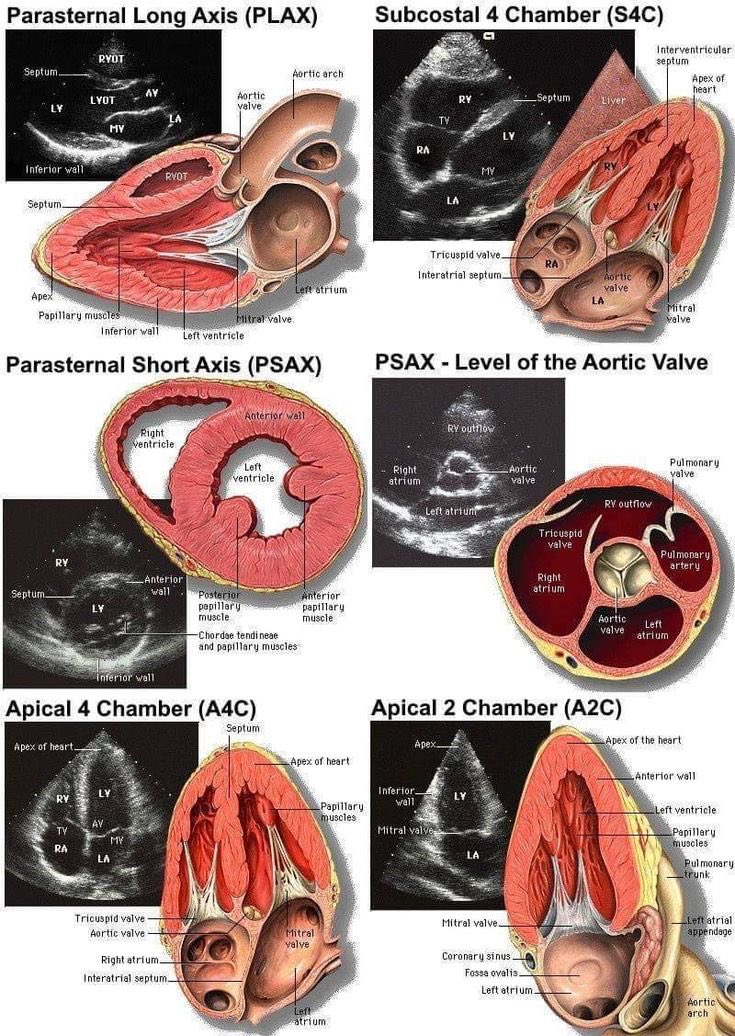
Transthoracic Echocardiographic (TTE) Views: A Complete Guide

Understanding TTE views is essential for accurate cardiac imaging. Let’s break down the 5 core views:

1️⃣ Parasternal Long Axis
2️⃣ Parasternal Short Axis
3️⃣ Apical
4️⃣ Subxiphoid
5️⃣ Suprasternal

A thread 🧵 Image 1️⃣ Parasternal Long Axis (PLAX)
- Patient Position: Left lateral decubitus
- Probe Placement: Left of sternum, 3rd–4th ICS
- Marker Direction: Toward right shoulder

Structures Seen:
🔹LV (sagittal view)
🔹RV inflow
🔹LVOT & aortic valve
🔹Mitral valve
🔹LA & descending aorta Image
May 25 5 tweets 2 min read
Left Bundle Branch Block (LBBB) & Septal Infarction – Understanding the ECG Clues

1/
What is LBBB?
LBBB is a conduction abnormality where electrical impulses are delayed or blocked in the left bundle branch, leading to abnormal depolarization of the left ventricle. Image 2/
Mechanism of Uncomplicated (Pure) LBBB
- The septum, normally activated left to right, now activates right to left (from RV to LV).
- This reversed septal activation means early forces point leftward.
- As a result, no Q waves appear in lateral leads (V5, V6). Image