What does a 1,000 ship hybrid navy look like? 20 frigates and destroyers, each with two 1,000 ton Type 91 LUSVs makes an effective surface force of 60 escorts. Aother 40 smaller 350 ton Type 92 'sloops' and Type 93 Chariot UUVS provide an ASW barrier as part of Atlantic Bastion?
Hundreds of Helsing SG-1 Fathom wave gliders form the ISR component of the ASW barrier, serviced by contracted support ships. Hundreds more Kraken Scout small USVs patrol the UK'sinfrastructure and choke points in the Gulf, at Gibraltar and the English Channel.
The wave gliders are supported by ACUA Ocean persistent surveillance LUSVs, holding station in the deep ocean. 20-30 BAES Herne or M-Subs CETUS XLUUVs deployed from Type 26, support ships or AUKUS SSNs to patrol undersea cables or hunt submarines.
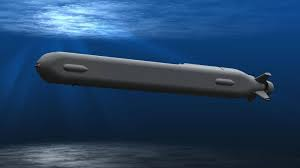
30-40 autonomous MCM vessels provide a deployable mine countermeasures capability, in the UK, at HMNB Clyde to protect the SSBNs and in the Gulf. These are supported by 3-4 support ships, which can also support other types of autonomous vessels in the littoral zone.
The crewed element remains Type 26 and Type 31 frigates and Type 45 and the new Type 83 destroyers, Astute and Aukus SSNs. SSN numbers increase from 7 to 12, and FFG/DDGs numbers rise to 20. OPVs are gradually replaced by crewed support ships for smaller autonomous systems.
Coastal forces is transformed into a service supporting the delployment of smaller USVs such as the Kraken Scouts currently aquired under project Beehive and the Anglo-Norwegian Littoral Strike Craft. These vessels are supported by the transformed OPV flotilla and MRSS.
The Resurgent class FSS and MRSS are configured to carry Navy PODS, enabling the transportation and deployment of smaller autonomous systems globally or during amphibious operations, they can also carry additional batteries of weapons as arsenal ships - linked by the DTW.
The carriers are configured to operate MQ-9B Sea Guardian in STOL configuration with both the Saab AEW and the Leonardo ASW fit as options, provividing wide area ASW and AEW ISR and SIGINT for Atlantic Bastion and beyond. Airframes are added to the RAF order.
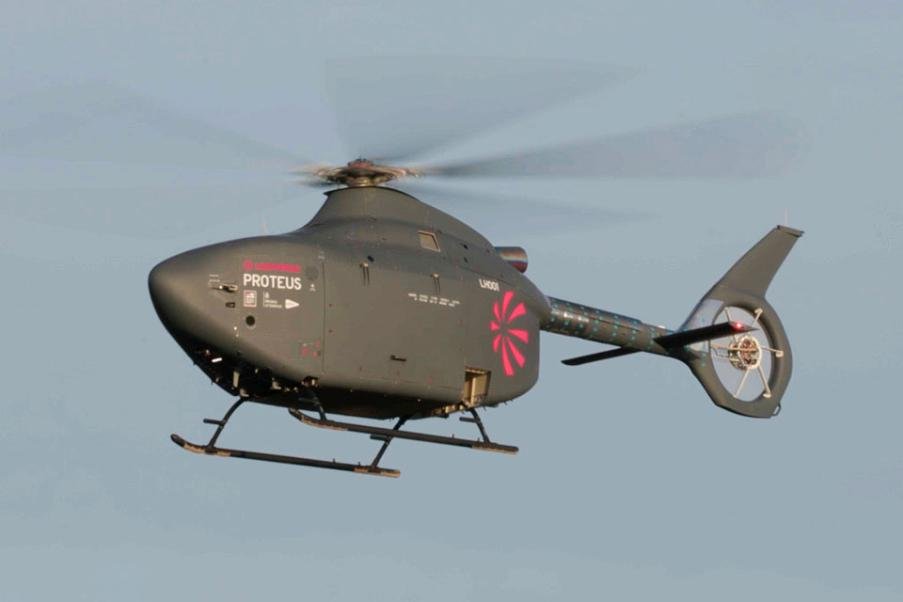
Proteus RUAVs provide ASW, ISR and logistics from Type 26, TYpe 83, RFAs, MRSS and LUSVs. Smaller Peregrine RUAVs operate from Type 31, Type 45 and LUSVs. F-35B numbers increased to 63, enabling two carrier air groups of 24 in a surge, augmented by a new carrier strike ACP.
LUSVs could operate drones such as the T150 carrying Stingray torpedos in the ASW role, as well as low cost C-UAS weapons such as a naval variant of Rapid Sentry or the Cambridge Aerospace Skyhammer or Starhammer interceptor drones or micro missiles, or long range OWEs.
These are in addition to an option for conventional VLS with missiles such as CAMM-MR on the larger Type 91 LUSVs, which would be required for those operating as part of FADS with Type 45 and Type 83 destroyers. Navy PODS will be critical to providing capabilities for LUSVs.
The Royal Marines Commandos can call on both Littoral Strike Craft and supprt craft and a range of USVs and UAVs, operating from the new MRSS mothership. These conduct ISR, strike and provide escort for coastal, raiding and amphibious operations.
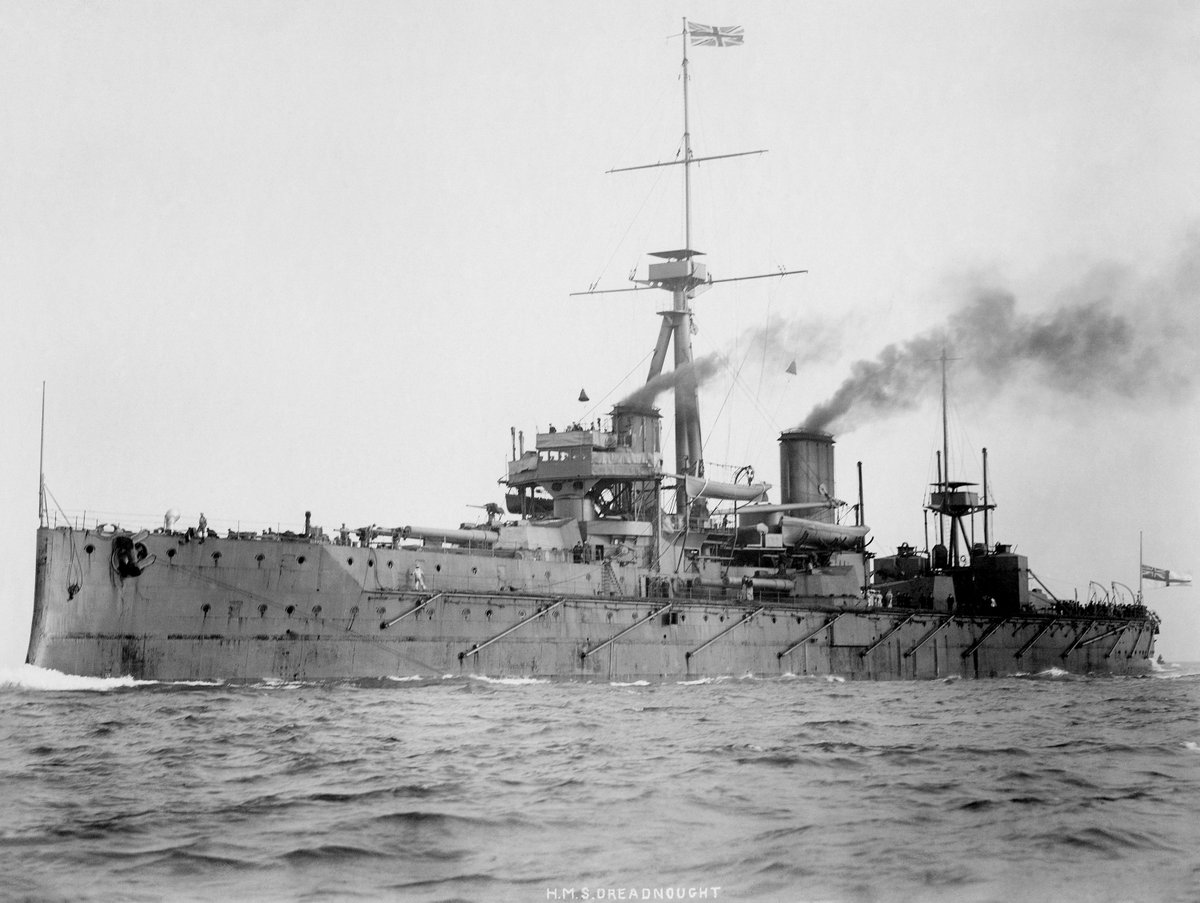
The opportunity to build a new navy that breaks the mould and embraces the hybrid-autonomous future is here. The RN has always pioneered new ways of fighting, from dreadnoughts, aircraft carriers, to radar, sonar, gas turbines, helicopters and VSTOL. That time is here again.
@threadreaderapp unroll
• • •
Missing some Tweet in this thread? You can try to
force a refresh

Albert Ball VC, DSO and two bars, MC preferred the Nieuport 17 with his famous bespoke red spinner. Ball's scored most of his victories in the diminutive French fighter. At the time of his death in May 1917 he was Britain's leading ace with 44 kills.
Ball's 56 squadron converted to the more powerful Royal Aircraft Factroy SE5 in April 1917, which he disliked despite having his aircraft specially modified. After some lobbying he was also allowed to keep his Nieuport. Ball was killed in combat with Albatros D Vs of Jasta 11.
The Red Baron's younger brother Lothar von Richthofen was credited with shooting down Ball, although there is some doubt as he claimed a Sopwith Triplane that day, not a SE5. Ball was the first and probably most famous of the RFC's ace, fourth highest scoring British ace overall.
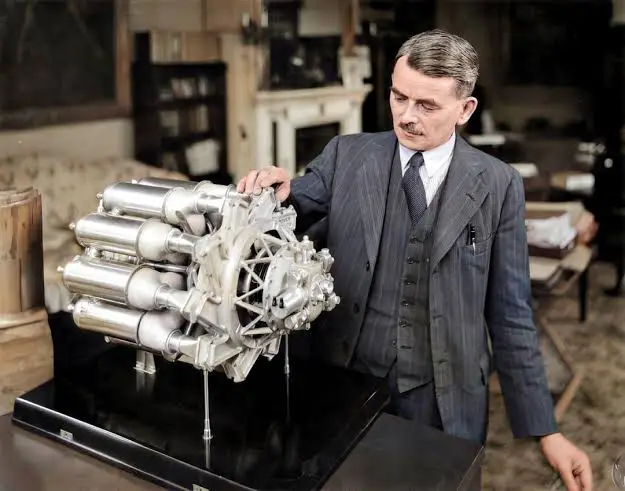
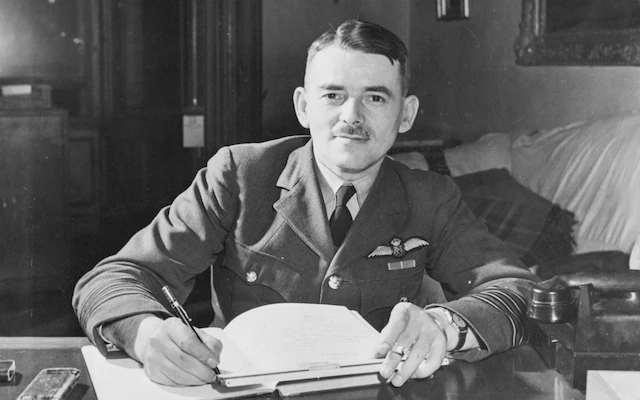
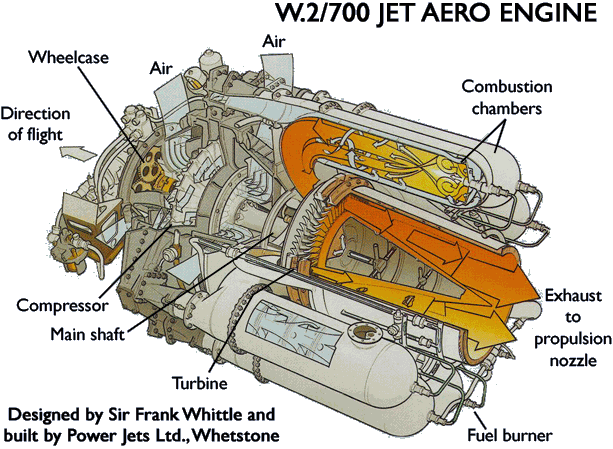
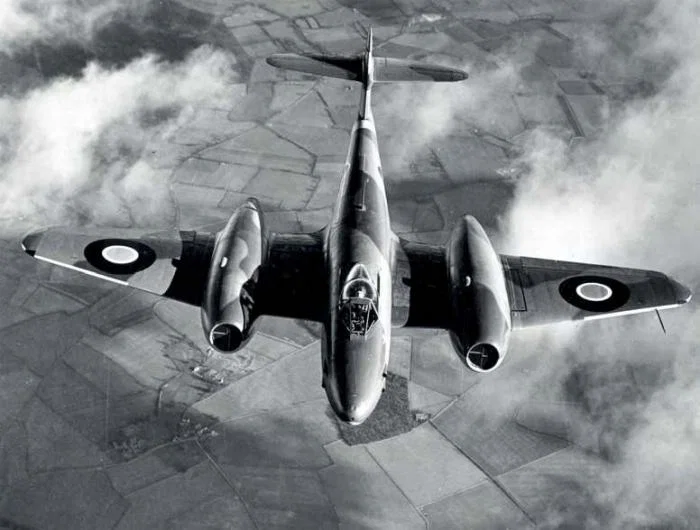
The importance of the Meteor was its powerplant, the first British jet engine. Frank Whittle, a working class maths genius with a passion for aviation, was the driving force. Whittle joined the RAF as an apprentice and rose to become a flying instructor and test pilot.
For his commission at Cranwell, he wrote a thesis on new directions in aircraft design, proposing a more efficicent direct thrust system for long distance high altitude flight. He sketched out an idea for a combustion chamber fed by a piston engine driven compressor.
The idea was not entirely new, but had been rejected as impractical by engine manufacturers. Whittle's potential was recognised by one of his fellow officers who helped him gain a patent, and the RAF sponsored him to take an engineering degree at Cambridge.
In January 1945, four Meteor F 3 jets from 616 Squadron RAF were forward deployed to Melsbroek in Belgium. Forbidden from flying over German territory, it was hoped that they could draw the German Me 262 into combat.
The detachment were all painted white as a precaution against misidentification as Gesrman jets. The scheme served as useful winter camoflage in February. By March these had been replaced by seventeen improved F 3s (with Derwent rather than Welland engines) in standard camo.
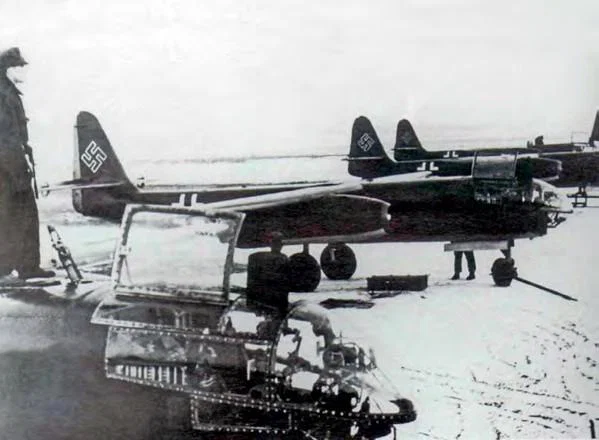
At this point the squadron moved to the former Luftwaffe base at Gilze-Rijen near Breda in southern Holland after one Meteor was damaged on the ground by an Arado 234 'Blitz' jet bomber of III/KG76, two of which attacked Melsbroek on 19th March.
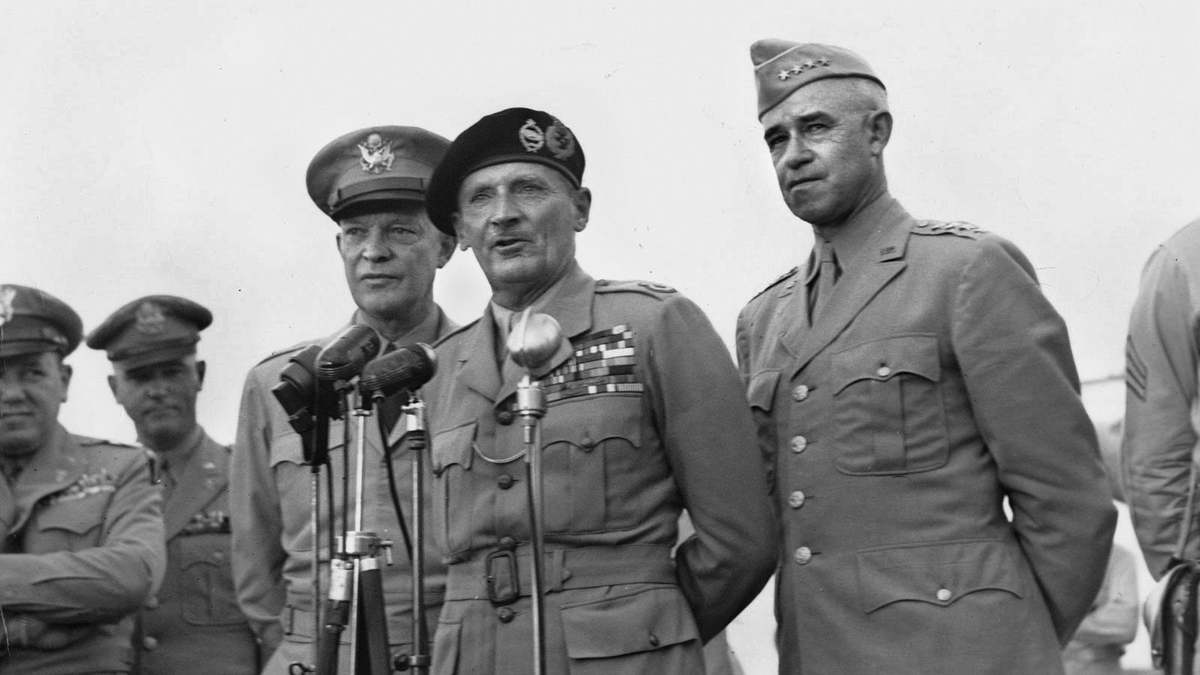
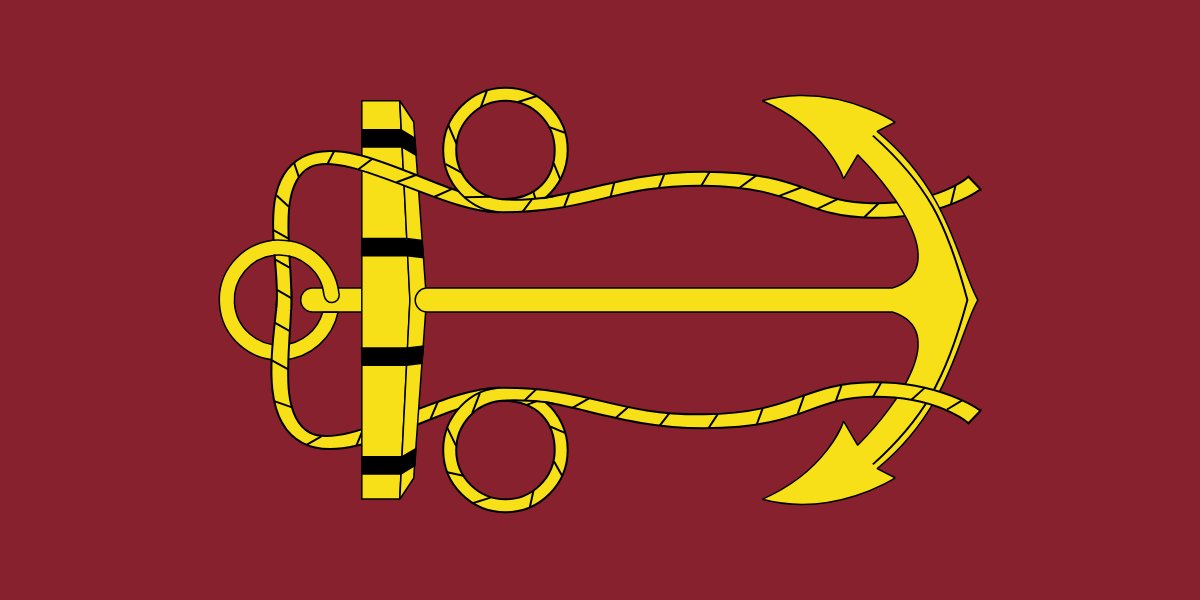
Are Monty, Ike and the end of Admiralty connected? It was on the fields of Europe that the future of the post-war world was settled in 1944. Twenty short years later Britain had handed over the reins of leadership and a narrative was crafted to explain the transition to the USA.
We are perhaps at a new point of inflextion when that era may be coming to a close, and we may have to pick up the reins, or oars, once again. If not to lead the west, to at least to find the fairway. Revisting that narrative, and our place in it, may be a first essential step.
Monty, the victor of El Alamein and military architech of D-Day was lambasted by Ike and his bookish acolyte Omar Bradley in their memoirs, and by Ike's trumpet Cornelius Ryan. The myth they created echoed through Hollywood for 50 years from the Longest Day to Band of Brothers.
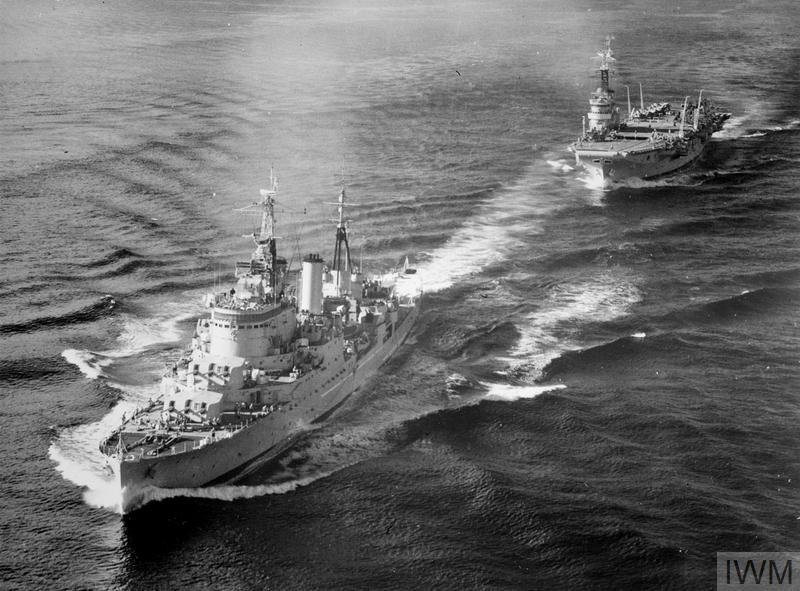
Its worth remembering what the Royal Navy looked like in 1964, the year the Admiralty was abolished and rolled into MOD. There were still three fleets each with a carrier, in the UK, Med and at Singapore, together with task forces in the Gulf, Red Sea and at Hong Kong.
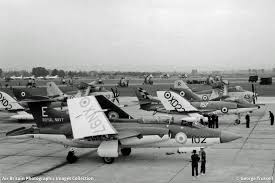
The Fleet Air Arm had more fast jets than the RAF has today, and over two hundred helicopters. More than a hundred destroyers and frigates protected these forces. Two more carriers were in refit rotation, and each fleet also had submarine and minesweeper flottilas.
During 1964 the navy conducted ampbibious operations and air strikes in both Borneo and Aden, simultaneously, without missing a beat, or affecting NATO ASW and surface fleet committments to shadow the Soviet Navy in the Med and North Atlantic.
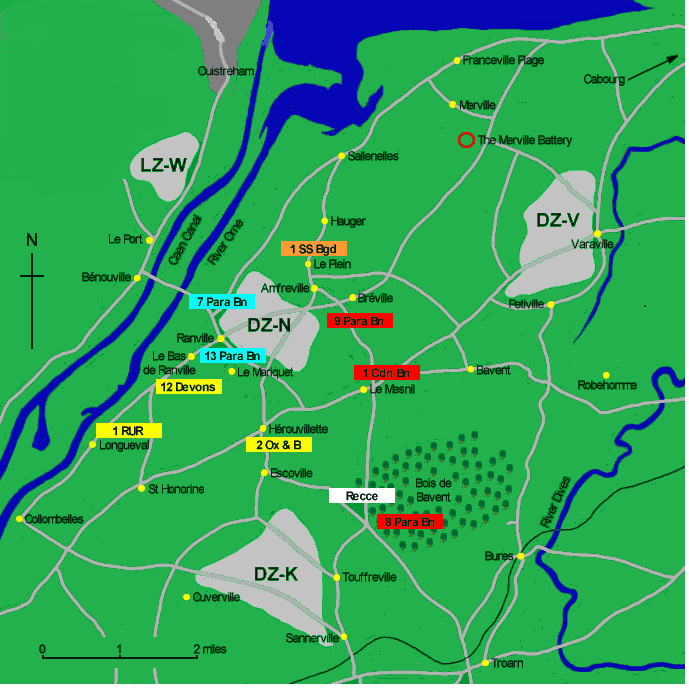
The battles to capture Breville and hold the ridge to secure the western flank of the invasion lodgement were exceptionally fierce, where 6th Airborne and 1st Special Service Brigade fought together, reinforced by elements of 51st Highland Division, to hold off counterattacks.
Ater D-Day the German 346th Division was sent east from Le Havre to reinforce the 711th static infantry division in the salient between the Orne and Dives taken by 6th Airborne on D-Day. 6th Airborne also faced counterattacks by 21st Panzer from the south against Ranville.
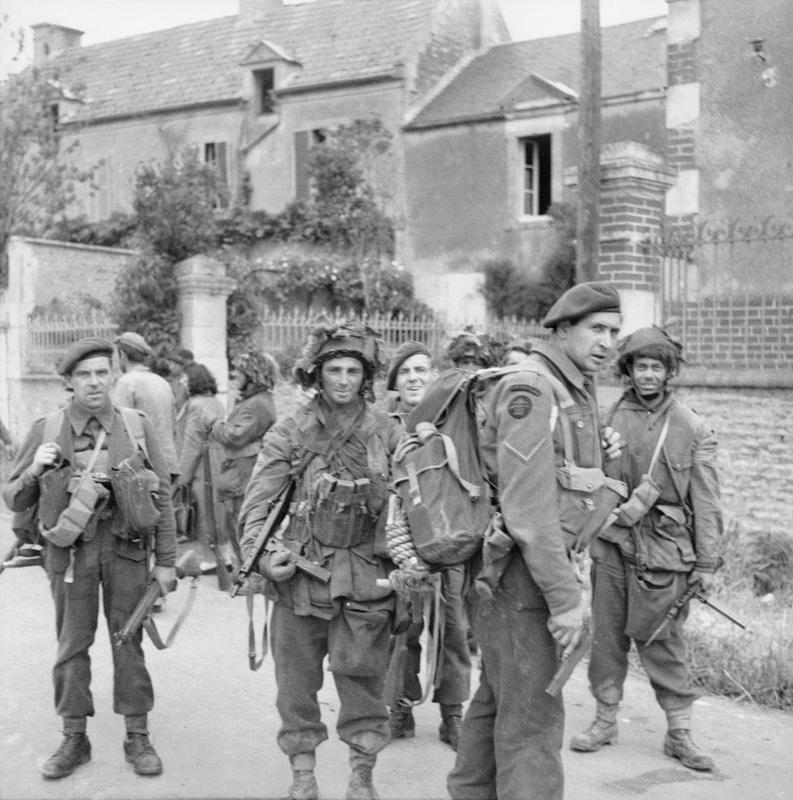
The lightly equipped airborne forces were reinforced by the three battalion-sized commandos of 1 Special Service Brigade, and fell back to hold a salient around the bridges over the Orne, protected by a ridge of high ground to the north and Ranville village to the south.