10 common marriage problems
(and how strong husbands actually fix them)
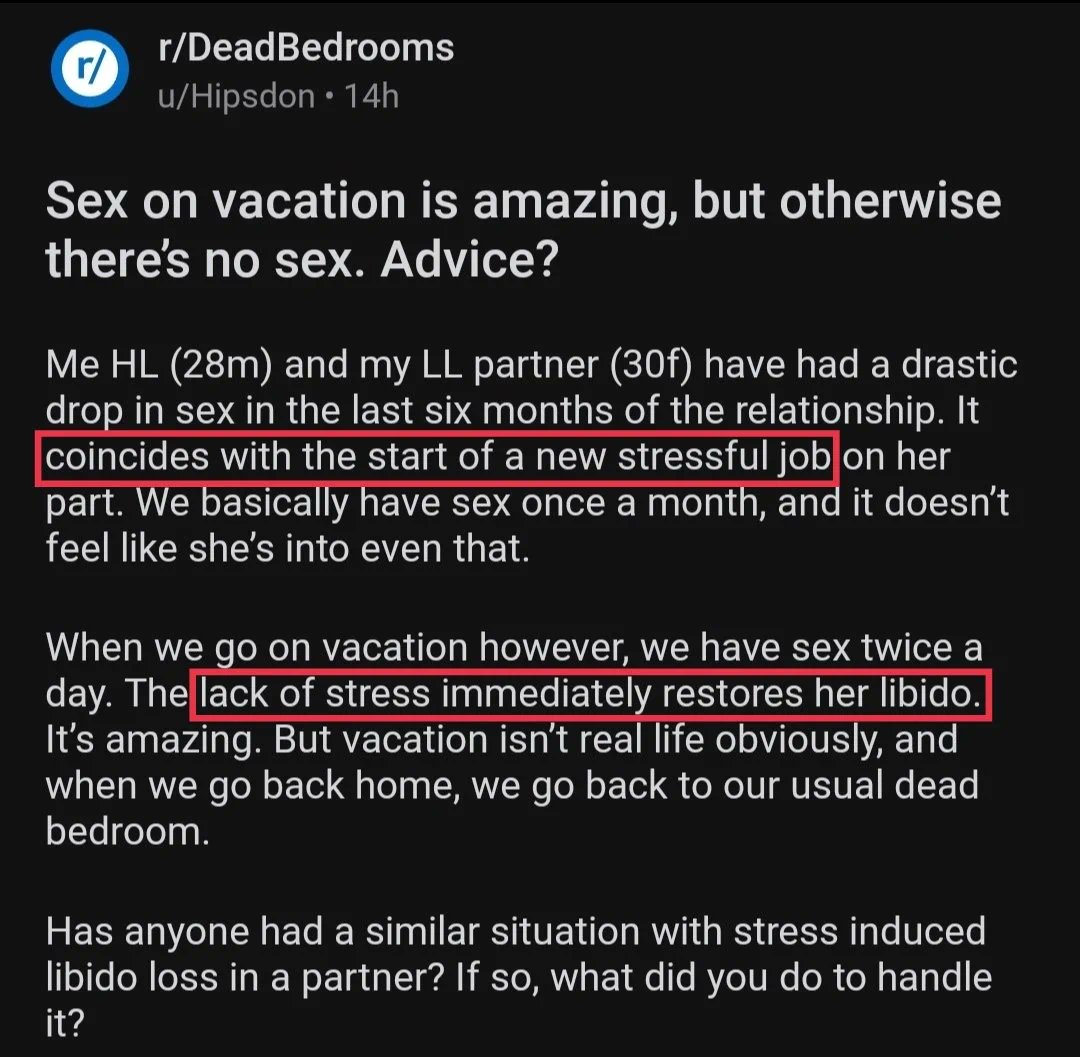
1. “My wife’s sex drive is low”
Usually it’s not “low sex drive.”
It’s pressure, stress, resentment, shame, or not feeling desired.
Masculine men lower pressure, reduce her mental load, and make closeness feel safe again.
(and how strong husbands actually fix them)
1. “My wife’s sex drive is low”
Usually it’s not “low sex drive.”
It’s pressure, stress, resentment, shame, or not feeling desired.
Masculine men lower pressure, reduce her mental load, and make closeness feel safe again.

2. “Why isn’t my wife happy?”
Because female unhappiness is rarely solved by endless appeasement.
If you keep thinking, “once I do XYZ she’ll finally settle,” you’ll chase your tail.
Lead the atmosphere.
Build gratitude.
Set boundaries.
Stop negotiating with every mood.
Because female unhappiness is rarely solved by endless appeasement.
If you keep thinking, “once I do XYZ she’ll finally settle,” you’ll chase your tail.
Lead the atmosphere.
Build gratitude.
Set boundaries.
Stop negotiating with every mood.
3. “My wife is always nagging me”
Nagging usually grows where irritation is piling up.
Unfinished jobs.
Broken things.
Loose ends.
Half-done leadership.
Fix what you’ve let slide.
Then bring more calm, fun, and affection into the house.
Nagging usually grows where irritation is piling up.
Unfinished jobs.
Broken things.
Loose ends.
Half-done leadership.
Fix what you’ve let slide.
Then bring more calm, fun, and affection into the house.
4. “She doesn’t follow my lead”
A wife does not follow words alone.
She follows weight.
If you want her to take you seriously, become more decisive, more competent, more disciplined, and more worth following.
A wife does not follow words alone.
She follows weight.
If you want her to take you seriously, become more decisive, more competent, more disciplined, and more worth following.
5. “Why does she start fights?”
Because attention, unresolved hurt, and accumulated resentment all come out sideways.
Don’t reward drama.
But don’t be stupid enough to think the issue is always the surface topic either.
Stay calm.
See the pattern.
Lead the moment.
Because attention, unresolved hurt, and accumulated resentment all come out sideways.
Don’t reward drama.
But don’t be stupid enough to think the issue is always the surface topic either.
Stay calm.
See the pattern.
Lead the moment.
6. “What does she want?”
To feel safe.
To feel cherished.
To feel chosen.
To feel sexually wanted without feeling used.
Strong husbands understand that tenderness, thoughtfulness, and desire are not opposites.
To feel safe.
To feel cherished.
To feel chosen.
To feel sexually wanted without feeling used.
Strong husbands understand that tenderness, thoughtfulness, and desire are not opposites.
7. “How do I stop her disrespect?”
First, stop being flimsy.
Sharpen your body.
Sharpen your speech.
Sharpen your standards.
Then hold boundaries calmly.
A weak man begs for respect.
A solid man makes disrespect costly.
First, stop being flimsy.
Sharpen your body.
Sharpen your speech.
Sharpen your standards.
Then hold boundaries calmly.
A weak man begs for respect.
A solid man makes disrespect costly.
8. “How do I handle her moods?”
Not by becoming reactive.
Not by interrogating every feeling.
Most of the time she needs your steadiness more than your analysis.
Hold frame.
Keep your peace.
Change the atmosphere.
Not by becoming reactive.
Not by interrogating every feeling.
Most of the time she needs your steadiness more than your analysis.
Hold frame.
Keep your peace.
Change the atmosphere.
9. “How do I make her find me sexier?”
In order:
1. Mission and status
2. Decisiveness
3. Humour and charisma
4. Style and grooming
5. Strength and fitness
Looks matter.
But for men, attractive presence matters more.
In order:
1. Mission and status
2. Decisiveness
3. Humour and charisma
4. Style and grooming
5. Strength and fitness
Looks matter.
But for men, attractive presence matters more.
10. “How do I make her feel sexier?”
Make her feel uniquely chosen.
Take her out.
Praise her.
Notice her.
Give her experiences that feel special.
Women light up when they feel cherished, not compared.
Make her feel uniquely chosen.
Take her out.
Praise her.
Notice her.
Give her experiences that feel special.
Women light up when they feel cherished, not compared.
Most marriage problems get fixed when the man becomes calmer, stronger, clearer, more attractive, and more responsible.
• • •
Missing some Tweet in this thread? You can try to
force a refresh