1/ You can't bolt AI onto chaos.
In biotech, if your data is a mess, your AI won't save you.
Build the data strategy first. Here's how.
In biotech, if your data is a mess, your AI won't save you.
Build the data strategy first. Here's how.
2/
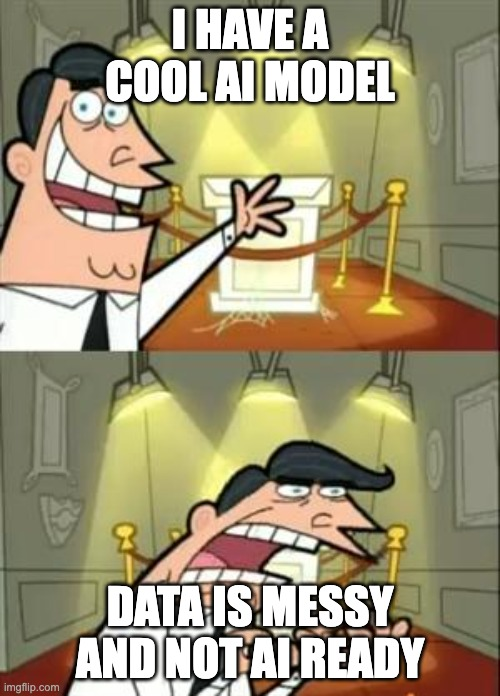
Real-world data isn't AI-ready.
Without structure, governance, and clarity, it’s noise.
AI needs fuel. And that fuel is clean data.
Real-world data isn't AI-ready.
Without structure, governance, and clarity, it’s noise.
AI needs fuel. And that fuel is clean data.
3/
At a biotech startup, we learned this the hard way.
Here’s what I took from a panel and years of practice.
The essentials:
Governance
Management
Metadata
Team dynamics
Tool choices
At a biotech startup, we learned this the hard way.
Here’s what I took from a panel and years of practice.
The essentials:
Governance
Management
Metadata
Team dynamics
Tool choices
4/
Start with data governance.
Access control.
Versioning.
Basic security.
Do it early. Fixing leaks later costs 10x more.
Start with data governance.
Access control.
Versioning.
Basic security.
Do it early. Fixing leaks later costs 10x more.
5/
Cloud is great—but only if you use it right.
Define who sees what.
Set folder rules.
Use Google or AWS security playbooks. They’re free and solid.
Cloud is great—but only if you use it right.
Define who sees what.
Set folder rules.
Use Google or AWS security playbooks. They’re free and solid.
6/
Next up: Data management.
Chaos begins with "just toss it in the drive."
Don’t.
Structure folders. Standardize metadata.
Make it findable again.
Next up: Data management.
Chaos begins with "just toss it in the drive."
Don’t.
Structure folders. Standardize metadata.
Make it findable again.
7/
Spreadsheets are fine—until they aren’t.
Start smart:
“Female” not “F”
No weird characters
Train your wet lab team. Seriously.
Spreadsheets are fine—until they aren’t.
Start smart:
“Female” not “F”
No weird characters
Train your wet lab team. Seriously.
8/
You’ll accrue technical debt. That’s fine.
If someone curses your naming scheme 5 years from now, congrats.
You survived.
You’ll accrue technical debt. That’s fine.
If someone curses your naming scheme 5 years from now, congrats.
You survived.
9/
But please—do the basics right.
Read this paper. Print it. Frame it.
“Data Organization in Spreadsheets”
tandfonline.com/doi/full/10.10…
But please—do the basics right.
Read this paper. Print it. Frame it.
“Data Organization in Spreadsheets”
tandfonline.com/doi/full/10.10…
10/
Public data is cheap.
In-house data is gold.
Use a LIMS to track it.
Know where each sample came from.
Know what each file means.
Public data is cheap.
In-house data is gold.
Use a LIMS to track it.
Know where each sample came from.
Know what each file means.
11/
Aim for FAIR:
Findable
Accessible
Interoperable
Reusable
Even doing 70% right will put you ahead.
Aim for FAIR:
Findable
Accessible
Interoperable
Reusable
Even doing 70% right will put you ahead.
12/
Keep it simple:
Internal/
├── RNAseq/
├── WGS/
Public/
├── TCGA/
├── ENCODE/
Each with a README. Just say what the data is and where it came from.
Keep it simple:
Internal/
├── RNAseq/
├── WGS/
Public/
├── TCGA/
├── ENCODE/
Each with a README. Just say what the data is and where it came from.
13/
README template:
When was this data generated?
What experiment?
Where’s the preprocessing code?
Who should I ask?
README template:
When was this data generated?
What experiment?
Where’s the preprocessing code?
Who should I ask?
14/
You’ll get pressure to move fast.
Investors want plots, not pipelines.
But for big projects—do it right.
Rushed analysis rots from the inside.
You’ll get pressure to move fast.
Investors want plots, not pipelines.
But for big projects—do it right.
Rushed analysis rots from the inside.
15/
Custom tools give you power.
Commercial tools give you speed.
Pick based on your team’s skill—not vendor marketing decks.
Custom tools give you power.
Commercial tools give you speed.
Pick based on your team’s skill—not vendor marketing decks.
16/
And finally—people.
Your computational and wet lab teams must sit together.
Talk daily. Argue weekly. Trust always.
And finally—people.
Your computational and wet lab teams must sit together.
Talk daily. Argue weekly. Trust always.
17/
Example:
Bioinformaticians prep the Seurat object.
Wet lab explores it in Shiny.
This builds insight AND independence.
Example:
Bioinformaticians prep the Seurat object.
Wet lab explores it in Shiny.
This builds insight AND independence.
18/
Good data strategy isn't sexy.
But it's the foundation.
It makes your R&D faster, your AI smarter, and your team happier.
Good data strategy isn't sexy.
But it's the foundation.
It makes your R&D faster, your AI smarter, and your team happier.
19/
Startups die by disorganized data.
Don’t be one of them.
Fix your foundation now—before the chaos scales.
Startups die by disorganized data.
Don’t be one of them.
Fix your foundation now—before the chaos scales.
20/
Have you seen data disasters in biotech?
How did you fix it—or not?
Reply and let’s trade war stories.
Have you seen data disasters in biotech?
How did you fix it—or not?
Reply and let’s trade war stories.
I hope you've found this post helpful.
Follow me for more.
Subscribe to my FREE newsletter chatomics to learn bioinformatics divingintogeneticsandgenomics.ck.page/profile x.com/433559451/stat…
Follow me for more.
Subscribe to my FREE newsletter chatomics to learn bioinformatics divingintogeneticsandgenomics.ck.page/profile x.com/433559451/stat…
• • •
Missing some Tweet in this thread? You can try to
force a refresh