Everything your doctor told you about managing autoimmunity is incomplete
Not wrong. Incomplete
After years as a patient and a practitioner, here are the HILLS I WILL DIE ON as an autoimmune survivor
Strap in. It'll be a bumpy ride
(THREAD 🧵)
Not wrong. Incomplete
After years as a patient and a practitioner, here are the HILLS I WILL DIE ON as an autoimmune survivor
Strap in. It'll be a bumpy ride
(THREAD 🧵)
HILL 1:
Autoimmunity doesn't start in the immune system.
It starts in the environment that trained it.
Your immune system learned what to attack from your gut lining, your toxic load, your light environment, your stress history.
The fire isn't the problem. The conditions that started it are.
Autoimmunity doesn't start in the immune system.
It starts in the environment that trained it.
Your immune system learned what to attack from your gut lining, your toxic load, your light environment, your stress history.
The fire isn't the problem. The conditions that started it are.
HILL 2
Leaky gut is not a wellness blogger invention
It's in peer-reviewed gastroenterology literature.
Intestinal hyperpermeability
Tight junction dysfunction
Zonulin dysregulation
When your gut barrier breaks down, partially digested proteins enter circulation and your immune system has to make fast decisions about what's self and what's invader.
It gets it wrong. A lot
But unraveling the gut isn't just about a protocol, its about understanding the person on an individual level, their unique background, nervous system states, prior health history, terrain, antibiotic use, exposures....
This isn't a supplement and done problem
Leaky gut is not a wellness blogger invention
It's in peer-reviewed gastroenterology literature.
Intestinal hyperpermeability
Tight junction dysfunction
Zonulin dysregulation
When your gut barrier breaks down, partially digested proteins enter circulation and your immune system has to make fast decisions about what's self and what's invader.
It gets it wrong. A lot
But unraveling the gut isn't just about a protocol, its about understanding the person on an individual level, their unique background, nervous system states, prior health history, terrain, antibiotic use, exposures....
This isn't a supplement and done problem
HILL 3
Molecular mimicry is one of the most underappreciated mechanisms in autoimmunity and almost nobody talks about it.
Your immune system recognizes threats by shape. Some food proteins and pathogens have shapes similar enough to your own tissue that a primed immune system attacks both.
Gluten and thyroid tissue. EBV and myelin. The list goes on.
Molecular mimicry is one of the most underappreciated mechanisms in autoimmunity and almost nobody talks about it.
Your immune system recognizes threats by shape. Some food proteins and pathogens have shapes similar enough to your own tissue that a primed immune system attacks both.
Gluten and thyroid tissue. EBV and myelin. The list goes on.
HILL 4
Th1/Th2 (T-Helper 1/T-Helper 2) imbalance is not a supplement problem.
Th1 handles viruses and bacteria.
Th2 handles parasites. In a sanitized modern world with no parasites to fight, Th2 gets bored and starts attacking everything.
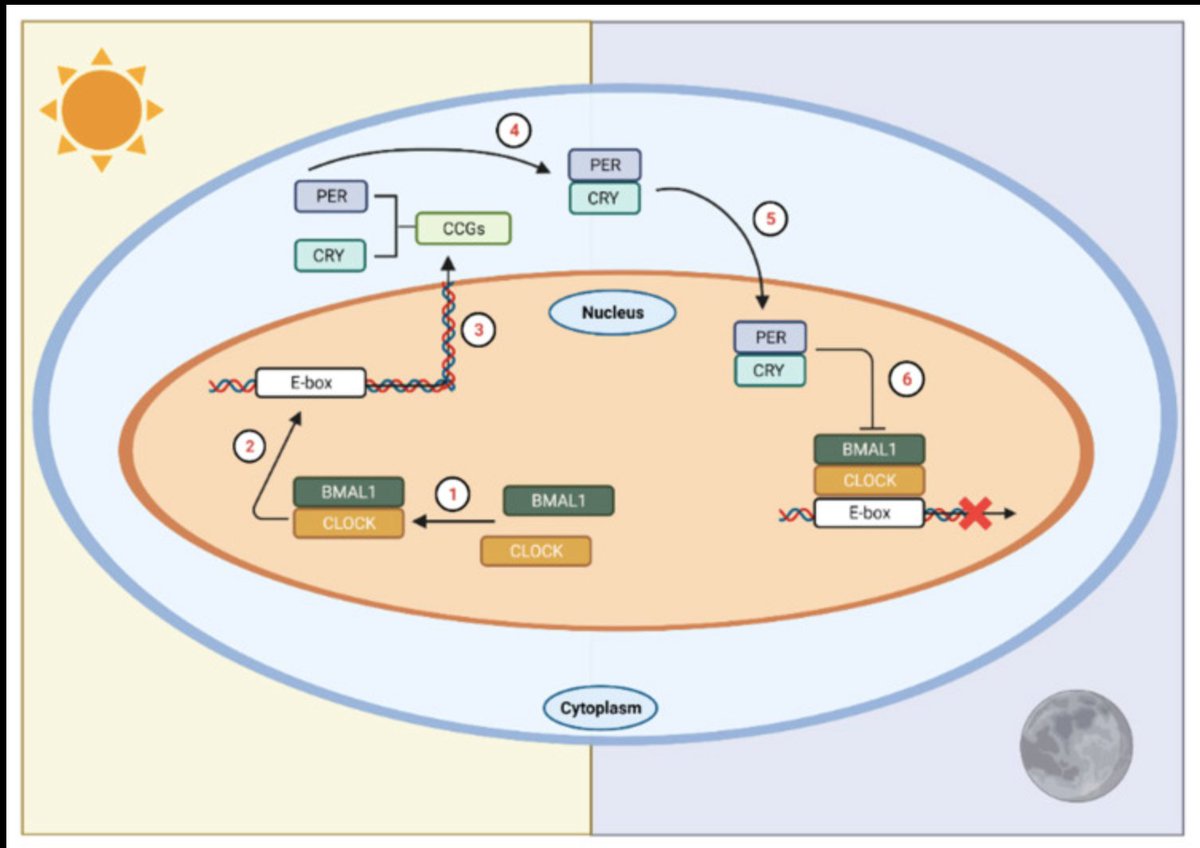
No amount of quercetin fixes that if your circadian rhythm is destroyed, your cortisol is flat, and you're eating at midnight.
Fix the inputs driving the skew.
Th1/Th2 (T-Helper 1/T-Helper 2) imbalance is not a supplement problem.
Th1 handles viruses and bacteria.
Th2 handles parasites. In a sanitized modern world with no parasites to fight, Th2 gets bored and starts attacking everything.
No amount of quercetin fixes that if your circadian rhythm is destroyed, your cortisol is flat, and you're eating at midnight.
Fix the inputs driving the skew.
HILL 5
Mast cell activation syndrome is one of the most underdiagnosed conditions hiding inside chronic illness.
Reactions to foods, smells, chemicals, temperature. Brain fog that comes out of nowhere. Flushing. GI chaos.
Mast cells sit at the intersection of your immune system and your nervous system.
When they're dysregulated, everything downstream is dysregulated.
Most people never get the diagnosis.
Mast cell activation syndrome is one of the most underdiagnosed conditions hiding inside chronic illness.
Reactions to foods, smells, chemicals, temperature. Brain fog that comes out of nowhere. Flushing. GI chaos.
Mast cells sit at the intersection of your immune system and your nervous system.
When they're dysregulated, everything downstream is dysregulated.
Most people never get the diagnosis.
HILL 6
Your microbiome is not a digestive organ.
It's an immune organ.
70% of your immune tissue lines your gut.
The bacteria living there are actively training your T cells, producing short-chain fatty acids that drive Treg induction, and communicating directly with your enteric nervous system.
Remember: Antibiotics, processed food, and circadian disruption don't just wreck digestion.
They wreck immune education.
Your microbiome is not a digestive organ.
It's an immune organ.
70% of your immune tissue lines your gut.
The bacteria living there are actively training your T cells, producing short-chain fatty acids that drive Treg induction, and communicating directly with your enteric nervous system.
Remember: Antibiotics, processed food, and circadian disruption don't just wreck digestion.
They wreck immune education.
HILL 7
Treg cells are your immune system's referees. They call off attacks, prevent friendly fire, and maintain tolerance to your own tissue.
Treg dysfunction is the common thread in virtually every autoimmune condition.
And almost nobody in conventional or functional medicine is talking about what actually supports Treg function. Short-chain fatty acids. Vitamin D at optimal levels. Vagal tone. Sleep architecture.
Again, not just more supplements
Treg cells are your immune system's referees. They call off attacks, prevent friendly fire, and maintain tolerance to your own tissue.
Treg dysfunction is the common thread in virtually every autoimmune condition.
And almost nobody in conventional or functional medicine is talking about what actually supports Treg function. Short-chain fatty acids. Vitamin D at optimal levels. Vagal tone. Sleep architecture.
Again, not just more supplements
HILL 8
Some infections don't just trigger autoimmunity and leave.
EBV, Lyme, certain enteroviruses. They can create persistent immune dysregulation that outlasts the pathogen by years.
The infection clears. The loop doesn't.
If you triggered after a virus and never fully recovered, this is not in your head. It's a neuroimmune feedback circuit that never got the signal to stand down.
Some infections don't just trigger autoimmunity and leave.
EBV, Lyme, certain enteroviruses. They can create persistent immune dysregulation that outlasts the pathogen by years.
The infection clears. The loop doesn't.
If you triggered after a virus and never fully recovered, this is not in your head. It's a neuroimmune feedback circuit that never got the signal to stand down.
HILL 9
Maybe the biggest one...
The standard autoimmune treatment model suppresses the immune system without ever asking why it activated in the first place.
That's literally like asserting volume control on a smoke alarm while the fire burns (dumb)
Immunosuppression medication has its place.
But it is not a root cause strategy. And most patients are never offered one.
Maybe the biggest one...
The standard autoimmune treatment model suppresses the immune system without ever asking why it activated in the first place.
That's literally like asserting volume control on a smoke alarm while the fire burns (dumb)
Immunosuppression medication has its place.
But it is not a root cause strategy. And most patients are never offered one.
These are my hills.
The autoimmune conversation is missing the upstream question: what environment produced this immune system in the first place?
Change the environment. Change the output. Change Your Life.
If you want to go deeper on the mechanisms behind all of this, the community link is below. Live Q&As, labs, protocols every week hosted with @Mitopapi
Join here: skool.com/holisticdynast…
Stay Healthy.
The autoimmune conversation is missing the upstream question: what environment produced this immune system in the first place?
Change the environment. Change the output. Change Your Life.
If you want to go deeper on the mechanisms behind all of this, the community link is below. Live Q&As, labs, protocols every week hosted with @Mitopapi
Join here: skool.com/holisticdynast…
Stay Healthy.
• • •
Missing some Tweet in this thread? You can try to
force a refresh