On Palm Sunday morning April 18 1943, 18 American P-38 Lightning fighters took off from Guadalcanal at dawn.
16 of them would continue on a 1,000 mile round trip mission across open ocean.
Their target was a single Mitsubishi G4M Betty bomber.
Inside that bomber was the Japanese admiral who had planned the attack on Pearl Harbor.
American codebreakers had handed his flight itinerary to the Navy 4 days earlier.
This is the story of Operation Vengeance..🧵1/6
16 of them would continue on a 1,000 mile round trip mission across open ocean.
Their target was a single Mitsubishi G4M Betty bomber.
Inside that bomber was the Japanese admiral who had planned the attack on Pearl Harbor.
American codebreakers had handed his flight itinerary to the Navy 4 days earlier.
This is the story of Operation Vengeance..🧵1/6

🧵 2/6
The intercepted message was decrypted on April 14 1943 by United States Navy codebreakers working under a program codenamed Magic. The Americans had been quietly reading the Japanese naval cipher JN-25D for over a year. The Japanese did not know.
The decoded message contained the complete inspection itinerary of Admiral Isoroku Yamamoto, Commander in Chief of the Japanese Combined Fleet. It listed his departure time from Rabaul. It listed his arrival time at the airstrip on the island of Ballale, just off the southern coast of Bougainville. It identified the aircraft he would be flying in. It identified his fighter escort.
The information went straight to Admiral Chester Nimitz at Pacific Fleet headquarters in Pearl Harbor. From there it went to Secretary of the Navy Frank Knox in Washington. From there it went to the White House.
President Franklin Roosevelt is reported to have given Knox a short instruction. Get Yamamoto. There is no surviving official record of those exact words but the order was passed down. On April 17 1943 Knox transmitted an authorization to Admiral Nimitz that read: "Squadron 339 P-38 must at all costs reach and destroy. President attaches extreme importance to mission."
Yamamoto was the man Americans blamed more than any other for Pearl Harbor. He had planned the attack. He had ordered it. He was now flying himself directly into range of American fighters operating from Guadalcanal.
The Americans had one chance to kill him.
The intercepted message was decrypted on April 14 1943 by United States Navy codebreakers working under a program codenamed Magic. The Americans had been quietly reading the Japanese naval cipher JN-25D for over a year. The Japanese did not know.
The decoded message contained the complete inspection itinerary of Admiral Isoroku Yamamoto, Commander in Chief of the Japanese Combined Fleet. It listed his departure time from Rabaul. It listed his arrival time at the airstrip on the island of Ballale, just off the southern coast of Bougainville. It identified the aircraft he would be flying in. It identified his fighter escort.
The information went straight to Admiral Chester Nimitz at Pacific Fleet headquarters in Pearl Harbor. From there it went to Secretary of the Navy Frank Knox in Washington. From there it went to the White House.
President Franklin Roosevelt is reported to have given Knox a short instruction. Get Yamamoto. There is no surviving official record of those exact words but the order was passed down. On April 17 1943 Knox transmitted an authorization to Admiral Nimitz that read: "Squadron 339 P-38 must at all costs reach and destroy. President attaches extreme importance to mission."
Yamamoto was the man Americans blamed more than any other for Pearl Harbor. He had planned the attack. He had ordered it. He was now flying himself directly into range of American fighters operating from Guadalcanal.
The Americans had one chance to kill him.
🧵 3/6
The mission was assigned to Major John W. Mitchell, commander of the 339th Fighter Squadron of the 347th Fighter Group, 13th Air Force, based at Kukum Field on Guadalcanal.
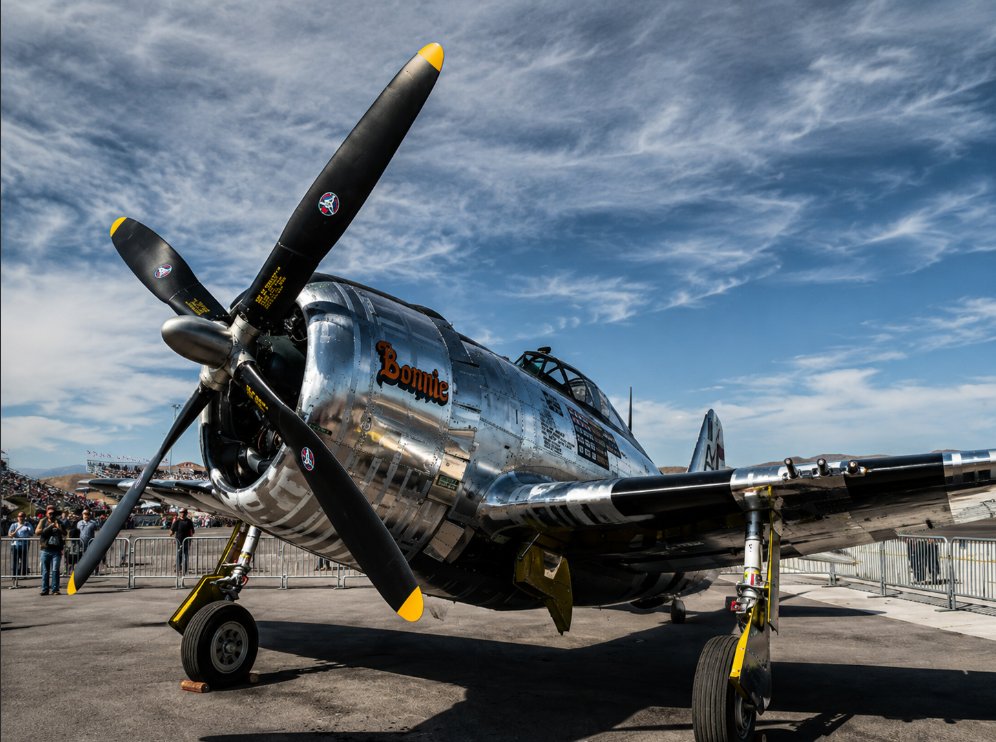
The only American aircraft with the range to reach Bougainville from Guadalcanal was the Lockheed P-38G Lightning. Twin engined. Twin tailed. Heavily armed with four .50 caliber machine guns and a single 20 millimeter cannon mounted in the nose.
Mitchell rejected the flight plan prepared by his command operations officer and drew his own. He calculated the intercept point on the southwestern edge of Bougainville. He calculated the time of intercept as 9:35 AM, ten minutes before Yamamoto was expected to land. He worked backwards from that time and drew four precisely calculated legs across the open Pacific.
To avoid Japanese radar and observation posts on the Solomon Islands, the P-38s would not fly the direct 400 mile route to Bougainville. They would fly a circuitous 600 mile route west of the islands. They would fly at no more than 50 feet above the open ocean. They would maintain strict radio silence the entire way.
Mitchell privately told friends he believed the odds of even finding Yamamoto's flight, let alone shooting it down, were a thousand to one.
18 P-38s were assigned to the mission. 4 of them would form the killer flight tasked with attacking Yamamoto's bombers directly. The remaining aircraft would provide top cover at 18,000 feet, with two acting as spares.
The killer flight as originally planned was led by Captain Thomas Lanphier with First Lieutenant Rex Barber as his wingman. The second element was led by First Lieutenant James McLanahan with First Lieutenant Joseph Moore as his wingman.
The mission was assigned to Major John W. Mitchell, commander of the 339th Fighter Squadron of the 347th Fighter Group, 13th Air Force, based at Kukum Field on Guadalcanal.
The only American aircraft with the range to reach Bougainville from Guadalcanal was the Lockheed P-38G Lightning. Twin engined. Twin tailed. Heavily armed with four .50 caliber machine guns and a single 20 millimeter cannon mounted in the nose.
Mitchell rejected the flight plan prepared by his command operations officer and drew his own. He calculated the intercept point on the southwestern edge of Bougainville. He calculated the time of intercept as 9:35 AM, ten minutes before Yamamoto was expected to land. He worked backwards from that time and drew four precisely calculated legs across the open Pacific.
To avoid Japanese radar and observation posts on the Solomon Islands, the P-38s would not fly the direct 400 mile route to Bougainville. They would fly a circuitous 600 mile route west of the islands. They would fly at no more than 50 feet above the open ocean. They would maintain strict radio silence the entire way.
Mitchell privately told friends he believed the odds of even finding Yamamoto's flight, let alone shooting it down, were a thousand to one.
18 P-38s were assigned to the mission. 4 of them would form the killer flight tasked with attacking Yamamoto's bombers directly. The remaining aircraft would provide top cover at 18,000 feet, with two acting as spares.
The killer flight as originally planned was led by Captain Thomas Lanphier with First Lieutenant Rex Barber as his wingman. The second element was led by First Lieutenant James McLanahan with First Lieutenant Joseph Moore as his wingman.
🧵 4/6
The P-38s lifted off from Kukum Field at 7:25 AM on Palm Sunday, April 18 1943.
Two aircraft dropped out within minutes. McLanahan blew a tire on takeoff. Moore could not release his drop tanks. The two spare pilots in the formation, First Lieutenant Besby Holmes and First Lieutenant Raymond Hine, moved up to fill their places in the killer flight. The mission continued with 16 aircraft.
For the next two hours they flew west across the open Pacific at 50 feet above the waves. Some pilots later said they could count sharks beneath their wings. Some counted pieces of driftwood. They did not transmit a single radio message.
Mitchell's navigation was perfect. The American formation arrived over the southwestern coast of Bougainville at 9:34 AM. One minute earlier than planned.
At that moment one of the pilots called out over the radio.
Two Mitsubishi G4M Betty bombers were descending toward Ballale airfield with six Zero fighters flying escort above them. Yamamoto was in the lead Betty. His chief of staff Vice Admiral Matome Ugaki was in the second.
The American pilots dropped their fuel tanks. The killer flight broke right and climbed to attack. Holmes could not release his drop tank. He and his wingman Hine continued on briefly to deal with it. That left only Lanphier and Barber to engage the bombers.
Lanphier broke upward to engage the descending Zero escorts. Barber attacked the bombers alone.
He fired his guns into the first Betty from behind and below. He saw smoke streaming from its left engine. The bomber rolled violently to its left and disappeared into the jungle canopy below.
Barber did not yet know which bomber he had just shot down.
The P-38s lifted off from Kukum Field at 7:25 AM on Palm Sunday, April 18 1943.
Two aircraft dropped out within minutes. McLanahan blew a tire on takeoff. Moore could not release his drop tanks. The two spare pilots in the formation, First Lieutenant Besby Holmes and First Lieutenant Raymond Hine, moved up to fill their places in the killer flight. The mission continued with 16 aircraft.
For the next two hours they flew west across the open Pacific at 50 feet above the waves. Some pilots later said they could count sharks beneath their wings. Some counted pieces of driftwood. They did not transmit a single radio message.
Mitchell's navigation was perfect. The American formation arrived over the southwestern coast of Bougainville at 9:34 AM. One minute earlier than planned.
At that moment one of the pilots called out over the radio.
Two Mitsubishi G4M Betty bombers were descending toward Ballale airfield with six Zero fighters flying escort above them. Yamamoto was in the lead Betty. His chief of staff Vice Admiral Matome Ugaki was in the second.
The American pilots dropped their fuel tanks. The killer flight broke right and climbed to attack. Holmes could not release his drop tank. He and his wingman Hine continued on briefly to deal with it. That left only Lanphier and Barber to engage the bombers.
Lanphier broke upward to engage the descending Zero escorts. Barber attacked the bombers alone.
He fired his guns into the first Betty from behind and below. He saw smoke streaming from its left engine. The bomber rolled violently to its left and disappeared into the jungle canopy below.
Barber did not yet know which bomber he had just shot down.
🧵 5/6
The Betty that Barber had shot down crashed into the jungle north of Buin on Bougainville. There were no survivors. The other Betty, carrying Ugaki, was hit by Barber and Holmes minutes later and ditched in the sea. Ugaki survived. Two other men with him also survived.
Barber's P-38 took 104 hits from Japanese fire during the engagement and his return flight. He flew it back to Guadalcanal.
Lieutenant Raymond Hine did not return. His P-38 was last seen during the engagement. He was never found. He was the only American lost on the mission.
The next day a Japanese army search party led by Lieutenant Hamasuna hacked through the jungle and reached the crash site of Yamamoto's bomber.
They found his body sitting upright in the wreckage of his seat which had been thrown clear of the aircraft. He was still strapped in. His white gloved hand was still clutching the hilt of his katana sword. His head was tilted slightly forward as if he was thinking. Hamasuna later wrote that the admiral was instantly recognizable.
A Japanese navy doctor later concluded that Yamamoto had been killed before the aircraft hit the jungle.
Yamamoto's body was cremated on Bougainville. Two papaya trees, his favorite fruit, were planted on the cremation pit. A small shrine was erected over the site. His ashes were carried back to Japan aboard the battleship Musashi, which had been his flagship.
The Japanese government kept his death secret from its own people for over a month. On May 21 1943 the Imperial Japanese Navy finally announced that Admiral Yamamoto had died "while engaged in combat operations on the front lines."
He was given a state funeral attended by one million mourners.
The Betty that Barber had shot down crashed into the jungle north of Buin on Bougainville. There were no survivors. The other Betty, carrying Ugaki, was hit by Barber and Holmes minutes later and ditched in the sea. Ugaki survived. Two other men with him also survived.
Barber's P-38 took 104 hits from Japanese fire during the engagement and his return flight. He flew it back to Guadalcanal.
Lieutenant Raymond Hine did not return. His P-38 was last seen during the engagement. He was never found. He was the only American lost on the mission.
The next day a Japanese army search party led by Lieutenant Hamasuna hacked through the jungle and reached the crash site of Yamamoto's bomber.
They found his body sitting upright in the wreckage of his seat which had been thrown clear of the aircraft. He was still strapped in. His white gloved hand was still clutching the hilt of his katana sword. His head was tilted slightly forward as if he was thinking. Hamasuna later wrote that the admiral was instantly recognizable.
A Japanese navy doctor later concluded that Yamamoto had been killed before the aircraft hit the jungle.
Yamamoto's body was cremated on Bougainville. Two papaya trees, his favorite fruit, were planted on the cremation pit. A small shrine was erected over the site. His ashes were carried back to Japan aboard the battleship Musashi, which had been his flagship.
The Japanese government kept his death secret from its own people for over a month. On May 21 1943 the Imperial Japanese Navy finally announced that Admiral Yamamoto had died "while engaged in combat operations on the front lines."
He was given a state funeral attended by one million mourners.
🧵 6/6
Yamamoto was succeeded as Commander in Chief of the Combined Fleet by Admiral Mineichi Koga.
Koga reportedly said: "There was only one Yamamoto, and no one can replace him."
The American mission pilots were each awarded the Navy Cross for the operation. Major Mitchell was originally nominated for the Medal of Honor for his navigation across the open Pacific. Admiral Halsey downgraded the nomination to the Navy Cross.
A controversy erupted almost immediately over who had actually shot down Yamamoto's bomber. Captain Lanphier publicly claimed the kill. So did First Lieutenant Barber. The United States Army Air Forces officially split the credit between both pilots.
The controversy continued for the next 60 years.
In the 1990s an aviation research team examined the wreck of Yamamoto's Betty bomber in the jungle of Bougainville. They analyzed the bullet hole patterns and found that every visible round had entered the aircraft from directly behind. The only American P-38 directly behind that bomber during the engagement had been Barber's. The Japanese fighter pilot Kenji Yanagiya, who had been escorting Yamamoto that morning and survived the war, confirmed the same details.
The 1985 official US Air Force panel split the credit between Lanphier and Barber. The 1993 Secretary of the Air Force called it "glory for the whole team." Most modern historians now credit Rex Barber alone.
Barber lived until 2001. Lanphier died in 1987. Mitchell died in 1995.
The wreck of Admiral Yamamoto's bomber still lies in the jungle north of Buin on Bougainville.
It has been there since Palm Sunday morning, April 18 1943.
The operation is often described as the longest successful fighter intercept mission of the entire Second World War, flown by American pilots that day, against an enemy admiral whose death had been authorized at the highest level of the United States government, from a flight plan delivered by codebreakers reading mail the enemy did not know they could read.
I post a story like this every single day. Most people never see them. Follow so you don't miss the next one.
Yamamoto was succeeded as Commander in Chief of the Combined Fleet by Admiral Mineichi Koga.
Koga reportedly said: "There was only one Yamamoto, and no one can replace him."
The American mission pilots were each awarded the Navy Cross for the operation. Major Mitchell was originally nominated for the Medal of Honor for his navigation across the open Pacific. Admiral Halsey downgraded the nomination to the Navy Cross.
A controversy erupted almost immediately over who had actually shot down Yamamoto's bomber. Captain Lanphier publicly claimed the kill. So did First Lieutenant Barber. The United States Army Air Forces officially split the credit between both pilots.
The controversy continued for the next 60 years.
In the 1990s an aviation research team examined the wreck of Yamamoto's Betty bomber in the jungle of Bougainville. They analyzed the bullet hole patterns and found that every visible round had entered the aircraft from directly behind. The only American P-38 directly behind that bomber during the engagement had been Barber's. The Japanese fighter pilot Kenji Yanagiya, who had been escorting Yamamoto that morning and survived the war, confirmed the same details.
The 1985 official US Air Force panel split the credit between Lanphier and Barber. The 1993 Secretary of the Air Force called it "glory for the whole team." Most modern historians now credit Rex Barber alone.
Barber lived until 2001. Lanphier died in 1987. Mitchell died in 1995.
The wreck of Admiral Yamamoto's bomber still lies in the jungle north of Buin on Bougainville.
It has been there since Palm Sunday morning, April 18 1943.
The operation is often described as the longest successful fighter intercept mission of the entire Second World War, flown by American pilots that day, against an enemy admiral whose death had been authorized at the highest level of the United States government, from a flight plan delivered by codebreakers reading mail the enemy did not know they could read.
I post a story like this every single day. Most people never see them. Follow so you don't miss the next one.
• • •
Missing some Tweet in this thread? You can try to
force a refresh