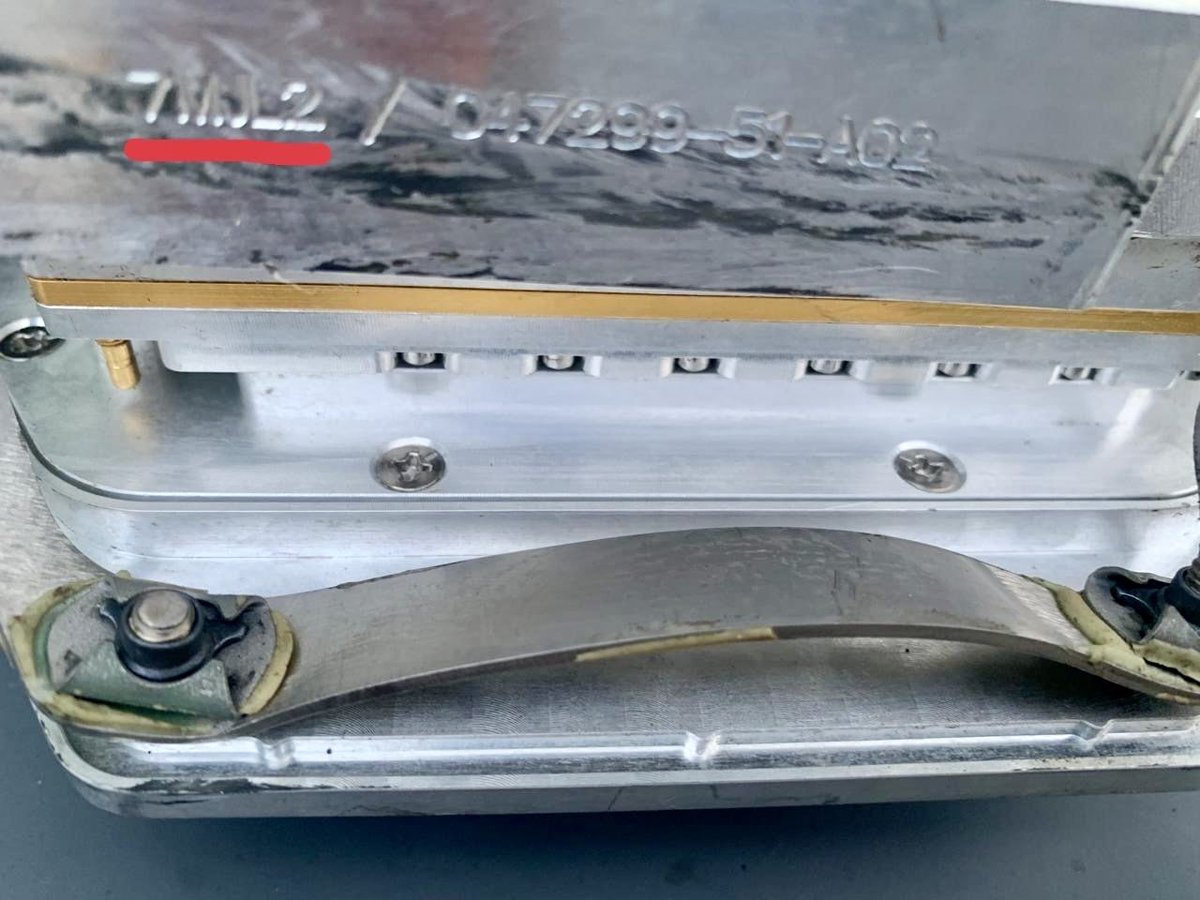
Since its disconnection from Starlink, Russia is urgently pushing forward its own LEO high-speed satellite constellation called “Rassvet”.
Ukrainian communications expert Serhii “Flash” Beskrestnov analyses its status and prospects.
1/
Ukrainian communications expert Serhii “Flash” Beskrestnov analyses its status and prospects.
1/
https://twitter.com/grandparoy2/status/2026366036380103062

“1. The enemy needs a ‘Russian StarLink’. Undoubtedly, Russia understands the importance of a high-speed data transmission system via low-orbit satellites, and it would be foolish to think they wouldn't pursue this direction. The question is just about timing.
2/
2/
“2. I have no idea which agencies or structures in our country are monitoring this project and considering potential problems. I can only speak for myself. Since the first day of the war, I've been collecting all the information on this topic, trying to analyze and monitor it.
3/
3/

“3. Why aren't we taking any countermeasures against this project? Because it doesn't show any signs or evidence of military use.
4/
4/
“Well, I'm curious - how do you envision countermeasures? Attacking our UAVs at the Plesetsk, Vostochny, and Baikonur cosmodromes to stop them from launching more mobile internet satellites? It sounds like nonsense to me.
5/
5/
“4. There are already the first 16 ‘Rassvet’ satellites in orbit. To ensure continuous and stable data transmission, at least 200-250 satellites need to be launched.
6/
6/

“The plan is to launch 300 more satellites in the next few years, and then another 700. We'll see when and how many will actually be launched. The timelines and plans are constantly changing.
7/
7/
“5. Can the existing satellites already be used against us for military purposes?
Theoretically, yes. A satellite can provide high-speed data transmission within 6-10 minutes as it passes over us. They pass over approximately once a day.
8/
Theoretically, yes. A satellite can provide high-speed data transmission within 6-10 minutes as it passes over us. They pass over approximately once a day.
8/
“Anyone interested in when and where they pass can download an app like Satellite Tracker.
Theoretically, the enemy could already install satellite internet terminals on Shahed drones and plan an attack during the satellites' passage, …
9/
Theoretically, the enemy could already install satellite internet terminals on Shahed drones and plan an attack during the satellites' passage, …
9/
“… but I believe this would be too difficult from an organizational point of view, and until there are enough satellites for stable communication, there will be no military application.
10/
10/
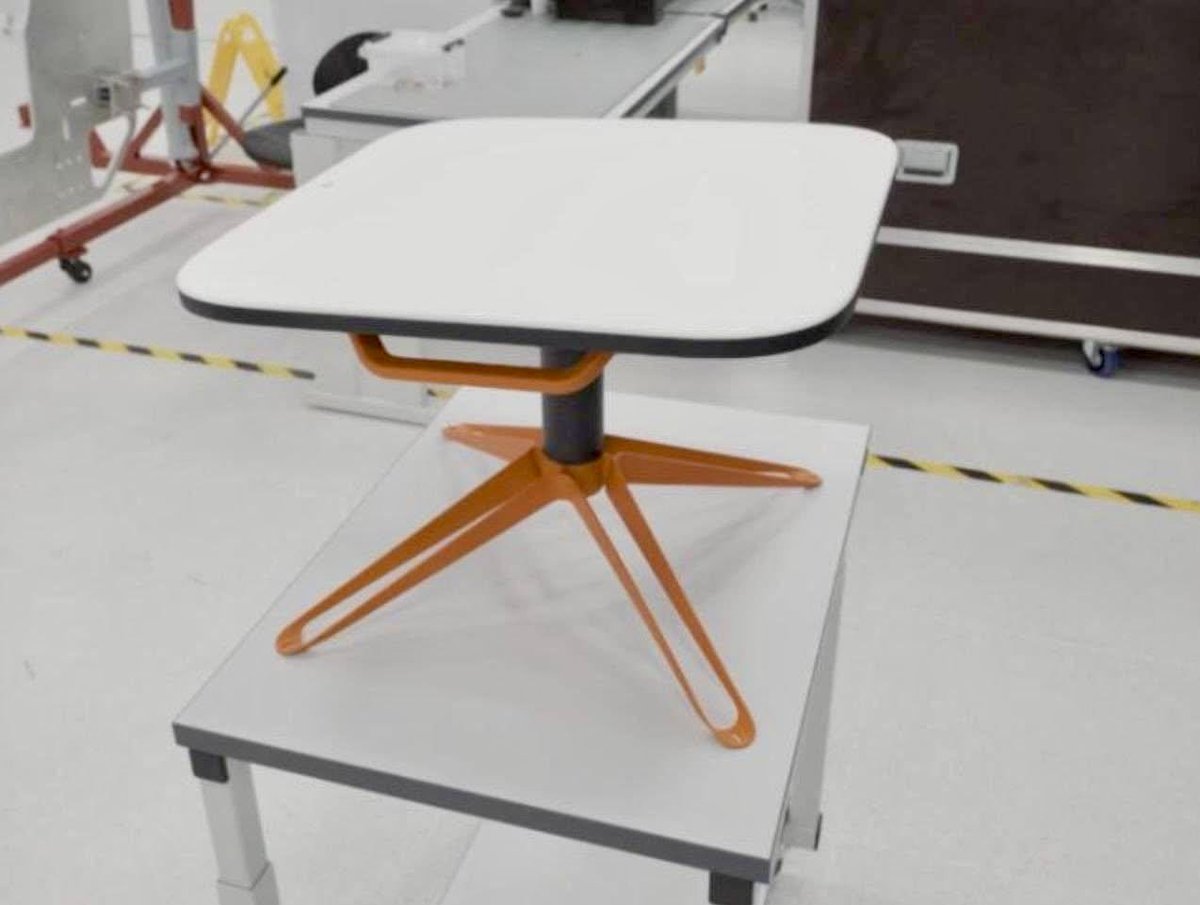
“6. If the "Rassvet" satellites start being used militarily, we'll detect it through satellite traffic, intelligence reports, or trophies. It depends on the type of use.
11/
11/
“7. What countermeasures against the "Rassvet" satellites could we take? Has Russia, with its scientific and technological potential, been able to do anything with ‘Starlinks’ in 4 years?
12/
12/
“No. So I think we won't be able to do anything either when there are too many satellites. But I do have some sneaky ideas 🙂 It's too early to test them now. The 16 satellites currently in orbit are operating in test mode.”
13/13
13/13
• • •
Missing some Tweet in this thread? You can try to
force a refresh