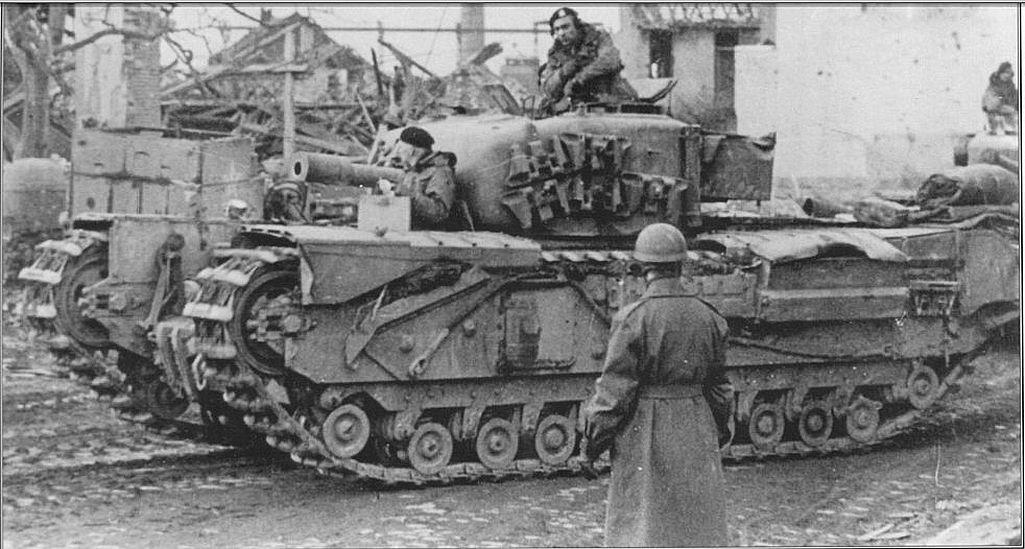
Wasps were tiny, low profile punchy flamethrower AFVs made from retrofitted Universal Carriers boasting effectively the same range as a Churchill Crocodile (120-140 yds) but carrying much smaller fuel tanks filled with Isobutyl Methacrylate or Napalm gel. /1
#WW2 #SWW #History
#WW2 #SWW #History
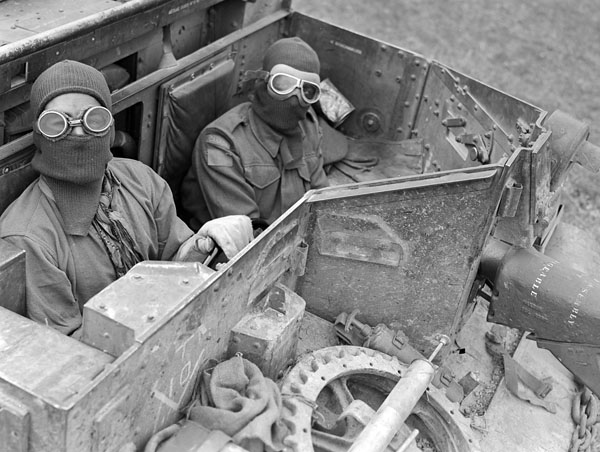
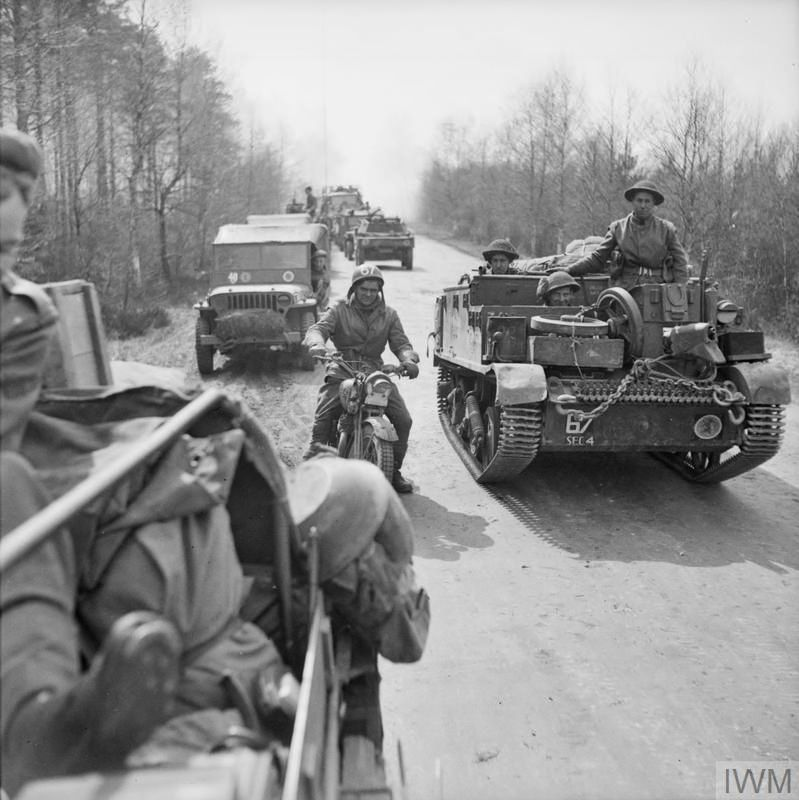


In contrast to the earlier Ronson and Mk I Wasp, the Mk IIs had two fuel tanks (of 40 and 60 gallons) and pressured CO2 canisters astride the Ford V8, completely filling the rear fighting compartment.
Limiting Wasp to two crew with no wireless set . /2
Limiting Wasp to two crew with no wireless set . /2

The Wasp IIC was a Canadian variant shoving a 75 gallon fuel tank onto the rear, granting a bit more space.
I mean the Universal's kangarooing three roadwheel suspension already made the damn things wallow enough. So both models really overloaded the poor lil' carrier chassis./3
I mean the Universal's kangarooing three roadwheel suspension already made the damn things wallow enough. So both models really overloaded the poor lil' carrier chassis./3


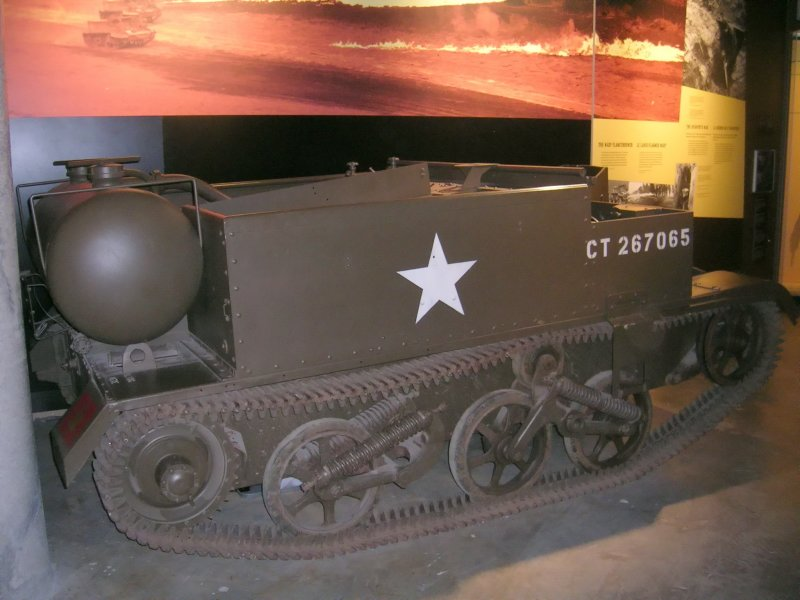

Although the flames usually erupted as a rod (see below), you can see droplets cascading away.
When crews shoved the flame projector to maximum elevation they could create an immolating stream of 'Golden Rain' to cover a massive area of ground, maybe 100 yds or so in one go. /4
When crews shoved the flame projector to maximum elevation they could create an immolating stream of 'Golden Rain' to cover a massive area of ground, maybe 100 yds or so in one go. /4
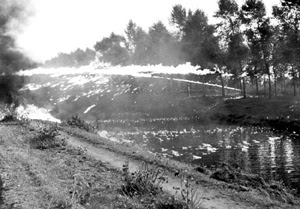
Wasps were originally part of the 3rd Canadian Division's line up on 6 June, but subsequently dropped.
Examples were raced to theatre with a training programme established to familiarise crews with these new devastating low profile weapons. /5
Examples were raced to theatre with a training programme established to familiarise crews with these new devastating low profile weapons. /5

So they didn't see operational use until 28 July as part of 53rd Welsh Division's Operation Travers: with Wasps crewed by soldiers from 1 HLI in support of 2 Mons.
The lack of comms somewhat complicated employment & extraction.
*Canuck Wasp IIs below* /6
The lack of comms somewhat complicated employment & extraction.
*Canuck Wasp IIs below* /6

So the overloaded Wasps, which would normally kangaroo anyway, would put massive demands on the Ford V8 AND relied on track warping steering making handling much more difficult.
So they were finicky things to drive, esp cross country, doubly so over unrecced ground. /7
So they were finicky things to drive, esp cross country, doubly so over unrecced ground. /7
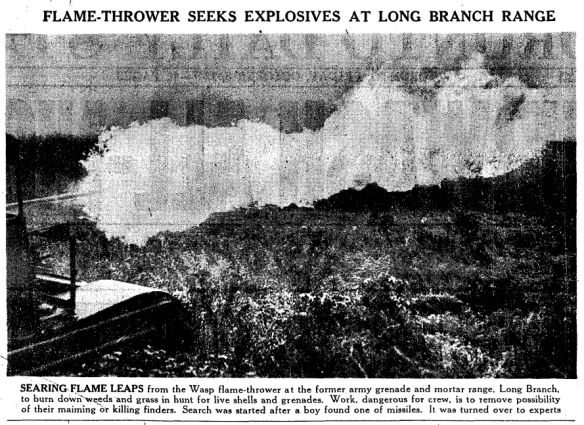
As a result due to various mishaps all three Wasps would be lost.
But...
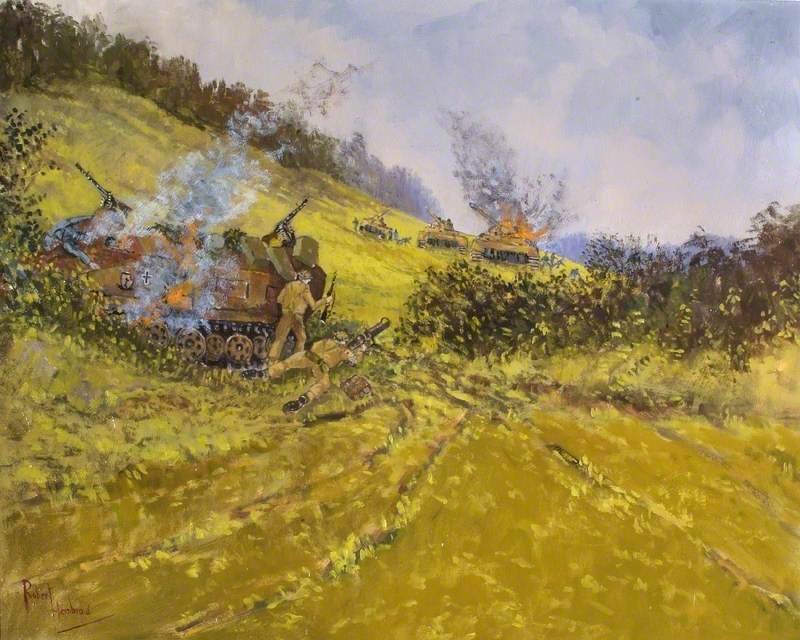
They attracted minimal fire and were able to devastate the German defensive position, forcing panicked withdrawal/collapsing German morale. Seeing 17 prisoners taken. /8
But...
They attracted minimal fire and were able to devastate the German defensive position, forcing panicked withdrawal/collapsing German morale. Seeing 17 prisoners taken. /8

These prisoners testified to the terrifying impact of the Wasps, and their employment clearly reduced casualties taken by 2 Mons.
At least 12 enemy were killed in the raid.
The terror factor had it all and saw the Wasp granted a gold star & employment expanded. /9
At least 12 enemy were killed in the raid.
The terror factor had it all and saw the Wasp granted a gold star & employment expanded. /9
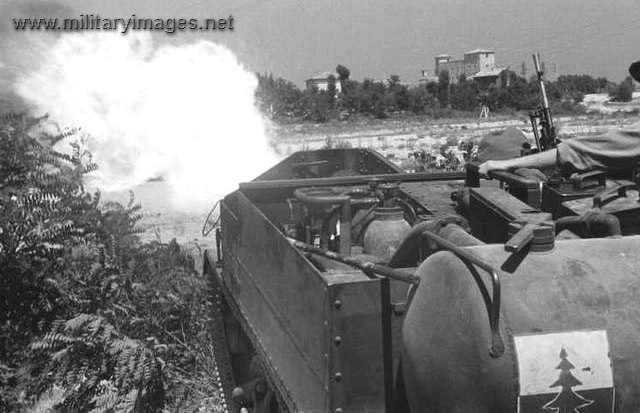
For all mechanical misgivings, Wasp effectively packed the Crocodile's ravenous firepower in a low profile, very low threat package.
The enemy simply had much more worrying targets to consider than these minuscule, bouncy tankettes.
The real threat evident too late. /thread
The enemy simply had much more worrying targets to consider than these minuscule, bouncy tankettes.
The real threat evident too late. /thread

• • •
Missing some Tweet in this thread? You can try to
force a refresh