Events Receiving Limited Public Attention
The deaths of Suchir Balaji & Nuno Loureiro — linked to large affiliated institutions — have drawn less sustained public scrutiny than other high-profile cases, despite their professional significance & controversies surrounding them.
The deaths of Suchir Balaji & Nuno Loureiro — linked to large affiliated institutions — have drawn less sustained public scrutiny than other high-profile cases, despite their professional significance & controversies surrounding them.

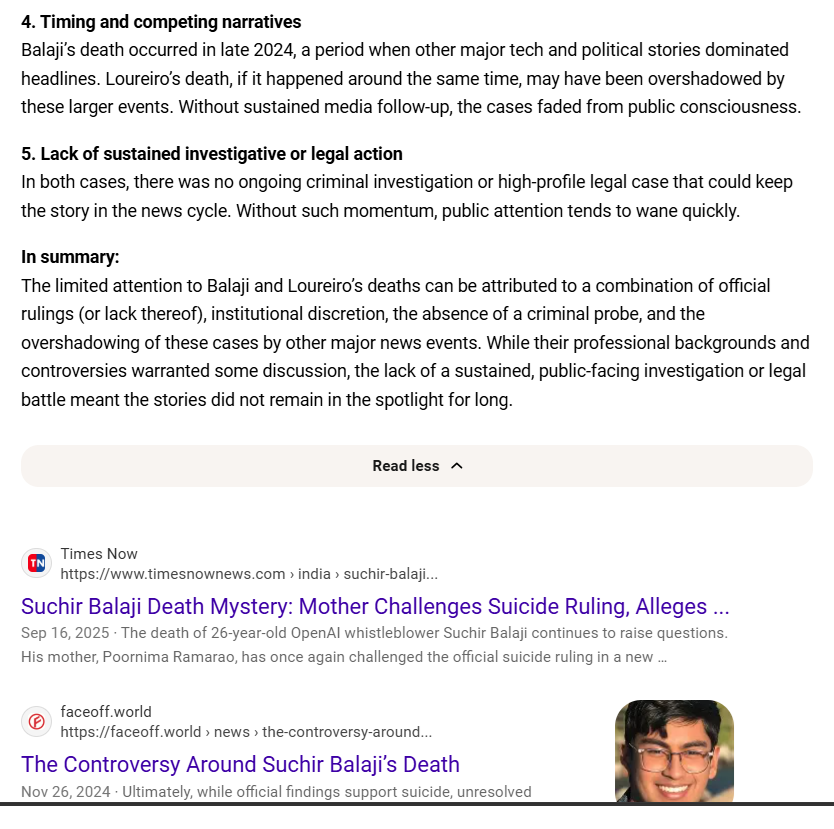
Balaji’s controversial death was ruled a suicide by the San Francisco Medical Examiner;
OpenAI’s public statements avoided speculation.
Family & critics challenged this, citing inconsistencies in investigation;
without FEDERAL REVIEW, the case remains a private matter.
OpenAI’s public statements avoided speculation.
Family & critics challenged this, citing inconsistencies in investigation;
without FEDERAL REVIEW, the case remains a private matter.
The absence of a criminal investigation limited the scope of public debate.
Similarly, Loureiro’s death, while tied to MIT’s research environment, was not widely reported in mainstream media, possibly due to its lack of direct public controversy or high-profile connections.
Similarly, Loureiro’s death, while tied to MIT’s research environment, was not widely reported in mainstream media, possibly due to its lack of direct public controversy or high-profile connections.
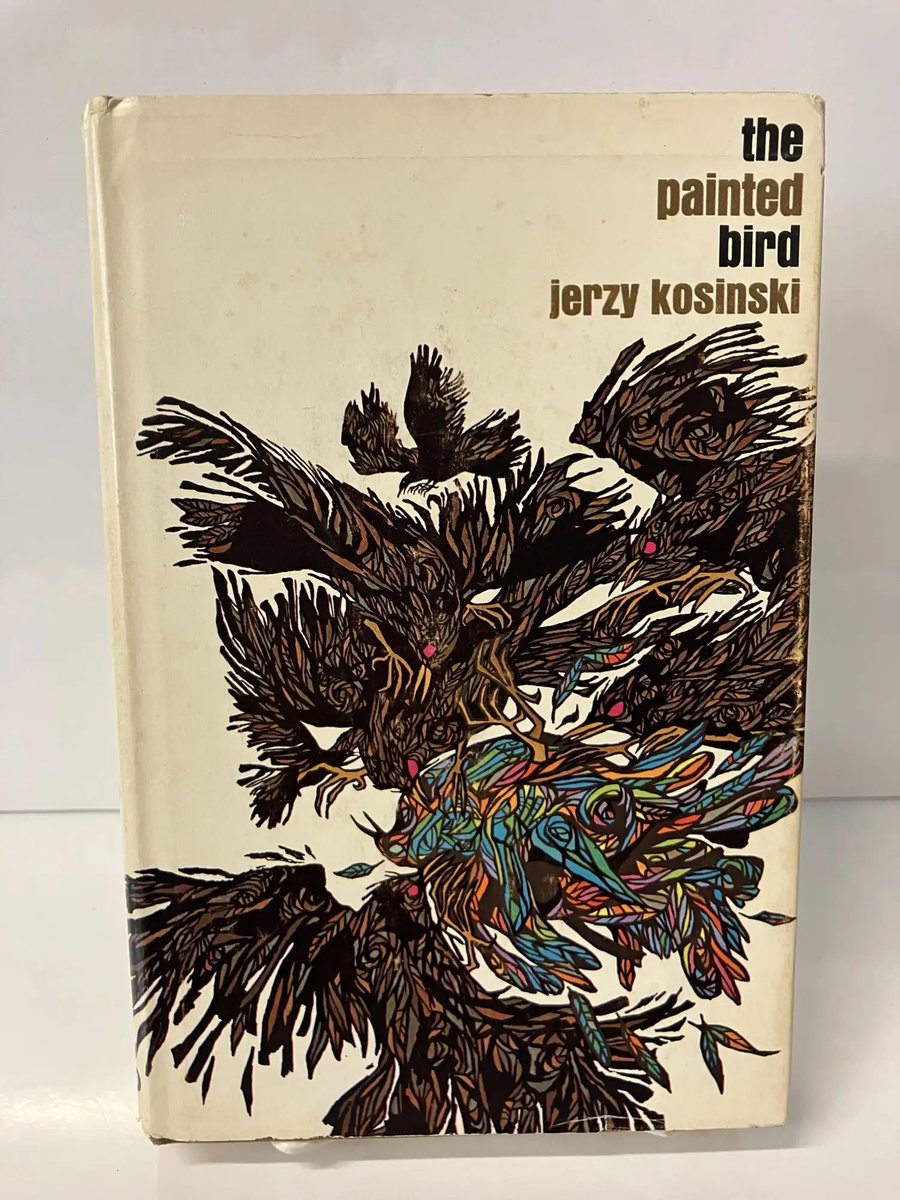
We call invention and conscience the inheritance of man, and yet, those with a surplus of either are as fated as the painted bird.
Nuno Filipe Gomes Loureiro 1977-16 Dec 2025
Portuguese plasma physicist; renowned for research on magnetic reconnection, plasma turbulence, nuclear fusion.
A professor at MIT, director of its Plasma Science & Fusion Center; advanced theoretical and computational plasma physics.
Portuguese plasma physicist; renowned for research on magnetic reconnection, plasma turbulence, nuclear fusion.
A professor at MIT, director of its Plasma Science & Fusion Center; advanced theoretical and computational plasma physics.
Nuno Loureiro received top honors including the APS Stix Award and the U.S. Presidential Early Career Award.
He was tragically killed in 2025, leaving a lasting impact on fusion science and the global physics community.
He was tragically killed in 2025, leaving a lasting impact on fusion science and the global physics community.

Suchir Balaji (1998–26 Nov 2024):
American artificial intelligence researcher known for work at OpenAI. Born in Florida, grew up in Cupertino, California.
Was finalist in United States of America Computing Olympiad; won prize in Kaggle Passenger Screening Algorithm Challenge.
American artificial intelligence researcher known for work at OpenAI. Born in Florida, grew up in Cupertino, California.
Was finalist in United States of America Computing Olympiad; won prize in Kaggle Passenger Screening Algorithm Challenge.

Suchir Balaji graduated: University of California, Berkeley; BA in computer science;
interned at Scale AI, joined OpenAI in 2021.
Was involved in significant projects; gathered data for GPT-4 & WebGPT. Left OpenAI August 2024 after expressing concerns about company's practices.
interned at Scale AI, joined OpenAI in 2021.
Was involved in significant projects; gathered data for GPT-4 & WebGPT. Left OpenAI August 2024 after expressing concerns about company's practices.

@potus @xai @threadreaderapp please unroll the tragic truth of how we manage to get so far on so little
• • •
Missing some Tweet in this thread? You can try to
force a refresh