12 powerful tools for LEAKY GUT
🧵
🧵
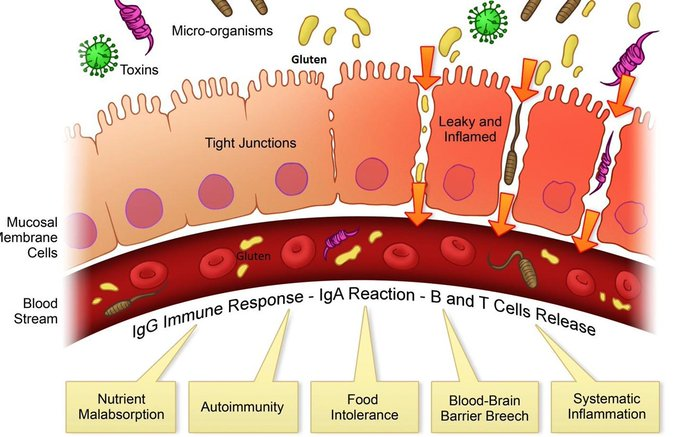
1. Marshmallow root
Marshmallow root is a potent gut healer through several mechanisms.
Marshmallow root supports gut healing by forming a protective layer over irritated areas, promoting mucosal cell repair and reducing inflammation. It also inhibits the tissue-degrading enzyme hyaluronidase-1, aiding in gut tissue preservation and restoration.
Marshmallow root is a potent gut healer through several mechanisms.
Marshmallow root supports gut healing by forming a protective layer over irritated areas, promoting mucosal cell repair and reducing inflammation. It also inhibits the tissue-degrading enzyme hyaluronidase-1, aiding in gut tissue preservation and restoration.

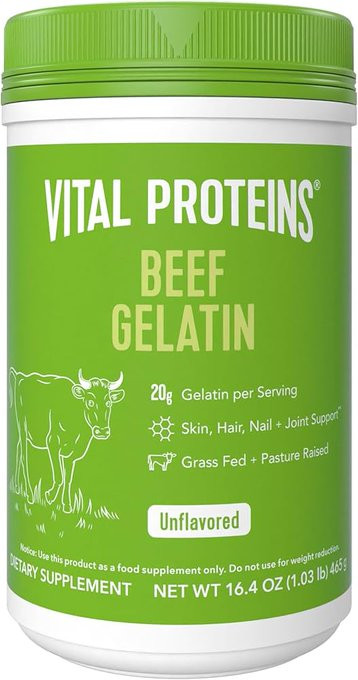
2. Beef gelatin
Bovine gelatin offers anti-inflammatory effects, supports gut microbiota and is rich in amino acids (especially glycine) which aids in repairing and protecting the gut lining.
Gelatin provides additional benefits such as antioxidant and wound-healing properties, contributing to overall gut and tissue health.
Bovine gelatin offers anti-inflammatory effects, supports gut microbiota and is rich in amino acids (especially glycine) which aids in repairing and protecting the gut lining.
Gelatin provides additional benefits such as antioxidant and wound-healing properties, contributing to overall gut and tissue health.
3. BPC 157
BPC is truly an amazing peptide. It protects against and heals gut lining damage by reducing inflammation, repairing endothelial damage, supporting mucosal integrity and can even counteract NSAID-induced issues.
BPC is truly an amazing peptide. It protects against and heals gut lining damage by reducing inflammation, repairing endothelial damage, supporting mucosal integrity and can even counteract NSAID-induced issues.

4. Polyphenols
Polyphenols support gut health by strengthening the intestinal barrier, modulating immune responses and working synergistically with microbes to maintain microbiome balance.
Some examples known for these benefits are quercetin, curcumin and catechins. Foods like citrus fruits, apples, berries, turmeric, onions and green tea are good sources.
Polyphenols support gut health by strengthening the intestinal barrier, modulating immune responses and working synergistically with microbes to maintain microbiome balance.
Some examples known for these benefits are quercetin, curcumin and catechins. Foods like citrus fruits, apples, berries, turmeric, onions and green tea are good sources.

5. Butyrate
Butyrate strengthens the gut barrier by enhancing mucus production, supporting tight junctions and promoting protective proteins. It also aids tissue repair in the colon and has strong anti-inflammatory effects by modulating gene expression.
Additionally, butyrate enhances immunity through its interaction with immune cells.
Butyrate strengthens the gut barrier by enhancing mucus production, supporting tight junctions and promoting protective proteins. It also aids tissue repair in the colon and has strong anti-inflammatory effects by modulating gene expression.
Additionally, butyrate enhances immunity through its interaction with immune cells.

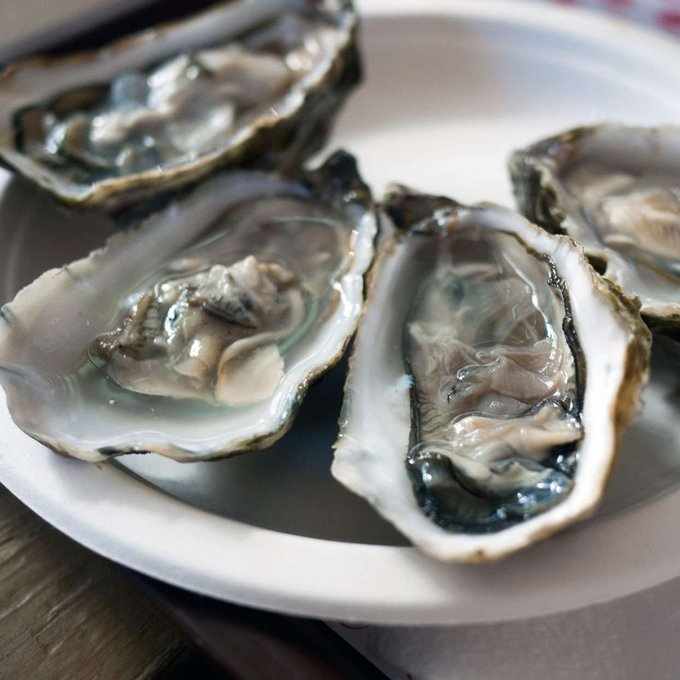
6. Zinc
Zinc reduces inflammation, strengthens the gut lining, and can prevent or reverse gut barrier damage. Studies on Crohn's disease show it improves gut barrier function and may lower relapse risk. Part of this is due to its ability to increase transepithelial electrical resistance and promote ZO-1 protein production.
Zinc enhances immune function by supporting T-cells and reduces gut barrier damage from stress and infections.
Good sources are oysters (by far the best), red meat, fish, squash, pumpkin, poultry, crab and dairy.
Zinc reduces inflammation, strengthens the gut lining, and can prevent or reverse gut barrier damage. Studies on Crohn's disease show it improves gut barrier function and may lower relapse risk. Part of this is due to its ability to increase transepithelial electrical resistance and promote ZO-1 protein production.
Zinc enhances immune function by supporting T-cells and reduces gut barrier damage from stress and infections.
Good sources are oysters (by far the best), red meat, fish, squash, pumpkin, poultry, crab and dairy.
7. Vitamin D
Vitamin D helps regulate gut inflammation, supports the intestinal microbiome, controls antimicrobial peptide levels and protects the gut’s epithelial barrier.
Its receptor signaling in intestinal cells is important for managing mucosal inflammation.
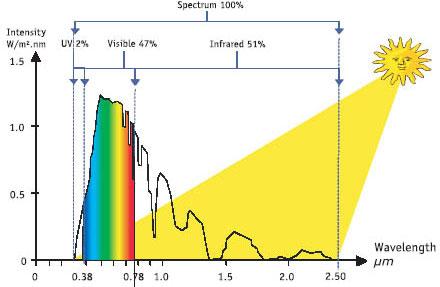
Safely maximizing direct sun exposure and prioritizing foods like fish, shellfish, poultry, dairy and egg yolks are good sources.
Vitamin D helps regulate gut inflammation, supports the intestinal microbiome, controls antimicrobial peptide levels and protects the gut’s epithelial barrier.
Its receptor signaling in intestinal cells is important for managing mucosal inflammation.
Safely maximizing direct sun exposure and prioritizing foods like fish, shellfish, poultry, dairy and egg yolks are good sources.

8. Glutamine
Glutamine supports gut barrier integrity by strengthening & stabilizing tight junctions between intestinal cells, promoting cell growth, reducing permeability and mitigating systemic inflammation.
Additionally, glutamine has trophic and cytoprotective effects, protecting gut cells against damage through mechanisms like heat shock protein 70 induction.
Good food sources are broth, fish, eggs, poultry, dairy and beef.
Glutamine supports gut barrier integrity by strengthening & stabilizing tight junctions between intestinal cells, promoting cell growth, reducing permeability and mitigating systemic inflammation.
Additionally, glutamine has trophic and cytoprotective effects, protecting gut cells against damage through mechanisms like heat shock protein 70 induction.
Good food sources are broth, fish, eggs, poultry, dairy and beef.

9. Glycine
Glycine, which was mentioned with gelatin, is worth mentioning on its own as well.
Glycine supports gut barrier integrity by regulating tight junction proteins in intestinal cells. The glycine transporter GLYT1 helps protect the gut lining from inflammation by sustaining glycine and glutathione levels within cells.
Glycine even helps shield the small intestine from damage during endotoxemia.
Good food sources are broth, poultry, beef gelatin, beef, poultry and fish.
Glycine, which was mentioned with gelatin, is worth mentioning on its own as well.
Glycine supports gut barrier integrity by regulating tight junction proteins in intestinal cells. The glycine transporter GLYT1 helps protect the gut lining from inflammation by sustaining glycine and glutathione levels within cells.
Glycine even helps shield the small intestine from damage during endotoxemia.
Good food sources are broth, poultry, beef gelatin, beef, poultry and fish.
10. Vitamin E
Vitamin E may help protect and strengthen the gastric mucosal lining, especially under stress. Its anti-inflammatory and antioxidant properties are beneficial for conditions like ulcerative colitis and gut permeability.
Supplementing with palm-derived vitamin E has shown to promote healing of gastric lesions by reducing lipid damage.
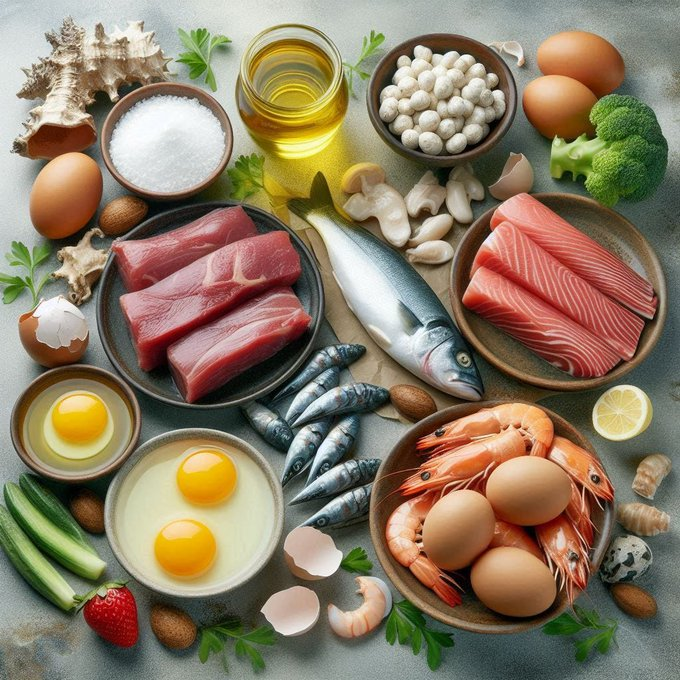
Good food sources of vitamin E are olive oil, eggs, red palm oil, butternut squash, mamey sapote, red sweet pepper, avocado, mango, kiwi, fish and brazil nuts.
Vitamin E may help protect and strengthen the gastric mucosal lining, especially under stress. Its anti-inflammatory and antioxidant properties are beneficial for conditions like ulcerative colitis and gut permeability.
Supplementing with palm-derived vitamin E has shown to promote healing of gastric lesions by reducing lipid damage.
Good food sources of vitamin E are olive oil, eggs, red palm oil, butternut squash, mamey sapote, red sweet pepper, avocado, mango, kiwi, fish and brazil nuts.
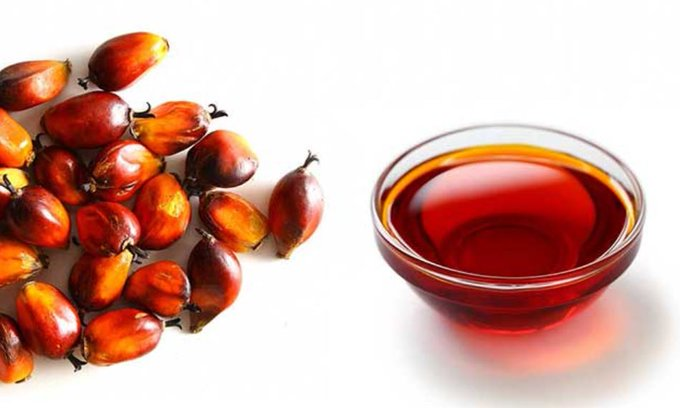
11. Vitamin A / Beta Carotene
Vitamin A is essential for maintaining gut integrity by supporting epithelial barriers, boosting immune function, and enhancing tight junctions. It helps sustain circulating immunoglobulin levels, which are vital for immune defense in the gut.
It’s proven to be effective in managing conditions like ulcerative colitis by improving microbiome health, increasing short-chain fatty acids (which support the gut lining) and repairing barrier damage.
Good sources are organ meats, eggs, butter, sweet potatoes, carrots, melon, winter squash, pumpkin and asparagus.
Vitamin A is essential for maintaining gut integrity by supporting epithelial barriers, boosting immune function, and enhancing tight junctions. It helps sustain circulating immunoglobulin levels, which are vital for immune defense in the gut.
It’s proven to be effective in managing conditions like ulcerative colitis by improving microbiome health, increasing short-chain fatty acids (which support the gut lining) and repairing barrier damage.
Good sources are organ meats, eggs, butter, sweet potatoes, carrots, melon, winter squash, pumpkin and asparagus.

12. Vitamin C
Vitamin C helps regulate inflammation and cytokine production in the gut, supports collagen synthesis, protects against gastric mucosal DNA damage and may reduce the risk of gastric cancer. It also supports endothelial cell function and prevents intestinal inflammation.
Good food sources are pomegranate, oranges, pineapple, kiwi, strawberries, lemons, limes, acerola cherries, grapefruit, tomato and melon.
Vitamin C helps regulate inflammation and cytokine production in the gut, supports collagen synthesis, protects against gastric mucosal DNA damage and may reduce the risk of gastric cancer. It also supports endothelial cell function and prevents intestinal inflammation.
Good food sources are pomegranate, oranges, pineapple, kiwi, strawberries, lemons, limes, acerola cherries, grapefruit, tomato and melon.

There’s an important point to make here. The only true long-term solution to this and every other health issue is identifying and addressing the root causes.
For example, with leaky gut, factors like poor diet, stress, inflammation, dysbiosis, infection, autoimmunity, circadian disruptions, medications like NSAIDs and hypothyroidism can be contributing factors.
For example, with leaky gut, factors like poor diet, stress, inflammation, dysbiosis, infection, autoimmunity, circadian disruptions, medications like NSAIDs and hypothyroidism can be contributing factors.
The tools mentioned above can help directly heal and re-strengthen the gut lining.
But if other factors like these are present and they’re not addressed, those improvements will be short-lived. If you want true healing and long-term relief, you need to do some digging and determine what’s going on.
But if other factors like these are present and they’re not addressed, those improvements will be short-lived. If you want true healing and long-term relief, you need to do some digging and determine what’s going on.
Thank you for reading!
If you want to take it further
the true cause and solutions for your gut problems👇:
substack.com/@questmoosa/no…
If you want to take it further
the true cause and solutions for your gut problems👇:
substack.com/@questmoosa/no…
• • •
Missing some Tweet in this thread? You can try to
force a refresh