Ukraine 🇺🇦 continues its massive mid-range strike campaign against russian 🇷🇺 logistics.
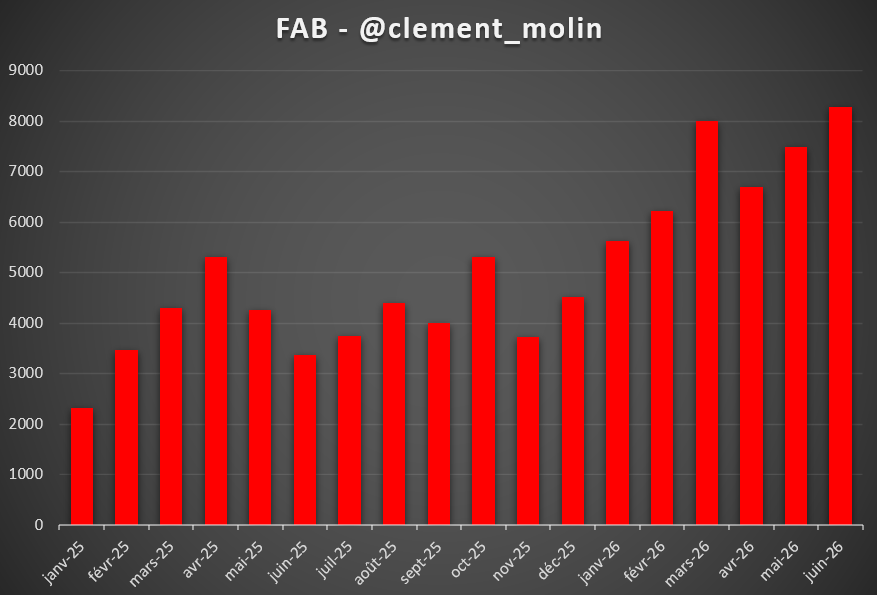
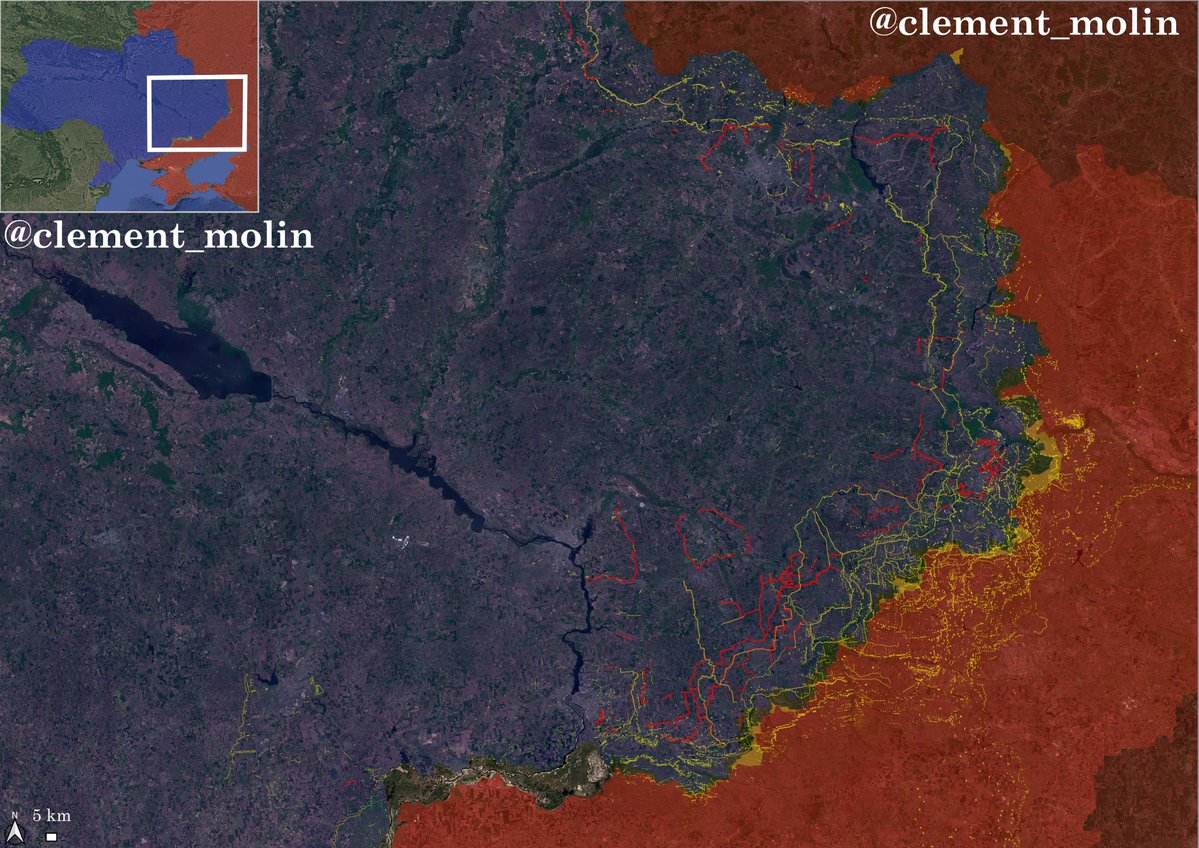
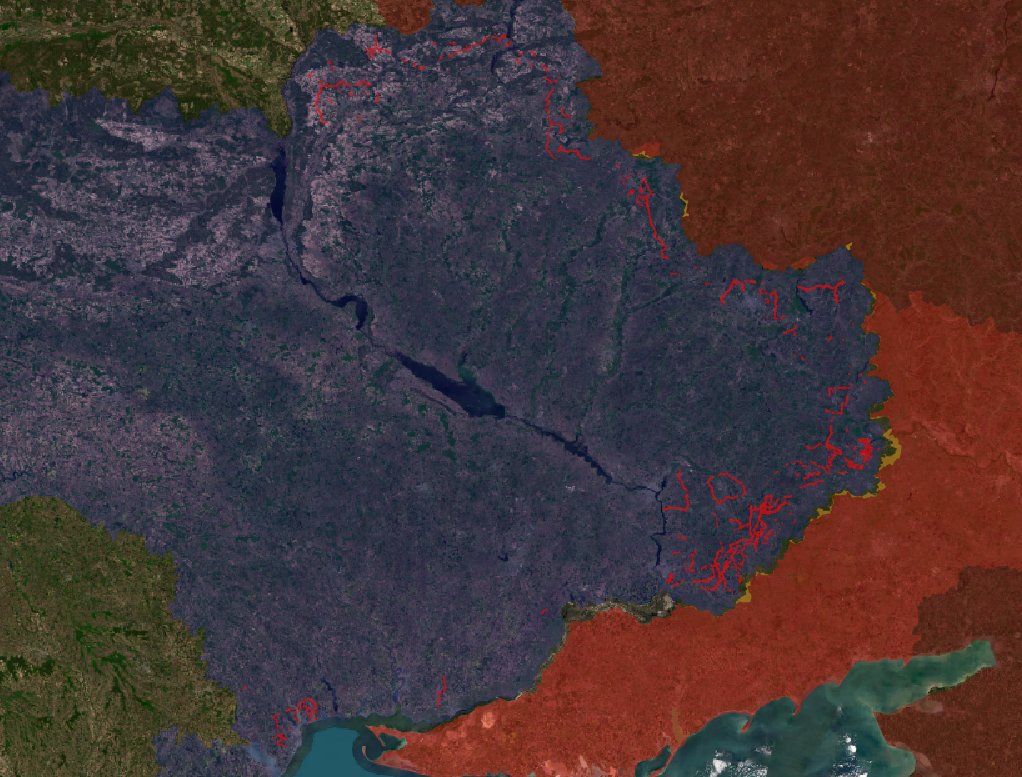
Since early May, more than 290 russian trucks and vehicles have been hit. I have now mapped 210 strikes since january.
🧵THREAD🧵1/14 ⬇️
Since early May, more than 290 russian trucks and vehicles have been hit. I have now mapped 210 strikes since january.
🧵THREAD🧵1/14 ⬇️

The strike campaign is guided by multiple units, using a large veriety of drones.
The backbone of it are the FP-1/2 strikes on key logistics hubs, mainly oil/fuel depots, trains, gas stations, electric substations and rear bases.
Those strikes are often guided with AI.
The backbone of it are the FP-1/2 strikes on key logistics hubs, mainly oil/fuel depots, trains, gas stations, electric substations and rear bases.
Those strikes are often guided with AI.

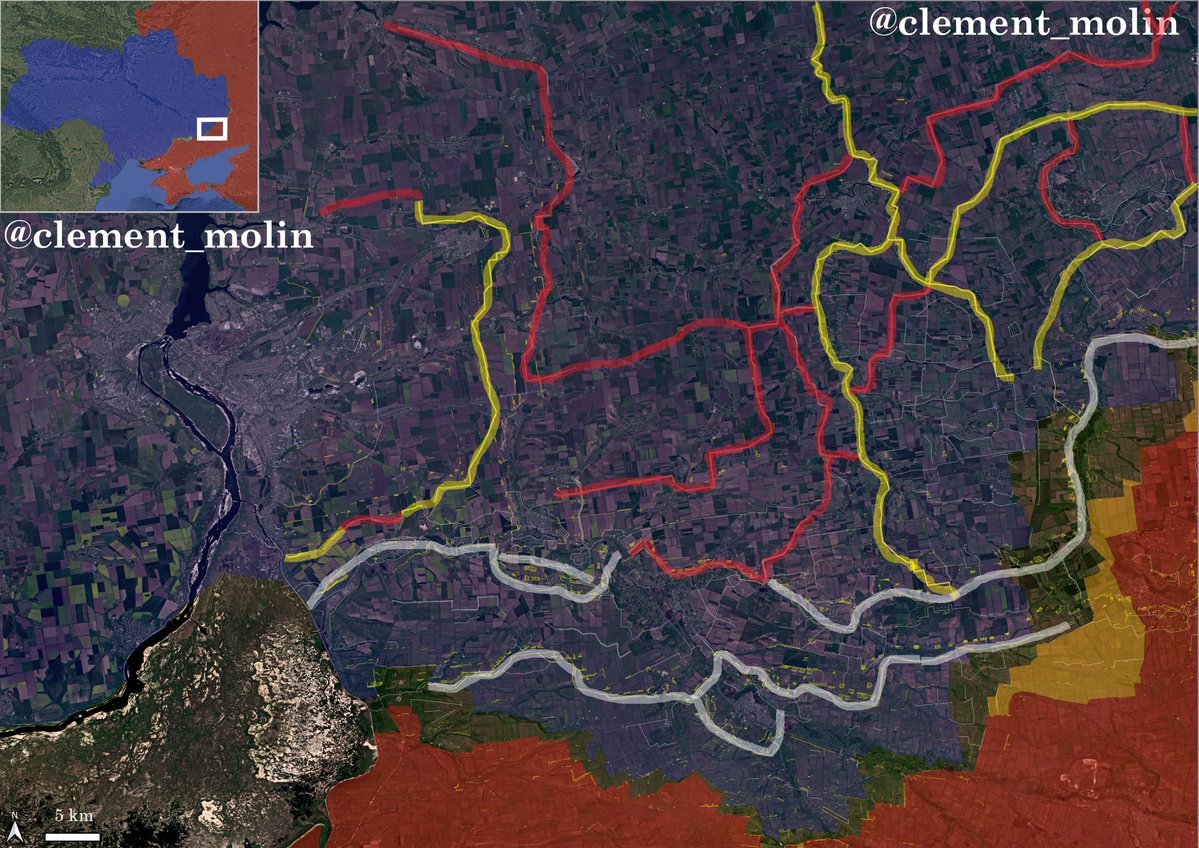
The latest video recently published showcased some strikes around Melitopol (few missed) with Hornet drones.
Interestlingly, everything is not blurred, which helps understanding how they are using those drones.
Interestlingly, everything is not blurred, which helps understanding how they are using those drones.
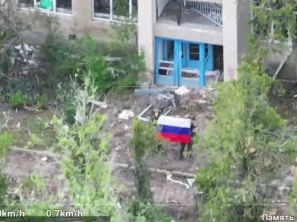
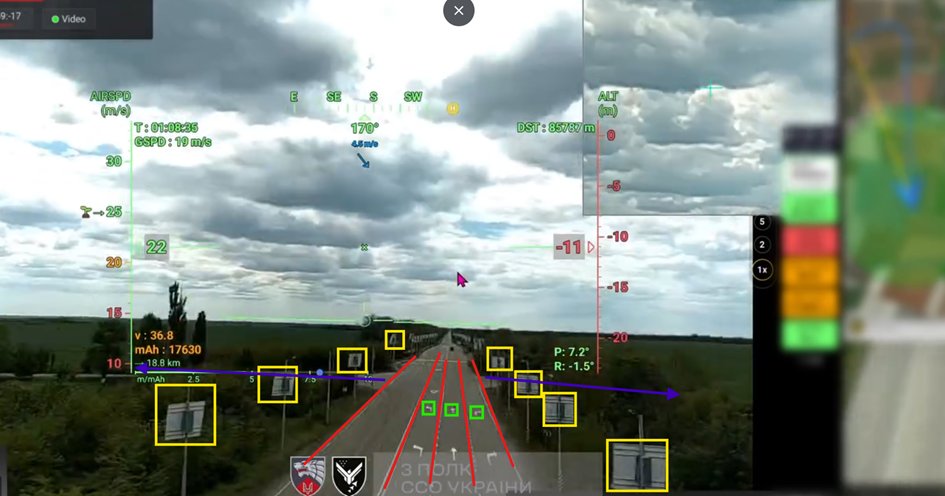
We have clear evidence of ukrainian control and surveillance over the Melitopol-Vassylivka highway, with here a Hornet drone flying above this strategic road.
47.023286, 35.362904
@UAControlMap / @GeoConfirmed
47.023286, 35.362904
@UAControlMap / @GeoConfirmed

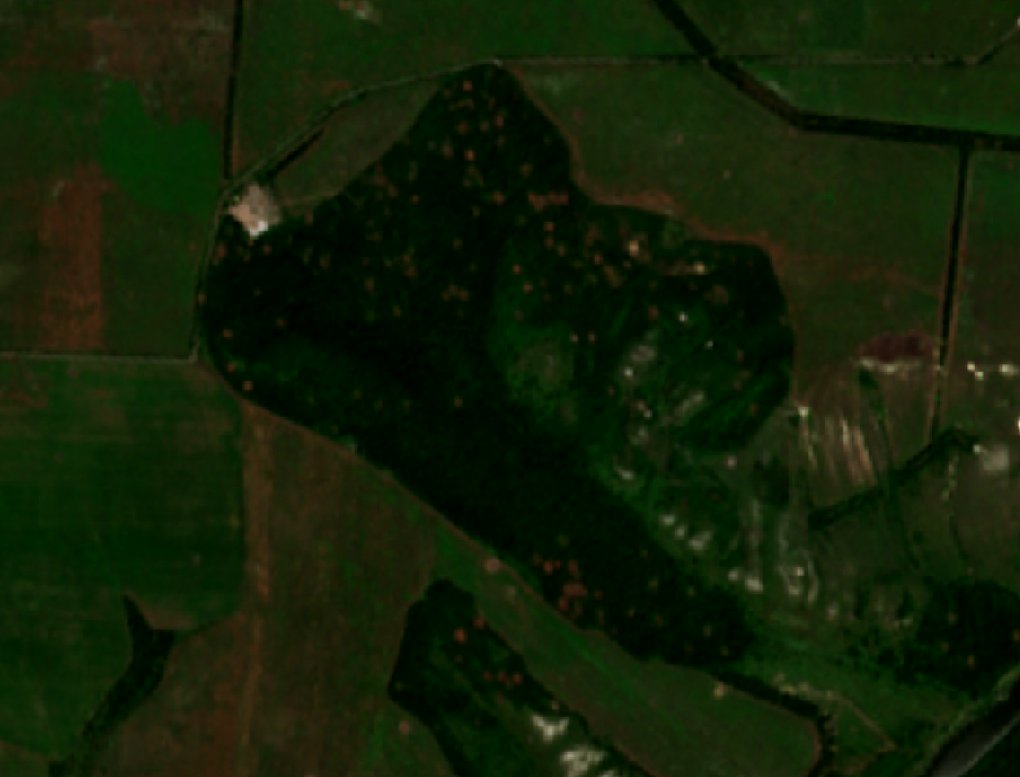
This other moment is interesting because it shows a strike on a truck crossing a Canal near Melitopol. The road is busy, suggesting the main Melitopol-Crimea road may be avoided by trucks.
46.810185, 35.204308
@UAControlMap / @GeoConfirmed
46.810185, 35.204308
@UAControlMap / @GeoConfirmed


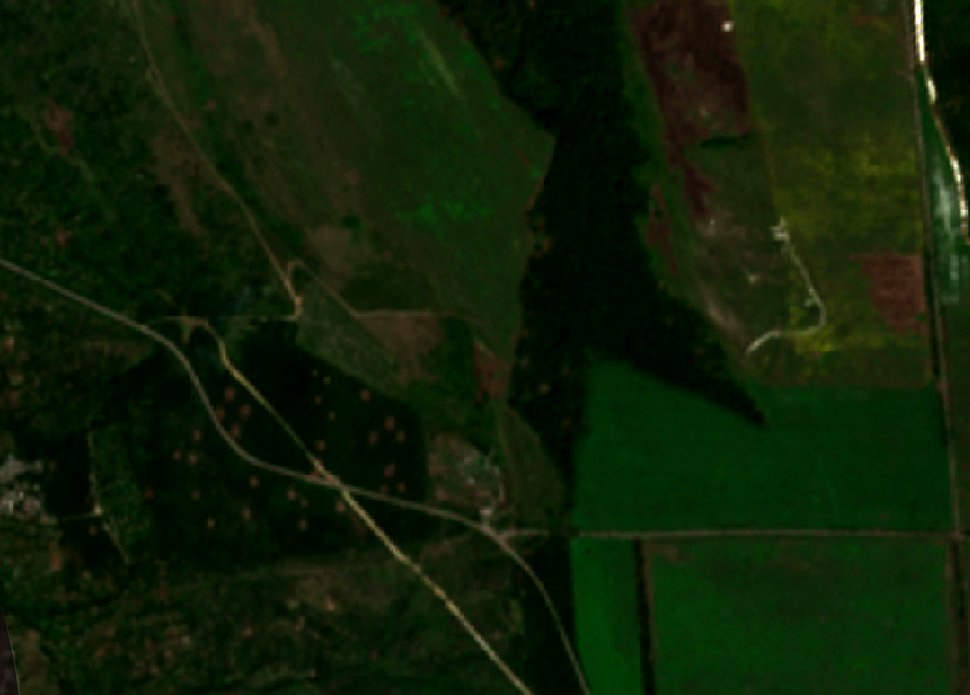
The next image shows a strike (not sure if something was hit) on a truck with trailer near Melitopol, on the road leading to Mariupol.
46.817833, 35.493962
@UAControlMap / @GeoConfirmed
46.817833, 35.493962
@UAControlMap / @GeoConfirmed


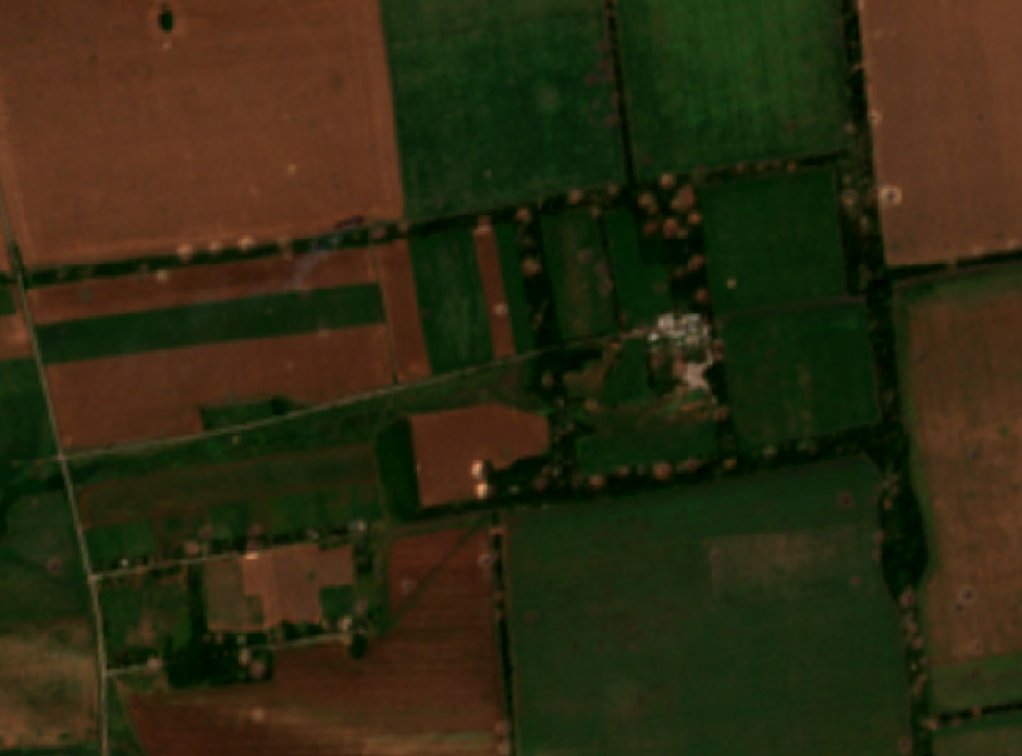
This last one is a clear miss, but again, we can see on the video how much traffic there is on these roads and how easy it could be to hit much more targets.
46.732055, 35.216348
@UAControlMap / @GeoConfirmed
46.732055, 35.216348
@UAControlMap / @GeoConfirmed


I only geolocated half of the footages, but we can see some interesting trends :
🔹A dozen ukrainian units are publishing videos every week, which gives a good overview of the strikes
🔹These strikes are happening in broad daylight, far from the frontline
🔹New regions are slowly reached
🔹A dozen ukrainian units are publishing videos every week, which gives a good overview of the strikes
🔹These strikes are happening in broad daylight, far from the frontline
🔹New regions are slowly reached

I only geolocated half of the footages, but we can see some interesting trends :
🔹A dozen ukrainian units are publishing videos every week, which gives a good overview of the strikes
🔹These strikes are happening in broad daylight, far from the frontline
🔹New regions are slowly reached
🔹A dozen ukrainian units are publishing videos every week, which gives a good overview of the strikes
🔹These strikes are happening in broad daylight, far from the frontline
🔹New regions are slowly reached
We've recently seen an increasing number of strikes against fuel trucks in Crimea, which is worsening the fuel crisis for the peninsula.
People are now waiting hours to have some fuel, while fuel depots and trucks are targeted everyday.
People are now waiting hours to have some fuel, while fuel depots and trucks are targeted everyday.
The road leading from Crimea to Rostov has few chokepoints, including the Chonhar bride, which may have been attacked this morning.
If it was to be destroyed, russian troops would need to go to Chaplinka, 50km from Kherson, close enough for long range FPV drones attacks.
If it was to be destroyed, russian troops would need to go to Chaplinka, 50km from Kherson, close enough for long range FPV drones attacks.

These attacks are not directly changing the situation on the frontline, but have a long term lasting impact.
What people failed to understand about Ukraine strikes against russian oil ressources is that they are not targeting the production.
What people failed to understand about Ukraine strikes against russian oil ressources is that they are not targeting the production.
Ukraine is targeting the direct exportations and storage of fuel and oil. The consequence is more on the logistics than on the economy.
Ukrainian drones are not powerful enoigh anyway to target directly the production facilities everyday.
Ukrainian drones are not powerful enoigh anyway to target directly the production facilities everyday.
The example of Crimea is stunning. The strike campaign has been ongoing for months, and most of the fuel/oil depots are now emptied.
Ships are being targeted, trucks as well, which leaves the peninsula into a full fledged penury, which impacts the economy and the army logistics.
Ships are being targeted, trucks as well, which leaves the peninsula into a full fledged penury, which impacts the economy and the army logistics.
Thank you for following this thread, I will continue to monitor these mid-range strikes and to map the geolocated ones.
Sources of the recent geolocations : @moklasen @neonhandrail @blinzka and @99Dominik_
Sources of the recent geolocations : @moklasen @neonhandrail @blinzka and @99Dominik_

@moklasen @neonhandrail @blinzka @99Dominik_ I will update tomorrow about the massive airstrike campaign ongoing (same as last year, but this time much more efficient) and how worrying this is getting.

• • •
Missing some Tweet in this thread? You can try to
force a refresh