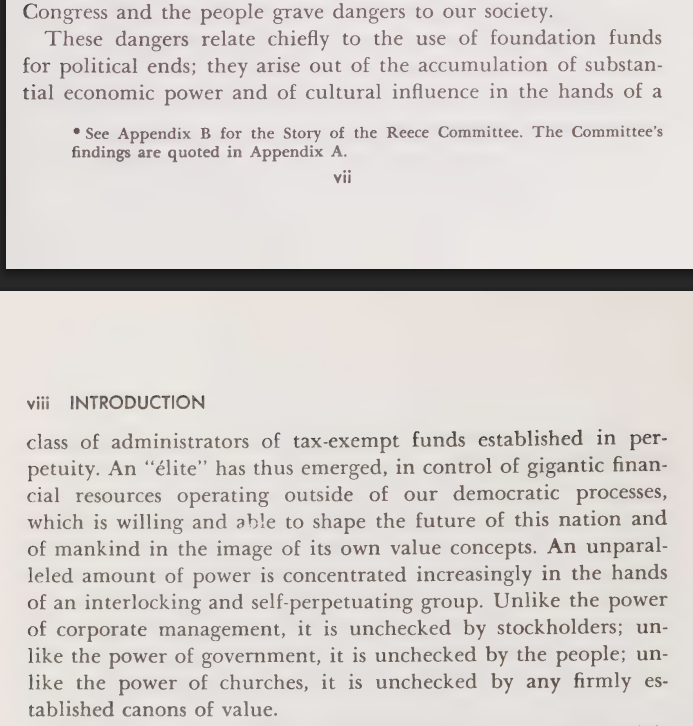
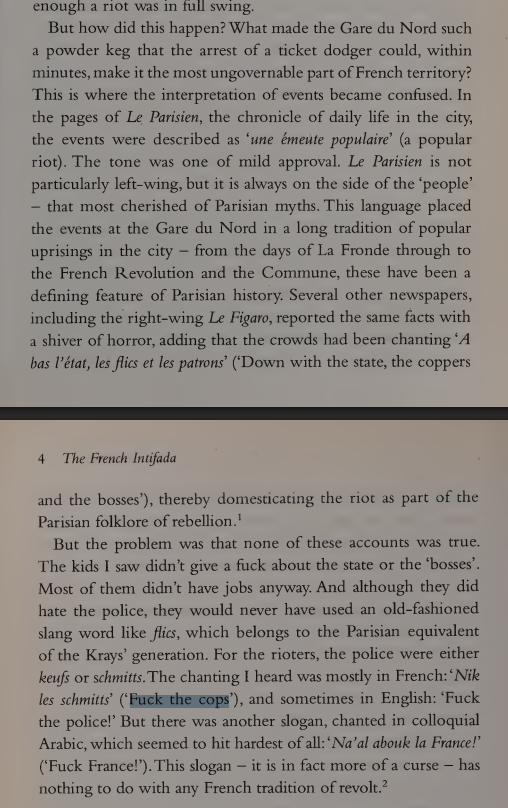
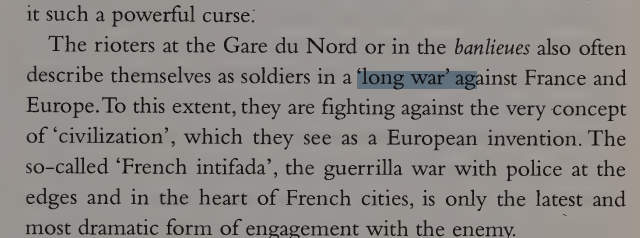
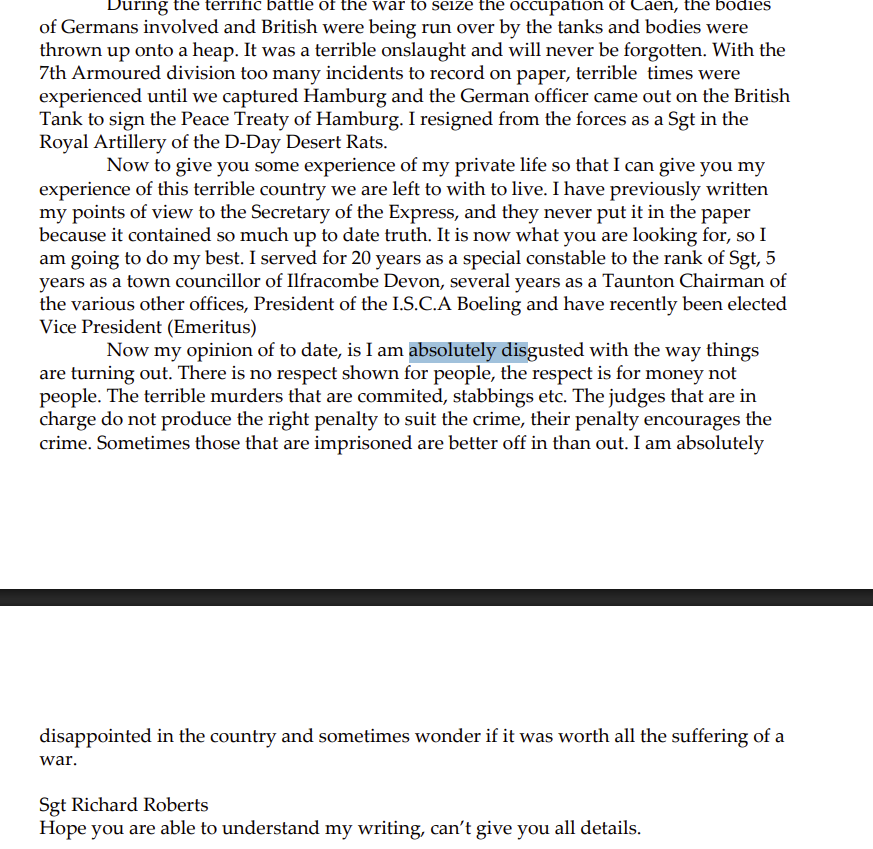
Thread with excerpts from the pre-Columbian chapters of T. R. Fehrenbach's Fire and Blood: A History of Mexico (1973/1995). This is a very dense and detailed book; this thread is not even close to comprehensive. 

Meso-American civilization was one civilization; there were no separate Aztec/Mexic/Yucatec/Maya/etc civilizations. The peoples discovered by Cortes were inheritors rather than creators.

For its entire history, Meso-American culture was extraordinarily urban, more like the Orient than that of the European dark ages. But these were not so much commercial or mercantile cities as religious and defensive ones.
Meso-American civilization peaked, technically and culturally, in the Classical Era; the grandeur of this era survives in part because these sites were abandoned and forgotten many centuries before Cortes arrived.
Teotihuacan was the greatest urban center of Classic Mexico; its construction abilities exceeded any of its successors, including the modern Mexican state [perhaps no longer true].
Teotihuacan, and Classic Mexico with it, fell like Rome around 850, sacked and destroyed by barbaric Amerindians from the North, but like Rome, many of its ideas and traditions survived the collapse.

The Historic Period of Mexico begins with the volkwanderungs of these northern barbarians; Otomi, Pame, and Nahua speaking, exterminating, dispersing, assimilating, or enslaving the inhabitants of Classic Mexico; this is the beginnings of the ethnic mix of modern Mexico.

However, the term 'Historic' is optimistic - only about a dozen pre-Conquest documents survive, and Nahuatl writing is all but impossible to translate (it's not phonetic or ideographic, and is only distantly related to the spoken language).

Nahua language and culture were incredibly hierarchical, more deferential than Japanese, but simultaneously tribal and communal. There was virtually no sense of individuality at all, except for the greatest of lords.

The urban center of Tula, one of the early dominant centers of Historic Mexico, was destroyed by alien artisans who had dwelt there for generations.
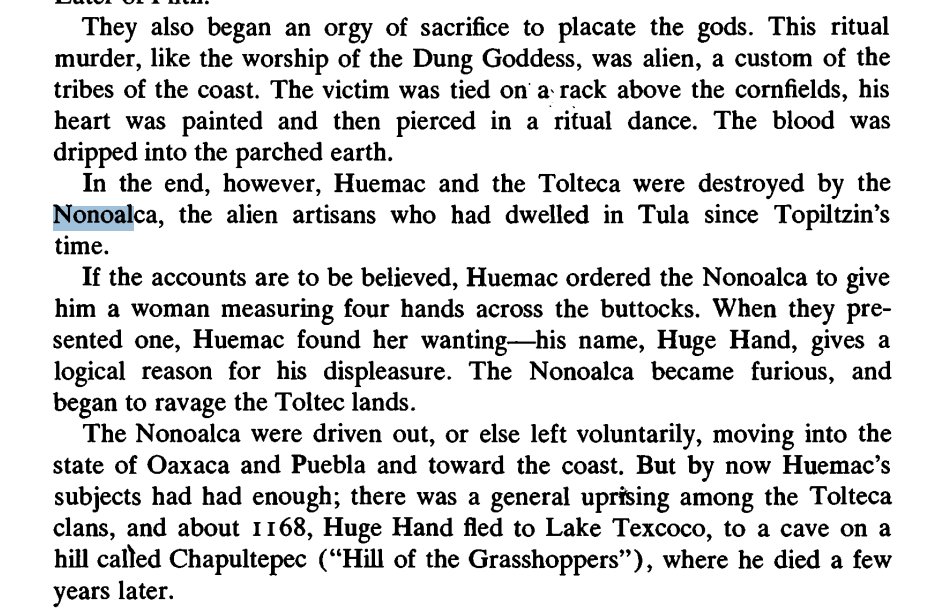
There was another wave of northern barbarians invading and conquering Mesoamerica, this time with the technological edge of bows and arrows, but this was more like the Ming/Qing transition than the Fall of Rome; the barbarians became aristocrats but there was no collapse.

The Mexica were organized ~entirely by extended kinship; there was no private or family life separate from clan or tribe.

The Mexica, living on an island in lake Texcoco (after being driven from everywhere else due to their barbaric habits - like skinning their benefactor's daughter for sacrifice), took a king from a nearby civilized royal lineage.

This king brought with him civilized Toltec customs and practices (like literacy, astronomy, art, theology) as well as non-clan-based forms of organization, such as dynasties and military aristocracy, and began to change Mexica society.

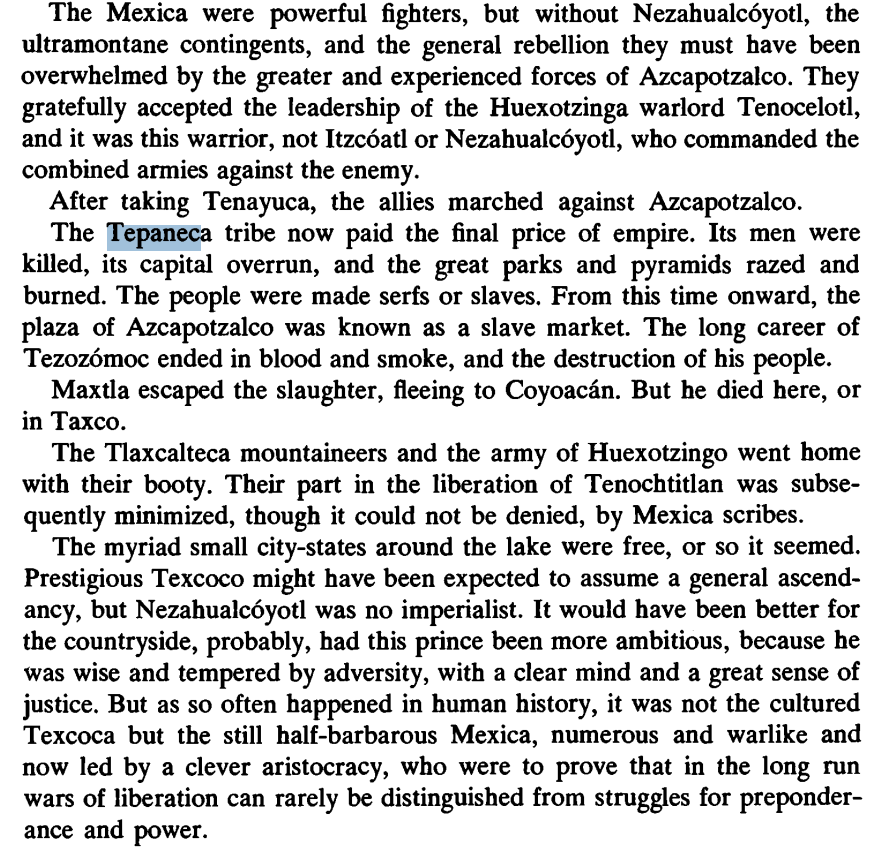
The Mexica rise to prominence began with the Triple Alliance, when Tenochtitlan, Tlacopan, and Texcoco destroyed the previously dominant city of Azcapotzalco and its Tepaneca tribe. Tenochtitlan/the Mexica then proceeded to form their own empire.
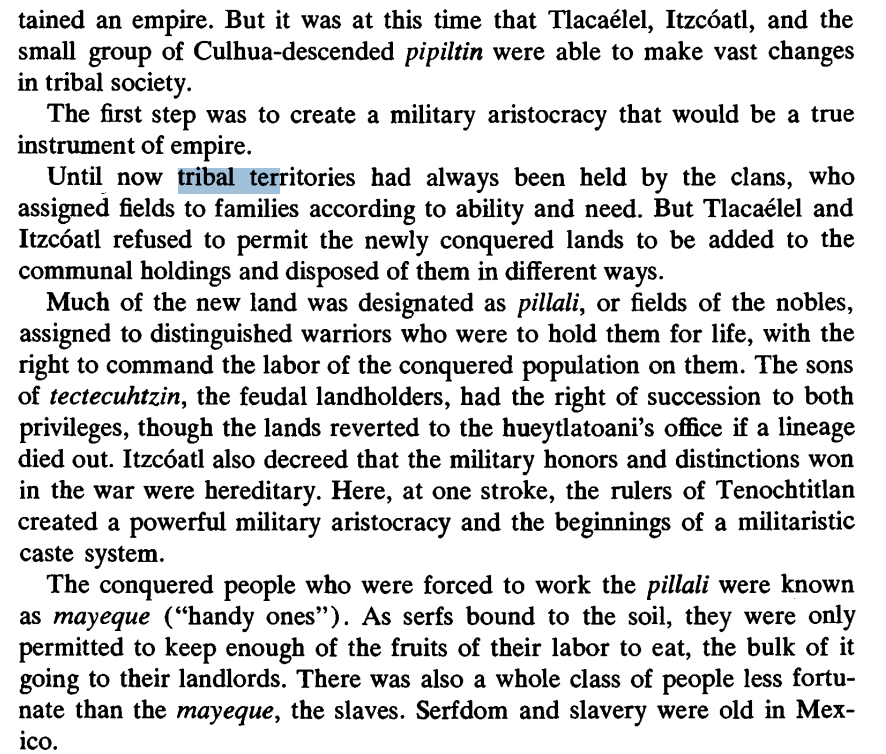
A man named Tlacaelel re-engineered Mexica society for conquest in many ways. First, newly-conquered lands were not added to communal clan holdings; instead they were used to create a military aristocracy with the right to command the labor of the population in them.
Tlacaelel also created a bureaucracy from scratch with more fields/serfs for their upkeep. Since Mesoamerica lacked money, this was the only way to reward public servants. ~All land was owned by the state, and so all were dependent on it.

This was a conscious, deliberate, and successful attempt to imitate previous imperial social orders. But the Mexica remained a cohesive and homogenous people, because the aristocrats/bureaucrats were supported by foreigners and Cortes arrived before things changed too much.

This dual combination of tribal homogeneity and cohesiveness with military hierarchy and aristocracy produced an incredibly effective military machine.
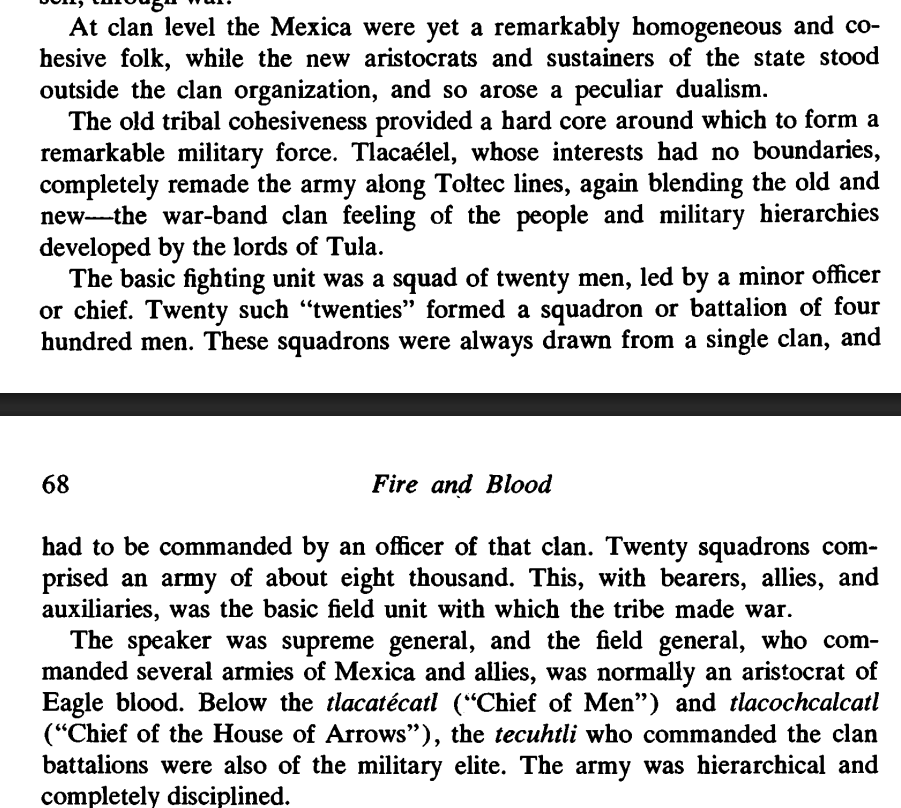
This military machine was then unleashed on Mexico via holy war for human sacrifices. Also "History has shown that a homogenous people with an island mentality, if led by capable rulers and fired with ultrarational goals... fight more tenaciously than heterogenous societies."

Most of the peoples conquered by this machine were also Nahuatl-speaking inheritors of the Toltec culture, but the Mexica never created a political union or sought allies among them; every other tribe/city was subjected, made into a tributary, or suffered perpetual war.
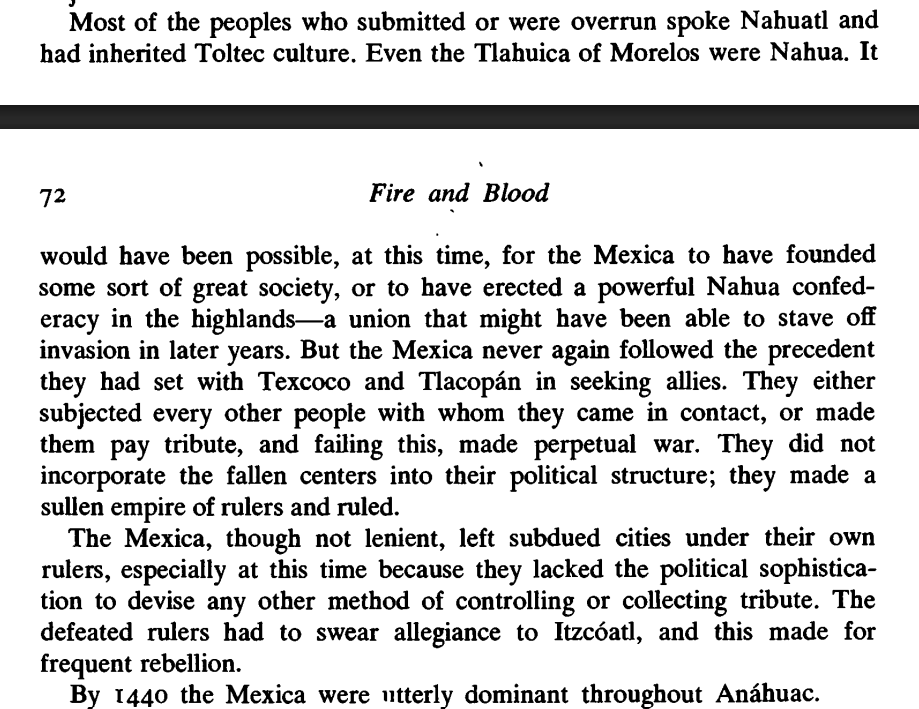
The massive conquests of Tenochtitlan changed the internal nature of the Triple Alliance; the ruler of Tenochtitlan handled his two allies almost as haughtily as his subjects.

The Mexica conquered most of their world, but never created a greater society or a Mexic universal state; there was no confederacy or Pax Mexicana, just a world of lords and slaves... which proved very fragile.

The mechanics of ritual human sacrifice (usually via cardioectomy, though sometimes with burning on the pyre first) and cannibalism (ritually, not for food).

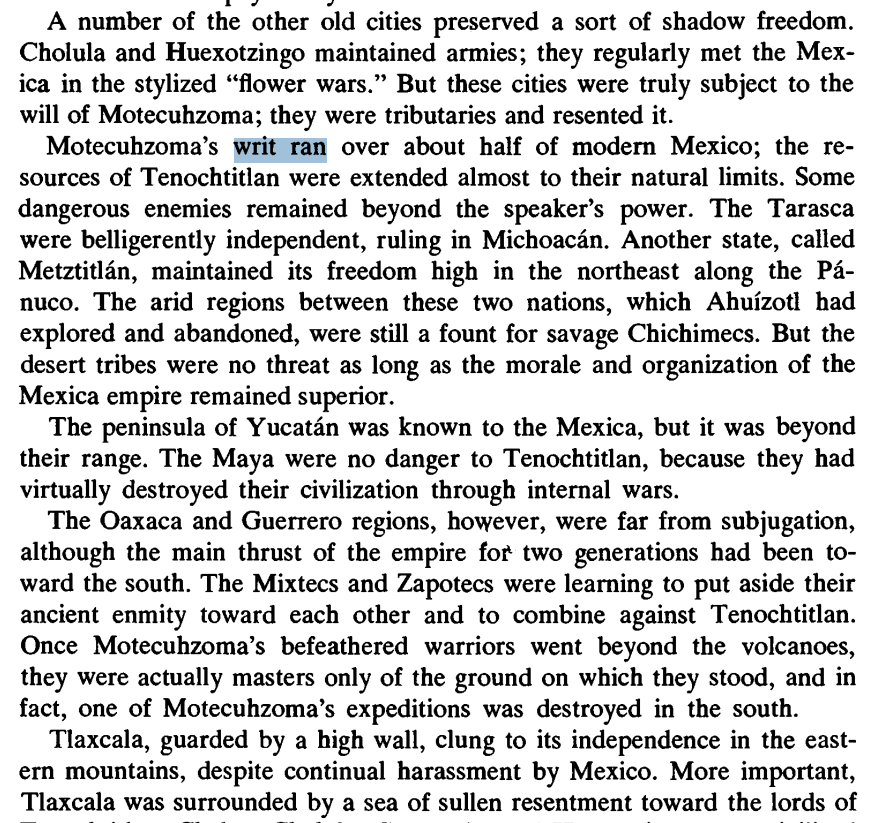
Moctezuma ruled about half of modern Mexico, but there were still several dangerous enemies (the Tarasca, Meztitlan, the remaining savage Chichimecs, the Mixtec and Zapotecs, and of course Tlaxcala).
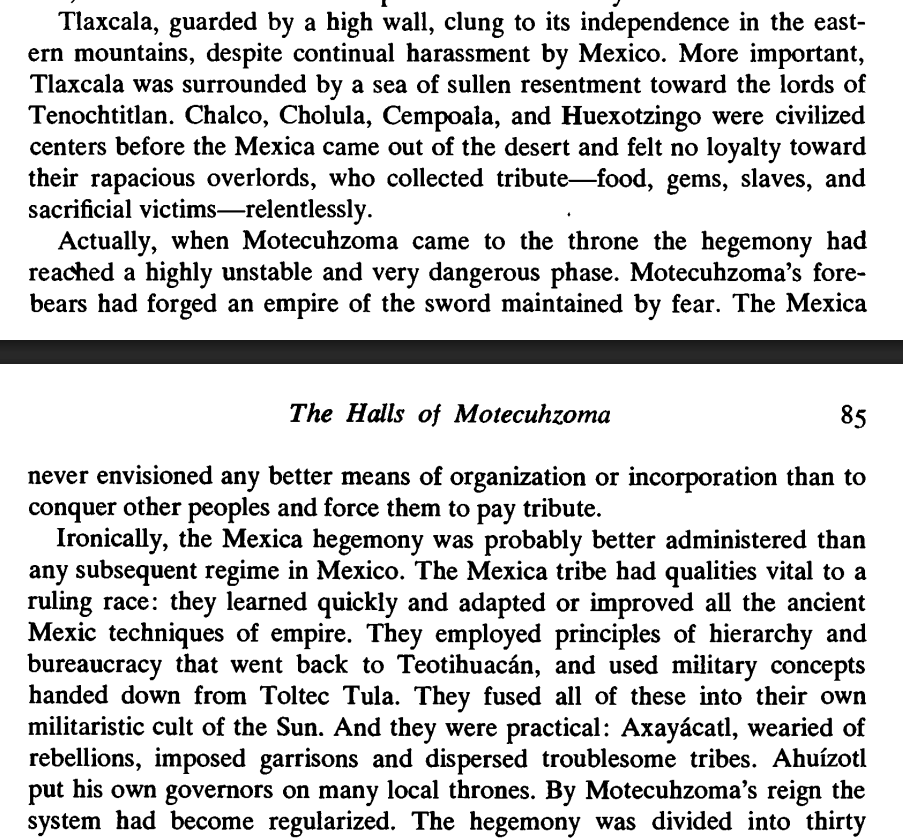
The Mexica never envisioned a means of organization other than tribute, but were still probably better administrators than any subsequent Mexican regime.
Deference and subordination was deeply engrained in the Mexic soul since the Classic period; the Conquest barely affected it. Men could not approach Moctezuma II except as beggars.

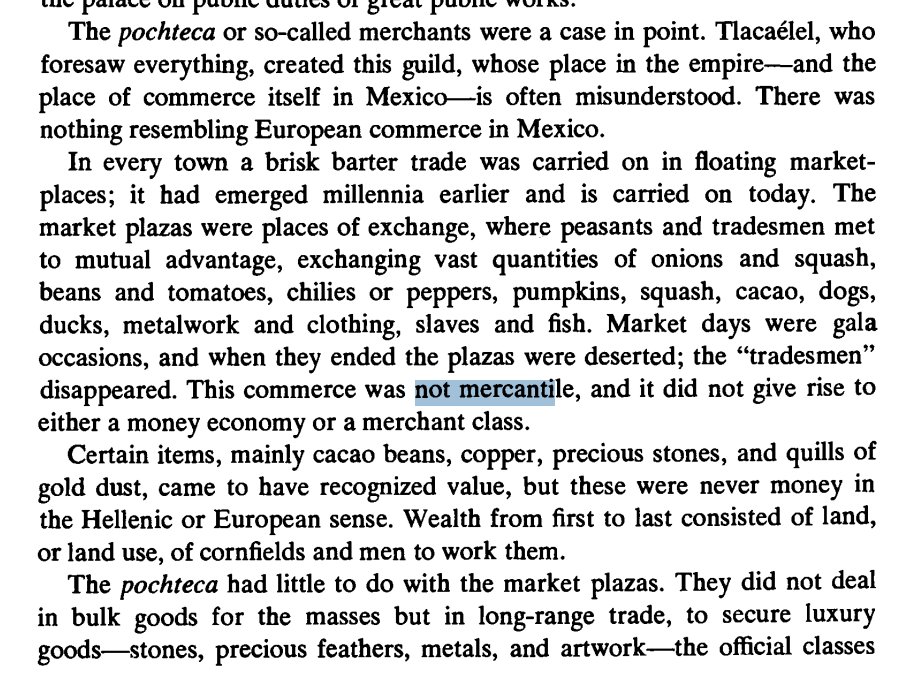
Commerce was not mercantile; there was no money economy or merchant class. Long distance trade was a state enterprise.
Mexica childrearing - very strong separation between the sexes. Between six and nine, all boys were in the communal clan school where they learned to be warriors. If you failed as a warrior, you would be enslaved or executed (not sacrificed, too honorable).

The Mexica conducted regular exercises to muster for war.
The Mexica were extremely puritanical, and women were under strict discipline their entire lives, though the highest lords had harems.
Mexica justice was based on custom and conventional wisdom. Mexica were tremendously deferential to community opinion and custom, not even fleeing hideous deaths when condemned.
Westerners really couldn't understand or appreciate Mesoamerican art until we started doubting and repudiating our own rationality. Mesoamerican art, like architecture and most thought, peaked in the Classic period; the earliest was the best.

Fehrenbach judges the finest Mexic art (of the Classic period) as on par with Egypt or Mesopotamia, but far below Greece (admittedly a high bar). In his view, the repeated waves of barbarian invasion damaged Mexic civilization, which never quite exceeded its Classic peak.

In Fehrenbach's judgement, Mesoamerican civilization at the arrival of Cortes was a peer of ancient Sumer in the Old World, closer to 3000 BC than its Eurasian contemporaries, as a result of agriculture having been invented several thousand years later in the New World.

Mesoamerican civilization was a world of striking monuments and loveliness, but also a bloody and brutal ant hill where individuals were considered worthless.

• • •
Missing some Tweet in this thread? You can try to
force a refresh