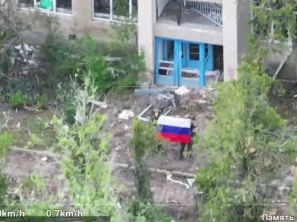
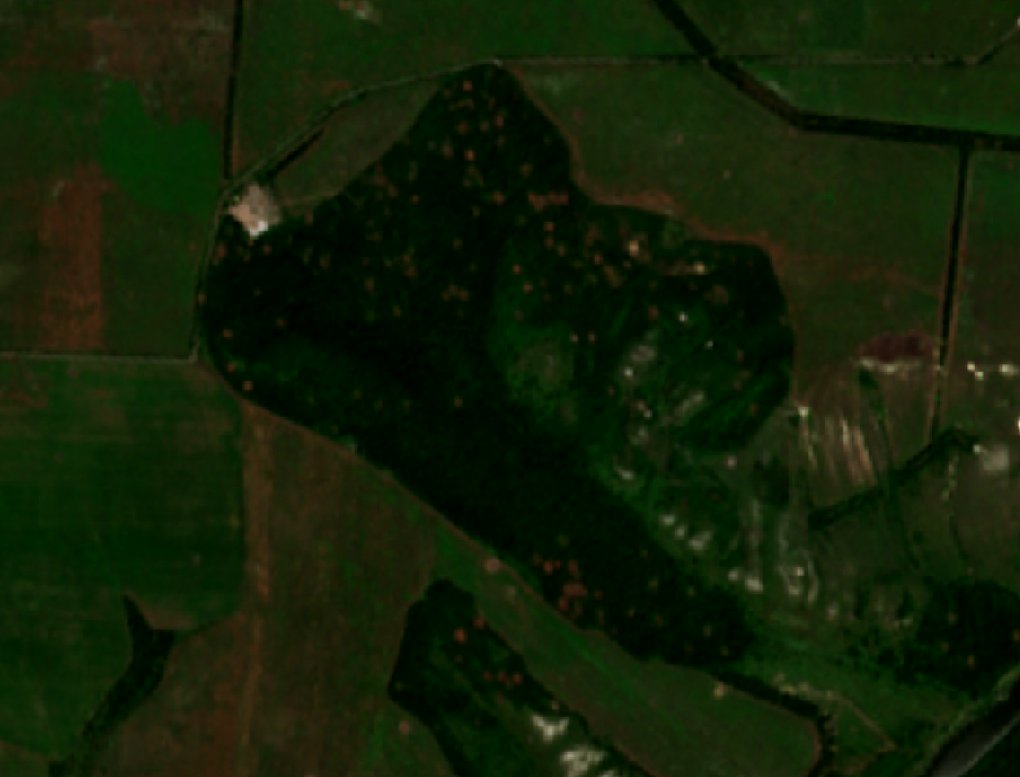
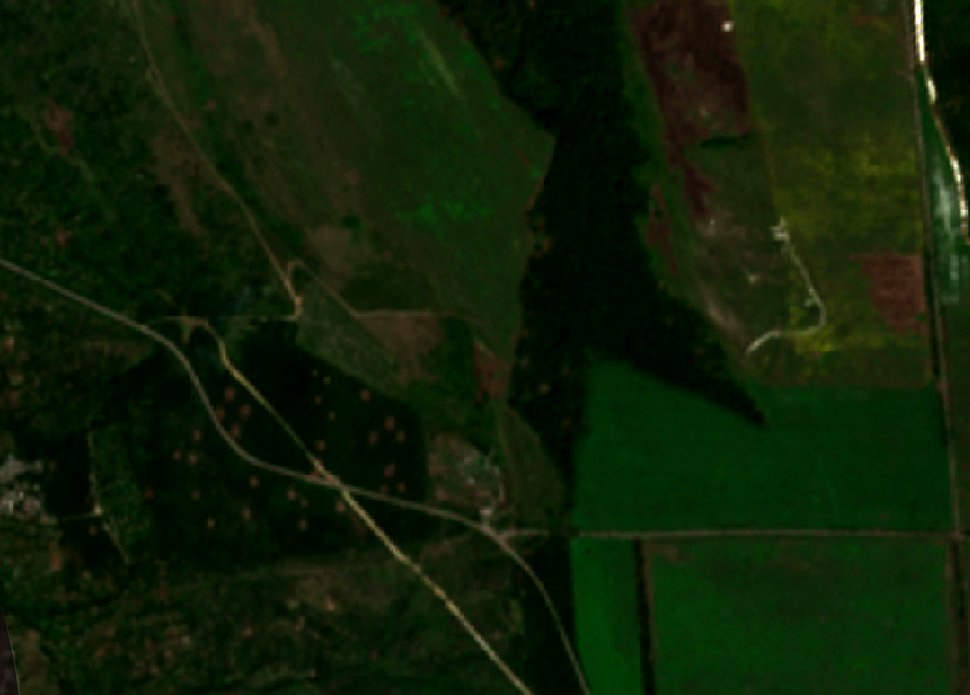
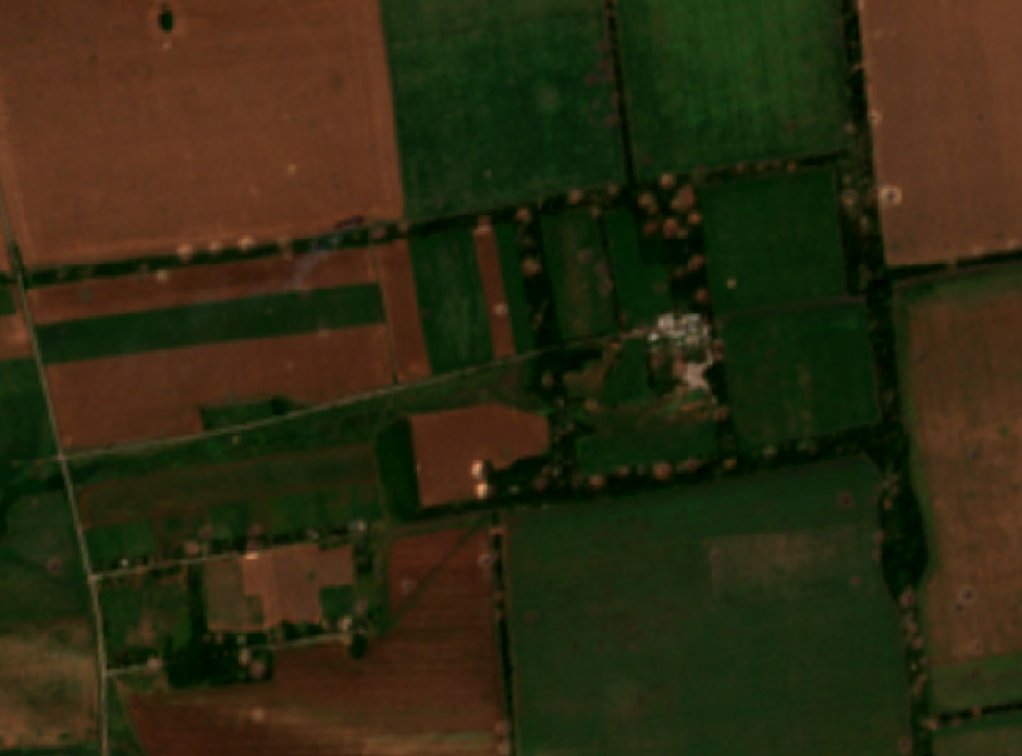
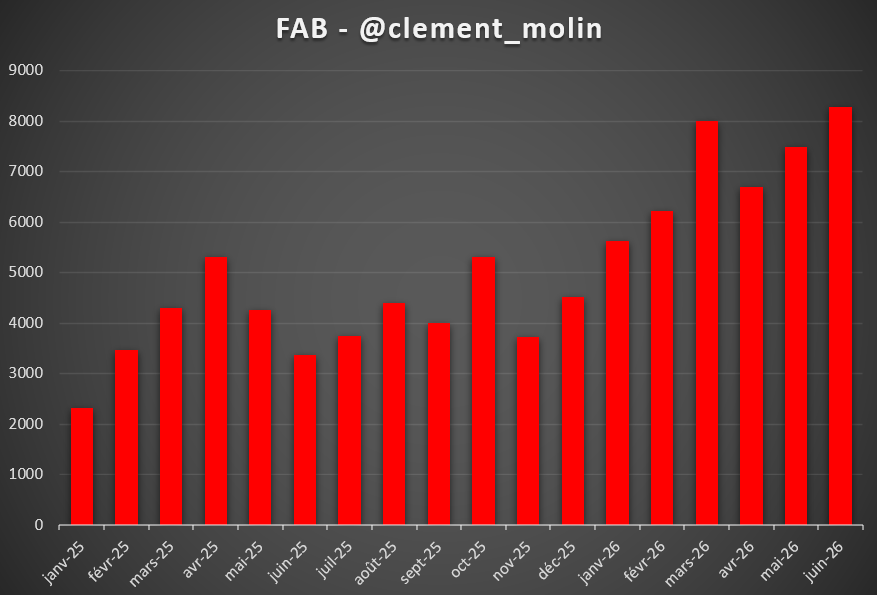
Last night, multiple Ukrainian 🇺🇦 units hit the bridges leading to Crimea, further isolating the peninsula from the land bridge to Russia 🇷🇺
At the same time, strike campaign continues on multiple key roads, with over 375 vehicles and trucks hit since early May.
🧵THREAD🧵1/13 ⬇️
At the same time, strike campaign continues on multiple key roads, with over 375 vehicles and trucks hit since early May.
🧵THREAD🧵1/13 ⬇️
https://x.com/clement_molin/status/2065091949833359402

Crimea is connected with southern occupied Ukraine by multiple key bridges.
The one in Chonhar was hit few days ago by multiple drones, which forced the russians to put up a pontoon bridge for their road traffic.
The one in Chonhar was hit few days ago by multiple drones, which forced the russians to put up a pontoon bridge for their road traffic.
At least 3 bridges have been recently hit. The one in Henichesk, the ones in Armyansk and in Stavky.
As we can see on the video, these strikes are putting holes in the middle of those key bridges. Any consolidation attempt will probably be hit.
As we can see on the video, these strikes are putting holes in the middle of those key bridges. Any consolidation attempt will probably be hit.


Thus, all bridges leading from Crimea to Kherson are now cut, which further complicates russian logistics.
As you can understand, trucks will now follow fewer roads which will be under Ukrainian fire control, especially pontoon bridges.
As you can understand, trucks will now follow fewer roads which will be under Ukrainian fire control, especially pontoon bridges.

This will further reinforce the fuel penury ongoing in Crimea, all the more as Ukraine continues to hit fuel trucks heading to Crimea, with few strikes on key roads in Crimea.


Mid-range strikes continue on key roads. I'm collecting screeshots from ukrainian drone videos showing a strike, with around 375 strikes on trucks and vehicles (more than 20km from the frontline in 95% of the time).
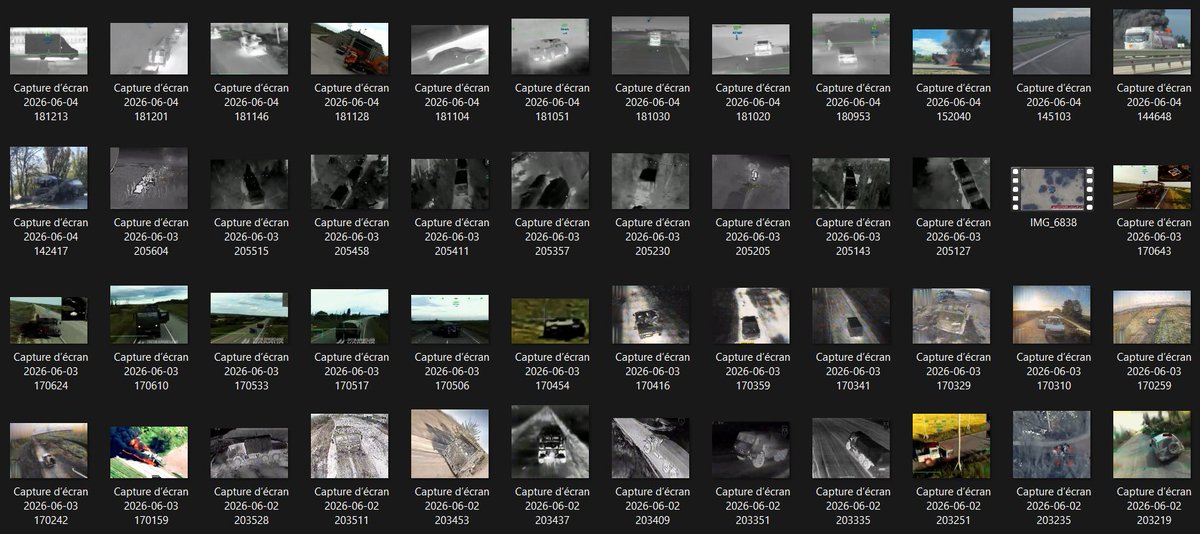


On the map, I have now around 230 hits, with 70 on the Rostov-Crimea road, 23 on Mariupol-Donetsk and more than 30 on Luhansk-Donetsk.
Key supply roads in Donbas are being hit everyday.
Key supply roads in Donbas are being hit everyday.

For months, drone strikes were limited on logistics close to the frontline (30 km maximum most of the time).
These strikes are still ongoing, but the same logistial means seen on this video (cars, SUV, loaf, Bukhanka, quad...) are being hit farther.
These strikes are still ongoing, but the same logistial means seen on this video (cars, SUV, loaf, Bukhanka, quad...) are being hit farther.
The focus was put on Mariupol and the roads in the south, but we shouldn't forget that multiple strikes are happening around Luhansk, Sievierodonetsk, Yenakieve, Horlivka or Donetsk.
The commander of the USF, Robert Magyar stated that arthere are minus 70% military traffic along the Rostov-Crimea road since the strikes started.

This morning, multiple vehicles could still be seen on the road, which means it continues to be used.


The more Ukraine will obtain drones and the more it will strike russian logistics.
3 months ago, FP-2 drones were used to strike high value targets like air-defense. It is now so much widespread that it can hit multiple bridges, electric substations or single trucks.
3 months ago, FP-2 drones were used to strike high value targets like air-defense. It is now so much widespread that it can hit multiple bridges, electric substations or single trucks.
Thank you for following this new analysis ! I will later update on the russian airstrike campaign.
If you have some questions (I'm often missing some), ask them here :
If you have some questions (I'm often missing some), ask them here :
• • •
Missing some Tweet in this thread? You can try to
force a refresh