Welcome to my brief TED Talk.
The "establishment" appears to be catching up with what many of us have been saying for the past four years.
Disinformation, extremism, distrust, social fragmentation, and hostile state influence are not separate problems.
They belong to the same battlefield.
The "establishment" appears to be catching up with what many of us have been saying for the past four years.
Disinformation, extremism, distrust, social fragmentation, and hostile state influence are not separate problems.
They belong to the same battlefield.

A new Wilton Park report from April 2026, produced after a UK Home Office-linked policy dialogue, looks at counter-extremism and democratic resilience.
It is written in careful policy language but underneath that language, the message is simple.
The old framework is not enough anymore.
It is written in careful policy language but underneath that language, the message is simple.
The old framework is not enough anymore.

The report says the UK has a mature counter-terrorism architecture.
But it also says there is no comparable framework for extremism below the terrorism threshold, mainstreamed extremist narratives, and the wider erosion of democratic norms
That is a really big admission on the establishment's part
But it also says there is no comparable framework for extremism below the terrorism threshold, mainstreamed extremist narratives, and the wider erosion of democratic norms
That is a really big admission on the establishment's part
For years and years democratic societies treated disinformation as a content problem.
They looked for the false post, the fake account, the troll farm, or the bad actor.
Do those things matter?
Yes, they matter a lot but the real damage is what happens to public trust over time.
They looked for the false post, the fake account, the troll farm, or the bad actor.
Do those things matter?
Yes, they matter a lot but the real damage is what happens to public trust over time.
The report repeatedly identifies declining trust in institutions, political leadership, democratic processes, public services, and communities as a defining feature of the current environment.
Propaganda does not need to invent social problems.
It only needs to keep poking and inflaming the issues
Propaganda does not need to invent social problems.
It only needs to keep poking and inflaming the issues
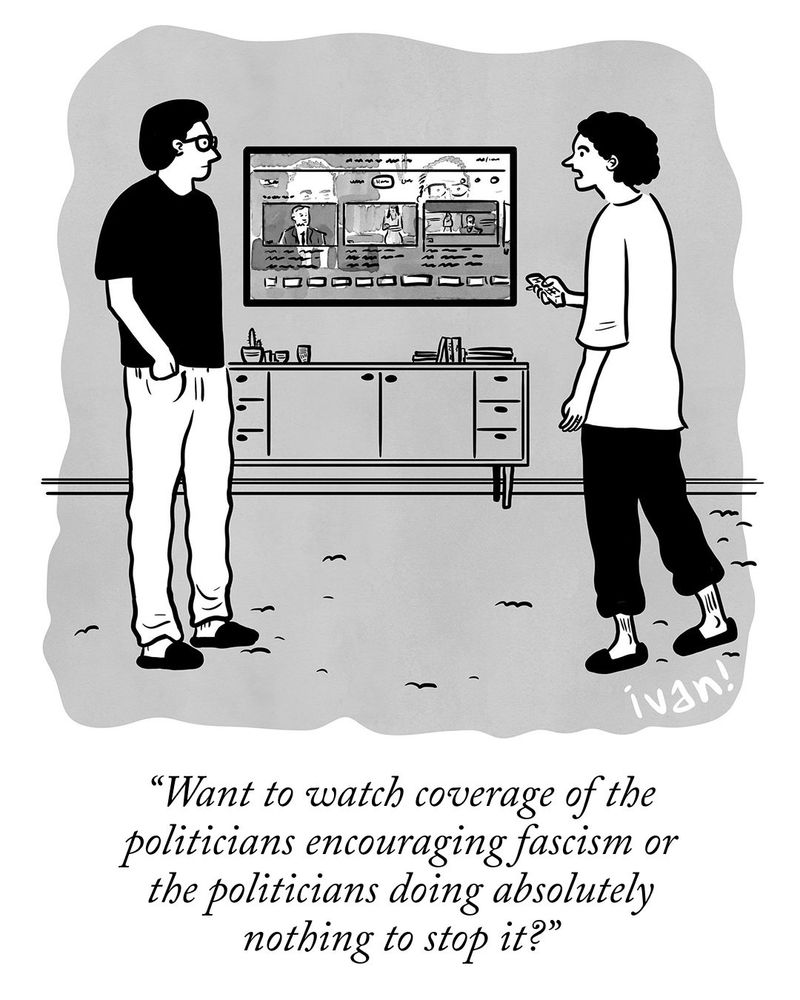
The report also warns that extremist narratives, conspiratorial thinking, and anti-democratic beliefs are moving into mainstream political and social discourse.
This part people still underestimate, because the fringe does not always need to win power directly.
Sometimes it wins by becoming normal
This part people still underestimate, because the fringe does not always need to win power directly.
Sometimes it wins by becoming normal
The report notes that support for extremist positions is often emotionally driven rather than rationally driven.
This is why evidence-based rebuttals alone are not enough.
You cannot fact-check people out of grievance if the grievance has become part of their identity.
This is why evidence-based rebuttals alone are not enough.
You cannot fact-check people out of grievance if the grievance has become part of their identity.
The report points to online platforms, recommendation systems, generative AI, and emotionally charged content as accelerants of radicalization and polarization.
That is a polite way of saying the algorithm machine rewards outrage
We already know this fire spreads because the system gives it oxygen
That is a polite way of saying the algorithm machine rewards outrage
We already know this fire spreads because the system gives it oxygen
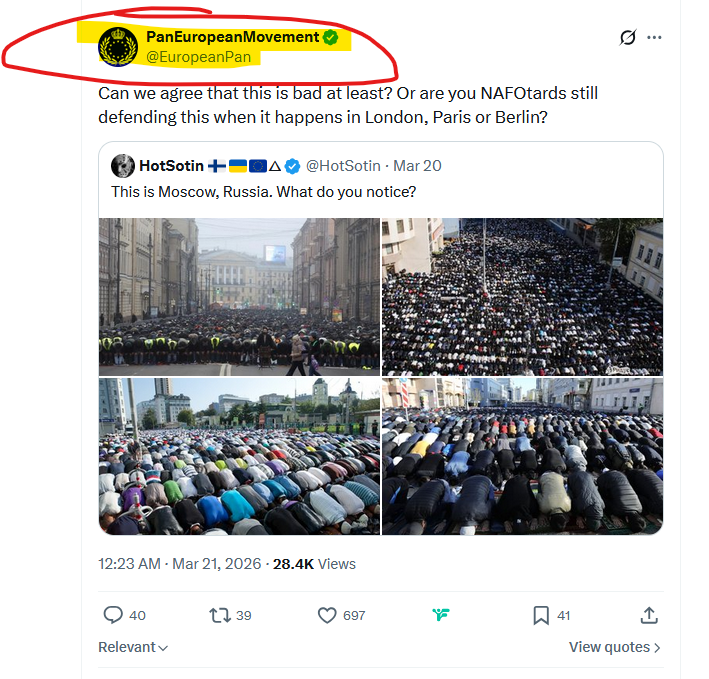
The report also names Russia and Iran as foreign state actors that can amplify existing tensions inside democratic societies.
This "distinction" tells us that hostile states do not need to create every grievance from scratch.
They find the crack and push and push and push to widen it.
This "distinction" tells us that hostile states do not need to create every grievance from scratch.
They find the crack and push and push and push to widen it.
Another point made in the report is that social cohesion and democratic resilience should be understood as national security concerns and I think that sentence should not be buried in a policy report
It should be printed on the wall of every ministry still treating civic education as a side project
It should be printed on the wall of every ministry still treating civic education as a side project
If social cohesion is national security, then public education is not nothing.
Democratic literacy is not decorative and community trust is not charity.
These are parts of the infrastructure that help a society withstand manipulation and the parts that need support, funds and legislation to work.
Democratic literacy is not decorative and community trust is not charity.
These are parts of the infrastructure that help a society withstand manipulation and the parts that need support, funds and legislation to work.
This is why some of us have been arguing for public education models that sit between research, civil society, schools, media, local communities, and ordinary citizens.
Regular people do not have the time to read these reports.
But everyone lives inside the consequences from corrosive propaganda.
Regular people do not have the time to read these reports.
But everyone lives inside the consequences from corrosive propaganda.
So yes, it is nice to see the "establishment" finally describe the problem in language that sounds familiar.
It is nice to see democratic resilience treated as more than a nice phrase.
It is nice to see trust, cohesion, hostile influence, online ecosystems, and extremism placed in the same frame.
It is nice to see democratic resilience treated as more than a nice phrase.
It is nice to see trust, cohesion, hostile influence, online ecosystems, and extremism placed in the same frame.
But now comes my boring adult question.
Will institutions put money where their mouth is?
Or will this become another report, another panel, another conference, and another polite round of “whole-of-society” language with no whole-of-society budget?
Will institutions put money where their mouth is?
Or will this become another report, another panel, another conference, and another polite round of “whole-of-society” language with no whole-of-society budget?
The report calls for clearer leadership, stronger evidence, an independent center, a national index, better platform accountability, stronger democratic advocacy, civic education, and local resilience.
Good.
Now who builds it?
Who pays for it?
Who keeps it alive after the conference ends?
Good.
Now who builds it?
Who pays for it?
Who keeps it alive after the conference ends?
Democracies are often very good at producing language after a threat becomes impossible to ignore.
They are less good at funding prevention before the damage becomes irreversible.
That is how you end up calling the fire brigade after your roof is already gone.
They are less good at funding prevention before the damage becomes irreversible.
That is how you end up calling the fire brigade after your roof is already gone.
So welcome to the conversation, dear "establishment".
We are glad you finally made it.
Now please bring tools, money, teachers, translators, researchers, local networks, and patience.
Democratic resilience is not built by talking about society.
It is built inside society, by society.
We are glad you finally made it.
Now please bring tools, money, teachers, translators, researchers, local networks, and patience.
Democratic resilience is not built by talking about society.
It is built inside society, by society.
No merch table yet, but apparently the policy world is getting closer to our future shop.
And now, you know.
Source:
portal.wiltonpark.org.uk/public/resourc…
And now, you know.
Source:
portal.wiltonpark.org.uk/public/resourc…
• • •
Missing some Tweet in this thread? You can try to
force a refresh