[Thread]🧵| The Arabs of the Maghrib al-Aqsā and the Marinid holy war in Andalusia:
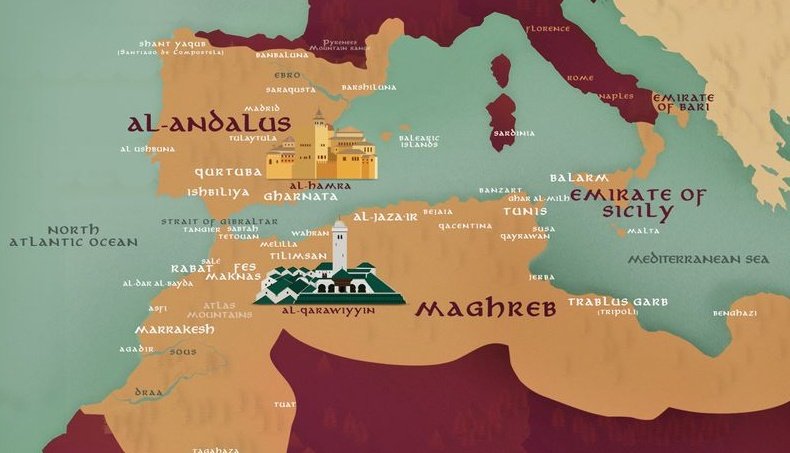
❝In 1272, following the death of Nasrid founder Mohammed al-Shaykh, his son Mohammed al-Faqîh fulfilled his father's wish by sending Andalusian sheikhs to invite the Marinid ruler Abu Yusuf Ya’qub to aid Muslim Spain against Christian advances. Already the unchallenged master of the Far Maghreb after capturing Sijilmasa and defeating Yaghmurasan, Abu Yusuf eagerly responded, first dispatching his son with 5,000 Marinid and Arab cavalry in 1272, then crossing the Strait himself the following year with a larger force.(1/6)
❝In 1272, following the death of Nasrid founder Mohammed al-Shaykh, his son Mohammed al-Faqîh fulfilled his father's wish by sending Andalusian sheikhs to invite the Marinid ruler Abu Yusuf Ya’qub to aid Muslim Spain against Christian advances. Already the unchallenged master of the Far Maghreb after capturing Sijilmasa and defeating Yaghmurasan, Abu Yusuf eagerly responded, first dispatching his son with 5,000 Marinid and Arab cavalry in 1272, then crossing the Strait himself the following year with a larger force.(1/6)

Fighting in Spain was the dearest desire of the Maghreb dynasties, perpetuating the pious and glorious tradition of the Almoravids and Almohads. In their eyes, Andalusia was not only “the field of martyrdom and the gate to eternal happiness” but also the extension of their empire, where their own people were already numerous and powerful; it served as the outlet where the unemployed and turbulent forces of the kingdom would be lost, a place of exile for members of the royal family and potential claimants whom the sultan found prudent to remove—among these princes descended from Abd el-Ḥaqq were recruited the leaders of the Volunteers of the Faith. Christian Spain likewise had its “lost children”, the Almogavars, who watched the border and sometimes pushed hazardous raids through Islamic lands. (2/6)

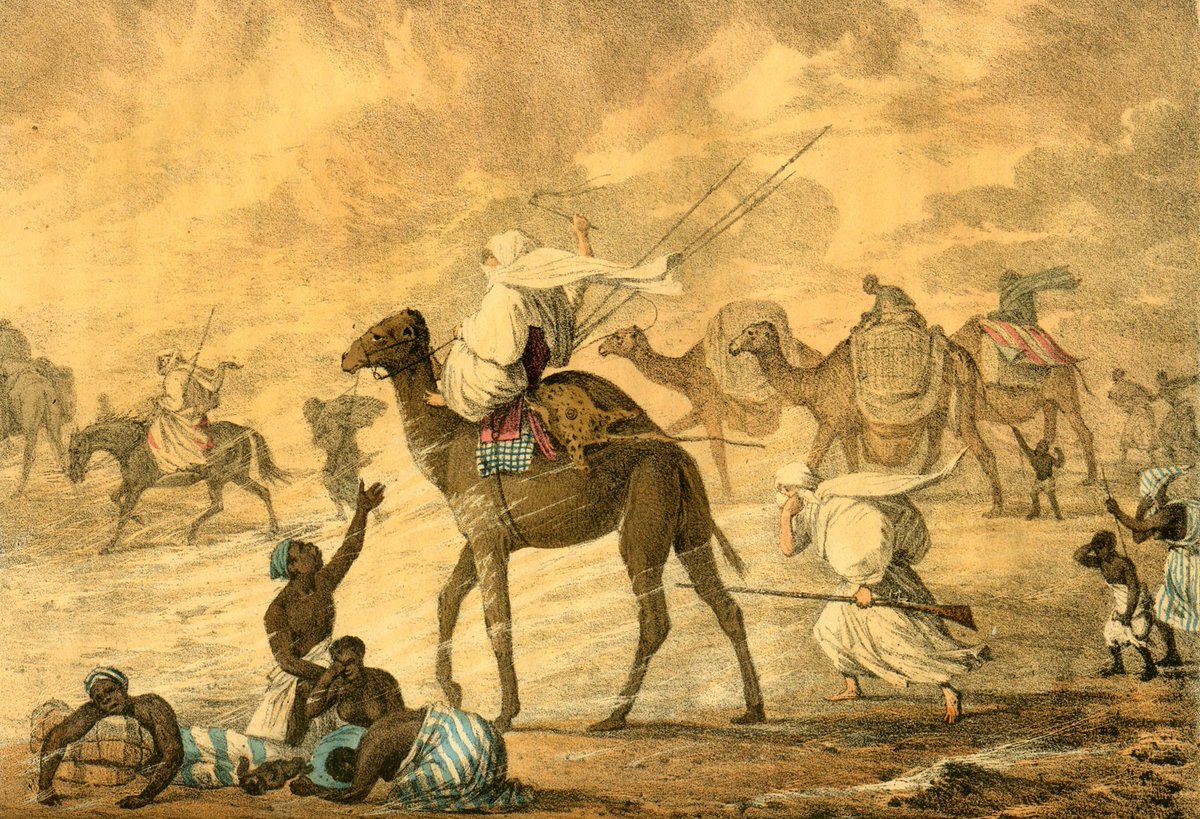
The composite armies included Marinid regulars, Asian Aṛzâz mercenaries, Ceuta crossbowmen, a black guard, Berber contingents, Andalusian locals, exiled “Volunteers of the Faith” (often Marinid princes), and—occupying a place of honor—the Hilalian Arabs, whose mounted warriors, though fewer than the Marinids, were crucial in every major operation; not entire tribes crossed, but selected fighters, with non-mounted Arabs typically remaining behind to protect camps and ensure tribal subsistence. (3/6)

Each corps had its marked place in the troops, its rank at the time of crossing the strait and in the forward march, and its role in military operations, in the raid as in the battle. When the call to arms assembled the Arab and Berber combatants in the camp near the coast, embarkation began from the port of Qasr el-Jawaz where the governor of Ceuta had gathered the boats; the Arabs were summoned from the first hour and crossed among the first convoys, followed by the Berber tribes, then the volunteers from the Maghreb, while the regular troops, Aṛzâz, corps of crossbowmen, and black guard crossed after the tribes and volunteers; the sultan and the great officers of his court embarked on the last ship. The concentration was made near Tarifa or Algeciras. (4/6)

A campaign plan was decided with the Arab chiefs consulted as always, but the prince attached the greatest importance to the advice of the Andalusians, better acquainted with the enemy's habits, the resources of the country, and the tactics of holy war. Battles opened with public prayer and single combats in which Arabs frequently challenged Christian knights without response (per Ibn al-Athir), followed by volleys from crossbowmen and Aṛzâz archers to disorder the foe, then repeated combined charges by Marinid and Arab cavalry to break and pursue the enemy mercilessly, with no quarter given and muezzins sometimes calling prayer from piles of severed heads. In these encounters, which historians transform into heroic slaughters, and in pillaging expeditions, the Arabs played a defined role, especially their cavalry. (5/6)

Although a notable part of the Hilalian combatants were not mounted, it is their horsemen who find employment here, often associated with Marinid cavalry and mentioned immediately after them in the chronicles. There were also Arab-led expeditions, such as the Khlot under Mohelhel b. Yahya investing Jerez in 1285 or the Sofyan attacking citadels and guarding camps. Apart from expeditionary forces, other Arabs with families held garrisons in Andalusia since Almohad times (noted by al-Marrakushi around 1224). Virtually all major Hilalian branches participated; they shared generously in spoils, cash, prestigious posts, dining invitations with Marinid leaders, and poetic praise. In a qasida by Abu Faris al-Meknasi for the 1285 campaign, he extolled the valor of the Sofyan (especially Banû Jermoun), 'Asem (led by heroic ‘Iyad), Khlot and allied families, Zobayr (ancestors of Hilal b. Hamidân), Banû Jabir under Yusuf b. Qaytoun, and Athbej who “carry around the cup of death and make the enemies empty it”—thus affirming the Arabs’ integral, honored, and celebrated role alongside the Marinids in the Andalusian jihad.❞ (6/6)


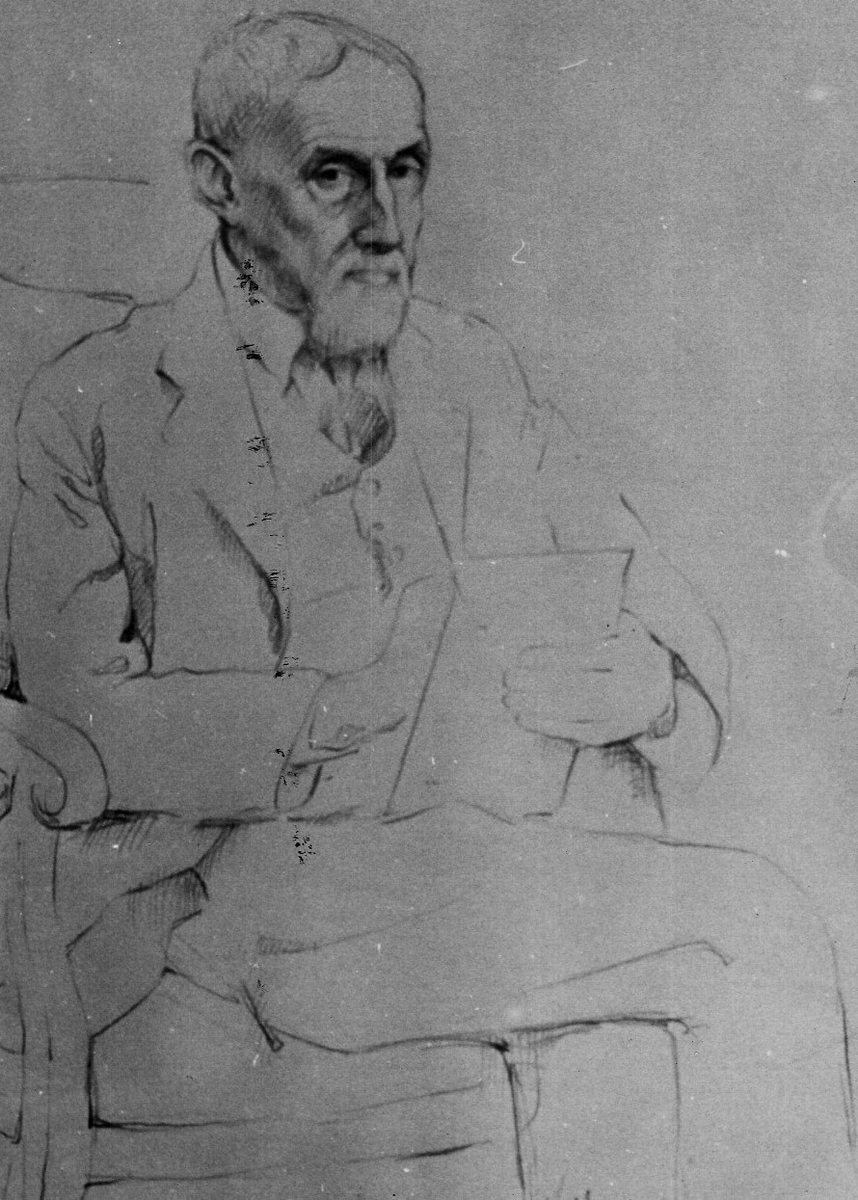
📗: The Arabs in Berberia, page 355 and following, Georges Marçais (1876-1962)

• • •
Missing some Tweet in this thread? You can try to
force a refresh