1)-Thread
~ The McCairn Protocol ~
(also called the Edogawa-McCairn Protocol)
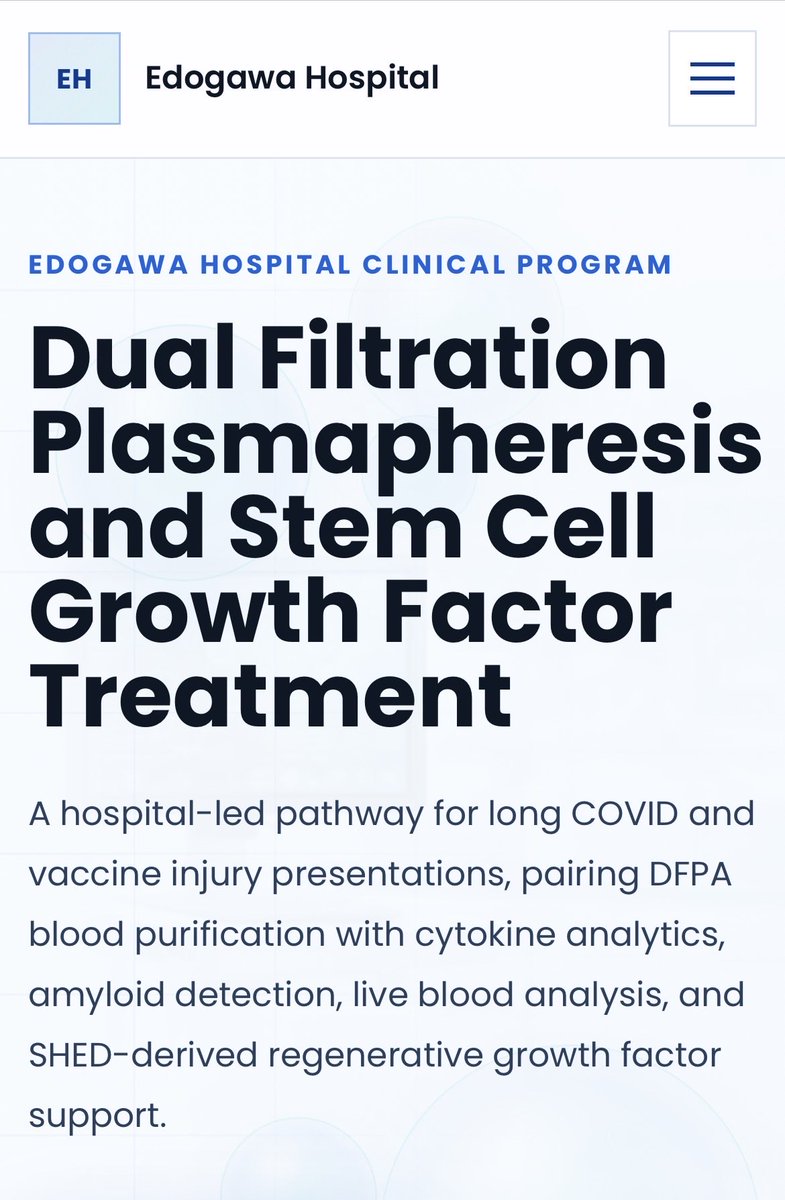
• is an experimental, two-part treatment approach developed or promoted by neuroscientist Dr. Kevin McCairn, PhD, in collaboration with a hospital in Japan (Edogawa Hospital) & ran by Dr Kato
• It primarily targets symptoms associated with Long COVID & post-mRNA vaccine injury
• it focuses on issues like persistent spike protein, amyloid fibrin microclots, autoantibodies, inflammation, & related vascular/neurological damage
edogawadfpa.com
~ The McCairn Protocol ~
(also called the Edogawa-McCairn Protocol)
• is an experimental, two-part treatment approach developed or promoted by neuroscientist Dr. Kevin McCairn, PhD, in collaboration with a hospital in Japan (Edogawa Hospital) & ran by Dr Kato
• It primarily targets symptoms associated with Long COVID & post-mRNA vaccine injury
• it focuses on issues like persistent spike protein, amyloid fibrin microclots, autoantibodies, inflammation, & related vascular/neurological damage
edogawadfpa.com
2)
• The full protocol is typically an outpatient process spanning about 2 weeks at the Japanese facility, with pre-/post-testing (including microclot analysis via Thioflavin T staining & fluorescence microscopy through Synaptek Labs)
• Dr. McCairn’s work involves neuroscience research (previously on movement disorders like tics in primates) & analysis of blood samples for amyloid fibrils, abnormal clotting, & prion-like misfolding potentially linked to spike protein
• The protocol addresses what proponents call “spikeopathy” — persistent effects from SARS-CoV-2 or mRNA vaccines leading to microclots, endothelial damage, & chronic inflammation
• It is not a mainstream or FDA-approved treatment for these indications
• It is positioned as a proof-of-concept study with patient testimonials (e.g., dramatic improvements in energy, cognition, & function in some severe cases or similar)
• Efforts are underway to fund IRB-approved trials in the U.S. to study it more rigorously
• This protocol represents one investigational avenue in a broader field of microclot & spike-related research
• The full protocol is typically an outpatient process spanning about 2 weeks at the Japanese facility, with pre-/post-testing (including microclot analysis via Thioflavin T staining & fluorescence microscopy through Synaptek Labs)
• Dr. McCairn’s work involves neuroscience research (previously on movement disorders like tics in primates) & analysis of blood samples for amyloid fibrils, abnormal clotting, & prion-like misfolding potentially linked to spike protein
• The protocol addresses what proponents call “spikeopathy” — persistent effects from SARS-CoV-2 or mRNA vaccines leading to microclots, endothelial damage, & chronic inflammation
• It is not a mainstream or FDA-approved treatment for these indications
• It is positioned as a proof-of-concept study with patient testimonials (e.g., dramatic improvements in energy, cognition, & function in some severe cases or similar)
• Efforts are underway to fund IRB-approved trials in the U.S. to study it more rigorously
• This protocol represents one investigational avenue in a broader field of microclot & spike-related research
3)
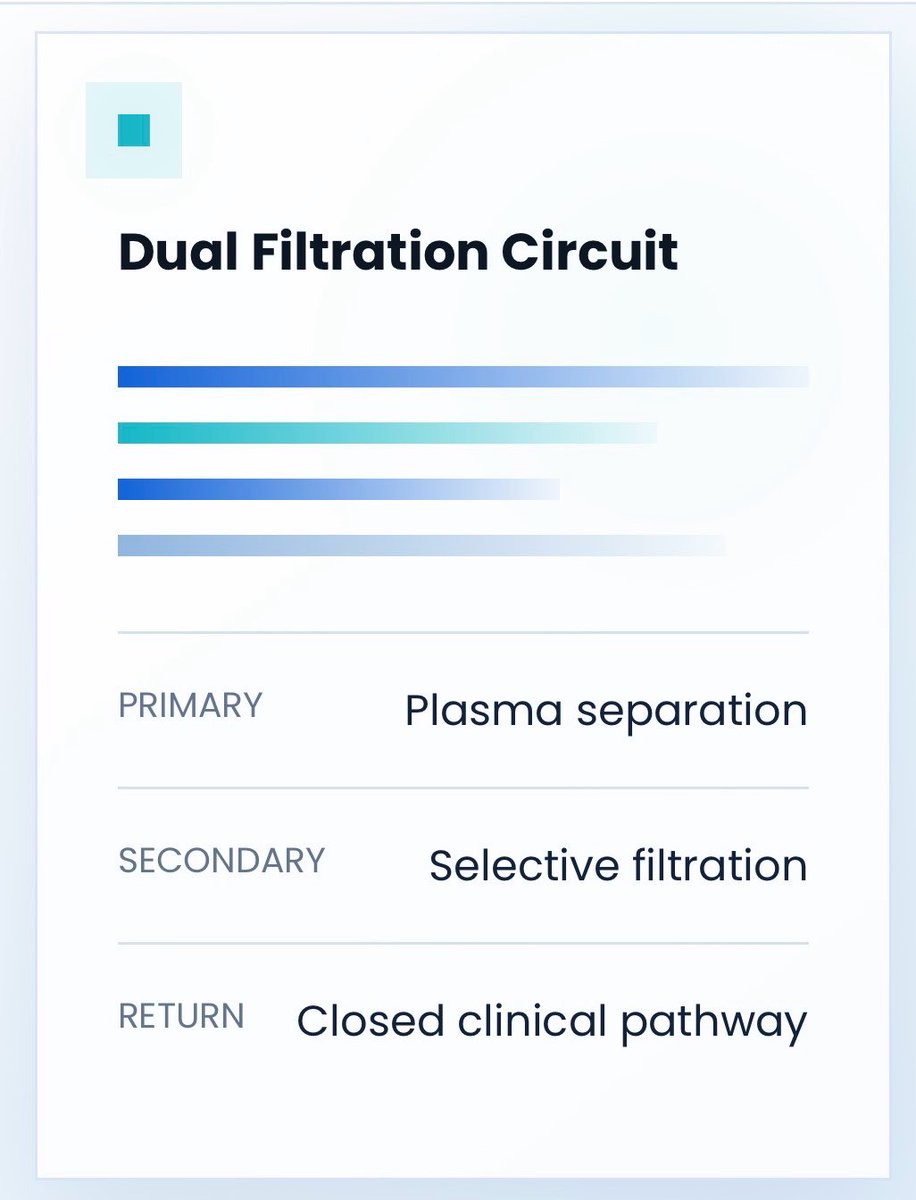
1~ DFPA~ Double Filtration Plasmapheresis/Apheresis Adsorption Therapy (Part 1: “Cleaning/Filtering”)
• Unlike standard plasmapheresis (which replaces plasma with donor plasma or albumin), DFPA uses filtration to retain most of the patient’s own plasma while targeting specific larger molecules/pathological elements
~ Goal:
• Physically remove circulating microclots (often amyloid-positive fibrin structures) & inflammatory triggers that may impair microcirculation, contributing to fatigue, brain fog, etc
1~ DFPA~ Double Filtration Plasmapheresis/Apheresis Adsorption Therapy (Part 1: “Cleaning/Filtering”)
• Unlike standard plasmapheresis (which replaces plasma with donor plasma or albumin), DFPA uses filtration to retain most of the patient’s own plasma while targeting specific larger molecules/pathological elements
~ Goal:
• Physically remove circulating microclots (often amyloid-positive fibrin structures) & inflammatory triggers that may impair microcirculation, contributing to fatigue, brain fog, etc
4)
2~ (SCGF) ~ Stem Cell Growth Factor Infusion Cultured Supernatant (Part 2: “Regeneration”)
• Intravenous (or sometimes nasal/olfactory) administration of trophic factors, cytokines, exosomes, & growth factors harvested from the culture supernatant of mesenchymal stem cells (often from primary tooth pulp/dental pulp stem cells — autologous or allogeneic “baby teeth” derived) donated to the clinic
• No live stem cells are infused; instead, it’s the secreted “paracrine” signals (e.g., anti-inflammatory IL-10, neurotrophic factors like BDNF/NGF, VEGF, HGF, TGF-β)
~ Goal:
• Promote tissue repair, reduce inflammation, support vascular/endothelial healing, modulate immunity, & aid neurological recovery
• Often given daily for ~14 days alongside or after DFPA
2~ (SCGF) ~ Stem Cell Growth Factor Infusion Cultured Supernatant (Part 2: “Regeneration”)
• Intravenous (or sometimes nasal/olfactory) administration of trophic factors, cytokines, exosomes, & growth factors harvested from the culture supernatant of mesenchymal stem cells (often from primary tooth pulp/dental pulp stem cells — autologous or allogeneic “baby teeth” derived) donated to the clinic
• No live stem cells are infused; instead, it’s the secreted “paracrine” signals (e.g., anti-inflammatory IL-10, neurotrophic factors like BDNF/NGF, VEGF, HGF, TGF-β)
~ Goal:
• Promote tissue repair, reduce inflammation, support vascular/endothelial healing, modulate immunity, & aid neurological recovery
• Often given daily for ~14 days alongside or after DFPA
5)
• For the latest, check sources like Synaptek Labs or updates from involved clinicians below:
• edogawadfpa.com - hospital and protocol info
• synapteklabs.com - info on how and where to send your blood sample
cc:
@KevinMcCairnPhD @CharlesRixey
@shonyan
@edogawa_PA
• For the latest, check sources like Synaptek Labs or updates from involved clinicians below:
• edogawadfpa.com - hospital and protocol info
• synapteklabs.com - info on how and where to send your blood sample
cc:
@KevinMcCairnPhD @CharlesRixey
@shonyan
@edogawa_PA
@KevinMcCairnPhD @CharlesRixey @shonyan 6)
• DFPA
• DFPA
https://twitter.com/houselyndseyrn/status/2046396157752910046
@KevinMcCairnPhD @CharlesRixey @shonyan 7)
• SCGF
• SCGF

• • •
Missing some Tweet in this thread? You can try to
force a refresh