Dr. Priyam Bordoloi Profile picture
Jun 26 10 tweets 2 min read Read on X
Med students, listen up! Today let me explain how to analyze a Liver Function Test (LFT) step by step.
​Stop looking at isolated HIGH or LOW flags on a lab report. You need to look at the patterns. Here is how you actually read an LFT panel like a CONSULTANT 👇 (1/10)
Hepatocellular Injury (AST & ALT)
Look at the ratio and the absolute numbers:

• Mild rise + ALT > AST: Think MAFLD. Extremely common incidental finding.

• Modest rise + AST:ALT > 2:1: Alcoholic hepatitis. (Alcohol depletes B6, which limits ALT synthesis). (2/10)
• Massive Elevation (>1000 U/L)
This is a medical emergency indicating widespread hepatocyte death.

Causes: Ischemic Hepatitis, Acetaminophen Toxicity or Acute Viral Hepatitis. You must track the kinetic spike and drop over 24-48 hours (3/10)
Bilirubin (Excretion Pathway)

• Unconjugated (Indirect) Dominant: Pre-hepatic. Think hemolysis or overproduction.

• Conjugated (Direct) Dominant: Post-hepatic. The liver processed it, but there is an obstruction (like a gallstone) preventing excretion (4/10)
Acute Viral Hepatitis Pattern

Transaminases shoot into the thousands with strict ALT > AST dominance. This is accompanied by a steady, parallel rise in both total and direct bilirubin. Jaundice worsens as the enzymes peak (5/10)
Tropical Fever Patterns (High Yield)

• Leptospirosis: Disproportionately massive Bilirubin (deep jaundice) with only mildly elevated AST/ALT (<200).

• Scrub Typhus: Significantly high AST/ALT (mid-hundreds) but Bilirubin and jaundice stay relatively mild (6/10)
Synthetic Function (Chronic Liver Disease)

• Albumin: Half-life is ~20 days. Drops in chronic failure (Cirrhosis).

• Flipped A:G Ratio (<1): Albumin drops while unfiltered gut antigens drive up Globulin. A classic chronic liver disease sign (7/10)
ALP & GGT

• ALP shoots up when bile ducts are blocked. But ALP also lives in bone.
How do you differentiate? Check GGT. GGT only rises for liver issues.

High ALP + High GGT = Biliary block.
High ALP + Normal GGT = Bone issue.
(8/10)
Clotting (PT/INR)

• While Albumin takes weeks to drop, clotting factors drop in hours. A rising INR in acute hepatitis means the liver is actively failing right now. It is the ultimate red flag for acute liver failure.
(9/10)
Hi, I am Dr. Priyam, an MD Internal Medicine resident. I make medical content to bridge the gap between laymen and students. I teach clinical concepts and share my real-world hospital experiences.

​Follow me for more! (10/10)

• • •

Missing some Tweet in this thread? You can try to force a refresh

 

Keep Current with Dr. Priyam Bordoloi

Dr. Priyam Bordoloi Profile picture

Stay in touch and get notified when new unrolls are available from this author!

Read all threads

This Thread may be Removed Anytime!

PDF

Twitter may remove this content at anytime! Save it as PDF for later use!

Try unrolling a thread yourself!

how to unroll video
  1. Follow @ThreadReaderApp to mention us!

  2. From a Twitter thread mention us with a keyword "unroll"
@threadreaderapp unroll

Practice here first or read more on our help page!

More from @DocPriyamMD

Jun 24
80% of all autoimmune disease patients are females.
Lupus, Rheumatoid Arthritis, Hashimoto's... the disparity is massive.

​But WHY is the female immune system so prone to attacking itself?
I am keeping an eye on all the replies! This deserves a highly detailed answer. Let me get back to my desk and I will drop a full thread with the clinical reality plus a few of my own unproven theories on the 'why' behind it.
Okay getting right to it.

1. ​Hormones are the absolute biggest factor. Estrogen naturally supercharges your immune cells making them hyper alert. Testosterone on the other hand actually suppresses the immune system. So right out of the gate a female body is operating with a much more aggressive defense baseline.

2. ​Genetics also play a massive role. Females have two X chromosomes and the X chromosome is absolutely packed with genes that control immunity. The body tries to shut one of those extra chromosomes down to avoid overload. But a lot of those genes leak through and stay active. That gives the body a double dose of immune signals which practically begs the system to get confused and attack your tissues.

3. ​Pregnancy changes the immune landscape forever. Fetal cells cross into the mother during pregnancy and can live in her tissues for decades. We call this fetal microchimerism. Years down the line the immune system of the mother might suddenly recognize those leftover baby cells as foreign invaders and launch a massive attack that spirals into an autoimmune disease.

4. ​From an evolutionary standpoint women historically needed incredibly strong immune systems to survive severe infections and pass on that immunity to their babies. Women actually survive sepsis better and respond to vaccines much better than men do. The biological tax for having that elite defense system is that it sometimes makes mistakes and attacks the host.

Now for the unproven stuff. I promised a couple of theories that are not fully established in the literature yet but are getting a lot of attention in medical circles right now 👇
Read 4 tweets
Jun 19
You suspect a family member is suddenly having a STROKE. Which common first aid step could actually KILL them?

​A) Laying them flat on their back
B) Giving them an Aspirin to chew
C) Elevating their legs
D) Loosening their tight clothing

​Bonus: WHY?
Almost everyone of you got this right! The answer is indeed B) Giving them an Aspirin to chew.

​Do yourself a favor and scroll through the replies in this thread right now, the medical community and some incredibly smart folks here have already dropped some brilliant, life-saving explanations.

​I am currently away from home, but this topic deserves absolute, undivided attention. Recognizing the signs of a stroke, knowing exactly what to do, what not to do and mastering those critical first-aid steps until you reach the ER can literally mean the difference between life and death.

​Once I am back at my desk, I will be writing a highly detailed reply covering all of this in depth. Make sure you are FOLLOWING ME so you don't miss it.
As promised, let’s deeply break down why giving Aspirin during a suspected stroke is one of the most dangerous first-aid mistakes you can make.
The confusion happens because we are universally told to chew an aspirin during a heart attack. While that saves lives for the heart, doing it blindly for the brain is a massive gamble. Here is why 👇
Read 6 tweets
May 29
A patient’s relative just asked: "If a fever is the body's natural way of burning off a viral infection, why do we immediately give Paracetamol to lower it? Aren't we helping the virus?"
The relative was actually half-right.

When a virus invades, your immune system signals the hypothalamus (the body’s thermostat) to crank up the heat. This creates a hostile environment that slows viral replication and kicks your white blood cells into overdrive.

So why do we give Paracetamol?

Because this defense mechanism comes with a massive metabolic tax.
For every 1°C rise in body temperature:
📈 Heart rate jumps 10-15 beats/min
🫁 Oxygen demand spikes
💧 Fluid loss accelerates rapidly

We don't give Paracetamol to kill the virus. We give it because that physiological stress can be absolutely exhausting and sometimes dangerous.

Paracetamol inhibits prostaglandins, gently resetting the thermostat. It acts as crowd control so your immune system can win the war without setting the host on fire. It buys you comfort so you can actually rest, hydrate, and recover.

The Golden Rule in the Medicine Wards:
We treat the patient, not the thermometer.

If you want to understand how your body actually works, follow me for more clinical pearls and daily health literacy.
Seeing a lot of "doctors just want to push pills, just drink water and let the fever run" in the replies.

Here’s the actual reality:

• Letting a fever run its course is a privilege of the young and healthy. And even then, it has a strict limit.
If you are a healthy 25-year-old with a 100-101°F fever, sure. Hydrate and rest. But if that thermometer hits 104°F (40°C)? That crosses the line from a helpful defense to actively damaging your own cells and risking seizures. At that point, nobody should just let it run.

• Now, step into the medicine wards. We are dealing with 65-year-olds with bad hearts, COPD and zero physiological reserve. When their temperature spikes, their heart rate shoots up and their oxygen demand doubles. If we just let it run, their heart gives out before the virus even peaks.

• We aren't pushing pills for fun. We are using Paracetamol as a shield to protect the host from the collateral damage of their own immune system.

• There are way too many non-medico experts in the replies coming with snarky advice. We don't spend a decade studying medicine and grinding in the wards if the human body was really as simple as just drink water.

• If you actually prefer actual Evidence-Based Medicine drop a follow.
Read 4 tweets
May 11
Med students, listen up! Today let me explain how to analyze a Complete Blood Count (CBC) report step by step. A CBC is more than just numbers; it’s a clinical narrative. Let’s break down this real patient’s report together. 👇 Image
Look at the Hb: 4.9 g/dL. This is Severe Anemia. 🚨

Ranges (g/dL):
🔹Mild: 10–12 (W), 10–13 (M)
🔹Moderate: 7–10
🔹Severe: < 7

At 4.9, the body is starving for oxygen. The RBC count is also very low at 2.84. This requires urgent clinical intervention
Why is the Hb low? Look at the indices:

Low MCV (71.1) & MCH/MCHC = Microcytic Hypochromic anemia (small, pale cells).

High RDW (74.9) means RBCs vary wildly in size.

Classic signature of Iron Deficiency Anemia (IDA). The pencil cells in the PBS confirm it
Read 7 tweets
Apr 9
Three months ago, a patient died in our ER. What he did in the hours before reaching us still makes me shudder.

A 35-year-old shouldn’t die from a snake bite in 2026. He died because he followed myths instead of science.
Don’t let your "first aid" be the thing that kills you 🧵
The "Action Movie" Myth 🔪

The patient tried to cut and suck the venom out.

Don't ❌

• Cutting: Causes massive bleeding and local tissue necrosis.
• Sucking: Introduces mouth bacteria, leading to secondary infections.

You waste the "Golden Hour" playing hero.
The Tourniquet Trap 🚫

Stop using tight ligatures/tourniquets.
They often cut off arterial blood, leading to gangrene and limb loss. Worse, releasing them can cause a "venom burst" to the heart.

✅ Use a Pressure Immobilization Bandage or a simple splint instead.
Read 7 tweets
Mar 10
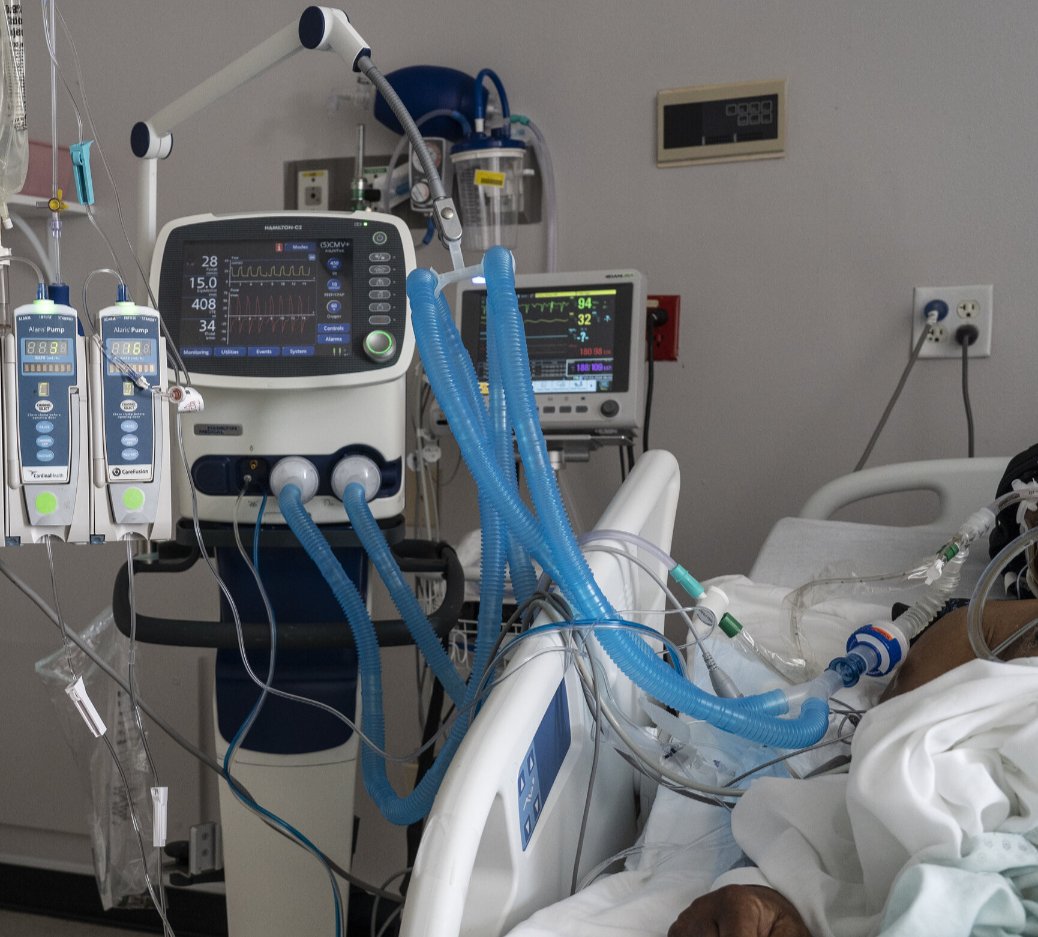
"Ventilator." For many, that word sounds like a final goodbye. Families often fear it more than the illness itself.

But here is the reality: a ventilator is not a death sentence. It is a bridge, a tool we use to buy precious time for the body to heal. Let’s talk about it. 🧵 Image
How does a vent help? Think of it as an external lung.

Used when lungs are physically failing (like infection) or the GCS is low i.e. the brain is unable to protect the airway or trigger the drive to breathe.

The vent handles the mechanics while the body focus on recovery
It’s not just a pump. Modern vents are precise instruments. We calibrate them to match your body’s needs - managing pressure, volume, and oxygen to support you without causing trauma. It’s a delicate, life-sustaining balance.
Read 5 tweets

Did Thread Reader help you today?

Support us! We are indie developers!


This site is made by just two indie developers on a laptop doing marketing, support and development! Read more about the story.

Become a Premium Member ($3/month or $30/year) and get exclusive features!

Become Premium

Don't want to be a Premium member but still want to support us?

Make a small donation by buying us coffee ($5) or help with server cost ($10)

Donate via Paypal

Or Donate anonymously using crypto!

Ethereum

0xfe58350B80634f60Fa6Dc149a72b4DFbc17D341E copy

Bitcoin

3ATGMxNzCUFzxpMCHL5sWSt4DVtS8UqXpi copy

Thank you for your support!

Follow Us!

:(