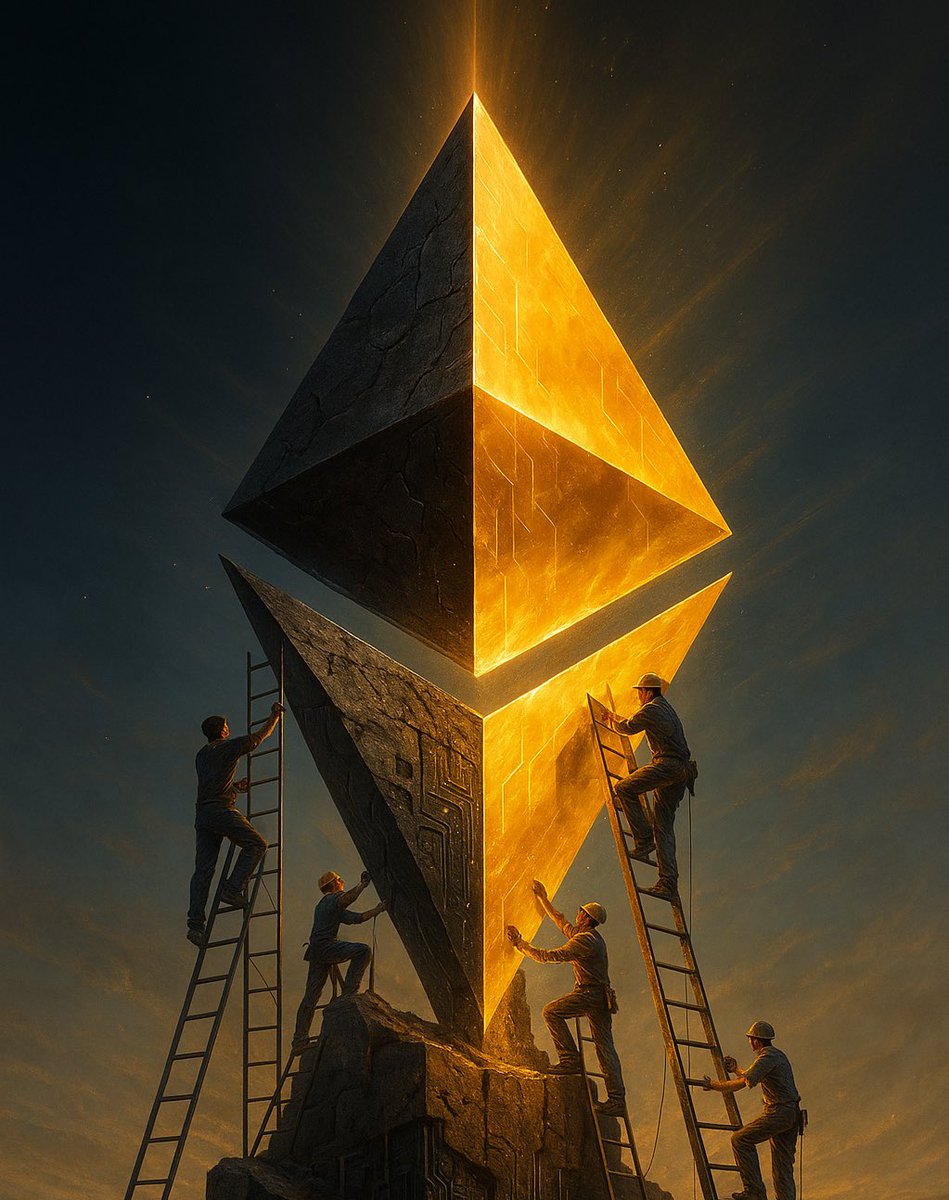
How to build a great crypto consumer app in 2026.
The Thesis:
The real opportunity is not to build better crypto apps but to build apps where crypto is the substrate and the access point to new experiences.
The Four Tenets:
Any bet made under this thesis should clear four tests.
1. Think in terms of outcomes:
Stablecoins are not applications but infrastructure, and, depending on the user, they can be a way to do business cheaper, or a way to flee a tyrannical government. Applications are what gets built on top of this infrastructure, e.g a payments app.
You cannot just “build an app for stablecoins,” you must build an app that serves a specific user set with a specific outcome.
This is my hunch as to why crypto wallets have largely failed outside of crypto: they are far too general purpose. If I tell a friend to download a wallet, there is no outcome I can share with them.
B2B businesses have it better, if we look at Bridge which got acquired by Stripe for $1B in cash, it's clear that their outcome as a business was simple: “Businesses choose Bridge as the only platform they need to easily receive, store, convert, issue and spend stablecoins.” So, if your were to build something, it would be prudent to build for an OUTCOME for a user you narrow down.
While working, any feature addition, any marketing spend idea should be delivered with an attached outcome, otherwise it is just vibes based work.
2. Real users from day one:
The product has to meet an existing need vs manufacture a new one.
Crypto has spent a decade building solutions in search of problems. The user base on day one should be people who already do the behaviour in question and would switch to a better version of it, and it must be ten times better, not 10% better. 3. 10x better, not 10% better
UX is the moat! The internal ordering of future teams, from the engineering priorities, the roadmap, all of it has to flow from user experience rather than raw protocol capability. This is how Revolut out-executed every incumbent bank in Europe despite having a weaker balance sheet and a narrower product range for years.
Marginal improvement does not move users off an incumbent. A crypto card that is slightly better than Revolut loses, it does not disrupt user behavior. But, a crypto card that does something Revolut structurally cannot, eg lets say, introduce user-programmable bill splitting or private settlements, might actually stand a chance.
4. Catching key lifestyle trends
Many winners rarely invent categories, they tend to catch a shift in user behaviour of an existing category. BeReal did not invent photo sharing but it caught the moment when curated Instagram felt exhausting. Aave did not invent lending but it caught the moment when permissioned finance became more restrictive and less globalized and when decentralized currency holdings created whales locked out of permissioned finance. Revolut did not invent banking but it caught the moment when old boomer banks felt hard to use and an online native younger generation started to have more disposable income.
The ideas are out there, AI accelerates the ability to execute them, but an idea is only as good as the user need it serves at a given time.
—
The real power lies in using crypto as a substrate to power new experiences and having the product discipline and user empathy to build for a real audience with a real need.
The Thesis:
The real opportunity is not to build better crypto apps but to build apps where crypto is the substrate and the access point to new experiences.
The Four Tenets:
Any bet made under this thesis should clear four tests.
1. Think in terms of outcomes:
Stablecoins are not applications but infrastructure, and, depending on the user, they can be a way to do business cheaper, or a way to flee a tyrannical government. Applications are what gets built on top of this infrastructure, e.g a payments app.
You cannot just “build an app for stablecoins,” you must build an app that serves a specific user set with a specific outcome.
This is my hunch as to why crypto wallets have largely failed outside of crypto: they are far too general purpose. If I tell a friend to download a wallet, there is no outcome I can share with them.
B2B businesses have it better, if we look at Bridge which got acquired by Stripe for $1B in cash, it's clear that their outcome as a business was simple: “Businesses choose Bridge as the only platform they need to easily receive, store, convert, issue and spend stablecoins.” So, if your were to build something, it would be prudent to build for an OUTCOME for a user you narrow down.
While working, any feature addition, any marketing spend idea should be delivered with an attached outcome, otherwise it is just vibes based work.
2. Real users from day one:
The product has to meet an existing need vs manufacture a new one.
Crypto has spent a decade building solutions in search of problems. The user base on day one should be people who already do the behaviour in question and would switch to a better version of it, and it must be ten times better, not 10% better. 3. 10x better, not 10% better
UX is the moat! The internal ordering of future teams, from the engineering priorities, the roadmap, all of it has to flow from user experience rather than raw protocol capability. This is how Revolut out-executed every incumbent bank in Europe despite having a weaker balance sheet and a narrower product range for years.
Marginal improvement does not move users off an incumbent. A crypto card that is slightly better than Revolut loses, it does not disrupt user behavior. But, a crypto card that does something Revolut structurally cannot, eg lets say, introduce user-programmable bill splitting or private settlements, might actually stand a chance.
4. Catching key lifestyle trends
Many winners rarely invent categories, they tend to catch a shift in user behaviour of an existing category. BeReal did not invent photo sharing but it caught the moment when curated Instagram felt exhausting. Aave did not invent lending but it caught the moment when permissioned finance became more restrictive and less globalized and when decentralized currency holdings created whales locked out of permissioned finance. Revolut did not invent banking but it caught the moment when old boomer banks felt hard to use and an online native younger generation started to have more disposable income.
The ideas are out there, AI accelerates the ability to execute them, but an idea is only as good as the user need it serves at a given time.
—
The real power lies in using crypto as a substrate to power new experiences and having the product discipline and user empathy to build for a real audience with a real need.
• • •
Missing some Tweet in this thread? You can try to
force a refresh