The Democratic Socialists of America (DSA) is the largest socialist organization in the United States today, and its influence is on the rise in Democratic Party (dangerously in my opinion). But what is its history? A thread on the recent rise of socialism in America 🧵 

2/ Michael Harrington was a leading early voice of democratic socialism. Raised in an Irish Catholic family, Harrington attended Jesuit schools & was active in Catholic social circles before leaving the faith. His 1962 book "The Other America" documented persistent poverty in the U.S. & inspired LBJ's War on Poverty.


3/ Harrington rejected both Soviet communism and revolutionary Marxism. He argued socialism could be democratic, with free elections, civil liberties, constitutional government, and a free press.
4/ DSA's roots run through the Socialist Party of America. During the late 1960s and early 1970s, disputes over the Vietnam War, the Democratic Party, and foreign policy fractured the party into competing factions.

5/ In 1973, Harrington founded the Democratic Socialist Organizing Committee (DSOC). Rather than build a third party, DSOC sought to move the Democratic Party in a more social democratic direction.

6/ Another important group was the New American Movement (NAM), founded in 1971. It emerged from the New Left and emphasized feminism, civil rights, grassroots organizing, and participatory democracy.

7/ In 1982, DSOC and NAM merged to create the Democratic Socialists of America (DSA). Harrington became its first honorary chair and remained its best-known public intellectual until his death in 1989.


8/ For decades, DSA remained relatively small, with only a few thousand members. It focused on labor unions, healthcare, housing, and influencing Democratic Party politics rather than running many candidates of its own.
9/ Everything changed after Bernie Sanders' 2016 presidential campaign. Although Sanders has never been a DSA member, his campaign made "democratic socialist" a mainstream political label and fueled explosive membership growth.

10/ DSA grew from roughly 6,000 members before 2016 to more than 90,000 at its peak in the early 2020s, becoming the largest socialist organization in the U.S. in decades.




11/ DSA has endorsed candidates including Alexandria Ocasio-Cortez, Rashida Tlaib, Cori Bush, Jamaal Bowman, Zohran Mamdani, and hundreds of state and local candidates.

12/ From a conservative perspective, DSA's vision represents a sharp break from the American constitutional tradition of limited government & private enterprise. It instead places much greater faith in government economic management, redistribution & public ownership.

13/ DSA argues that many sectors of the economy should be removed from market competition and brought under greater public control. Its platform has included proposals such as Medicare for All, social housing, stronger labor protections, public ownership in some industries, & much higher taxes including in the form of wealth taxes and greater income taxation on top earners.


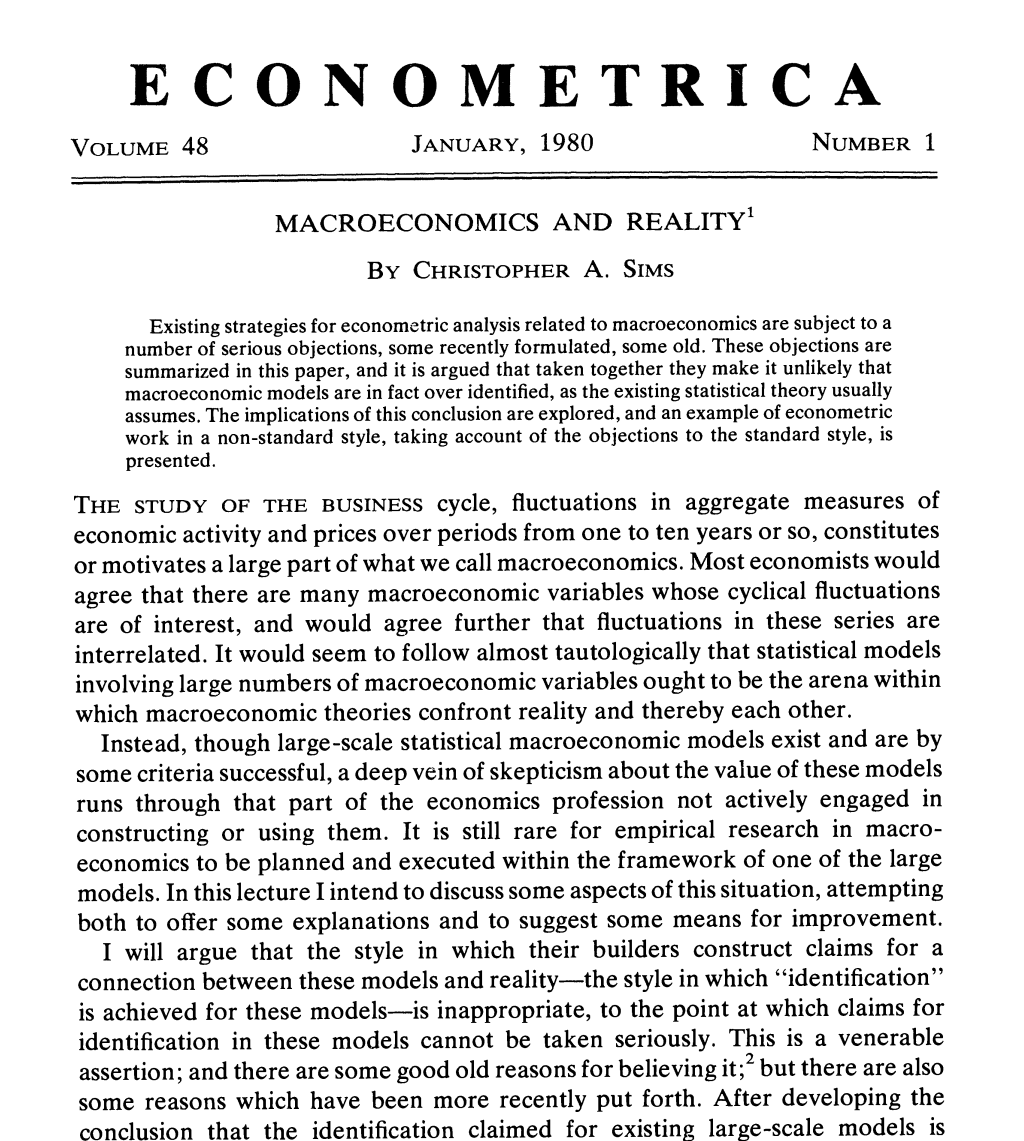
14/ Time and again many of these ideas have repeatedly produced slower growth, weaker incentives to innovate and invest, larger bureaucracies, & diminished economic freedom. History offers many examples where expanding state control ultimately reduced prosperity and reversing it restored economic growth papers.ssrn.com/sol3/papers.cf…
15/ Folks often fail to distinguish between market economies with generous welfare states (Eg. Denmark, Sweden, Norway, & Finland) & socialism. The Nordics all rely on private property, competitive markets, & have some of the most flexible labor markets among advanced economies
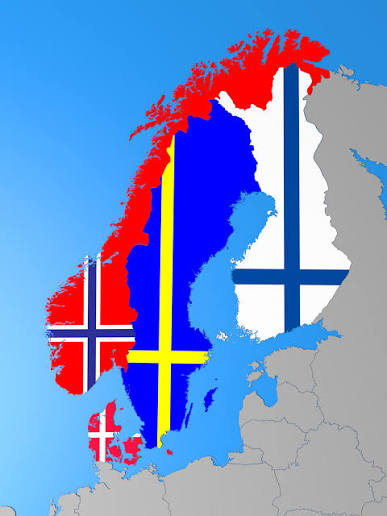
16/ Denmark Prime Minister Lars Løkke Rasmussen once said: "I know that some people in the U.S. associate the Nordic model with some sort of socialism. Therefore, I would like to make one thing clear. Denmark is far from a socialist planned economy. Denmark is a market economy"

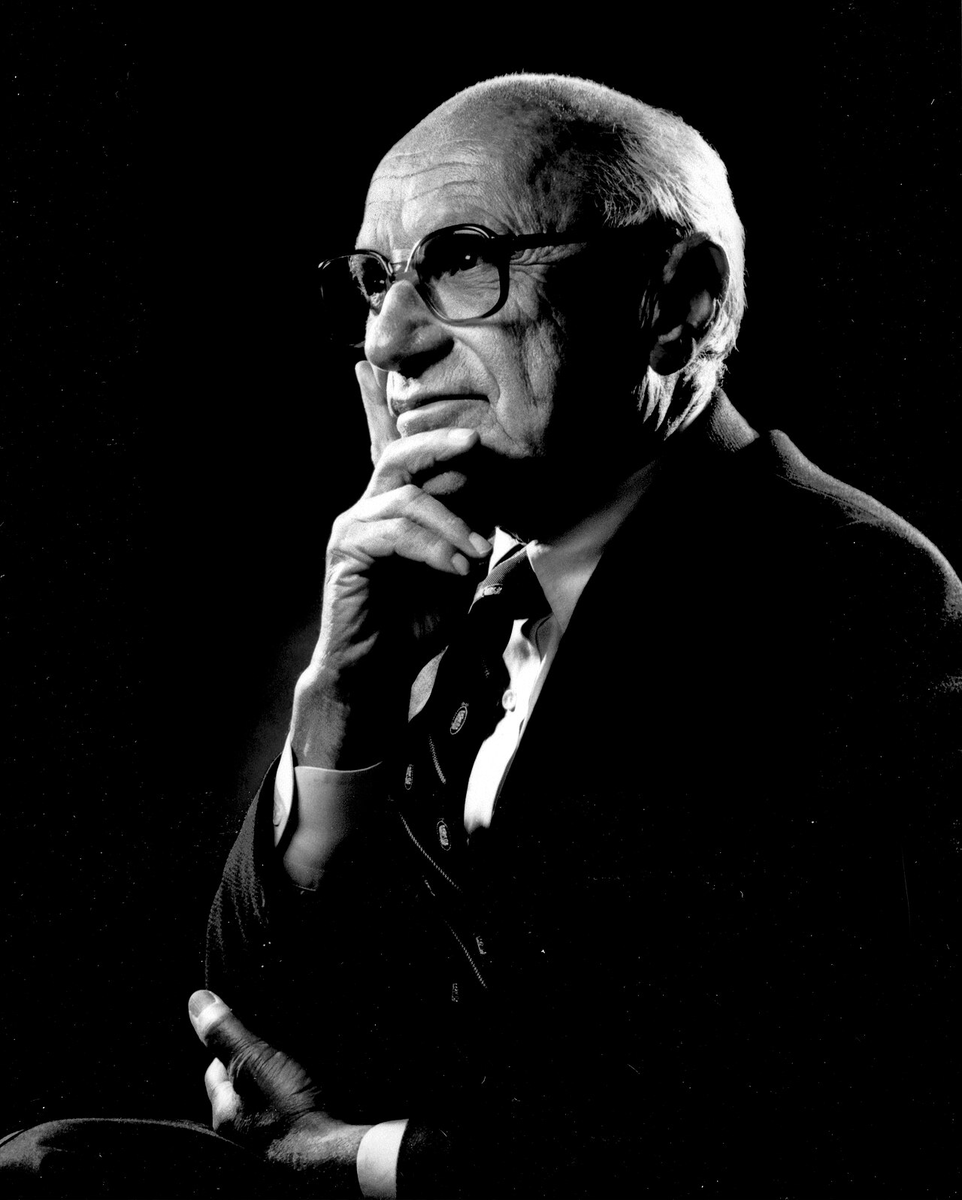
17/ The ultimate criticism of socialism is that it concentrates power in government. Larger government become less accountable even when pursued democratically. It's why Milton Friedman argued why citizens couldn't have any shot of political freedom without economic freedom
18/ The debate over DSA ultimately reflects a much older question: Should prosperity be pursued primarily through markets and private initiative, how much redistribution and regulation should there be? That debate has shaped American politics for over a century (with economic freedom advocates gaining increasing ground), and it is a debate unlikely to disappear anytime soon even as socialism advocates return advocating for more radical government policies within the Democratic Party


• • •
Missing some Tweet in this thread? You can try to
force a refresh