Today, we are releasing verifiers v1 — an overhaul of our environment stack for the modern era of agentic RL and evals.
We decompose environments into a taskset, a harness, and a runtime.
Run complex agentic tasks like coding and computer use at scale, in any harness.
We decompose environments into a taskset, a harness, and a runtime.
Run complex agentic tasks like coding and computer use at scale, in any harness.

The decomposition allows you to:
- Create tasksets, either verifiers-native or by re-using other frameworks such as Harbor
- Evaluate and train in any harness (e.g. Codex, mini-SWE-agent) or bring your own
- Run them in different runtimes, e.g. subprocesses, Docker or sandboxes
- Create tasksets, either verifiers-native or by re-using other frameworks such as Harbor
- Evaluate and train in any harness (e.g. Codex, mini-SWE-agent) or bring your own
- Run them in different runtimes, e.g. subprocesses, Docker or sandboxes
For example, run Nemotron 3 Ultra on Terminal-Bench 2 under Codex by authoring a simple config and launch it with our CLI.

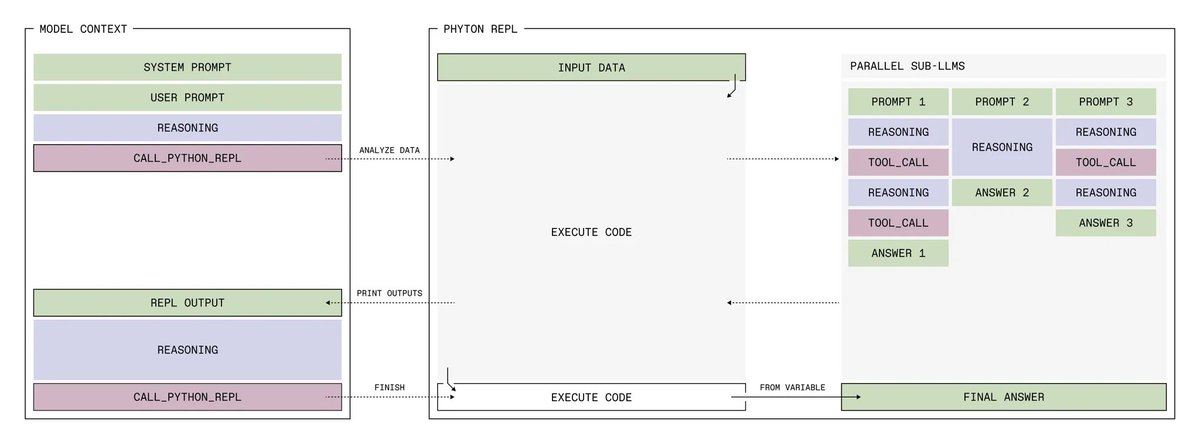
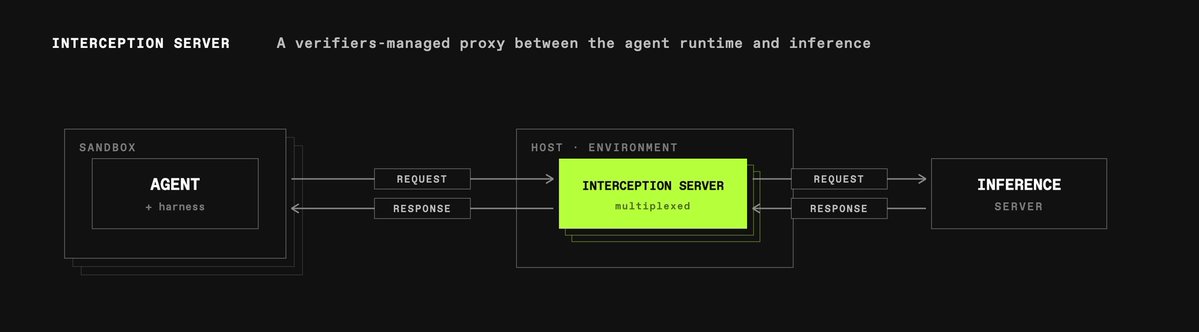
The central piece is the verifiers-managed interception server which proxies the requests between the harness and the inference server.
It records traces on the fly, which allows for training and rewriting (e.g. to mitigate reward hacks).
It records traces on the fly, which allows for training and rewriting (e.g. to mitigate reward hacks).
These traces are now message DAGs: every message is stored exactly once.
Now, trace sizes are O(n) in turns instead of O(n²), which makes long horizon agentic rollouts feasible, especially for router replay and multimodal data.
Now, trace sizes are O(n) in turns instead of O(n²), which makes long horizon agentic rollouts feasible, especially for router replay and multimodal data.

Rollouts aren't linear. Compaction and subagents create branches in the graph — and every root→leaf branch is a contiguous, trainable sample.
One trace, N training samples. Long-horizon training past the context window, natively.
One trace, N training samples. Long-horizon training past the context window, natively.

verifiers v1 plugs straight into prime-rl for training.
We have been using v1 internally for all our production runs.
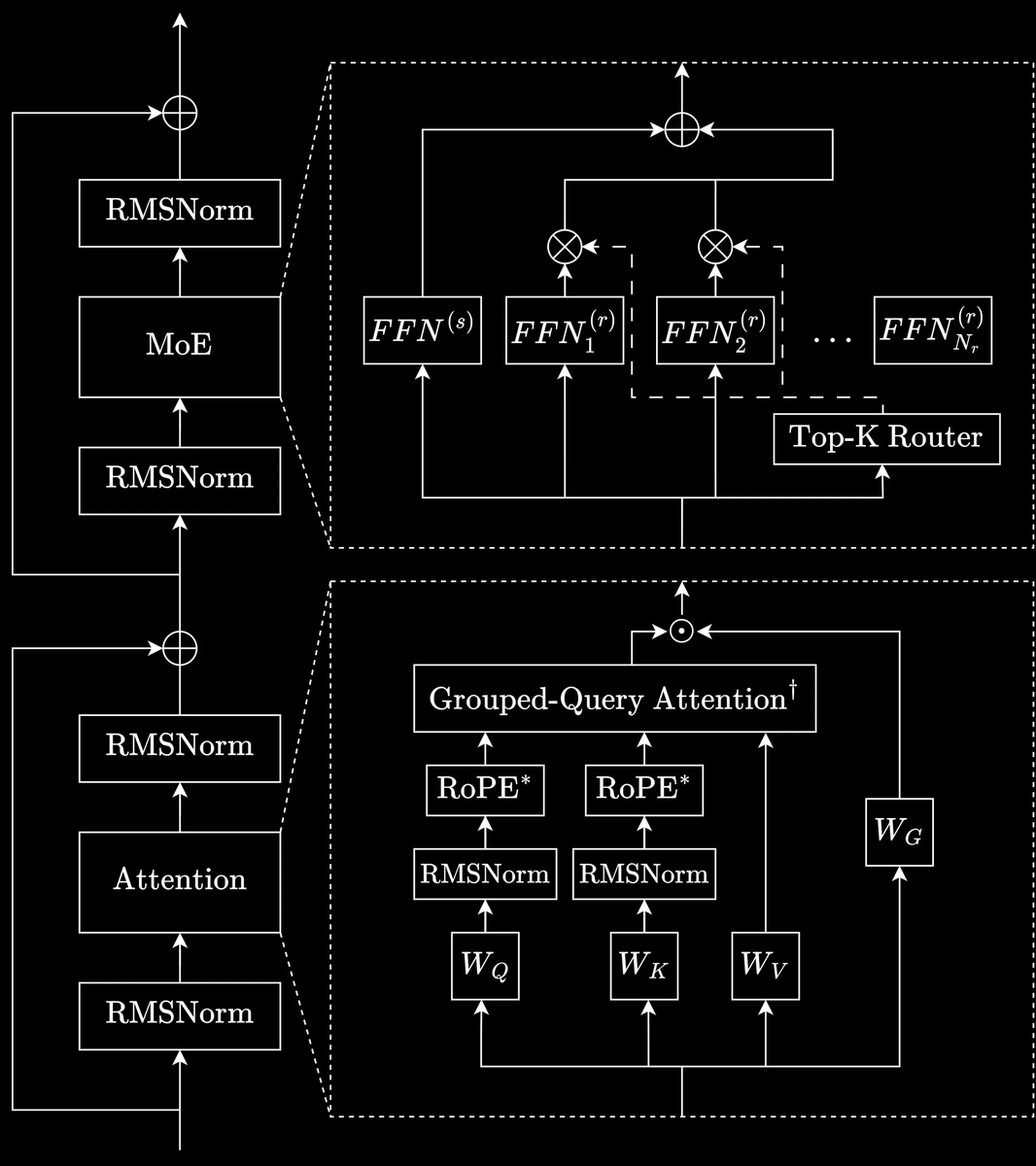
In this run, we train GLM-4.5-Air on ScaleSWE tasks with under-4-minute steps and 35-turn rollouts, completing 1K steps in 2 days on just 6 H200 nodes.
We have been using v1 internally for all our production runs.
In this run, we train GLM-4.5-Air on ScaleSWE tasks with under-4-minute steps and 35-turn rollouts, completing 1K steps in 2 days on just 6 H200 nodes.

• • •
Missing some Tweet in this thread? You can try to
force a refresh