German lobbyists and ex-politicians Ronald Pofalla and Matthias Platzeck are keeping a back channel to Putin’s circle.
Through meetings in Baku and Abu Dhabi, Moscow gets a private route into Germany’s SPD and CDU, — The Times. 1/
Last week, Pofalla and Platzeck met Putin associates in Baku. Russian participants included Valery Fadeyev, who heads Putin’s civil society council, and Viktor Zubkov, former deputy PM and Gazprom board chair. 2/
Berlin distances itself from the effort. Friedrich Merz’s chief of staff, Thorsten Frei, said Russia has shown no real willingness to negotiate and that all international attempts failed because of Moscow. 3/
Chatham House expert John Lough says Germany matters to the Kremlin because of its economic power and its potential role in rebuilding European defence as U.S. support becomes less certain. 4/
Europe is again discussing possible ceasefire channels. Names floated include Schröder, Merkel, Steinmeier, Stubb, Niinistö and Draghi. So far, the Kremlin has not engaged seriously. 5/
Schröder looks compromised by his Putin ties. Steinmeier carries the baggage of pre-2022 Russia policy. Merkel says Putin would not engage with a European envoy who lacks real political power. 6X
Europe Is Back in 1952. France and Germany are competing over weapons again — just when Europe needs them to build defense together against Russia, De Gruyter for FP. 1/
European countries still rely heavily on US defense firms: $68bn spent in 2024, compared with an average of $11bn between 2017 and 2021.
But Europe’s main internal problem is now the Franco-German rift. 2/
The FCAS fighter-jet project was meant to showcase European defense integration. It collapsed in June after Dassault and Airbus failed to agree on leadership, IP and patents.
Germany paid half the bill. Spain was not even informed. 3/
The bill drops automatic 500% tariffs on buyers of Russian energy. The new version lets Trump set tariffs up to 100% and delay some sanctions for 180 days, Babel.
1/
India buys Russian oil and sells a $100 product to the US.
Under the old bill, the US importer would pay an extra $500 tariff.That $100 product would cost $600.
The White House opposed automatic sanctions and 500% tariffs on partner countries.
2/
After 2022, India and China became the top buyers of Russian oil.
India bought about $2.3 billion in Russian oil in 2021. In 2024, it bought almost $53 billion.
3/
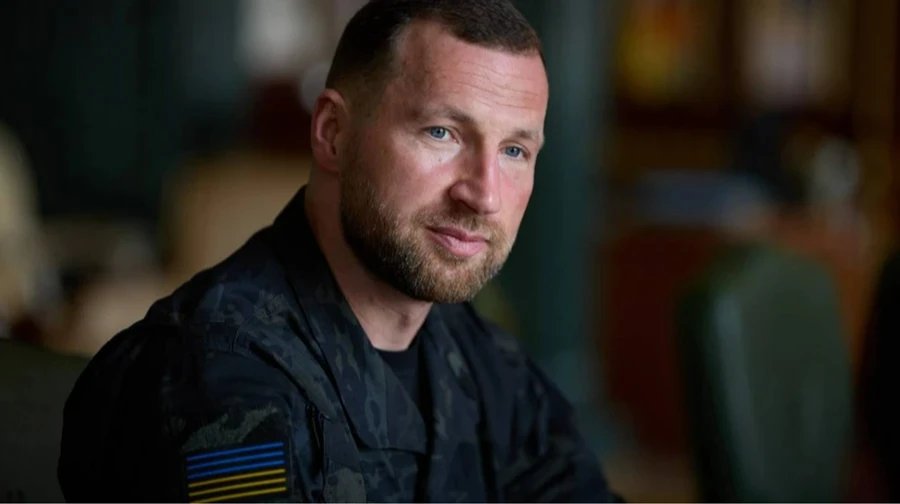
Yevhen Khmara appointed acting Defence Minister of Ukraine. Here is what we know about him.
Khmara, 40, led the liberation of Snake Island, helped plan Operation “Spider Web,” and commanded one of the top 3 most effective units in the army — Special Operations Center “A”.
1/
At the start of the full-scale invasion, Khmara served in the liberation of Kyiv region and carried out combat missions in Donetsk.
On January 5, 2026, he was appointed acting head of the Ukrainian Security Service, replacing Vasyl Maliuk.
2/
Khmara is a full recipient of the Order of Bohdan Khmelnytsky, and has also been awarded the Order ‘For Courage’, 3rd class, and the President of Ukraine’s ‘Cross of Military Merit’.
3X
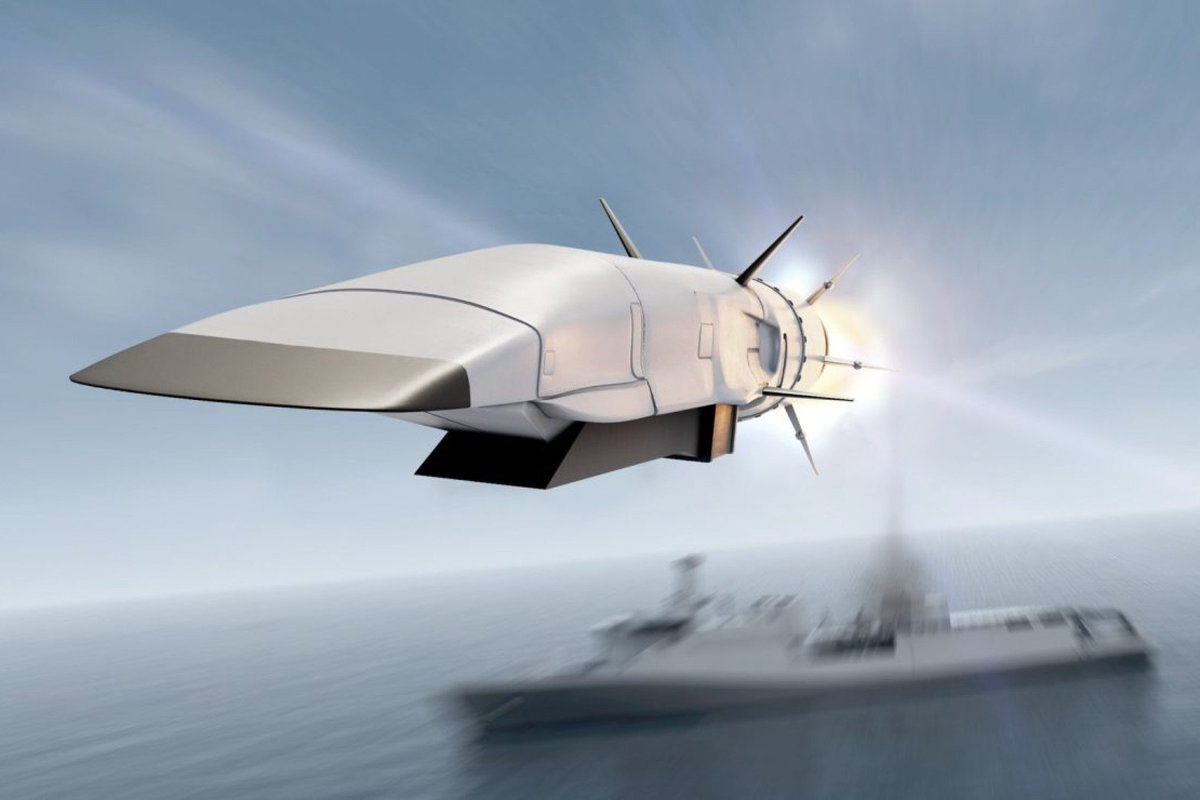
Russia is firing missiles faster than its factories build them. In 19 days of July, it launched 20 Zircons out of the 30 it is expected to produce in all of 2026.
It spent two-thirds of the year's planned Zircon output already, drawing on its reserve — United24. 1/
Alongside those 20 Zircons, Russia fired 107 ballistic missiles between July 1 and 19, counted from daily reports by Ukraine's Air Force and regional air commands.
That ballistic total alone already surpassed what Russia's factories are estimated to build in a full month. 2/
HUR estimates Russia manufactures about 60 Iskander-M ballistic missiles and around 40 RM-48U missiles for S-400 systems each month, roughly 100 ballistic missiles combined.
July's launches crossed that monthly output line with more than ten days still left on the calendar. 3/
Palantir CEO Karp: Without AI systems, Russia would have won.
Without these technologies, Europe would face rampant terror attacks, and pro-Putin parties would run Europe. Europe as we know it exists because these tools are already in use.
1/
Karp: I will not support any party that sympathizes with Putin or the CCP.
These parties are complex, but they include people I suspect would not like me very much.
2/
Karp: America and Europe gain an edge from moral standards, not from dropping them. Solving the moral problem often reveals the technical problem.
Ukraine proves it: battlefield experience and sovereign data platforms can beat raw data access.