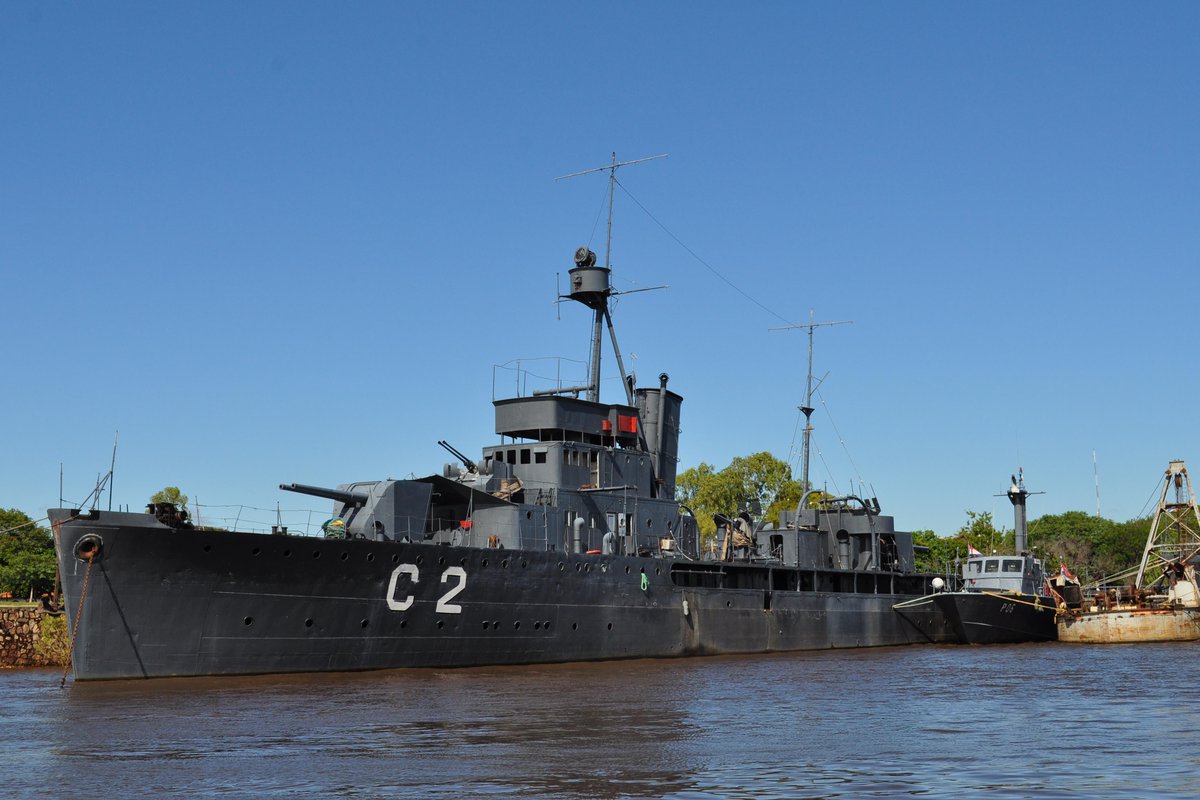
Paraguay is 1,000 miles (1,600 km) from the nearest ocean, but it has a navy. Not only that, it has the largest navy in the world for a landlocked country.
1/3
The Paraguayan Navy operates 34 surface ships, marine corps, naval aviation, and around 5,400 personnel. Some vessels are over a century old. The flagship, Humaitá, was commissioned before the Chaco War in the 1930s!
2/3
Paraguay's rivers connect to the Atlantic via the Paraguay-Paraná system. 80% of the country's imports and exports flow through these waterways, making it the third-largest riverine merchant marine in the world. The navy handles border security, anti-smuggling operations, and river defence.
3/3
• • •
Missing some Tweet in this thread? You can try to
force a refresh

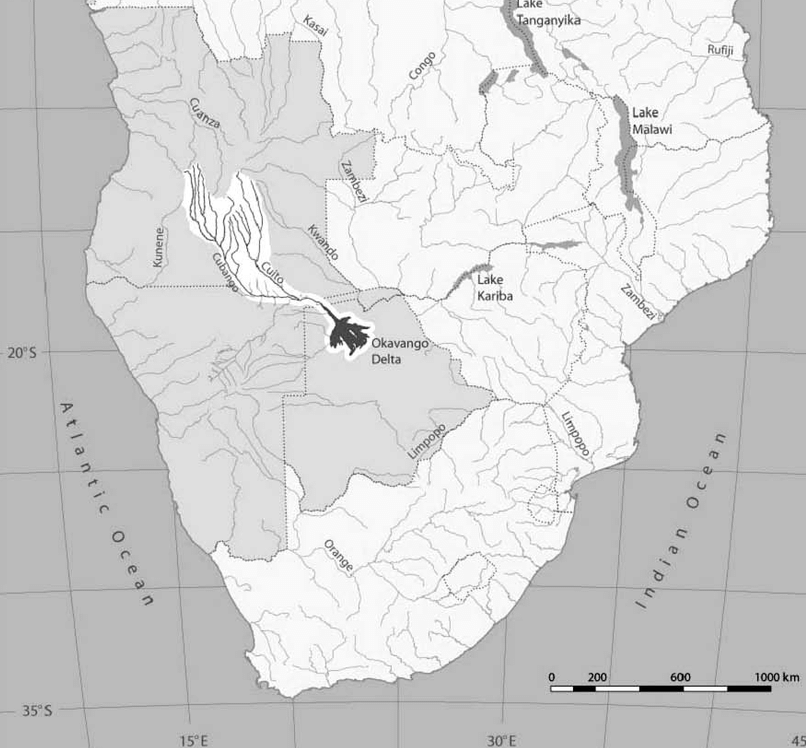
The Okavango is one of Africa's great rivers. But it never reaches the sea.
Instead, it flows into the Kalahari Desert, spreads across the sand... and simply vanishes.
Why?
1/n
The river rises in the rainy highlands of Angola. It then flows southeast for around 1,500 km (930 miles), crossing Namibia before entering Botswana.
It ends in the middle of one of the driest regions on Earth.
So what stops it?
2/n
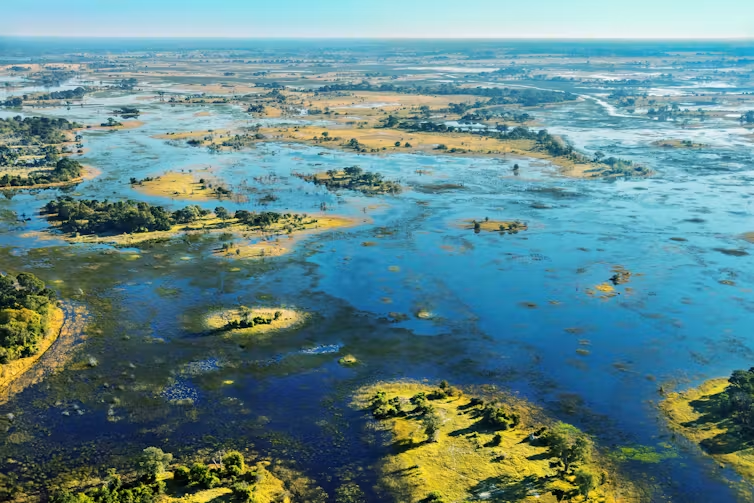
The river flows into a massive, landlocked basin in the Kalahari Desert. Known as an endorheic basin, the water has no outlet to the ocean. The Okavango Delta forms, one of the world's great wildlife spectacles.
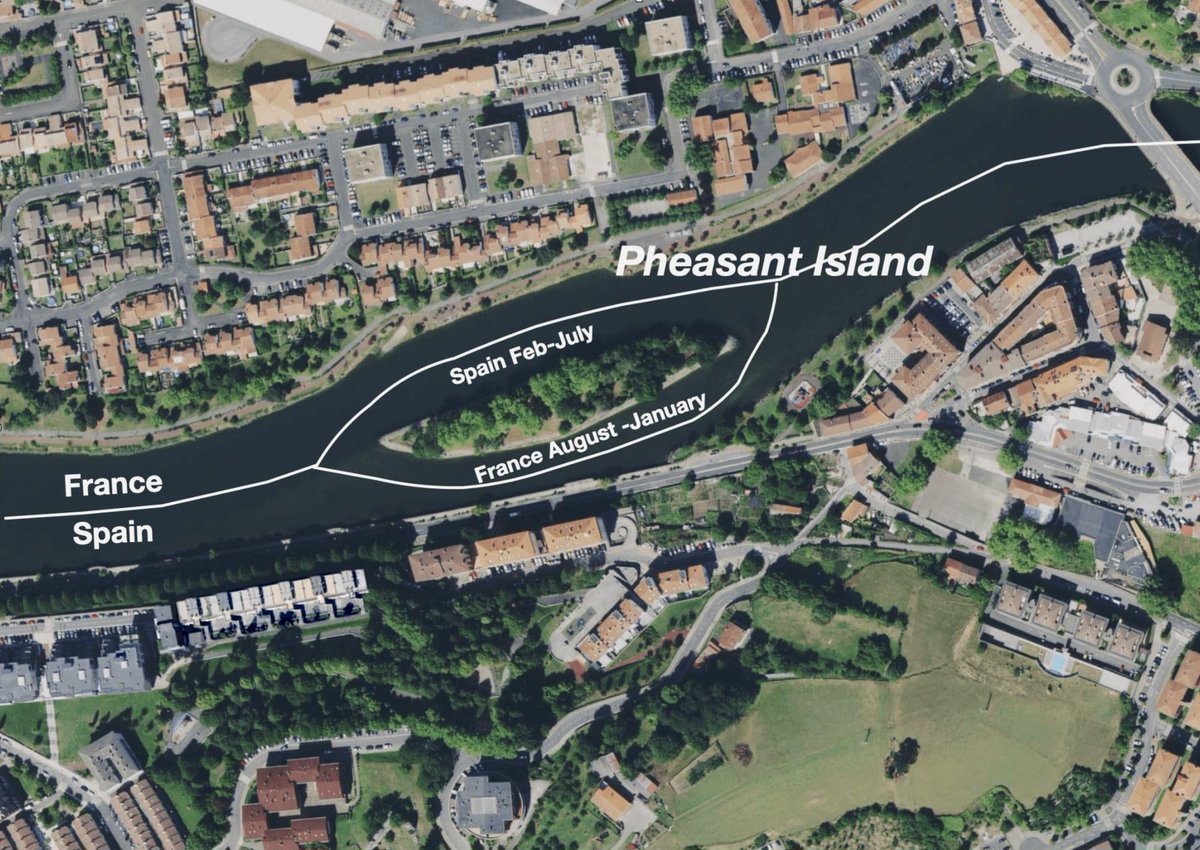
There's a tiny island between France and Spain where the international border moves... every six months.
Pheasant Island is the world's smallest “condominium” in the truest sense. 🇫🇷🇪🇸
1/n
Pheasant Island sits in the middle of the Bidasoa River between the French town of Hendaye and the Spanish town of Irun.
2/n
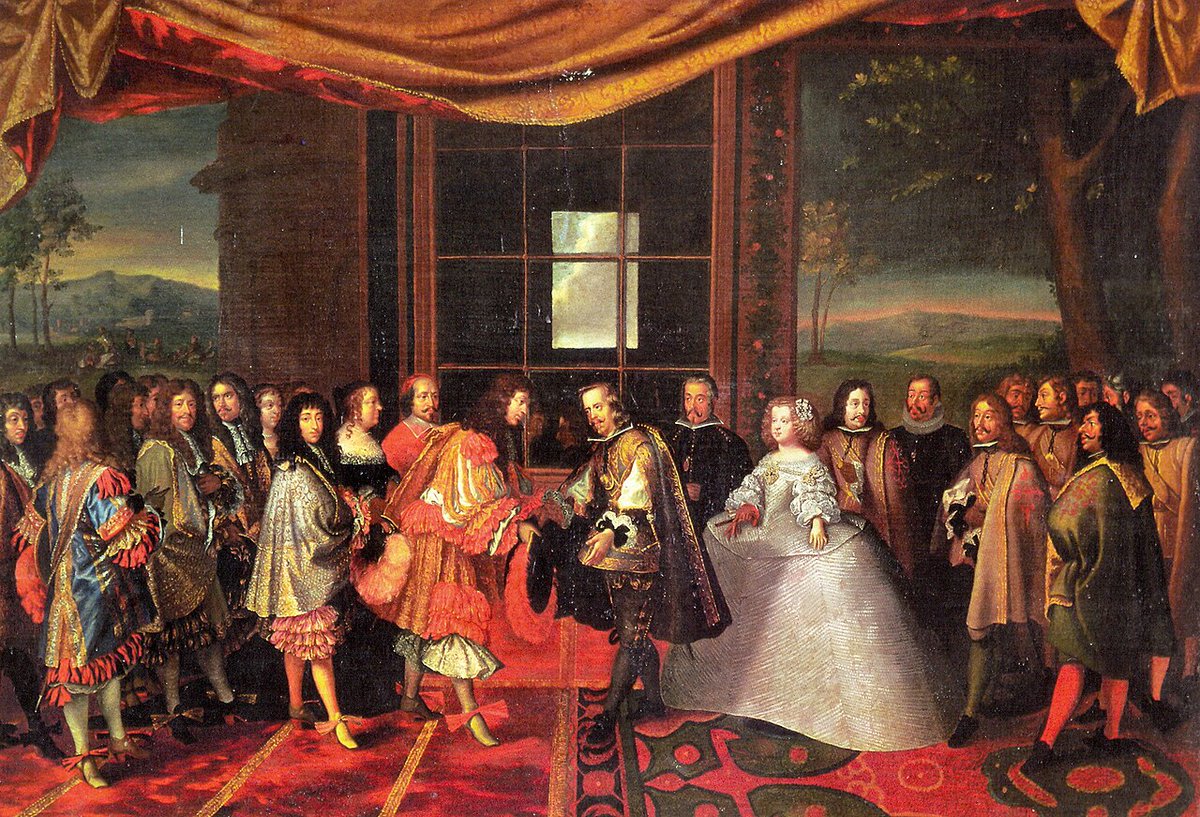
When France and Spain signed the Treaty of the Pyrenees *on* Pheasant Island in 1659 to end almost 25 years of war, neither side wanted to give up the island.
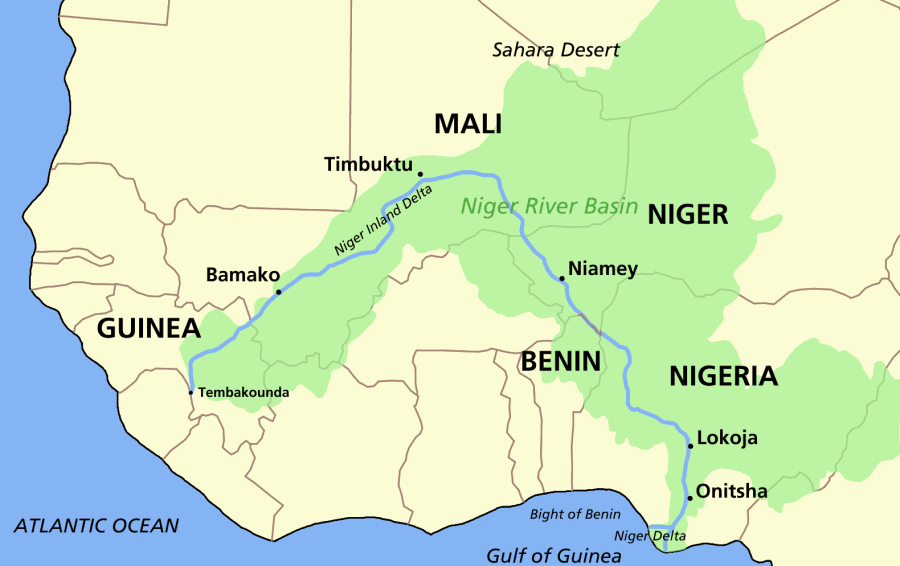
The Niger River has one of the most bizarre courses of any major river on Earth. It starts just 150 miles (240 km) from the Atlantic Ocean in Guinea. But instead of flowing west to the sea, it heads inland, northeast toward the Sahara Desert.
Why?
1/n
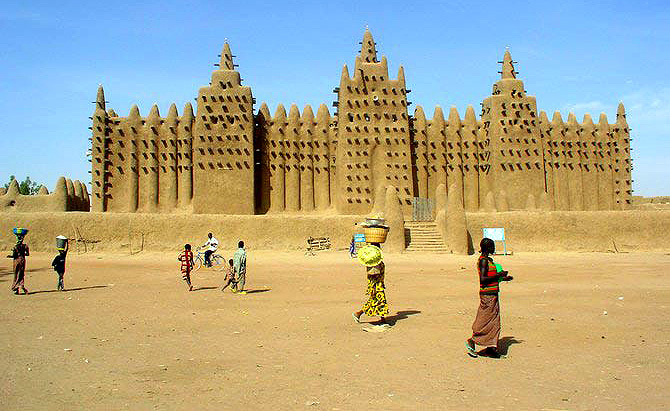
The river flows northeast for more than 1,000 miles (1,600 km) through Mali, passing the ancient city of Timbuktu after forming a massive inland delta, the largest in West Africa. Then, instead of continuing to the desert, it makes a sharp turn southeast.
2/n
From there, it flows through Niger and Nigeria before finally emptying into the Gulf of Guinea in the Atlantic Ocean. In total, the Niger travels 2,600 miles (4,180 km). That's more than 17 times the straight-line distance between its source and the ocean.
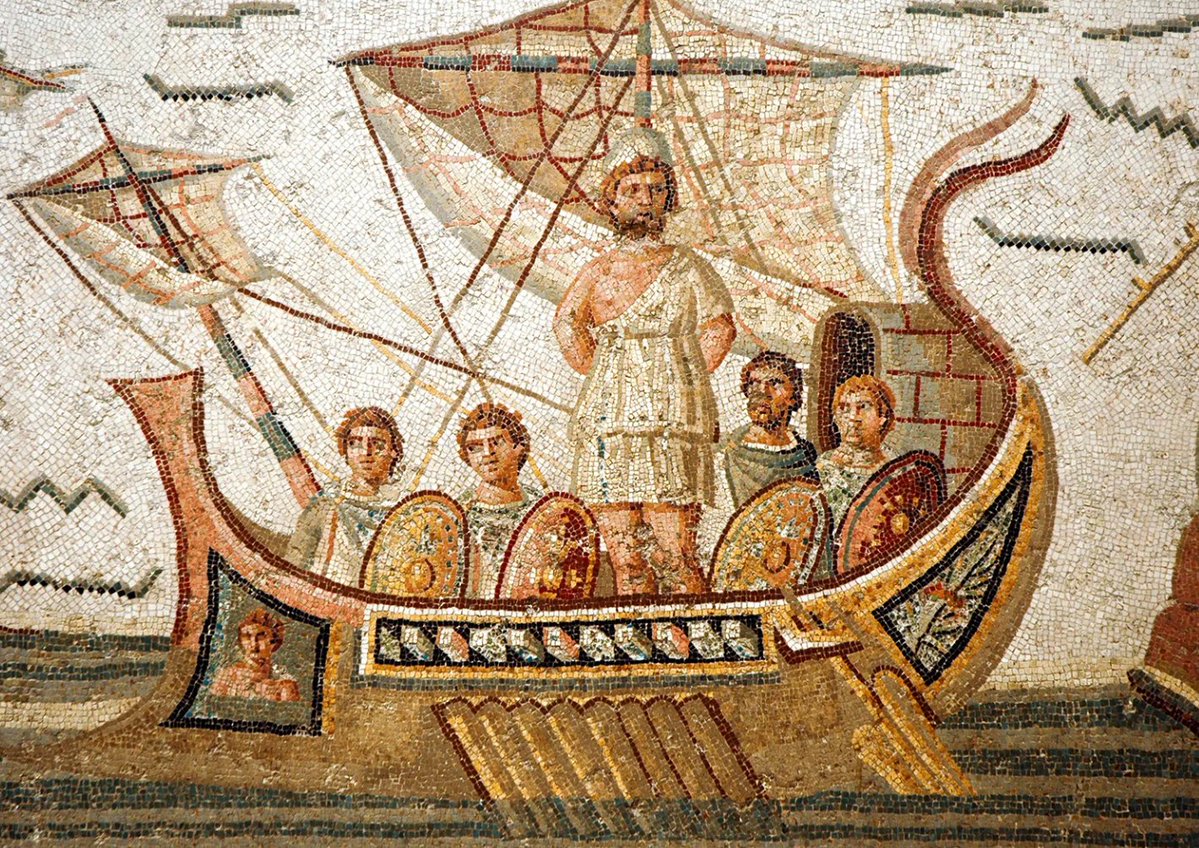
Christopher Nolan's new film, The Odyssey, is based on Homer's great work of fiction. For over 2,500 years, scholars have tried to match Odysseus' journey to real Mediterranean islands and coastlines.
Here's where they think Odysseus went:
1/n
After the Greeks sack Troy, Odysseus sails home for Ithaca. The trip should take weeks. Instead, storms, monsters, and angry gods turn it into a 10-year 'odyssey'.
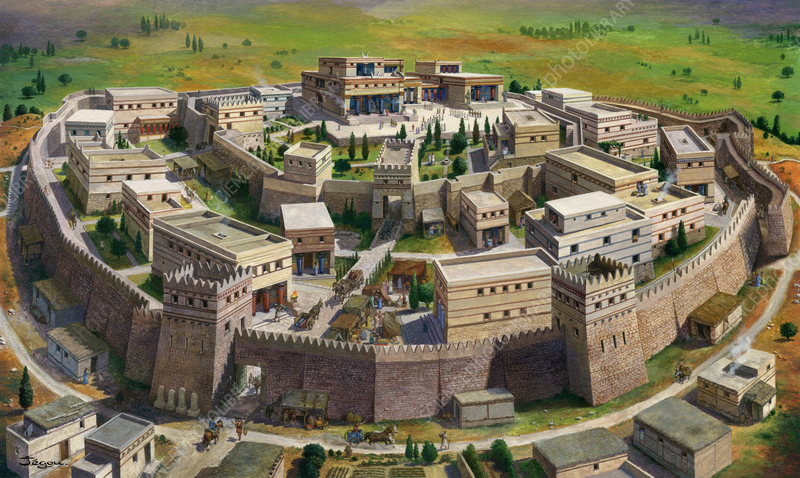
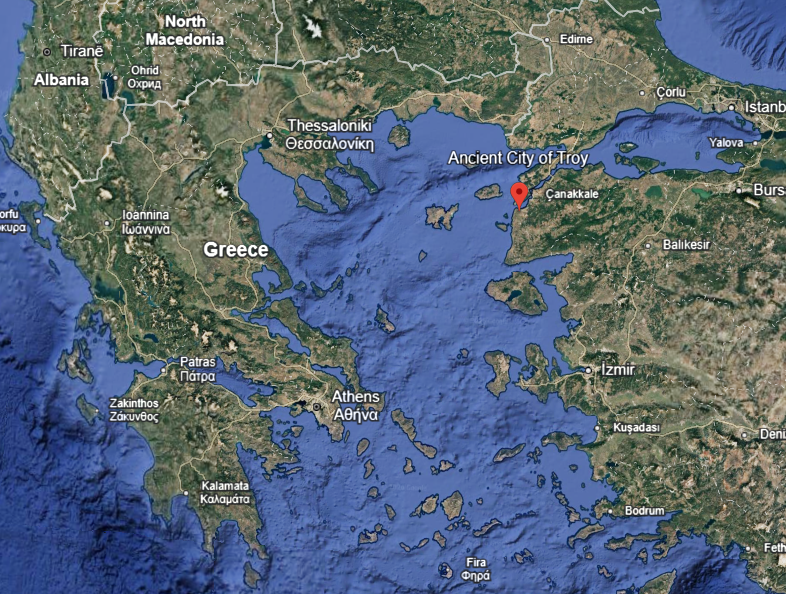
Troy itself is in what is now north-west Turkey, close to the sea.
2/n
The journey has a bad start. Blown off-course as soon as they leave, Odysseus and his men end up in Ismaros (Maroneia, Greece). He raids the city of the Trojan allies, the Cicones.
But, his men linger to celebrate and the Cicones counterattack, killing many of his crew.
In a very remote part of Nunavut, northern Canada, lies a seemingly unremarkable body of water. According to the map, it's just one of many mid-sized lakes in that area.
However, 45-mile (72 km)-long Yathkyed Lake contains something quite literally unique in the world.
1/n
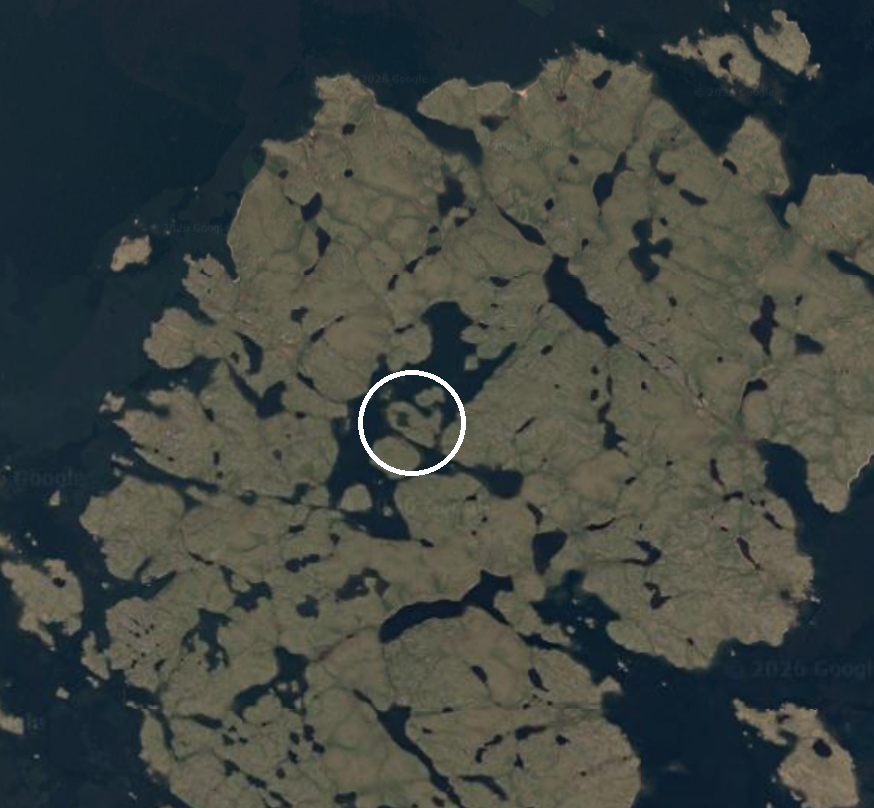
Yathkyed Lake has a plethora of small islands. The largest, however, is about 9 miles (15 km) long, and itself contains a number of smaller lakes. The largest of these is about a mile (1.6 km) long.
2/n
But if you look closely you'll see this lake itself has a few islands, the largest of which is about 1/4 mile (600 m) long. Astonishingly, though, this tiny island has its own lake.