
Exploring the universe from a backyard in Arizona. Get my Artemis II prints 👇
 To get pics this detailed, you have to be CLOSE. A telephoto lens from miles off isn't enough. But that distance would severely injure any human. What's the solution? Pre-placed cameras and sound activated triggers.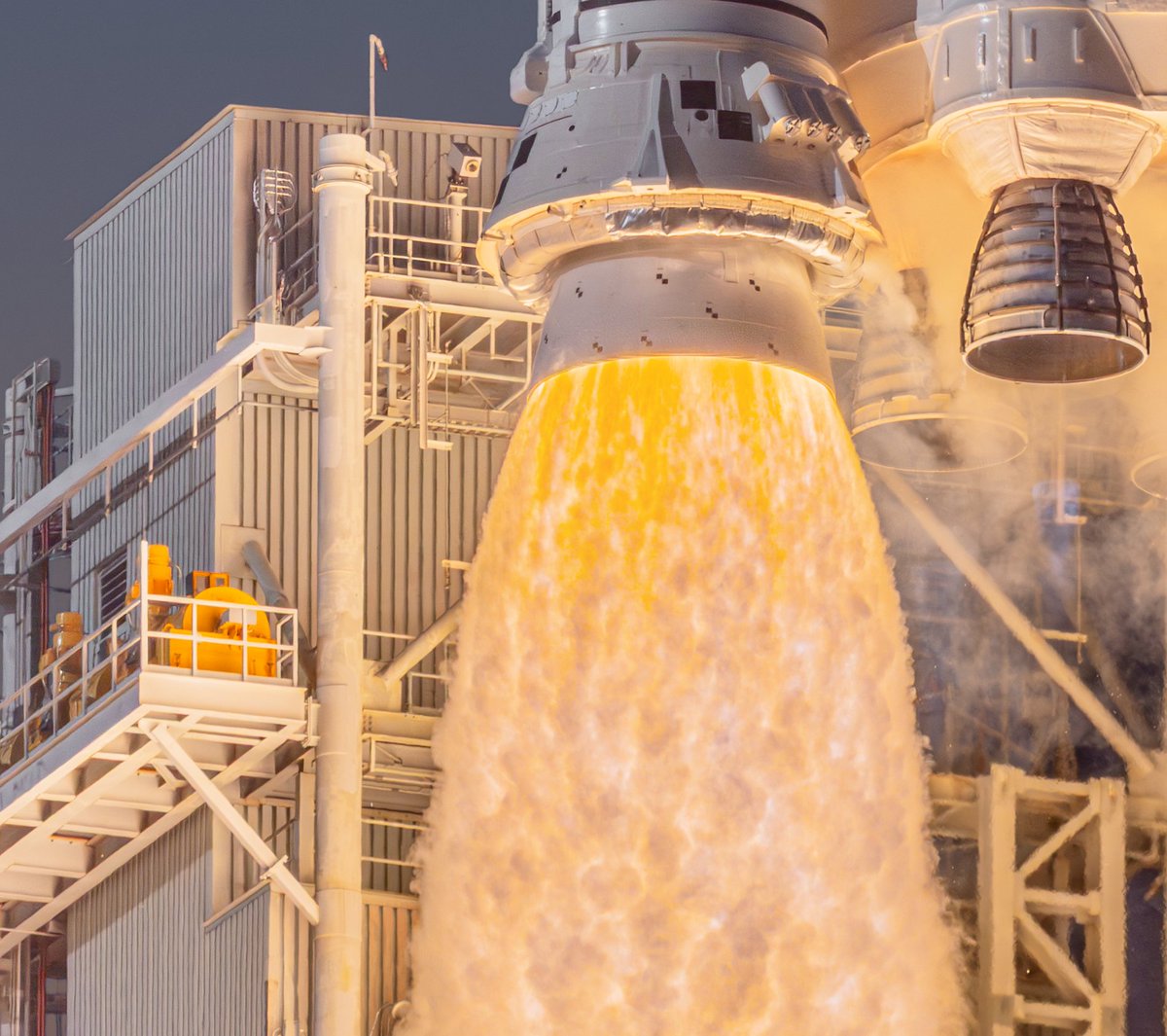
 The full size image is 300 megapixels, large enough to print massively, so I decided to release it as a limited edition fine art print, which you can pick up here for the next couple days: cosmicbackground.io/pages/daybreak…
 The lens was completely destroyed from acid created when the SRB exhaust mixed with water. After I shared this photo, a common response was “why not protect the lens with a UV filter” etc.
 The uncropped photo shows just how small the ISS is compared to the moon, despite being 1000x closer. Humans may be small, but our significance is massive.
 Second most popular, the update when he got settled
 If you want the print, head to the link in my bio. To keep details on the planet, I cropped it differently based on the size. The largest print shows the entire moon, with the planet just a distant light (but the details are still there 🤓)
 I’ve spent years refining my processes, which are difficult and not analogous to traditional photography, which may be confusing the detectors, which couldn’t have possibly trained enough on these sorts of photos.
  The planet & moons can be captured at the same time, but only when seeing conditions are good enough which sadly doesn't happen often here lately. For that reason, I captured the relatively small and dim moons by overexposing the planet where the moons showed up as faint blobs!

 Here's some background on how I learned to do this:
  Feel free to download and save as a device background! Meanwhile, if you want to be sure these show up in your feed make sure to engage in the post somehow so the algorithm knows to show you the next ones!
 Each object represents a different challenge: planets are much closer to us, yes.. but in a cosmic sense, they’re quite small. Compare these photos of Mars: you can see in context against the moon just how small it is in the sky.

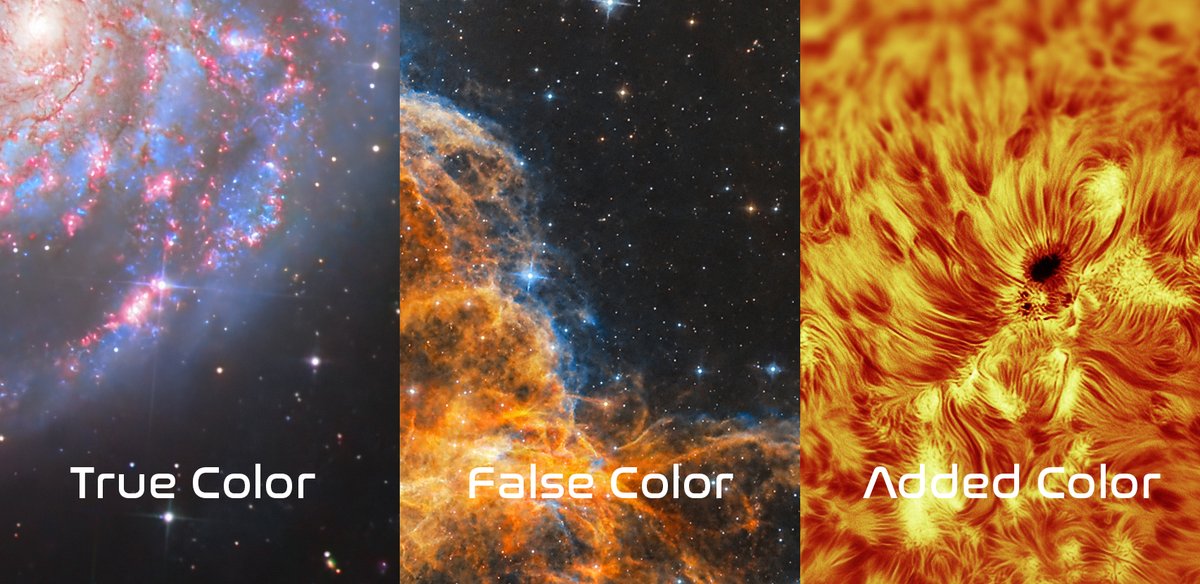 Most space photos are actually true color. What you're seeing are the colors as they would appear if your eyes were the size of dinner plates. I add that caveat because while these objects are colorful, they're actually quite dim, and your eyes can't resolve color in low light.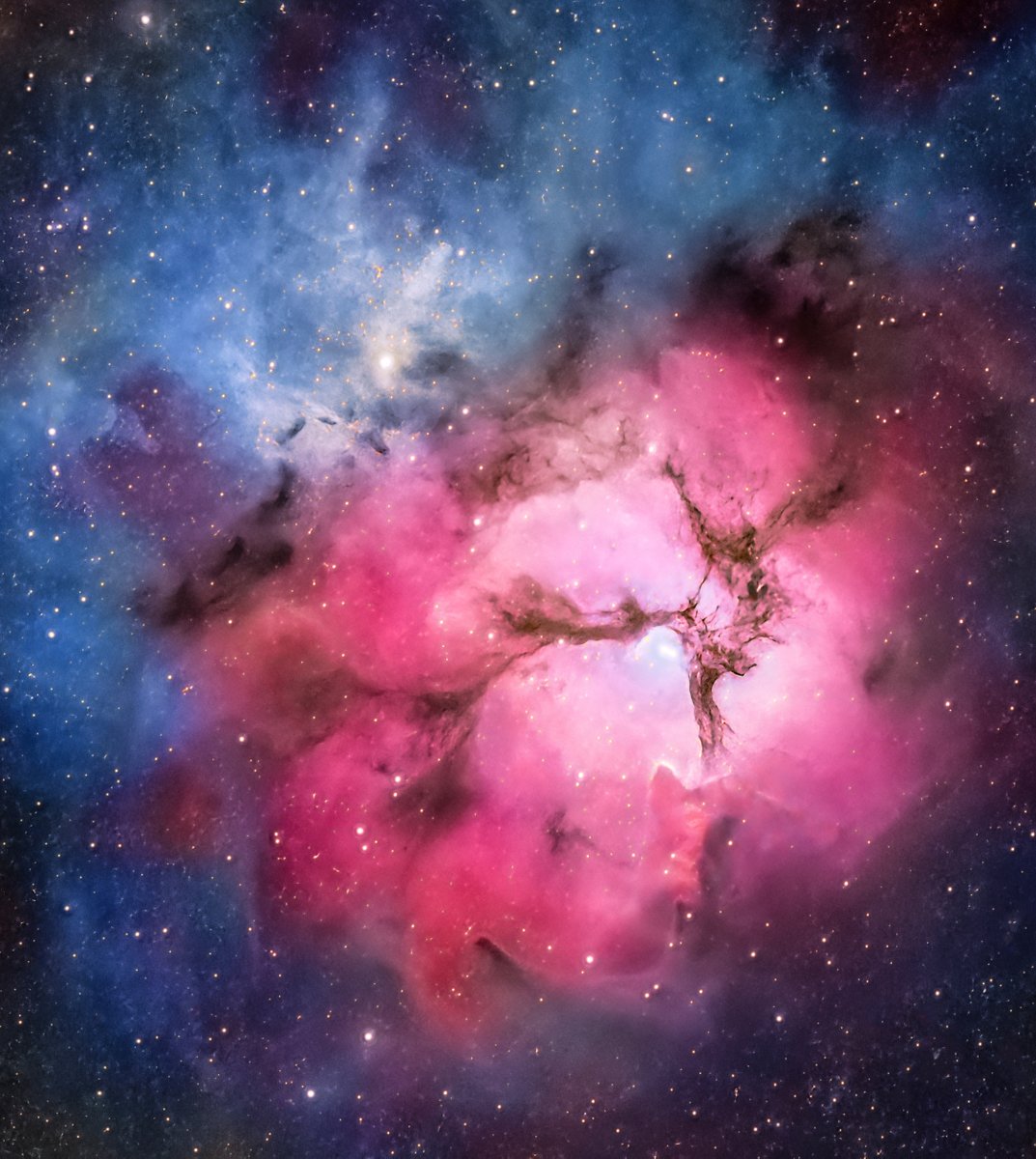
 First of all, here's the thread if you missed it. Some great context for how I captured this image as well as some great entertainment in the replies:
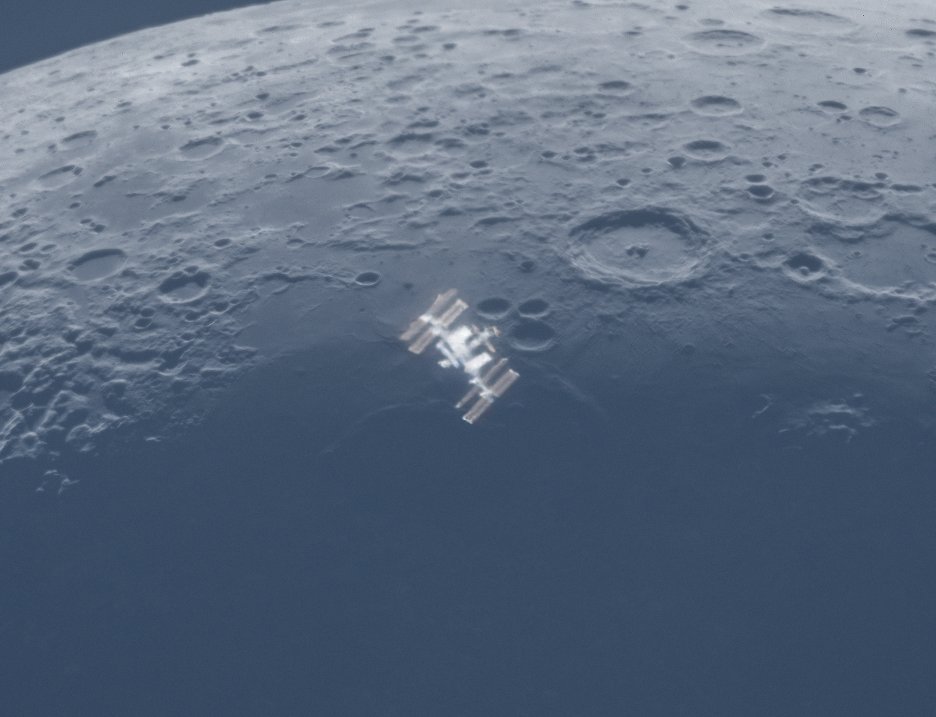 The full shot makes it feel like the ISS is orbiting the moon, making me yearn for the future when the Lunar Gateway is an occupied fixture in lunar orbit. With that in mind, I titled this piece "New Frontiers", available as a limited edition print here: cosmicbackground.io/pages/new-fron…
 If you're not interested in how to do it and just want to know when I'm dropping my new image of the station (I personally think it's one of my best but I'll let you decide) you can see it early by either subscribing to me on twitter or on my website: cosmicbackground.io
 There's apps that show you when it crosses the sky, but I find that's the hardest way to capture it. If you wait until it passes in front of the moon, you can easily capture its shape! To do this, I use the website transit-finder.com
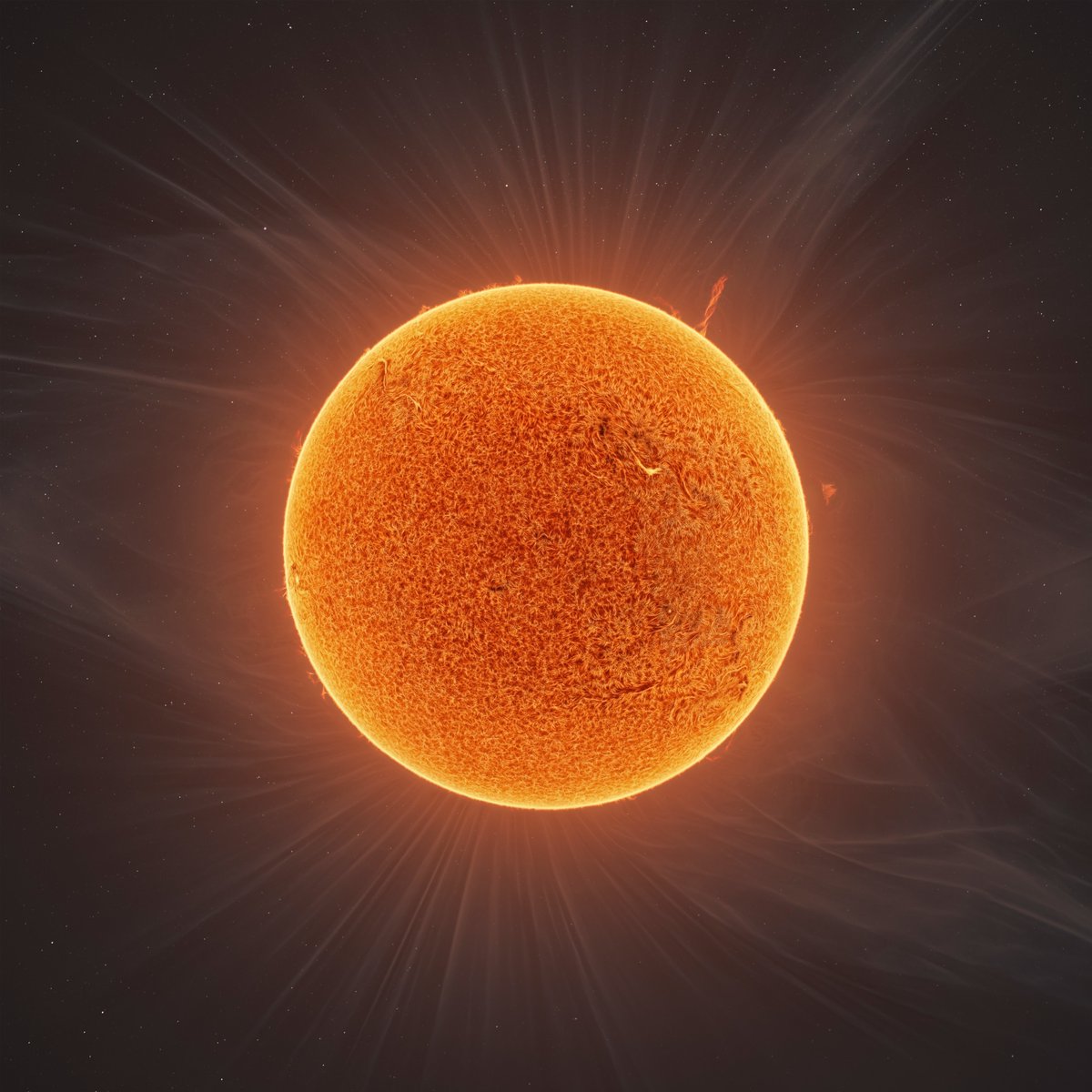 @TheVastReaches A blend of science and art, this photo combined over 90,000 images meticulously layered and processed to reveal our star in a way you've never seen before. Pick it up in print here: cosmicbackground.io/products/fusio…
 This will be by far my most detailed sun picture when we're done working on it, and features a solar prominence (that tornado looking thing) that's over 100,000 miles tall. As always, patrons will get an early look at the final full size image. patreon.com/ajamesmccarthy