History, archaeology, beer. Stranded at edge of the earth. Greece, Rome, China, Britannic tribes. Atualmente vivendo a vida brasileira
2 subscribers


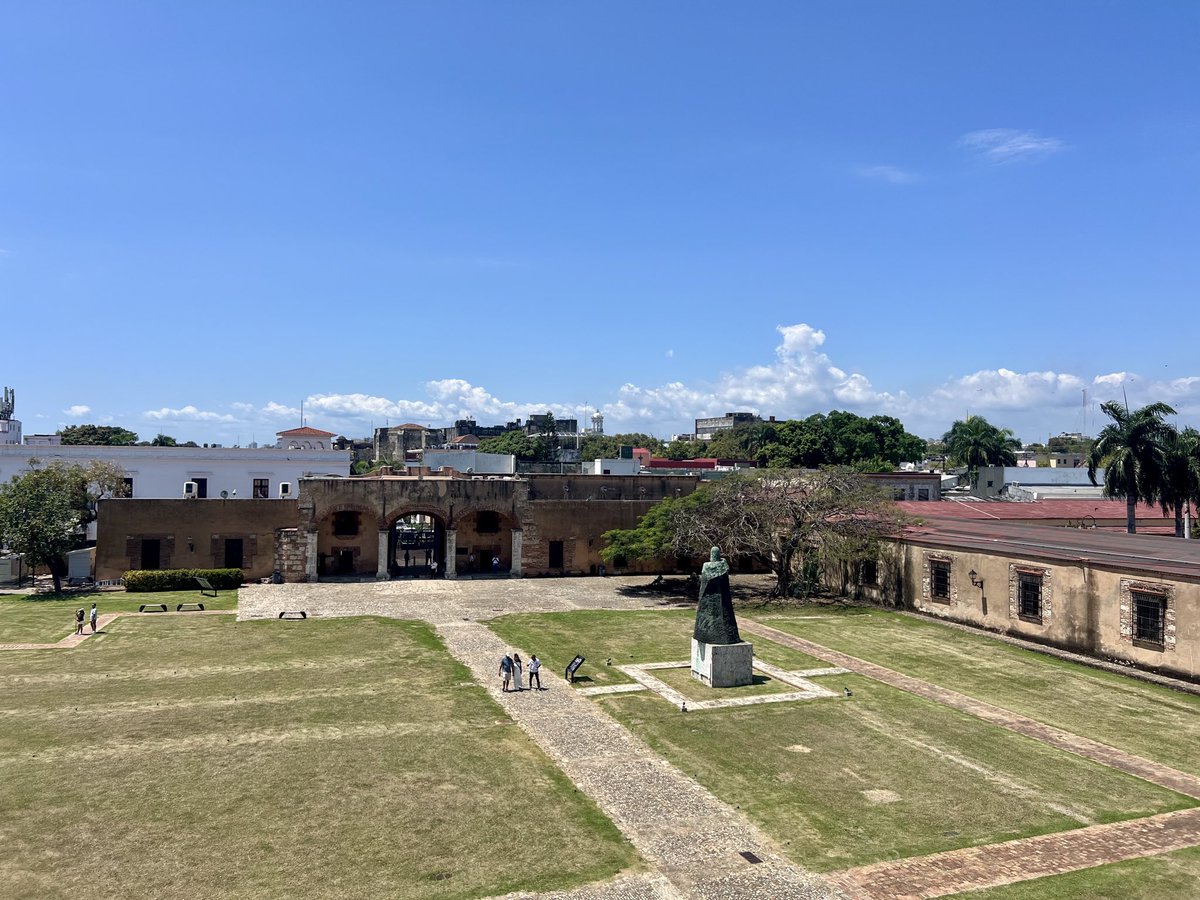
 The Ozama fortress, raised by Nicolás Ovando between 1502-8, was to serve as the lynchpin of the city’s defence - built in the style of Castilian fortresses from Spain it overlooks the Ozama river and docks from a cliff, although would be taken by Sir Francis Drake in 1586 /2



 Now crossed by a later Roman road, this terrace was once the ceremonial heart of the Achaemenid and Hellenistic Kingdom.


 The Romans dug a huge theatre into Miletos’ prehistoric hill, where once sat a Minoan cult temple and the fortress which sheltered the rebel Piyama-Radu in his pro-Achaean revolt against the Hittites.


 There are few cities of this scale where the layout of the central streets is quite so apparent - here with the well preserved pavement and central covered drain, lined by porticoes to protect against rain and sun, and with shops, fountains, and temples lining the sides /2


 Founded on a hill north of today’s centre and colonised by Greeks in the archaic period, Smyrna was reestablished by Alexander the Great and his successors around Mt Pagos and the coast below it - growing throughout the Hellenistic and Roman periods into a prosperous port /2


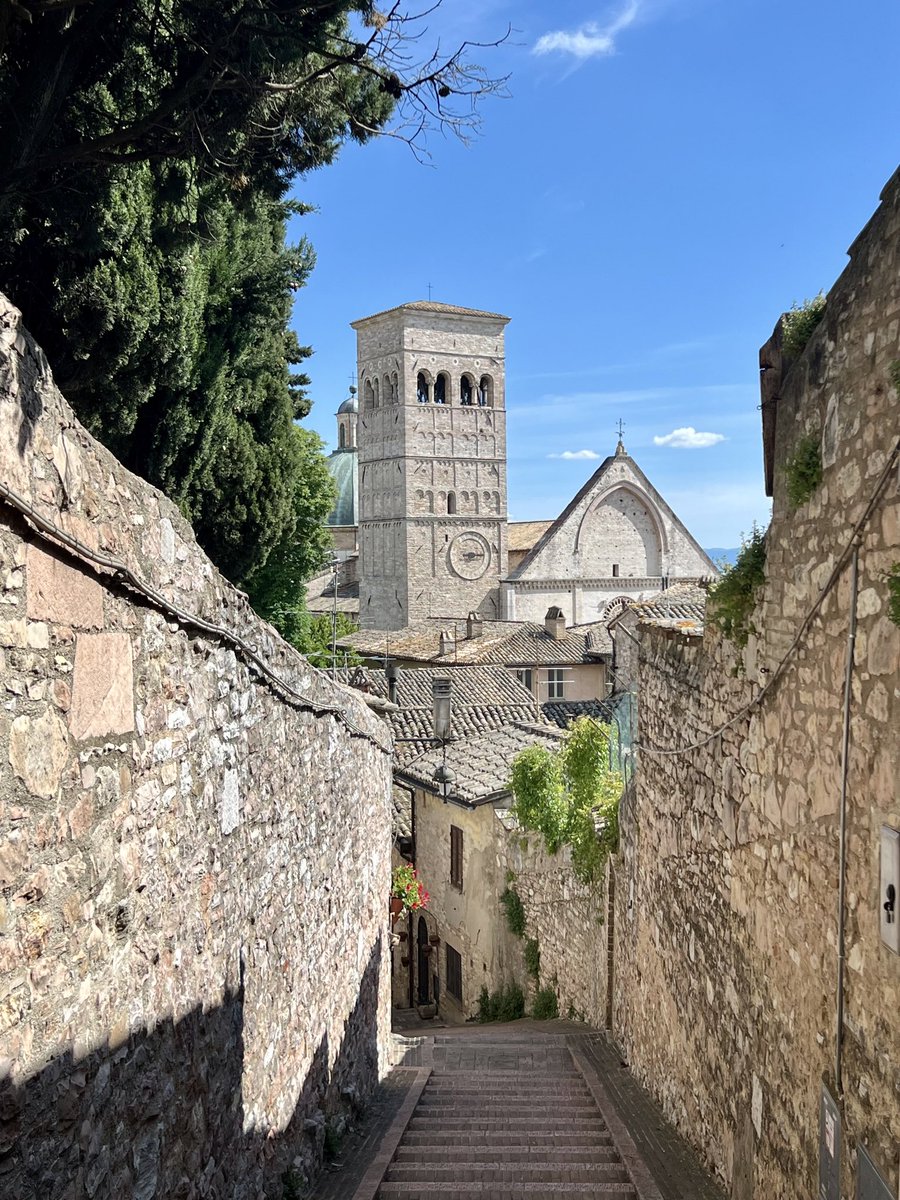
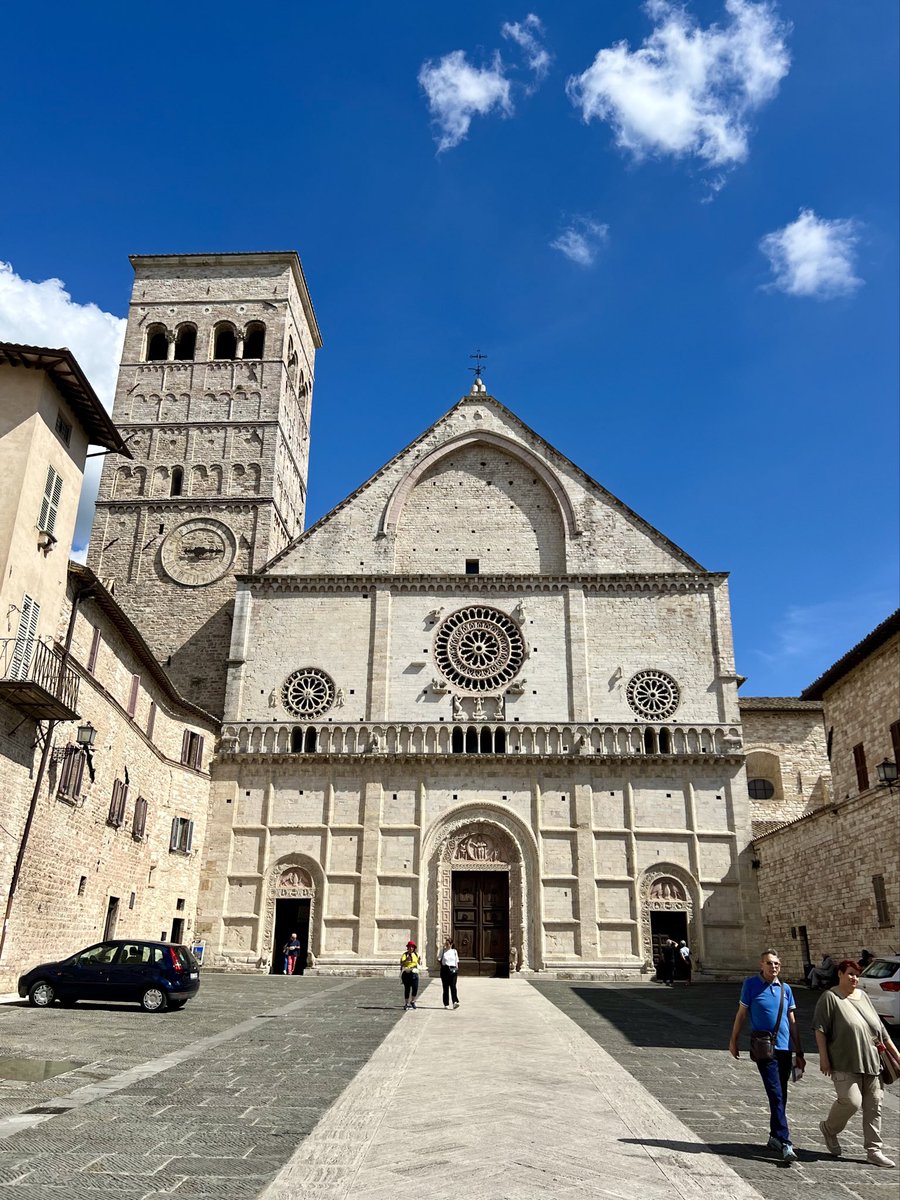
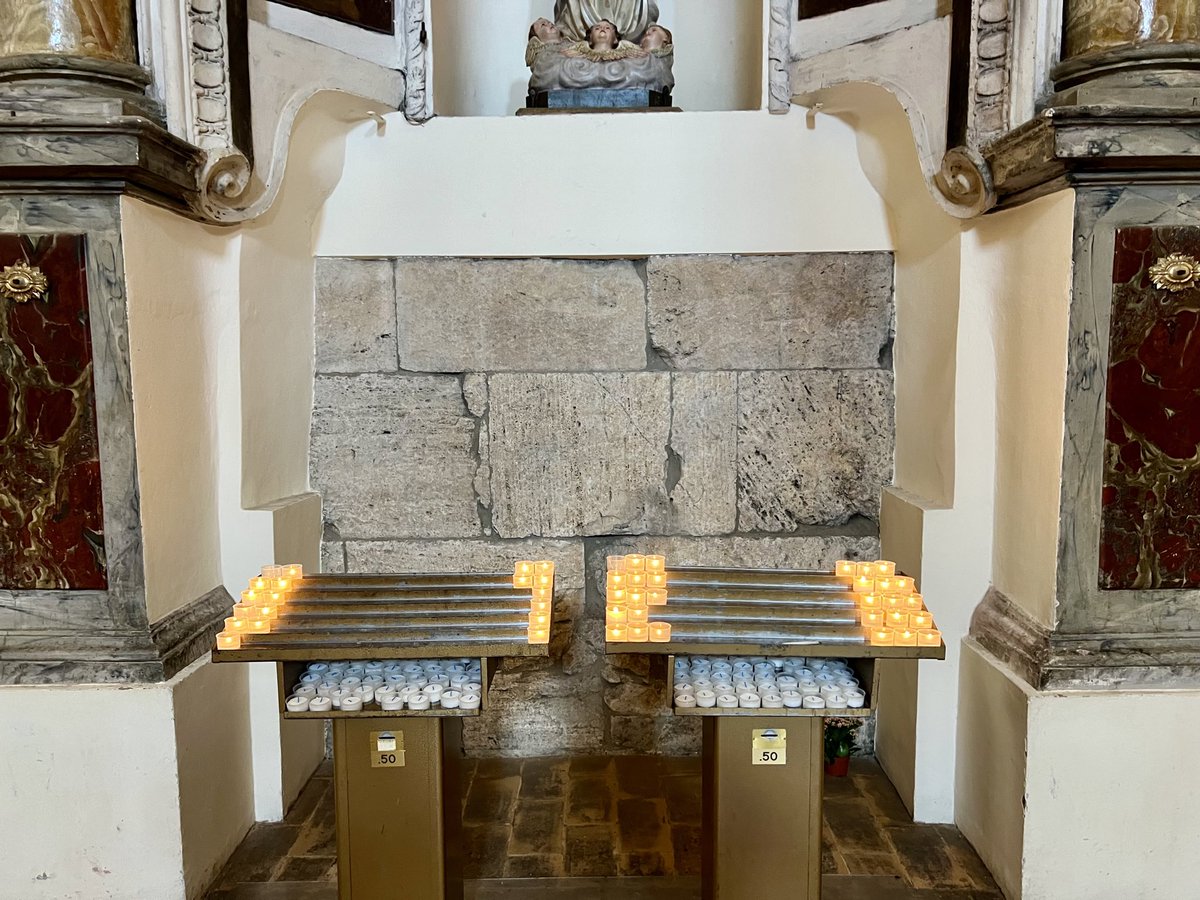
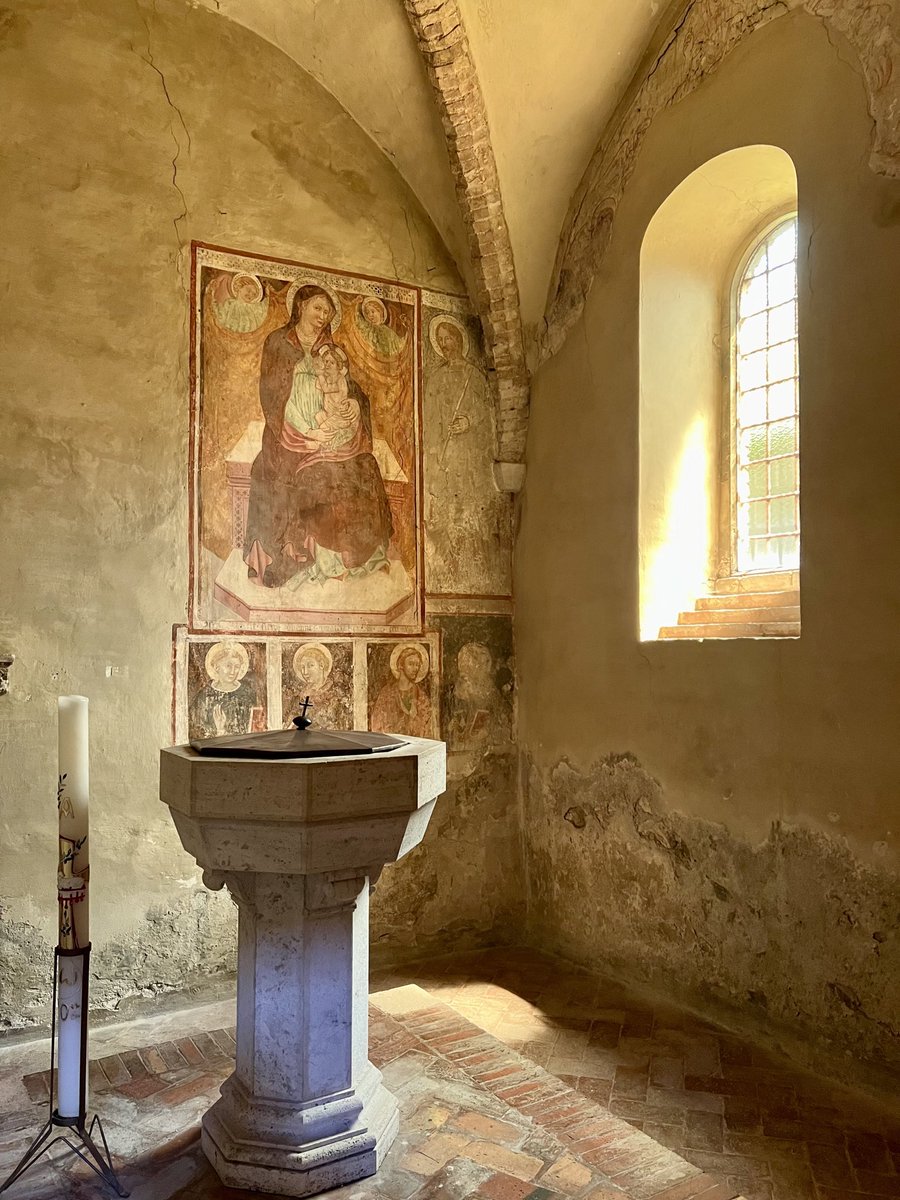
 Visible in a crypt and in most of the north east wall, the cathedral - where St Francis of Assisi was baptised - buts right up against a monumental retaining wall, which supported a huge acropolis-like terrace at the edge of the Roman city /2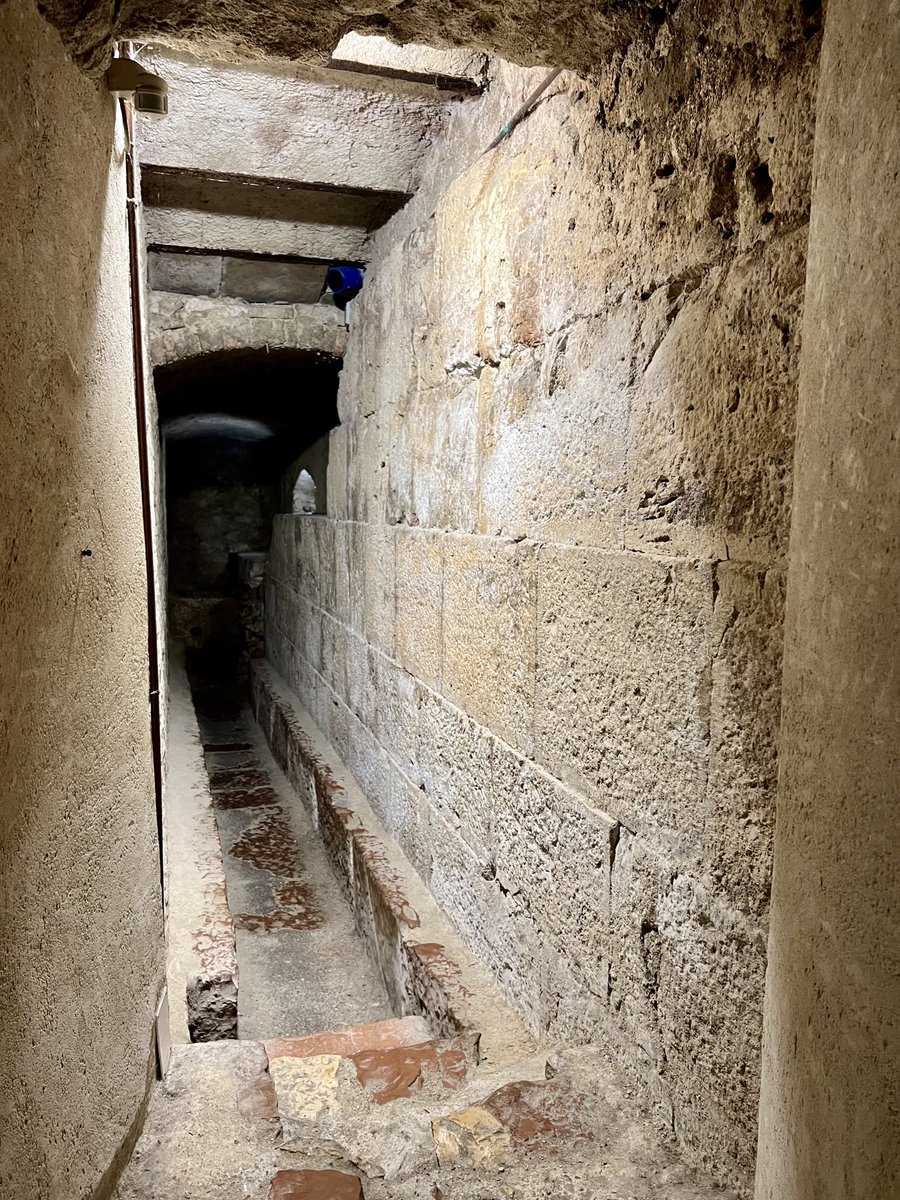

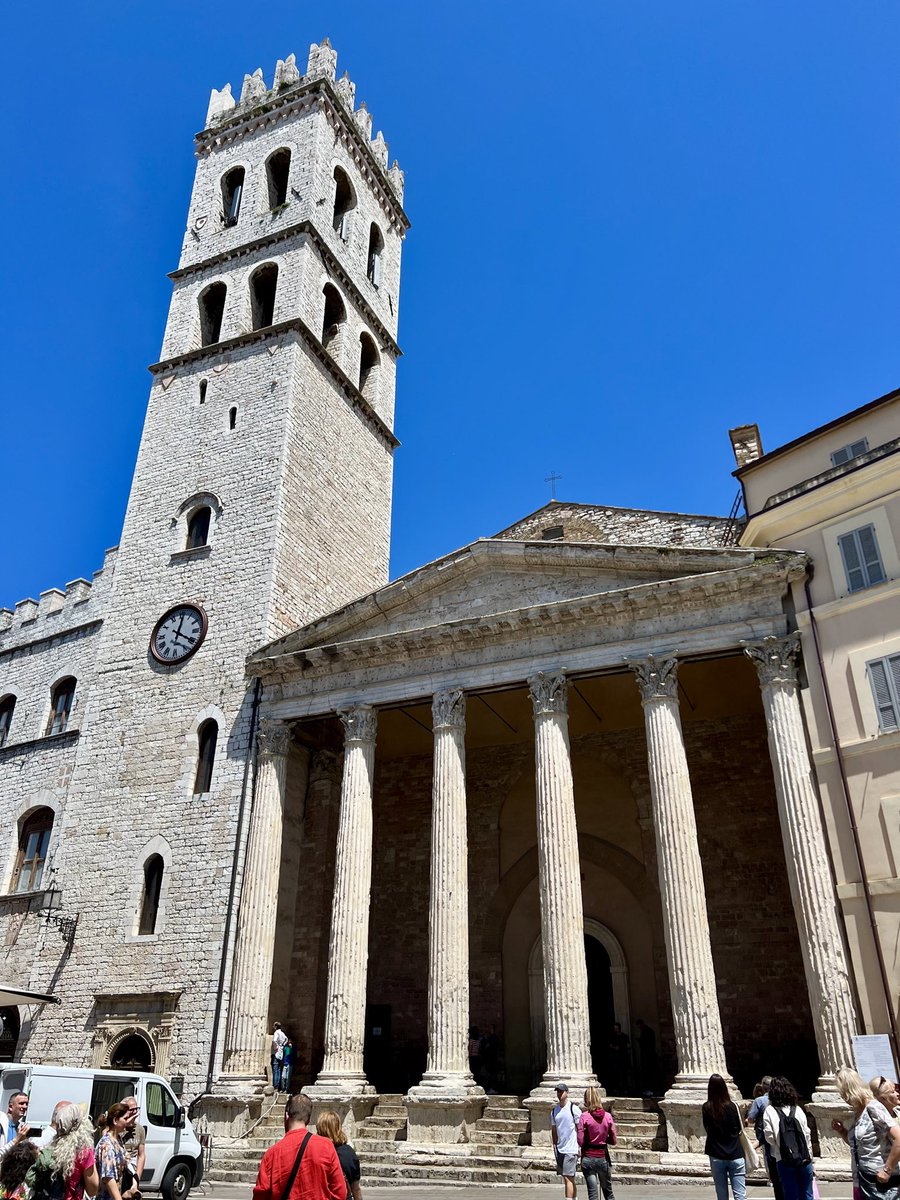
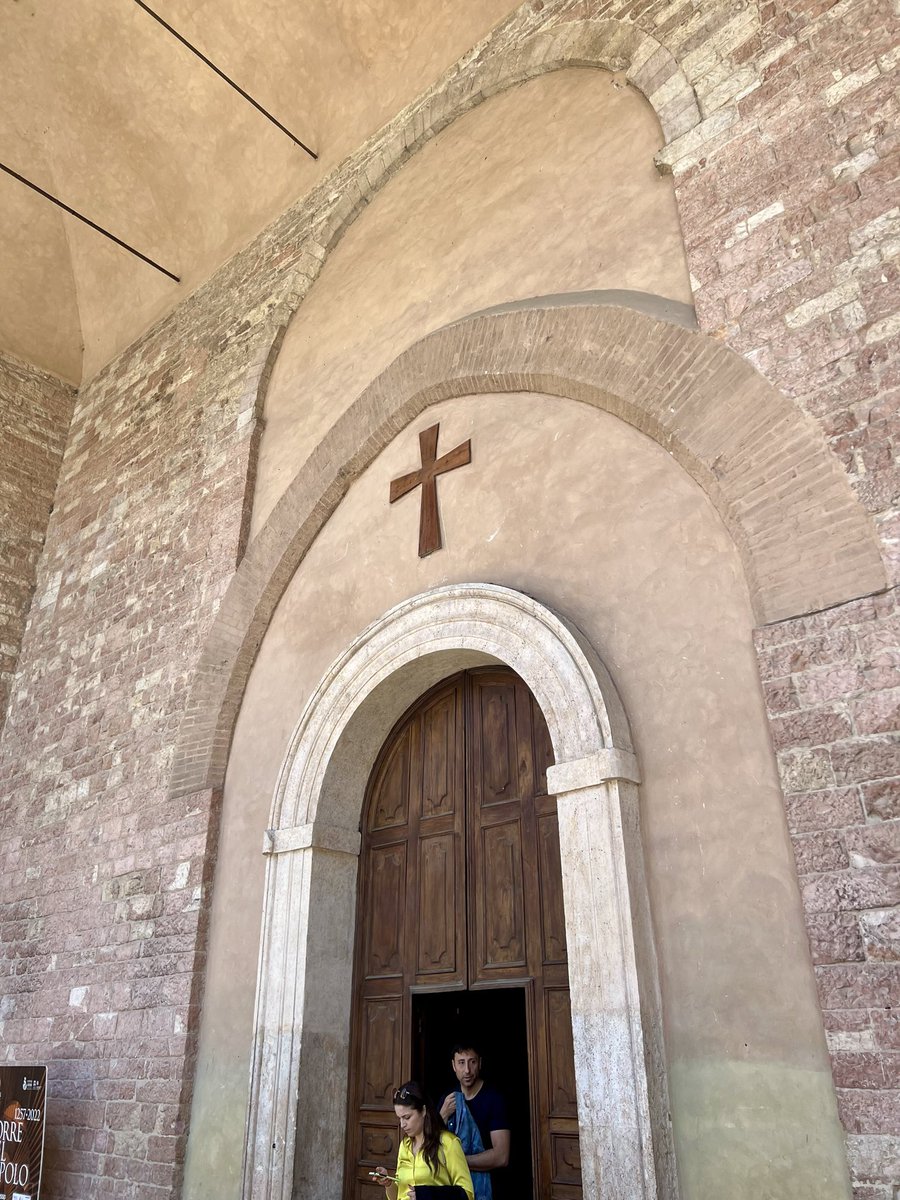
 The front is original - a portico fronted with Corinthian capitals holding up a once decorated pediment, with the rear columns disappearing into the pronaos walls.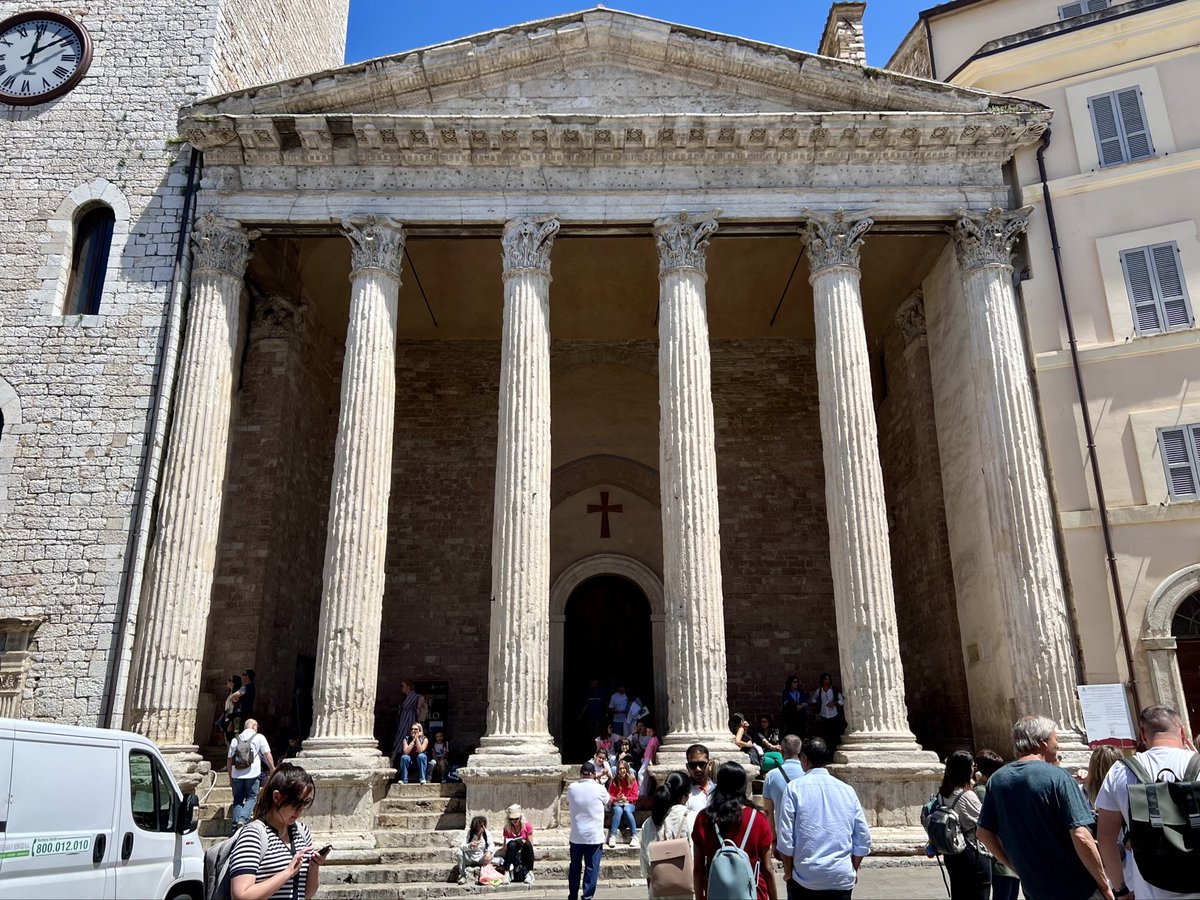

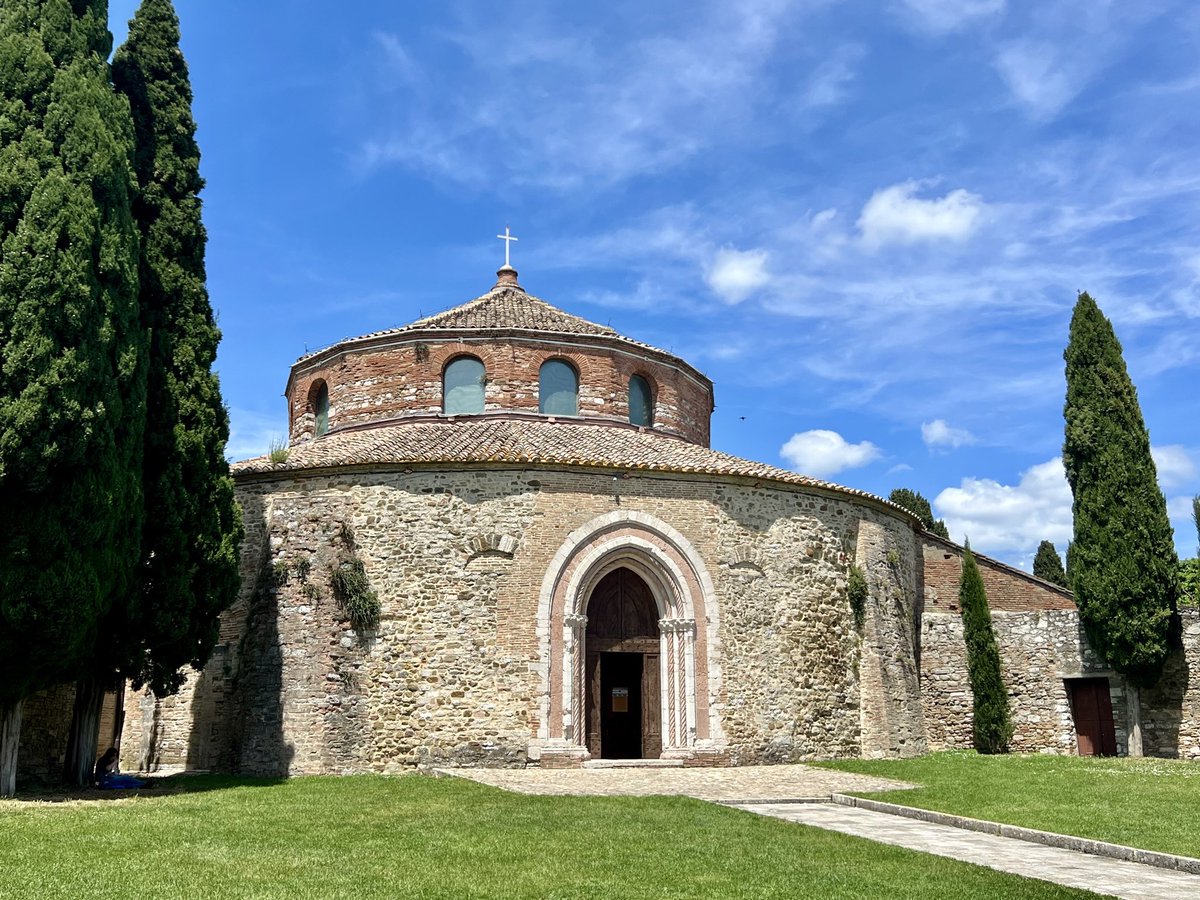
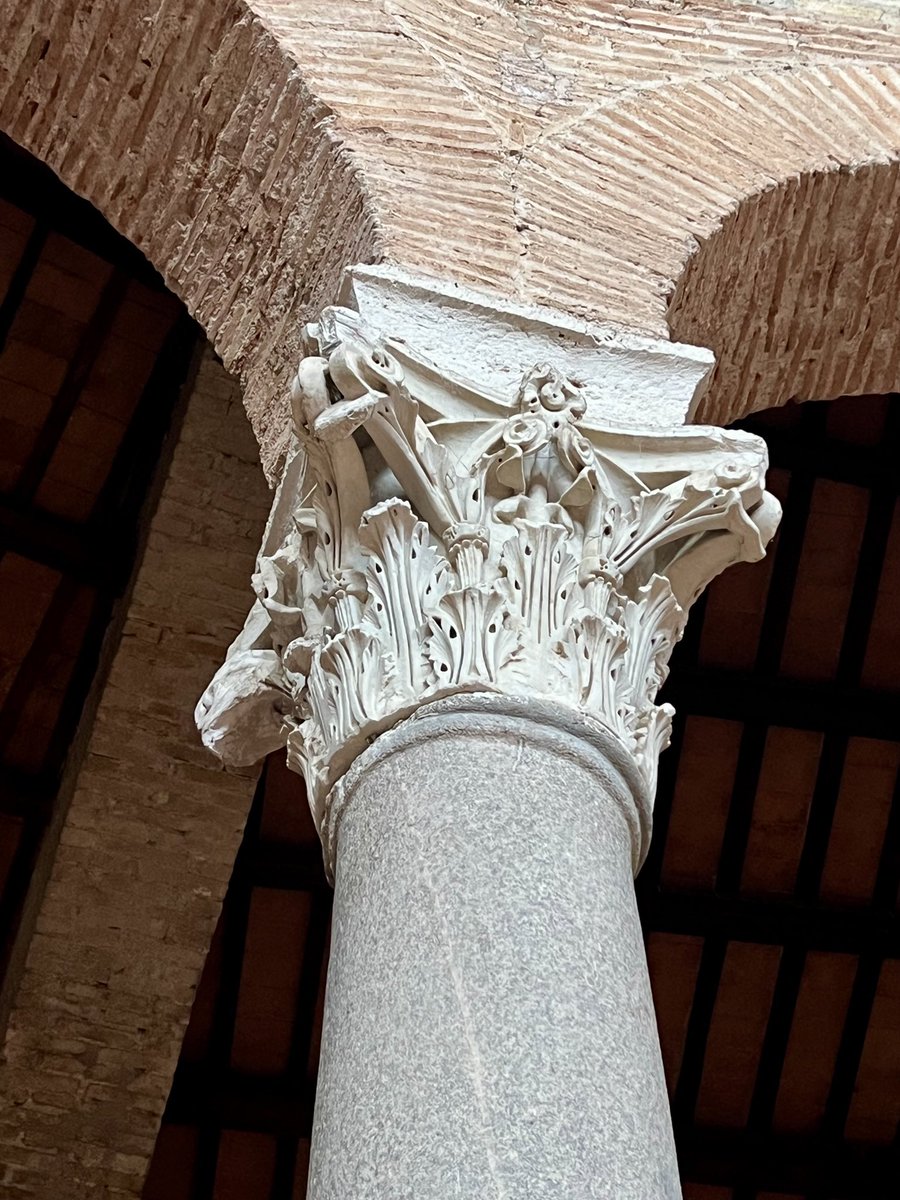
 The basilica is stuffed with salvaged Roman spolia, including its columns with a range of corinthian capitals and - in front of the church - a sole ionic column decorated with a crucifix /2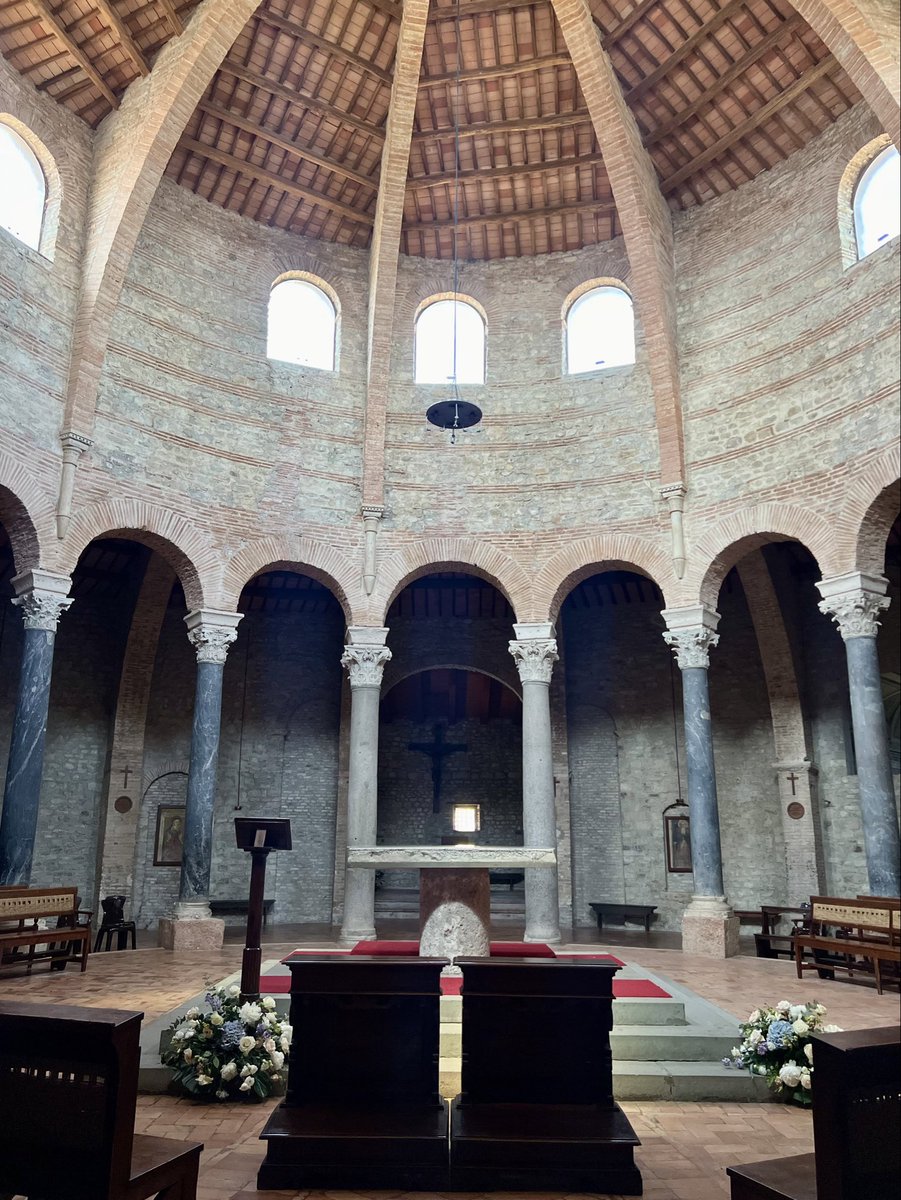

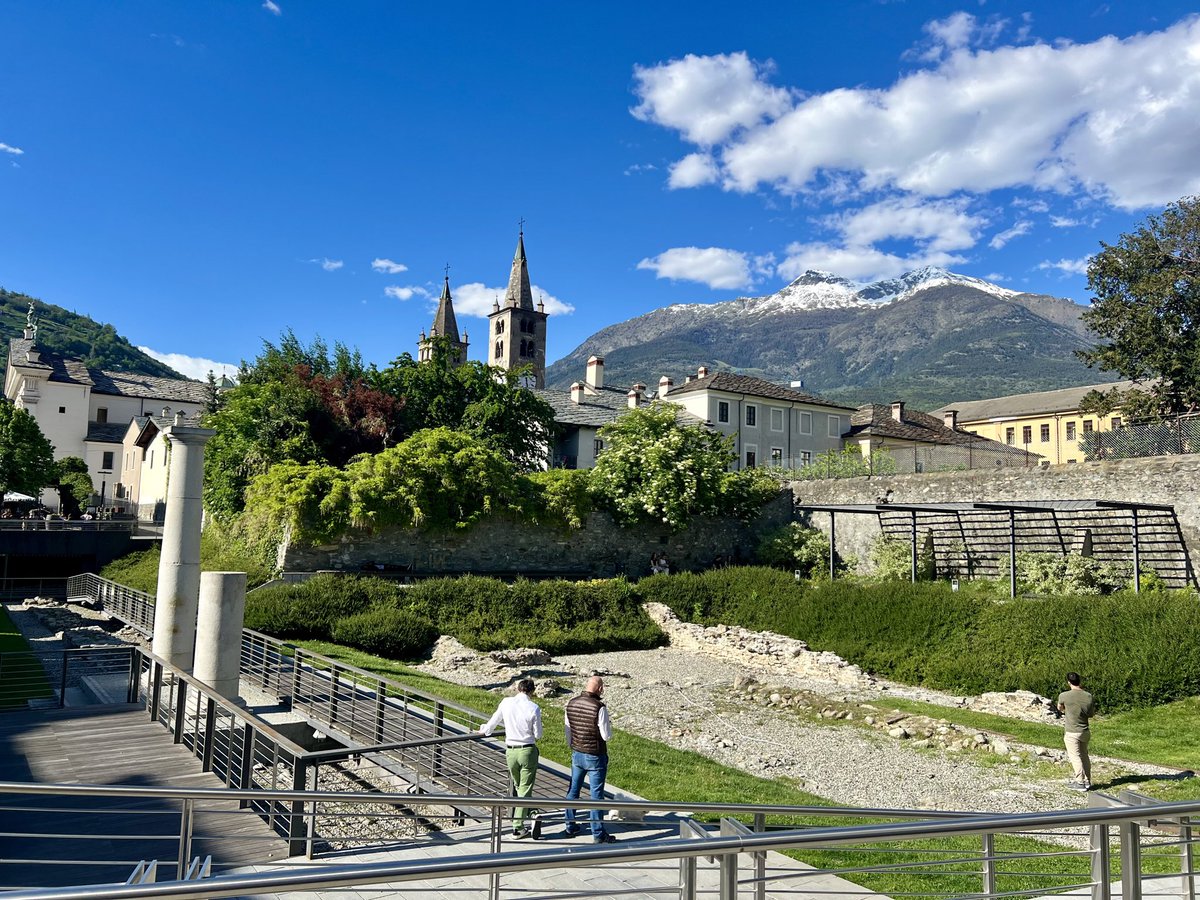
 The rear of the forum was supported by a huge cryptoporticus that ran around three of its edges, providing foundations for a raised terrace.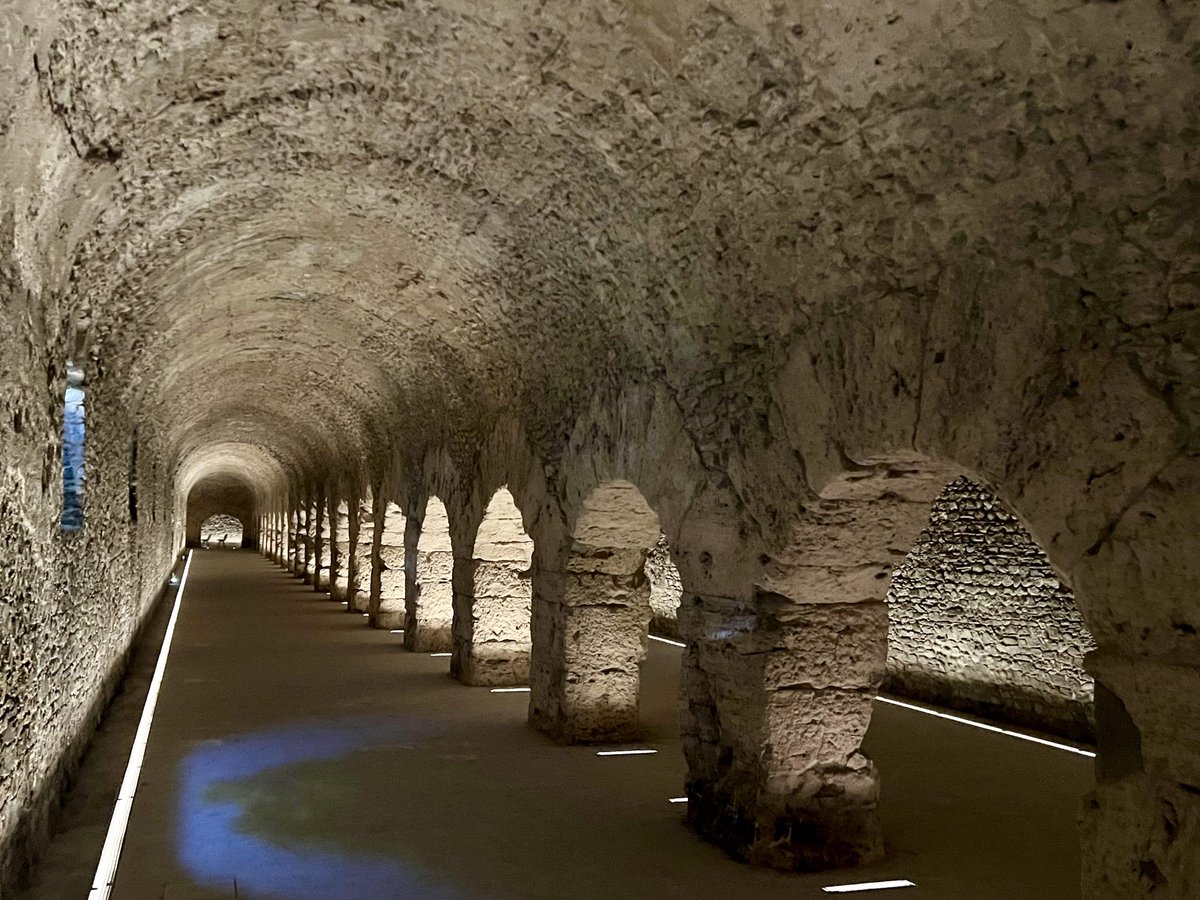
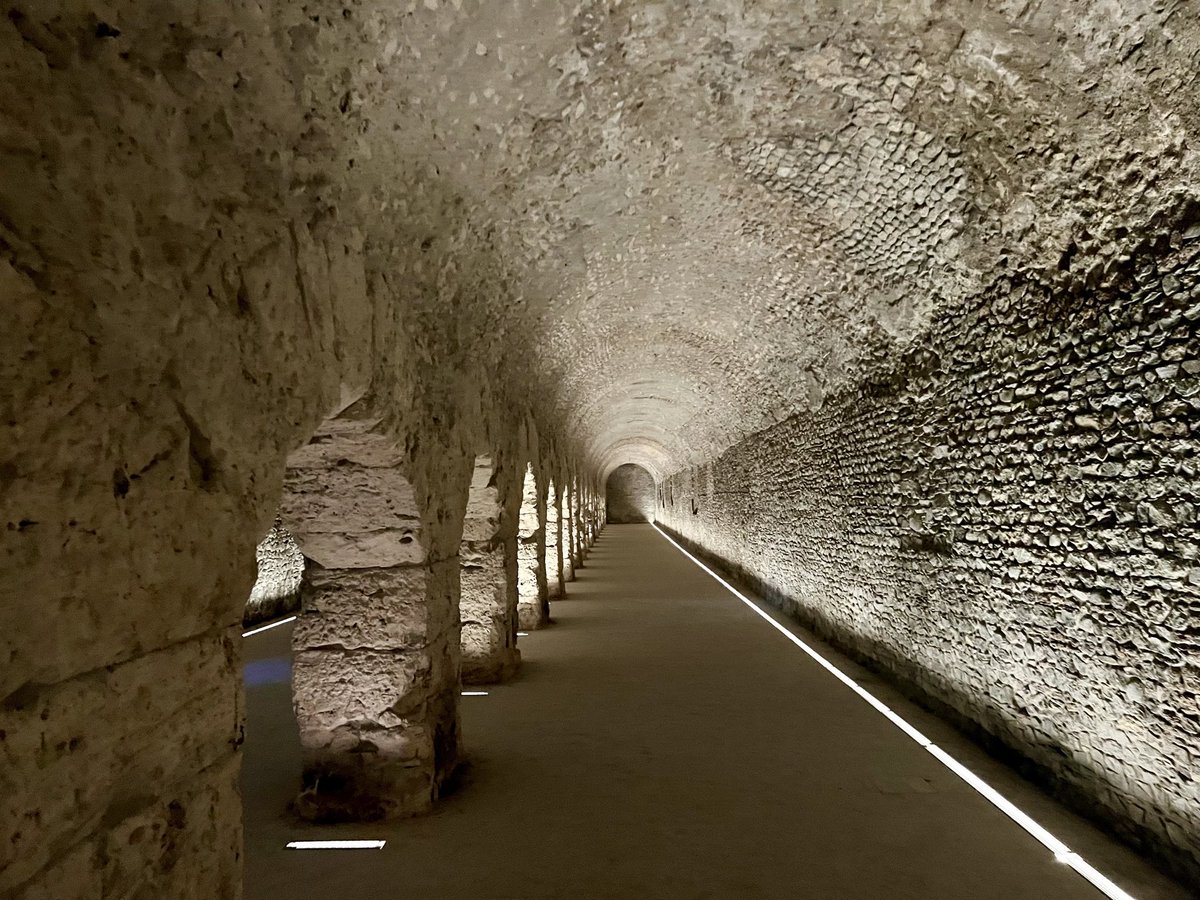

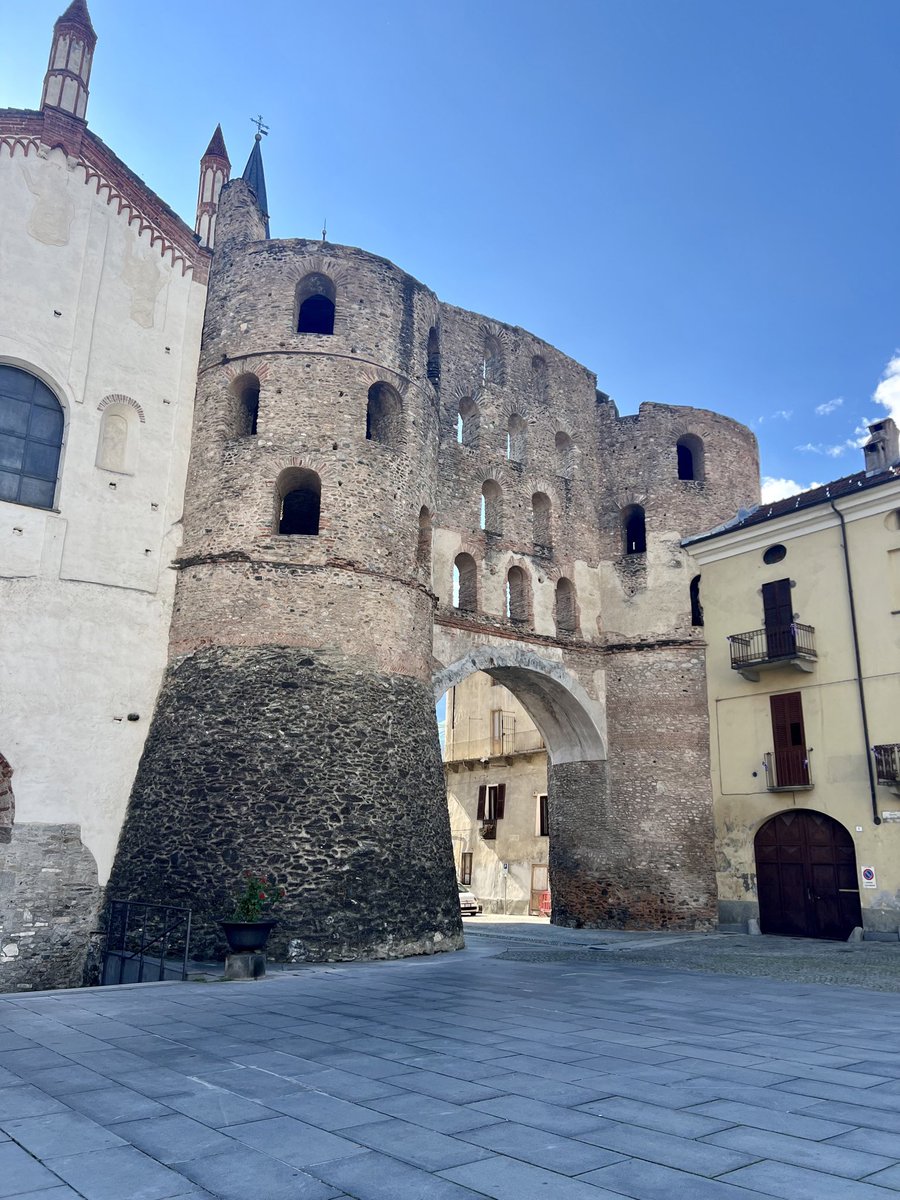
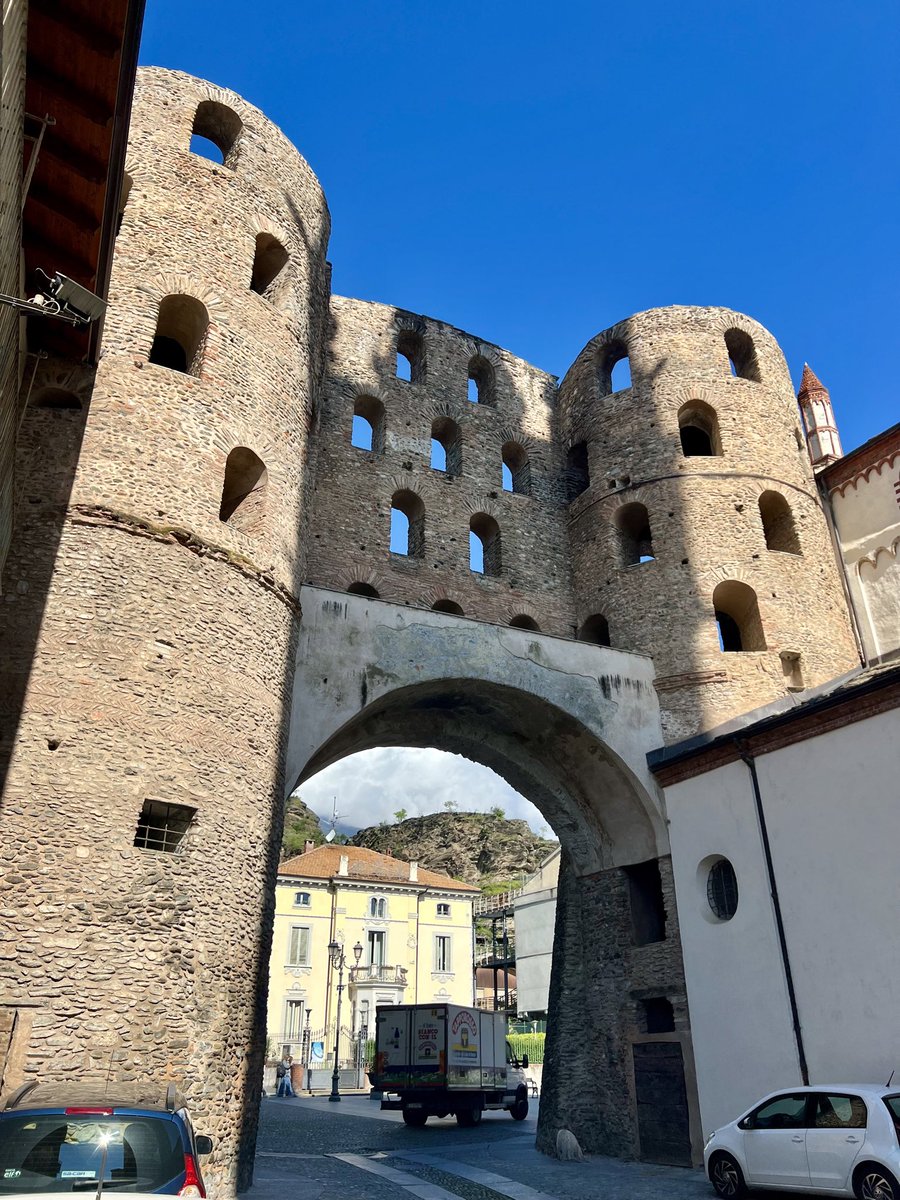
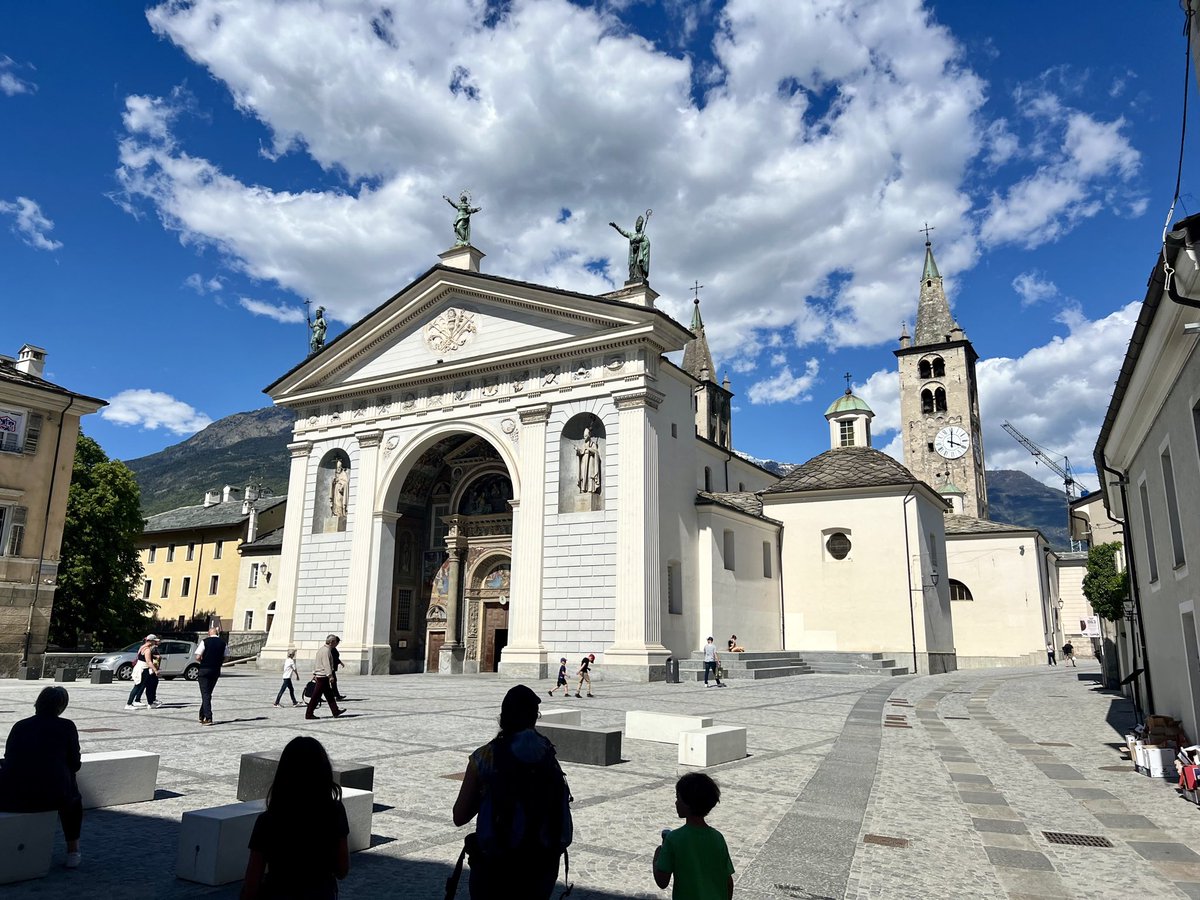
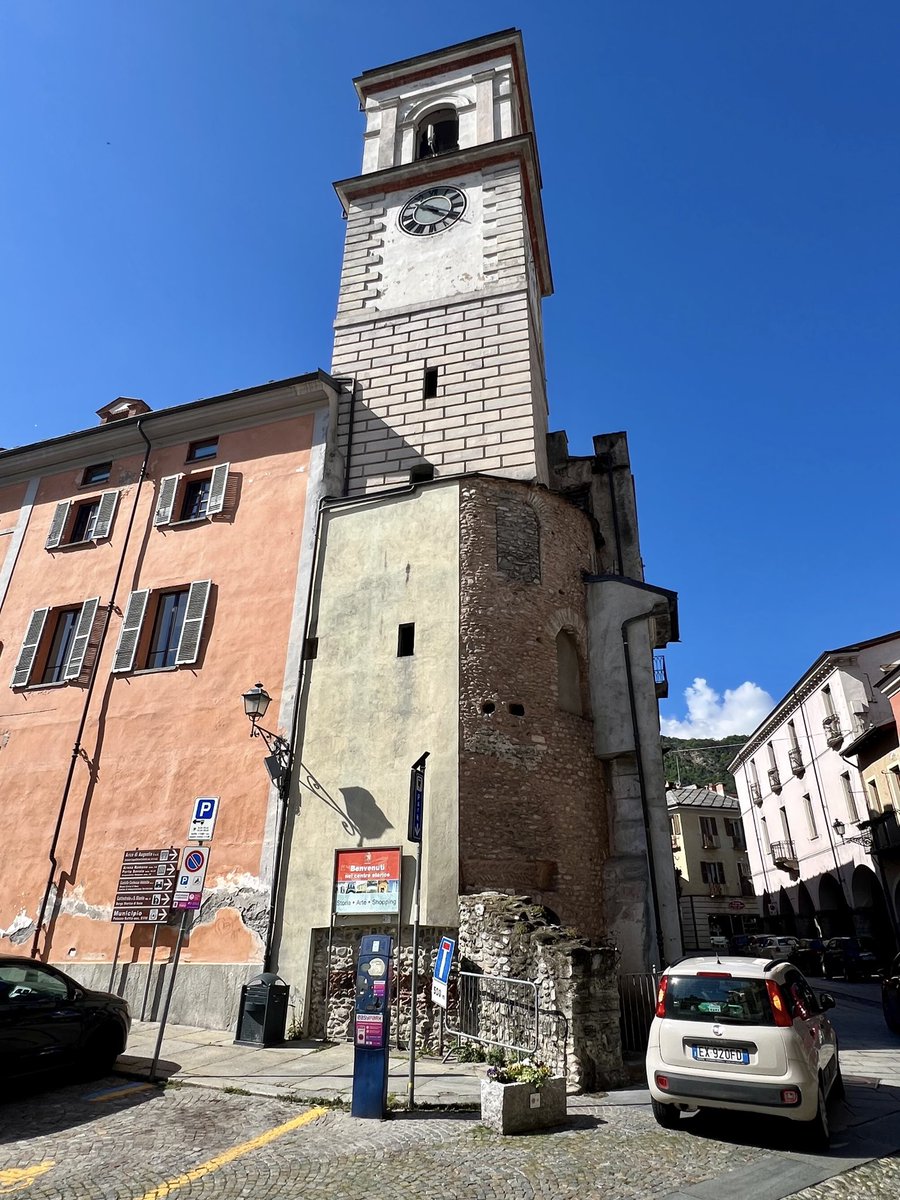
 This beautiful Alpine town has been built into and around the walls of its Roman antecessor, with bell towers sprouting from turrets, houses punching windows through ramparts, and a palace growing out from the praetorium - and it’s everywhere you look /2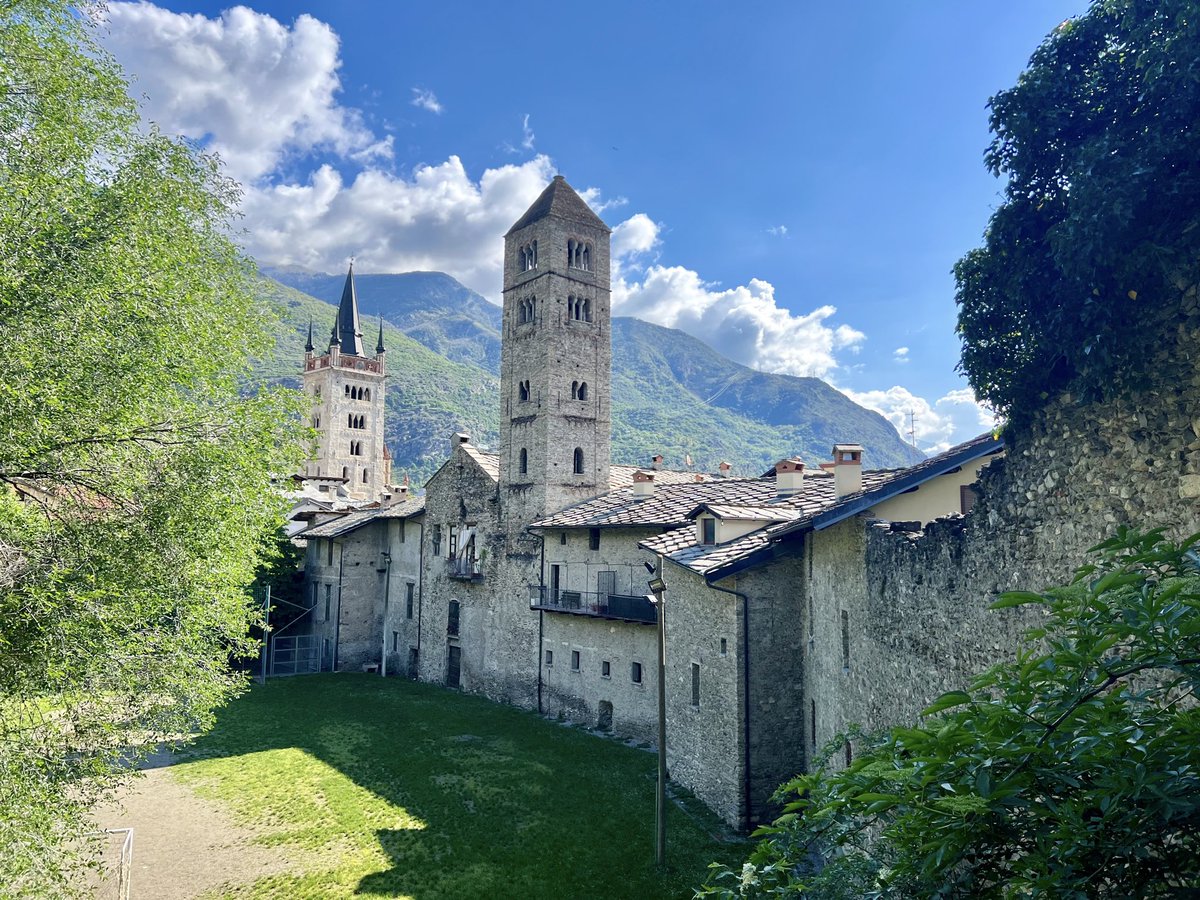

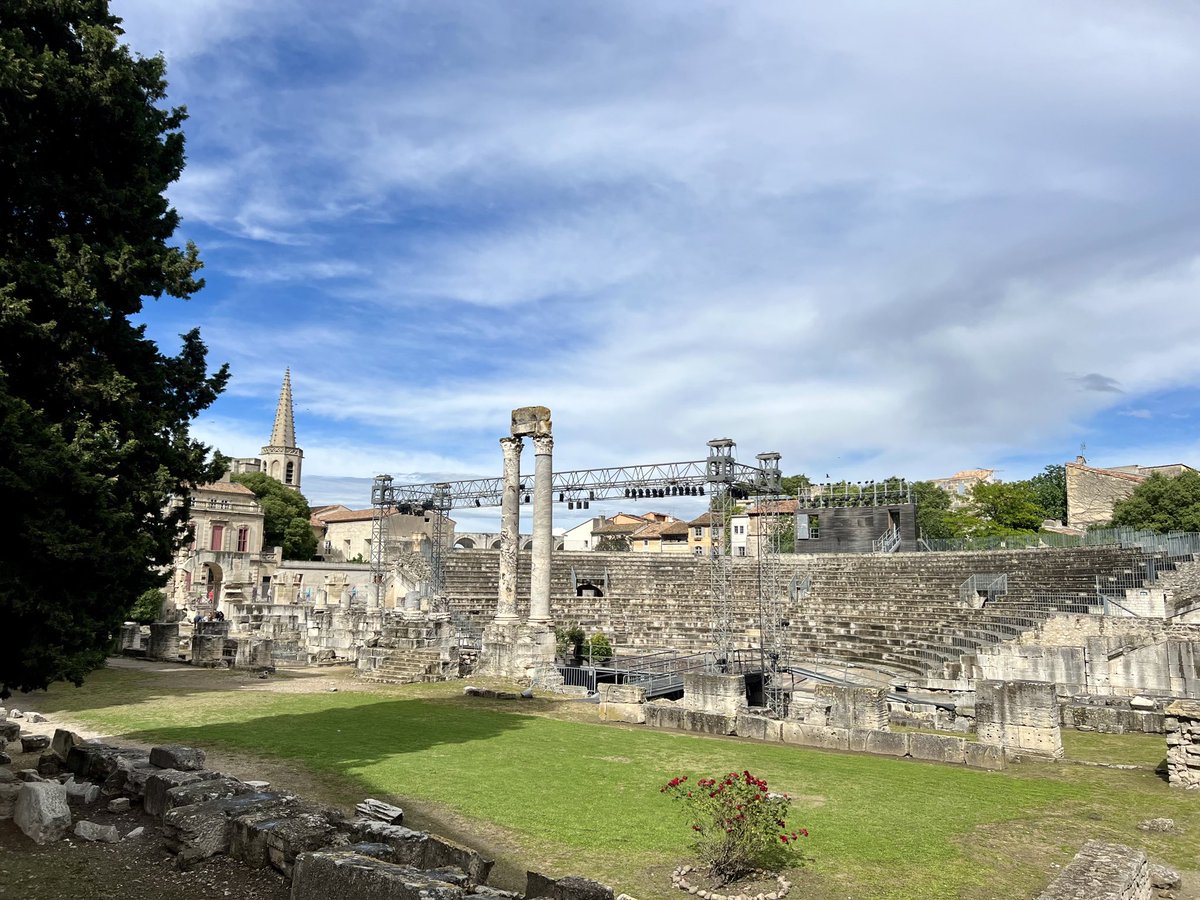
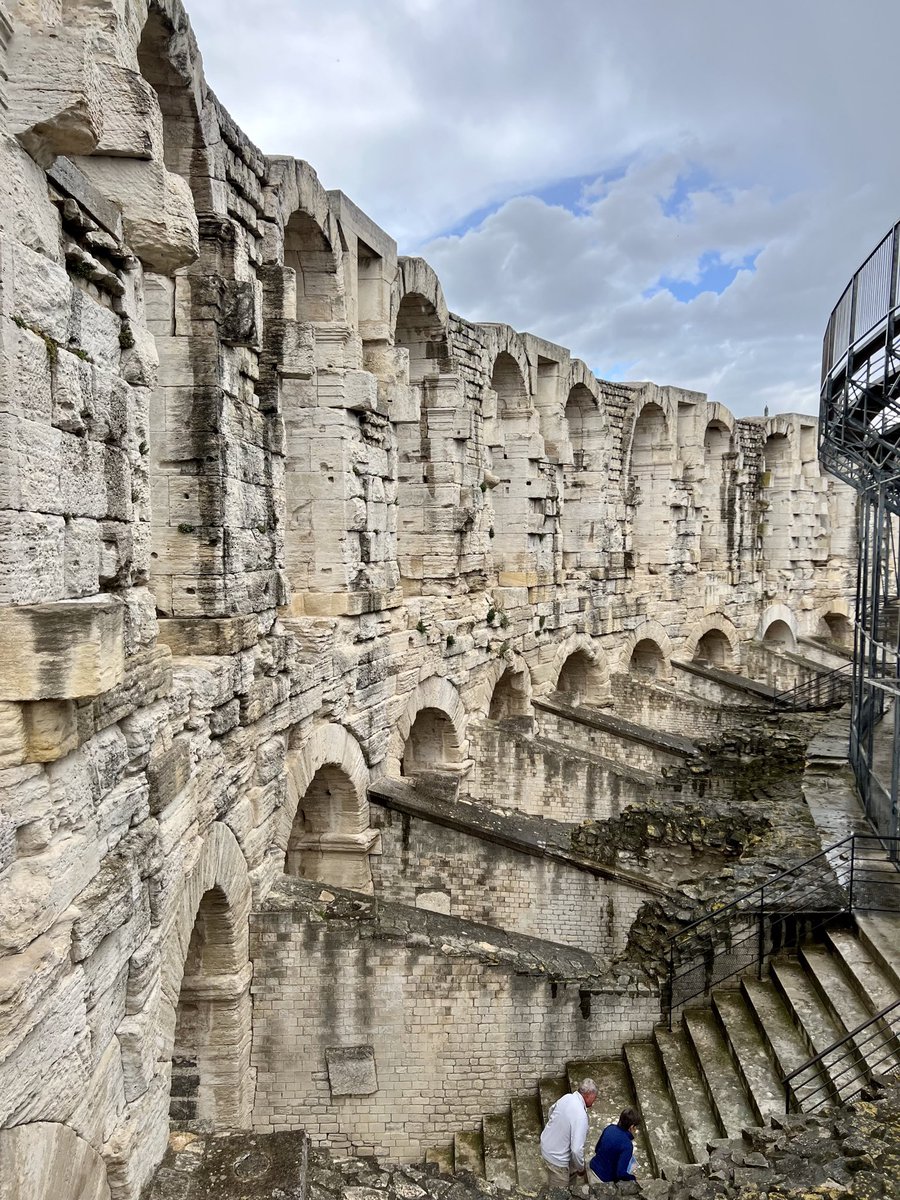
 The immense amphitheatre had become a fortified town in the Middle Ages, with a couple of the defensive towers still standing on the perimeter lip of the arcades.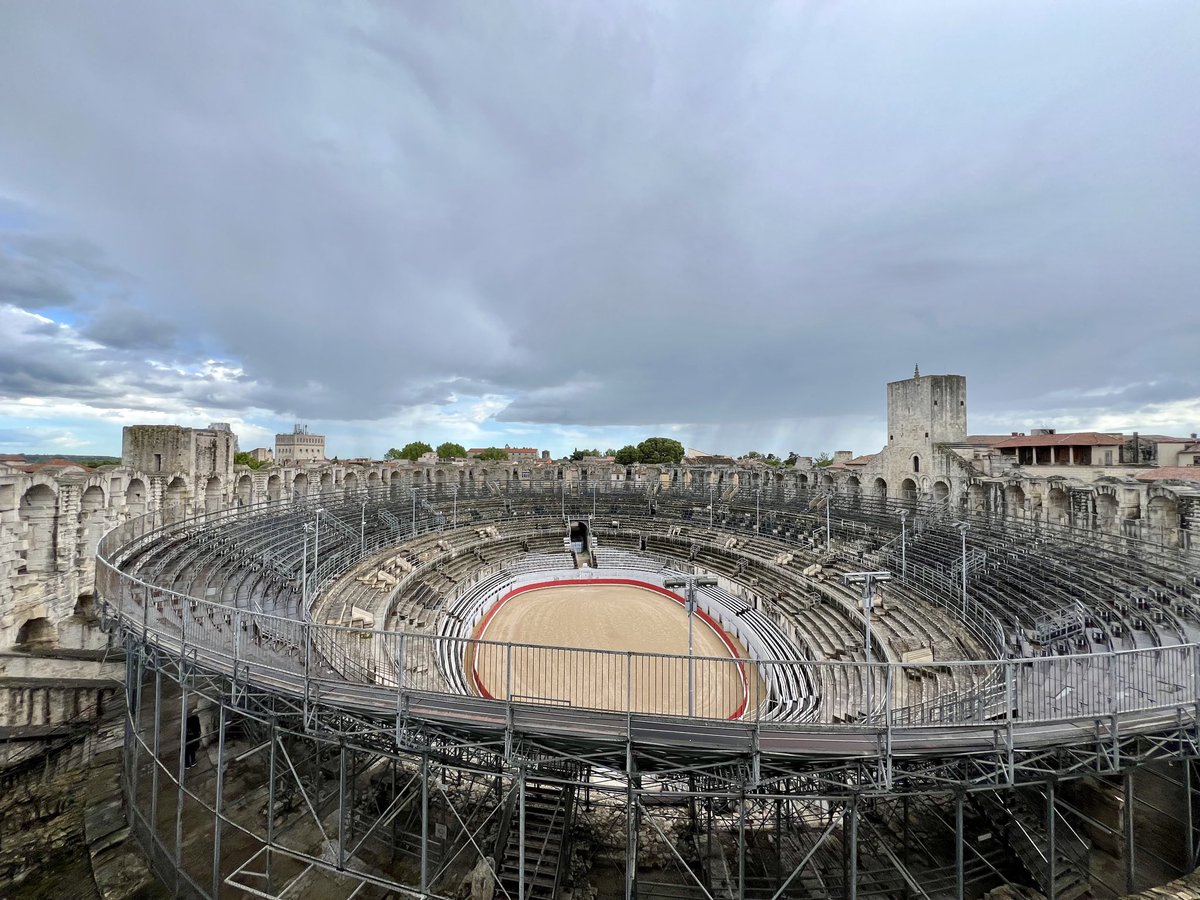


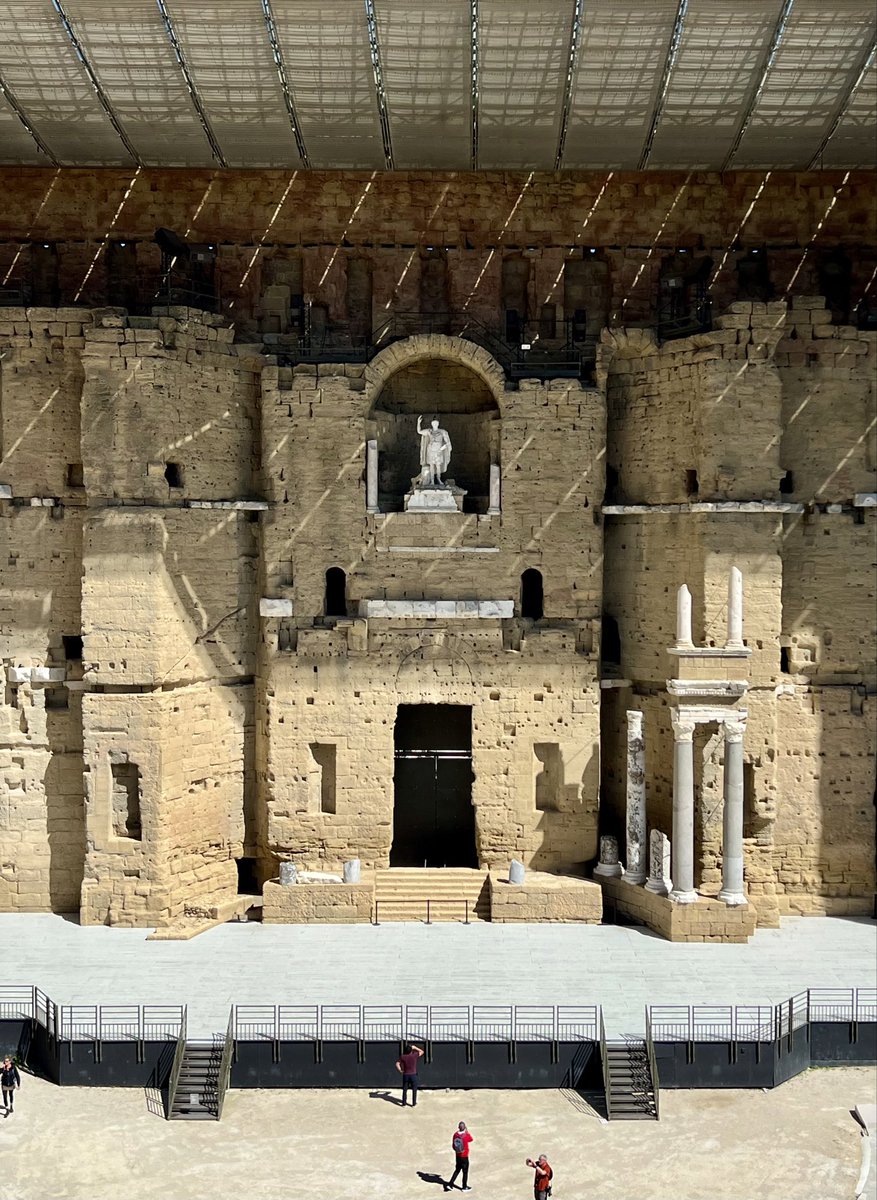
 With its 103m wide exterior facade still at its full 37m height, along with a largely complete scaenae, the theatre - which would have had capacity for some 7,000 spectators - is probably the best preserved example in the world, and still looms over the small French town /2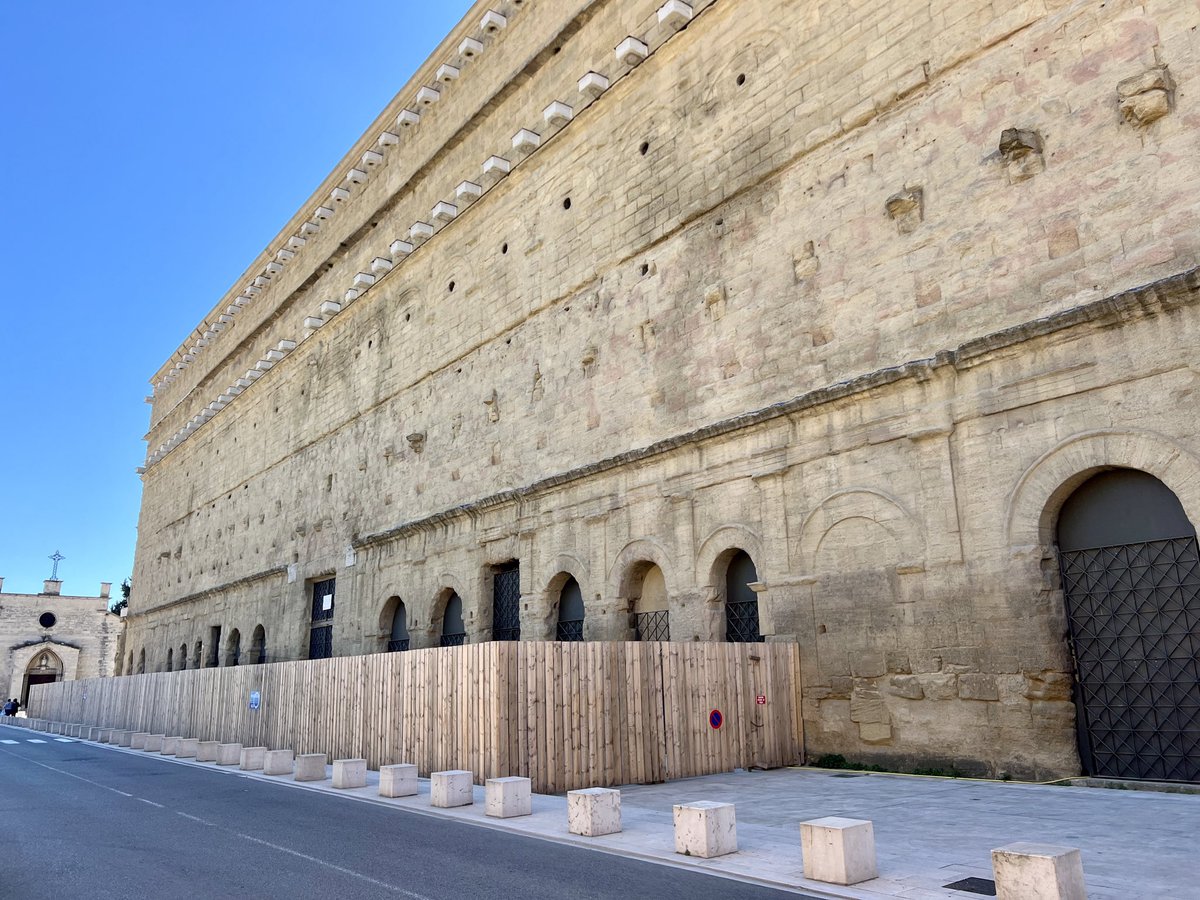

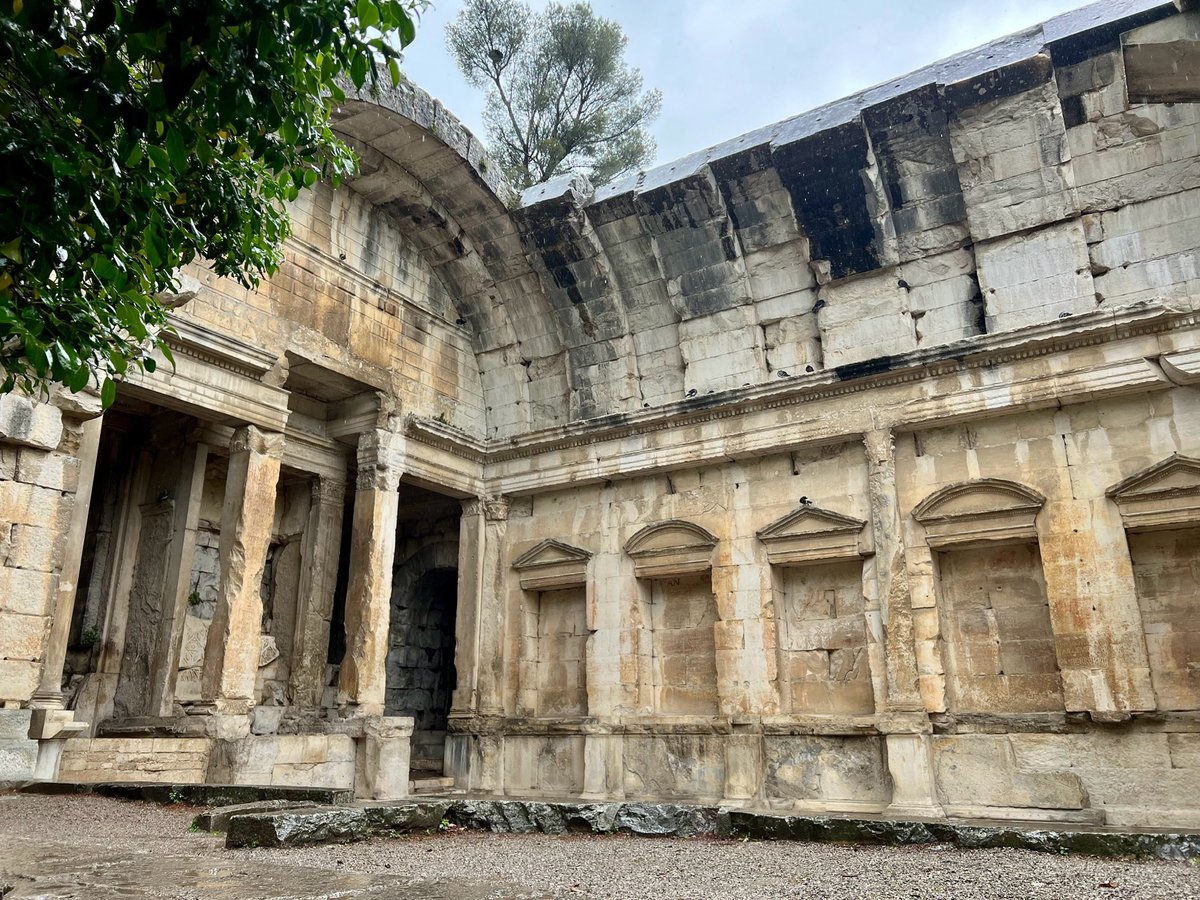

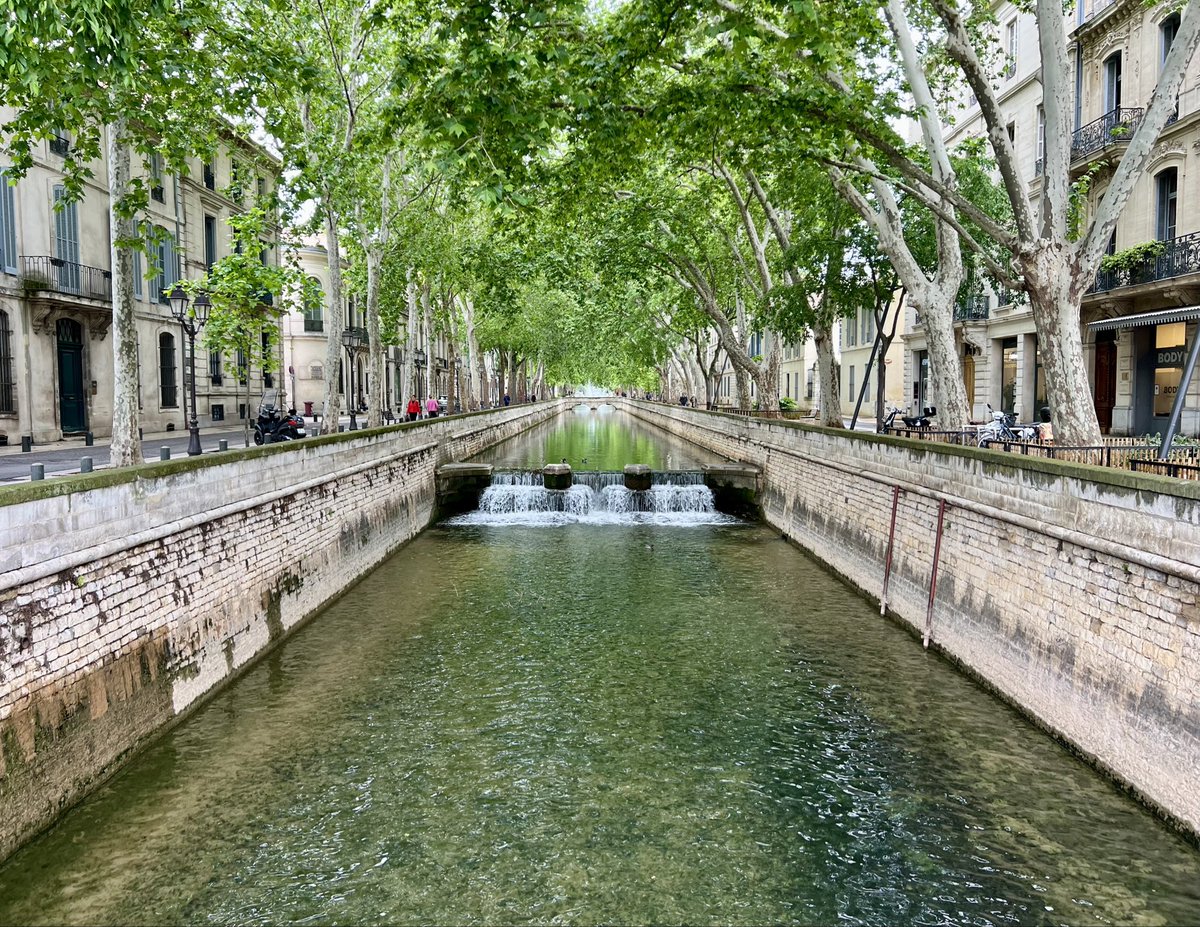
 The ‘temple’ sits next to a huge, precisely designed set of renaissance gardens - the Jardin de la Fontaine - which debouch enormous quantities of water into Nîmes - and which once were the heart of the Celtic oppidum which preceded Roman Nemausus /2

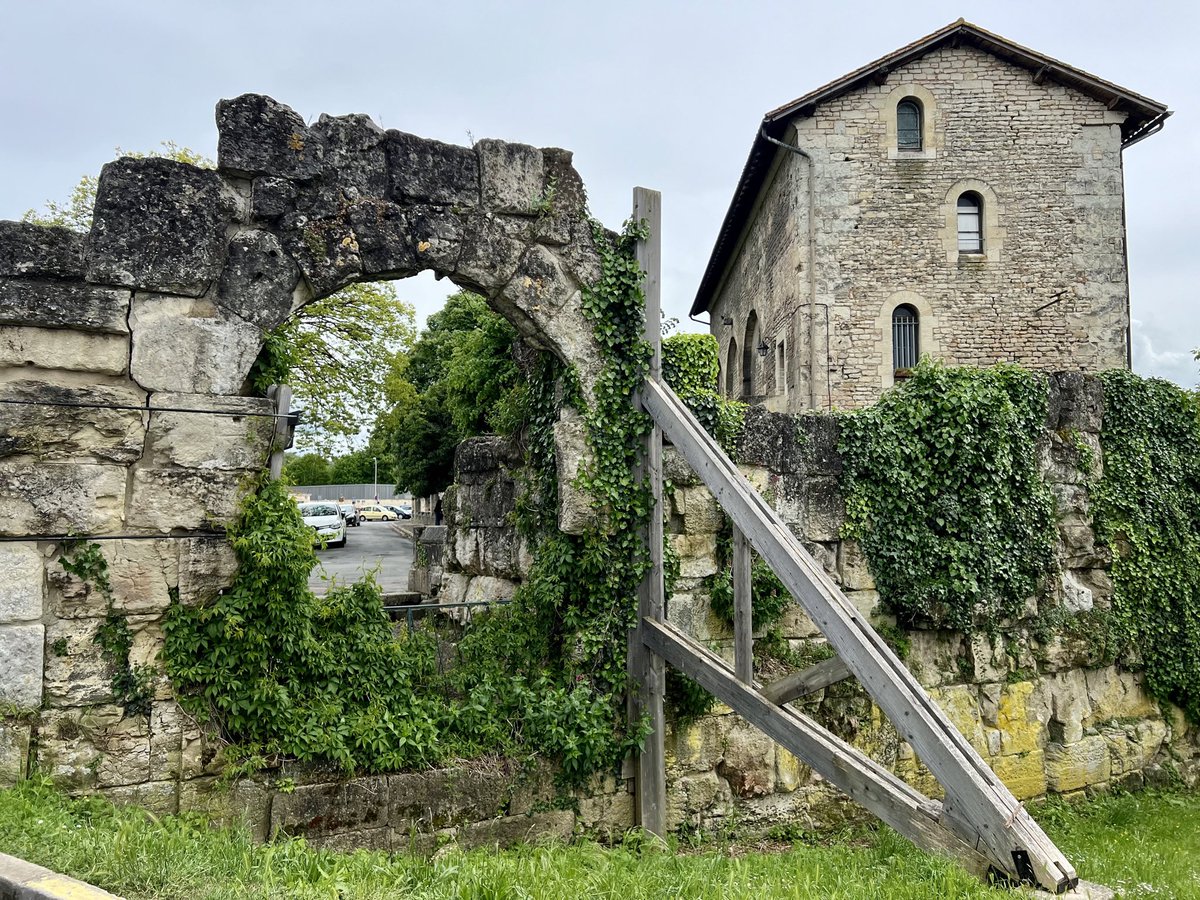
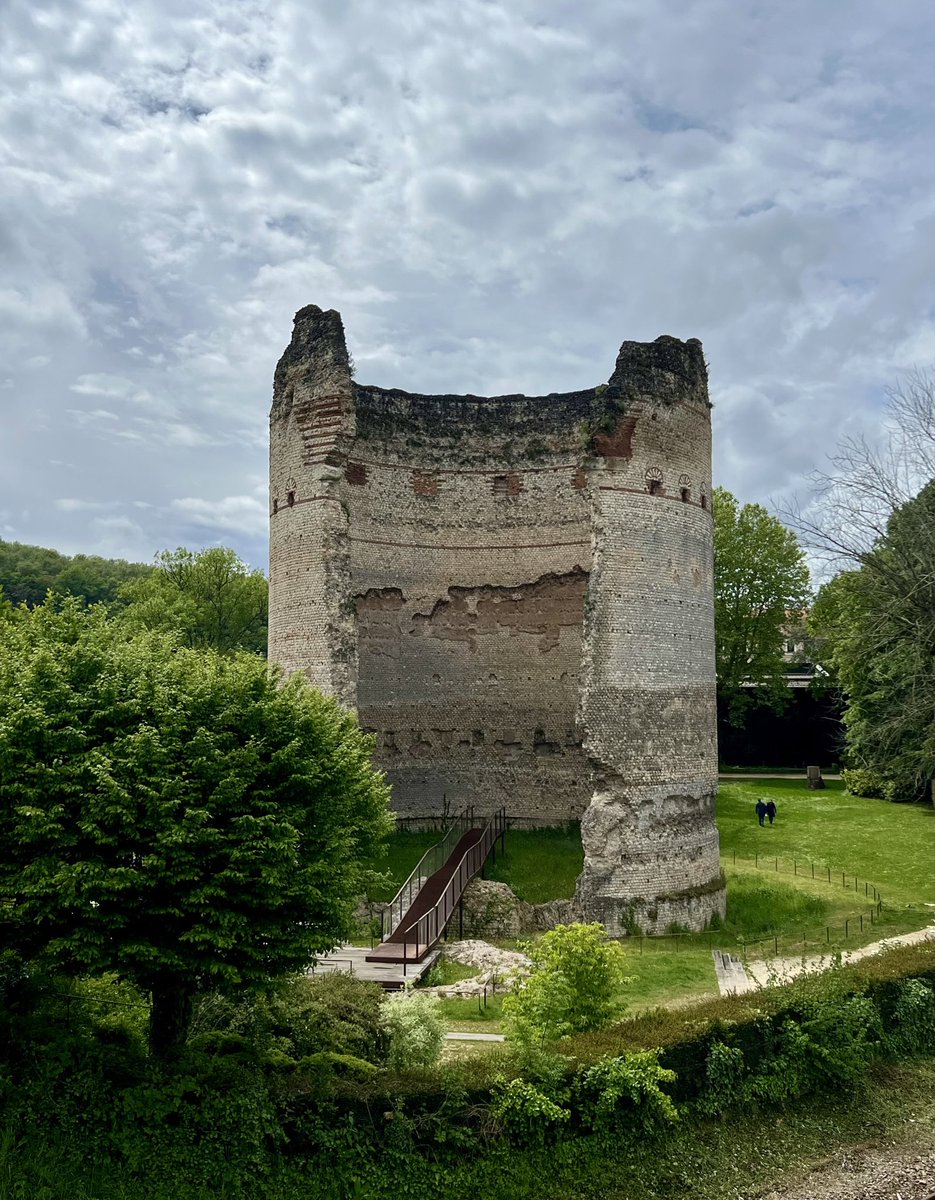
 Founded at a bend of the Isle river following the conquest of a nearby Gaulish oppidum, at its height Vesunna governed much of the present Dordogne region, with a well appointed city replete with expensive public buildings and the full suite of Roman amenities /2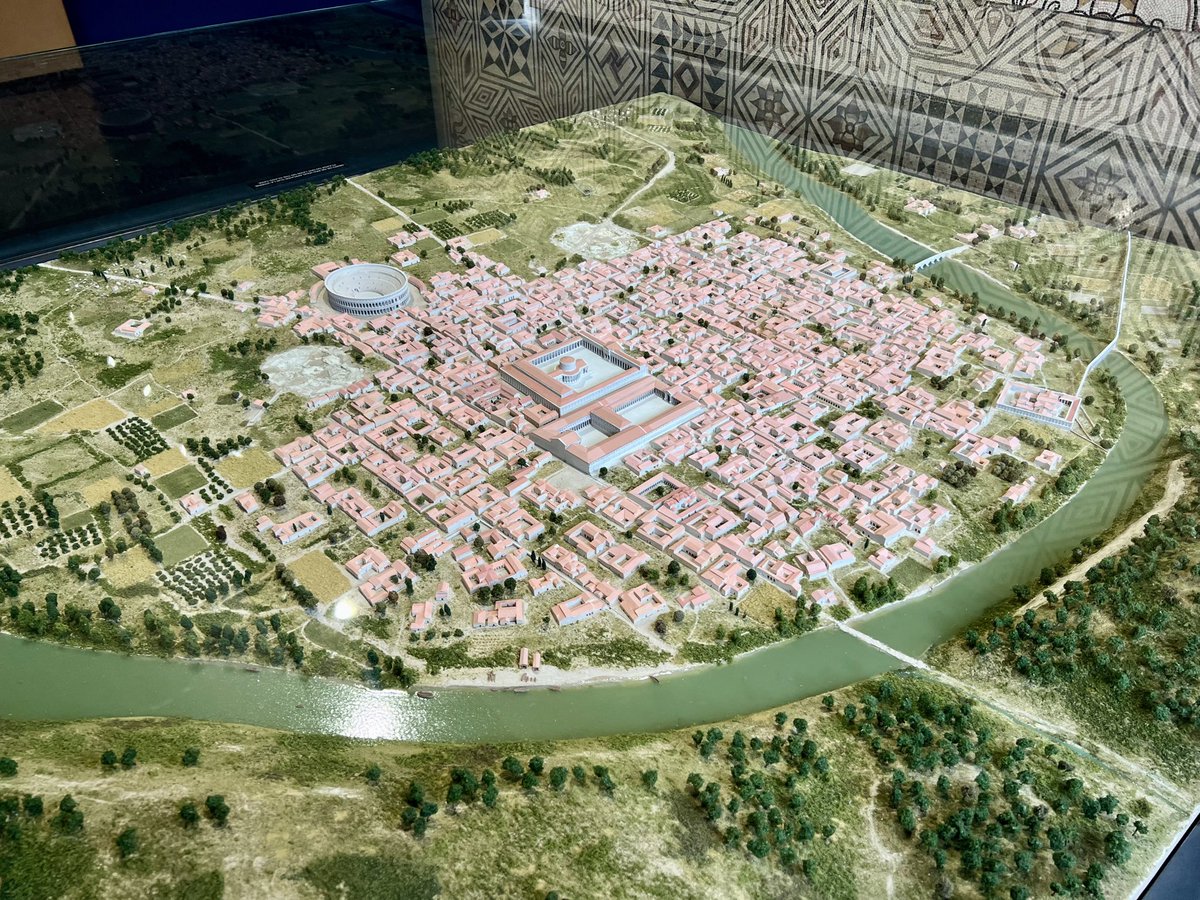
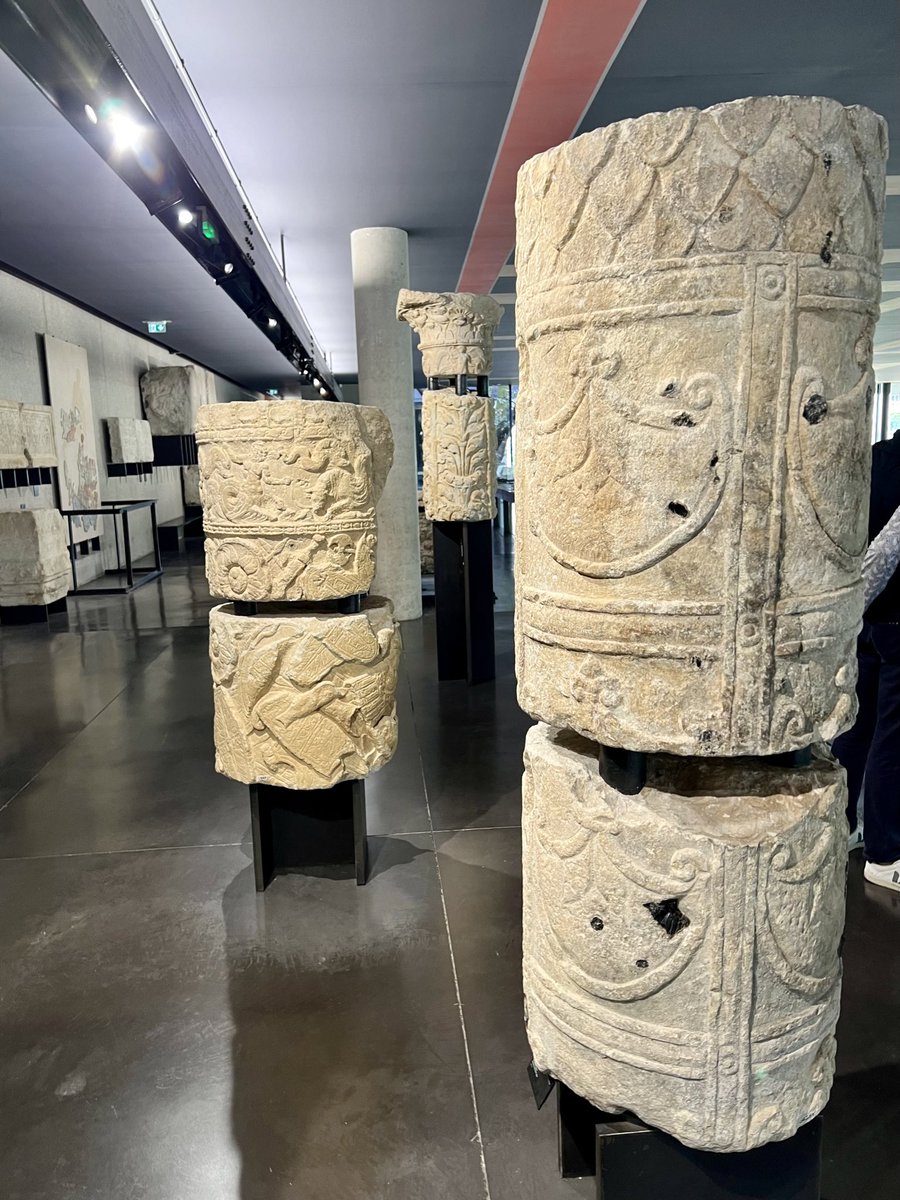

 Another true banger in the Kalkriese lorica, an armoured vest worn by one of Varus’ ill-fated soldiers when he fell at the Battle of the Teutoburg Forest - and lay where his corpse was left /2


 One of the earliest items comes from a later Roman imperial context. This Greek archaic temple was discovered under Thessaloniki’s streets, apparently moved some 500 years after its construction elsewhere - perhaps to show fealty to the Julian cult after Augustus’ succession /2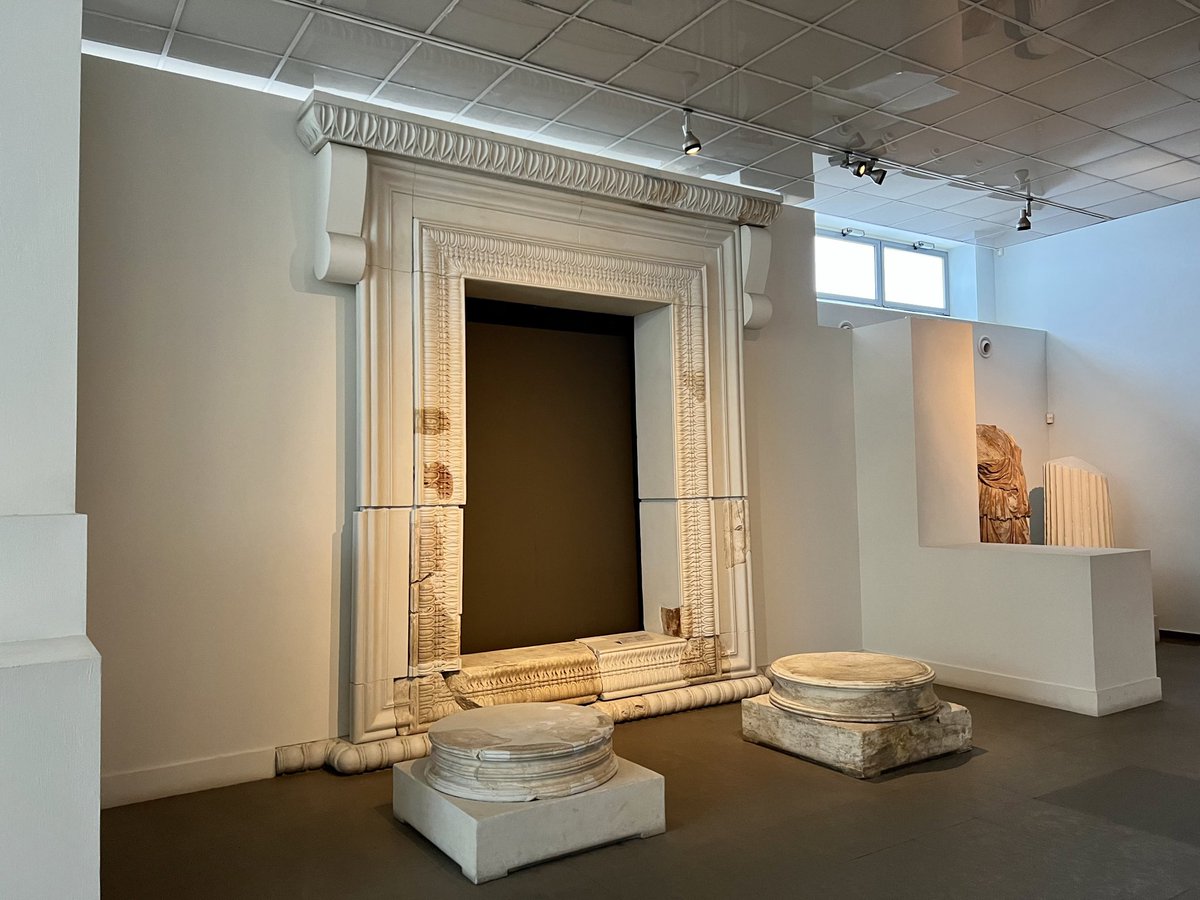

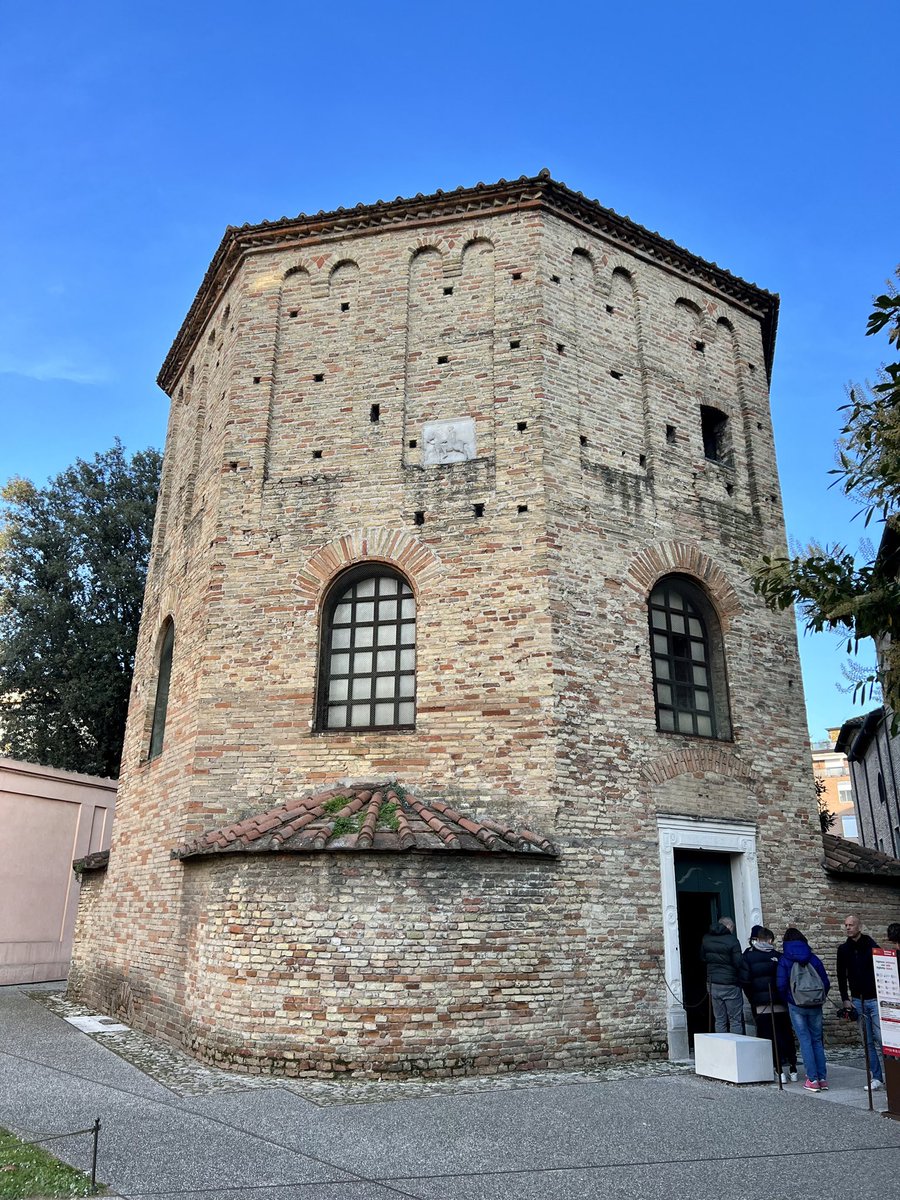
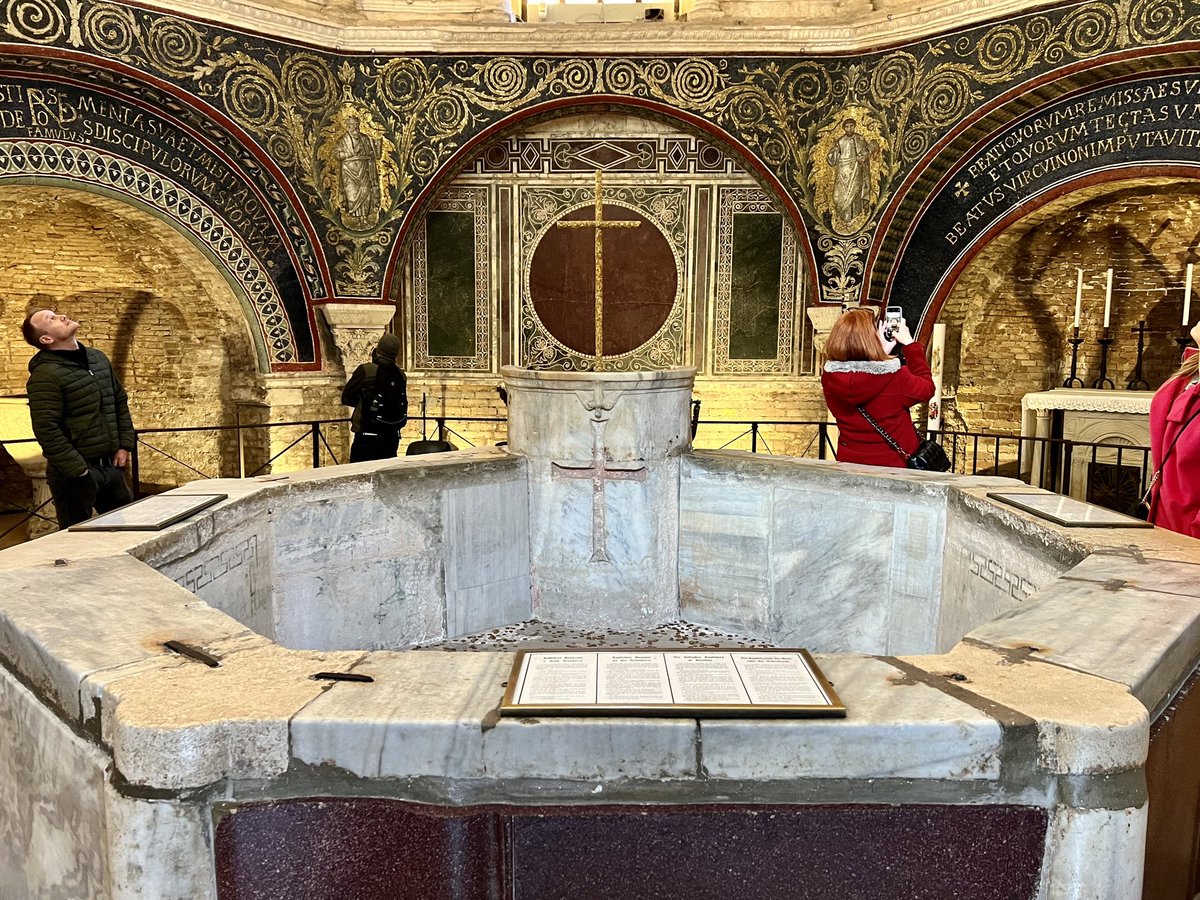
 The best preserved ancient baptismal building in the world - or so claims the official website - the mosaics of John baptising Christ, saints, and floral motifs date to just before the Gothic conquest under Bishop Neon; and allegedly inspired a paranormal trance in Carl Jung 2/9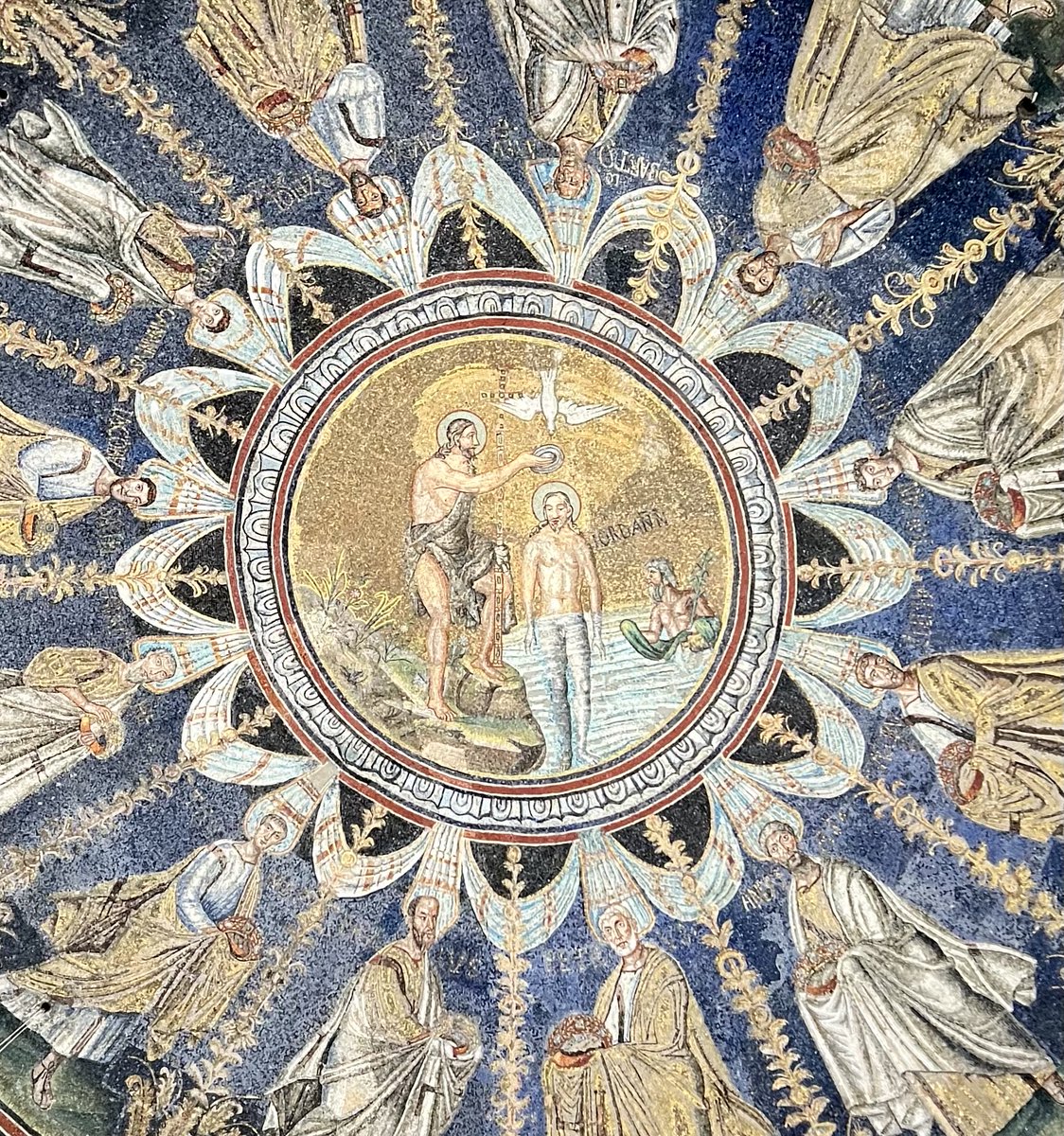


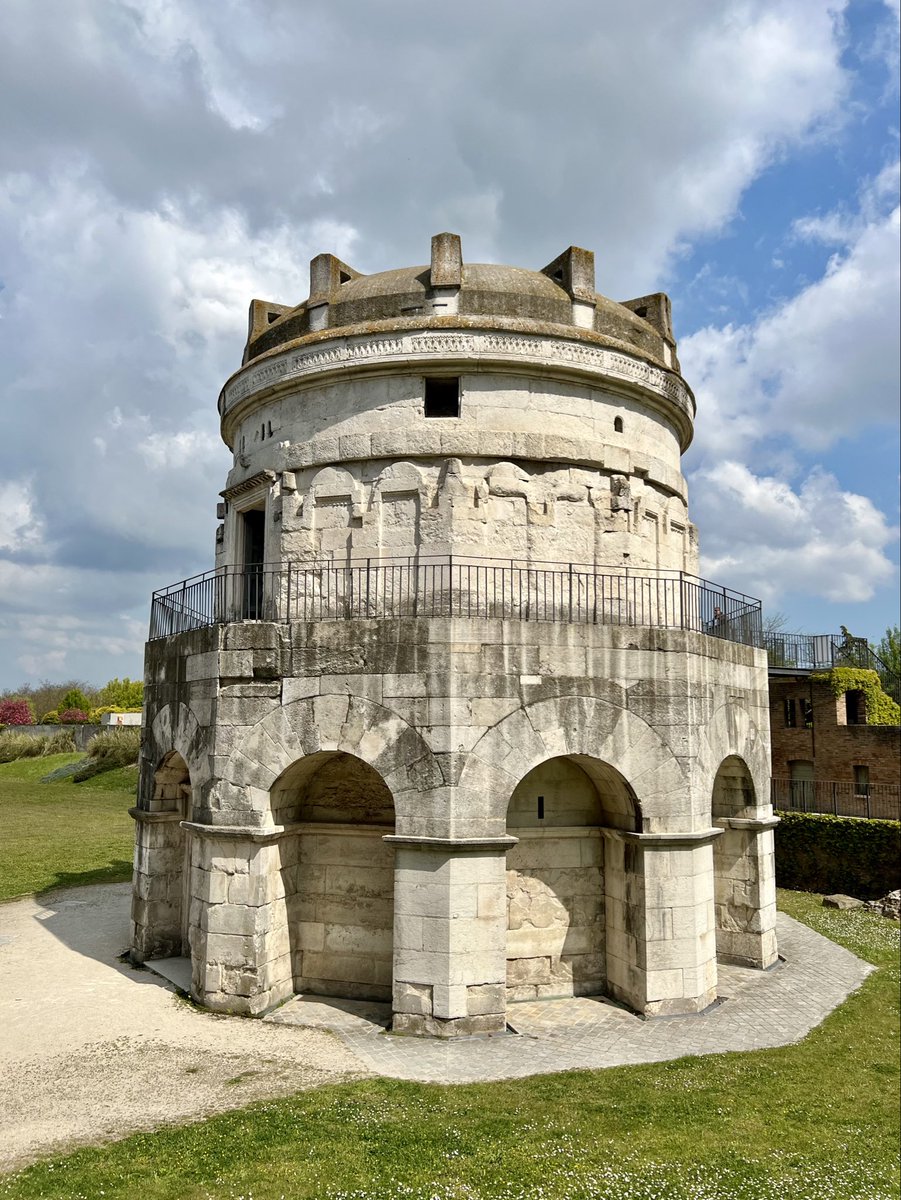 The mausoleum was built in Ravenna after Theodoric took Italy in the 490s.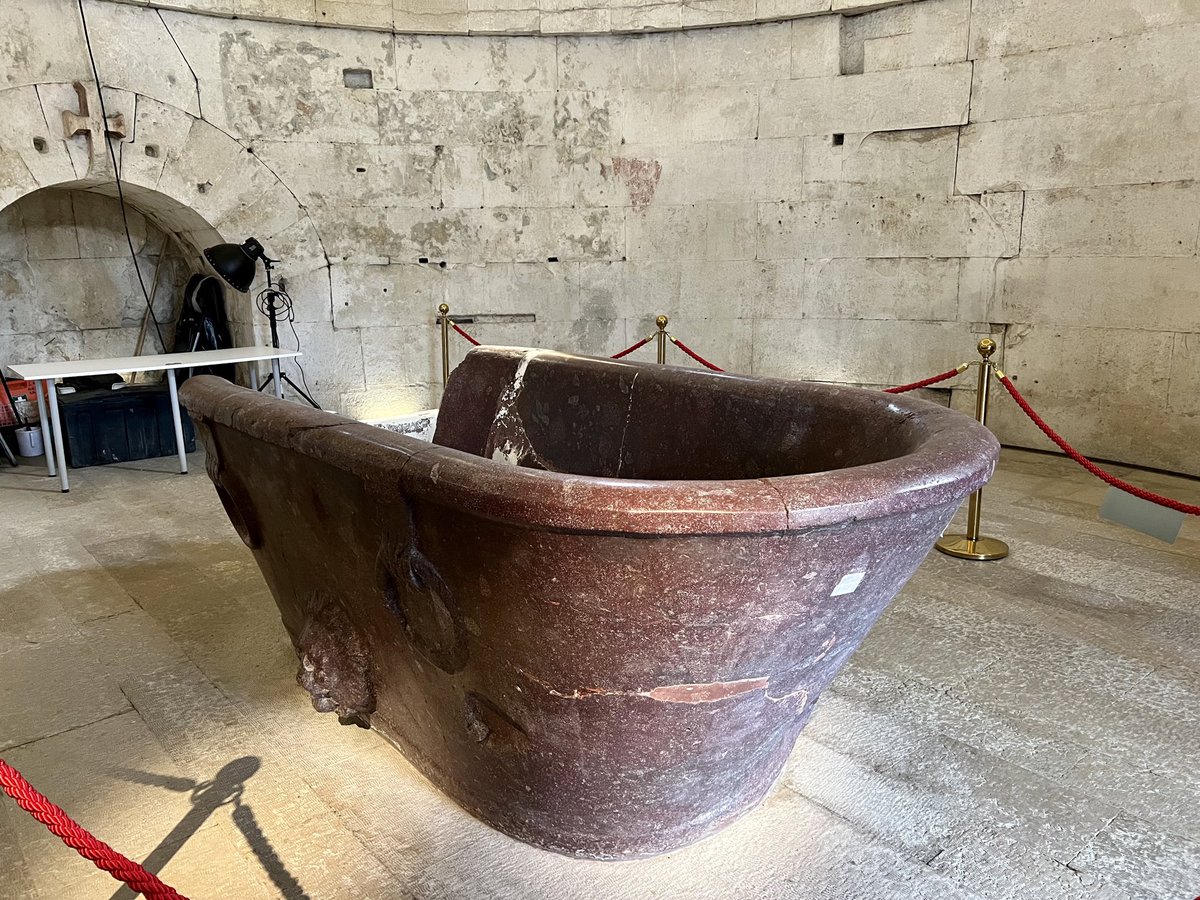

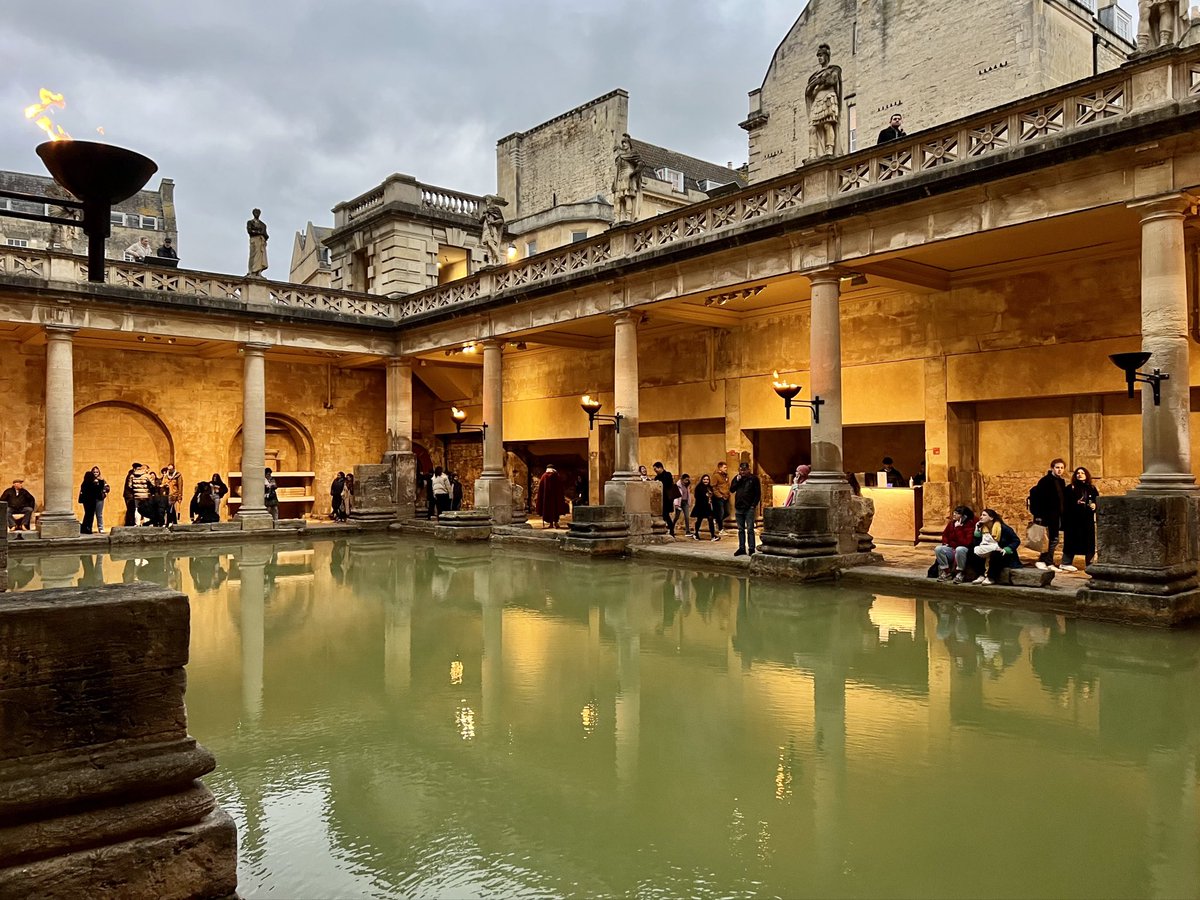
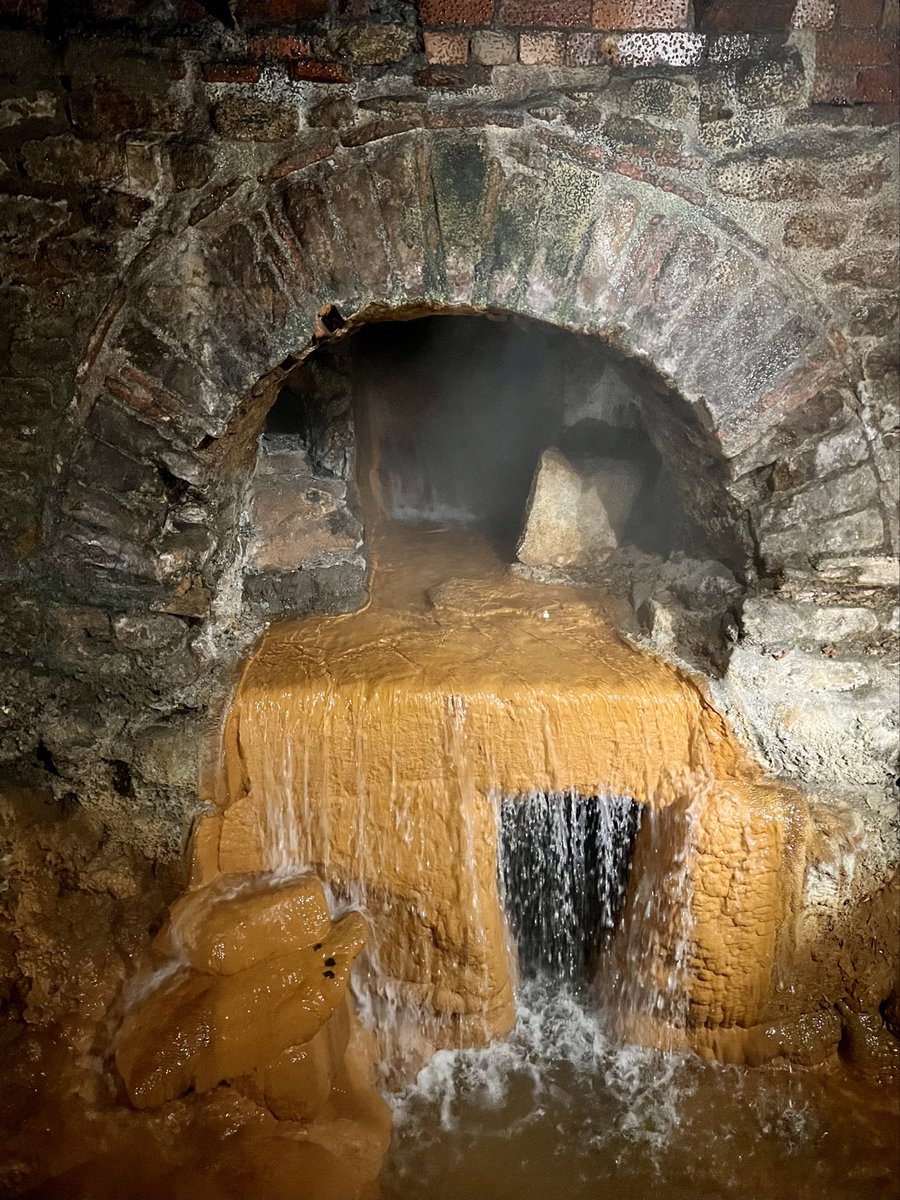
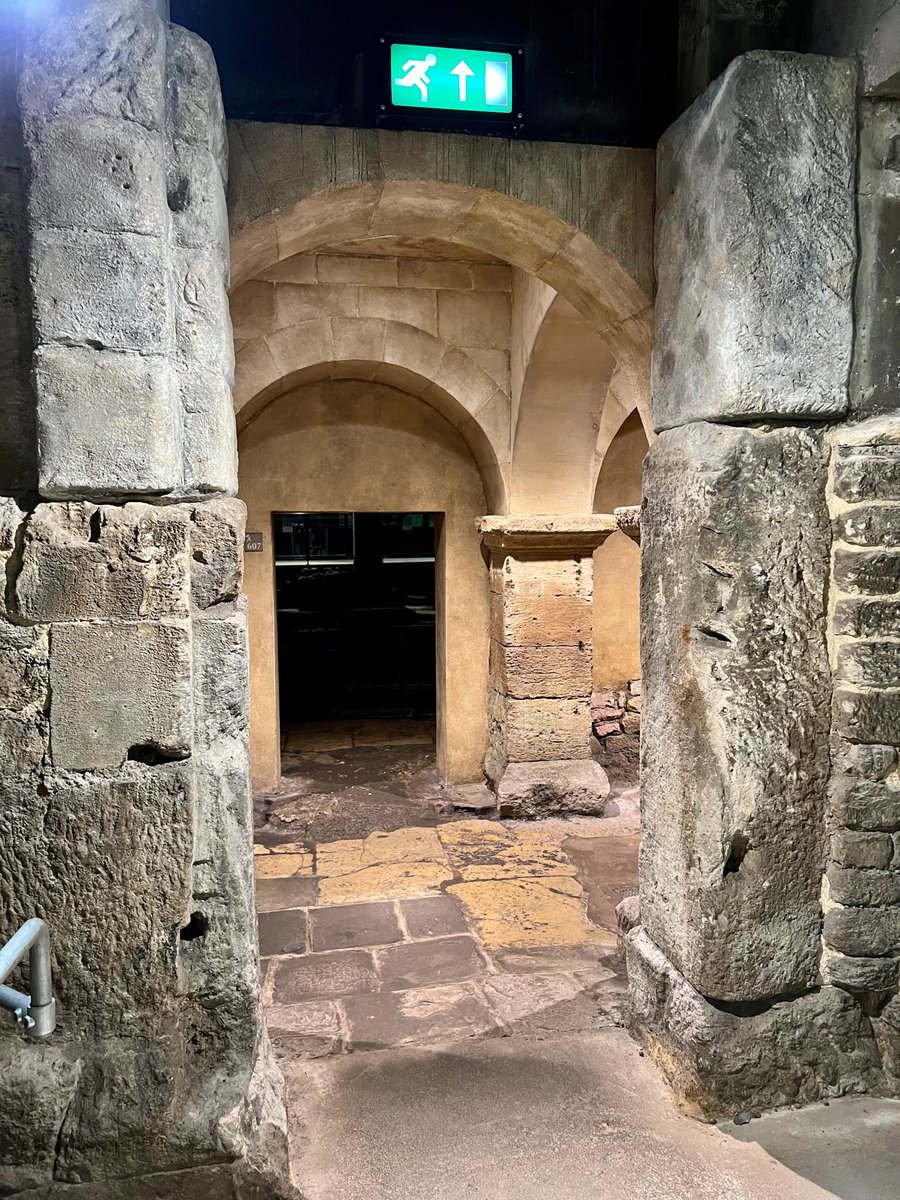
 First built as a single bath besides a natural geothermal spring, the baths at Aquae Sulis would eventually become a sprawling complex of recreational facilities, bathing pools, and temples, roofed by the biggest vault in Britain, and in use for the best part of 400 years /2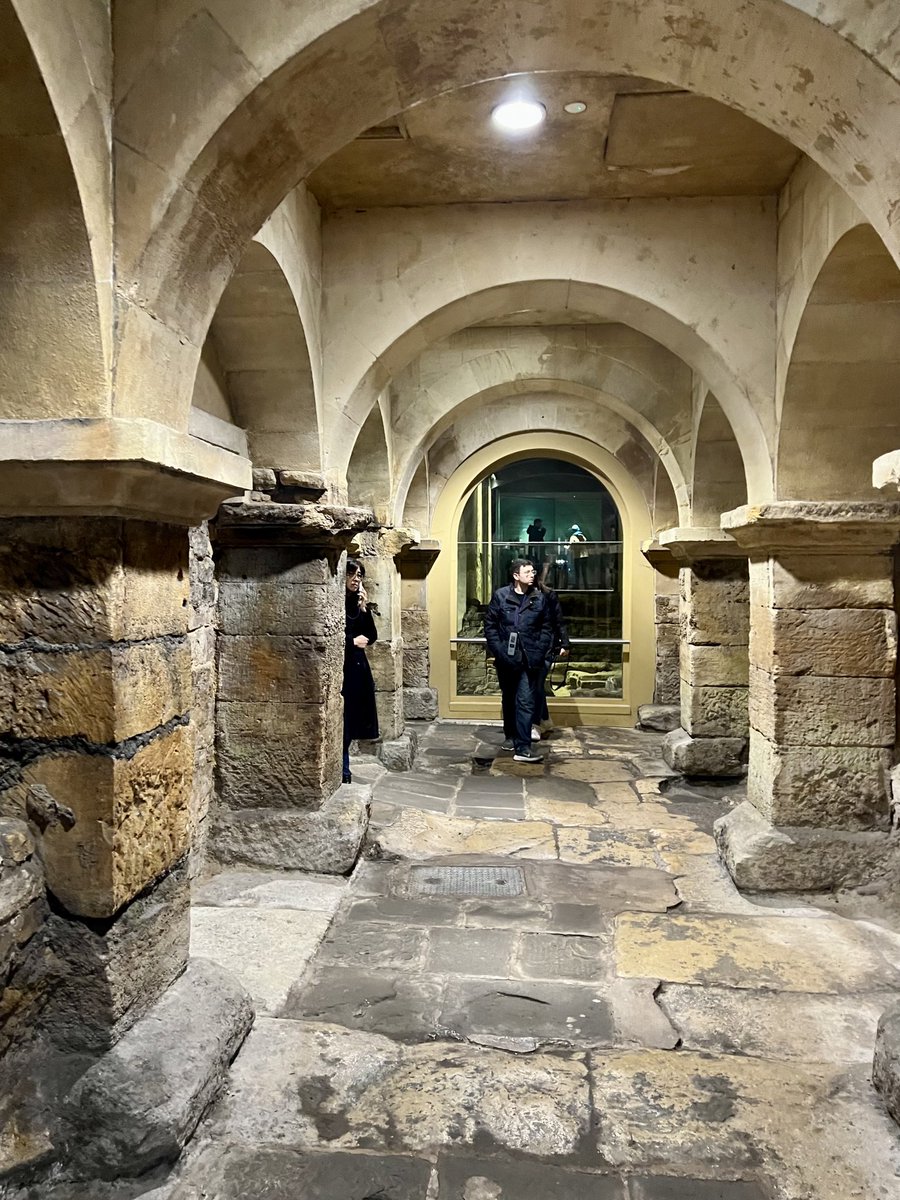

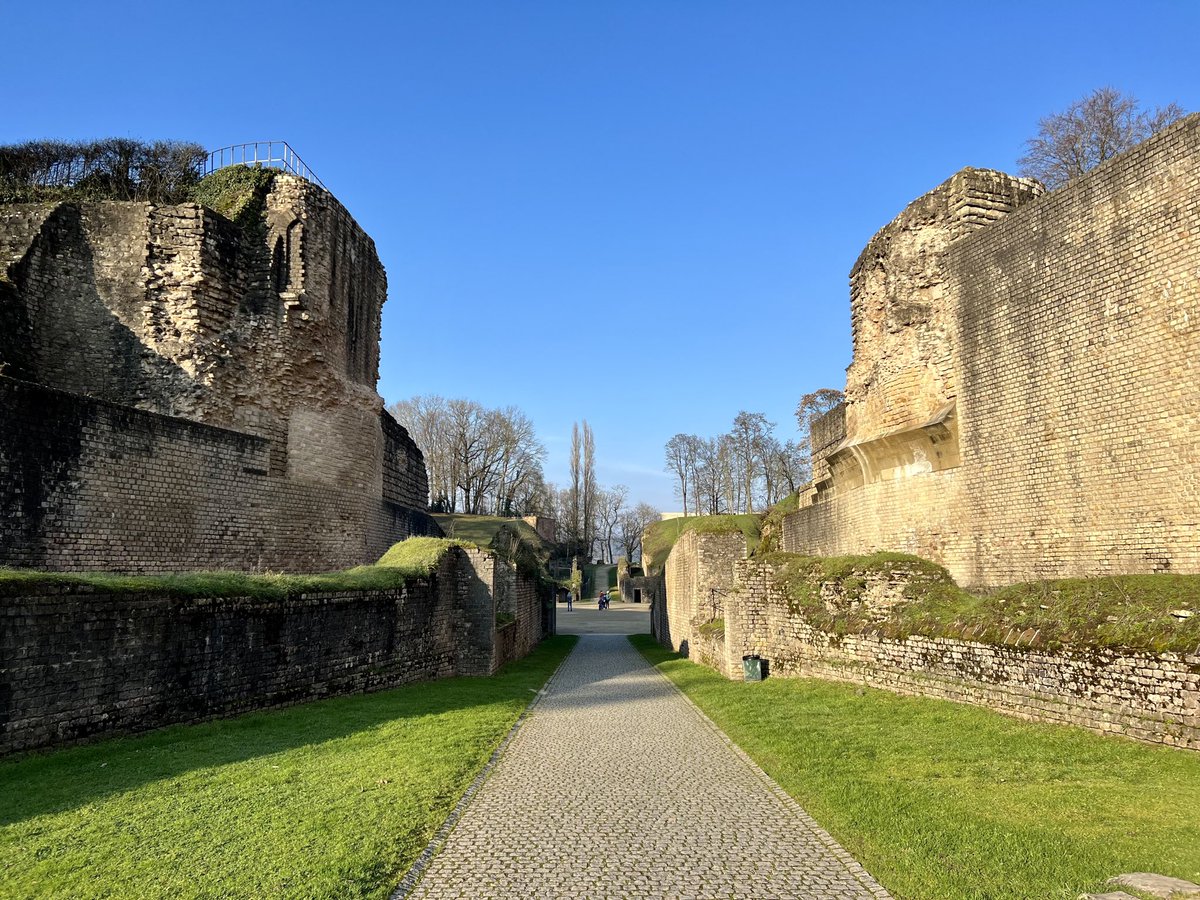

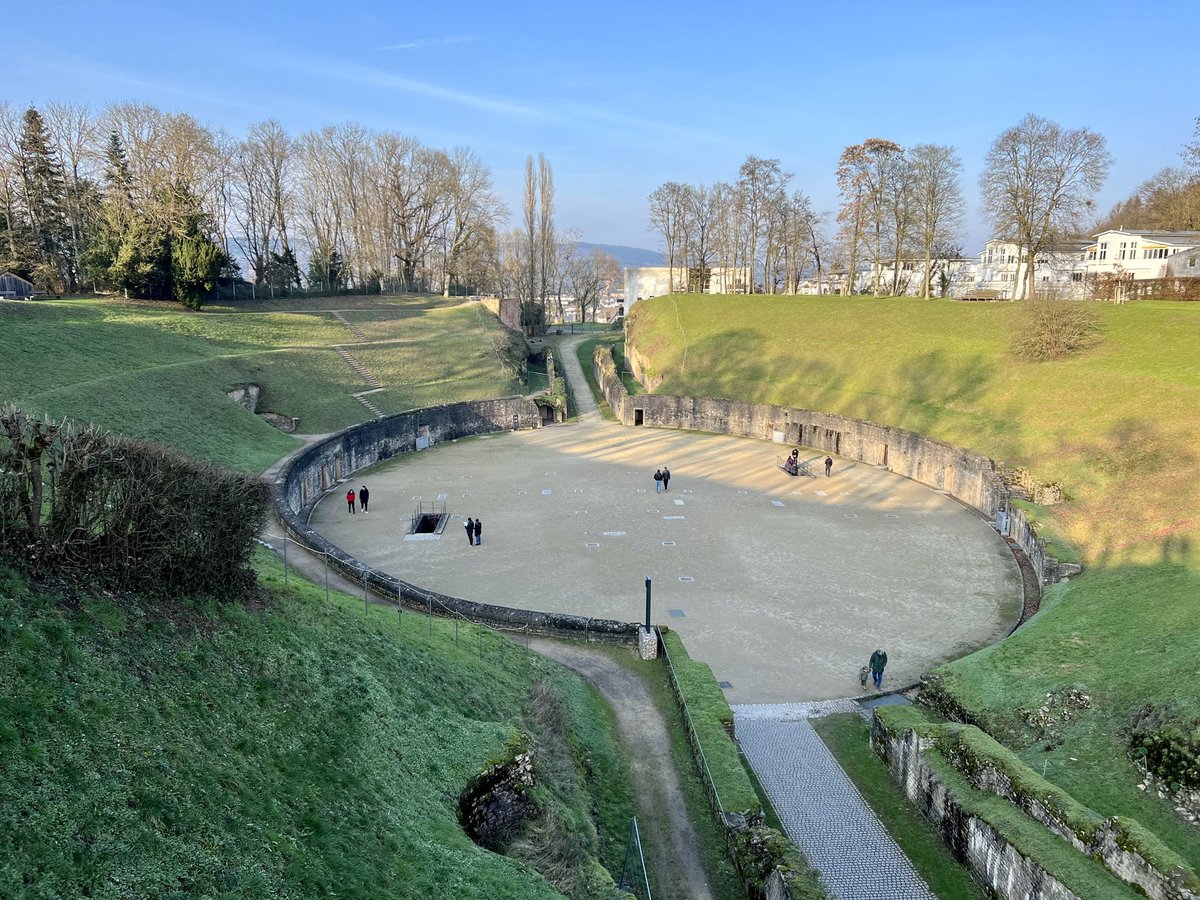
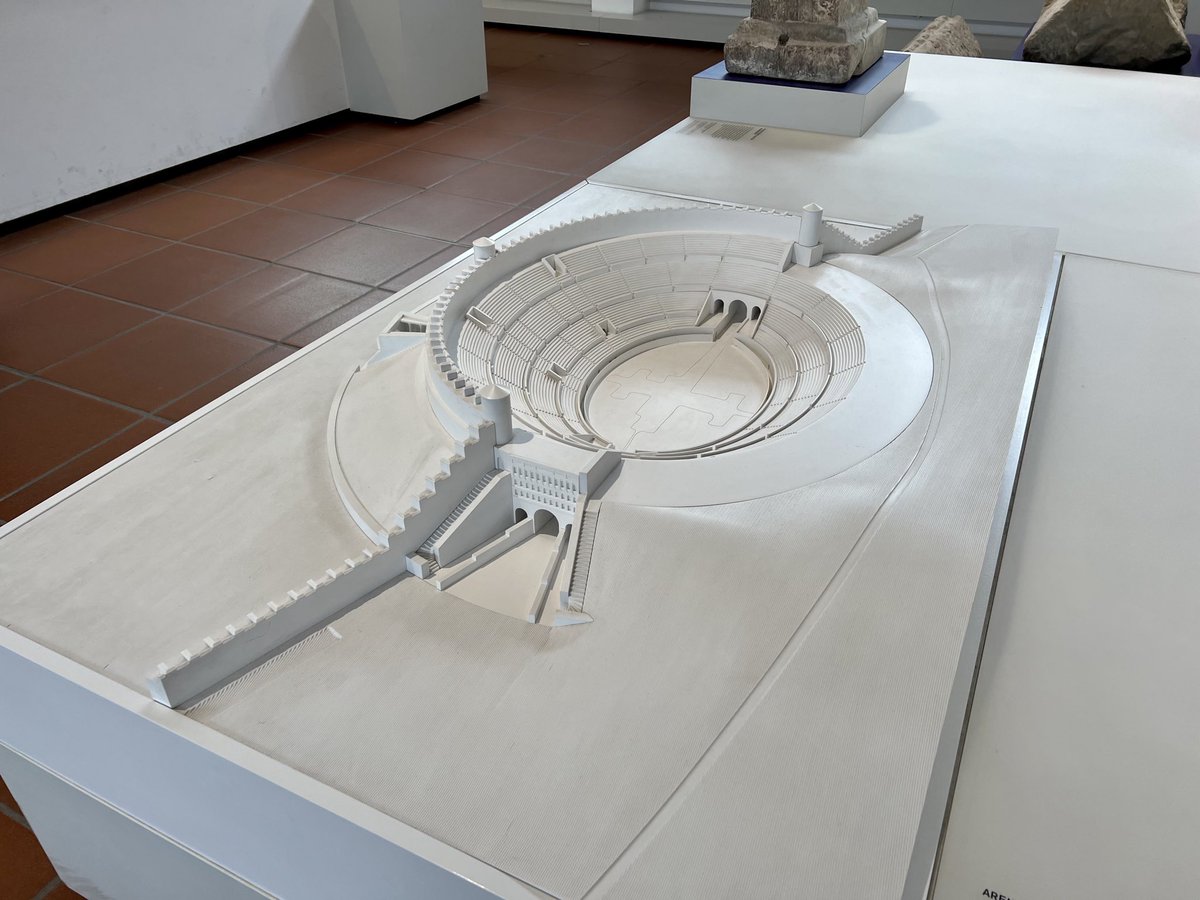
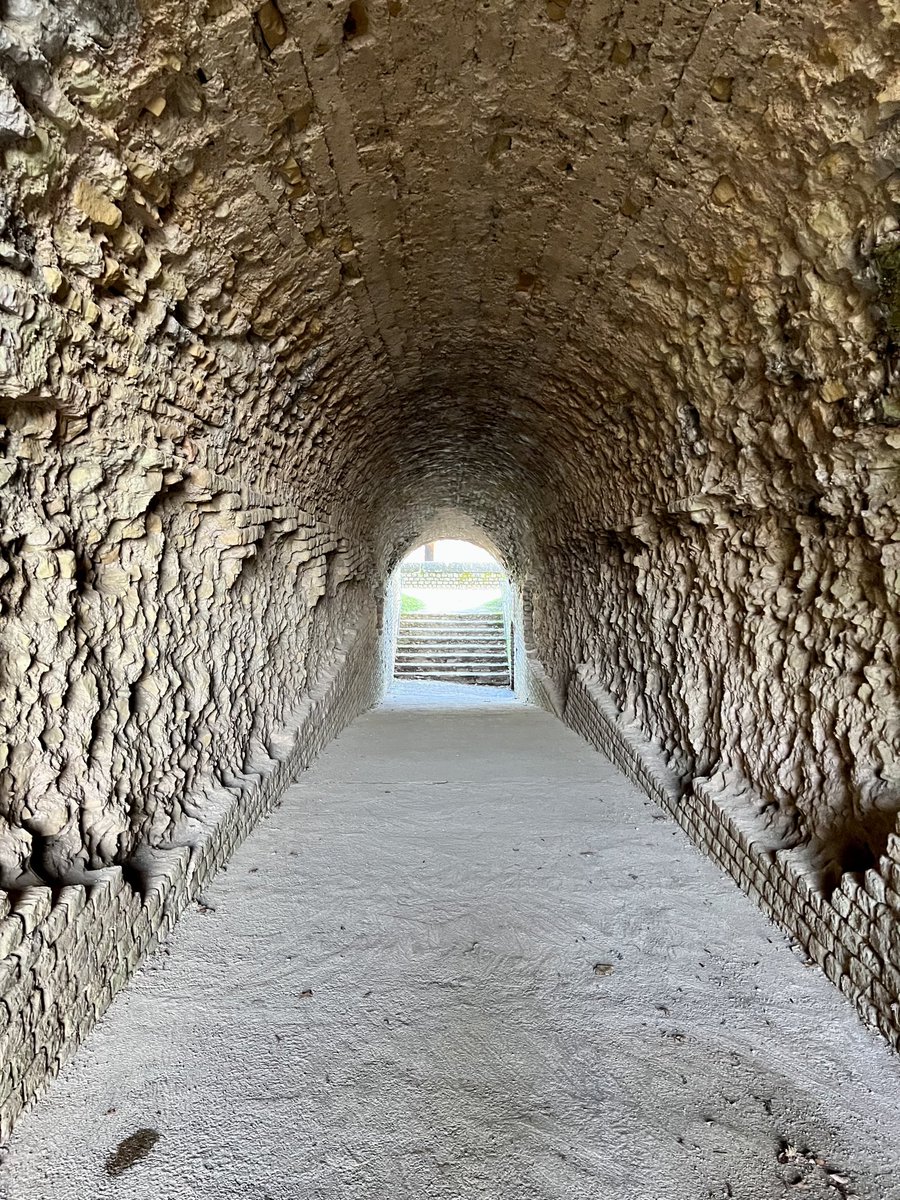
 The amphitheatre doubled as a gate to the city, the Roman wall running around the seating and staggering the two entrances to face into and out of Trier.