Big Brain Business Profile picture
Learn to not suck at business | Elon Musk* endorses this account
Jan 11 29 tweets 7 min read
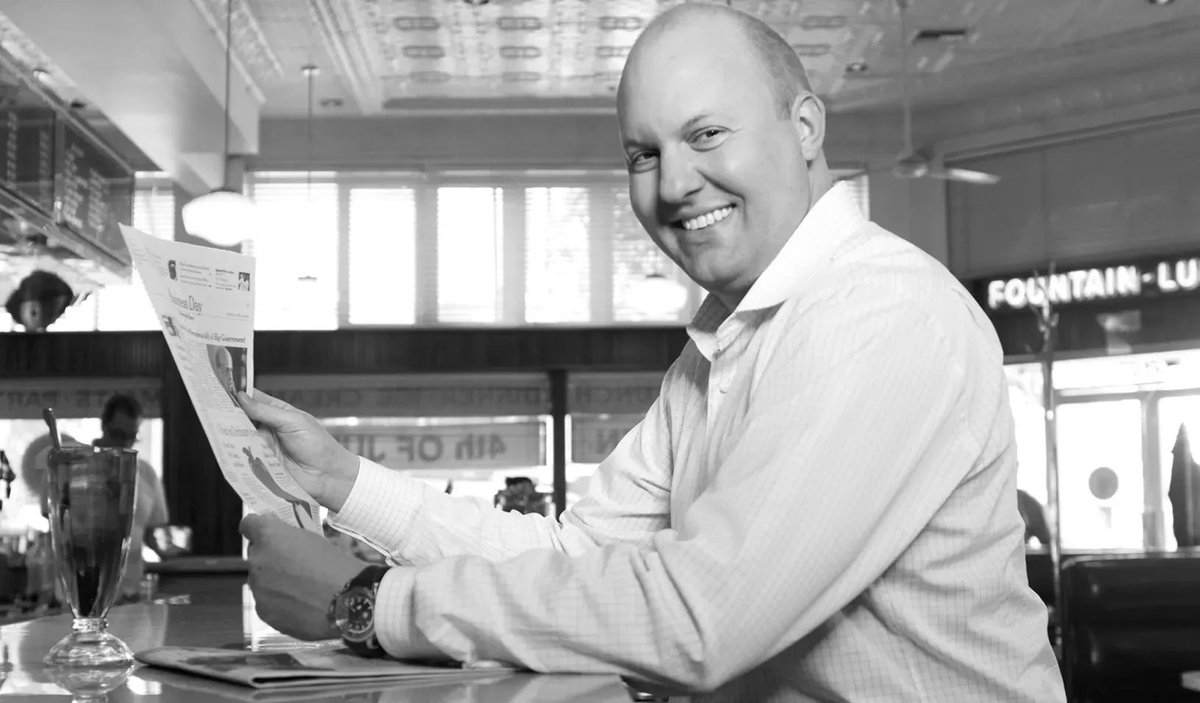
Marc Andreessen predicted the internet would change everything.

Then he backed Facebook, Instagram, Airbnb, and Oculus, before anyone else saw it coming.

His edge? Understanding human psychology, not technology.

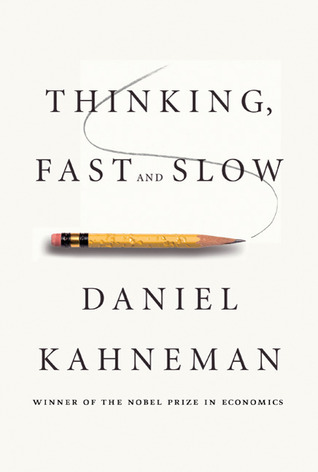
The 27 books he credits for shaping his thinking: Image 1) Thinking, Fast and Slow

by Daniel Kahneman Image
Jan 4 12 tweets 4 min read
Melanie Perkins is now the world's most successful female founder.

240M users. $42 BILLION. That's Canva today.

But for 3 years, she battled 100+ soul-crushing VC rejections.

Until ONE change made VCs desperate to fund her.

Her Three-Act pitching framework: Image In 2011, Melanie Perkins and her husband, Cliff Obrecht, set out to make design easy and accessible to everyone.

Fast forward to today:

Canva has 240+ million users around the world.

Yet for 3 years, not a single investor believed in her vision... Image
Dec 21, 2025 17 tweets 3 min read
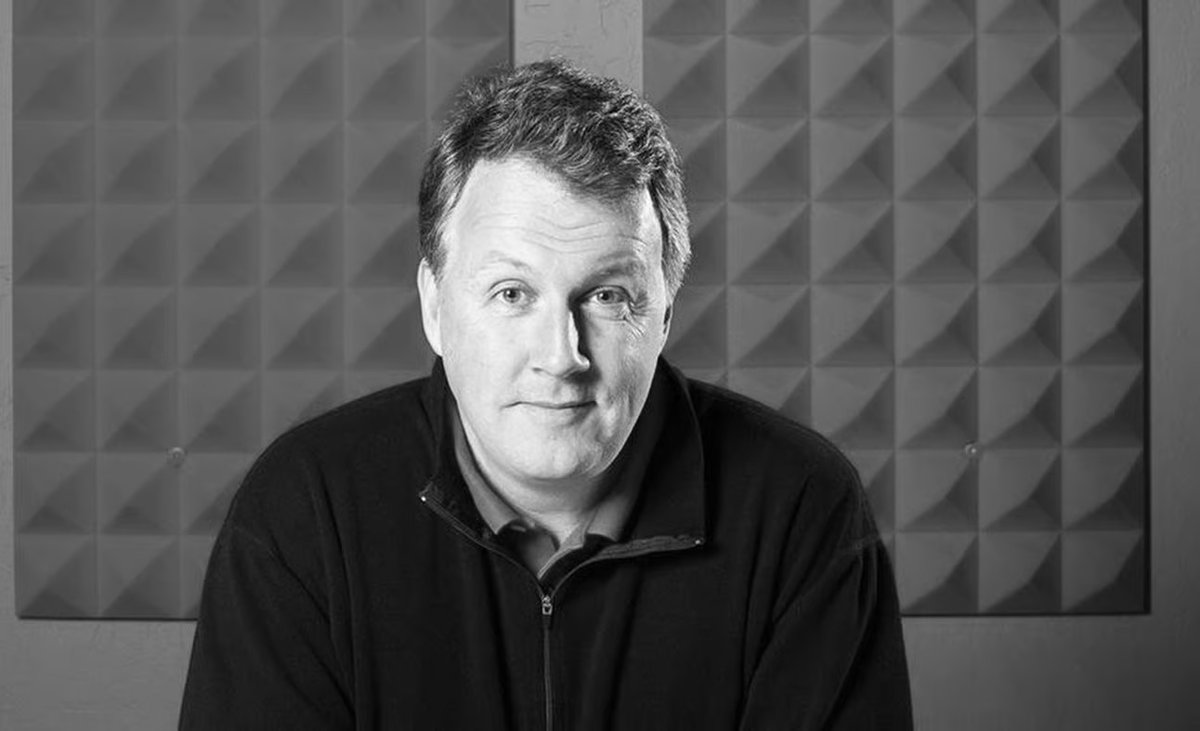
There's an uncomfortable truth about ultra-successful people.

Steve Jobs, Elon Musk, Jeff Bezos — they all credit their success to luck.

So Paul Graham developed a framework to make luck repeatable and predictable.

Here's how to consistently get "lucky" like the world's elite: Image Paul Graham puts it perfectly:

"You need to make yourself a big target for luck."

Think of luck as arrows flying randomly through the air.

Most people are small targets — few interests, small networks, narrow focus.

But you want to be impossible to miss...
Dec 14, 2025 15 tweets 4 min read
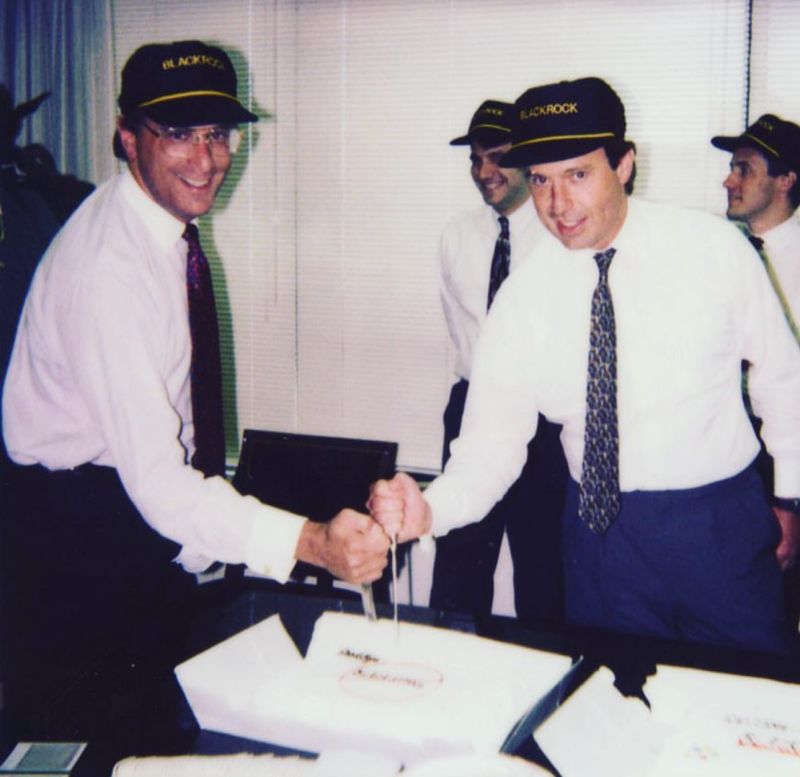
In 1989, BlackRock was days from bankruptcy.

Larry Fink had lost $100 million and EVERY major client.

Facing extinction, he walked into GE and threw out everything he'd been taught about sales.

Here's how a desperate hail mary pitch built a $10 trillion empire: Image Let's rewind to what started it all:

In 1986, Larry Fink loses $100 million at the investment bank, First Boston, due to a massive interest rate miscalculation.

His money was lost. But his reputation was destroyed.

"We went from 'partners' to outcasts," Fink recalled.
Jul 9, 2025 13 tweets 5 min read
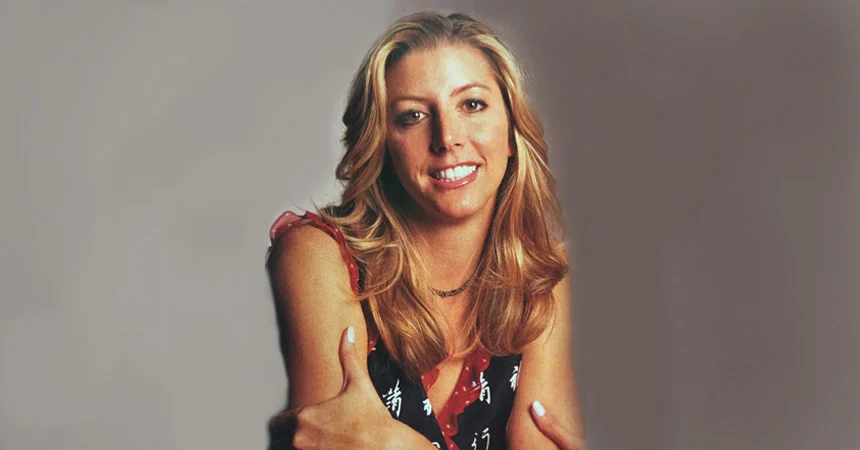
Sara Blakely turned $5,000 into a $1.2 billion business while never missing a family dinner.

Here's how she built Spanx using 7 unconventional principles that most entrepreneurs ignore: Image
Image
1) Embrace failure as your teacher

As a kid at dinner, if Sara hadn't failed that day, her dad would be disappointed with her.

His philosophy:

"Failure isn't about the result. It's about not trying."

This mindset became Sara's weapon when everyone said Spanx would fail.
Apr 6, 2025 12 tweets 5 min read
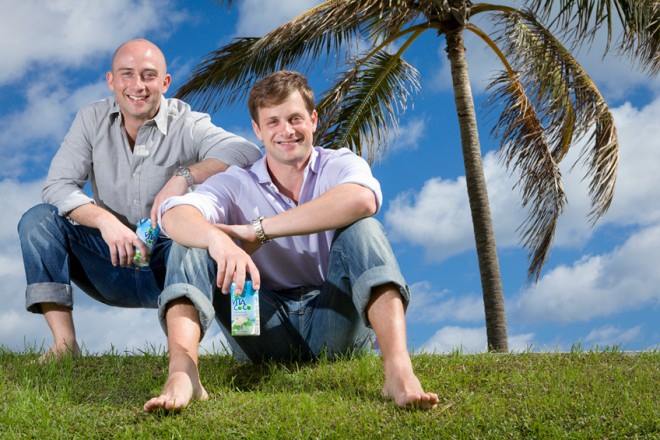
This founder turned 5,127 failures into a £13 billion empire.

James Dyson went from art student to engineering legend by solving one simple problem that everyone else ignored.

Here's how questioning the status quo made him a billionaire: Image In 1978, James Dyson was just a frustrated consumer.
His Hoover Junior vacuum kept losing suction because of its clogged dust bag.

Instead of accepting this as normal, he asked: "Why do vacuums need bags at all?"

That simple question would revolutionise an entire industry.
Mar 19, 2025 7 tweets 3 min read
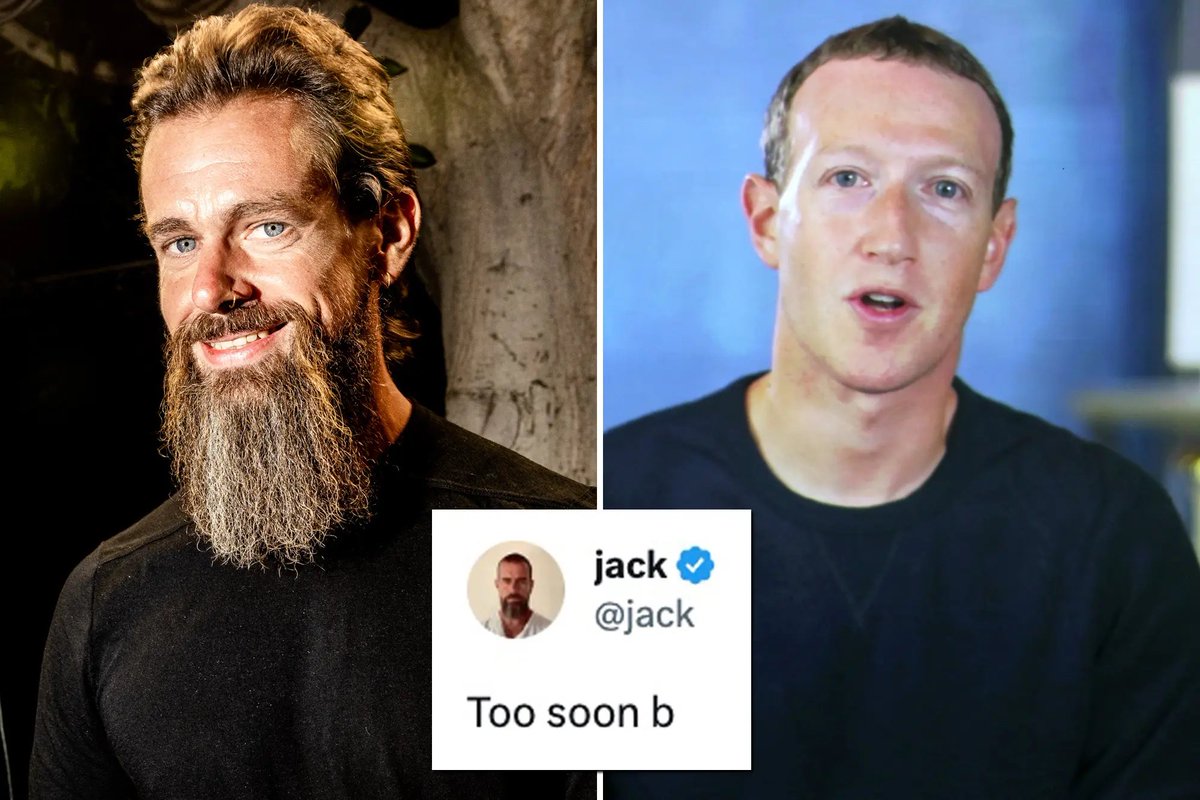
Zuck Stole Instagram From Jack Dorsey In 2012

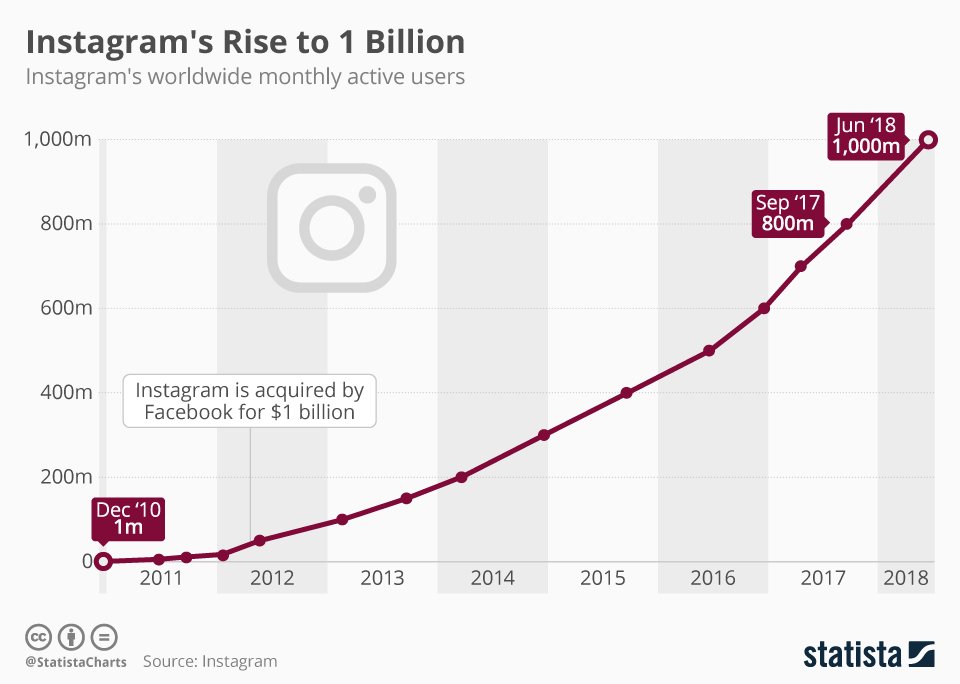
Instagram had $0 revenue, yet Zuck made an impulse buy of $1,000,000,000 over a single weekend.

(this story blew my mind) Image Instagram was a rising star, attracting massive investment interest from Sequoia Capital and a $500M acquisition offer from Twitter.
As Zuck saw the $500M offer, he knew he had to act fast — because he had to have Instagram. Image
Jan 13, 2025 13 tweets 4 min read
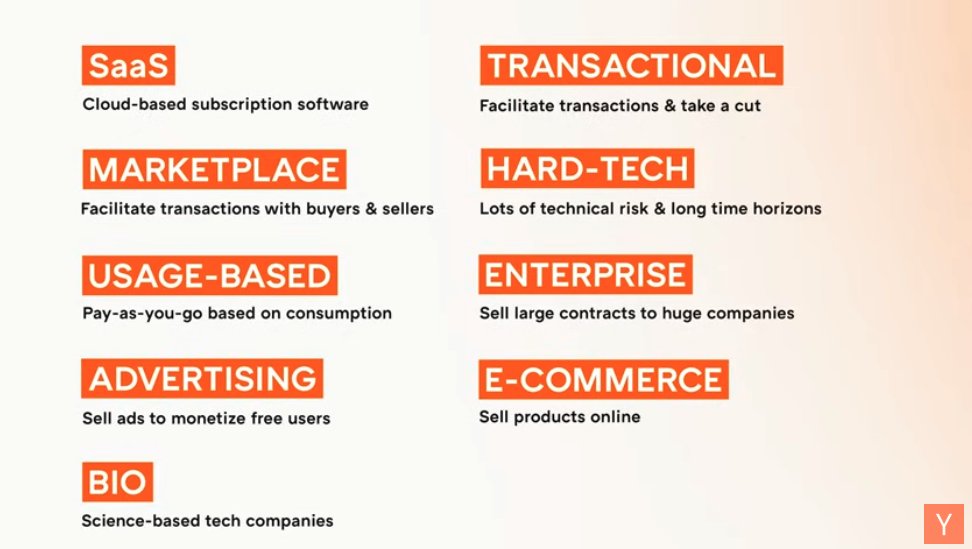
The 9 business models of nearly every billion dollar company:

/thread Image 1/ SaaS (Software as a Service)

Cloud-based subscription software

PRIMARY METRICS:

• Monthly Recurring Revenue (MRR) or Annual Recurring Revenue (ARR)
• Growth Rate: Measured weekly or monthly
• Net Revenue Retention: % of recurring revenue retained from a prior period
• CAC: Costs to acquire a new customer

TAKEAWAYS:

• All the benefits of recurring revenue
• Can have non-recurring revenue, but don’t include in ARR/MRR
• Usually sold to businesses, ideally on annual contracts
• Growth can be driven by direct sales, self-serve acquisition channels, or both