Girl of the Old Dreaming. Fine Artist, Master Herbalist, Eastern Healer (TCM), Shamanic Practitioner + Folk Healer | Anti hive-mind. Independent. Plainswoman.
Jun 19 • 4 tweets • 5 min read
Some patterns I noticed after looking through a ton of patient files the last week — Every sick male patient I’ve worked with in the last year has one or all of the following same beliefs / personality traits and body states - (I tend to do a core beliefs / habits / personality intake before I look at any labs or physical aspects of an illness) :
1) That they are “behind” in something : they aren’t where they should be / or that they missed the boat that others seemingly caught (that time has a finish line and they are running out of time to prove they are good enough)
2) Tendencies to people please, usually stemming from performing/performative behaviors around a mother or father as a means to stay safe or accepted via keeping the peace/not making waves - now a coping strategy into adulthood that is no longer working (if I can be useful I won’t be lost/left behind/abandoned)
3) Too hard on self (internalized criticism, usually stemming from another person and that persons voice becomes their own inner voice)
4) Strong shame or guilt aspects including inner dialogues that are judgmental of themself
5) Living in a functional freeze state (most common I see, when fight or flight fail /weren’t possible in youth)
6) They are living in long term touch & connection deficits
There are many others but these show up so often for me that I thought I’d share.
The labs I might want them to run tell me what in the body broke as a means to get their attention because it was affected by a pattern, but this pattern and belief intake is the why it broke and should be addressed.
Here are what these 6 most common I see in general teach us / could do to us :
Behind: Core belief: “I do not have inherent worth. My value depends on what I produce or achieve.”
Nervous system: Chronic HPA axis activation. The body lives in a low grade threat, constantly assessing whether it has done enough to justify its existence.
Somatic consequences here: Chronic fatigue, immune suppression, metabolic dysregulation, hormonal depletion, accelerated aging. Literature says here: High competence dependent self esteem correlates specifically with cardiac and exhaustive disease patterns including burnout states. Low self esteem predicts physiological dysregulation under stress and suppressed immune markers.
People pleasing: Core belief: “My existence is a burden. I am only safe when I am useful to others.”
Nervous system: Sustained sympathetic hypervigilance wrapped up in a parasympathetic state. The body monitors others emotional states constantly while suppressing its own emotional state. This is the fawn response, a trauma adaptation that keeps the nervous system perpetually on alert even while appearing calm.
Somatic consequences here: Chronic muscle tension particularly in the jaw and shoulders, digestive dysregulation, disrupted gut microbiome, sleep disruption, a vigilance that does not switch off at the end of the day.
Literature says about this state: Chronic people pleasing keeps the nervous system in sustained hypervigilance. Suppressed anger and chronic stress states and absolutely *destroy* the gut microbiome and reduce serotonin production, which means the nervous system loses the biochemistry needed to set a boundary. (much goes down in a body that didn’t express itself.)
Hard on self: Core belief: “I am fundamentally flawed and / or deserve punishment.”
Nervous system: The self becomes the threat. The nervous system cannot distinguish between internal criticism and external danger. The body lives under siege from its own mind, activating the same neural circuits as an external threat.
Somatic consequences here: Tension headaches, neck and shoulder pain, jaw clenching, digestive upset, chronic inflammation, reduced pain tolerance. Literature: Shame proneness predicts both difficulties in emotion regulation and somatic symptoms. Self critical perfectionism activates threat circuitry and elevates inflammatory cytokines. Harsh self judgment impairs parasympathetic recovery.
Shame and guilt: This can have many causes (example: you actually did a bad thing that you cant make up for, internalized messaging, self blaming trauma, family dynamics, cultural pressure or beliefs, etc) but for a core belief, these might be : “There is something deeply wrong with me that cannot be fixed.”
Nervous system: The default mode network, which supports coherent self referential processing shows an altered function. The person cannot maintain a stable internal narrative. The self fragments because it has no witness and no repair.
Somatic consequences: Sleep disruptions, heart palpitations, anxiety episodes, chest heaviness, shallow breathing, immune suppression.
Literature says on this: Shame proneness predicts somatic symptoms. Shame and guilt function as mediators between childhood trauma and adult somatic distress because these affects cannot be properly mentalized or processed. When shame manifests without repair it embeds in the nervous system as a chronic shutdown pattern.
Functional freeze: Core belief: “Movement and expression will result in harm. Stillness is the only safety.” Nervous system: Dorsal vagal shutdown combined with sympathetic activation. This is a mixed state where the body is simultaneously locked in protective tension and energetically collapsed. Fight and flight have both failed. The nervous system chose underground as survival and has forgotten how to return.
Somatic consequences: Profound fatigue unrelieved by rest, brain fog, weak limbs, cold extremities, emotional numbness, dissociation, inability to feel joy.
Literature says about this: Polyvagal theory describes functional freeze as a chronic mixed state where neuroception continues to detect threat. The dorsal vagus triggers the same collapse response seen in death feigning in other mammals. Prolonged freeze creates structural changes in the vagus nerve’s capacity to mobilize.
May 18 • 4 tweets • 8 min read
This is well overdue and has been a highly requested post on the Freeze Response (and how to get out of it)
What it is neurologically :
Freeze is the oldest branch of our autonomic nervous system, the ‘dorsal vagal complex’ (a phylogenetically ancient circuit running through the unmyelinated vagus nerve).
Stephen Porges’ (of polyvagal theory) frames it as the third and deepest defensive state, below our social engagement system (ventral vagal) and the fight or flight mobilization (sympathetic). When the nervous system arrives at the conclusion that an active defense to a threat is impossible or would make things worse for the system, it drops into ‘dorsal shutdown’ where our metabolic rate plummets, our heart rate drops, our breath shallows and pain perception dulls. This is the same mechanism that makes a rabbit go limp in a fox’s mouth or other similar activities in nature.
Neurologically & chemically, there’s a massive release of endogenous opioids and a suppression of our sympathetic arousal (which is why freeze can feel strangely calm or totally dissociated rather than being terrified to many)
It can also involve high sympathetic charge underneath the dorsal brake system, what Porges calls “freeze with fear”, which is why coming out of it can also feel flooded with fight or flight energy that was being suppressed (I see this a lot with people who start to come out of it with somatic work or meditation and start to panic or feel it worsens it)
What a freeze state often will look like :
Inability to speak, think clearly or make decisions
Physical heaviness, slumping and/or a collapse in posture
Dissociation or depersonalization, watching yourself from outside
Resonant emotional numbness or flatness
Time distortions or the world feeling distant or unreal
In its chronic form this will show up as : depression, fatigue, social withdrawal, anhedonia, digestive shutdown states, hypothyroid type presentations, not being able to ‘do’ anything or find a path in life or follow through on the day to days.
Chronic freeze is often misread as laziness, depression, or lack of motivation, but the person in a freeze state, Dorsal Vagal Shutdown, isn’t refusing to engage. What really is happening is they have been biologically immobilized in the override state to keep them alive.
In daily life or under chronic traumas, this is where we see freeze states become almost invisible experiences, as a nervous system state, because it looks from the outside like a personality or a character flaw, something the person experiencing it may also feel about themselves.
Example of this:
The person knows they need to shower. They can see the shower. They cannot get to the shower. They may come home from work and just sit on the side of their bed and not be able to push forward to what comes next in the business of taking care of one’s self.
There is no amount of wanting to shower that bridges the gap, because wanting is a cortical function and the body is not working with the cortex.
The gap between having the intention and taking an action about it is *the signature* of chronic dorsal shutdown.
Plans form and dissolve. The grocery list exists and gets longer. Getting dressed to leave feels like an insurmountable task, etc
This is a body that has learned, through repeated experiences in their life (now or in past), that mobilization leads nowhere safe, so it stopped trying to mobilize.
People in shutdown states will probably recognize the following :
lying in bed for hours past the point of wanting to lie there. Doomscrolls. Eating the same few things because deciding requires too much from them. Letting texts + calls accumulate or go unanswered as even going there feels inaccessible atm. Starting tasks and stopping them without finishing. Living in a very small perimeter of your own life. Days that feel identical and slightly unreal like a groundhog type of day that repeats.
(Continued in comments with relief exercises) :
The cruelty of this lived experience is that often shame forms and layers on top of it. A person in the freeze state watches themselves not do the things they need and they interpret it as the evidence they needed to confirm something was broken in them (rather than as a nervous system doing exactly what it learned to do to survive in their own life experiences).
This shame is itself a dorsal vagal state, which deepens the shutdown in DV shutdown, which then generates … more shame.
How do we get here / what caused this ?
The nervous system moves through a hierarchy under threat. Social engagement goes first. If the threat continues or is inescapable, sympathetic mobilization fires. If that fails & if there’s no exit, no help, no way to fight or flee, the dorsal vagal brake just overrides the sympathetic charge and the system collapses.
Now I will talk a bit on how we get out of this :
The key principle is you cannot think your way out of it and you never will.
The dorsal vagal state is subcortical. Your prefrontal cortex is offline. Anything that re-engages the body, movement, or social circuitry is the path back up this hierarchy.
Practices to work with :
Orienting is first.
This is very slowly turning the head and eyes to scan your environment. This activates the social engagement system and signals safety. Don’t rush it. Be with this. Let your eyes actually land on things. Let yourself feel that movement in the neck as it turns. Find things gently with your eyes and just notice them slowly.
Micromovements.
With your fingers, toes, jaw, just very small movements. Tongue on lips.
Before asking your body for any big movements, start very small. The body needs to find the edges of itself again before it can mobilize into bigger asks. Just little movements that ask nothing more of your system.
Breath with extended exhale.
This is a longer exhale that activates your ventral vagal brake and begins to shift cardiac rhythm.
Box breathing or coherent breathing (5–6 second inhale through nose, 5–6 second exhale through nose) works very well here, (exhale should be at least as long as the inhale, I just posted about coherent breathing on this page in a few posts)
Vocalizations.
Humming, toning sounds, even quiet sighing (try a nasal inhale almost all the way in, then a little last short sip of inhale at top, then a deep audible sigh out with an open mouth, let it all go). This activates the vagal fibers that run through the larynx and pharynx. This is one of the fastest dorsal vagal exits.
Humming a single note and feeling the vibration in the chest is also often enough to signal.
Gentle rhythmic movement(s).
Rocking, swaying, slow walking. Rhythm is profoundly regulating because it re-entrains the oscillatory systems that collapse in shutdown.
Co regulation first & self regulation second.
The social engagement system in our body is one of the fastest paths out of dorsal vagal shutdown.
A calm, warm human presence is medicine, even just someone sitting by us without demanding anything at all, can pull the system up before any of the above tools are accessible.
In the deepest freeze states, this is the most important. I also highly recommend to anyone experiencing this to do long term somatic experiencing work. (1-2 yrs)
Titration.
This is especially important in all trauma work, as you do not want to rush the thaw of coming out of freeze. Coming out of freeze too fast can flood your system with a very suppressed sympathetic charge (sudden panic, rage, trembling etc).
Small pendulations.
This is touching and finding the edge of your activation states and returning to your safe resources.
This is safer than trying to push all the way through/out at once.
Peter Levine’s work (Somatic Experiencing) is the most developed clinical framework for this specifically, the emphasis on completing thwarted defensive movements and allowing the trembling/discharge that the freeze interrupted is worth knowing deeply.
May 4 • 4 tweets • 2 min read
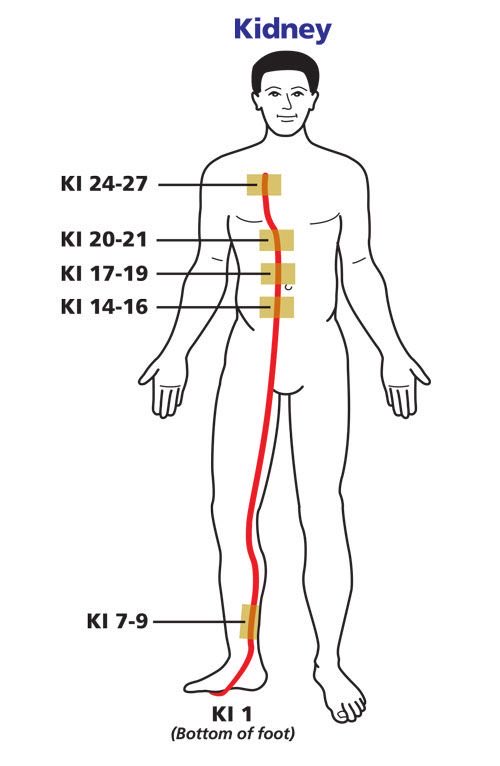
For those who suffer from TINNITUS - I highly recommend you boost your kidney health + work on its meridian system over the course of a few weeks to a month or more.
For tinnitus specifically, the attached general exercise should be practiced 8-20 times a day (in a count of 8) for several weeks. So, do for 8, pause, then repeat until you get 8-20 times. It does not help all but it helps many. If you feel ANY change in the severity level of tinnitus or a change in volume / amount, just keep at it daily.
Additionally I want you to be boosting your kidney meridians in other ways.
Massage along the entire meridian (I will attach) and massage your ears daily in the way I will also attach.
Massage and warm your kidneys also with your hands daily. Make sure feet are not becoming cold. All attached exercises after this will also help heal the kidneys over time. You want to assist them and warm them.
Be sure turn try all though this first one is a very popular one for tinnitus. The rest help warm and heal the kidneys and marrow. Save and practice. I will post supplements this week for tinnitus that extend beyond exercises.
We are now officially in *the* season for Liver + Gall Bladder in TCM. A season represented by wood element and healing green. For better sleep and better days in general, be sure you’re using your guasha tools to scrape both the Earth tendon under each foot (liver) - this is the inner (often very tender) tendon below your foot that appears when you pull back the big toe. And then also use your tools on the inner thighs (also often tender).
Scrape these two areas to increase and improve circulation + qi flow, relieve stagnation and improve Liver health.
Inner thighs should be scraped in a downward movement that breaks up the stagnation. Try for 50-100 times on each side. Again, only scrape downwardly.
If you follow this and the other practices I lay out on this page, you’ll be setting yourself up for a much healthier Spring. These all build into beautiful results. I’ll attach a few more Liver + GB healing posts below as a very thorough thread which will teach you much on healing and maintaining your health during Spring : 🧵
This one : 👇🏻
As promised you guys (sorry for delay!) here is a Comprehensive VITAMIN AND MINERAL CHEET SHEET : 🧵
{If this helps you, plz save or screenshot. It is requiring me to post as a thread because it’s too long}
Here we go:
Vitamin B1 (Thiamine)
Converts carbohydrates into energy.
Aids in the metabolism of proteins and fats.
Essential for the synthesis of acetylcholine (a neurotransmitter).
Supports cardiac function.
Promotes proper nerve function.
Helps prevent complications in the nervous system, brain, muscles, heart, stomach, and intestines.
Involved in the flow of electrolytes into and out of muscle and nerve cells.
Enhances learning capabilities.
Helps to manage stress.
Boosts immune system.
Maintains muscle tone along the walls of the digestive tract.
Prevents diseases such as beriberi.
Reduces the risk of cataracts.
Necessary for glucose metabolism.
Helps produce hydrochloric acid, necessary for digestion.
Reduces symptoms of aging.
Important for cognitive function.
Supports adrenal health.
Supports cellular health.
Reduces fatigue.
Vitamin B2 (Riboflavin)
Plays a role in energy production.
Necessary for the breakdown of fats, drugs, and steroid hormones.
Helps convert carbohydrates into adenosine triphosphate (ATP).
Essential for maintaining the body’s energy supply.
Antioxidant activity.
Maintains healthy blood cells.
Supports eye health.
Promotes healthy skin.
Prevents migraines.
Helps iron metabolism.
Supports nervous system function.
Reduces fatigue.
Enhances immune system function.
Necessary for growth and muscle development.
Assists in thyroid activity.
Important for adrenal function.
Supports reproductive health.
Helps in the absorption of minerals.
Promotes healthy liver function.
Reduces symptoms of carpal tunnel syndrome.
Vitamin B3 (Niacin)
Boosts brain function.
Lowers LDL cholesterol.
Increases HDL cholesterol.
Reduces triglycerides.
Helps convert food into energy.
Supports skin health.
Can help prevent heart disease.
Improves mental health.
Helps manage type 1 diabetes.
Supports proper digestive function.
Reduces symptoms of arthritis.
Helps with skin regeneration.
Necessary for nerve function.
Helps detoxify the body.
Prevents pellagra.
Reduces atherosclerosis.
Essential for DNA repair and stress responses.
Supports kidney health.
Improves sleep patterns.
Enhances cognitive longevity.
Vitamin B5 (Pantothenic Acid)
Necessary for making blood cells.
Helps convert food into energy.
Involved in hormone and cholesterol production.
Supports healthy skin.
Aids in healing wounds.
Reduces acne symptoms.
Promotes heart health.
Reduces symptoms of respiratory disorders.
Essential for nerve health.
Supports digestive organs.
Enhances stamina.
Helps manage stress.
Necessary for synthesizing coenzyme A.
Promotes liver health.
Helps metabolize toxins.
Essential for fat digestion.
Reduces signs of aging.
Supports healthy hair.
Provides mental clarity.
Assists in the production of neurotransmitters.
(Continued as a thread in comments) 🧵
🧵
Vitamin B6 (Pyridoxine)
Essential for amino acid metabolism.
Important for neurotransmitter synthesis, including serotonin, dopamine, and GABA.
Supports cognitive development and function.
Helps maintain normal levels of homocysteine, linked to heart health.
Needed for hemoglobin production and function.
Influences mood regulation and reduces symptoms of depression.
Supports immune function by promoting the health of lymphoid organs.
Helps convert tryptophan to niacin and serotonin.
Aids in glucose regulation by helping convert stored nutrients into energy.
Promotes brain health and reduces the risk of Alzheimer’s disease.
Enhances the body’s ability to store energy.
Plays a role in gene expression.
Helps with the formation of new cells.
Necessary for the proper absorption of vitamin B12.
Supports eye health and prevents eye diseases.
Reduces inflammation.
Helps treat and prevent anemia by aiding in hemoglobin production.
Promotes healthy skin and reduces symptoms of eczema.
Essential for hormone regulation.
Helps prevent dandruff.
Vitamin B7 (Biotin)
Supports metabolism of carbohydrates, fats, and proteins.
Important for healthy hair, skin, and nails.
Helps in gene regulation and cell signaling.
Aids in the synthesis of fatty acids.
Essential for embryonic growth, making it crucial during pregnancy.
Supports thyroid and adrenal function.
Improves glucose tolerance and is beneficial in managing diabetes.
Helps lower cholesterol.
Necessary for neurotransmitter activity.
Supports amino acid metabolism.
Promotes liver health.
Helps treat and prevent biotin deficiency.
Aids in the breakdown of certain dietary components.
Supports the health of the sweat glands, nerve tissue, and bone marrow.
Plays a role in reducing inflammation.
Enhances the use of other B vitamins (B9, B12).
Helps improve cognitive functions.
Assists in managing symptoms of multiple sclerosis.
Helps in the utilization of protein.
Supports healthy immune function.
Vitamin B9 (Folic Acid)
Critical for preventing neural tube defects in the fetus during pregnancy.
Important for proper brain function.
Plays a key role in mental and emotional health.
Necessary for the production of DNA and RNA.
Supports cell division and growth.
Enhances bone marrow health.
Helps in the formation of red blood cells.
Aids in protein metabolism.
Supports heart health by reducing homocysteine levels.
Improves vascular endothelial function.
Helps maintain healthy hair, skin, and nails.
Supports the immune system.
Reduces the risk of age-related hearing loss.
Assists in detoxification processes.
Enhances digestive health.
Supports pancreatic health.
Helps manage kidney disease symptoms.
Reduces the risk of certain cancers.
Aids in the absorption of other nutrients.
Supports adrenal function.
Vitamin B12 (Cobalamin)
Essential for red blood cell formation and anemia prevention.
Helps maintain healthy nerve cells and is essential for neurological function.
Important for DNA synthesis and repair.
Supports bone health and reduces the risk of osteoporosis.
Helps with mood regulation and can alleviate symptoms of depression.
Supports energy production by helping convert carbohydrates into glucose.
Vital for cardiovascular health through homocysteine regulation.
Enhances immune system functionality.
Necessary for healthy hair, skin, and nails.
Plays a role in fat and protein metabolism.
Helps improve sleep patterns due to its role in melatonin production.
Supports mental clarity and learning capacities.
Reduces macular degeneration risk, protecting eyesight.
Helps maintain a healthy digestive system.
Aids in fertility and pregnancy health.
Prevents certain types of nerve damage.
Helps in muscle formation and maintenance.
Essential for growth and development.
Supports the synthesis of serotonin, enhancing mood.
Helps in the prevention of memory loss and cognitive decline.