Indigenous Historian & Poet | Lecturer. Speaker & Writer | PhD African-American History | Culture. Art & Diaspora |🎙️Podcast: Gahwa with Karim
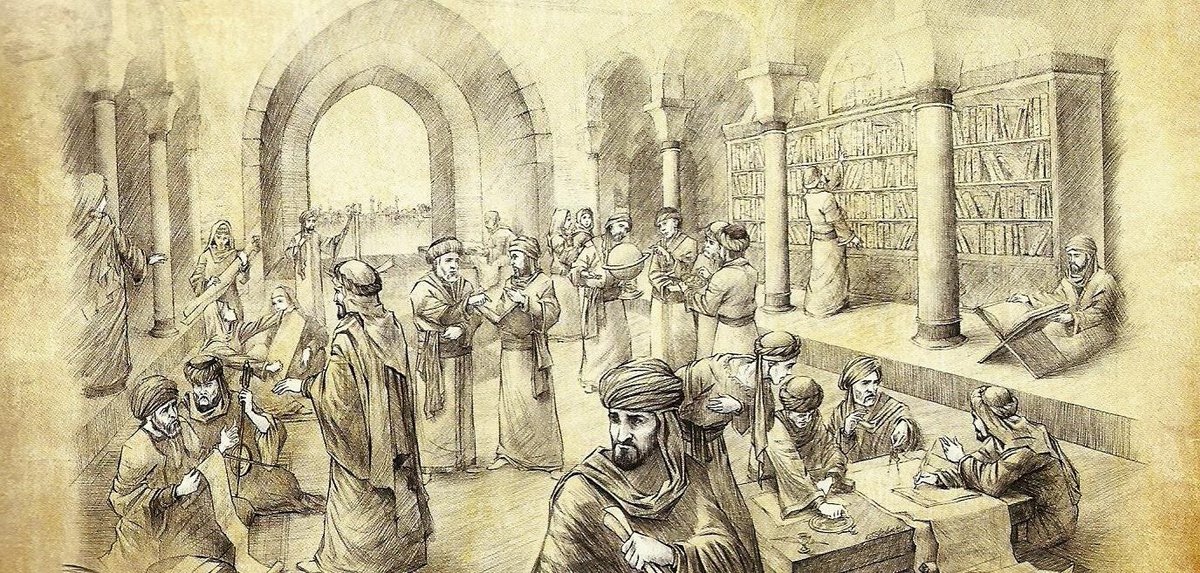 1/ The House of Wisdom was a major intellectual center in medieval Baghdad. Founded in the 8th century, it was a hub of scholarship, research, and translation, and played a key role in the development of the Islamic Golden Age.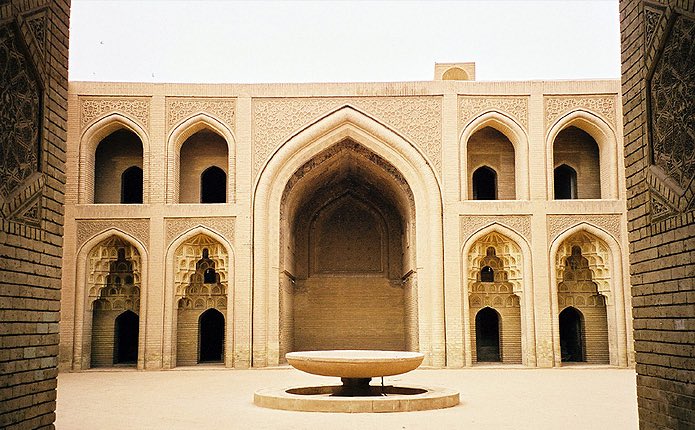

 1/ The origin of the croissant is often attributed to Austrian bakers who were inspired by the crescent shape on the Ottoman flag during the siege of Vienna in 1683.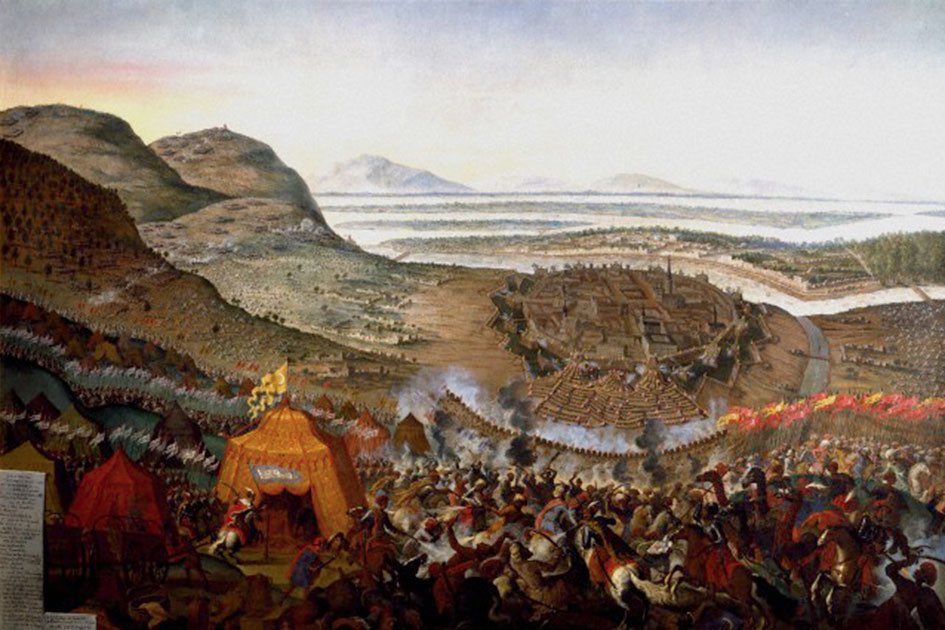
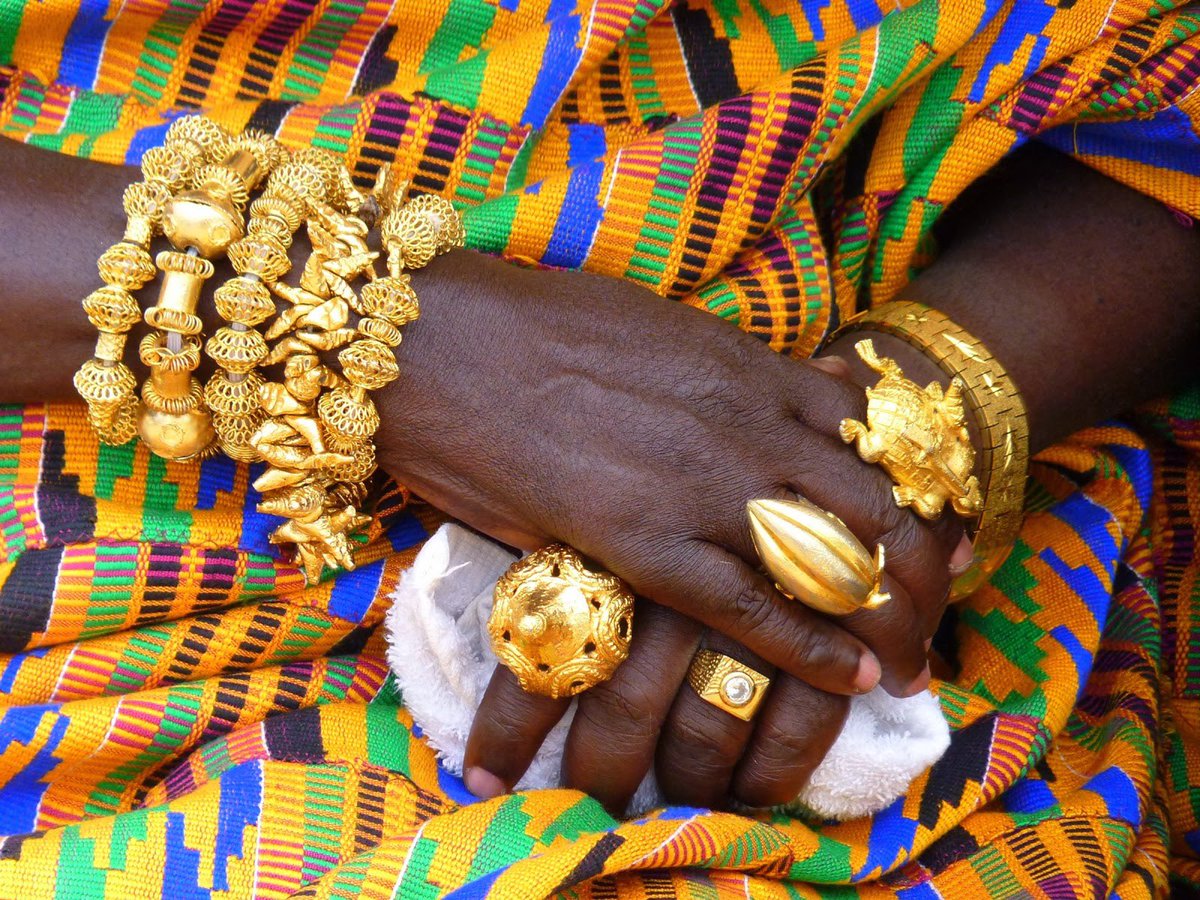 1/ The Akan people have a rich oral tradition that predates the written word. Their history, beliefs and customs have been passed down through generations in the form of stories, proverbs and songs.
 1/ Al-Bakri's most famous work is "Kitab al-Masalik wa'l-Mamalik" (The Book of Roads and Kingdoms), a comprehensive account of the world known to Muslims at the time.
 1/ Aksum was a kingdom that existed from around 100 AD to 940 AD, located in what is now Ethiopia. They were known for their trading prowess and wealth, thanks to their strategic location between the Mediterranean and Indian Ocean.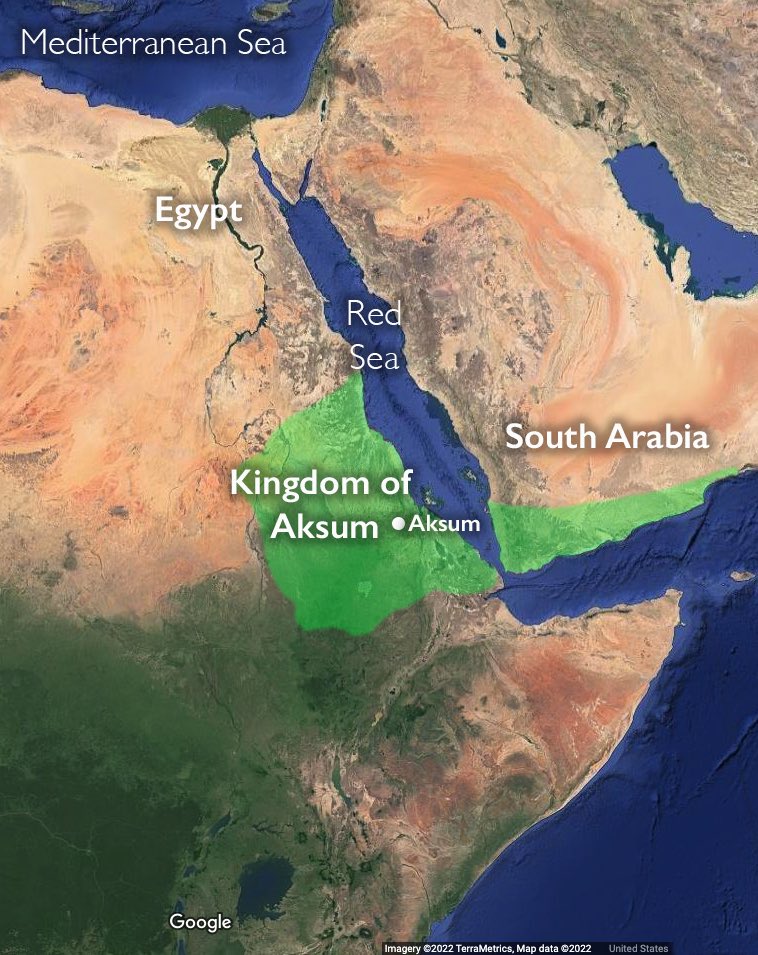
 1/ The Igbo tribe is one of the largest ethnic groups in Nigeria, with a population of about 40 million. They are known for their rich history and unique cultural practices.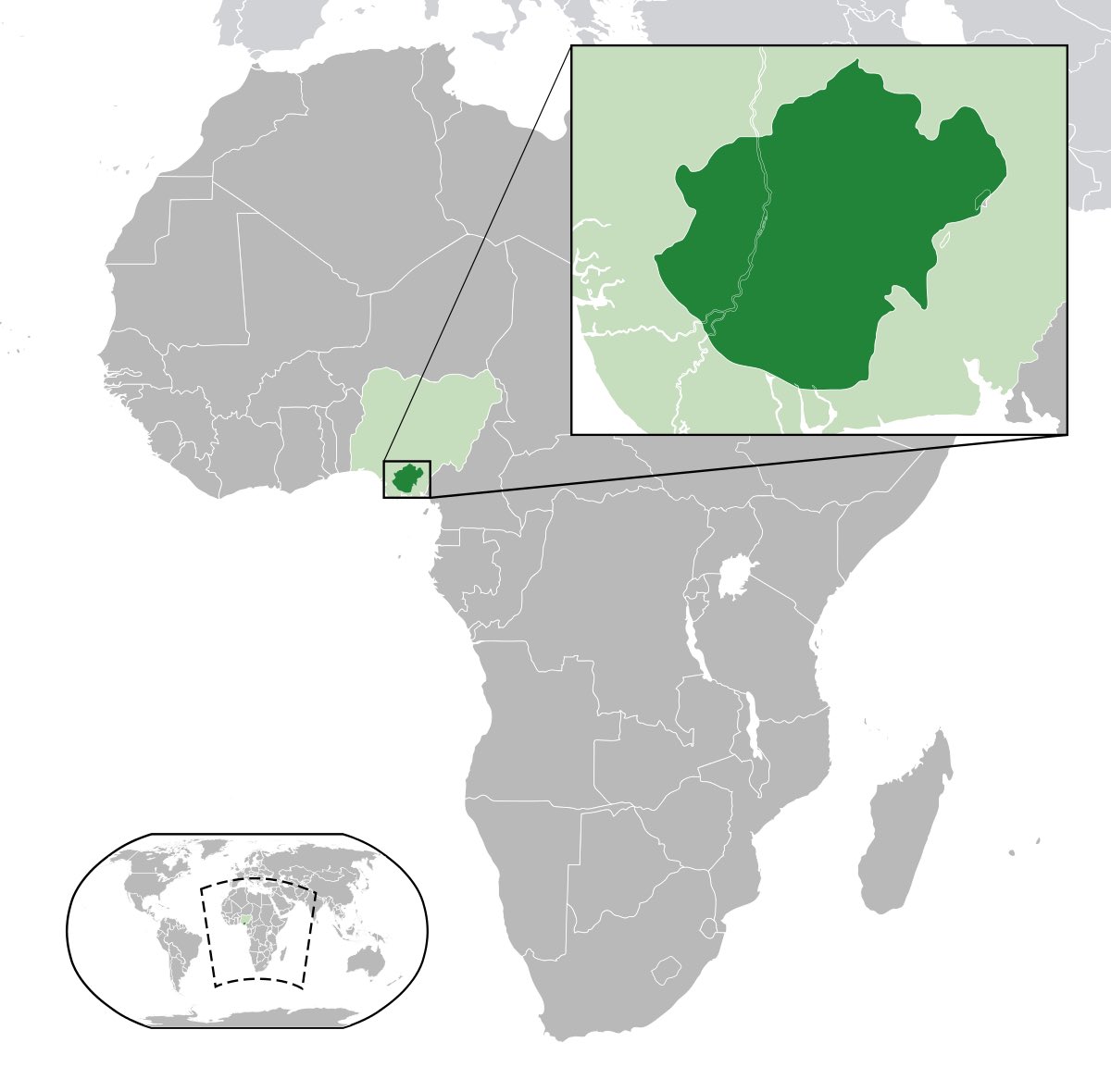
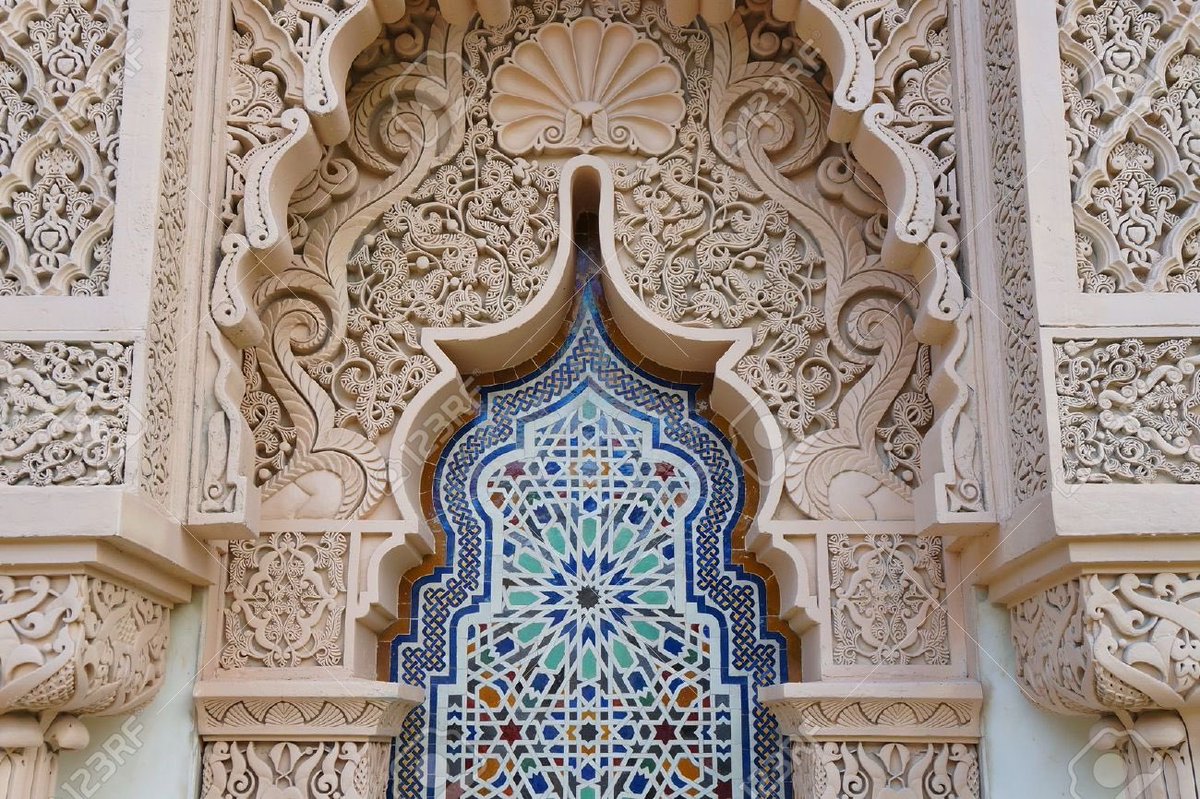
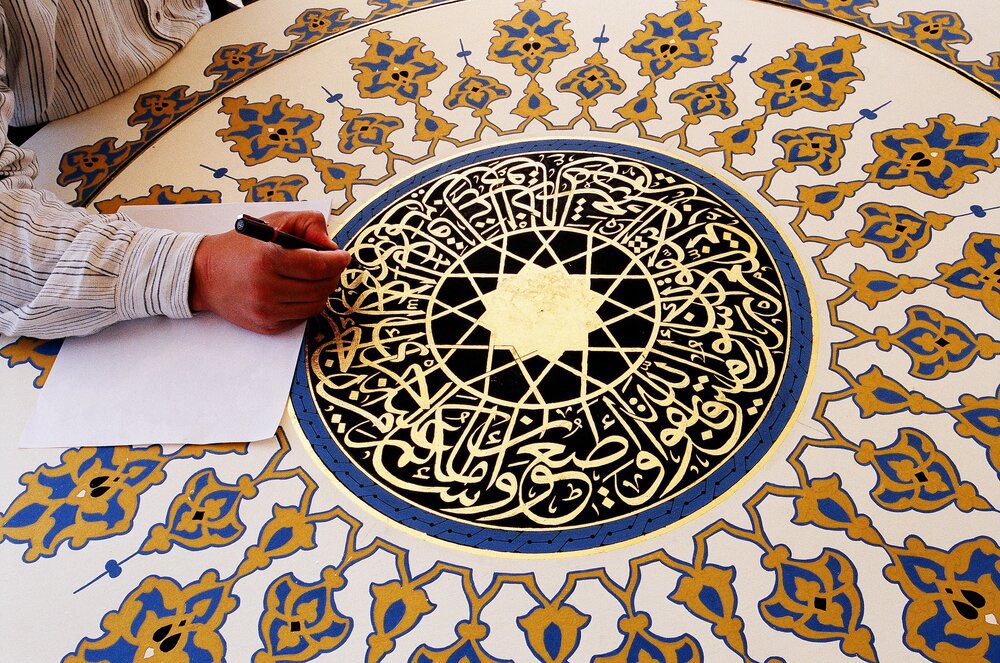 1/ The patterns are based on mathematical principles, creating a perfect balance and harmony in the art. It's fascinating how geometry and art can come together so beautifully.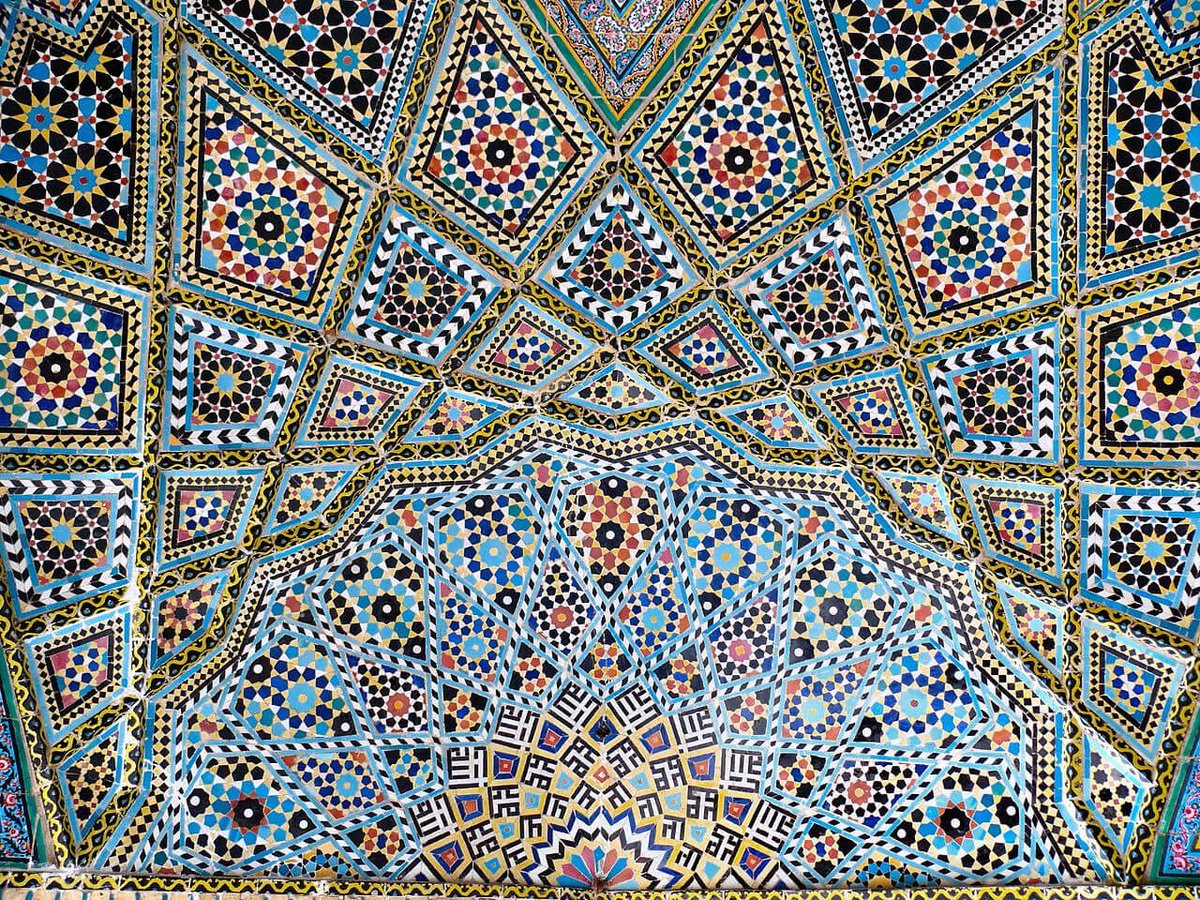
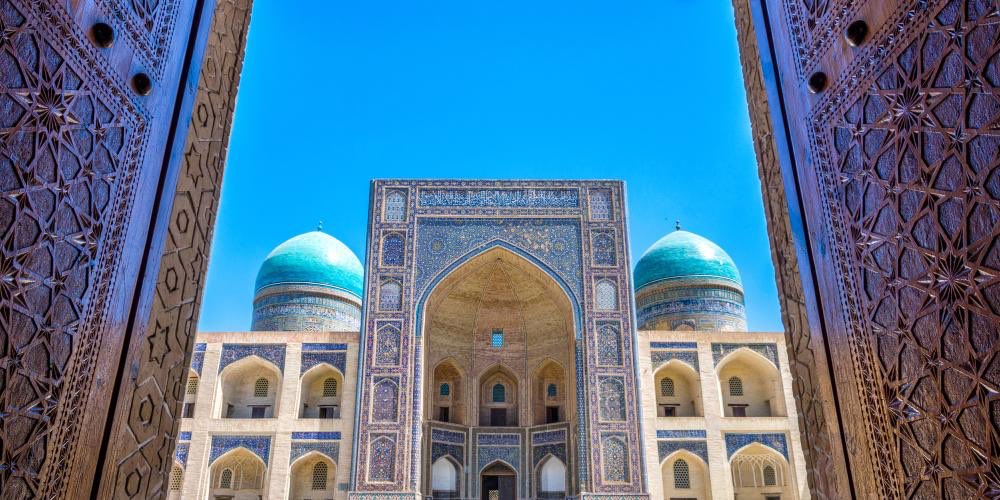 1/ The city has a rich history dating back 2,500 years, with evidence of human settlements found as early as the 5th century BC.
 1/ Socotra is an island located in the Indian Ocean, east of Somalia. It has been occupied by various civilizations over the years, including the Greeks, Romans, and Persians.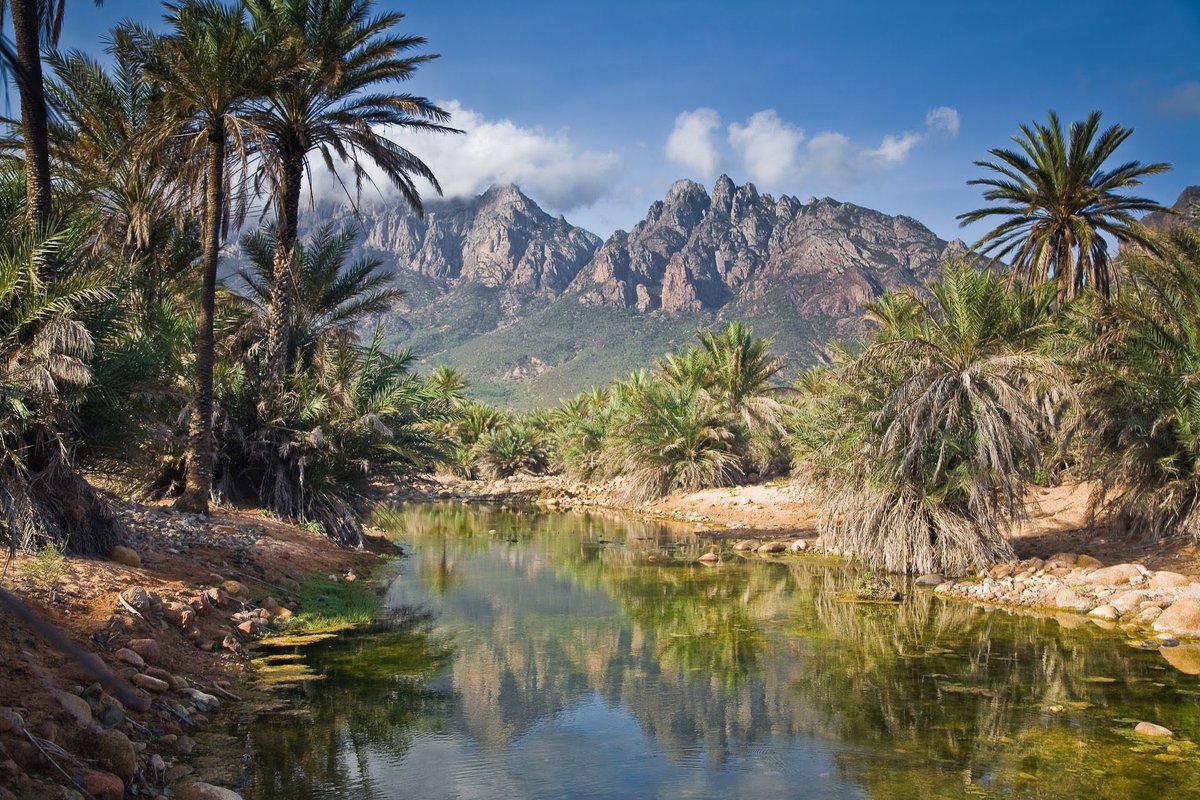
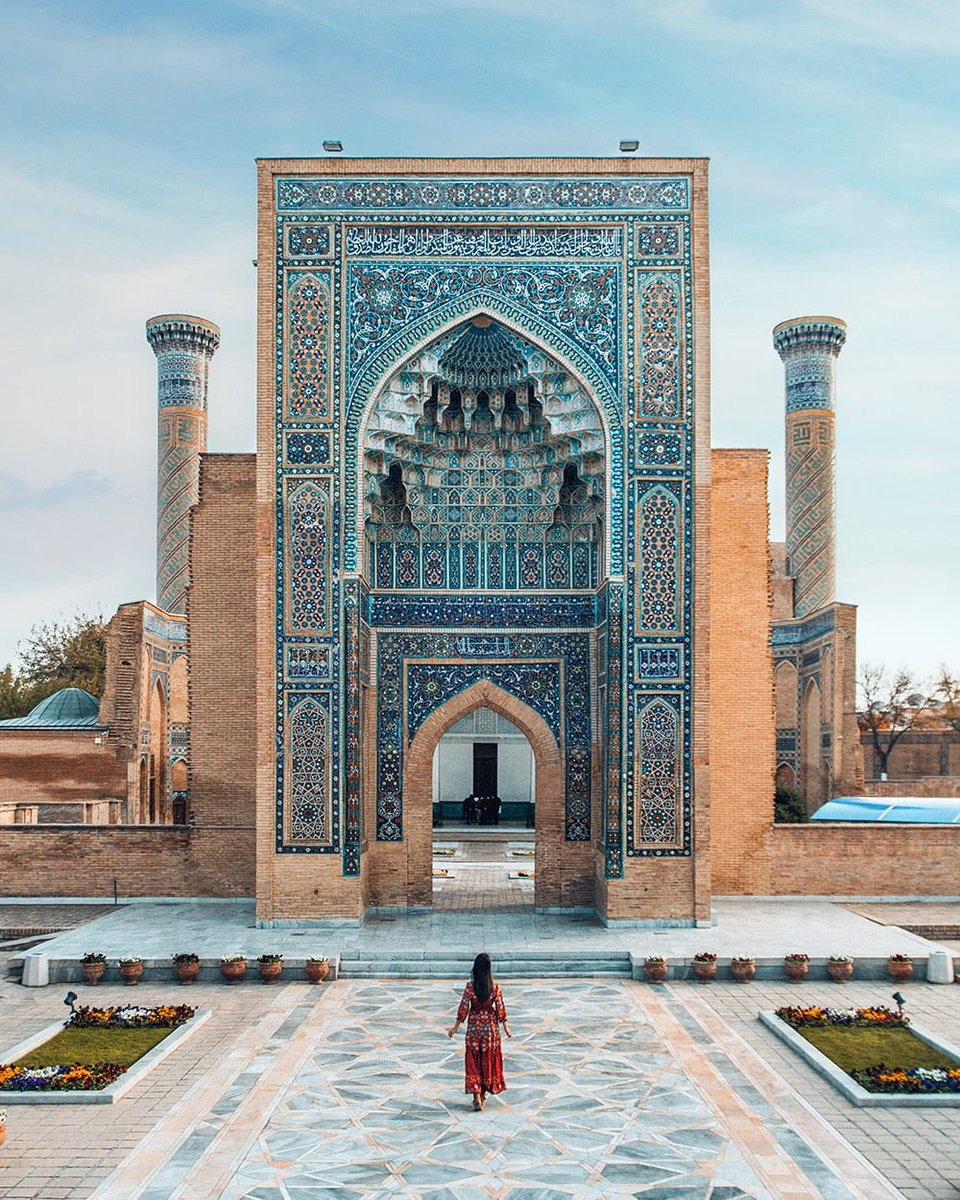 1/ Founded between the 8th to 7th century BC, Samarkand has seen many empires rise and fall. From Persian to Greek, Mongol to Timurid, each left their mark on the city's architecture and culture.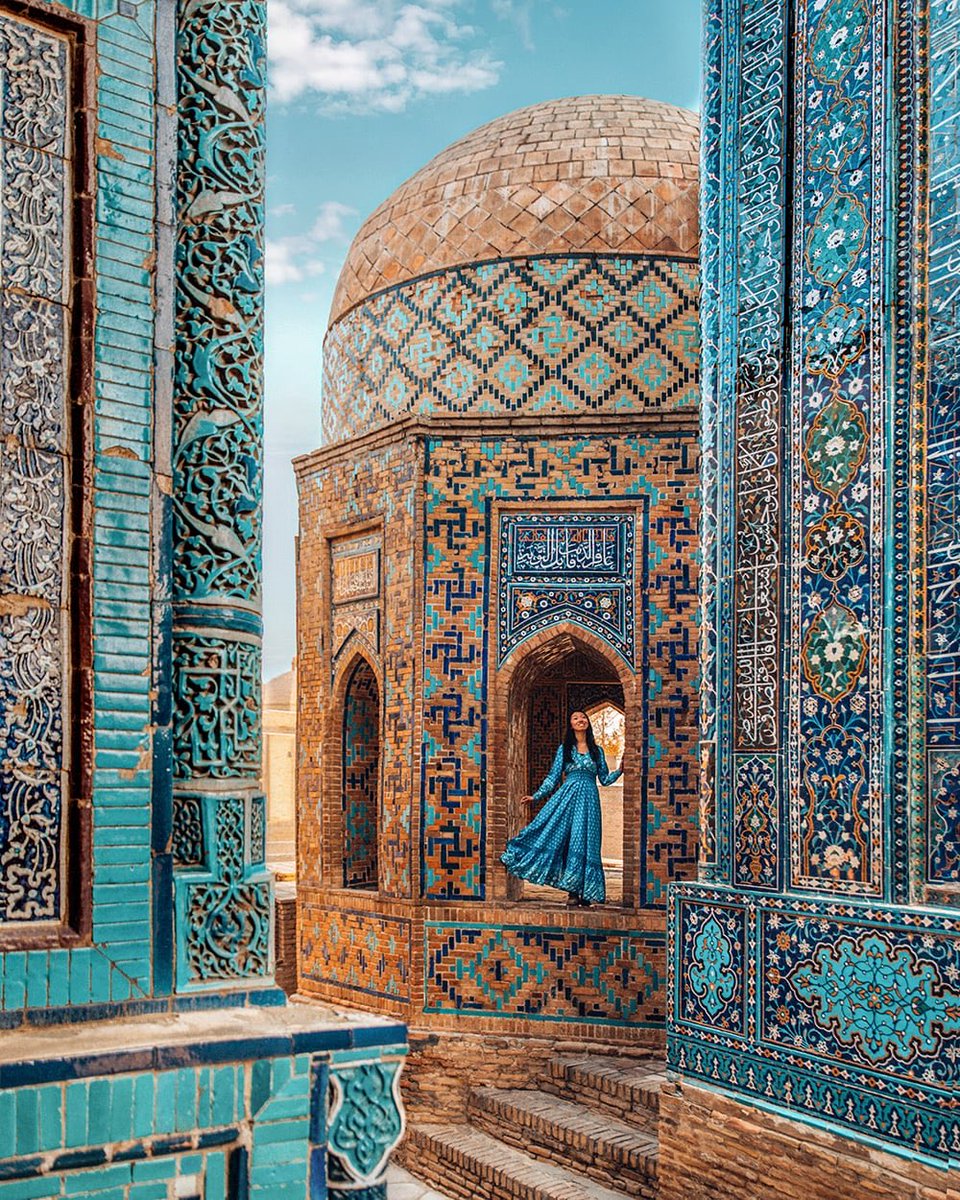
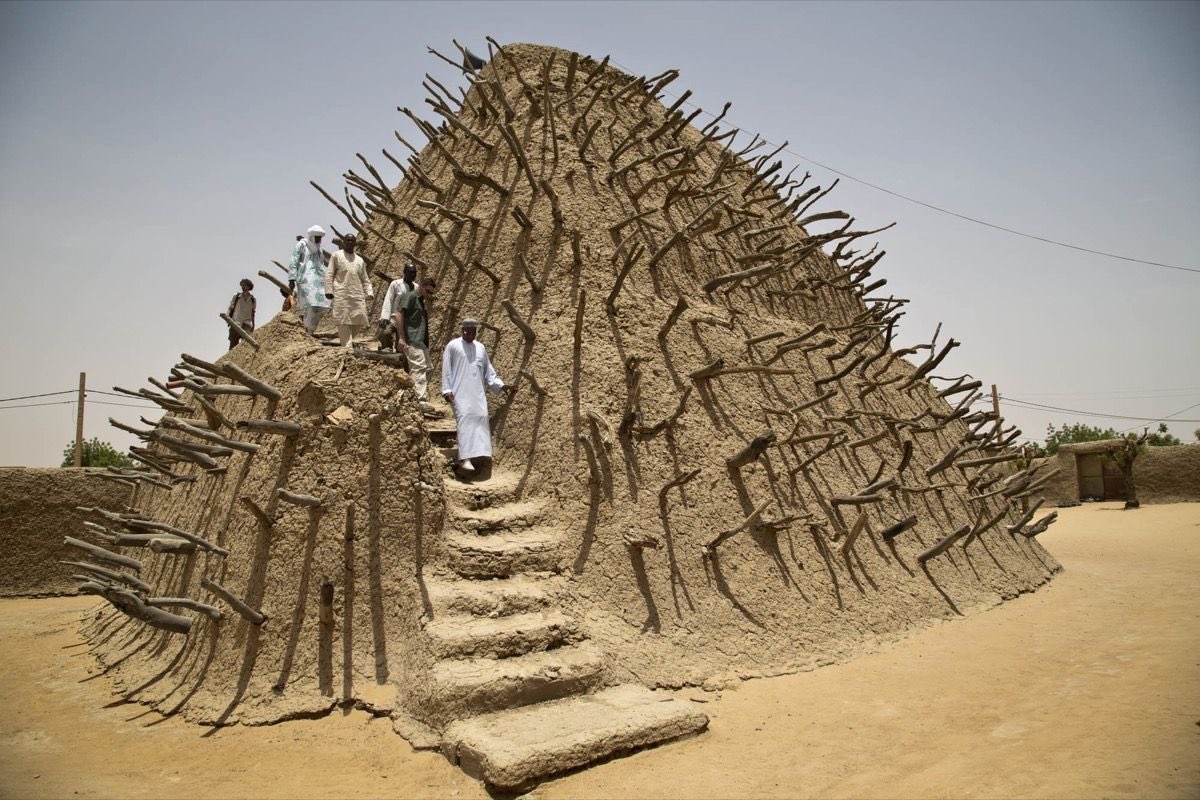 1/ Gao was founded in the 7th century and became a powerful city-state in the 11th century. It was located on the Niger River, which made it a key player in the trans-Saharan trade.
 1/ Sumatra is the largest island in Indonesia, and is known for its rich history and cultural heritage. It has been inhabited by humans for thousands of years, and has played an important role in the development of Indonesian culture and civilization.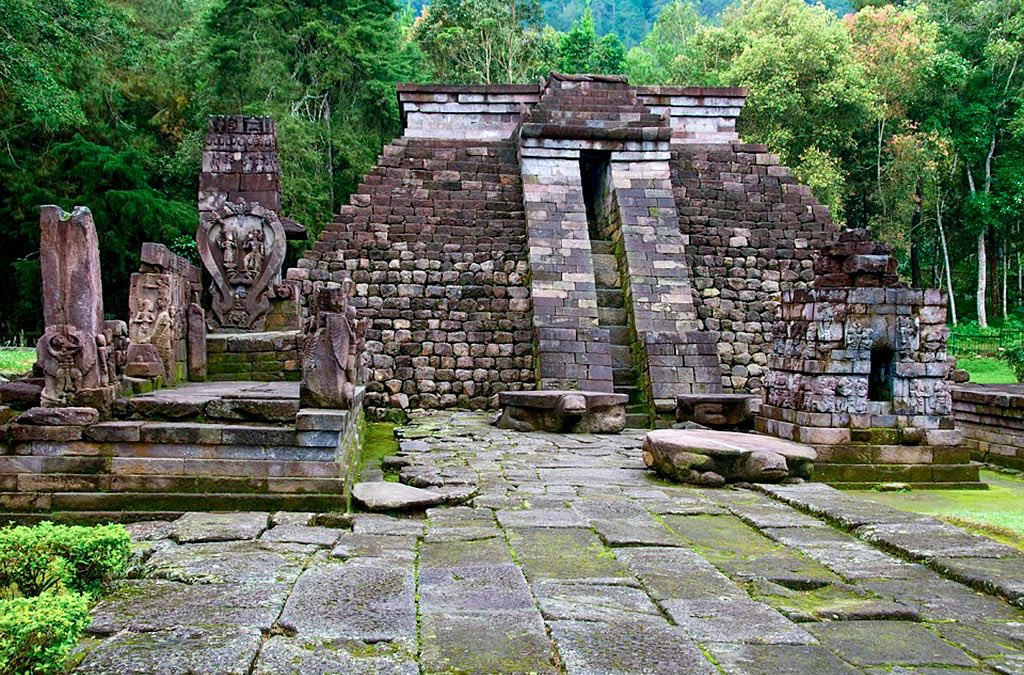
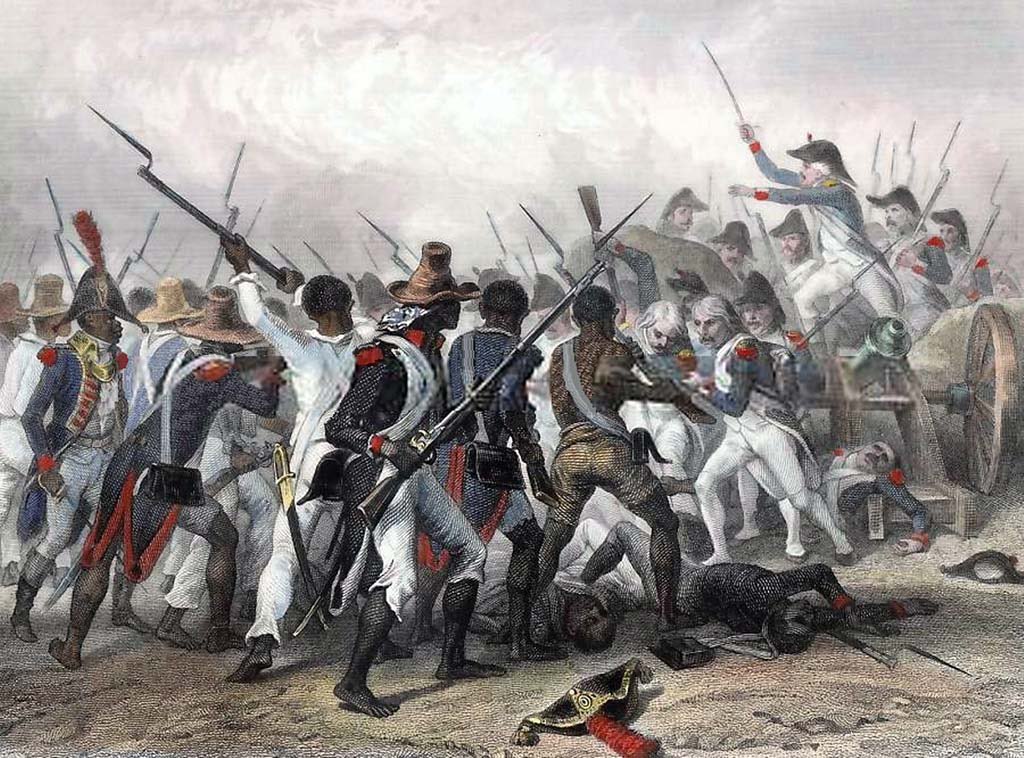 1/ The Haitian Revolution began in 1791 and lasted for over a decade, finally leading to the establishment of the Republic of Haiti in 1804.
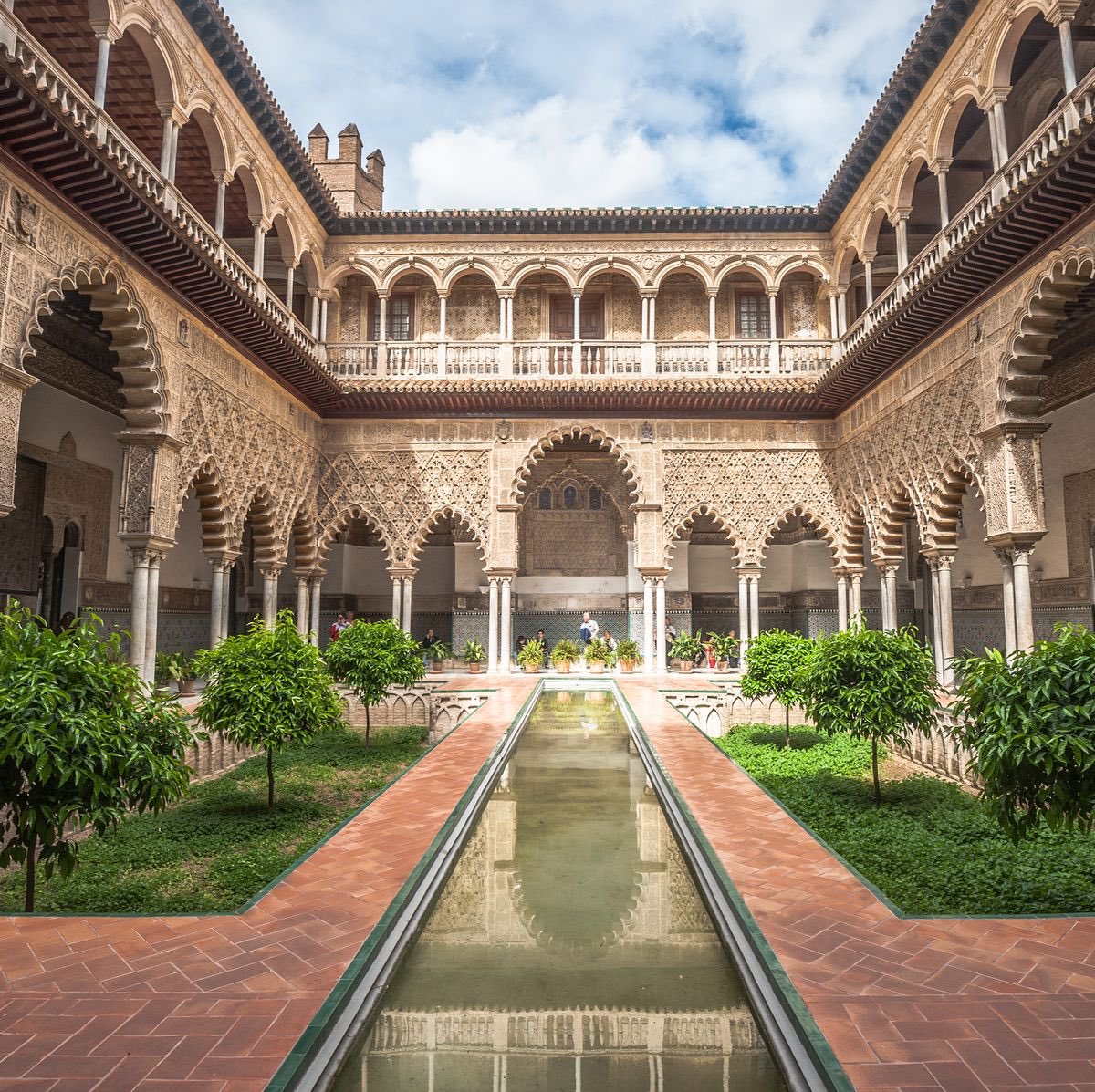
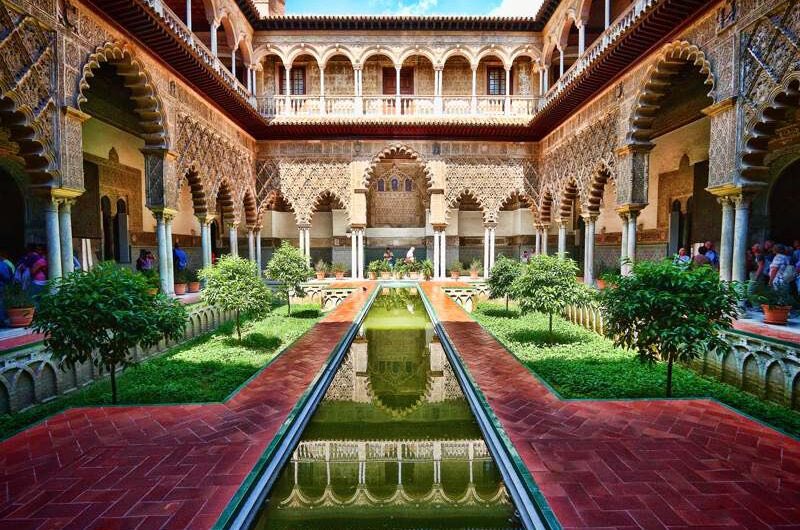 1/ Islamic art and architecture in Spain has a long and rich history that dates back to the 8th century, when the Moors arrived on the Iberian Peninsula. Over the next several centuries, they established a thriving cultural and artistic center in Al-Andalus.
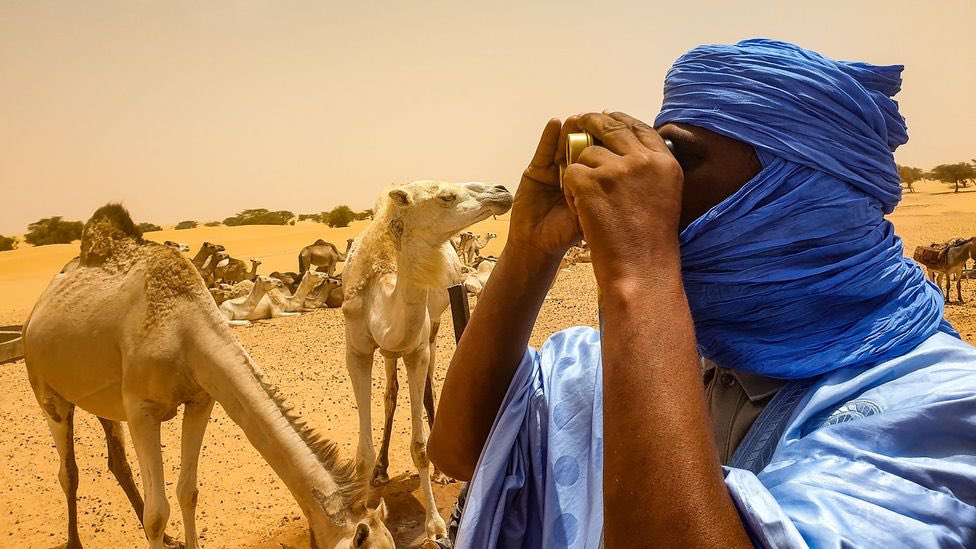 1/ The Tuareg have been trading across the Sahara for thousands of years, making them expert caravan traders. They even controlled the salt trade, which was essential for food preservation.
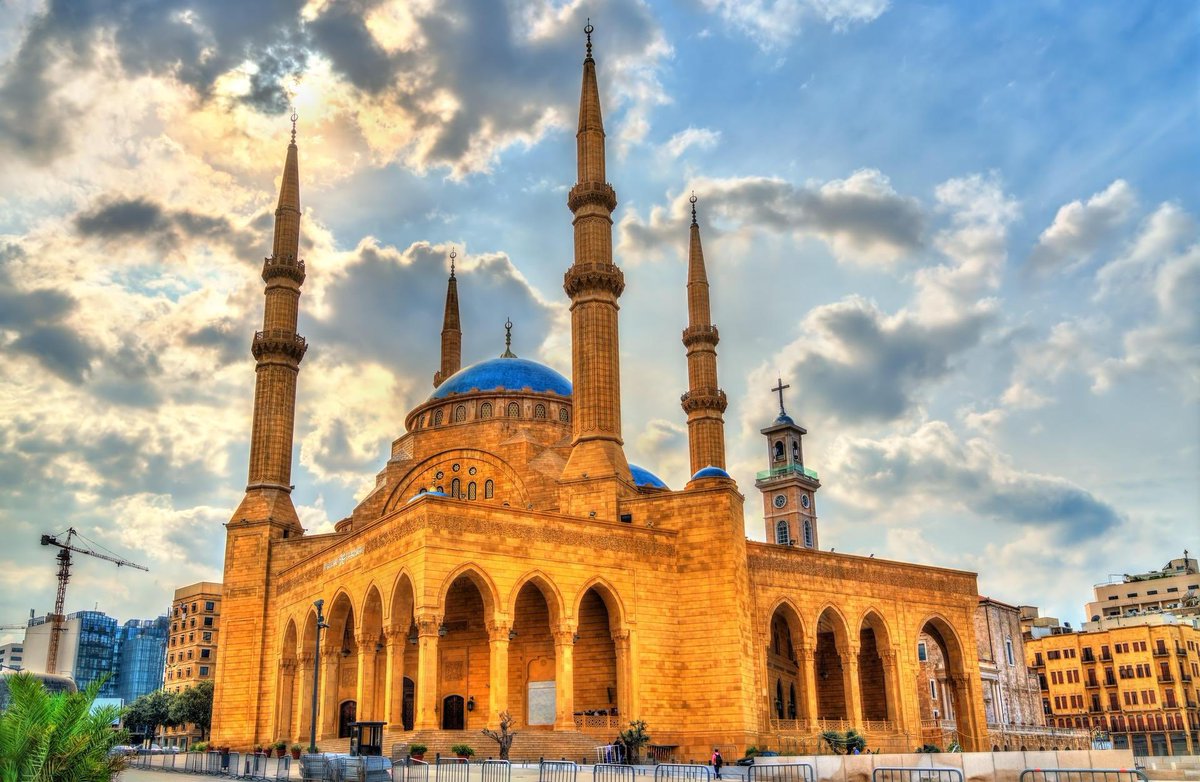 1/ The Phoenician Empire, which emerged around 1200 BCE, brought prosperity and trade to Lebanon. The ancient city of Byblos was a major center of culture and commerce.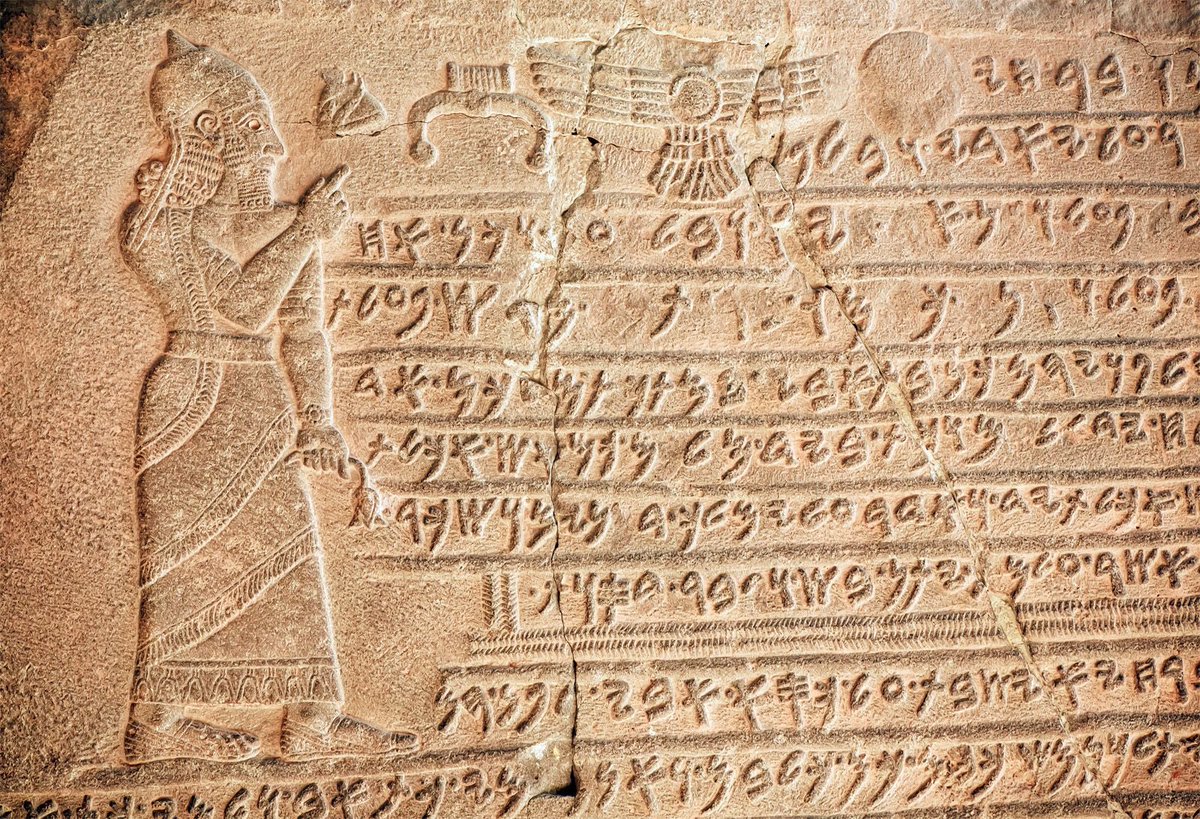
 1/ The mosque served as a center for Islamic scholarship and learning, with an impressive library of rare manuscripts. The city of Chinguetti became one of the most important Islamic cities in all of West Africa.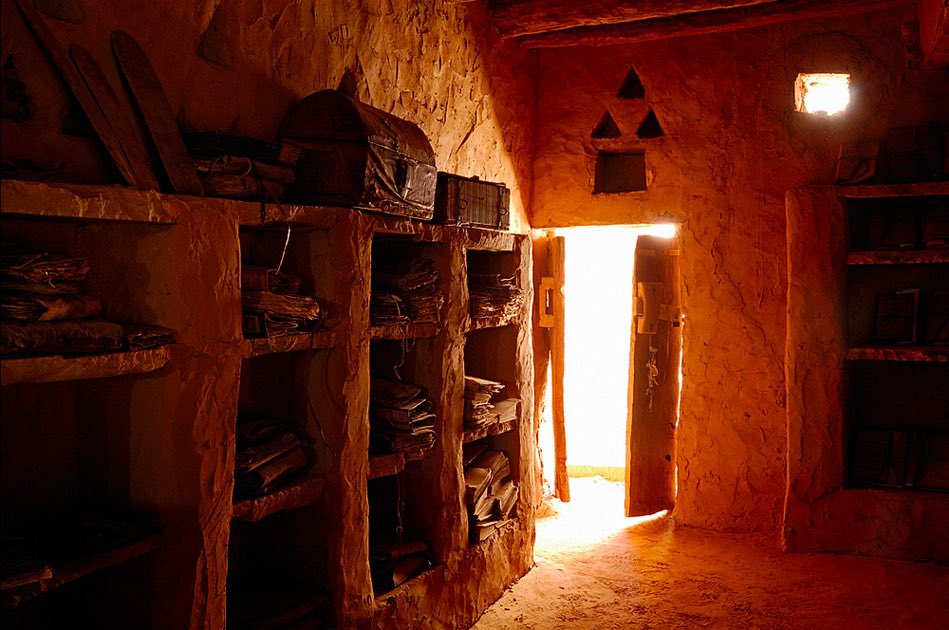

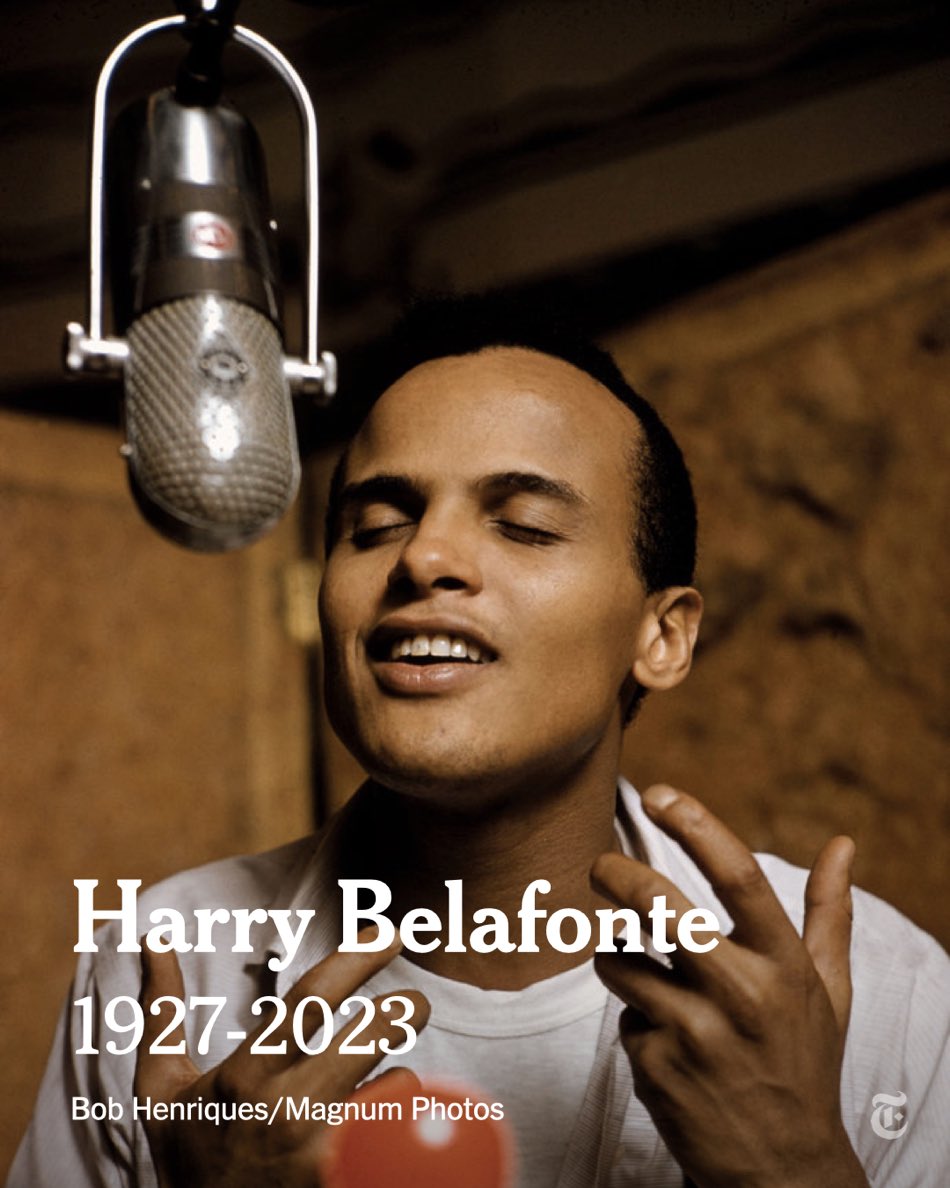
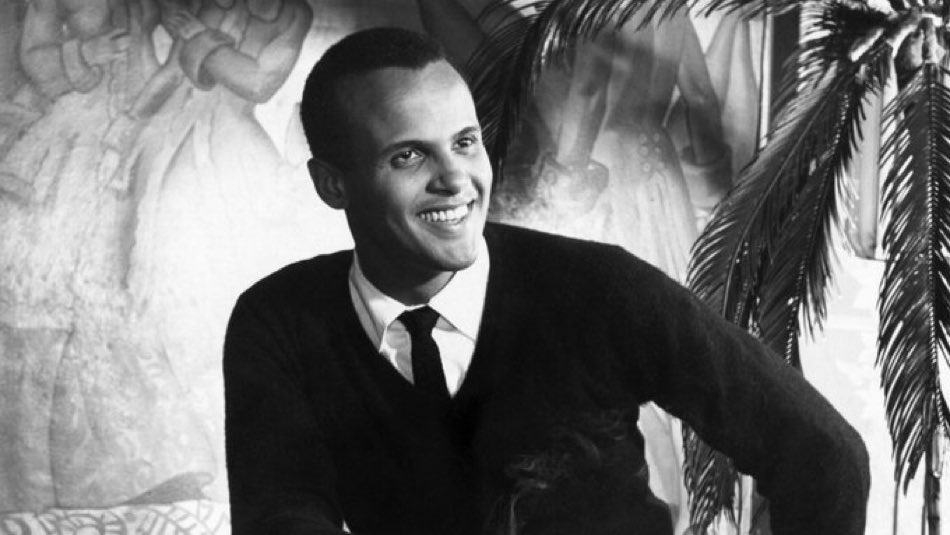
 He was a figure of POC empowerment, active critic of Western imperialism, oppression, and racism, having called for nuclear disarmament, was backed by numerous Latin American revolutions, and even pushed for the freedom of a Native American activist & prisoner: Leonard Peltier.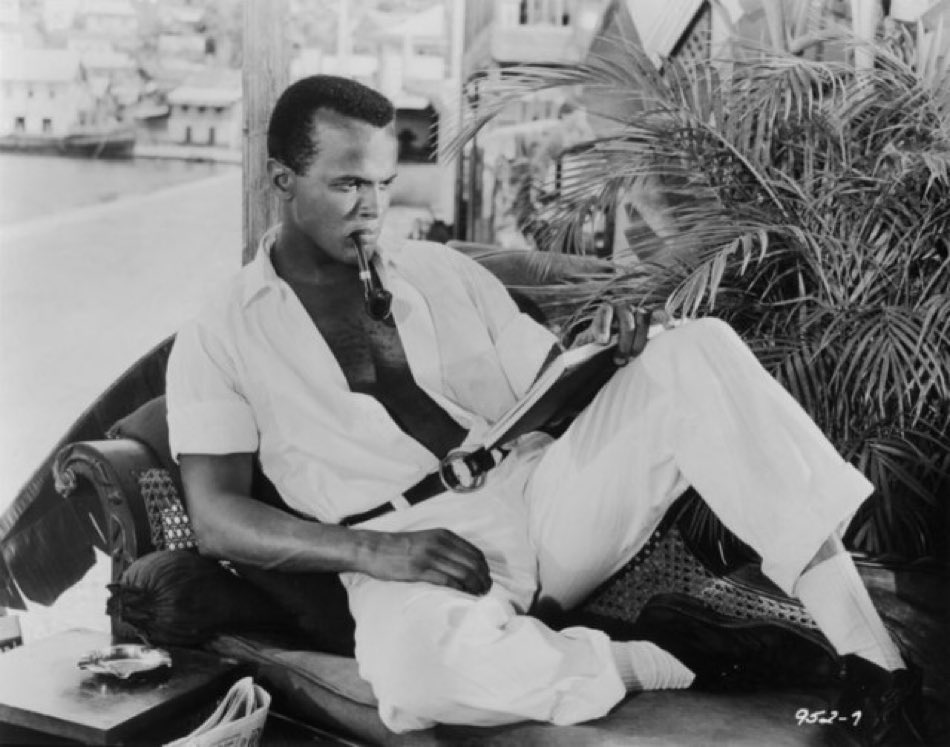

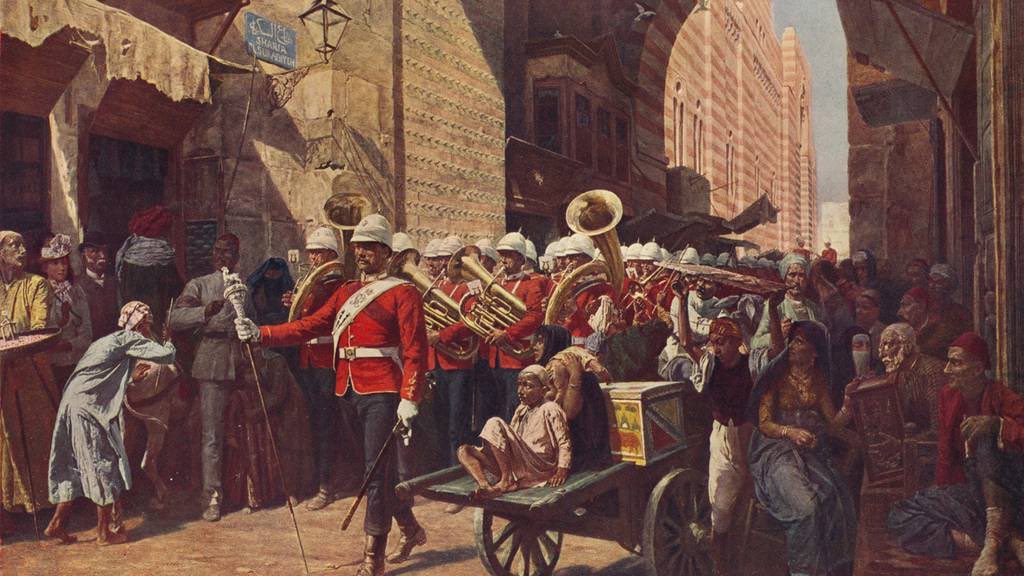
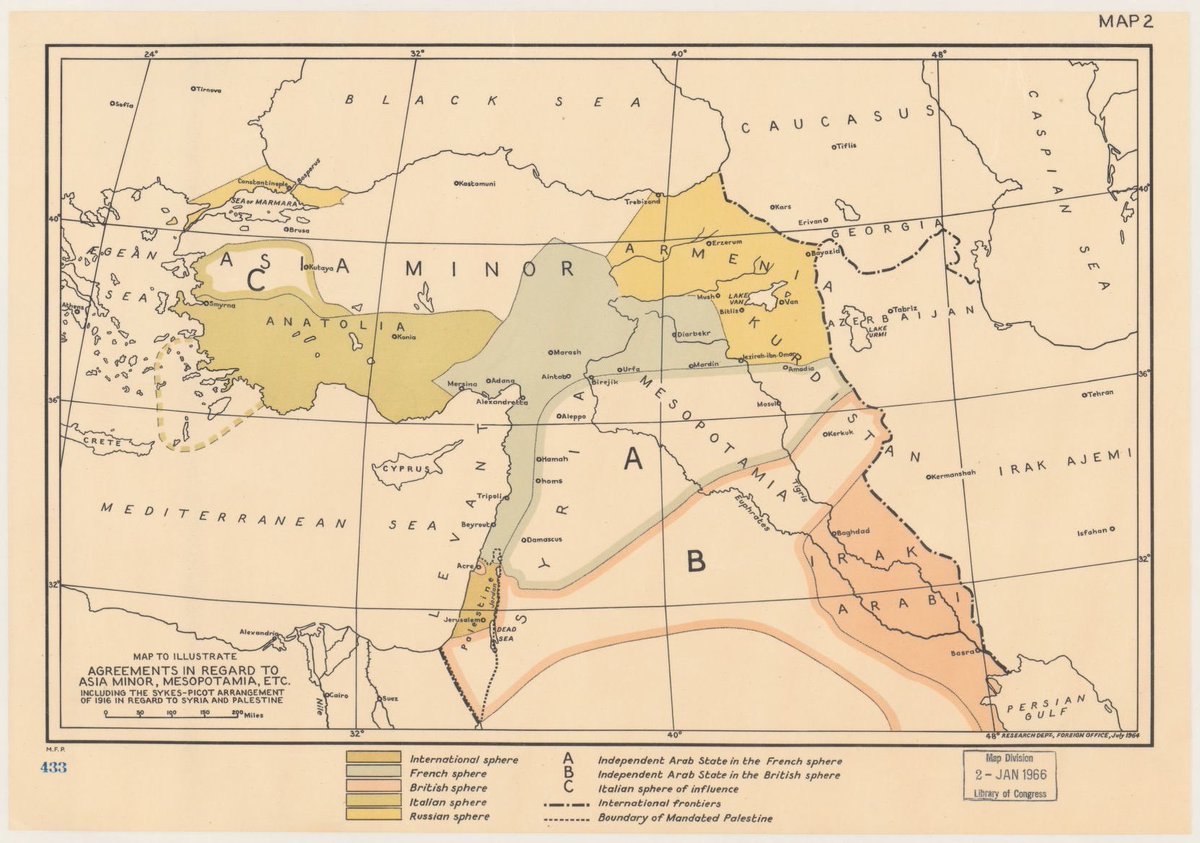
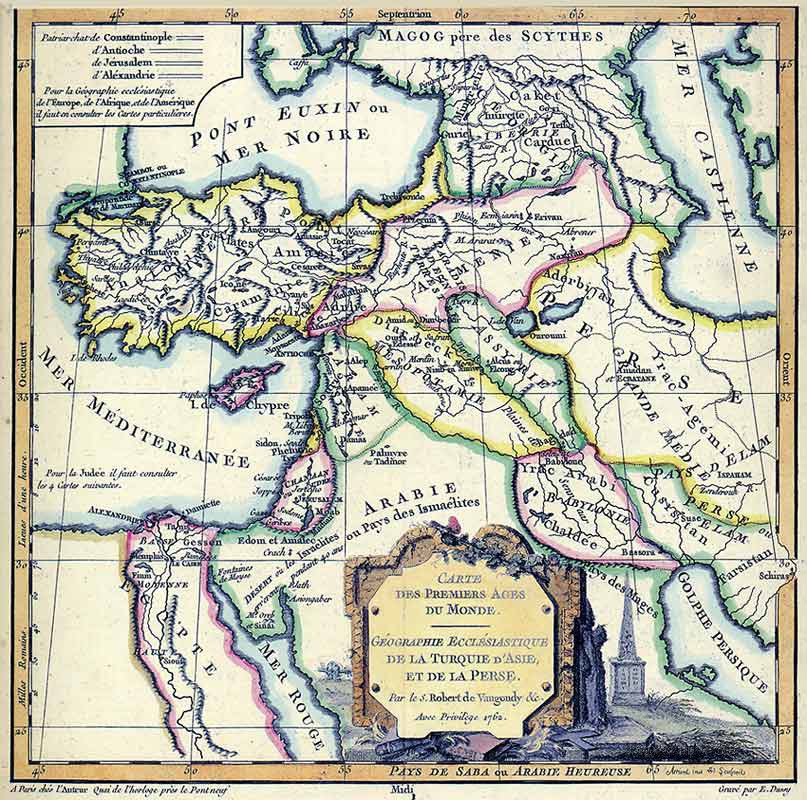
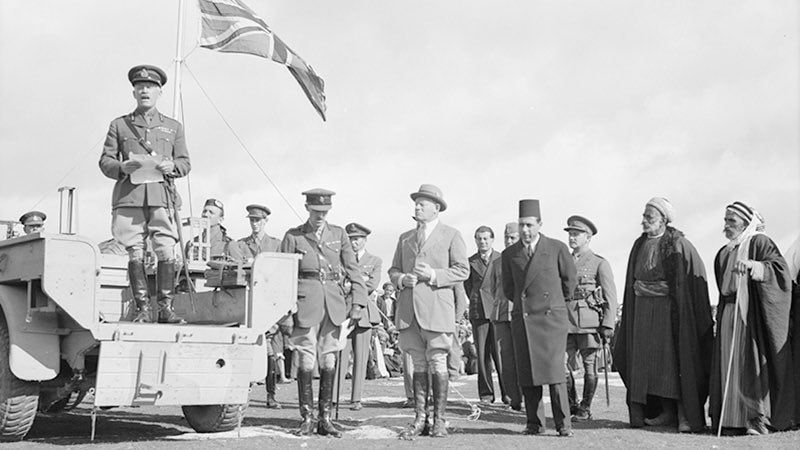 European colonialism had a profound impact on the Middle East, shaping its political, social, and economic landscape. The region was subjected to imperialist rule, with European powers vying for control over strategic resources such as oil and natural gas.
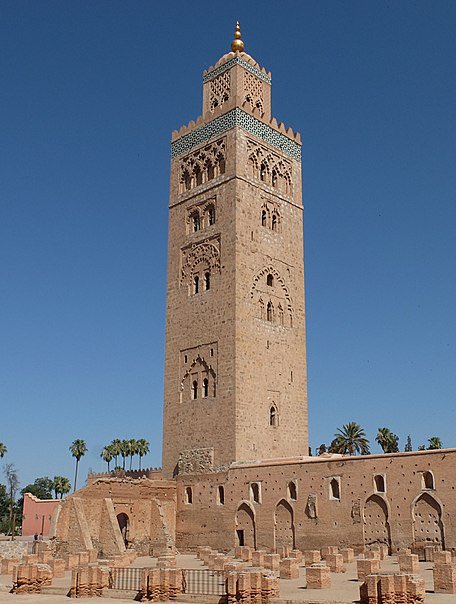

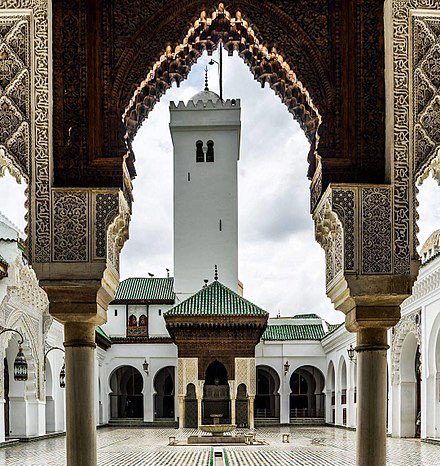
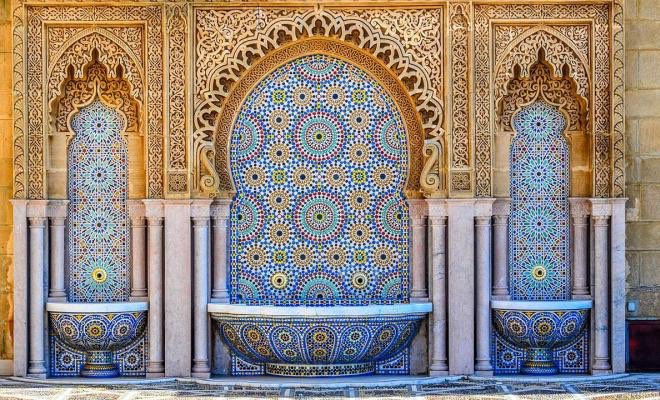 The Islamic period, from the 7th century onward, saw the development of a style that is prominent in most of Morocco's traditional architecture today. This style of architecture was a part of a larger tradition of "Moorish" or western Islamic architecture that was prevalent in