
ER Doc. Energy Analyst. Host Decouple Podcast: https://t.co/DU8cCdW3X0 President Canadians for Nuclear Energy: https://t.co/HThtnXtbr6
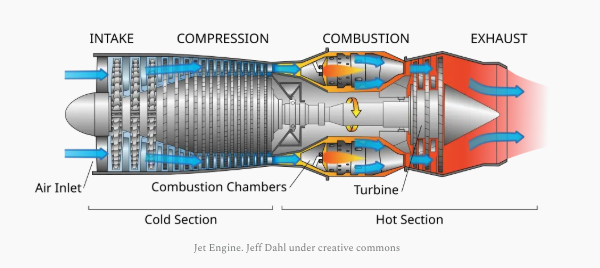 John Barber patented a recognizable gas turbine cycle in 1791, describing a compressor, a combustion chamber, and a turbine wheel in sequence. John Brayton worked out the thermodynamic cycle that still bears his name in 1872. By the time Frank Whittle ran his first jet engine prototype in 1937, engineers had been sketching versions of the same concept for 65 years.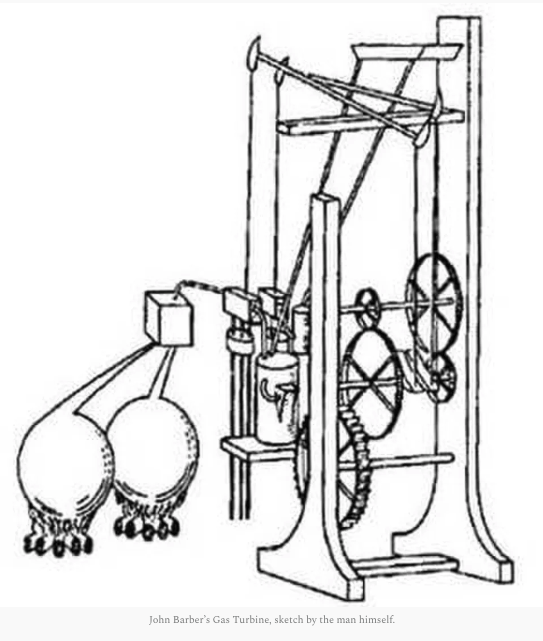
 1/ Uranium equities have had a strange few years.
 2/ X-Energy's pitch is that Dow Chemical @DowNewsroom as anchor customer, @amazon as both lead equity investor and holder of power purchase commitments for more than 5 GWe, and Centrica as a UK utility partner, all anchored to an 80 MWe pebble-bed high-temperature gas-cooled reactor.
 2/ What did scale commercially looks considerably different. La Hague, the world’s largest reprocessing facility, has operated for the better part of a century. France built it not out of a romantic attachment to the closed fuel cycle but out a perceived energy security necessity: Almost no domestic fossil fuels, and, in the postwar decades, uranium supply chains that looked dangerously thin.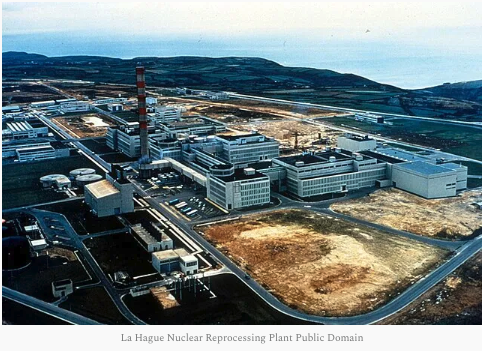
 2/ Britain and Norway answered through a different channel with the same underlying instinct.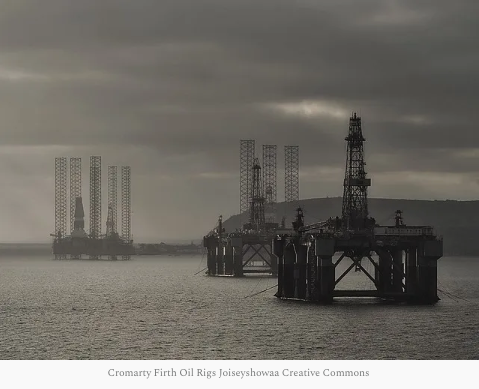
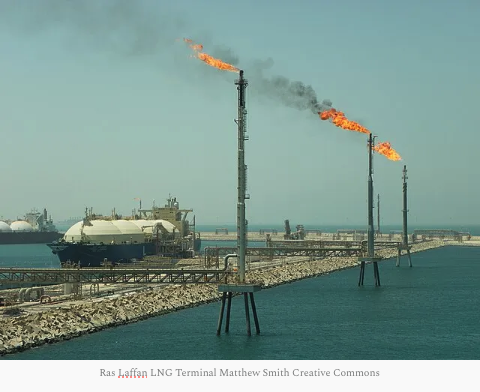 The attack came in the broader wave of Iranian retaliation for the US-Israeli bombing campaign against Iranian nuclear and military infrastructure. Qatar, which had maintained som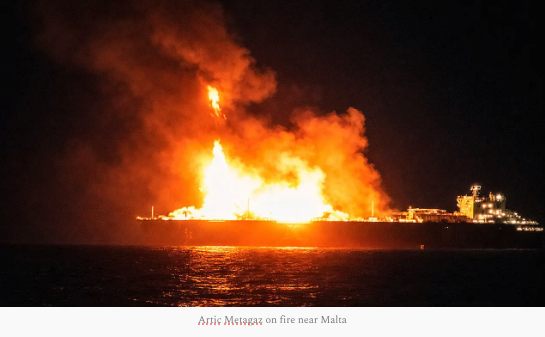
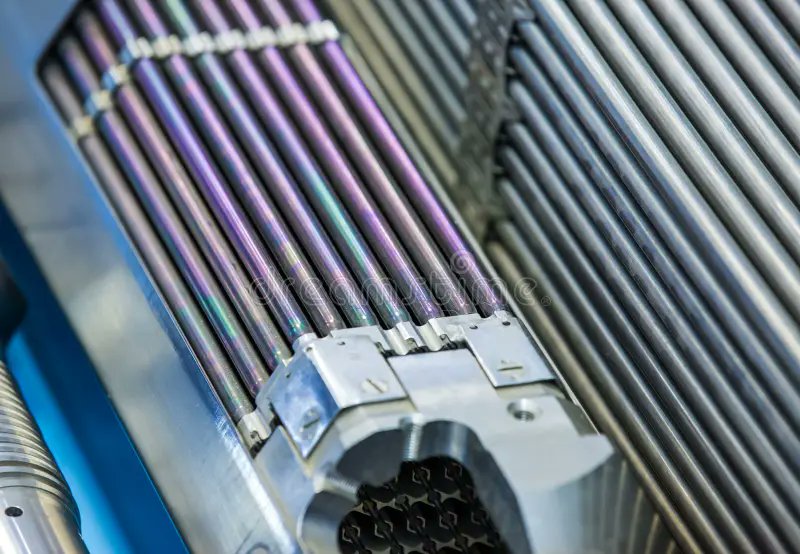 What the Fuel Actually Is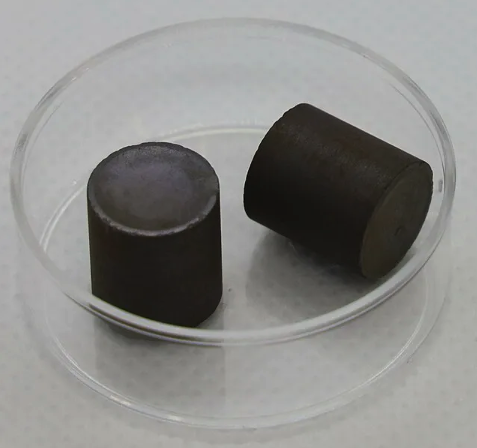
 2/ Germany, the industrial powerhouse of the EU, built its economic might on two things:
 When Western climate analysts look toward China, in some sense they see the future, where fantasies of large-scale renewables deployment and EV adoption are playing out.
 Tritiated water behaves just like H2O and is excreted from the body quickly with a biological half life of 3.5 days. For this reason it doesn’t bioaccumulate up the food chain and diffuses and dilutes rapidly in lakes and oceans.
 In the book @BentFlyvbjerg and @dgardner contrast the Guggenheim museum and the Sydney Opera house to draw important lessons from two very cutting edge buildings. 2/


 After the terrorist attacks of 9/11, many Americans felt that flying was too risky and started driving instead. 2/
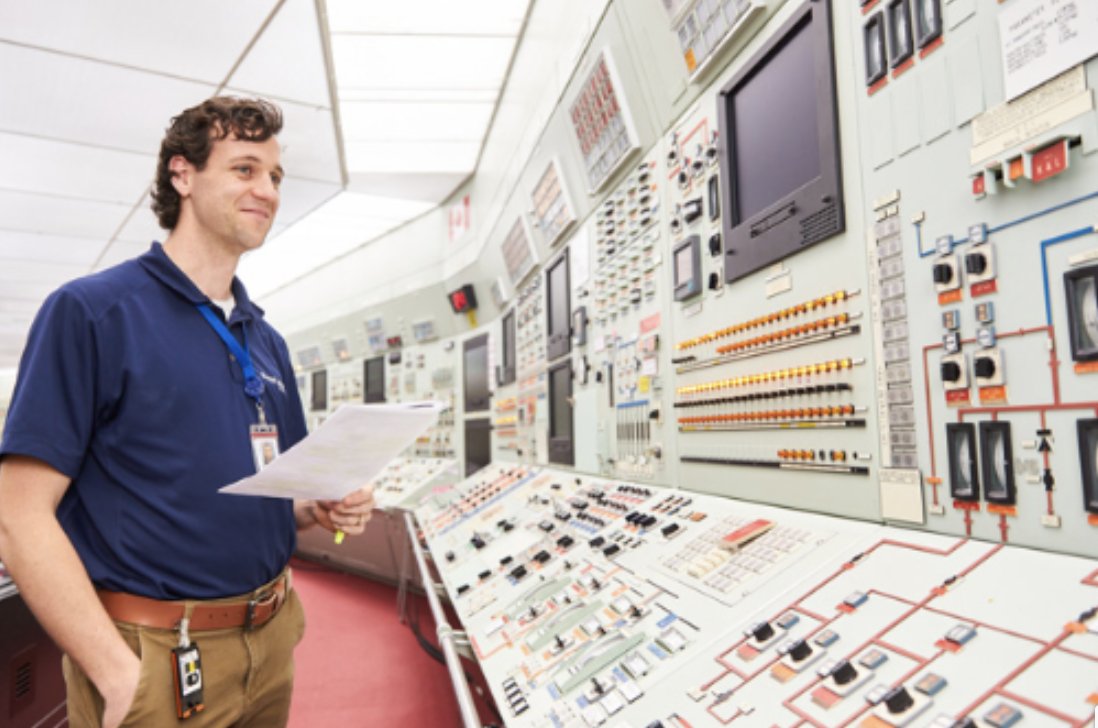 He had worked hard to become very good at his job, enjoyed the challenge of his work and took pride in keeping the lights on across the province. 2/
 “Nuclear energy was arguably given short shrift in the government’s recently-released greenhouse gas emissions reduction plan for 2030.” 2/
 When #GreenNewDealers imagine the jobs of a clean energy transition, they often nostalgically harken back to the post war era when generations of blue collar workers could support families on a single income in a unionized workplace & afford to send their kids to college. 2/
 2.) TL:DR The renewables industry themselves and independent organizations claim an average lifespan of wind of 20 years and of solar panels of 25-30 years. I will argue below that the solar numbers are likely exaggerated. twi-global.com/technical-know…