@IStandWithHer1 I have no idea why Greece is always left off these lists. We've had self ID (age 15+) since 2017. And the story of how we ended up with it needs to be told.
In the absolute blackest depths of economic crisis, with an unimaginable refugee crisis, political turmoil on all sides,
@IStandWithHer1 the Greek Parliament with an extremely short window for minimal and discouraged debate, passed an absolutely preposterous self-ID law that practically no one, nationwide, knew anything about, nor understood, nor wanted, nor ever asked for. The only way to make sense of it is to
Sep 16, 2020 • 7 tweets • 2 min read
"Preferred pronouns" are xenophobic.
People who speak English (or whichever language these preferred pronouns are demanded in) as a foreign language, especially who learned as adults, autodidacts, who had to work while learning, who have learning disabilities,
who were excluded from schooling, etc., often find pronouns confusing even when they are intuitively linked to sex.
For many new speakers of English, it is very common to switch up he and she, and not to be able to construct a singular they.
Aug 19, 2020 • 4 tweets • 2 min read
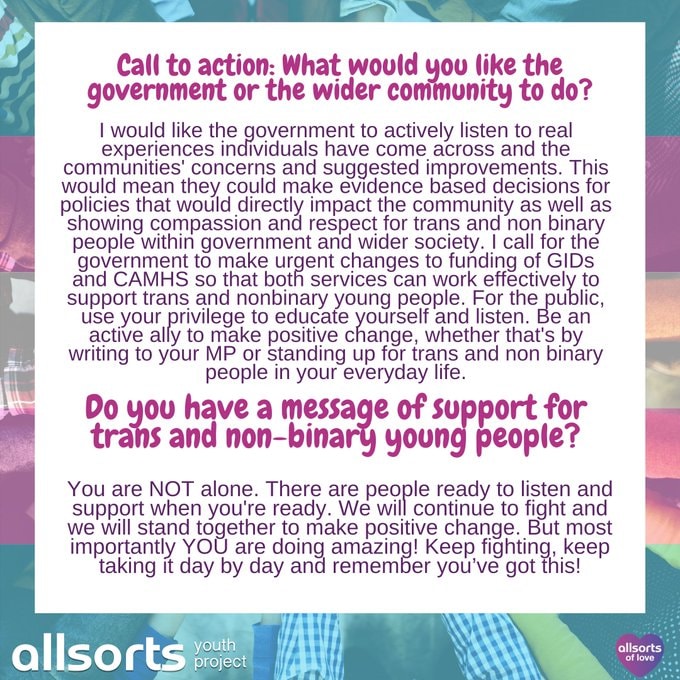
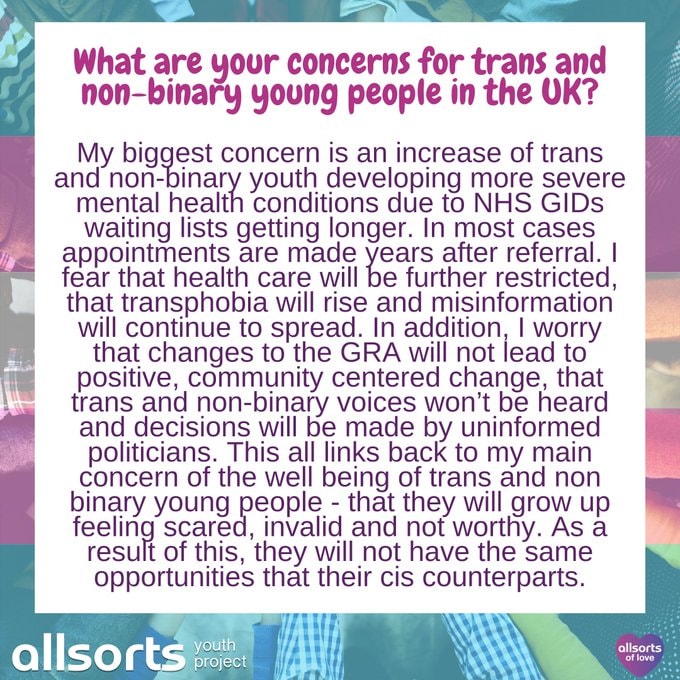
I'm concerned about the safeguarding implications of this notice. Note the ages: 5-25. archive.vn/rRitR
Aug 14, 2020 • 4 tweets • 1 min read
Correct sex pronouns (she/he) have a grammatical purpose: they smooth out speech, reducing the antecedent to a neutral placeholder in the brain. They are anti-unique, easy, & unimposing. They allow you to focus on the content; are there to facilitate communication. 1/4
Neopronouns also have a grammatical purpose: with every utterance, they reinflate the importance and uniqueness of the antecedent. They require mental energy; the speaker is on the defense; there will be mistakes, corrections, apologies, and self-corrections. 2/4