
Assistant Professor @ University of Oslo🇳🇴
Energy, International Relations, Climate, Geopolitics
My blog https://t.co...
 Due to the four-month closure of the Strait of Hormuz, Iraq has suffered some of the most severe production halts in the Gulf.
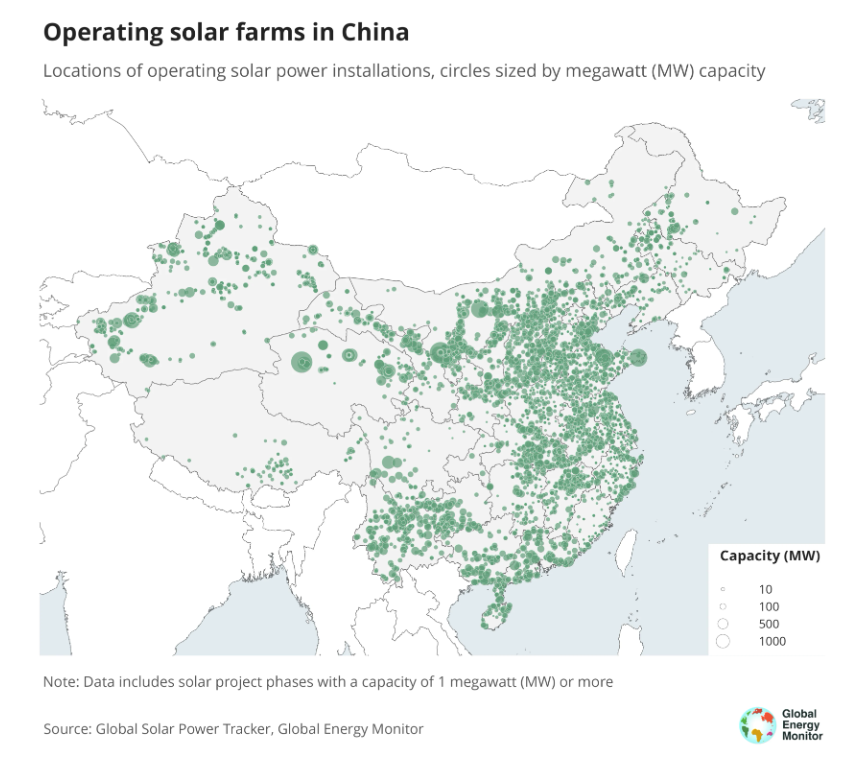 The numbers coming out of the SNEC Expo in Shanghai reveal a profound internal crisis. A brutal domestic price war has slashed utility-scale PV costs to an historic low of $0.50/W, forcing Chinese solar giants to bleed cash and slash a third of their workforces.
 The mainstream view says China holds a "monopsony"—total buyer power over an isolated Russia. But the new Persian Gulf Strait Authority’s maritime blockade of Hormuz has thrown global supplies into chaos, forcing a radical recalculation of alternative routes.
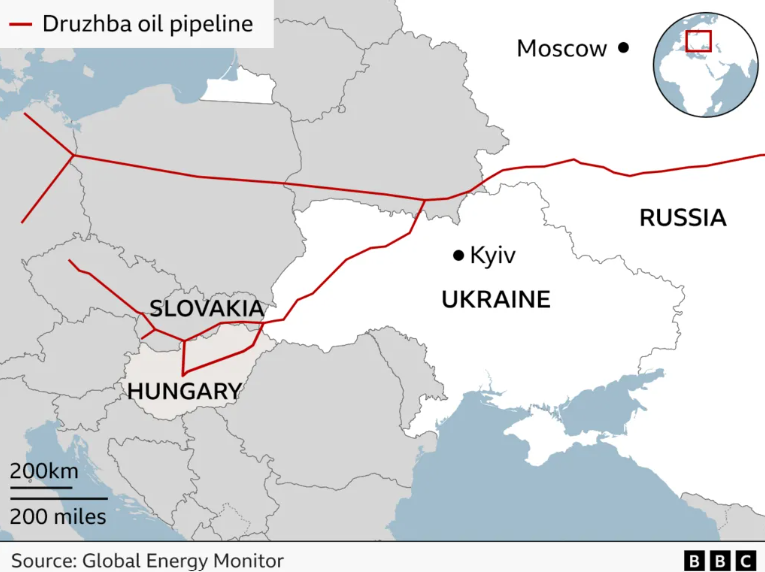 After the initial celebrations over Orbán’s defeat, the EU is starting to better understand the political platform on which the new Prime Minister, Magyar, intends to run the country after 16 years of Fidesz rule.
 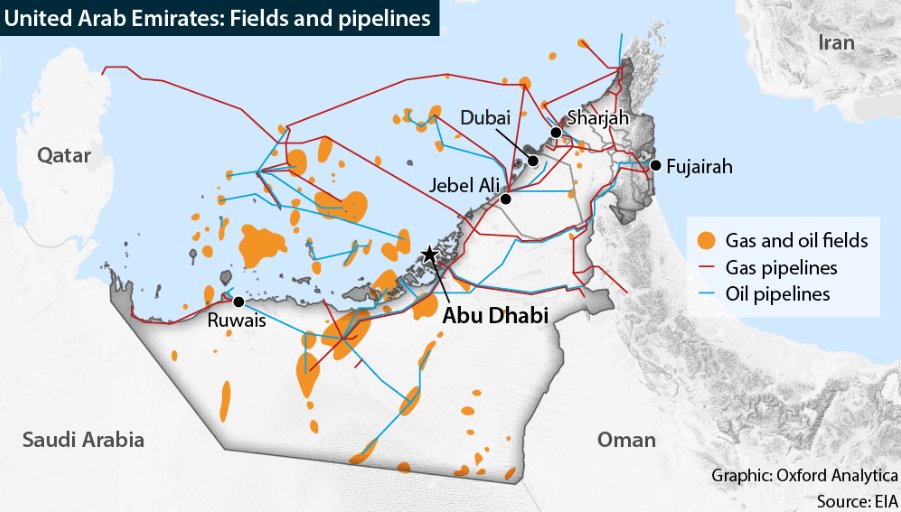 Trump says it’s a “little detour.” Marco Rubio says the war is over. The reality? Thousands of ships are still trapped, and Iran just proved that the UAE’s "fail-safe" Fujairah terminal is well within reach of their drones.
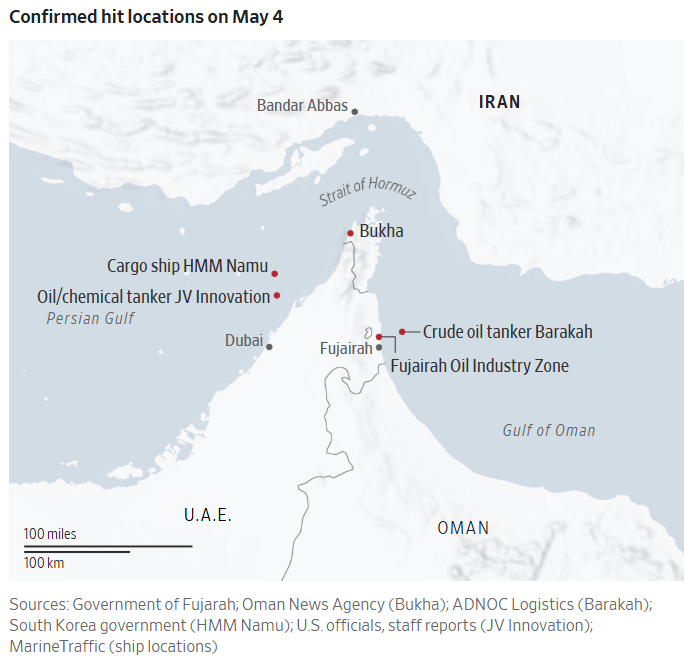 A U.S. Navy convoy reportedly traversed the "red line" imposed by Iran around the Strait of Hormuz to enable two American-flagged vessels—one of them a Maersk vehicle carrier—to navigate through the Strait.
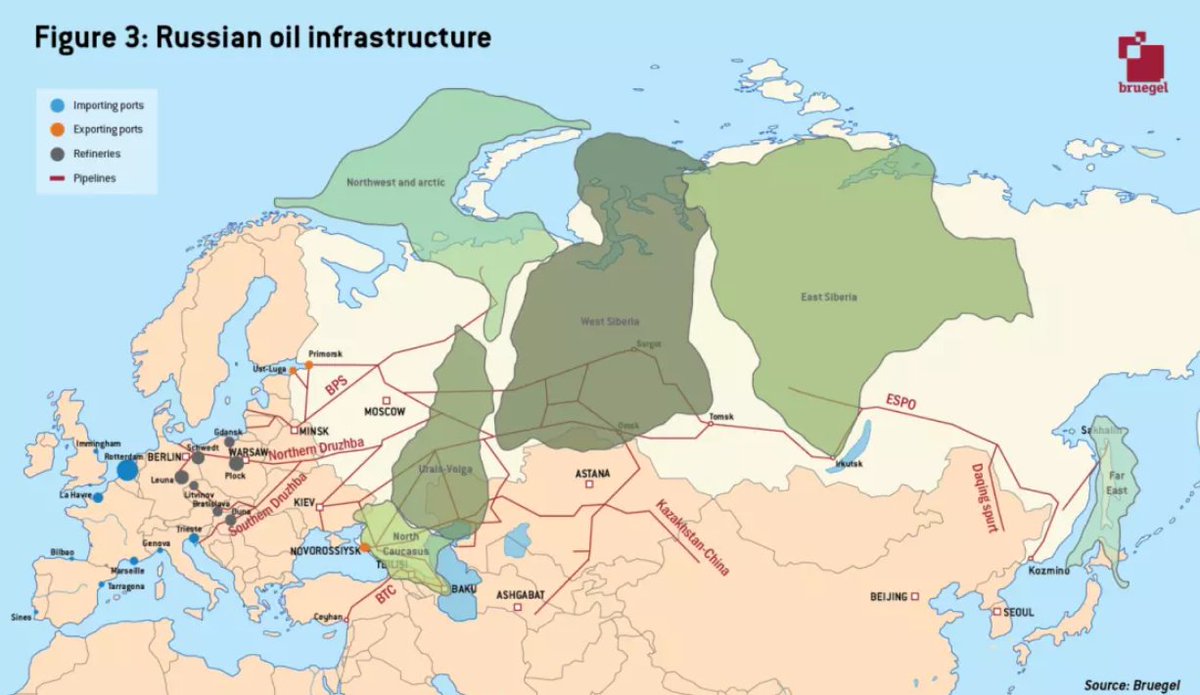 According to several industrial sources, the Russian state-owned transport giant Transneft has issued formal notices to both Kazakhstan and Germany regarding "adjustments" to the oil supply schedule.
 To confront the disruption created by Iran, which blocked the Strait of Hormuz, the Gulf nation has notified clients around the world that it won’t be able to supply oil.
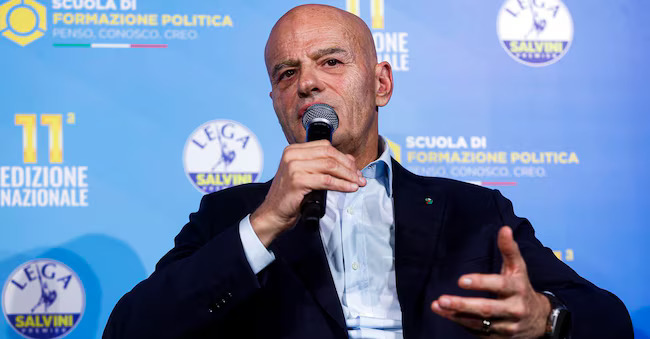 Amid the current energy crisis, he won't likely be the last.
 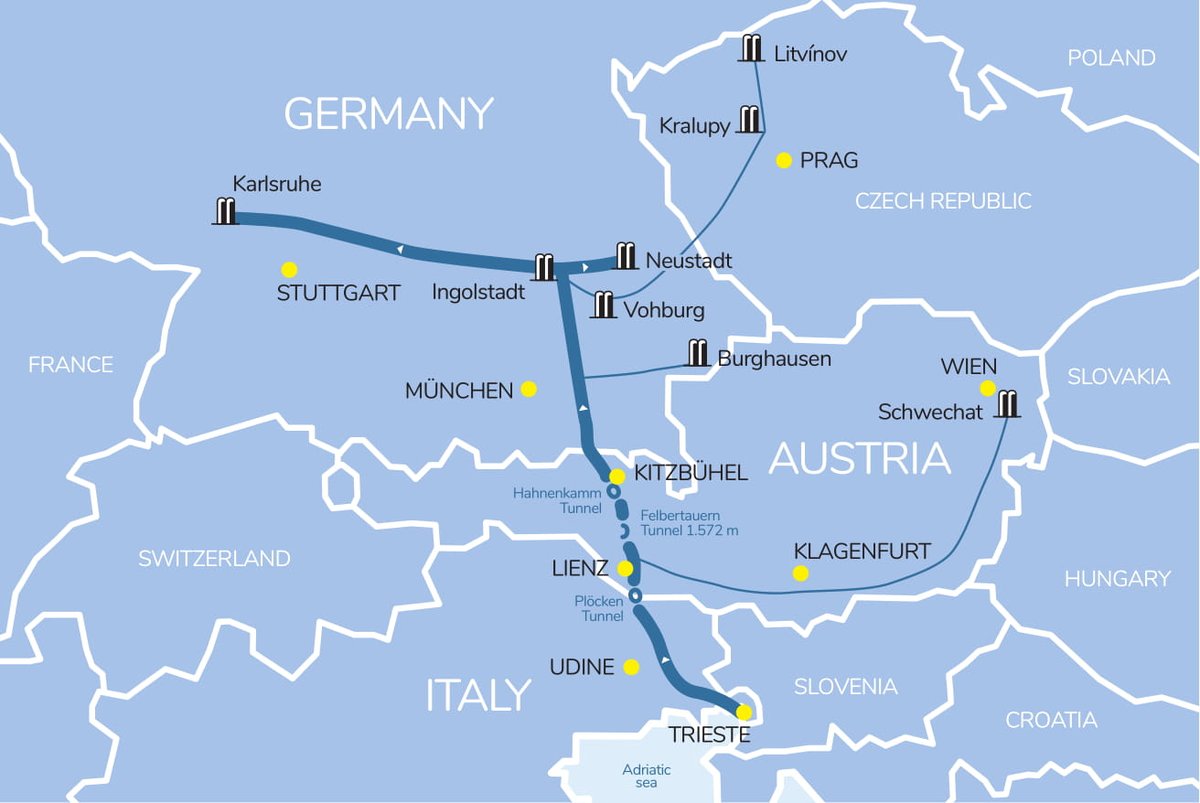 The Transalpine Pipeline (TAL), which links the Port of Trieste to major refineries in Southern Germany, has been targeted. The most vital of these is the MiRO refinery near Karlsruhe, which alone provides approximately 45% of the primary energy consumption for the state of
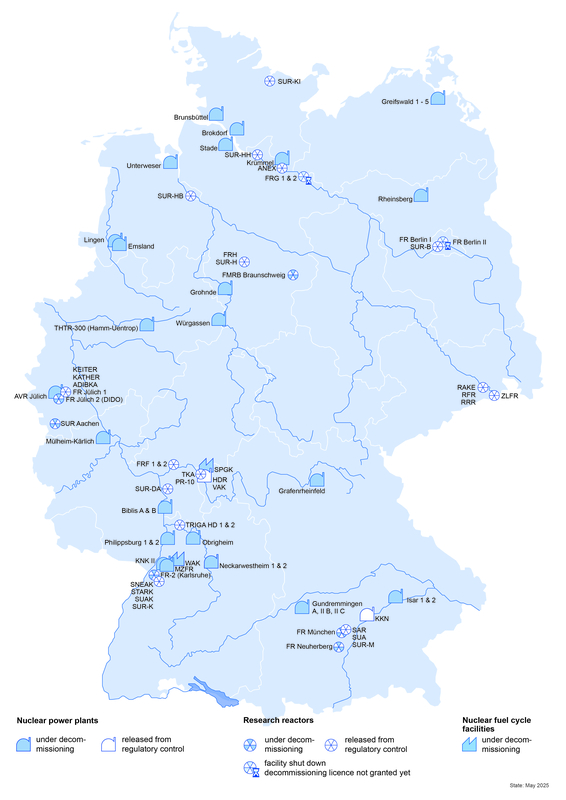 As the war in the Persian Gulf between U.S.-Israeli forces and Iran intensifies, the German government—led by the center-right CDU/CSU—is no longer concealing its desire to return to nuclear energy. Over the last few weeks, Energy Minister Katherina Reiche has intervened twice:
 From Iraq to Saudi Arabia, countries are considering alternative routes to export hydrocarbons to global markets—exploiting geographical opportunities and a network of infrastructure connecting the Gulf to the Red Sea and the Mediterranean. This includes the IMEC corridor,
 Using a limited number of assets in the first days of the war, the Iranians have been able to coerce and deter global energy stakeholders from transiting the Strait unless they seek an accommodation with the regime in Tehran. According to data released by Bloomberg, only 20% of
 These are part of a bid to prevent Moscow from profiting from the ongoing war against Iran and price spikes on global oil markets.
 Amid the ongoing war in the Persian Gulf between the U.S.-Israel alliance and Iran—the most severe threat to global energy security in decades—it is now the sheer force of nature alarming global markets and placing unprecedented pressure on prices.
  As we enter the fourth week of the U.S.-Israel war against Iran, we are experiencing an acceleration of events that could be described as turning points in this energy war, leading toward a significant escalation in both rhetoric and action.
 As urea is produced primarily from natural gas, the seaborne fertilizer market has been thrown into chaos by the war.
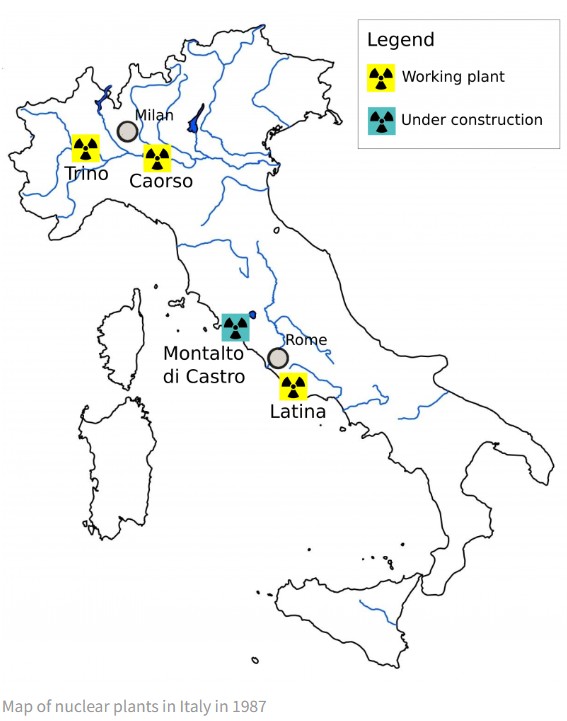 The Meloni government is accelerating dialogue with international partners in a bid to develop new power plants as soon as possible. According to the Italian Minister for Environment and Energy Security, Gilberto Pichetto Fratin, Italy should restart a programme to construct new
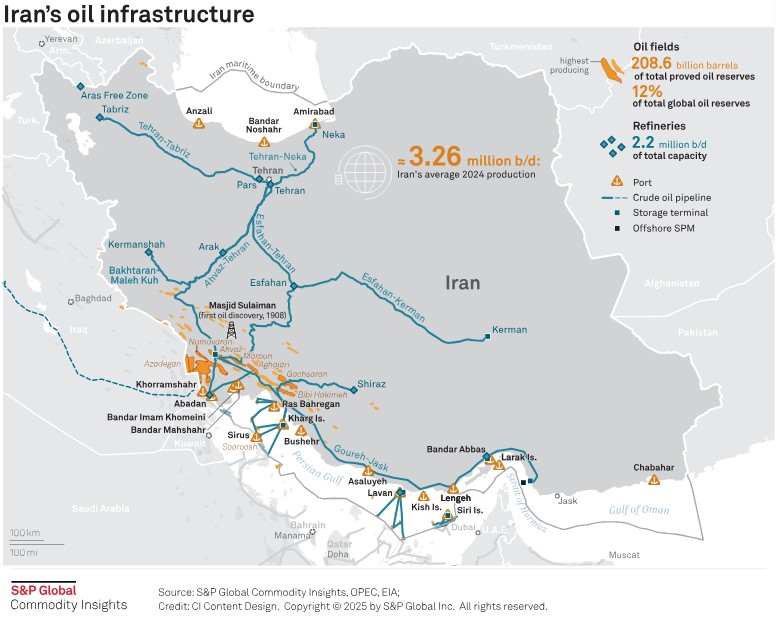 There appears to be no end to the escalation of the energy war unfolding in the Middle East. Speaking to the press late Friday, the U.S. President stated that the military targeted all military installations on Kharg Island, claiming to have “totally obliterated every MILITARY
 The British major Shell has communicated to clients who entered into contract with the company that the same will be unable to deliver Qatari LNG to clients.
 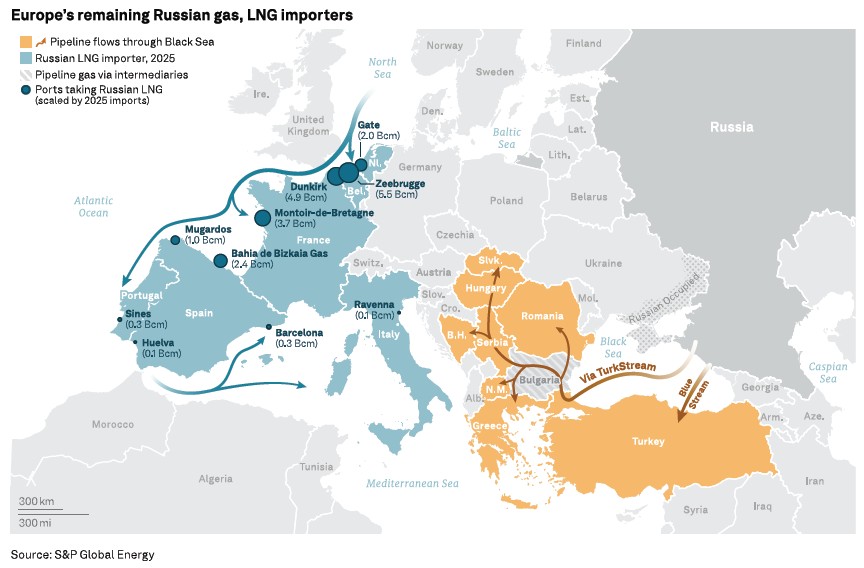 Yesterday, speaking to Kremlin-aligned media, the Russian President alluded to the possibility of halting gas exports to the EU abruptly: "If they're going to shut us down in a month or two anyway, wouldn't it be better to stop now and go to countries that are reliable partners?