Havoc 2-1 Profile picture
Just a dude. Dirty Civilian. Former Action Guy. Check highlights for articles and actually useful posts.
Feb 27 10 tweets 11 min read
Building out a kit for a woman:🧵

Why? Why is this important for you? Statistically 97.5% of you are dudes. Many guys would say that the woman's role is NOT that of a fighter. Under ideal circumstances, and maybe in other contexts, such as the military, I would agree with you.

But think about two things: Availability and Resource Density.

Availability: The men you train with or are in a group with, most likely, are not living in your home. The one person you can count on to most likely be there when things go down, is your spouse. She is the one who will be there; it makes sense that she be up to speed and equipped to be your teammate.

Resource density: It can be applied to a lot of factors, but it also applies to people. In a true collapse scenario or extended period without infrastructure support, you are going to have attrition. While the women's role may start out as defending the home, taking care of children, etc, there is no guarantee she won’t be forced into other roles eventually as manpower dwindles, or never makes to you in the first place (see: Availability)

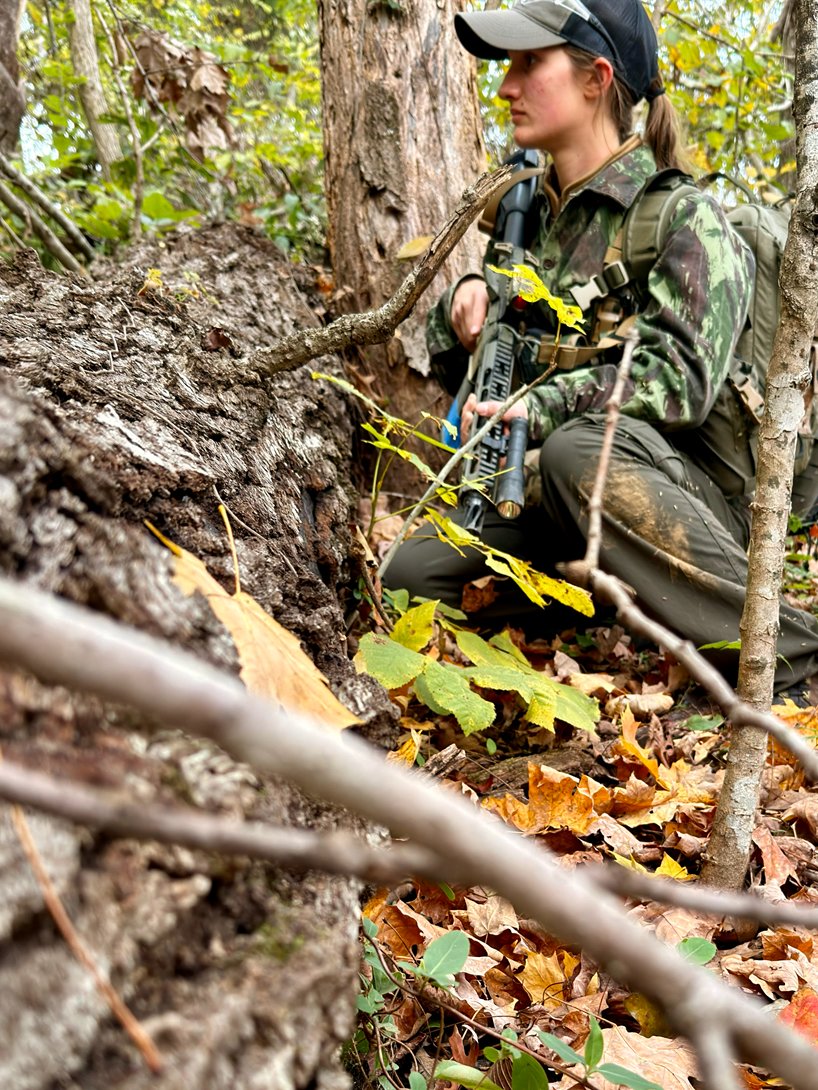
Historically, we have seen this play out time and time again. The Troubles, The Baltic conflicts of the 90’s, the fight against ISIS. Women will step into a combat role when needed.Image If you are a woman and reading this, my apologies for wording the article the way I am. I can only speak from my perspective, which is that of a man, trying to help outfit his wife.
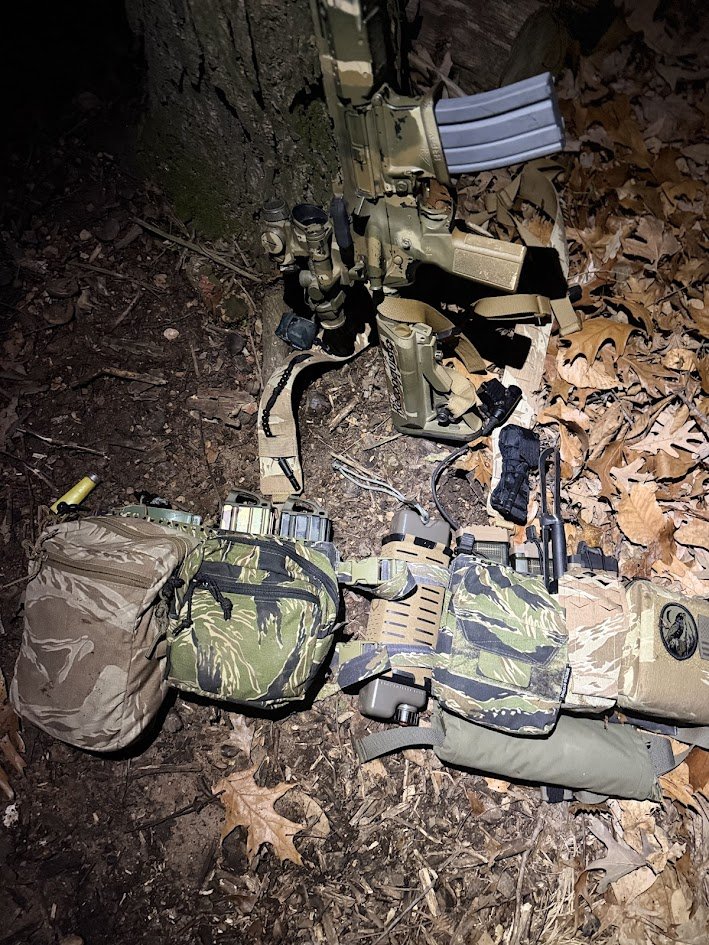
If you thought setting up a kit for yourself was a pain, with the constant adjustments, trying to build in scalability, capability, ease of use, and comfort, you should really try setting up a kit for a woman. (this can also apply to teenagers or younger folks, maybe even small, lightweight men)

Lack of real estate, curves that dudes don’t have, and gear not being designed with a woman in mind, all contribute to one of the more difficult gear challenges that I have dealt with.

I recently married my best friend and training partner, Emily. Long before we were married, we have been trying to problem-solve equipping her for training, and figuring out how to modify, makeshift, and invent our way to a workable solution.

In addition to Emily, I had conversations with my sister in law Hannah, and a friend of mine from DARC, Jordan. Jordan’s insight is particularly interesting given her training background which includes extensive experience at DARC, both as a student and as OpFor. She has trained harder than any woman I have ever met, and her insight is invaluable.

As opposed to just telling you what to do, I am going to share with you the principles and lessons we have learned, and continue to learn along the way.

Women are very differently shaped than men, and each other, so what works for Emily, Hannah, and Jordan, may not work for you, or for the women in your life, but hopefully the principles will apply and you can figure out your situation accordingly.Image
Dec 29, 2025 7 tweets 4 min read
Framework for Knowing what to put on your kit, a 🧵

"There is no right answer, just what's right for you. But, you can always be wrong."

So much confusion abounds when it comes to gear and kit.

In my estimation, it's usually caused by a lack of knowledge, that leads people to copy what others are doing, who they perceive to be "experienced"

This leads to gear that doesn't fit a persons needs or use case.

What I think would be helpful is using a framework to establish what you should have with you.

So here is a framework using a military-ism, albeit completely out of context.

The 5 Paragraph OpOrder. The OpOrd is usually done to brief a mission, but we can take the same 5 sections, and build a framework for establishing what YOU should carry.Image Situation:
What situation are you preparing for, and is this gear designed for?

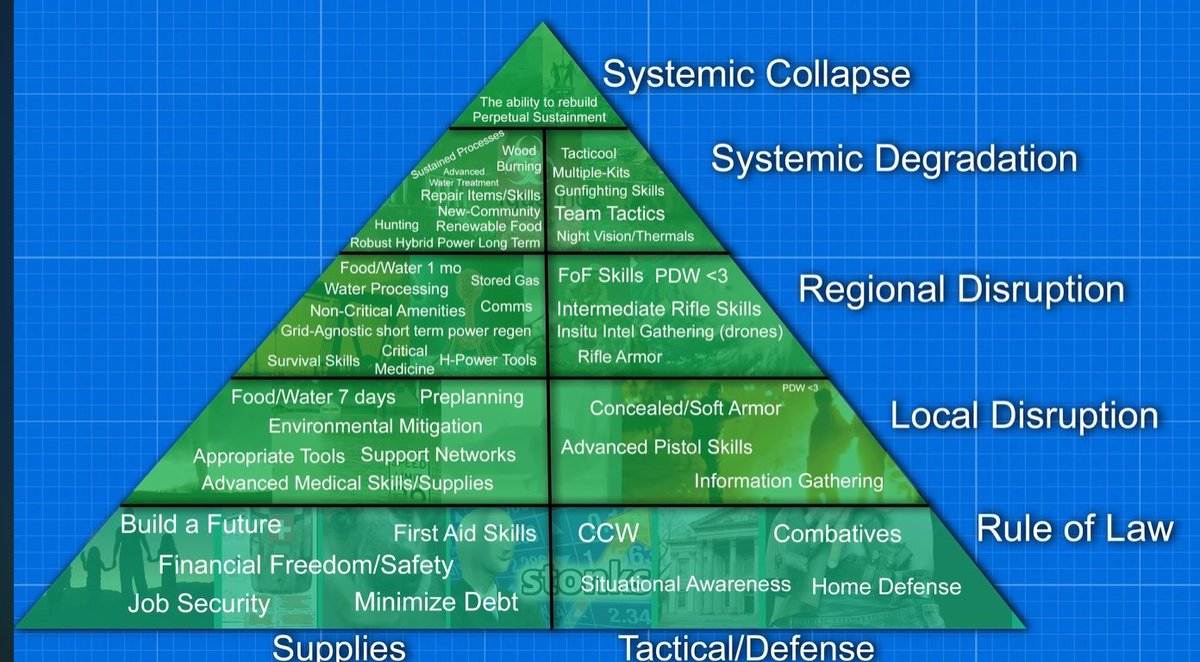
BrassFacts on youtube has a good video on the pyramid of societal collapse.

It is important to establish what situation you want to be ready for, and to what degree you are willing to commit resources to that scenario.

This is where having scalable solutions to gear pays off dividends as you can cover multiple layers of the pyramid without much swapping of kit.

For determining what kind of equipment you need, you need to first understand the situation you are preparing for.Image
Jul 7, 2025 8 tweets 9 min read
How to build a community?

(this is a long one, but if you claim to want this, stick with me)

This is by far the most common issue I see amongst people X.
"I am alone"
"I can’t find anyone to train with"
"It's impossible to find a group"

I get how difficult it is. I understand how overwhelming and lonely it can feel, and how after a few attempts that fail, you fall into the mindset that it can’t be done.

While I understand the hurdles and challenges, I also see a lot of behavior that is hindering people from successfully building a community.

My goal here today is to share what has worked for me and the people around me, and to help steer you in the right direction to building a community.

I am not an expert. I don't claim to have all the answers. But here is what I have learned so far:Image What do I mean by community?

I want to be clear here that I don't mean a group of tactical door kicking ninjas that you can do sick fast pace dynamic breaches with. While that is very fun, it is very niche, and requires a high level of commitment from a time and money standpoint.

What I am talking about is a group of people that come together to pool resources, share knowledge, train together, and very importantly, be friends with.

This is likely NOT going to manifest itself in a group of purely military aged men, who are solely dedicated to the art of war. This is going to be normal people. Men, women, parents, kids, grandparents.

Since I am mainly addressing the gun/training community here, yes, security and the ability to do violence to protect others is important. It's a valuable service you can offer people. But expecting that to be everyone's “thing” is unreasonable and unrealistic.

We are going to look for people who are willing to learn that skill set, but expecting everyone to already be there will end with you being alone.Image
Mar 19, 2025 6 tweets 6 min read
My thoughts on dry fire aides.

Don't use them. That's it, thank you for coming to my TED Talk.

Ok but for real.

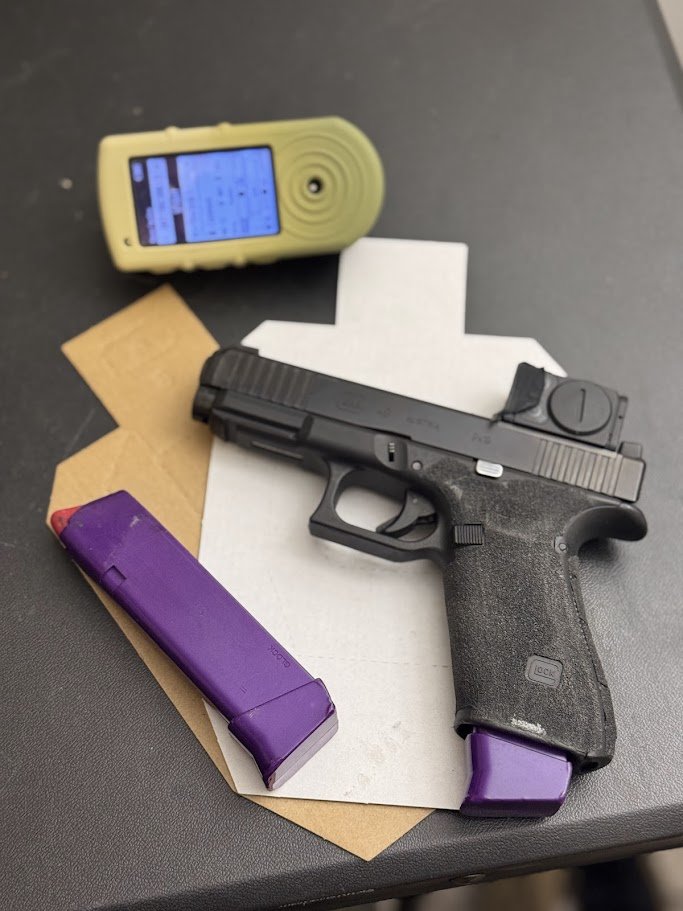
I get asked all of the time what I think about Mantis/blackbeard/coolfire/VR/insert laser-recocker-special dry fire trigger mag all the time.

IMO, they all offer some kind of benefit, but every single one comes with some kind of downside that cripples the value you should get out of dry fire. Let’s talk about what bad and good dry fire aides are.

It is hard to explain this if we are on different pages about what you can get out of dryfire, so I am going to break down the benefits of dryfire, and how these aides harm your growth and ability to progress.Image Vision: Dry fire is crucial to training your vision. Examples: Looking at a specific spot on a target instead of the whole target, leading transitions with your eyes, shifting visual focus far to near with reloads, looking at the spot on the target and not your dot. Just like driving, vision steers the gun and bullets.
Shot calling: Your ability to be aware of the dot without looking directly at it, breaking the shot mentally and physically, and having the awareness of the dots position to know where your bullet has landed without looking at the target. THIS IS A CRUCIAL SKILL TO DEVELOP FOR COMPETITION AND TACTICAL SHOOTING. I CAN NOT STRESS THIS ENOUGH.

Grip: Conscious awareness of your grip, feeling, pressures, and consistency. Being able to slam your trigger without the dot moving. Your grips durability through a long string of fire.

Index: Your natural point of aim with YOUR gun and dot combo. If this isn't subconscious, you will always struggle to “find the dot”. You will be slow and inaccurate without an index that is burned into your mind and body.

Manipulations: Reloads, slide racking, trigger press, magazine release, slide release. Manipulating YOUR gun, YOUR magazines, with YOUR belt, needs to be as second nature as your index.
Mar 12, 2025 9 tweets 11 min read
Water purification and filtration kit breakdown.

Possibly the most important, and most likely kit you will ever actually need, and it gets slept on entirely.

How long can you go without water? The book answer is 3 days. The real answer is closer to 2, and the third day you spend cramped up, dying in place.

How long can you survive with no water while having violent diarrhea as a result of drinking dirty water?

Water insecurity is not some far off, apocalyptic fantasy. It happens today, in America. Water infrastructure is old and weak. You may find yourself lost while hiking. A natural disaster can wipe your local area into the stone age for a few days while relief efforts are set up (See Western NC).

I am not a water expert, but I have devoted a serious amount of time and effort learning and practicing what I can, and getting the tools necessary to enable me to not die of dehydration or dysentery if the water gets turned off.

What follows is a breakdown of what I keep on me, both in and out of “tactical” kit. I will break it into levels.

Level 0: Mindset and knowledge, Filtration vs Purification
Level 1: On body
Level 2: In my kit
Level 3: In my pack

I am not affiliated, outside of friendship and sharing ideas, with any of the companies whose products I will mention.Image
Image
Image
Level 0: Mindset and Knowledge

Your mind is your most powerful tool. Understanding things like:
- Which water should you look for to purify?
- How do you modify your methods for clear running water versus stagnant cloudy water?
- How much disinfectant do you need per volume?
- How does temperature and turbidity (clarity) of the water impact the dosage of your purification?
- Do you need to filter and purify?
- Is just one method sufficient?
- How long does a filter last?
- What is the shelf life of a purification tablet?

All of this knowledge and more will enable you to make good decisions about water, regardless of the specific tools available to you. But how do you gain said knowledge?

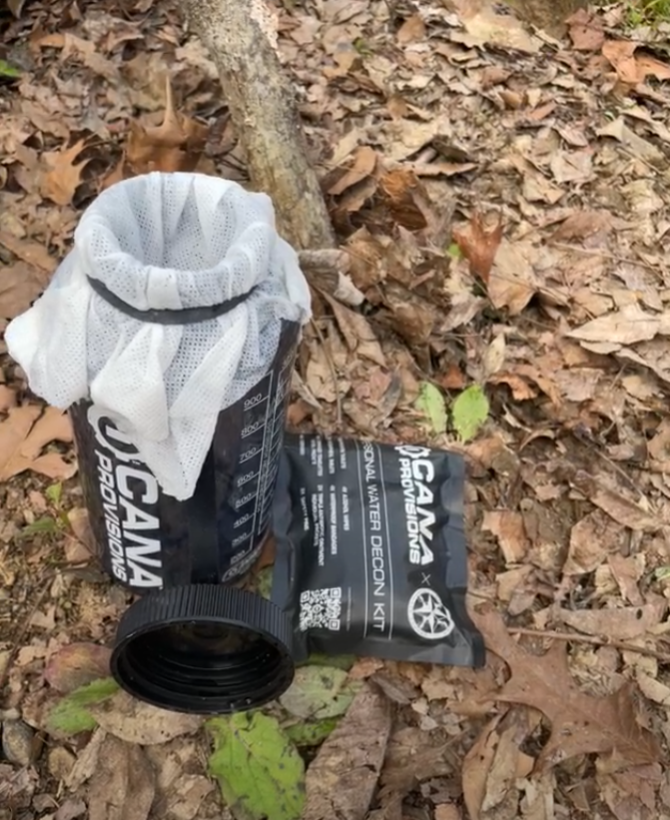
Research and learn from experts. My go to sources for this understanding is Zach from Cana Provisions, and Mitch from @AgonicLLC . Both have substantial time testing, researching, and developing water plans for a multitude of scenarios.

But you need to have this knowledge on hand, and you can not afford to be wrong, especially when it is the lives of yourself or your loved ones at stake. Fatigue is a hell of a drug, and when you have been awake for days, and are dehydrated, it’s best to have this knowledge on hand.

This is where I find a ton of value in the Water Data Cards from Cana Provisions. Yes, this is info you could gather on your own, but these cards are sturdy, well researched, and contain all of the info you need to purify any volume of water, with almost every available tool.

As an additional note, if you opt to get an H2gO Chlorine Generator, Cana Provisions has two data cards dedicated to it that not only detail its uses for water purification, but other use cases as well such as wound care, sterilization, and washing produce.Image
Image
Jan 25, 2025 6 tweets 6 min read
Thoughts on Helmets for the Prepared Citizen

We talked a few days ago about Plate Carriers vs LBVs. Now let's talk about helmets. On the surface, you may think it is the same argument, but it is actually quite different.

In that article, I argued that plates are not always worth it in a collapse scenario.

I feel the opposite about a helmet.

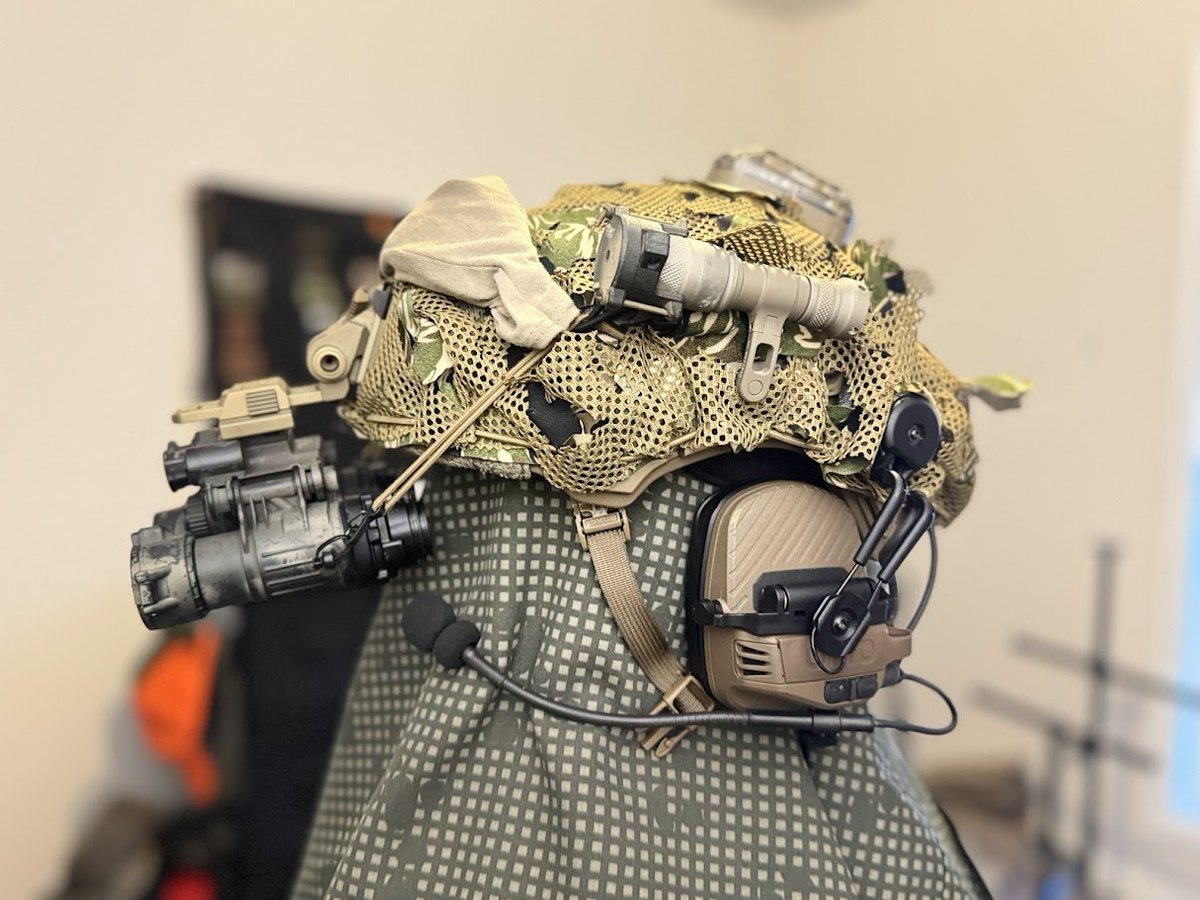
Let's talk about why, and then I will break down my helmet and some tips for setting yours up.Image
Why have a helmet, if you aren’t wearing body armor?

Whereas I argued that wearing a plate carrier had limited benefits when there is no access to higher levels of medical care, a helmet is a different story.

- Head wounds, while sometimes survivable, are often not survivable. It’s much more binary than body wounds.

- The head is often the most exposed part of your body while fighting with a gun. It is required to be in the open to accurately fire your weapon, unless you plan to Somali fire…

- The plate carrier only covers a very small portion of your body, the helmet covers almost all of your head

- The helmet serves (it can be argued that its primary purpose) as a platform for night vision, communications/hearing protection, and marking/signaling to your teammates (IR strobes, glint tape, etc)

- other mechanisms of injury are just as fatal as gunfire, and your head is an area that is uniquely exposed to things like falling debris, branches, bricks, etc.Image
Image
Jan 22, 2025 6 tweets 3 min read
Should you run a plate carrier or LBV?

Quick story time:

Over the course 6 days, I was shot over 40 times with simunitions while training CQB. I decided to run the entire course in my LBV, with no plate carrier.

Wanna know how many sim rounds would have been stopped by a plate?

One. (I got shot in the hands. A LOT)

Now, that is a sample size of one dude, over the course of only a week of shoothouse runs. But it illustrates a point.

Lets talk briefly about plate carriers and their use for prepared civilians.Image First we need to define what scenario we are talking about, because for me the math changes based on the scenario, and one factor in particular:
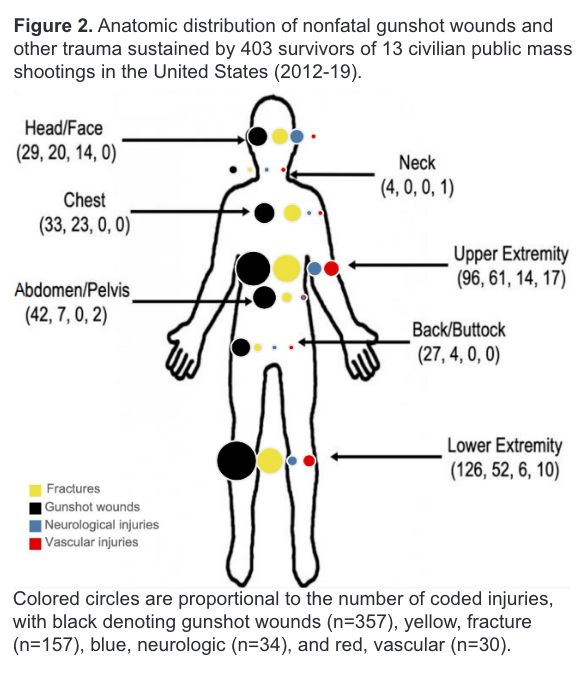
Can you reasonably expect to be treated at a higher level of care?

If YES: plates make more sense
If NO: they make less sense.

My logic:
-if you are shot, the chances of you being shot in your plate is small.
-You will more likely be shot elsewhere, and in the plates, or just elsewhere.
-If you can not expect to be treated at a hospital, you are probably going to die anyway, just slowly.
- In that case, I would rather take the round in the chest and die faster.Image
Jan 8, 2025 8 tweets 5 min read
Ammo Selection for an SPR in a Designated Marksman role.

[Part 2 in my Designated Marksman series]

Bottom line up front: For the majority of people, your SPR should be in 5.56mm.

Does it have the best external ballistics? No.
Does it have the best terminal ballistics? No.
Is it the best caliber for most DMs? Yes.

Lets talk about why that is.Image Flexibility:
First and foremost, the DM is a rifleman. You need to be able to do with your rifle what everyone else is doing. Patrolling, clearing buildings, rapid fire engagements at close range, shooting under nods and thermals. Can you do this with a larger caliber as well? You sure can. Is it as well suited for that role? No.
Jan 4, 2025 7 tweets 4 min read
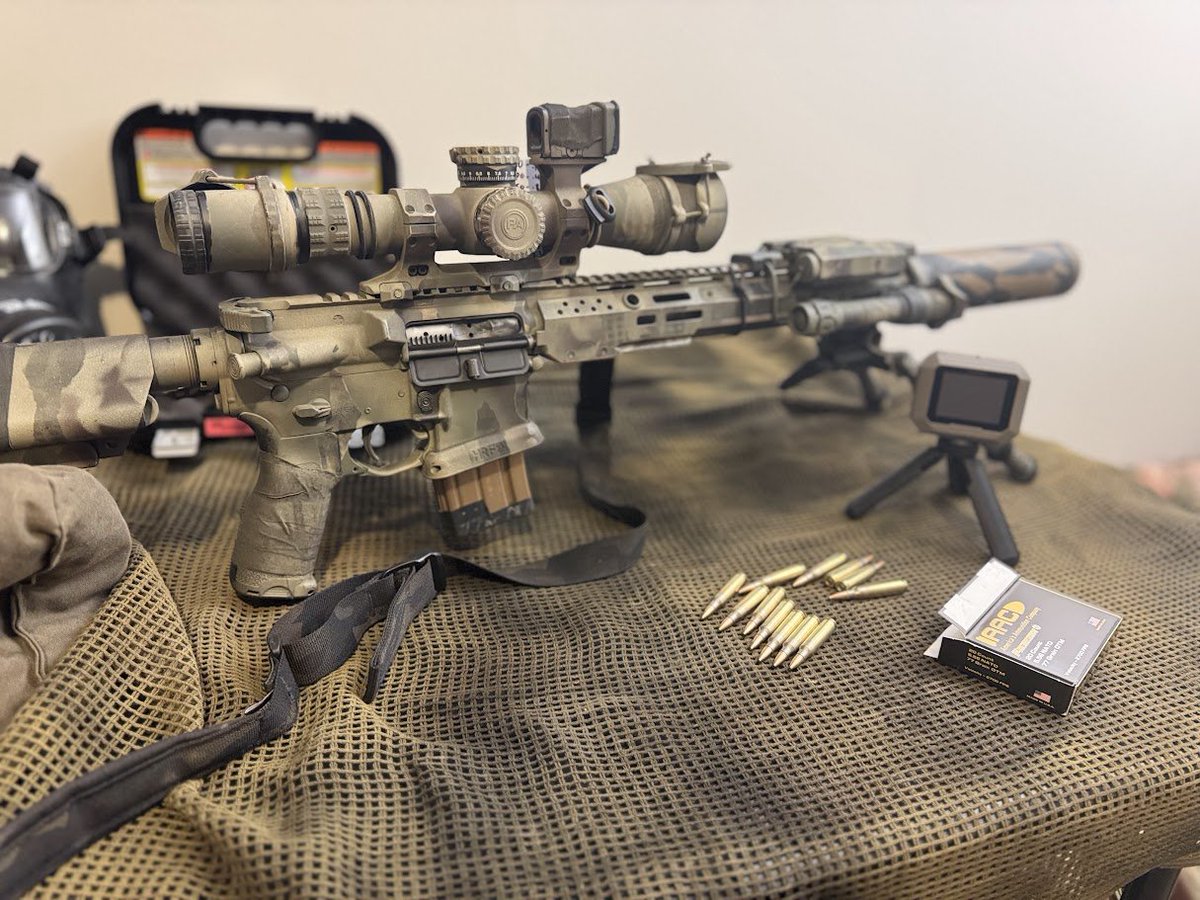
Magnification for an SPR in a Designated Marksman role:

This is one of the FEW areas where I will claim expertise, both in real world experience and with current best practices.

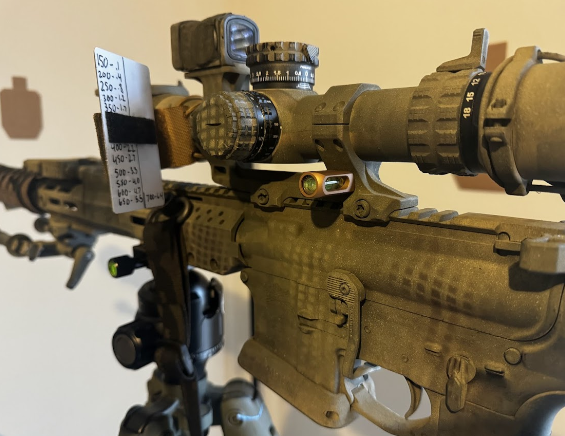
Your magnification range should be AT LEAST double for every 100yds you want to observe and shoot. Preferably more.

e.g. you want to be able to shoot/observe 800yds. You need 16x. for 900yds, 18x. etc

If you want to know why, read on.

🧵Image
Image
First my background. 8 Years Army, Cav Scout. Make your jokes, but our bread and butter was observation and recon.
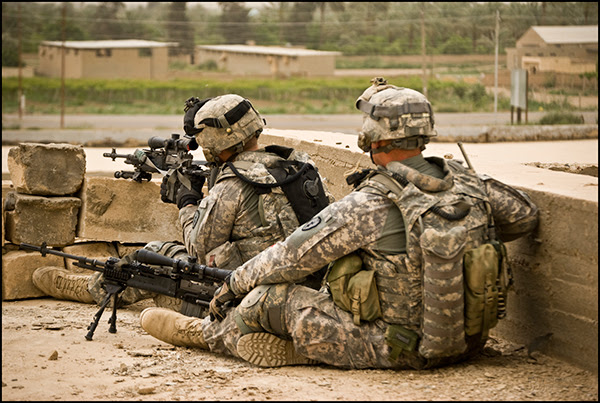
Designated Marksman for 2 deployments. Iraq 08 and 2010. Worked in a Scout PLT and as Squadron (Bn) level asset with a 4 man team. Spent a lot of time on roofs and in OP's observing.

I have stayed current with trends and best practices since. Most recently I went to Designated Marksman TUSC at DARC in Sept 2024. Did a separate precision rifle course this year as well.Image
Image
Image
Dec 30, 2024 9 tweets 8 min read
Training with kit and specifically NODs: Buying them isn’t enough.

This is a trend I am seeing.

Dude shows up to a low light match. Kitted to the teeth with very nice gear. NODs, suppressed rifle, laser aiming module, plate carrier, belt, etc.

Buzzer beeps. He can’t see the targets. He doesn't know his LAM holds. His gun wont cycle reliably. He is yard-saleing his kit all over the range, mags going this way and that.

“Unload and show clear”

He blames his kit for not working. He never shows back up to shoot another match.

EVERY. SINGLE. MATCH. There is at least one, sometimes many like this. I've shot 15-ish Night Vision matches this year. Without fail, it’s every time.

Buying kit, and specifically night vision, isn’t buying a superpower. You have unlocked a whole new aspect you need to train and become proficient on. Or you just wasted $3000-$15,000 to look cool for the gram.

I was going to just rant about dudes not training with their kit, but decided to try and put out something useful instead.

In this thread I’m going to talk about a way (not THE ONLY way) to get better with your newly purchased NODs. 4 phases, phase 1-3 require 0 rounds to be fired, and can be done in or around your home.

Through every phase, observe how clearly you can see and ID objects or potential targets.

🧵1/7Image Phase 1: Familiarity with your NODs

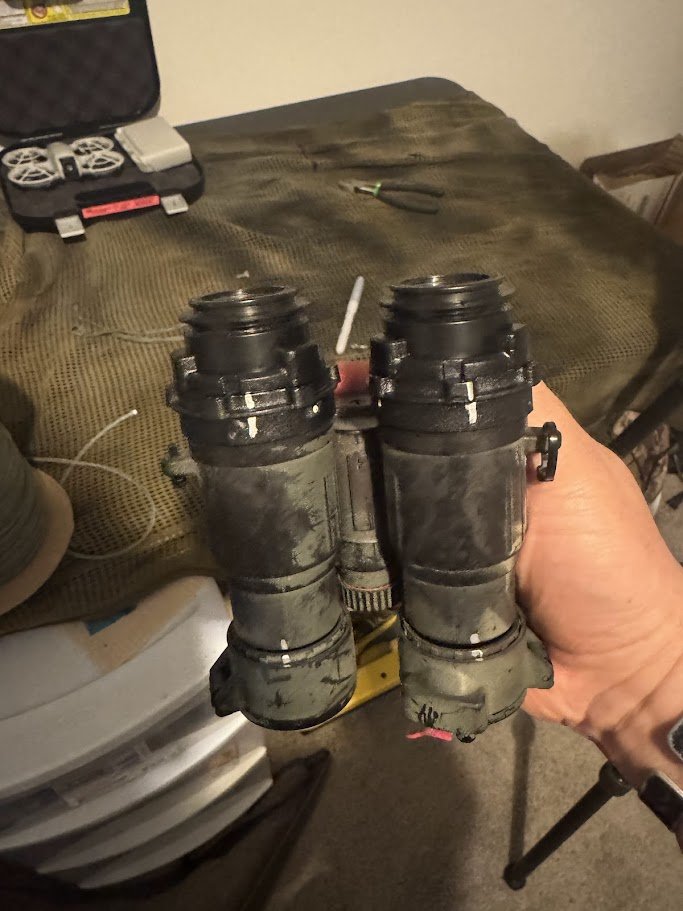
Step 1 is to get to know your NODs. You need to learn the controls, objective adjustments, the ocular adjustments, and gain control if you have it. You need to know these controls by touch, as they are on your face, in the dark.

The same goes for your mount to your helmet. You need to know how to move the Nods up and down, tilt, change the distance to your face, flip them up and down. Again, by touch, in the dark, as you are wearing them.

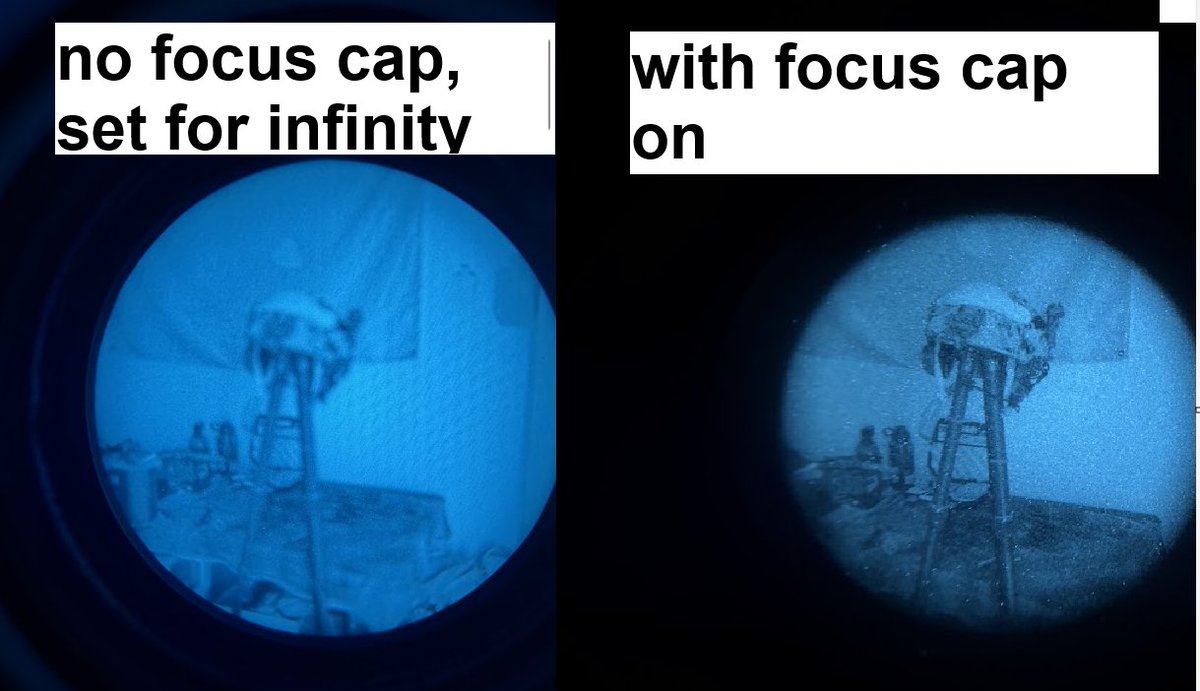
I highly suggest getting focus caps. You do not need expensive ones. I use Butler creek scope caps from amazon. Size 07 works for standard pvs 14 style housings. Start by drilling a small hole in the very center of the cap. You can widen the hole if you want more light/FOV. This will let you see very close, and to intermediate ranges, at the same time, without touching your adjustments. Albeit with less light transmission. Very helpful if working indoors and you have supplemental IR light to brighten up the image.

As a default, I leave my tubes focused for infinity, and use focus caps to see closer. I rarely have to change the objective focus ring. Witness mark your adjustments, I have both sets of lenses marked for my prescription, and for infinity on the objective.

🧵2/7Image
Image
Image
Nov 15, 2024 7 tweets 7 min read
Rifle zero’s and top dot zeros (top dots are where I get spicy with it):

Oh here we go… the rifle zero debate. Let me preface this. It doesn't matter what zero you have. What is important is that you know your zero, you know your holds, and you have verified those holds with live fire and know where to aim based on the distance to your target.

Im gonna talk about magnified optics, top dots, and red dot + magnifiers. LPVO's can kick rocks 😎

There are many different zeros. You’ll see the 25yd, 36yd, 50yd, and 100yd, along with some other niche ones thrown in. Typically when debating zero you will hear the term, “max point blank range” or MPB.

This is the distance where you can aim center mass and achieve a decent hit. This is often the metric used to judge how “good” a zero is. I am going to show a chart that shows the different trajectories, based on where you zero at.

As you can see, some zeros cause the bullets Maximum Ordinate (Max Ord) to travel high above the point of aim (POA), some only slightly. The only zero in this example that does not have this issue, is the 100yd zero.

You can run into issues with your max ord while shooting small targets at medium ranges (150yds-250yds), say, a head and rifle sticking out over a wall. At 200yds, with a 25yd zero, you will miss high over your POA by 10 inches. I prefer to avoid this.Image Magnified Optics: All of my magnified optics are zeroed at 100yds. This gives me a consistent climb from 0 to 100yds, and a parabolic drop from 100yds and out.
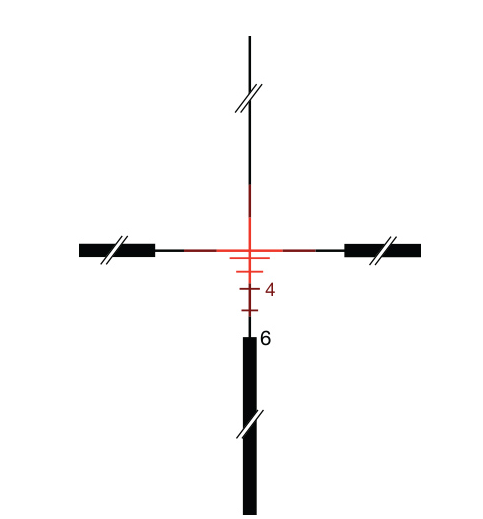
For some optics, like the ACOG, this is required for the BDC to line up (more on BDC's at the end). For optics with Mil or MOA subtensions, this can give you a more consistent hold from your zero distance out to longer range, without ever having to hold under your target.Image
Image
Nov 7, 2024 5 tweets 7 min read
Building a scalable kit.

Problem: As a prepared civilian, we do not know what “mission” we will be required to do. In the MIL or LE, your job is fairly cut and dry, and you can tailor your gear to fit your mission. As a civilian we must be prepared for a variety of scenarios, objectives, priorities, and levels of societal degradation ranging from short term localized unrest, to full on loss of Rule of Law.

Solution: The solution is to build your kit so that it can scale up or down based on your needs. In my opinion, you can accomplish this by having a few components that work together in tandem, or separately. Having kit that functions with each other and independently will give you more capability, while saving you money on buying proprietary setups that you have to store, and wear separately.

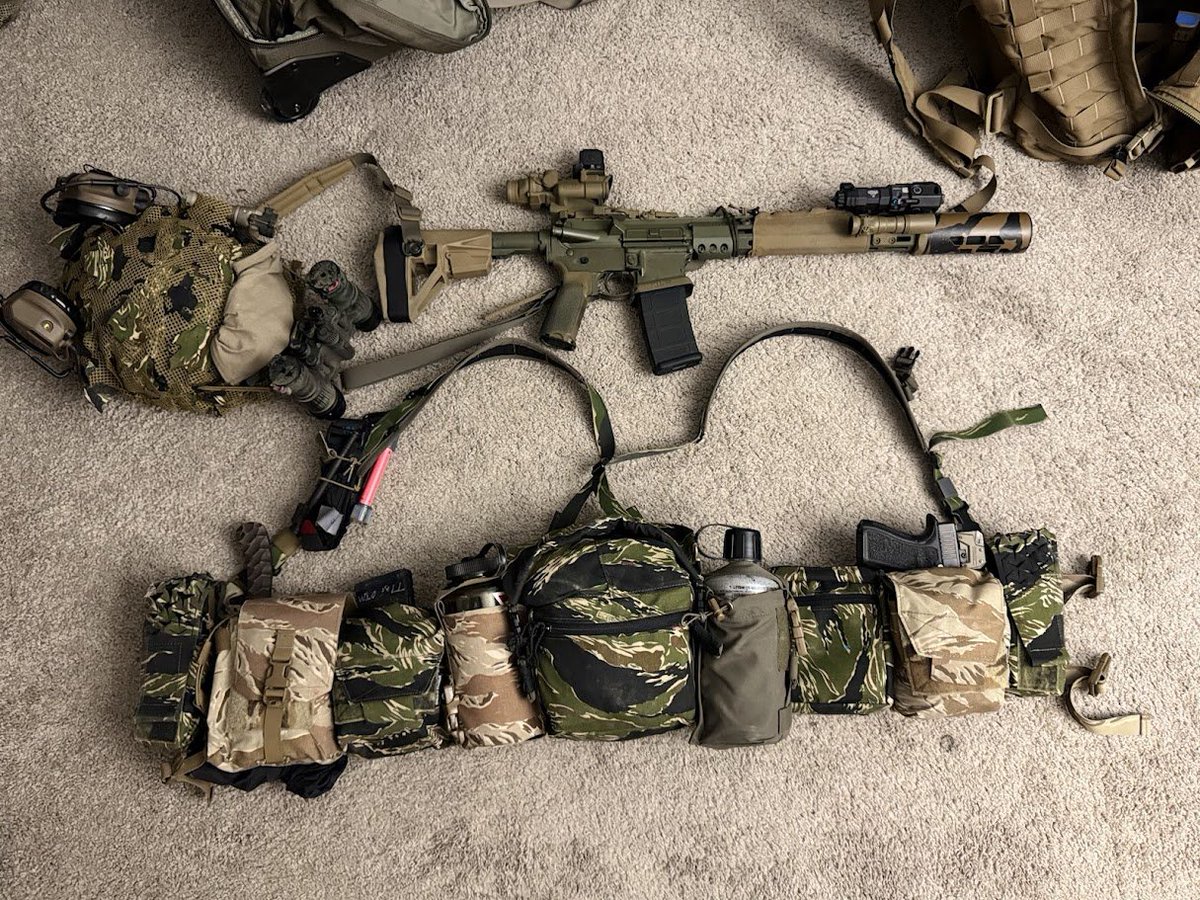
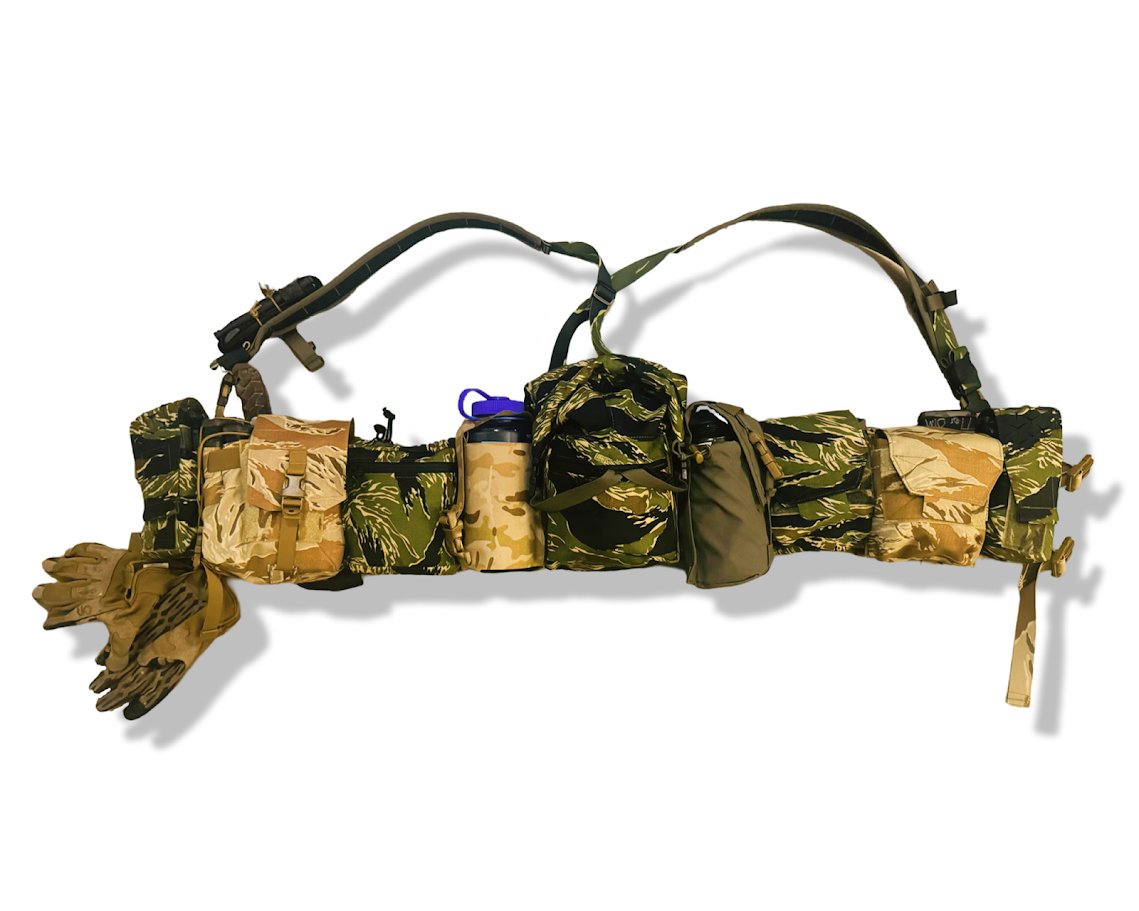
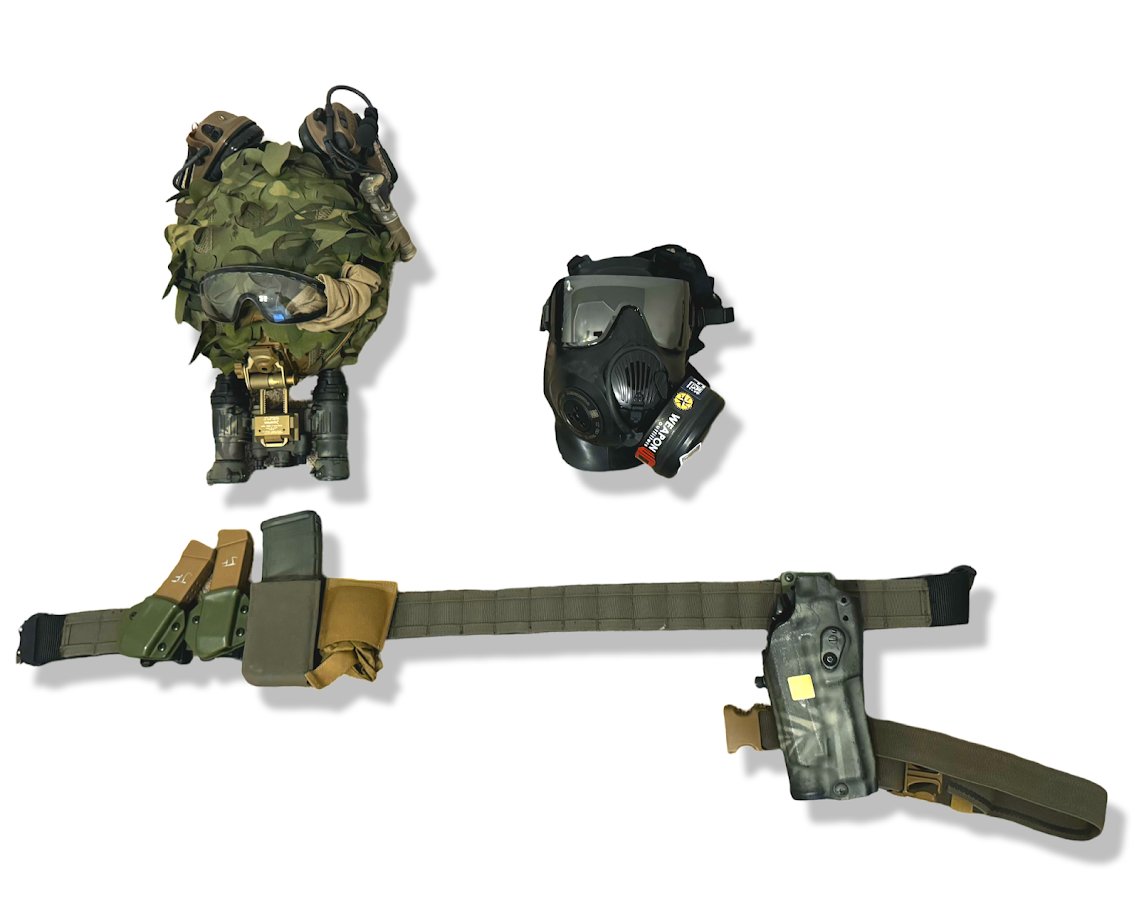
I'm going to break down what I have set up in the following thread, so I can add pictures for each level. For now, here are the major components

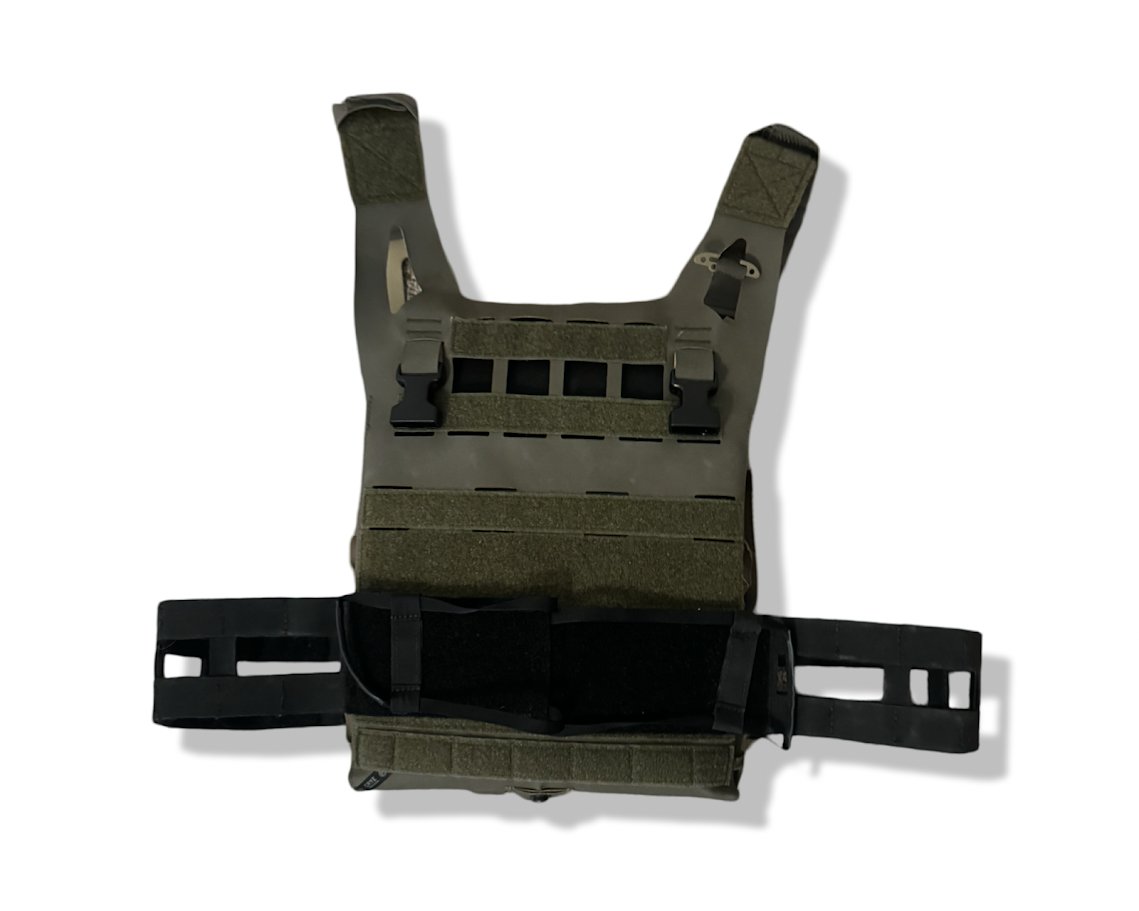
-A slick Crye SPC
-Spiritus Systems 34A with LBV Expander Kit
-Daily CCW contents.
-Ancillary Add-onsImage
Image
Image
Image
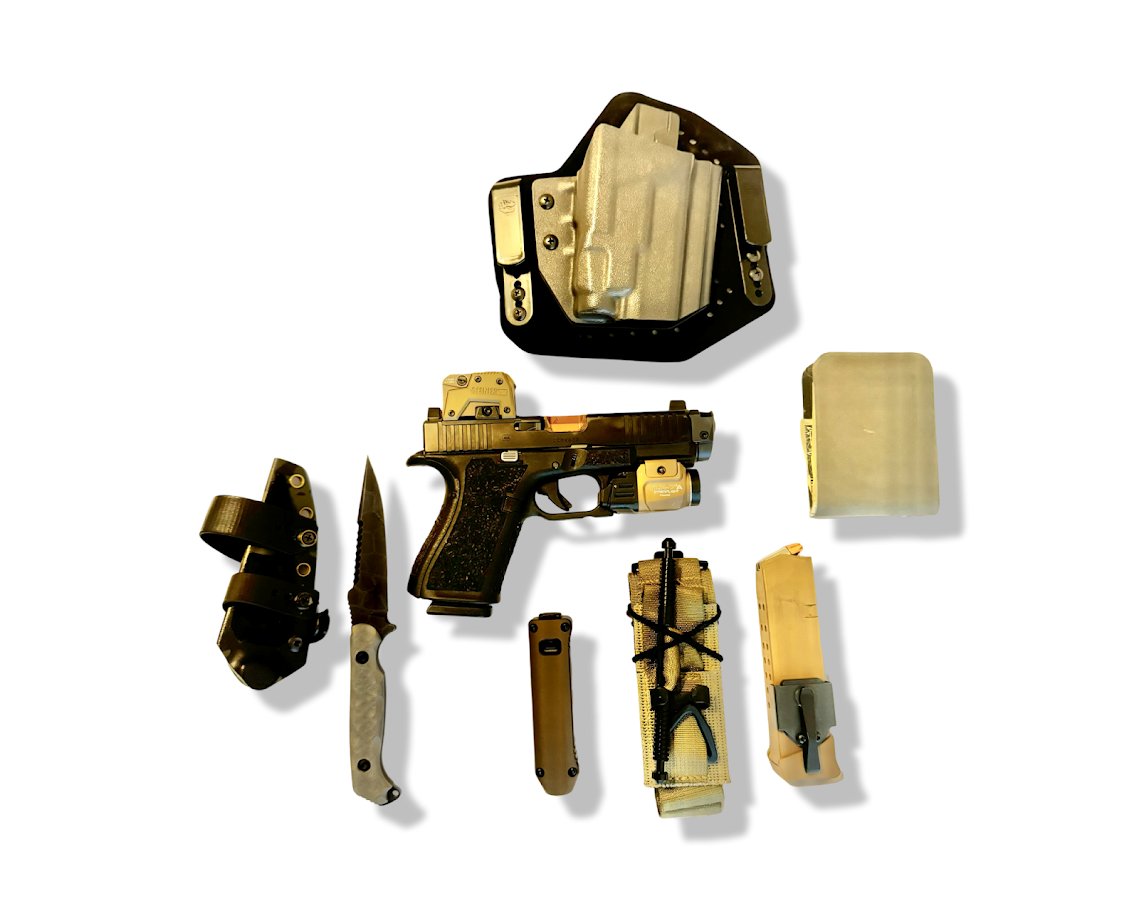
CCW Setup: This is probably where you should spend the most time perfecting your gear, as it's going to be on you at all times, needs to fit into multiple types of clothing, and give you capability to handle the most likely scenarios in our normal world, while still not being a hindrance to your actual life. For me, that is
- G19 with Radian comp, MPS dot, and TLR7 light. In a TRex Ironside holster (IWB 3 o'clock)
- SOF-T Wide TQ (back left pocket)
- Toor Darter Fixed blade (horizontal, beltline, 11 o clock)
- Streamlight Wedge XT 500 lumen light (back left pocket)
- 19 round spare mag (Front left pocket)
- Wallet (back right pocket)
- Cell phone (front right pocket)Image
Image